Recent Rabies Cases Highlight the Importance of Bat Control in New Jersey
Recent reports of rabid bats in New Jersey serve as a reminder that even ordinary areas around the home or in your neighborhood can become unexpected points of contact between people, pets, and wildlife. While not every bat has rabies, avoiding direct contact with bats and other wild animals, as well as taking steps to keep them out of your home, are important ways to protect you and your loved ones in your household.
Rabies is a serious viral disease that can affect mammals, including people, pets, bats, raccoons, and other wildlife. The virus is primarily transmitted through the saliva of an infected animal, most commonly through bites, scratches, or exposure to an open wound.
Human rabies infections are rare, with the last reported case in New Jersey being in 1997, but the disease is extremely serious and should be treated immediately. Once clinical symptoms develop, rabies is almost always fatal.
Bats are an important part of the ecosystem, but they are also one of the wildlife species most associated with rabies in the United States. You cannot determine whether a bat has rabies simply by looking at it, so homeowners should avoid attempting to touch, capture, or remove a bat themselves.
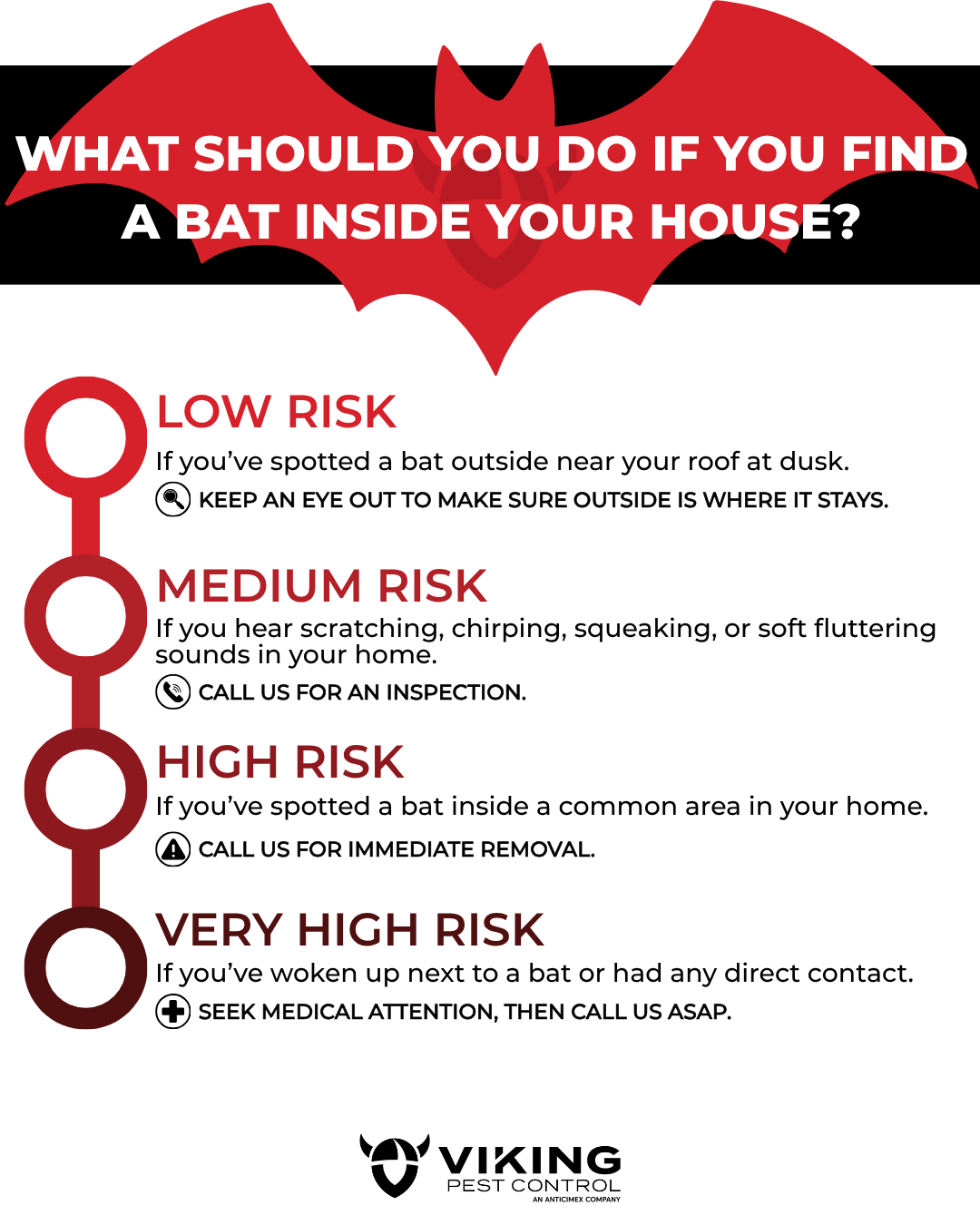
What Should You Do If You Find a Bat in Your Home?
Finding a bat flying through your home can be alarming, but attempting to catch or handle it yourself can increase the risk of accidental contact.
If you believe you or your pet may have been bitten, scratched, or otherwise exposed to a bat, wash any wound thoroughly and seek appropriate medical or veterinary guidance as soon as possible.
Certain situations require more caution than others. Contact the appropriate local health or animal-control authorities and seek medical guidance if a bat is discovered:
In a room with a sleeping person
Near a young child
Near someone who may be unable to reliably communicate whether contact occurred
After a person or pet may have had direct physical contact with it
Do not automatically release the bat outdoors after a potential exposure. Local health authorities may need to test the bat to determine whether post-exposure treatment is recommended.
For help addressing bats inside or around a property, homeowners can contact Viking Pest Control for professional bat removal and exclusion services rather than handling the issue themselves.
Protecting Your Pets from Rabies Exposure
Pets can encounter bats before their owners even realize a bat has entered the home. In the recent Haddonfield bat case, the three cats present in the home where the rabid bat was found were already vaccinated against rabies. However, they still had to receive booster shots and were placed under a 45-day observation period for safety.
Keeping dogs, cats, and other eligible pets up to date on their rabies vaccines is one of the most important precautions. Homeowners should also supervise pets when possible and contact a veterinarian as soon as possible following a suspected wildlife exposure.
Children should also be taught to never pick up, pet, or play with bats or wild animals, even if the animal appears injured or harmless.
Bats Can Create Other Problems Inside Homes
Rabies isn’t the only reason homeowners should address a bat problem. When bats roost in attics or other areas of a property, bat guano (droppings) can accumulate, leading to allergies, unpleasant odors, staining, and other sanitation issues. Guano also supports the growth of a fungus that can become airborne and cause Histoplasmosis, a lung infection that can lead to meningitis.
How Bat Exclusion Helps Keep Bats Out
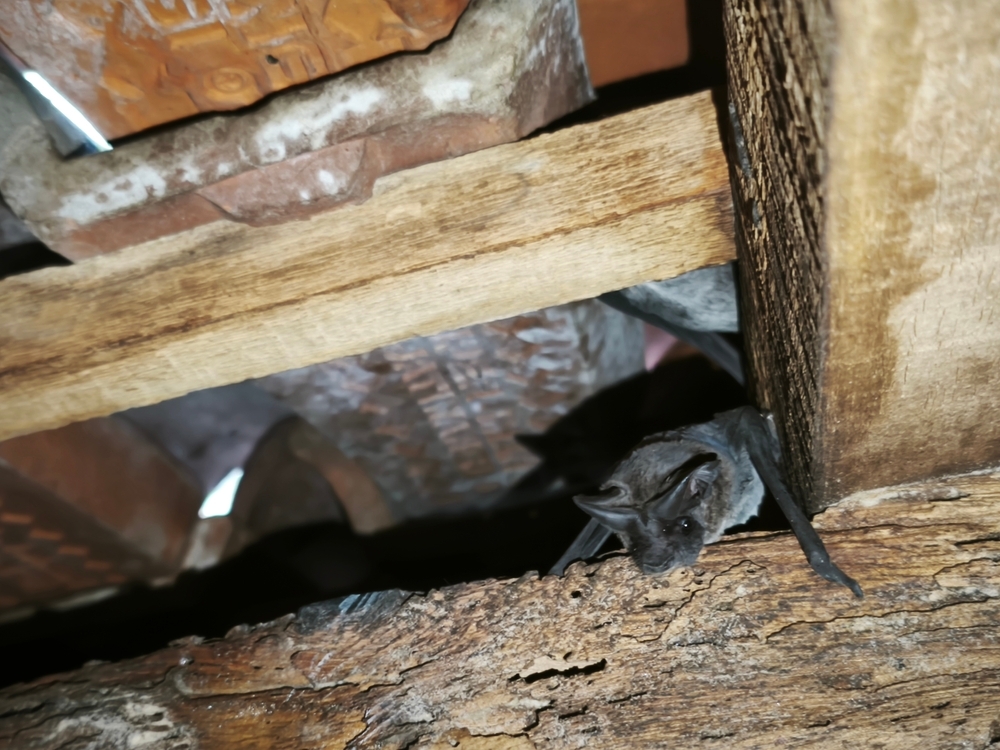
One of the most effective approaches to long-term bat control is preventing bats from getting inside in the first place. Bats can take advantage of small gaps and openings around a home’s exterior to access attics, wall voids, and other sheltered areas.
Potential entry points include:
Rooflines
Eaves and soffits
Vents
Fascia
Gaps around exterior construction
Other openings leading into attics or wall spaces
Professional bat exclusion in New Jersey focuses on identifying these potential entry points, allowing bats to leave appropriately, and helping prevent them from getting back inside. Because bats are protected wildlife, and seasonal restrictions can affect when exclusion work may be performed, timing matters more than anything.
New Jersey’s Bat Exclusion Period is Short: Contact Viking Pest Control Before It’s Too Late!
New Jersey bat exclusion is available until October 15th. This window allows qualifying bat exclusion work to be completed while helping protect bats during sensitive parts of their life cycle, such as maternity season. After October 15th, bat removal will not be available again until next year, so the time to act is now.
Bats will return to an area if it is not treated to deter them from roosting there again. If you’ve heard scratching or movement in your attic, noticed bats entering or leaving your home, discovered bat droppings, or already experienced a bat inside your living space, do not wait for another encounter, as you are already running out of time.
Viking Pest Control’s New Jersey wildlife control specialists can inspect your property, identify potential bat entry points, and recommend appropriate bat exclusion solutions. Don’t let bats make your home their home. Contact Viking today!
Why April is the Most Important Month for Bat Removal
If you’ve noticed bats flying around your home at night or heard scratching noises in your attic, you’re not alone. Across New Jersey, an unusually cold February has pushed many pregnant bats indoors in search of warmth to raise their young. Because of this, April is the most critical month for homeowners and businesses to act so that the bats’ stay is temporary and to schedule professional bat removal before a colony becomes established.
While bats do play an important role in the environment, they belong in the wild, not your home or commercial space. Timing matters this month more than people are generally aware of, especially if you’ve been wondering how to get rid of bats safely, legally, and as quickly as possible.
Why Bats Are Showing Up Now
Bats are common throughout New Jersey and the broader Viking Pest Control service area. These small, flying mammals often settle in attics, sheds, and other quiet, unoccupied spaces. Female bats are especially attracted to attics because they provide warm conditions for raising their young, which is why many homeowners suddenly need bat removal services in early spring.
Once inside, bats can squeeze into surprisingly small openings, including gaps in siding, unscreened vents, and spaces under eaves. The trickiest part of all of this is that you may not even realize that they’re there, which makes timely bat removal more challenging if you wait too long to investigate noises or droppings.
Why April Is the “Now or Never” Month
Due to bat-protection laws, bat removal cannot be done at just any time of year. There are very strict regulations on when and how bats can be removed from homes and businesses, so knowing how to get rid of bats the right way means working within this limited window.
April is considered a safe “blackout window” for bat removal, and it is one of the few times early in the year when safe, legal expulsion is possible before baby bats are born in the summer. Here’s why that matters:
Once babies are born, they cannot be removed
The separation of mothers from their young is illegal
Colonies will remain in your home until late summer or early fall
If nothing is done to expel the bats before or after their occupation on your property, they will return there each year for decades
What this means is that if you miss this April window, you may be stuck with a bat colony until August or even October. While the expulsion period for bats runs from April 1st to May 14th, missing the April deadline could risk your health and safety if you have a bat infestation and delay bat removal services until later in the year.
Are Bats Still Active in October?
Yes, bats can still be active in October in New Jersey and Pennsylvania. Many colonies remain in place through late summer and early fall, especially if they have an established roost in your attic or walls. Depending on weather and food availability, some bats may not fully migrate or enter hibernation until later in the fall, which is why a missed April window can leave you living with bats for months.
The Risks of Ignoring a Bat Problem
Although bats are typically timid and non-aggressive, they can pose real health risks if they settle inside your property. While most people think of bat bites as the main issue, the more concerning problem is guano, or bat droppings.
Guano can accumulate in attics and wall voids, creating strong, unpleasant odors that lead to staining and structural damage. This leads to the release of airborne fungal spores. Breathing in that air can cause severe health problems, which is why professional bat removal is strongly recommended over DIY attempts.
The main health concerns with bats are:
Rabies: Infections are rare, but rabies is a serious disease that can be transmitted through bites or scratches, and due to how small bat bites are, they can often go unnoticed. Rabies is also 100% fatal.
Histoplasmosis: This is a lung infection that can develop simply from breathing guano-contaminated air and leads to lung scarring. In extreme cases, it can cause long-term respiratory issues, flu-like symptoms, pneumonia, or even death.
Other pests: Bats may also bring along parasites like mites, fleas, and ticks, adding another layer of concern for both homes and businesses.
How Professionals Safely Remove Bats in NJ & PA
Bat protection means that expulsion must be handled carefully and humanely. The most effective method is aptly named exclusion, and it is the core of most professional bat removal services in this region.
The process of exclusion involves installing one-way devices, also known as bat valves. These allow bats to leave an area but prevent them from re-entering. Once the entire colony is locked out, all possible bat entry points are sealed to prevent future infestations and avoid needing repeat bat removal in the future.
A proper bat control service will also:
Inspect the property and its structures thoroughly
Identify and seal even the smallest entry points
Clean and sanitize contaminated areas
Provide recommendations for ongoing prevention
Don’t Wait Until It’s Too Late: Contact Viking Pest for Bat Removal Today!
If you have either seen bats around your property or suspect activity in your attic, now is the time to act. Waiting even a few weeks could mean missing the narrow removal window and dealing with a much bigger issue later in the year. For both homeowners and business owners, early detection and professional exclusion are key to protecting not just the structural integrity of your property, but also your health. If you’ve been searching online for “bat removal near me,” contacting a licensed team that understands how to get rid of bats legally and humanely is the safest choice.
At the end of the day, bats may be an important part of our ecosystem, but they need to stay outside where they belong. That’s where experienced professionals like Viking Pest Control come in. With expert knowledge of local regulations, humane removal methods, and long-term prevention strategies, Viking helps ensure your home or business stays safe, clean, and bat-free year-round. Call us today or request your free, no-obligation estimate on our website to schedule bat removal services with a trusted local provider.
How to Keep Bats Away From Your Home
Bats play an important role in the environment by helping control insect populations, including mosquitoes and other nuisance pests. However, when bats begin roosting inside homes, they can quickly become a serious problem for homeowners.
Bat infestations can lead to property damage, unpleasant odors, noise disturbances, and potential health risks associated with droppings and direct contact. If you’ve noticed bats flying around your roofline or attic, it’s important to act quickly before a small problem turns into a larger colony.
Why Are Bats Attracted to Homes?
Bats are constantly searching for safe, quiet places to roost during the day. Homes can provide ideal shelter, especially when small openings allow easy access into attics, wall voids, and roof structures.
Several factors may attract bats to your property, including:
Dense vegetation
High insect activity
Outdoor lighting that attracts insects
Nearby ponds, creeks, or standing water
Warm attic spaces
Gaps along the roofline or siding
Properties with abundant insects naturally attract more bats because insects are their primary food source.
Where Do Bats Enter Homes?
Bats can squeeze through openings as small as ⅜ of an inch. Common entry points include:
Roofline gaps
Gable vents
Unscreened attic vents
Openings around siding and rake boards
Chimneys
Damaged soffits and fascia
Because bats can enter through extremely small gaps, infestations often go unnoticed until homeowners hear scratching sounds, discover droppings, or see bats flying near the home at dusk.
Are Bats Dangerous?
Although bats are beneficial outdoors, they can create health and safety concerns when they roost inside homes.
Potential risks associated with bats include:
Exposure to rabies through bites or scratches
Histoplasmosis from accumulated droppings
Contamination of insulation and attic spaces
Strong odors from guano buildup
For these reasons, direct contact with bats should always be avoided.
How to Prevent Bats From Entering Your Home
Preventing bats starts with reducing attractants and sealing potential entry points around the home.
Seal Gaps and Openings
Inspect your home carefully for openings around:
Rooflines
Vents
Windows and doors
Utility penetrations
Siding gaps
Chimneys
Seal openings with weatherproof materials and install screens over vents whenever possible.
Keep Doors and Windows Closed
Open windows and doors, especially at night, can accidentally allow bats inside.
Reduce Outdoor Insect Activity
Because bats feed heavily on insects, reducing insect populations around your home may help make the property less attractive to them.
Switching outdoor bulbs to yellow “bug lights” can help reduce the number of insects drawn to your exterior lighting.
Eliminate Standing Water
Standing water sources such as clogged gutters, birdbaths, or poorly drained landscaping may attract insects and increase bat activity nearby.
Install a Bat House
Bat houses can provide bats with an alternative roosting location away from your home while still allowing them to benefit the surrounding ecosystem.
Why Professional Bat Removal Is Important
Bat removal is not a typical DIY pest control project. Many bat species are legally protected in states such as New Jersey, Pennsylvania, and Maryland, and removal methods are often regulated by state wildlife agencies.
Improper bat removal attempts can:
Harm protected species
Separate mothers from pups
Cause bats to relocate deeper into the home
Create legal issues if exclusion laws are violated
Professional bat control specialists understand how to safely and humanely exclude bats while remaining compliant with local regulations.
Humane Bat Exclusion Services
Professional bat exclusion focuses on allowing bats to safely exit the structure while preventing them from re-entering. This process includes:
Identifying all bat entry points
Installing exclusion devices
Sealing accessible gaps
Preventing future infestations
Because bat exclusion timing may be restricted during maternity season, professional guidance is essential to ensure compliance with local wildlife laws.
Professional Bat Control From Viking Pest Control
At Viking Pest Control, our trained specialists provide humane bat exclusion and prevention services throughout New Jersey, Pennsylvania, Delaware, and Maryland. We help homeowners identify bat entry points, safely remove active infestations, and protect homes against future bat activity.
If you suspect bats are roosting in your attic or around your home, addressing the problem early can help prevent larger infestations and costly damage.