

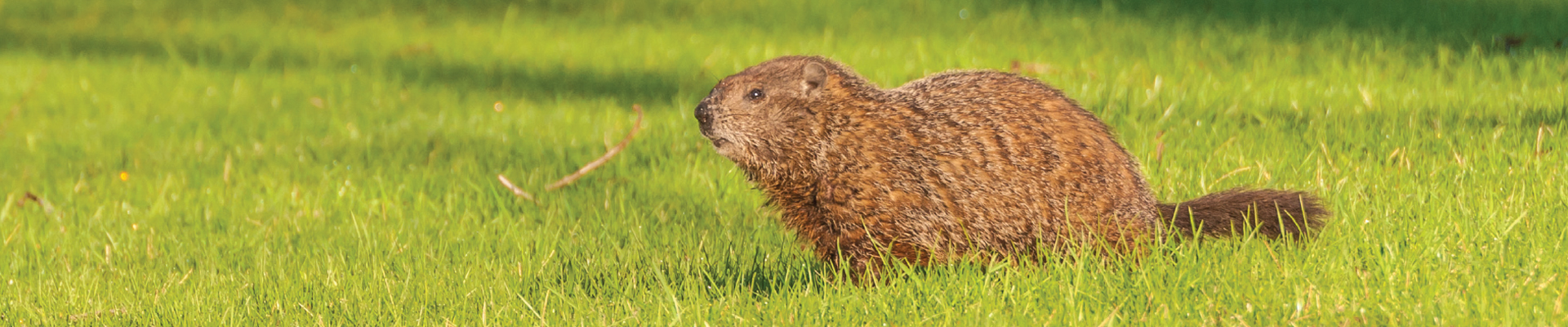

Groundhog Removal
Viking Pest Control does not offer Carcass & Dead Animal Removal. Animal removal is only completed by our team when an animal is found in a wildlife trap. Please contact your municipal office for local animal removal vendors.
Homeowners across New Jersey, Pennsylvania, Maryland, and Delaware rely on Viking Pest Control for year-round groundhog control and overall pest protection. While cute to look at and historically famous for their role in predicting the length of winter, groundhogs are typically not welcome around homes and businesses in the Mid-Atlantic. The reason is simple: these animals are considered a troublesome pest due to the extensive damage they’ll create by feeding, burrowing, and digging through yards, gardens, and farms. To protect your home or business from groundhogs, you need to learn about the behavior of this pest, take steps for prevention, and find groundhog removal options should an infestation occur.
Table of Contents
- What are Groundhogs?
- How Do I Identify Groundhogs?
- What Are the Signs of a Groundhog Infestation?
- What Do Groundhogs Eat?
- Are Groundhogs Dangerous?
- How to Get Rid of Groundhogs
What Are Groundhogs?
Groundhogs are rodents in the family Sciuridae. The average size of a fully grown groundhog is 24 inches long and their weight can be as much as 14 pounds. Typically, groundhogs can be found in the central and eastern parts of the U.S., including New Jersey, Maryland, Pennsylvania, and Delaware. These animals are classified as nuisance pests, and proactive groundhog treatment from a pest control expert is required to remove them from your home or business property.
Are Goundhogs Rodents?
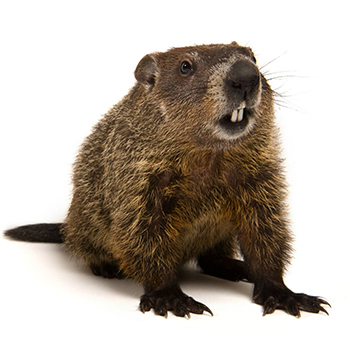
Yes. Groundhogs are rodents and one of 15 known species in the marmot genus. As rodents, Groundhogs have two buck teeth that grow perpetually, necessitating regular gnawing behavior to keep their length in check.
How Long Do Groundhogs Live?
In the wild, groundhogs typically live two to three years, though they’ve been known to live as long as six. In captivity, under controlled conditions, groundhogs have lived for as many as 14 years.
How Do I Identify Groundhogs?
As part of the rodent order, groundhogs resemble a much larger rat with a bushy tail. Many have described groundhogs as a cross between a small dog and a rat. These animals have little round heads with small round eyes and small ears located near the tops of their heads.
What Are The Signs of a Groundhog Infestation?
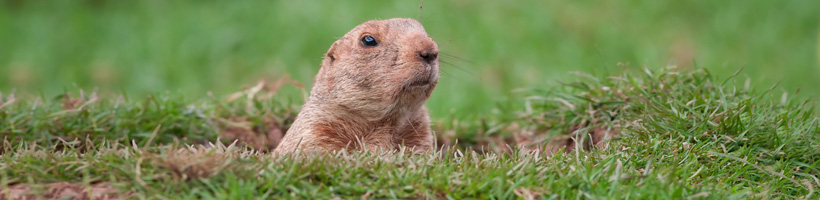
Groundhogs are burrowing pests, which means the most common sign of an infestation outside of direct groundhog sightings is the presence of holes. Ranging from 8-12 inches in diameter, these holes are entrances to interconnected tunnel systems that groundhogs use to get around while avoiding detection from predators and other threats. When groundhogs dig their holes, they generally leave behind a mound of dirt called a “porch.” Groundhogs are often sighted standing up on top of these porches scouting the larger area for threats and opportunities.

Another of the clearest signs of a groundhog infestation is damage to fruit and vegetable gardens. If you spot partially eaten fruits and vegetables strewn throughout your garden, it’s very possible that the perpetrator is a groundhog.
What Do Groundhogs Eat?
Groundhogs are attracted to sweet fruits, lettuce, and other garden vegetables. If you’re growing these in mass as a farmer in New Jersey, Pennsylvania, Maryland, or Delaware or in a small garden, you may find a need for a groundhog prevention plan.
Do Groundhogs Eat Tomatoes?
Yes. Groundhogs eat tomatoes and a wide variety of other fruits and vegetables. Generally, if you are growing edible produce in your garden, groundhogs represent a voracious threat.

Are Groundhogs Dangerous?
Groundhogs are more dangerous to your yard than they are to you personally. They are prolific diggers, tearing your soil apart in their quest for food and shelter. As previously mentioned, they are also significant dangers to any gardens you may be growing. Groundhogs often den under homes and decks which can cause structural and even foundational damage. That said, they are still capable of becoming a physical danger if provoked and a vector for diseases and infections.
Do Groundhogs Bite?
Yes. While groundhogs are far more likely to flee than fight, if cornered or provoked, they can and will bite. Their long rodent incisors can cause serious wounds and can also pass on infections and other ailments.
Do Groundhogs Carry Rabies?
Groundhogs can absolutely carry rabies and pass it on through their bites. If a groundhog bites you or a member of your household, it’s a good idea to go to the emergency room to deal with any potential infections.
How to Get Rid of Groundhogs
Groundhog removal is not easy. These marmots are quick, clever, and know how to avoid unwanted attention. DIY groundhog removal can be dangerous, ineffective, and even illegal. Trapping a groundhog yourself increases your risk of exposure to diseases that can be spread through the animal or its droppings. Many homeowners assume they can simply relocate a trapped groundhog, but transporting and releasing wildlife is illegal in many areas and often results in the animal dying from stress, starvation, or predators in an unfamiliar environment.
Other do-it-yourself groundhog control methods can be even more hazardous. Home remedies involving hazardous materials, smoke, or explosives can pose serious risks to people, pets, and the environment while doing little to solve the underlying problem. Professional groundhog removal specialists have the training, equipment, and knowledge to remove nuisance wildlife safely, humanely, and in compliance with local regulations. If you’re dealing with groundhog damage, professional wildlife removal is the safest and most effective way to protect your property.
Viking Pest offers a variety of groundhog control methods including SMART wildlife exclusion. Call today for a free quote.
More About Groundhogs

Additional FAQs About Groundhogs
Protecting Your Home or Business From Groundhogs With Viking Pest Control
Viking Pest offers expert treatment designed to effectively and efficiently control and prevent pests from invading your home or business in New Jersey, Pennsylvania, Maryland, and Delaware. Our use of Integrated Pest Management (IPM) techniques focuses on finding the core of the pest concern and controlling Groundhogs from the source. Through IPM, pest control materials are selected and applied in a manner that minimizes risks to human health, pets, and the environment. Call Viking today for your FREE and NO OBLIGATION estimate at 1-800-618-2847 or Schedule Online today!
Schedule Service Today & Get Unlimited Service Requests*
* Some restrictions apply
Buy Online
Customer Login