


When to call a Wasp Exterminator & Pest Control Professional
Viking Pest Control is widely recognized for comprehensive pest management and wasp control solutions in New Jersey, Pennsylvania, Delaware, and Maryland. A wasp infestation on your property can have an immediate negative impact. Fortunately, Viking Pest Control has decades of wasp control experience eliminating these stinging annoyances for home and business owners across the Mid-Atlantic. Count on Viking to get rid of wasps quickly and efficiently with advanced methods and award-winning service.
Table of Contents
- What are Wasps?
- How Do I Identify Wasps?
- How Did I Get Wasps?
- What are the Effects of Wasps in and Around My Home or Business?
- Types of Wasps
- How Long Do Wasps Live?
- How Do I Prevent Wasps?
What are wasps?
Wasps are small insects that share traits with both bees and ants. Wasps differ from bees in that they have narrower bodies and aren’t fuzzy. The shape of their heads resembles that of ants, but wasps have wings. The size of wasps ranges from 0.5 to nearly 2 inches in length, depending on their role in their nest and their wasp species.
How Do I Identify Wasps?
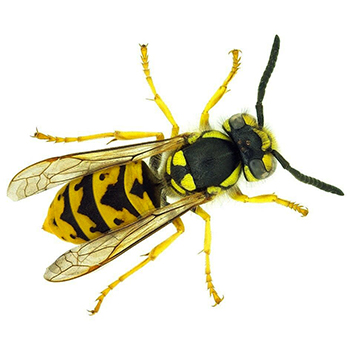
In Maryland, New Jersey, Pennsylvania, and Delaware, the most common types of wasps that you’ll identify are yellow jackets, hornets, and paper wasps, though there are other types of wasps throughout the four states. Yellow jackets are the most recognizable as they have yellow and black stripes and most closely resemble bees. Hornets are the largest wasps, often more orange in color, and paper wasps vary from yellow and black to yellow with brown stripes and are smaller in size than other wasps.
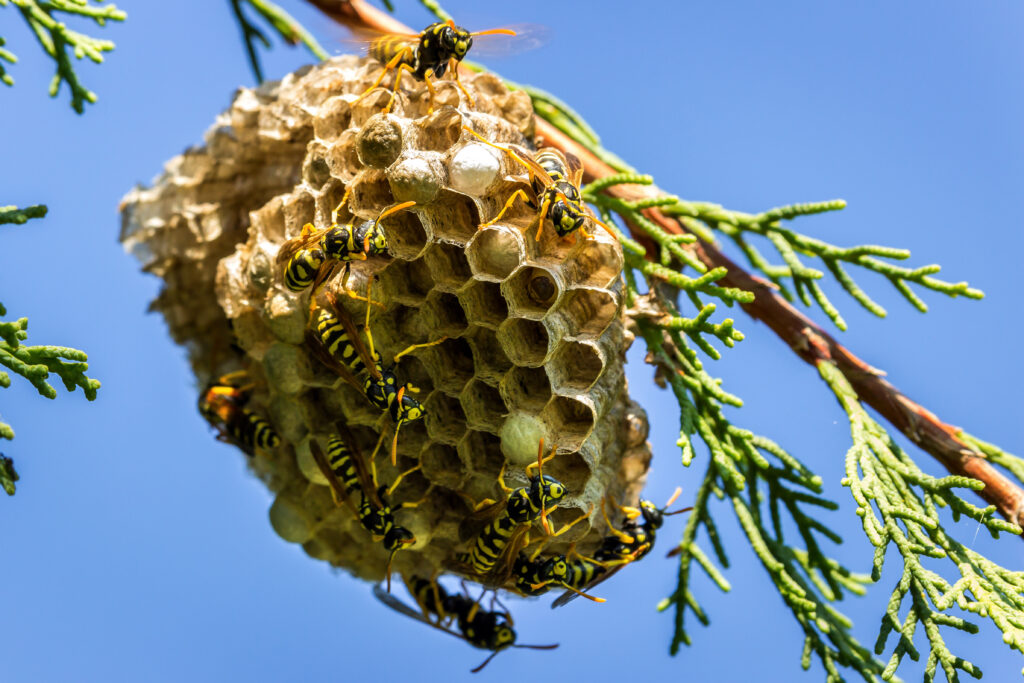
“The species of wasp most commonly seen in our service area is an invasive species from Europe, the European paper wasp,” says Craig Sansig, ACE, PHE and Viking Pest’s VP of Operations. “It was introduced to the US in the 1970s and has largely chased out the native Northern Paper Wasp. European Paper Wasps now occur in the Northeast, Southeast, California, Washington, and Idaho. Native wasps tend to be more black and brown, while the invasive species is more yellow and black.”
When are Wasps Most Active?
Wasps are typically most active during the summer. Populations begin to grow in the spring and typically peak in mid to late summer, with Viking receiving most calls for a wasp exterminator in July, August, and September, with populations beginning to decline but not disappear in October. By late November, wasp season is effectively over, with queens hibernating and awaiting their reemergence in spring.
In terms of daily activity, wasps are usually at their most active during daylight hours, but some species are active into early evening. Wasps tend to spend their nights in their nests and don’t emerge until morning, but artificial light sources like porch lights can have some impact on the hours of activity.
Where Do Wasps Like to Make Their Nests?
Typically, the first signs of a wasp infestation are nests somewhere near your home or business. You may also need to call a wasp control expert if you’ve noticed a number of wasps or hornets around your house or place of business. Outdoor businesses are particularly at risk for wasp activity, especially those that serve meat, sweet foods, or drinks that wasps consume to stay alive and expand their colonies.
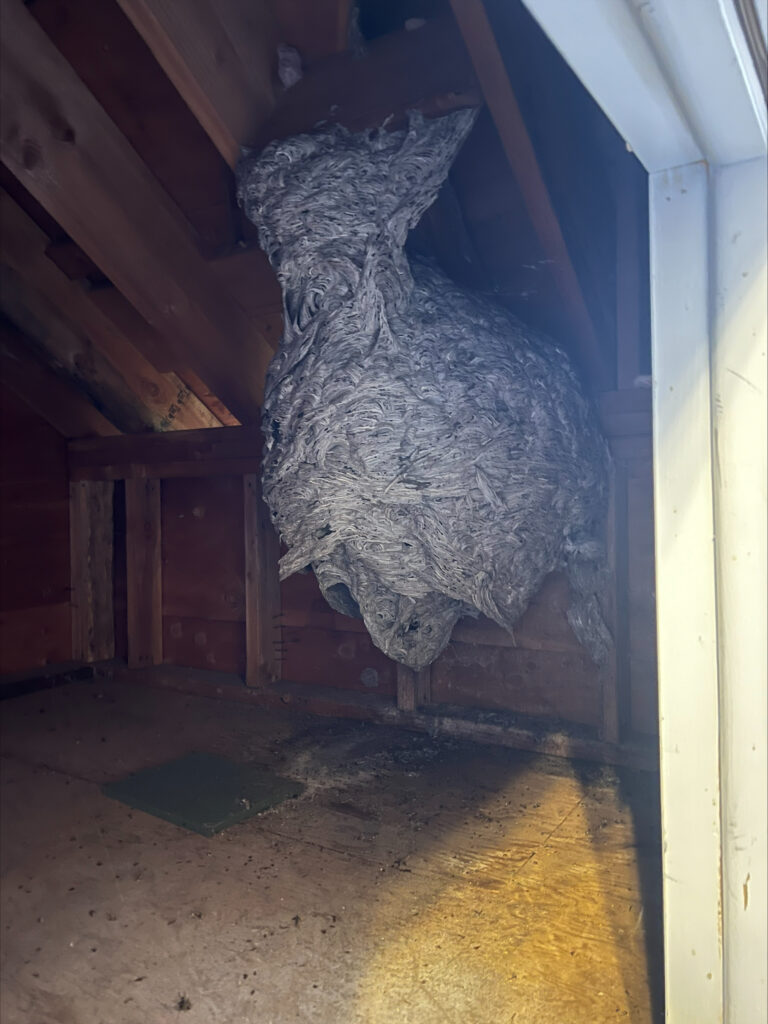
Wasps choose their nesting locations for basic survival reasons. They want to be near food, water, and shelter sources and nest accordingly. Wasps have a keen sense of smell and are particularly prone to moving towards places where food scents are in the air, which is why they often hover near open garbage cans or outdoor eating areas. Reliable sources of water are another major factor, and a home by a body of freshwater or with sources of standing water is tempting. Houses and other structures also provide useful locations to build a nest with many a paper wasp building its hanging nest beneath a house’s structural elements.
Types of Wasp Nests
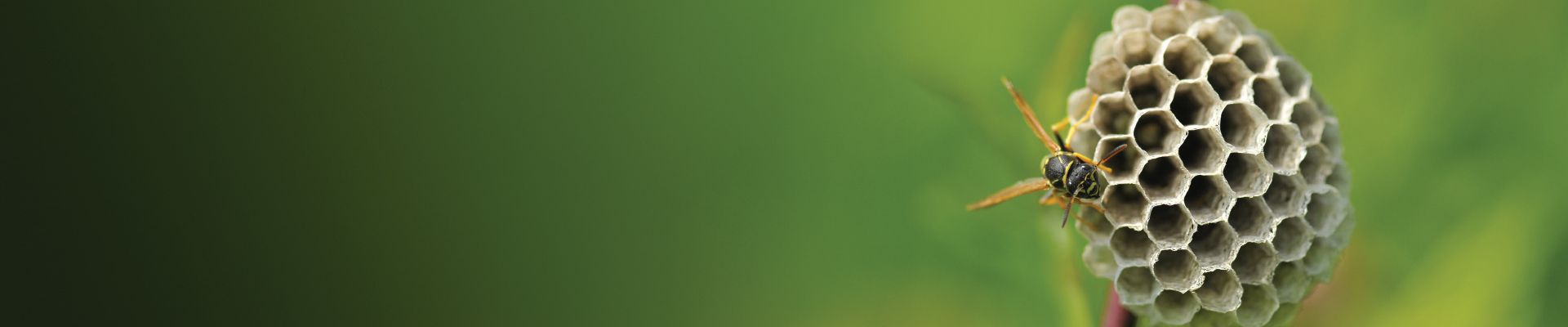
Different wasps create different kinds of nests depending on the species. Paper wasps are well known for their hanging paper mache style nests that are shaped somewhat like an umbrella. As a result, paper wasps are occasionally known as “Umbrella Wasps.” They often build their nests on tree branches, but can also hang their nests from human constructions, including eaves and porticos, underneath porches and decks, behind shutters, and even on playground equipment. If they get indoors, they can also build their nests on rafters.
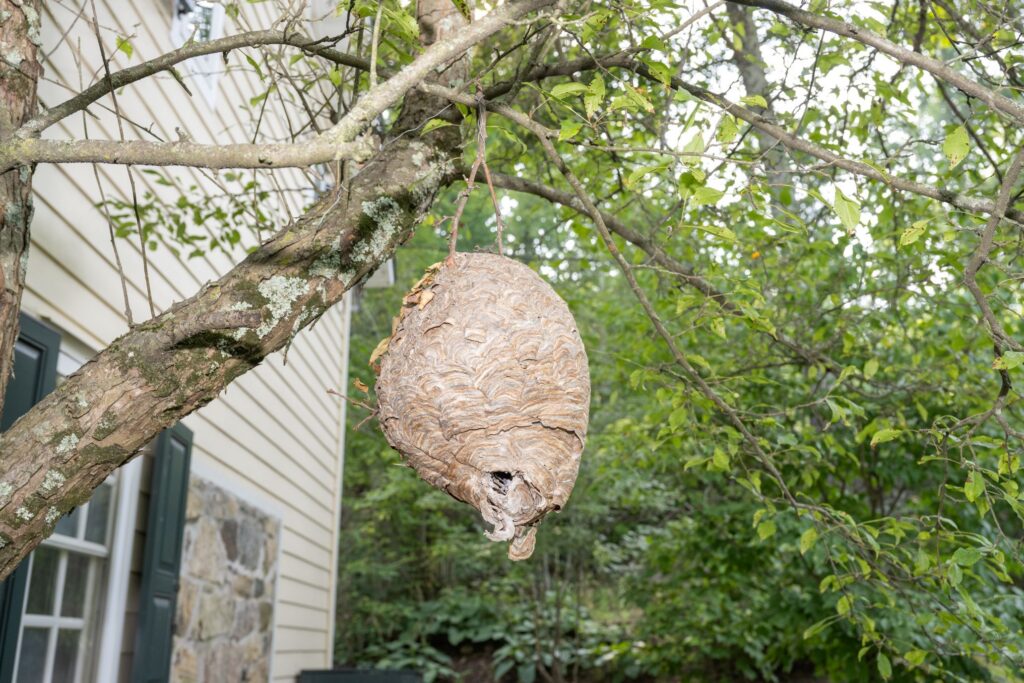
Bald-faced hornets build massive hanging nests that can be the size of a basketball or larger. They are made of a similar paper-like material as paper wasp nests, but the nests are significantly bigger and have a paper wrapping on the outside.
Dangerously, some wasps, like yellow jackets and cicada killers, build their nests underground. There is a very real risk of stepping on a nest and being attacked by a swarm of angry yellow jackets. Yellow jackets have been known to build nests in wall voids inside houses. These represent some of the most urgent wasp control scenarios Viking encounters.

How did I get wasps?
If you’ve noticed wasps inside your Delaware, New Jersey, Pennsylvania, or Maryland home or business, it’s likely they’re finding their way in through holes or gaps in your structure. Wasps may be attracted to your property for a number of reasons. Wasp exterminators explain that gutters are one of their favorite places to nest, so these insects are naturally attracted to spaces like this. These flying pests may also be attracted to your home or business in New Jersey, Pennsylvania, Maryland, or Delaware if you have a lot of flowers or plants close by. Any other door space with food or drink residue will pique their interest.
What are the effects of wasps in and around my home or business?
The most frustrating consequence of a wasp infestation is the possibility of stings, especially for people who are allergic, which could be deadly. Yellowjackets and paper wasps are the most likely to sting if provoked. Although many people fear wasp stings, these insects are unlikely to sting you unless they feel threatened, but it can be exhausting to worry about the possibility of stings every time you’re outside or walking into your home or business. If the wasps have made it inside your property, the potential for stings is even greater.
Do wasps die after they sting you?
Unlike honey bees, wasps do not die after stinging you and can sting you multiple times if given the motivation and opportunity.
Why are Wasps so Aggressive?
Wasps are territorial and sting to defend themselves or their colony. The territoriality and aggressiveness varies by species. Some wasp species like mud daubers, rarely sting unless directly handled or provoked. Others, like yellow jackets, are notoriously aggressive and will attack you in large, relentless swarms if you get near their nests
Types of Wasps
There are tens of thousands of species of wasps in the world, but some of the most common wasps seen in New Jersey, Pennsylvania, Delaware and the Eastern Shore of Maryland include:
Paper Wasps
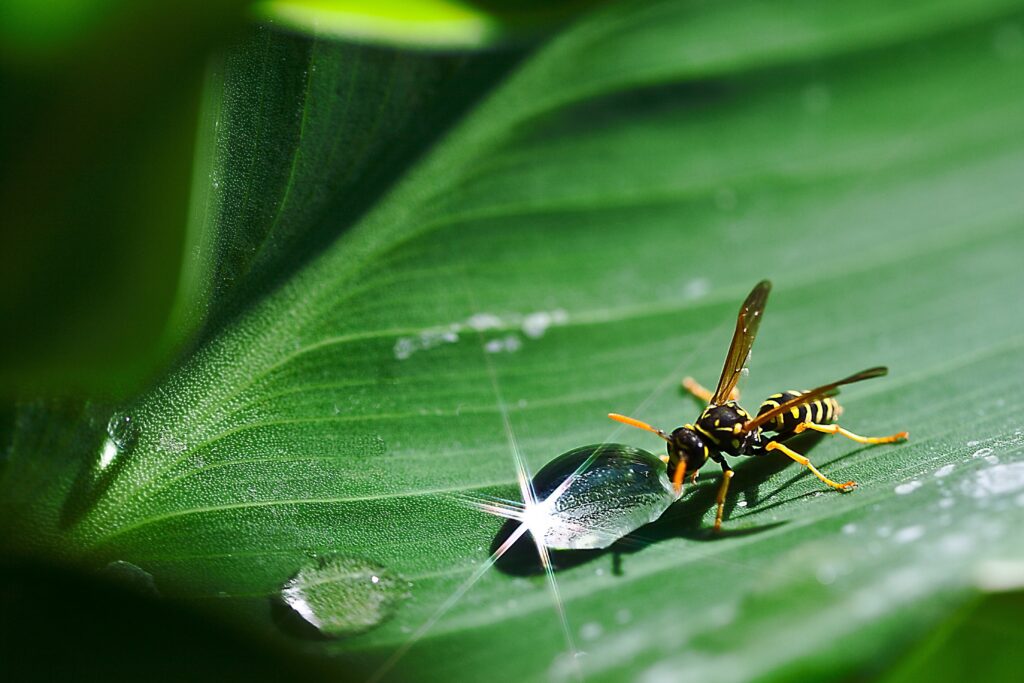
Paper wasps are slender, long-legged wasps that build distinctive open-celled, umbrella-shaped nests from chewed wood fibers — giving them a papery appearance. Commonly found hanging from eaves, fences, and branches, these wasps are semi-aggressive and will sting if their nest is threatened.
Yellow Jackets
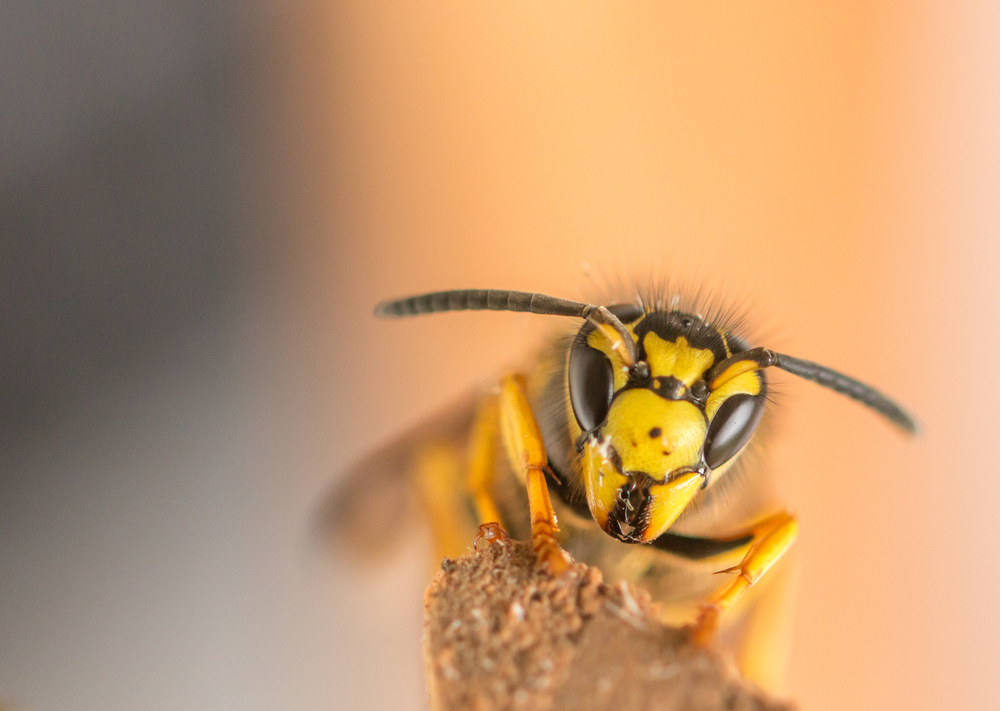
Yellow jackets are aggressive, ground-nesting wasps recognized by their bold black and yellow banding. Unlike bees, they can sting repeatedly and are most defensive when their nest is disturbed. They are commonly found nesting in soil, wall voids, and hollow logs, and are frequently spotted scavenging for food at outdoor gatherings. Yellow jacket activity peaks in late summer and fall, making them one of the most common stinging pest concerns for homeowners. Bald faced hornets are not actually hornets, but one of the larger species of yellow jackets.
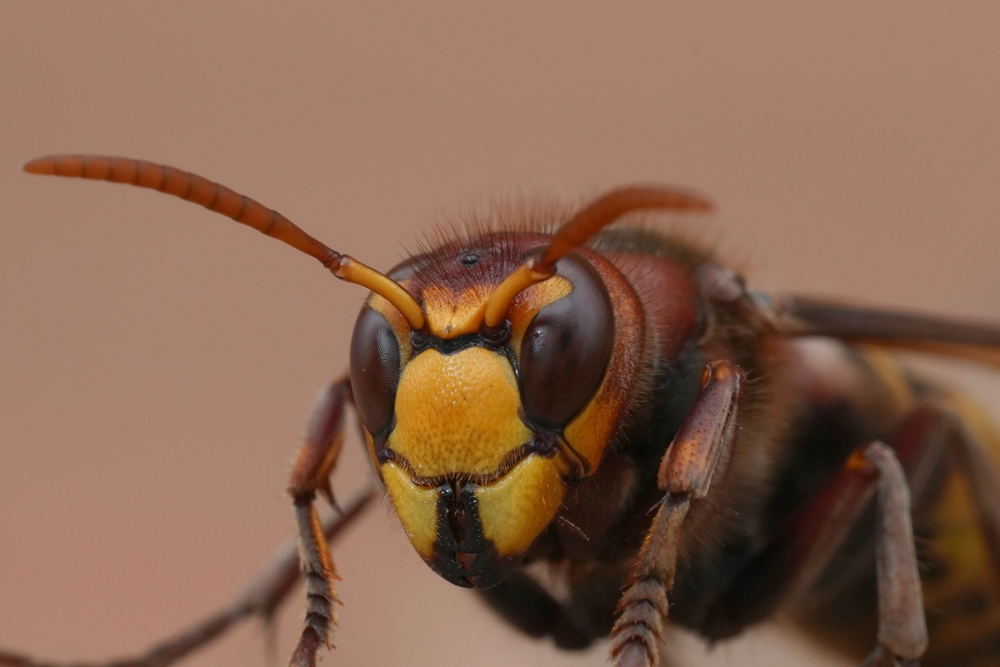
Hornets
Hornets are the largest of the social wasps. European Hornets are the most common species of Hornet in the Mid-Atlantic. They are known for building their nests inside of old trees and within structural voids. They are highly defensive of their colonies and can deliver painful stings, often attacking in numbers if provoked. While they do prey on other insects and can help control pest populations, a hornet nest near your home or business poses a real safety risk and should be addressed by a professional.
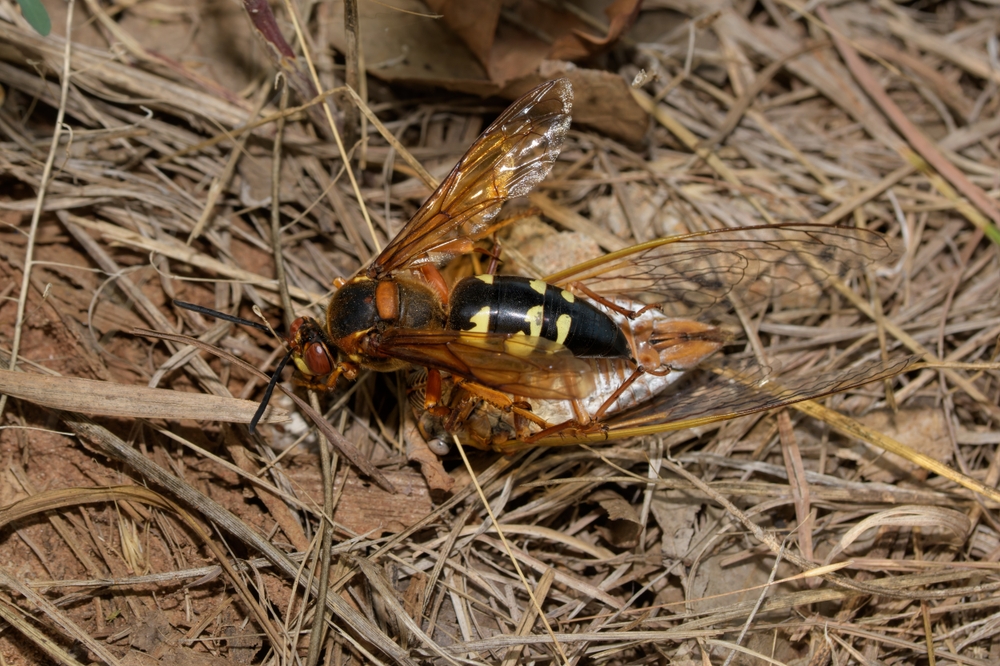
Cicada Killers
Cicada killers are large, solitary wasps that can be alarming due to their impressive size, but they are generally non-aggressive toward humans. As their name suggests, they hunt cicadas to which they take down to their underground nests where their larvae develop. Males may behave territorially and attempt to frighten you away by dive-bombing you, they lack a stinger. Females do possess a stinger, but rarely use it unless handled. Though mostly harmless, large populations burrowing in lawns and landscaping can become a nuisance.
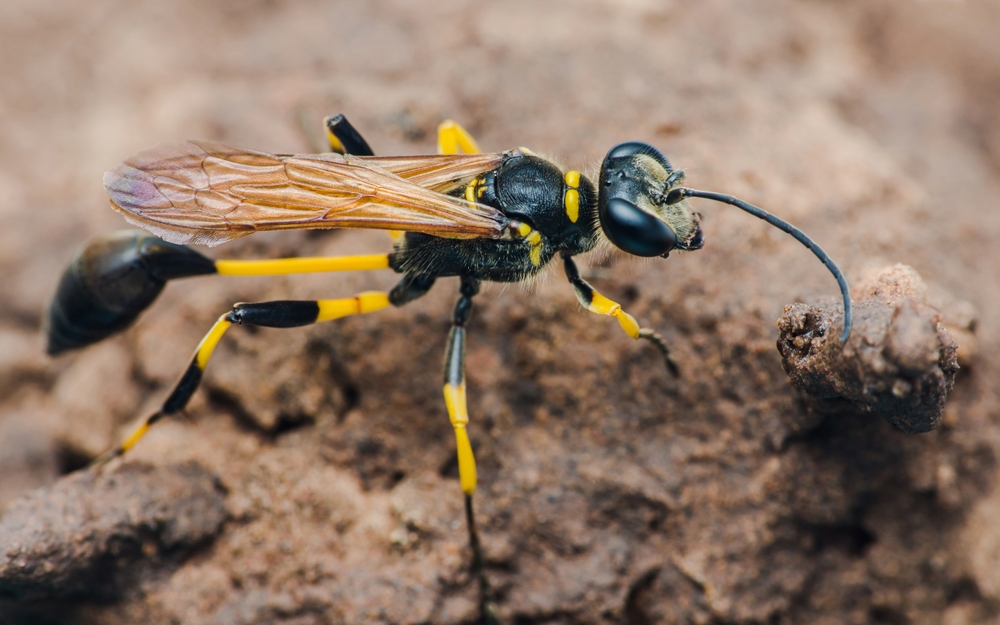
Mud Daubers
Mud daubers are slender, solitary wasps that construct small, tube-shaped nests out of mud, commonly found on walls, eaves, and under overhangs. They often resemble a pan flute or the pipes of a pipe organ. They are among the most docile of all wasps and are unlikely to sting unless directly threatened. Mud daubers prey primarily on spiders, which they paralyze and store inside their mud chambers as food for their young. While they pose little danger, their mud nests can be unsightly and are best removed once abandoned to discourage reuse.
How long do wasps live?
The lifecycle of a wasp can vary with the queens living up to an entire year. Most social wasp workers live through the season and die when temperatures drop below freezing. Most wasps lay their eggs in the spring or summer, which is why it’s more typical to have wasp infestations during these times of the year.
How do I prevent wasps?
There are many dangers associated with DIY wasp removal. Wasps can be very aggressive when defending their nests. Trying to remove a wasp nest from your home or business on your own by knocking it down with a bat or other implement could lead to painful and repeated stings. Trying to remove the nest could also cause the wasps to disperse throughout the area, putting friends, families, employees, and co-workers in danger of stings. Depending on where the nest is, the pests could move to your indoor areas, further putting family, pets, or customers in harm’s way.
A good wasp control tip is to clean up any food or drinks in outdoor areas and to be sure you’re not leaving behind easily accessible trash or open trash cans. Reach out to a pest control expert, like Viking Pest, as we have the proper equipment and are trained to properly control wasps. Wasp extermination can be tricky, and if it’s not done just right, you may end up on the stinging end of a colony of angry wasps.
Learn More
Why are Stinging Insects So Aggressive in the Fall?
Wasp Nest Identification Guide
Stinging Insect Removal – What You Need to Know
The Ultimate Guide to Effective Wasp Removal and Prevention
Additional Frequently Asked Questions About Wasps
Protecting Your Home or Business From Wasps With Viking Pest Control
Viking Pest offers expert treatment designed to effectively and efficiently control and prevent pests from invading your home or business in New Jersey, Pennsylvania, Maryland, and Delaware. Our use of Integrated Pest Management (IPM) techniques focuses on finding the core of the pest concern and controlling Wasps from the source. Through IPM, pest control materials are selected and applied in a manner that minimizes risks to human health, pets, and the environment. Call Viking today for your FREE and NO OBLIGATION estimate at 1-800-618-2847 or Schedule Online today!
Schedule Service Today & Get Unlimited Service Requests*
* Some restrictions apply
Buy Online
Customer Login