



Bed Bug Control and Exterminator Services
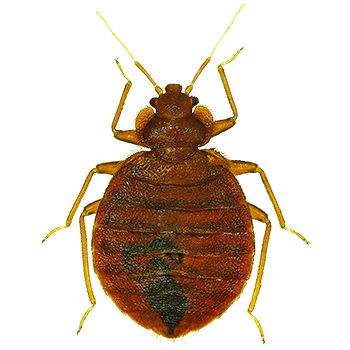
Viking Pest Control has built a strong reputation in New Jersey, Pennsylvania, Maryland, and Delaware as a regional expert in bed bug control and overall pest management.
Bed bugs are a menace that can ravage your home or hospitality business, making your day-to-day life uncomfortable. Bed bugs like to make their homes in mattresses, box springs, bedside tables, closets, baseboards, clothing, carpeting, pillows (rarely), chairs, electrical outlets, and behind picture frames. The good news is you can get rid of bed bugs and keep them away by taking a few simple steps. The key is to be proactive, don’t wait for the problem to get out of hand before taking action and seeking the help and recommendations of pest control experts.
To protect your home or business from bed bugs, you need to understand their behavior, take preventive steps, and hire a professional bed bug control expert if an infestation occurs.
Table of Contents
What Are Bed Bugs?
Bed bugs are small insects that feed on the blood of humans and animals. Often, people have bed bugs and don’t even know it. Since these insects are so small, it’s common for people to blame the itching, allergies, sleeping problems, and other effects on something else. However, if you know how to identify and prevent bed bugs, you can reduce the risk of them entering your home.
How Do I Identify Bed Bugs?
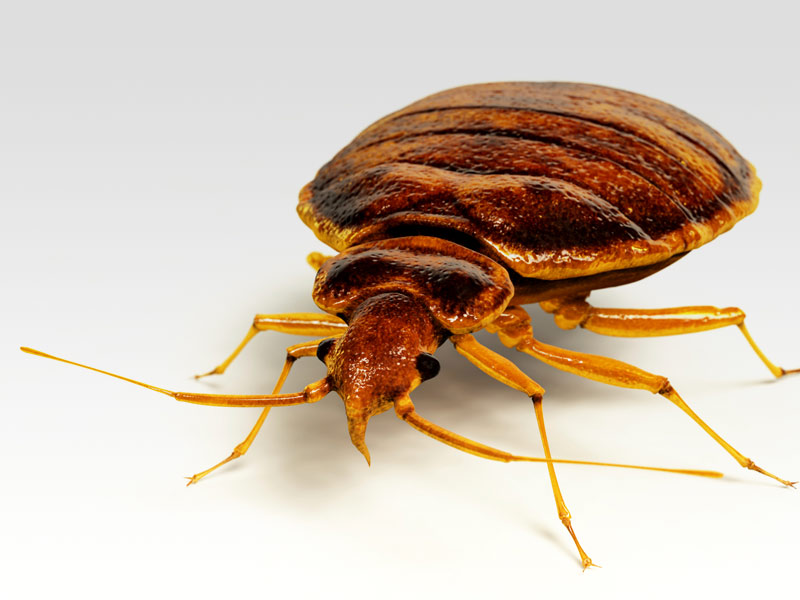
Even though bed bugs are tiny, the easiest way to detect them is to know what they look like. Bed bugs have the following characteristics:
- Small, about 1/4-inch in both directions
- Typically light or dark brown in color, but they can turn red after consuming someone’s blood
- Small heads with much larger bodies
- Ridged shells like those of tiny brown beetles
How Did I Get Bed Bugs?
Chances are, you got bed bugs from somewhere or someone else. You can also get them from a furry pet that has been exposed. Bed bugs are common in hotel rooms, movie theaters, airports, and other places where hundreds of people pass through. You have a higher risk in these areas because each room creates opportunities for exposure to a series of guests from a variety of homes. Every home or business in New Jersey, Pennsylvania, Maryland, and Delaware is a potential environment for these little critters.
Someone Else’s Home
You may also pick up bed bugs while visiting a friend or neighbor. They may not even know they have an infestation and end up passing it on to you unwittingly. If your jacket, scarf, or other clothing comes into contact with that of your coworkers or classmates, some bugs may have hitched a ride into your home or business.
Adjoining Apartment
Your neighbors may have inadvertently shared their bed bug problem with you. If you live in a multi-family home, you should make sure you check all cracks and crevices that could allow the pests to go from your neighbor’s apartment to yours.
Signs of Bed Bugs
There are several signs that indicate that what you are dealing with is a bed bug infestation:
Live Pests
To the untrained eye, bed bugs may look like a small speck of mud or an apple seed. It isn’t until that apple seed moves that people realize it’s actually a bug! Bed bugs are only a few millimeters long, with oval, reddish-brown bodies. To make matters worse, bed bugs are excellent hiders. While typically found in between mattresses and box springs, they can also be found in trim, pictures, carpet, furniture, clothing, etc.
Staining
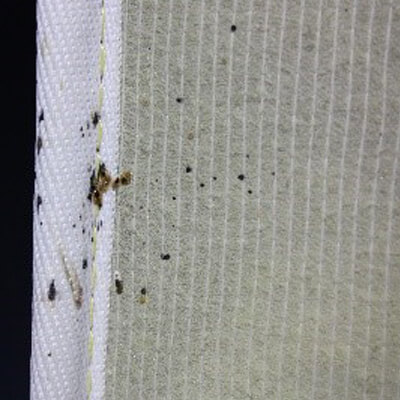
Bed bugs can be found practically everywhere in your home once an infestation has occurred. When looking for signs of bed bugs, pay attention to rust-colored stains or dark spots on your bedding, clothing, carpet, furniture, and other areas where you spend a significant amount of time. These pests feed on human blood, so they tend to congregate wherever people spend the most time.
Eggs & Eggshells
Keep an eye out for bed bug eggs and eggshells, which look similar to pearly-white grains of salt. They are coated in a sticky substance that allows them to adhere to walls, ceilings, furniture, and other surfaces. Eggs are extremely difficult to find for an untrained eye. Bed bug eggshells will take on a flat, dry appearance once they’re empty.
Bites
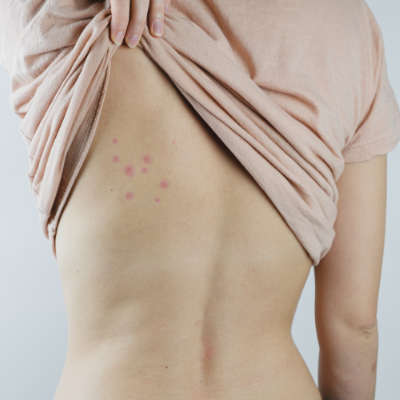
Bed bug bites are often mistaken for flea, mosquito, or skin rash bites. A bed bug bite can appear as a raised, red welt and often burns and itches, but the appearance is not consistent from person to person. Bites may form in a straight line or in an irregular cluster on the skin because of the bites occurring as the bed bug moves across the skin. If you are unsure about the origin of a mark on your person, contact a healthcare professional for clarification.
How Long Do Bed Bugs Live?
Bed bugs live for around 10 months. If they don’t have any blood on which to feed, they can still live for up to five months—or even longer. During that time, however, a female bed bug can lay hundreds of eggs. After it hatches, it’s ready to start laying eggs in around five weeks. The eggs take about 17 days to hatch, and the young bugs start biting almost immediately. Bed bugs don’t waste time with mating in order to expand their colony. It’s best to take action right away if you see any bed bug signs in or around your business or home.
What Are the Effects of Bed Bugs in Homes and Businesses?
Bed bugs are not known to carry disease, so you don’t have to worry about catching a virus or another health problem from someone else who has been bitten by a bed bug. However, this doesn’t mean they don’t have a significant effect on your home, business, or well-being.
Physical Health
Some people are allergic to bed bug bites. If this is the case, you may experience hives. These are red bumps that form on your skin when histamines release in the body. They’re usually itchy and can spread to other parts of your body. Regardless of whether or not you’re allergic to bed bugs, you’ll likely have a reaction if they bite you. Some ways the bed bug bites can affect your skin:
- Small, raised bumps that are clear in the middle
- Bumps can also be itchy and have darker centers surrounded by lighter swollen areas
- Small, red welts or bumps in a zigzag pattern or a relatively straight line
- Papular eruptions on the skin that are either painful or inflamed
Also, scratching bites can lead to skin problems, including redness, scarring, and infection. Often, you can differentiate mosquito bites from bed bug bites by examining the bumps and marks left behind. If the bite marks appear in clusters or in a line, they are most likely bed bug bites. Mosquitos tend to bite once and then fly off. Although bed bugs can also bite just once, they often have to dislodge and crawl to another spot in order to get their fill. This results in groups of bumps or marks.
Social Life
Along with other crawling pests, bed bugs can spread to the clothing of visitors to your home. If your home is a known host to these pests, it may significantly affect your social life. Not only will people be less likely to visit, but they may also think twice before inviting you over.
Mental Health
Because bed bugs are so small, they can feel like invisible predators. People with bed bugs have been known to experience higher levels of stress simply because they know they’re around. As you struggle to find the pesky insects, the stress increases, particularly because it’s hard to know if you’ve thoroughly rooted them out.
Sleep
Bed bugs like to bite when you’re sleeping. Because your body is in one place, it’s easy for them to feast without interruption by swatting hands and itching fingernails. Bed bugs secrete an anesthetic as they feed, and even though this numbs your skin, it still may interrupt your sleep due to the itching sensation you feel afterward.
“The anesthetic in bed bug bites is so strong that even if you were actively awake and watching them bite you, you still wouldn’t feel anything,” says Craig Sansig, ACE, PHE, Viking Pest’s VP of Operations.
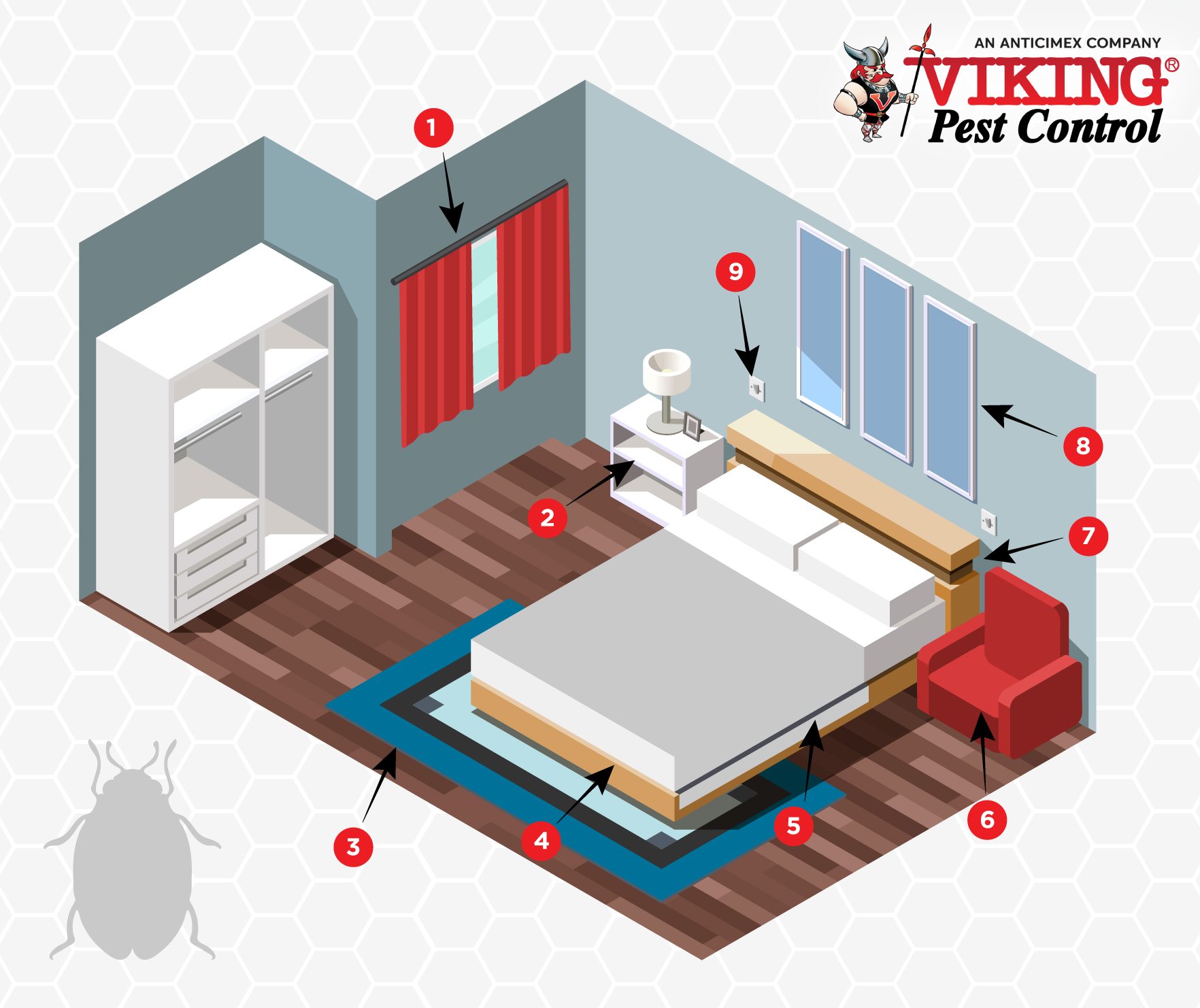
How to Prevent Bed Bugs
Bed bugs are opportunistic travelers, and love to take any chance they can to catch a ride into your home or business. The easiest way to protect your workplace or home from bed bugs is to prevent them from catching a ride on your clothing or in your luggage. In addition to coming back with you as you return from a trip, there are other ways bed bugs can try to move into your business or home. Here are bed bug control tips to get rid of bed bugs before they can entrench themselves in your home:
- When you stay at a hotel, check the luggage rack to see if any bed bugs have made it a temporary home. If the rack has hollow legs, you can take a look inside. You should also check where the supporting straps meet the frame.
- Check all the furniture you buy for signs of bed bugs, especially used items. To properly check, look in the crevices between cushions and along any fluting. Also, check the joints, such as where the back or the legs meet the seat.
- Cover your mattresses and box springs with protective layers. Light-colored covers both shield your mattress and make it easier to spot signs of bed bugs.
- Vacuum frequently to suck up stray bed bugs. It’s important to immediately dispose of the vacuum bag to avoid a bed bug infestation.
- Check your clothing after visiting high-traffic areas like movie theaters, arenas, or any place where a bed bug may have hitched a ride.
How to Prevent a Bed Bug Reinfestation
Even after you have completed bed bug extermination, they may come back. To prevent reinfestation, you should carefully clean and inspect luggage before leaving the homes of friends and family members, as well as hotel rooms and other paid lodging places, such as rental homes and condos. Check points of entry where bed bugs could have come from an adjoining home, such as around connecting doors or windows. Seal off cracks or holes in walls or floors. Keep an eye out for signs of bed bugs, and if you see any, act immediately. Call the bed bug control professionals at Viking Pest right away for thorough bed bug treatment and ongoing bed bug exterminator service.
How to Prepare for a Bed Bug Treatment
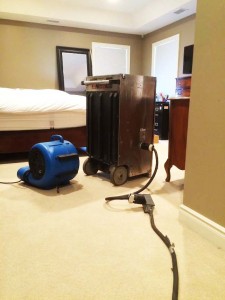
To prepare for a bed bug exterminator’s visit to your home or business in New Jersey, Pennsylvania, Delaware, or Maryland, you should gather the following information for your bed bug treatment specialists at Viking Pest:
- The places you have seen bed bugs in your home or place of business
- When you first started seeing the pests
- The number of bed bugs you’ve seen
- Whether they have bitten those in your household and in which rooms those people sleep
- The places you’ve traveled to over the last few months
In order to prepare your home or business, you should:
- Cover utensils near the areas that are going to be treated
- Cover or protect all valuable possessions and antiques
Depending on the treatment that the pest control experts are going to use, you can expect technicians to enter your business or home and use a liquid treatment that eradicates bed bugs on contact, or the bed bug control professional may also use heat to treat clothing, sheets, other bedding, toys, and other specific items.
To prepare for a bed bug heat treatment, move all furniture at least 2 feet from the walls, close the windows, and turn off the A/C and heating units. If the room contains any items that may be affected by heat, such as electronics, medications, or DVDs, place them in tightly sealed plastic or garbage bags.
Do You Have to Leave Your Home During a Bed Bug Treatment?
Yes, you should leave your house during the treatment and stay out for at least 4 or 5 hours after it is completed.

Why Did Bed Bugs Come Back After Treatment?
Usually, the return of bed bugs after treatment means they were brought in from somewhere else. A thorough treatment can eliminate bed bugs from your home or business, but it has no effect on the places you visit. If they’ve crawled back in, it’s likely because they hitched a ride on your clothes or in your luggage. Do not remove items from the space before or during a bed bug treatment, and consider scheduling follow-up with a bed bug control service for ongoing monitoring and guidance on how to get rid of bed bugs and prevent their return.

Learn More
- How to Check for Bed Bugs When You Travel
- Ticks vs. Bed Bugs: How to Tell the Difference
- Preparing Your Home for a Bed Bug Treatment
- At Home Bed Bug Treatment vs. Professional: Which is Better?
- Do You Have a Bed Bugs Problem?
Bed Bug FAQs
Protecting Your Home or Business From Bed Bugs With Viking Pest Control
Viking Pest offers expert treatment designed to effectively and efficiently control and prevent pests from invading your home or business in New Jersey, Pennsylvania, Maryland, and Delaware. Our use of Integrated Pest Management (IPM) techniques focuses on finding the core of the pest concern and controlling Bed Bugs from the source. Through IPM, pest control materials are selected and applied in a manner that minimizes risks to human health, pets, and the environment. Call Viking today for your FREE and NO OBLIGATION estimate at 1-800-618-2847 or Schedule Online today!
Schedule Service Today & Get Unlimited Service Requests*
* Some restrictions apply
Buy Online
Customer Login