When you first see an Asian lady beetle, you might mistake it for the beloved ladybug. With their orange-red shells and black spots, these lookalike insects often appear cute and harmless, but looks can be deceiving. While they don’t pose the same kind of danger as stinging pests or wood-destroying insects, Asian lady beetles can still cause problems for homeowners across New Jersey, Pennsylvania, Delaware, and the Eastern Shore of Maryland.
Here’s what you need to know about these invasive beetles, the risks they pose, and how Viking Pest Control can help you keep them out of your home.
What Are Asian Lady Beetles?
Asian lady beetles (Harmonia axyridis) are an invasive species. They were first introduced to the United States in the 1900s to control agricultural pests like aphids. Over time, their population spread rapidly.
They’re often confused with native ladybugs, but there are key differences:
Color: Asian lady beetles range from orange to red, while ladybugs tend to be a deeper red.
Marking: Many Asian lady beetles have a small black “M” shape behind their heads.
Behavior: Unlike native ladybugs, these beetles often gather indoors in large numbers to overwinter and can be aggressive.
Are Asian Lady Beetles Dangerous to Humans or Pets?
Asian lady beetles aren’t known to spread disease, but they can still be a nuisance and even a mild health concern in some cases.
Here’s how they can cause problems:
Biting: While rare, Asian lady beetles can pinch skin when threatened. Their bite isn’t venomous but can be irritating.
Allergies: Some people experience allergic reactions from contact with the beetles or their secretions, leading to itchy eyes, sneezing, or respiratory irritation.
Odor and Stains: When disturbed, Asian lady beetles release a yellowish fluid with a strong odor that can stain walls, curtains, and furniture.
Pet Concerns: There have been isolated cases where beetles attached to pets’ mouths or gums, causing discomfort. While uncommon, it’s another reason to keep infestations under control.
Why Are They in Your Home?
Asian lady beetles seek warmth and shelter as temperatures drop in the fall. They often enter through tiny cracks around windows, doors, siding, or attic vents, clustering together in wall voids or hidden corners to hibernate through the winter. Once inside, they can reappear in large numbers on warm days, especially near windows and ceilings.
How to Prevent Asian Lady Beetle Infestations
The best way to handle Asian lady beetles is to stop them before they get inside. Prevention and exclusion are key.
Follow these steps to keep them out:
Seal entry points: Use caulk or weatherstripping around doors, windows, and siding gaps.
Repair screens: Ensure window and door screens fit tightly with no holes.
Install door sweeps: A simple barrier at the base of doors helps block beetles from sneaking in.
Vacuum, don’t crush: If they’re already indoors, gently vacuum them up instead of squishing them to avoid stains and odors.
Schedule professional pest control: Expert treatments can create a protective barrier around your home to deter overwintering pests like Asian lady beetles.
Viking Pest Control: Your Local Expert for Fall Invaders
If Asian lady beetles have taken over your home, Viking Pest Control has the solution. Our team uses safe, targeted treatments designed to keep overwintering pests like lady beetles, stink bugs, and cluster flies out of your living spaces.
We provide year-round protection with our SMART Pest Control Program, combining prevention, monitoring, and eco-friendly solutions tailored to your home.
Don’t let Asian lady beetles take over your home this fall.
Call Viking Pest Control at 800-618-2847 or request a free estimate online today.
Are Carpet Beetles Dangerous? What Homeowners Need to Know
Believe it or not, carpet beetles rank alongside ants, spiders, and flies as some of the most common household pests. While these tiny insects may seem harmless at first glance, carpet beetles can cause significant damage to clothing, carpets, furniture, and other fabric-based items inside your home.
If you’ve noticed unexplained holes in your clothes or fabrics, carpet beetles could be the culprit. Here’s what homeowners in New Jersey, Pennsylvania, Delaware, and the Eastern Shore of Maryland should know about identifying, preventing, and eliminating carpet beetles.
What Are Carpet Beetles?
Carpet beetles are small insects commonly found in homes, warehouses, and even museums because of their attraction to natural fibers and stored fabrics. There are several species of carpet beetles, but the two most common in our area are:
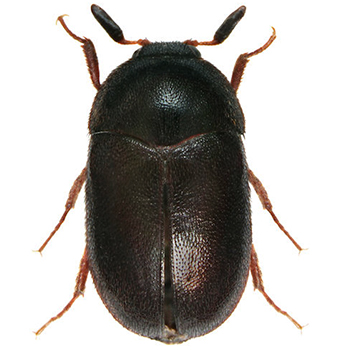
Black carpet beetles
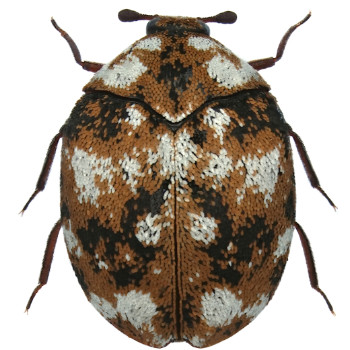
Varied carpet beetles
Adult carpet beetles are typically about 1/8 inch long and oval-shaped. While adults mainly feed on pollen and nectar outdoors, they can also contaminate pantry items like cereal, flour, and rice when they get inside homes.
The real damage comes from the larvae.
Are Carpet Beetles Dangerous?
Carpet beetles are not considered dangerous to humans in the same way as stinging or biting pests, but they can still create several problems inside the home.
Damage to Clothing and Fabrics
Carpet beetle larvae feed on natural fibers and materials, including:
Wool
Fur
Silk
Feathers
Upholstered furniture
Carpets
Blankets
Clothing
As they feed, they leave behind irregular holes and damage that often appears suddenly.
Skin Irritation and Rashes
Another issue associated with carpet beetle larvae is their tiny hairs and attraction to oils found in human hair and skin. As larvae crawl across people or bedding, some individuals may develop an itchy rash or skin irritation.
Because of these reactions, many homeowners mistakenly believe they have bed bugs.
Pantry Contamination
Adult carpet beetles may also invade stored food products, contaminating pantry items while feeding.
What Do Carpet Beetles Look Like?
Black Carpet Beetles
Black carpet beetles range from black to dark reddish-brown in color. Their larvae are carrot-shaped, golden to chocolate brown, and have a distinctive tuft of hair at the end of their bodies.
Varied Carpet Beetles
Varied carpet beetles have patterned scales in white, yellow, and black, creating a mosaic-like appearance. Their larvae are tan or cream-colored and covered in tiny hairs.
Because carpet beetles are so small and blend easily into their surroundings, infestations often go unnoticed until damage appears.
How Do Carpet Beetles Get Inside?
Carpet beetles can enter homes in several ways, including:
Through gaps around doors and windows
On cut flowers or plants brought indoors
Through damaged window or door screens
Inside infested fabrics or stored items
Once indoors, they seek out areas where natural fibers, lint, pet hair, dead insects, and other organic debris accumulate.
How to Prevent Carpet Beetles
Preventing carpet beetles starts with limiting access to food sources and hiding places.
Inspect Plants and Flowers
Because adult carpet beetles feed on pollen and nectar, they are often brought inside on flowers or outdoor plants. Carefully inspect plants before bringing them indoors.
Vacuum and Dust Regularly
Routine vacuuming helps remove:
Hair
Dust
Lint
Dead insects
Other debris larvae feed on
Pay special attention to baseboards, closets, upholstered furniture, and underneath furniture.
Store Fabrics Properly
Store clothing, blankets, and other natural-fiber items in sealed plastic bins or pest-proof bags. Avoid long-term storage in cardboard boxes.
Maintain Screens and Seal Entry Points
Repair damaged door and window screens and seal cracks or gaps around the home’s exterior.
Professionally Clean Fabrics
Regular professional cleaning of carpets, curtains, and upholstered furniture can help reduce infestations.
What Should You Do if You See Carpet Beetles?
If you notice adult carpet beetles, larvae, shed skins, or unexplained fabric damage, it’s important to act quickly. Carpet beetles are difficult to eliminate because larvae can hide in multiple areas throughout the home.
Washing clothing and fabrics thoroughly may help reduce activity, but professional treatment is often needed to fully eliminate an infestation and prevent re-population.
Professional Carpet Beetle Control with Viking Pest
Professional pest control technicians can identify where carpet beetles are hiding and apply targeted treatments to eliminate both adults and larvae.
Viking Pest Control offers carpet beetle control services throughout New Jersey, Pennsylvania, Delaware, and the Eastern Shore of Maryland. Our trained specialists inspect your home, identify infestation sources, and create a customized treatment plan designed to eliminate carpet beetles and help prevent future infestations.
Our Home Protection Plans also include ongoing seasonal services to help protect against carpet beetles and other common household pests year-round.
If you’re seeing signs of carpet beetles in your home, contact Viking Pest Control for a fast, free quote today.