Now that summer is coming to a close, you may think that your time of dealing with pesky ants is coming to an end – for this year anyway. You may be surprised to learn though, that this is simply not the case. Ants, although they are more active during this warm weather season, are not just a summer pest that will magically disappear on September 22. In fact, if the temperatures are warm enough and there is enough food, ants can remain active throughout the entire year.
Where Do Ants Go In The Winter?
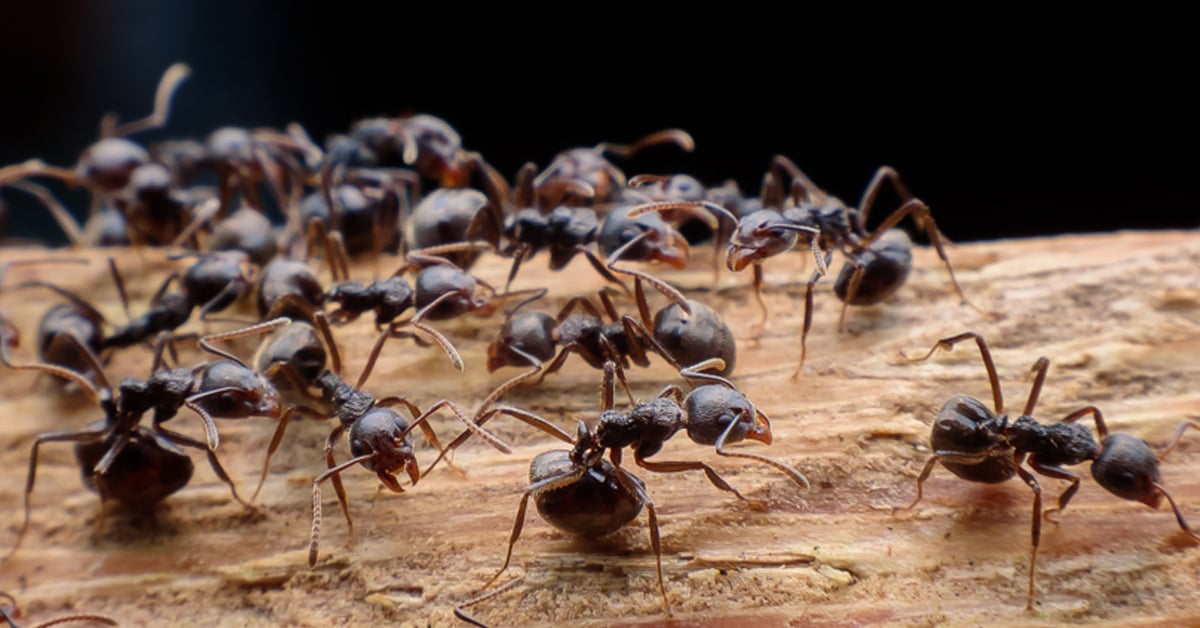
Living here in the Northeast, the outside temperatures drop to freezing and below which forces colonies outside to burrow deep inside their nest in the ground to keep warm. These ants will huddle together and reserve their energy only to emerge again in spring. But, when ants have successfully created a satellite colony in the temperature controlled voids inside your walls or under your floors, they will remain active all winter.
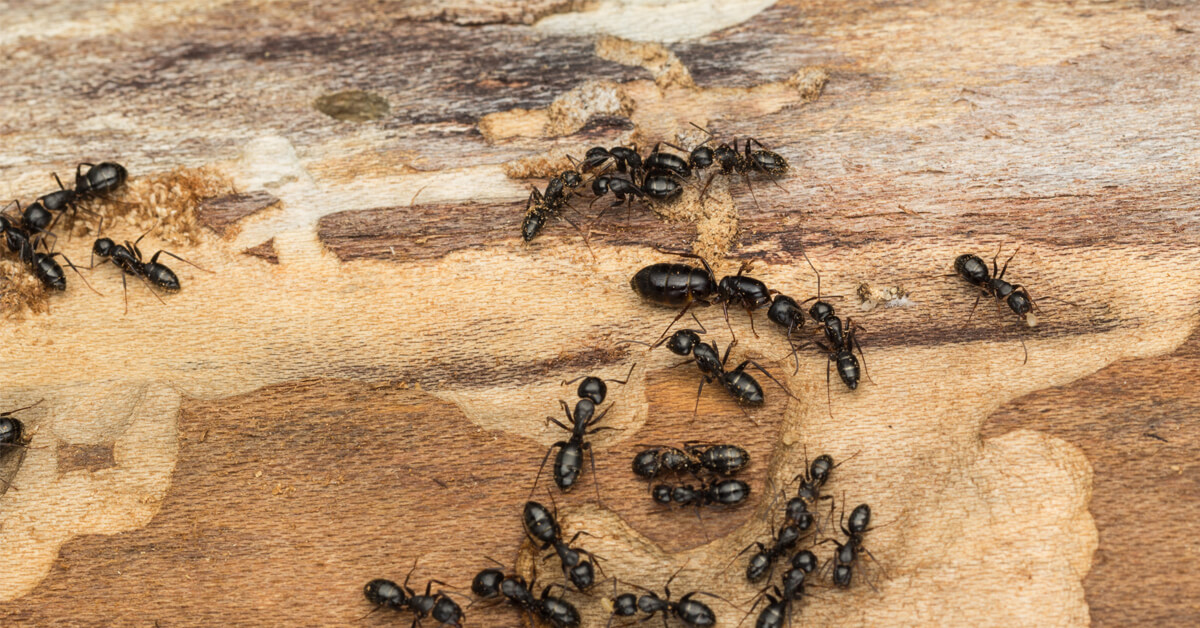
If those ants happen to be carpenter ants, then you have a lot more to worry about than ants in your sugar bowl! This is because carpenter ants will actually tunnel through the wooden structure of your home; not to eat the wood like termites do, but to create nesting galleries for their ever-expanding colony. Over time, this habit can damage the structure of your home and the integrity of any wooden belongings inside.
Odorous house ants are another species that typically remain alive and well all winter long throughout New Jersey, Pennsylvania, Delaware, and the Eastern Shore of Maryland. Odorous house ants love to build their nests inside wall voids, giving them the warmth they need and the access to your pantry that they desire.
Pharaoh ants are a bit different than the other types mentioned above. They do not typically survive cold, harsh winters if they’re outside. If they make their way indoors… well, that’s a whole other story. Let’s just say there’s a risk these pests will contaminate food supplies. More concerning is their reputation for transmitting diseases like Strep, Staff, and salmonella.
Time and space would prevent us from discussing little black ants, pavement ants, and Argentine ants – all of which can infest a structure and remain active throughout the entire year. The point is, once these ants find their way into your space and decide that they love it as much as you do, they will create a nest, begin to reproduce, and stay active – all year long!
For professional ant control in NJ, PA, MD, and DE, contact Viking Pest Control, a local pest control company. Our highly trained and licensed team have the knowledge and tools to solve your ant problem, no matter what type of ant is infesting or how severe the problem is. Learn more about our Home Protection Plans or, if you’re a business, visit our commercial pest control page.
Call Viking at 800-618-2847 to learn more about our ant pest control and extermination services, or get a fast, free quote online today!
Do Not Ignore Those Big Black Ants
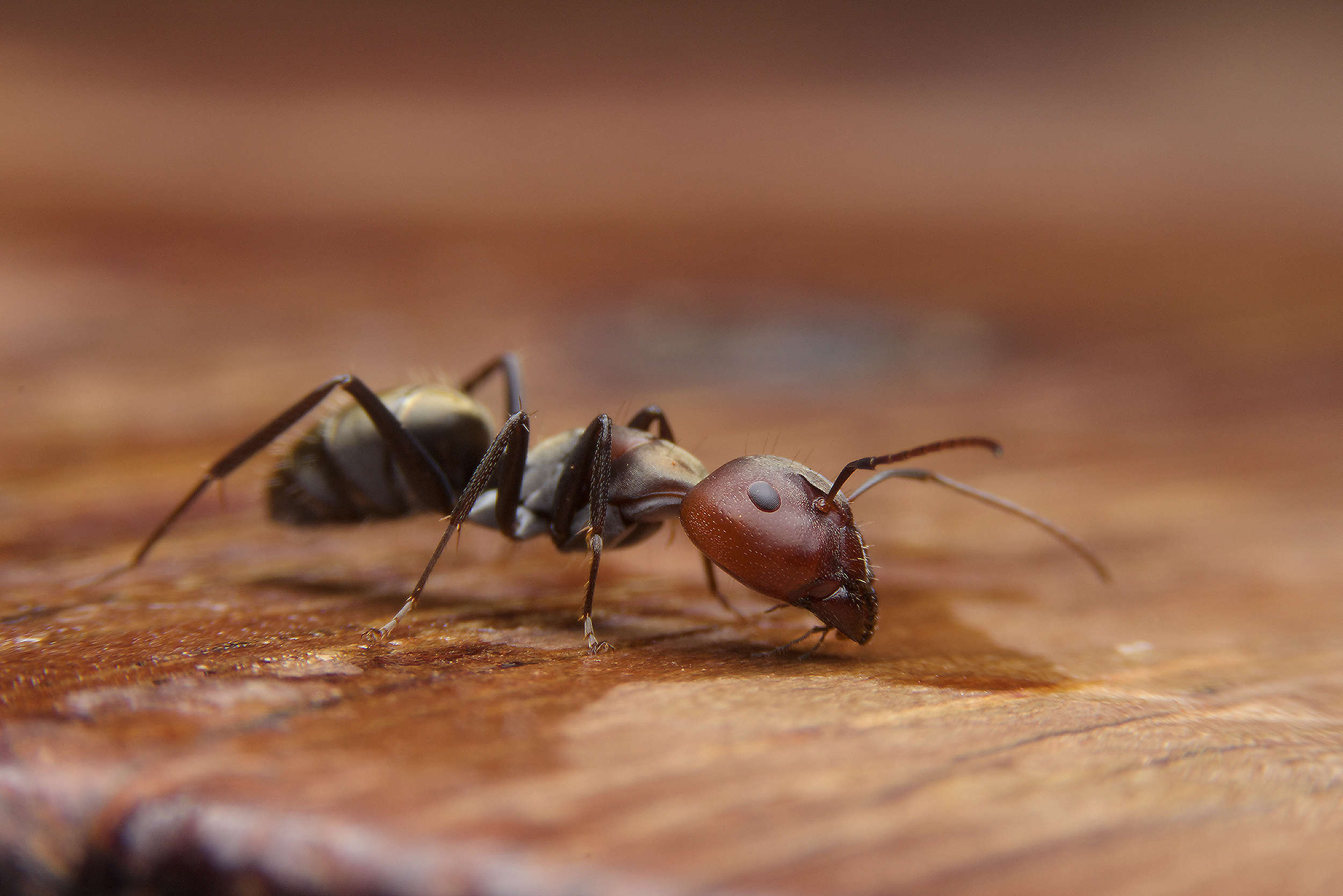
The carpenter ant, at first glance, seems like just another ant, only larger. Many people do not think much of them when they see one or two big black ants in the house. They tend to just step on them or ignore them altogether and move along on their merry way. Here is the problem, of all of the types of ants there are likely to invade your home, the carpenter ant is definitely the one you should be worried about. It is true, that seeing one big black in the kitchen may just mean that it came in for some takeout to haul back to its nest. The carpenter ant frequently finds its way into our kitchens from their nests to partake of any greasy residue they may find as well as sugary substances that they can take home with them. However, what if the nest is a little too close for comfort?
All summer long, the carpenter ant is on the move. The workers are always on the hunt for new nesting spots, especially ones with easy access to food and water. As summer slowly makes way towards fall, it is important to remember that if these stray ants have found a way in, then their ever-growing family can as well. Then, the carpenter ant can spend all winter continuing to expand their nests right inside the walls of your home without a winter break because we tend to keep our houses at a fairly even temperature, allowing these pests to remain active.
The damage that a nest of carpenter ants can do before anyone even realizes that they are there can cost the average homeowner thousands of dollars. Though these big black ants do not eat wood like termites do, they still chew their way through wet or water-damaged wood so they can make tunnels to different areas of the house or just to give themselves more nesting space. Over time, these ants can cause significant damage to the structure.
Carpenter Ant Pest Control
A carpenter ant infestation may be hard to detect. If you suspect that your home has carpenter ants give Viking Pest Control a call right away. Our pest control professionals will complete a thorough evaluation of your home to determine if you have an infestation and will discuss with you the best way to remove those big black ants from your home. You can count on your Viking Pest Control carpenter ant exterminator to provide quality, courteous service in a timely fashion to get your home back on track and free of carpenter ants.
Call Viking at 800-618-2847 to learn more about carpenter ant control and extermination services, or get a fast, free quote online today!
Carpenter Ants: What Homeowners in NJ, PA, MD, and DE Should Know
Carpenter ants are among the most concerning household pests found throughout New Jersey, Pennsylvania, Delaware, and the Eastern Shore of Maryland. While they don’t eat wood like termites, they tunnel through it to build nests—often inside structural areas of homes. Because of this, infestations can go unnoticed for long periods while damage slowly develops.
Understanding how carpenter ants behave, what signs to look for, and when to call a professional can help prevent costly structural issues.
1. Seeing Only a Few Ants Doesn’t Mean the Problem Is Small
One of the most common misconceptions about carpenter ants is that visible activity reflects the size of the infestation. In reality, seeing only a few ants indoors does not mean the colony is small.
Carpenter ant colonies often exist inside walls, voids, or nearby outdoor nesting sites. Workers may travel into homes only to forage for food and then return without being noticed.
In many cases, ants seen indoors are only a small fraction of a much larger colony.
2. Winged Ants Are a Warning Sign of a Mature Nest
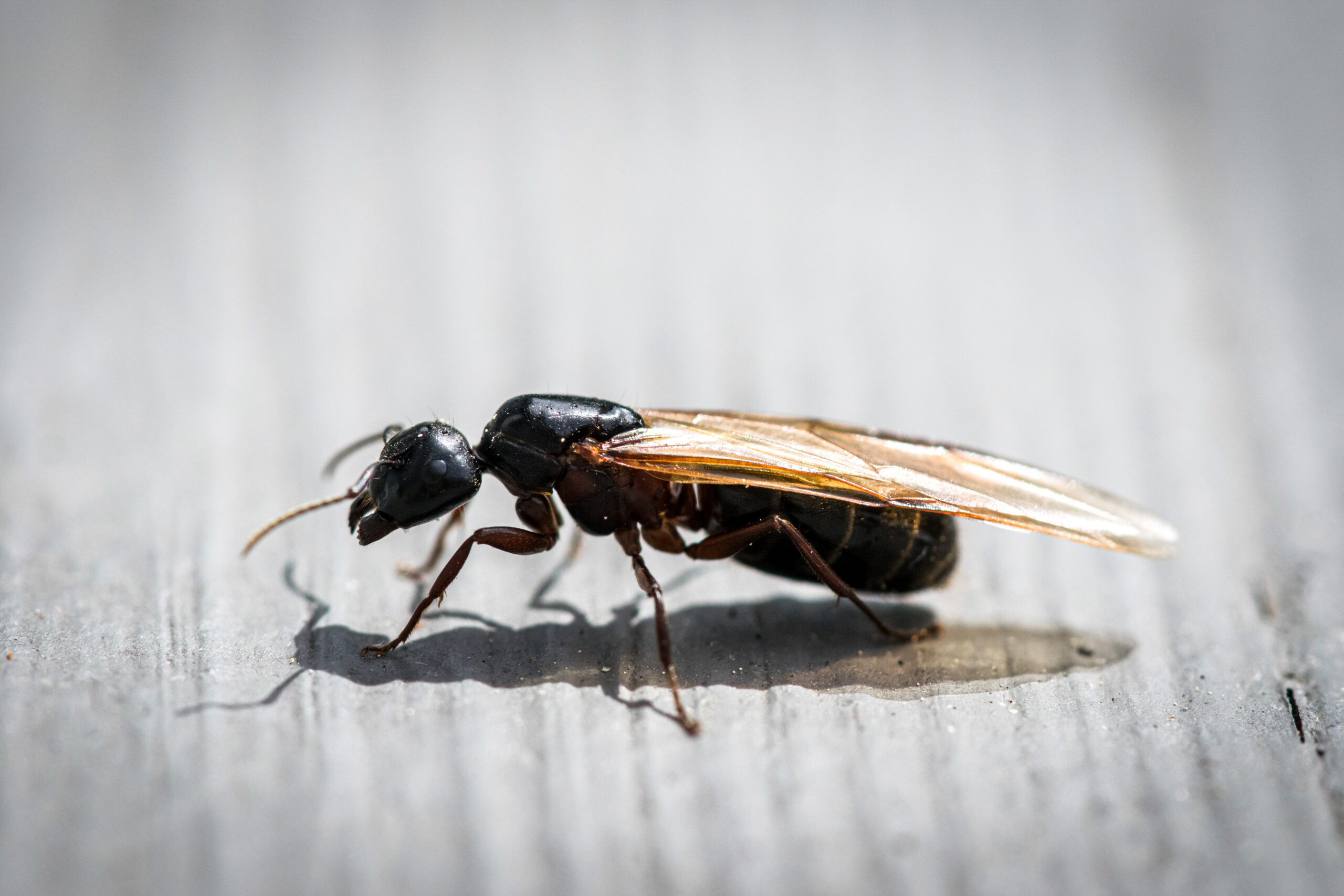
Winged carpenter ants inside or around your home are often a sign of a mature, established colony.
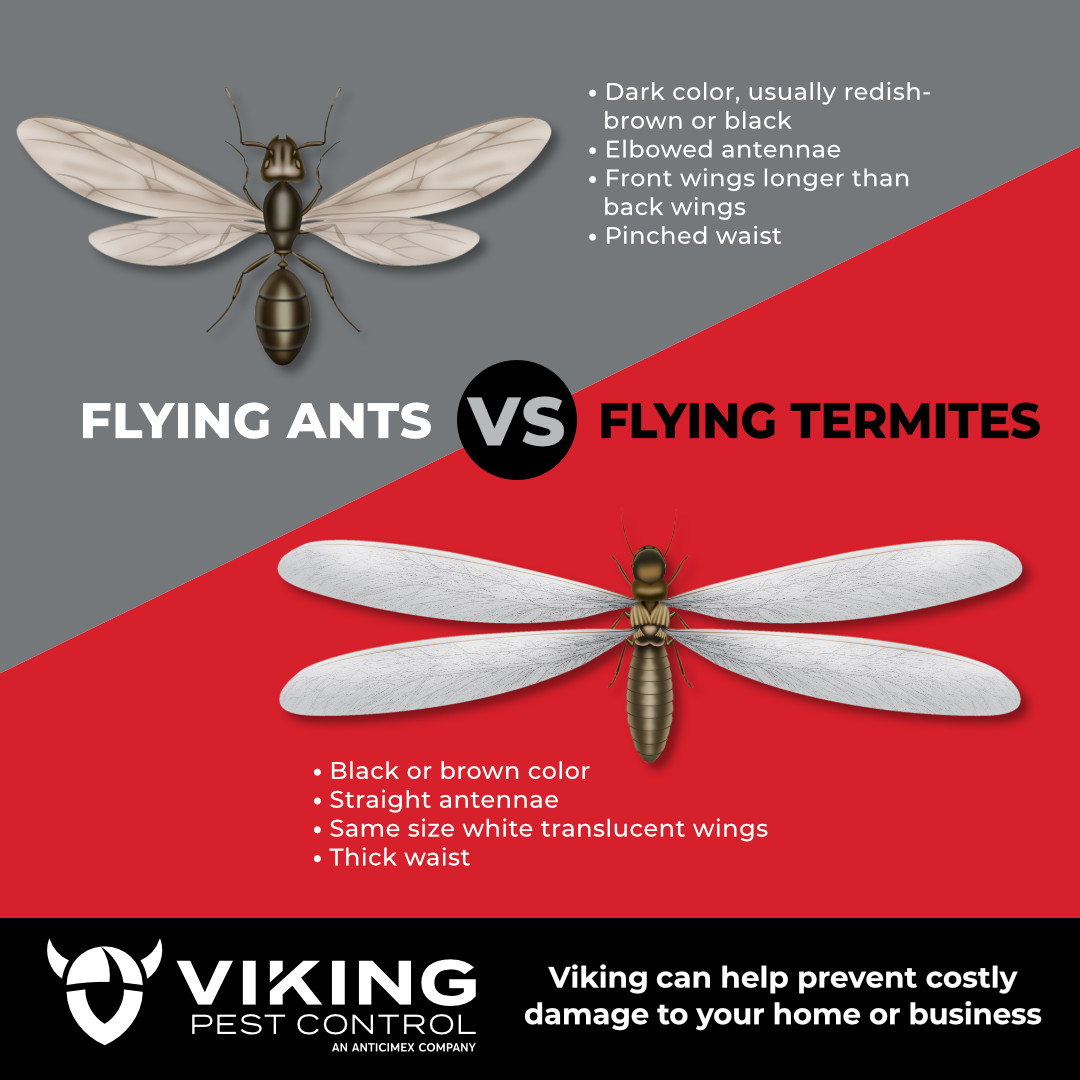
These winged ants—known as swarmers—are reproductive ants that leave the colony to start new nests. If you are regularly seeing winged ants indoors, especially near windows or light sources, it may indicate that a colony is already established within or near your structure.
Multiple sightings can also suggest more than one nesting site.
3. Ant Trails and “Testing Food” Doesn’t Work the Way You Think
It is a common myth that leaving food out will quickly reveal whether carpenter ants are present. In reality, carpenter ants do not automatically swarm food sources.
Instead, worker ants must first locate food. Once they find it, they leave behind a chemical pheromone trail that guides other ants to the same source. This is why a single ant can sometimes turn into a full trail seemingly overnight.
Because of this behavior, infestations can appear suddenly even when activity seemed minimal before.
4. The Real Threat Is Structural Damage Over Time
Carpenter ants do not consume wood for nutrition, but they excavate it to create nesting galleries. Over time, this tunneling can weaken structural components of a home.
Common signs of carpenter ant activity include:
Small holes in wood surfaces
Fine sawdust-like material (frass) near baseboards or beams
Hollow-sounding wood when tapped
Large black ants indoors or around the structure
Even though damage develops slowly, it can become significant if colonies remain untreated.
Carpenter Ants in Winter
Carpenter ants do not disappear in winter. Outdoor colonies may become less active in cold temperatures, but indoor colonies can remain active year-round if they have access to warmth and food.
This means winter sightings can still indicate an ongoing infestation rather than a seasonal occurrence.
Signs You May Have Carpenter Ants
Because carpenter ants often remain hidden, infestations can progress quietly. Common indicators include:
Sawdust-like debris near wooden structures
Large ants moving indoors, especially near kitchens or bathrooms
Winged ants inside the home during warmer months
Small openings or damage in wood
These signs often point to nesting activity inside walls, foundations, or nearby outdoor structures such as trees or stumps.
Why Professional Treatment Is Important
Carpenter ant infestations are difficult to eliminate without locating the main nest. Treating only visible ants rarely resolves the problem, since colonies may be hidden in wall voids or outdoors near the home.
Professional pest control technicians can identify nesting locations and apply targeted treatments to eliminate both primary and secondary colonies.
At Viking Pest Control, trained professionals provide inspection and treatment services throughout New Jersey, Pennsylvania, Delaware, and the Eastern Shore of Maryland to help address carpenter ant infestations and reduce the risk of long-term structural damage.
Contact Viking Pest Control
If you suspect carpenter ant activity in your home or property, early action is important to prevent further damage.
Call Viking at 800-618-2847 to learn more about carpenter ant pest control and extermination services, or get a fast, free quote online today!
Common Spring Pests
The change of seasons dictates many things in life that are unavoidable and unchangeable. The weather is going to do what it wants whenever it wants to do it. The winter season ushers in snow and icy conditions. Spring brings warmer temperatures and spring rains, both of which trigger many things from grass and weed growth to blooming flowers, baby birds and wildlife. Most of these seasonal changes give us no choice but to accept them and learn to adapt to such.
Another thing that takes place this time of year is the emergence of spring pests. New Jersey, Pennsylvania, Delaware, and the Eastern Shore of Maryland residents are already recognizing an increase in pest activity as these spring pests are being awakened with the warming temperatures. Spring season is a prime time for pests as they come out of hiding after a long cold winter. A few of the more common spring pests include termites, wasps, ants, flies, mosquitoes and beetles.
Are Spring Pests Dangerous?
Most of these spring pests are more than just a nuisance. There are increased health risks and potentially destructive effects as a result of spring pests. For example, the termite is a very common spring pest. After a long, hard winter, termites are eagerly searching for places to move in and begin eating away at the structure of your home.
Paper Wasps
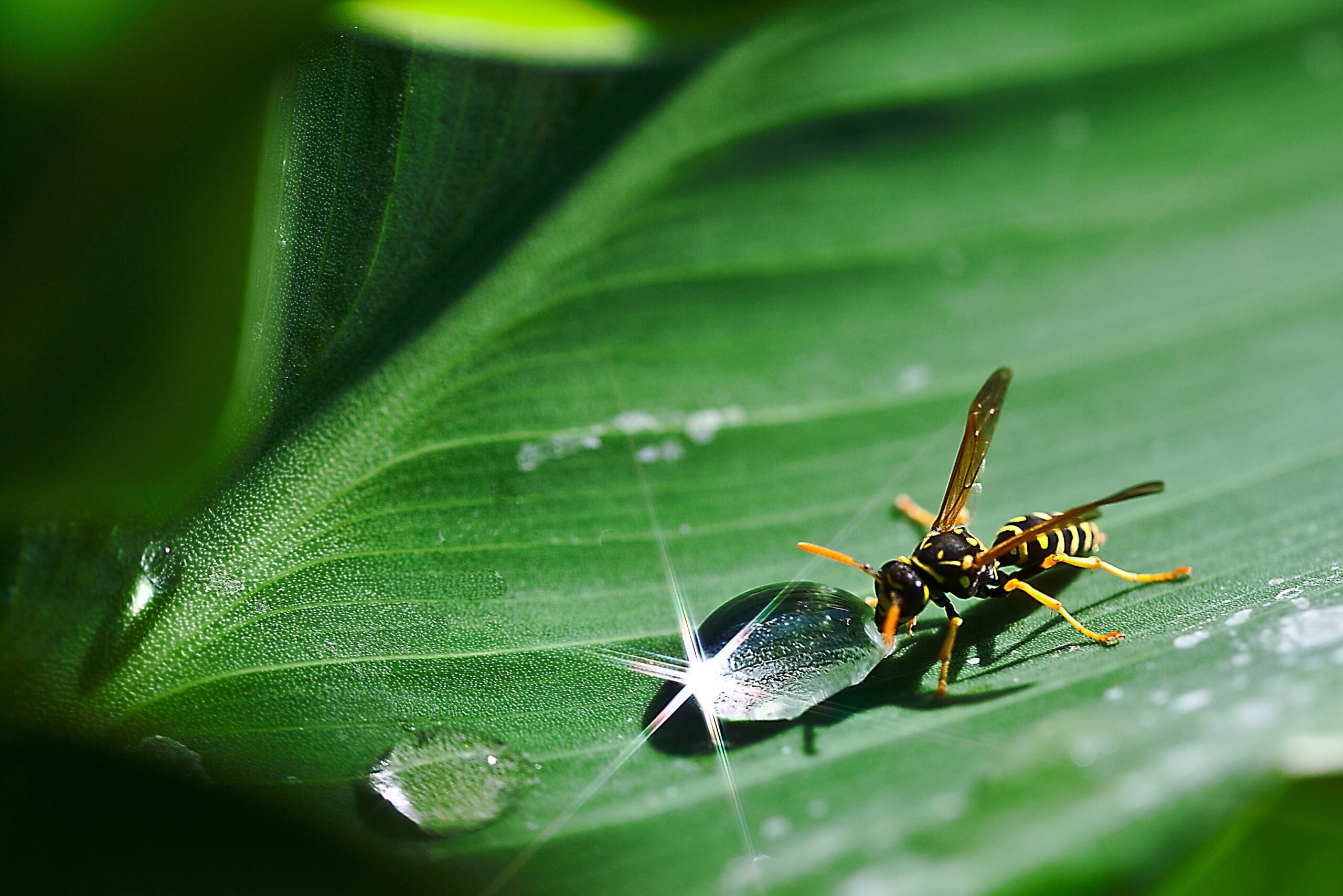
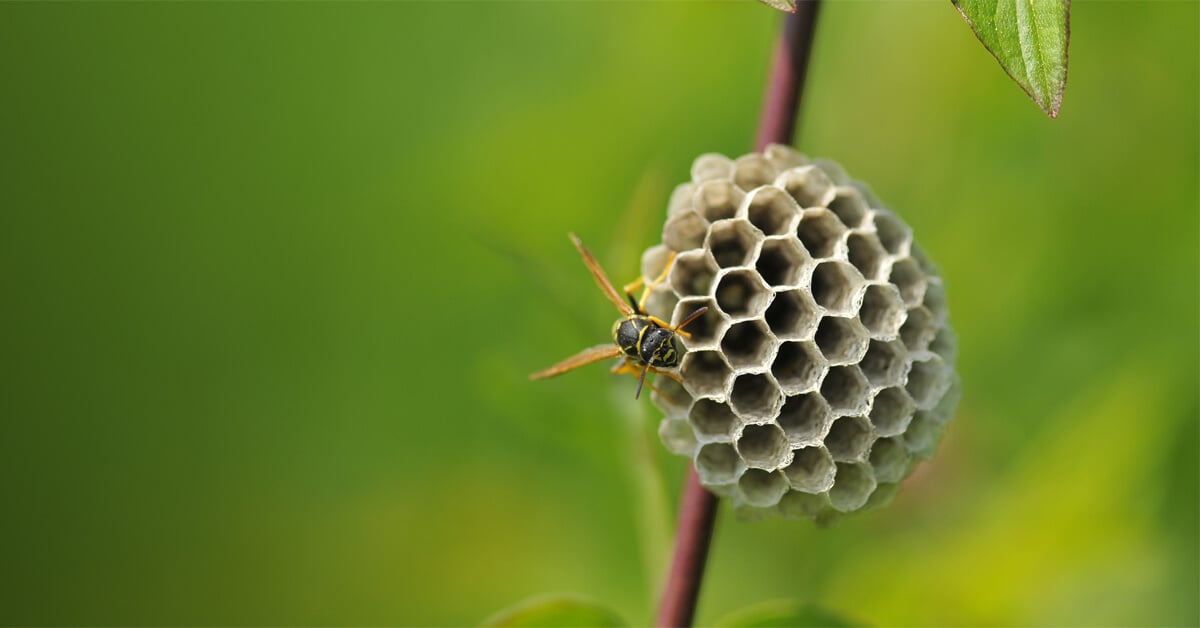
Paper wasps also become very active this time of year as they begin building their nests. Paper wasps can be very aggressive and will fiercely defend their nests. This can be a problematic situation especially for homes that seem prone to paper wasp invasions.
Ants
Even though ants are a problem throughout most of the year, they start emerging in full force during the spring season. Carpenter ants, like the termites, are very common and can cause damage to structures. Other ants like the sugar ant invade homes as they forage for food to feed the very hungry colony that was short of food all winter.
Flies & Cockroaches
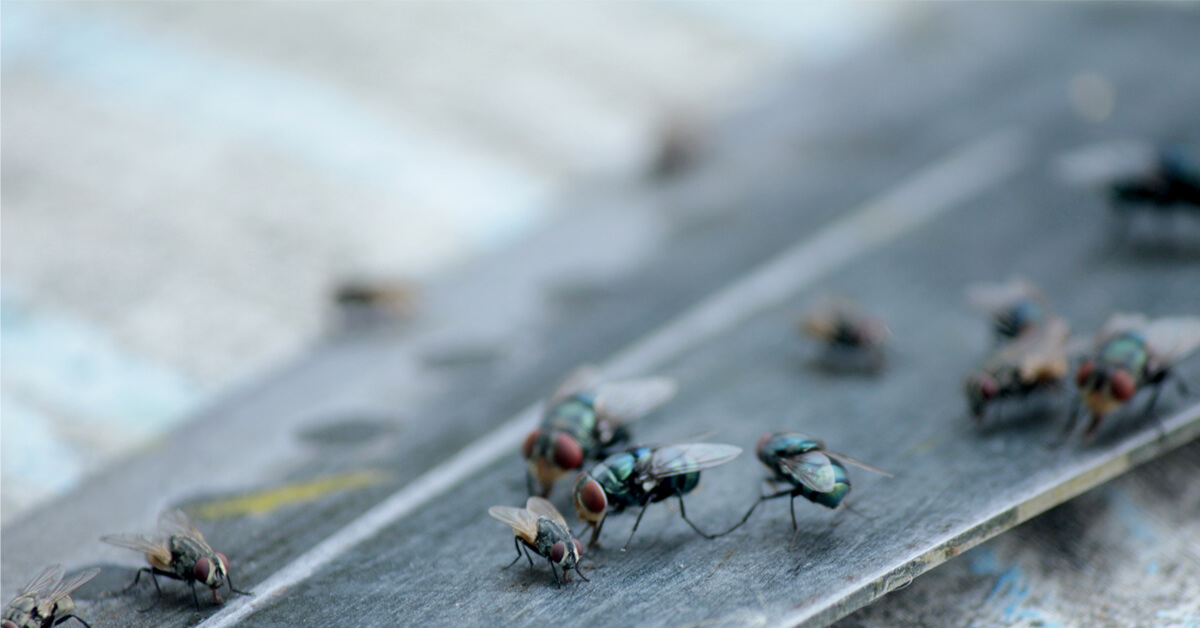
We all know the pesky flies that begin swarming and invading homes during the spring. Mosquitoes begin buzzing around and biting people with a great intensity as the spring rains give the water needed for breeding. Cockroaches also have an increased activity in the spring as they invade homes while searching for food. Cockroaches are noted for filth and spreading diseases.
Contact Viking Pest Control for Comprehensive Spring Pest Treatment
While it is not possible to stop spring pests from showing up, New Jersey, Pennsylvania, Delaware, and the Eastern Shore of Maryland residents have the opportunity for quality protection. Viking Pest Control is the most responsive pest control provider in the area and has been providing quality pest control services for more than 40 years. Take control of eliminating spring pests by contacting Viking Pest today and let us provide the protection you deserve for both you, your family and your property.
Call Viking at 800-618-2847 to learn more about pest control and extermination services, or get a fast, free quote online today!
Why You Should Be Concerned with Common Fall Pests
We’ve been getting a lot of phone calls lately regarding the fall pests that are common in New Jersey, Pennsylvania, Delaware and the Eastern Shore of Maryland. People are seeing carpenter ants inside their homes, stinging insects on their property and rats and mice in their kitchens. Customers are regularly asking us what they can do to prevent these pests from arriving in the first place; our Home Protection Plans can help you with that! But now we’d like to discuss why these pests can be a problem for your NJ, PA, MD, or DE home and why you should be concerned when they choose your home to inhabit.
Carpenter Ants
Carpenter ants are known for entering weather or water damaged wood and nesting in the structural timber. They bore little holes into wood surfaces, creating galleries and nests inside the wooden beam. From here they will venture into your home to forage for food; not only will they be crawling throughout your home, but they can cause the structure of your home to become weakened. Carpenter ants along with other wood-destroying pests like termites can result in expensive repairs, so they are houseguests that need to be evicted immediately! Contact us for more information on our carpenter ant control and termite extermination for your NJ, PA, MD, or DE home.
Mice
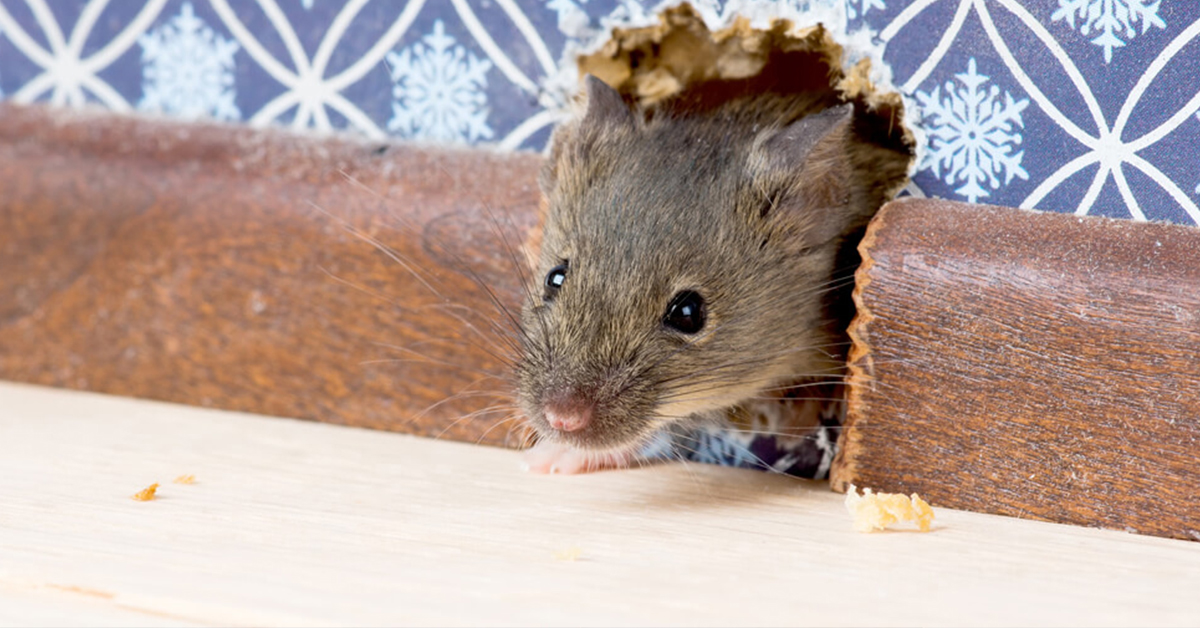
A mouse infestation is a potential problem for homeowners for many reasons. These pests are looking to find a protected place to spend the winter. They will find any hole in the exterior of your home to enter and once inside, they will search for a safe place to build a nest. They may look for cluttered and undisturbed areas, including basements, attics and even closets. If mice can get into the walls in your home, they will chew up insulation to help make their nest, sometimes chewing through electrical wires, which can be the cause of house fires. Rodents will contaminate your food supply, spread diseases with their feces and destroy your belongings to create nests if they choose your home to spend the winter.
Stinging Insects
Stinging insects are especially active at this time of year because their populations are at their peak and you will see more of them out, foraging for food. When stinging insects like bees, yellow jackets and paper wasps build their nests on your property, along the exterior of your home, or even inside wall voids in your home, they can become a serious problem. Yellow jackets are known for being especially aggressive and have the ability to sting repeatedly. Any kind of stinging insect nest built inside your home can damage walls, insulation and can be an expensive problem to fix.
Contact Viking for Fall Pest Control Done By Professionals
As you can see, having these pests inside your home is less than ideal! If you are looking for effective home pest control, NJ, PA, MD, and DE residents recommend Viking Pest Control. Our local certified technicians offer exceptional service to help eliminate the pest problem that is present and prevent it from occurring in the future. For more information on our Home Protection Plans, please contact Viking Pest Control today!
Call Viking at 800-618-2847 to learn more about fall pest control and extermination services, or get a fast, free quote online today!
Why Are Wood Destroying Pests Hard to Distinguish?
Of all the pests out there, perhaps some of the worst are the ones who destroy the wood structures including homes in New Jersey, Pennsylvania, Delaware, and the Eastern Shore of Maryland. And with the spring season now underway, wood destroying pests will become more active soon. Pests like carpenter ants and termites can cause similar damages which make it hard to distinguish between the two. Your local pest extermination experts at Viking Pest Control are here to help you learn about carpenter ants and terminates in NJ, PA, MD, and DE so that you can prevent wood destroying pests from causing extensive and costly structural damages to your home.
Carpenter Ants
Carpenter ants are just like other ant species in that they are often found foraging for food in the kitchen. They prefer sweets but will eat just about anything that is left in the open for them (crumbs, spills, and unsealed baked goods). The thing that is different about carpenter ants is that they carve galleries into wood in order to create their nests. Their galleries are kept very clean so you are likely to find piles of frass (sawdust from their carving) as a sign that you have active carpenter ants. Another sign is damage to wood on the property like the decks, window and door frames.
Termites
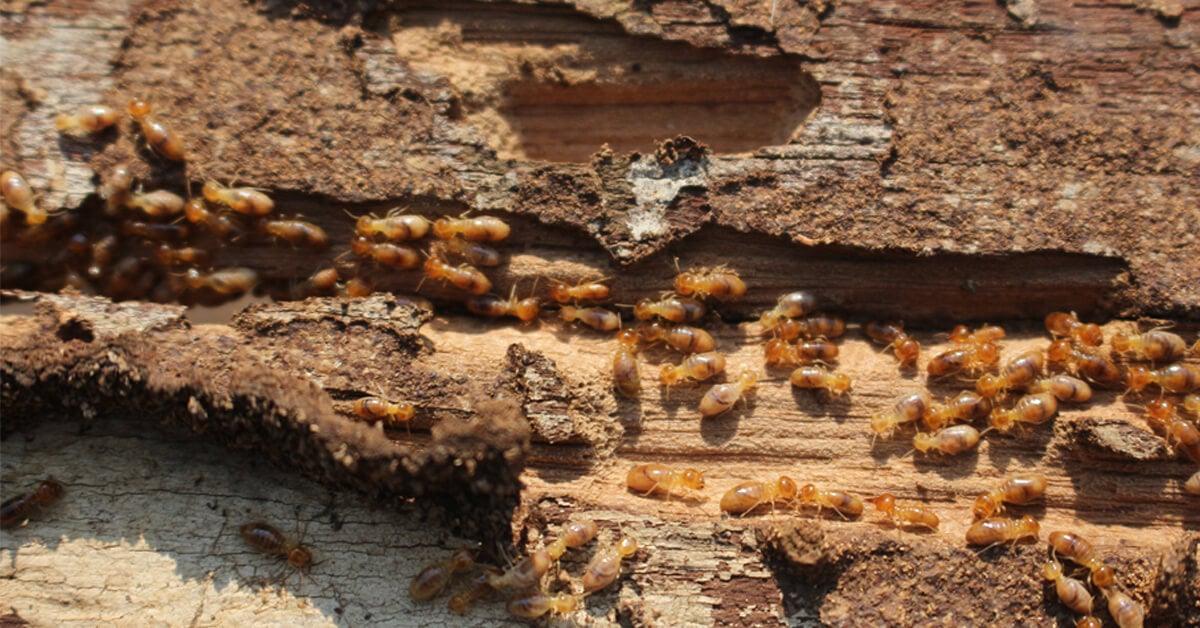
Termites on the other hand are not going to be found foraging through the kitchen. They do their work behind the scenes because their colonies are formed under the ground. In fact, termites will die if they become exposed to the air and light for too long. And instead of simply carving wood, termites actually eat the wood to get the cellulose they crave. Signs of termites include mud tubes traveling around the property and over the exterior of the house, termite swarms in the spring, and of course damage to the wood structures in the home.
Differences Between Carpenter Ants and Termites
Carpenter ants are large black ants that vary in size from 1/4 to 3/4 of an inch in length. Termites on the other hand are much smaller; the workers are only about 1/8 to 1/4 of an inch in length. They are a creamy color, almost translucent but again, they are not likely to be seen out in the open.
If you are concerned that your New Jersey, Pennsylvania, Delaware, or Eastern Shore of Maryland home is being infested by wood destroying insects, please contact your local experts at Viking Pest Control today. In addition to providing termite control in our team of pest control professionals offer carpenter ant control as well as Home Protection Plans for other insects and rodents. Let us help you get rid of wood destroying pests!
Call Viking at 800-618-2847 to learn more about wood destroying insect pest control and extermination services, or get a fast, free quote online today!