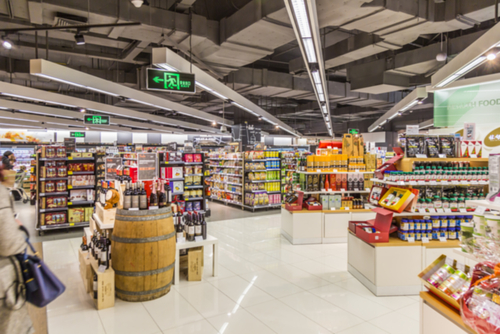
Supermarkets are subject to strict policies, rules, regulations and health and safety laws to ensure that all food items meet the highest of quality standards. At Viking Pest we know the importance of pest control for supermarkets. If pest pressures are handled incorrectly it can lead to negative economic consequences including reputation decline, customer traffic losses, and can even result in the closure of the establishment or chain. Viking's commercial pest management team is trained to assess and control the pest pressures at your supermarket, or grocery store, to ensure pests concerns are a problem of the past.
Stay up to Code on Policies and Regulations
Pests have the capability to reproduce and multiply in mass quantities within short periods of time. For this reason, it is important to always stay one step ahead of potential pest infestations. There are some steps that you can take to keep your business on the offensive, rather than the defensive when it comes to pest pressure.
Keep Your Facility Clean
With an abundance of areas where food, especially fresh food, is stored, supermarkets are at a higher risk of pest infestation. To help avoid a pest infestation you can start by ensuring the facility is always kept clean. Make sure to focus on areas that come in contact with fresh food such as meat, fish, or prepared food.
Eliminate Any Sources of Stagnant Water or Open Food
Check any areas where there may be spilt food, or stagnant water and this can be a source of food for pests. It is important to keep maintain the proper waste management strategies to reduce pest pressures within your facility. Any food residue or remnants that remain on surfaces such as counter-tops, shelving, conveyor belts, tiled surfaces, etc. can become a food source for pest populations.
Limit Pest Entry Points
External factors play a part in the vulnerability of your facility to pest infestations. While you may not find a crack in an external wall to be a major issue, be aware that a variety of pests can enter through any break in structural integrity.
While these tips are helpful for staying ahead of pest pressures, they should be done in conjunction with having regular preventative pest control treatments. If you want to stay ahead of pests get a free estimate from the professionals at Viking Pest Control today!
Areas of Importance
All areas of your business need to be held to the highest of standards when it comes to pest control. In particular, food preparations areas, checkout areas, and warehouses, or storage areas, need to be strictly monitored to ensure no pest activity is present. Reputation and customer experience are two important factors to consider when maintaining proper pest maintenance protocols. Pest prevention is an important step in prevent any negative attention towards your facility. Negative experiences, such as a customer finding insects or pest waste in or near fresh food, could be detrimental to the facility.
Proper pest prevention is vital to maintaining a pest free environment. The risk of pest presence is something that cannot be tolerated at your supermarket, or grocery, facility. Any sightings of pests, or suspicion of pest activity can lead to potential damage to the reputation of your business. The professionals at Viking Pest Control understand the importance of maintaining proper pest control in areas of high risk and high significance.
Common Supermarket Pests
Rodents
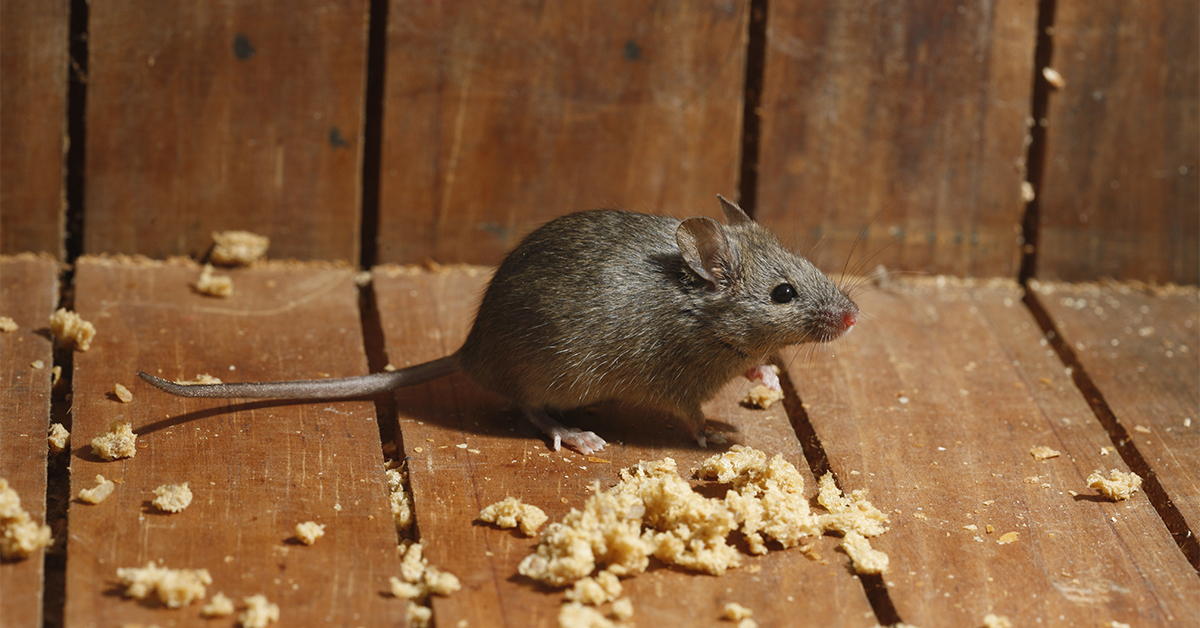
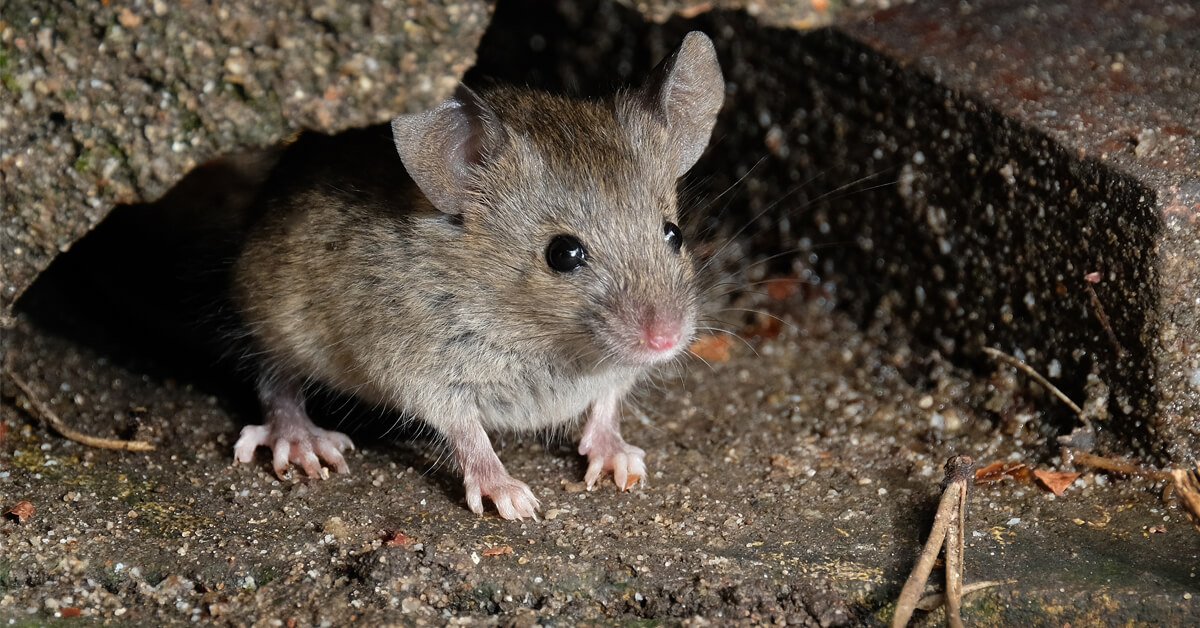
Not only are rats and mice unsightly pests for both employees and customers, they are a threat to more than just your reputation. Rodents are capable of transmitting diseases by contaminating food and cause economic loss in the form of damaging stock or stored product. Mice are able to fit through even the smallest of openings. Once mice, or rats, have infiltrated your facility they are able to reproduce at exponential rates if not controlled. Some best practices for rodent control include sealing any potential entry points and eliminating all potential sources of food and water. Viking is proud to offer the top of the line in rodent control solutions, SMART. Click to learn more about SMART, our non-toxic, digital rodent control solutions with 24/7 monitoring to keep your facility rodent free.
Cockroaches
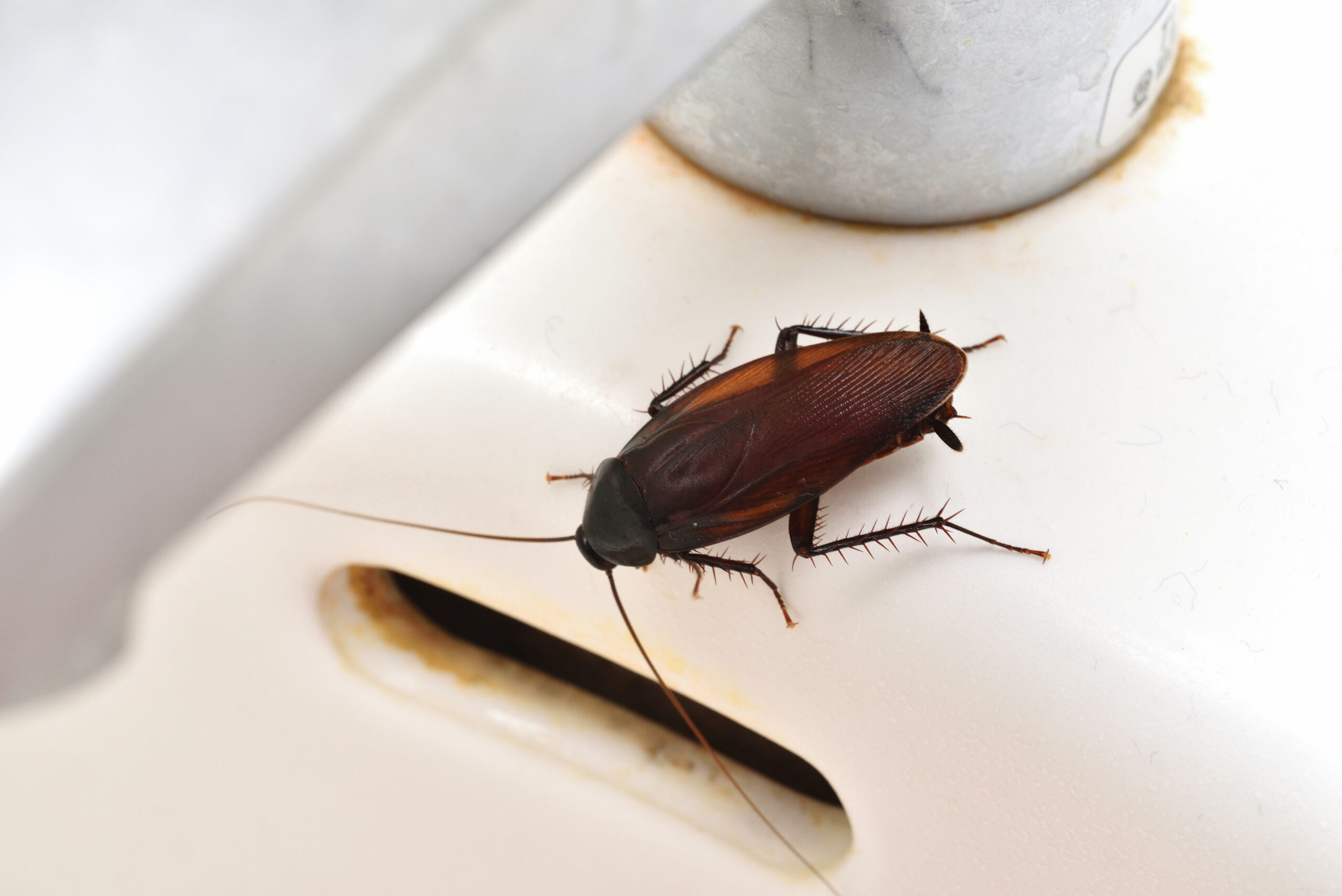
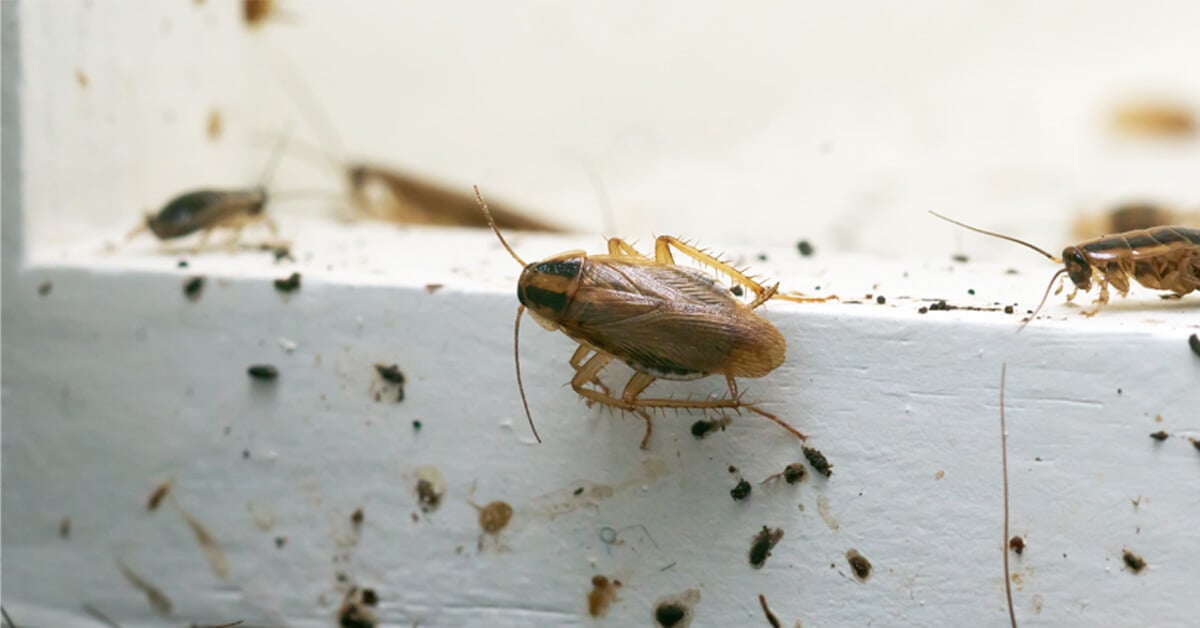
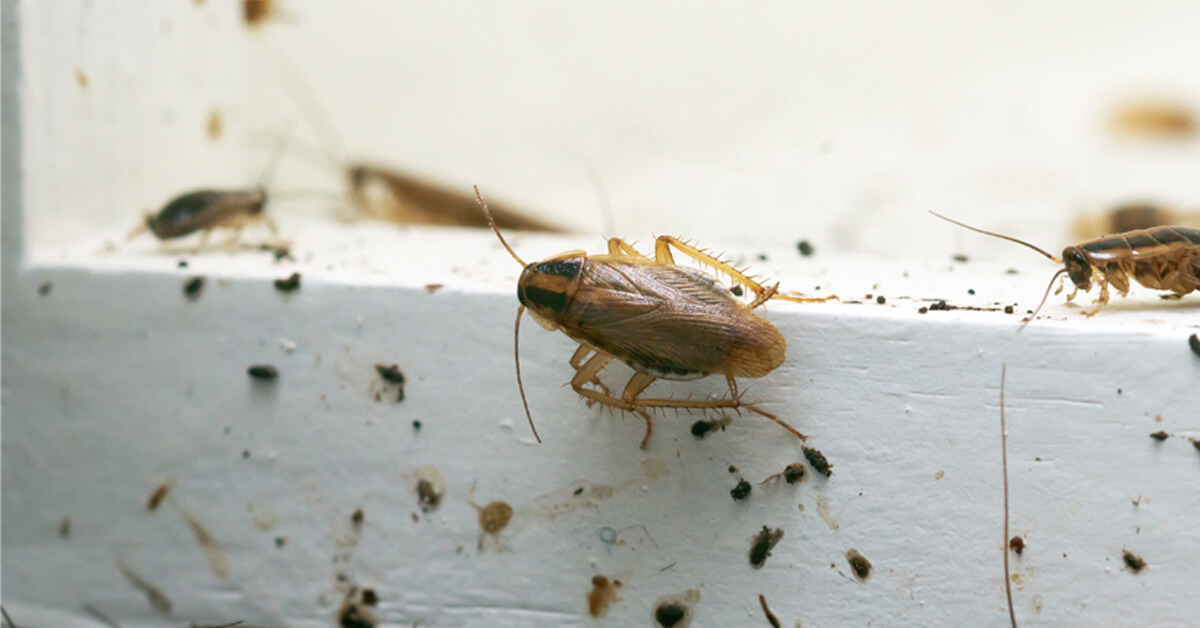
In addition to their ability to adapt and survive in nearly any habitat, cockroaches are able to multiply quickly leading to large infestations. Cockroaches are able to squeeze into almost any area due to their unique ability to adapt to cracks and crevices. The presence of cockroaches poses a huge threat to the reputation of your facility, on top of being a health risk to your customers and employees. Viking has the "Smart" solutions for your cockroach concerns. Viking's innovative SMART Sense detects cockroaches by sensing changes in temperature. These pests are attracted by non-toxic pheromones and captured on a glue board with any activity automatically reported to Viking at an early stage..
Flies
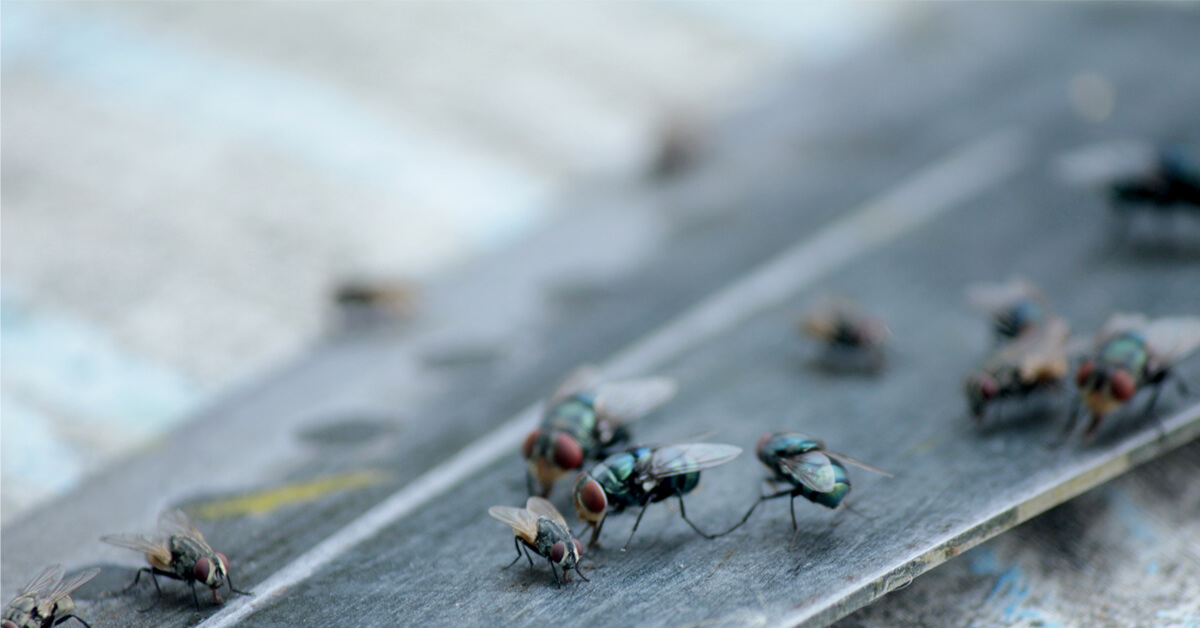
Flies are an especially common pest in supermarkets, typically found in areas where fresh food is made or stored. Flies are an important pest to pay close attention to in your facility as they can contaminate food with microorganisms which can cause serious diseases. It is important to keep continuous management of these pest, as they can reproduce rapidly. Flies can lay up to 500 eggs which will hatch in just about 30 hours, which can astronomically increase fly populations in short periods of time. The presence of flies in your supermarket is not only a threat to the health and sanitization standards of your facility, but also to your reputation if customers see these pests and presume your facility to lack the proper hygiene.
The Smart Solution: Viking Pest Control
Viking Pest is a full-service pest management company, offering service for flies, roaches, rodents, pest birds and more. With each facility being unique in terms of needs and requirements one of our commercial account managers will conduct a site assessment to implement the correct solution for your needs. Our commercial account specialists understand that each facility's pest control needs will differ and will complete a FREE site evaluation prior to service to ensure the best solution for your unique property. Our innovative product, SMART, operates digitally with 24/7 monitoring, using data instead of poison to predict and prevent rodent infestations. SMART is 100% non-toxic, 100% digital, and 100% hassle free for your facility. Call us today at 800-618-2847 to learn more about how Viking can protect your facility from pests!
What is Integrated Pest Management and is it Important?
Philadelphia has huge bed bug problems. Spotted lanternflies are destroying crops in Pennsylvania, Delaware, and New Jersey. Mosquitoes and ticks make thousands of Americans sick every year.
Pest control is an integral part of being a home or business owner to protect your property, family, customers, and employees. One of the best techniques for properly controlling pests throughout your New Jersey, Pennsylvania, Delaware, or Eastern Shore of Maryland home or business is to use a pest control company that practices Integrated Pest Management.
Wondering what an integrated pest management (IPM) system is? Keep reading! We've got everything you need to know about IPM pest control right here.
What is Integrated Pest Management?
Integrated pest management sprung from the concern in the 1950s that we were overusing pesticides. That overuse was not only damaging to our health and environment but was also causing some species to become resistant to insecticides.
IPM is a holistic approach to pest management. It involves a partnership between the customer and their pest management company combined with practices to reduce the use of pesticides while still effectively destroying and preventing infestations.
IPM helps reduce costs, property damage, and potential health problems.
How IPM Works
There are five key elements to integrated pest management. Each element is customized to meet the unique needs of the customer.
1. Inspection
Your pest control management company conducts a thorough inspection of both the interior and exterior of your property. The inspection helps experts locate past or present infestations.
Pest management professionals also use this inspection to note if there are any conditions present that may attract future infestations.
2. Identification
Once your property has been inspected, pest control professionals can make a proper identification of any existing pests.
This will help them determine the extent of the infestation, what factors caused their presence, and the best method to control, prevent, and eliminate the pests.
3. Prevention
The inspection also shows where pest control methods should be implemented. Eliminating their points of entry makes it more difficult for these pests to survive and thrive on your property.
Other measures to reduce and prevent infestations include:
Increasing sanitation
Employee training
Ongoing monitoring
Methods of exclusion are also carried out. This includes reducing clutter, getting rid of build-ups of vegetation and standing water, and filling all gaps and holes within the exterior and interior of all structures.
4. Control
A control plan is developed based on which pests were identified and what (if any) potential threats there are to your environment and current conditions. In the beginning, the focus is on physical and mechanical methods including:
Exclusion methods
Sanitation methods
Trapping
Non-chemical measures
IPM does use materials, but only when necessary.
5. Documentation
Proper documentation records validate the effectiveness of IPM. You can use the documentation to proactively manage your future pest risks.
It's easy to apply this documentation since electronic reports are monitored and maintained 24/7 by your pest control service provider in a secure system.
What are the Benefits of Integrated Pest Management?
Why is IPM important? It's important because it works. And because it helps reduce the negative effects pesticides have on our environment and our health.
Here are a few other benefits of IPM:
It's a cost-effective program
Helps reduce public concern about our safety and the use of pesticides
Decreases public, tenant, and worker exposure to pesticides
Reduces ground-water and air contamination potential
Promotes sustainable bio-based pest control management options like Viking Green Pest Control
Encourages adoption of more ecologically-safe control practices
Reduces and eliminates pest re-entry
These benefits are one of the many reasons that IPM is continually growing in popularity.
What are the Impacts of IPM on the Environment?
Beginning in the 1940s, the use of pesticides helped to increase food production worldwide. Between 1950 and 2017, pesticide use increased by 11% every year.
By the year 2000, five million tons of pesticides were being used on an annual basis. Unfortunately, one side effect is that there were many cases of these toxic chemicals causing health problems in farmers, rural workers, and their families. IPM techniques focuses on finding the core of the pest concern and controlling pests from the source. Through IPM, pest control materials are selected and applied in a manner that minimizes risks to human health, pets, and the environment.
What Does IPM Mean for Your Home?
If you struggle with pest management in your home, it's time to contact the professionals. The pest control experts can properly identify what type of pest(s) live in and around your home.
They'll implement a strategy that is budget-friendly, safe, and effective. It's worth the peace of mind in knowing that your home is being monitored 24/7 for the presence of pests.
And you also know that if any are found, they'll be dealt with immediately. With IPM there are no unexpected and unpleasant pest infestations in your future.
What Does IPM Mean for Your Business?
Pest infestations can quickly destroy a business's reputation. This is especially true if you're in the food preparation business.
And it's not enough to spray materials and hope for the best. Professional exterminators are educated on what type of materials to use, how much to use, and when to use them.
A layperson can easily make a mistake and end up harming individuals. Keep yourself, your customers, and your employees safe from the problems that pest infestations bring.
Let Viking Implement an IPM for You Today
Whether it's for your home or your business, an integrated pest management strategy will ensure you're always pest-free. And we can help.
Viking Pest is the best choice in pest control practicing IMP techniques throughout New Jersey, Pennsylvania, Delaware, and the Eastern Shore of Maryland. Get a fast, free quote online, or Contact us at 1-800-618-2847.
The Importance of Disinfecting and Sanitizing Nursing Homes
What if you could make your nursing home that much safer for all of the seniors living there?
Nursing home housekeeping is the cornerstone of senior safety. But to make sure these retirement homes are completely safe, it's important to understand the right disinfection and sanitation practices.
Wondering what you can do to make your nursing home safer? Keep reading to discover our complete guide!
Proper Isolation
The old saying is true: an ounce of prevention really is worth a pound of cure. And when it comes to keeping a nursing home safe, that means properly isolating patients.
One example that many nursing homes now follow is forbidding or minimizing new admissions to the home. On top of that, such facilities also avoid letting in outsiders such as visitors (more on this in a minute).
The reason for this is simple: even the tightest cleaning and disinfecting regimen can only do so much. And the more people you allow into a contained environment, the more the risk of infection grows.
Sadly, proper isolation also means canceling many of the group events that bring seniors together in these homes. Such events are a valuable part of group morale, but these gatherings now put residents in genuine danger.
Doing all of this may make you feel like the bad guy. But such measures are a vital part of keeping nursing homes clean and keeping each person inside healthy and safe.
While it is crucial to limit the amount of traffic coming in and out of your nursing home it is also important to understand that there is still risk of someone within your facility catching and spreading viruses. To combat this, it is recommended to treat your facility with disinfection and sanitization services to help prevent the spread of any possible viruses present.
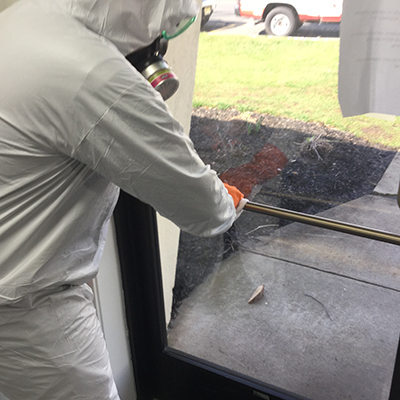
The professionals at Viking Pest offer Viking Pro-Clean a disinfectant and sanitization service proven to dramatically reduce the number of harmful bacteria and emerging viruses like Coronaviruses, Hepatitis B, Hepatitis C, Influenza A, and the H1N1 Virus.
Remote Communication
Preventing outside visitors from coming in doesn't mean that residents cannot communicate with the outside world. However, doing so safely means mastering the art of remote communication.
Many of your residents likely have access to smartphones. You can help walk them through how to use apps such as Facetime or Skype to conduct video chats with their friends and family.
And if they don't want to fiddle with the app, there is nothing wrong with an old-fashioned phone call. If you have properly kept residents isolated, then there is little risk of infection from residents using their own phones.
Avoid Moving Patients When Possible
Sometimes, the families of residents may get frustrated with their inability to enter the nursing home. And because of this, they may be tempted to move patients into their own homes to care for them directly during the COVID-19 crisis.
While you should consider each patient on a case by case basis, it's a good idea in most instances to resist moving patients out of the nursing home. The reason for this is that they are safer inside the home than outside of it.
With a proper sanitation and disinfecting routine, you can create a controlled environment for seniors that is clean and safe. Moving them outside of the nursing home is likely to put them at more risk of contracting COVID-19 or some other illness.
On top of this, many families are not truly prepared to take care of an elderly family member. And a lapse in quality care, combined with a less-than-sterile new environment, may put a senior's life at risk.
Pay Attention to Shared Surfaces
So far, we have focused primarily on keeping patients safe. However, proper sanitation and disinfectant policies are an important way to keep your nursing home staff safe during the COVID-19 crisis.
It is equally important to avoid sharing items whenever possible. Staff should all have their own pens and pads and not have to share. For any items that do need to be shared (such as specialized equipment), make sure those are properly cleaned and disinfected on a regular basis.
Pay special attention to any shared surfaces within the home. Properly cleaning dining areas is a great way to lower the risk for your staff and residents. With constant activity in commonly frequented places such as dining areas the risk of spread from one individual to another is naturally higher. Inform your staff and residents to always wash their hands thoroughly after each time they leave their personal room or come in contact with items that others may have also touched.
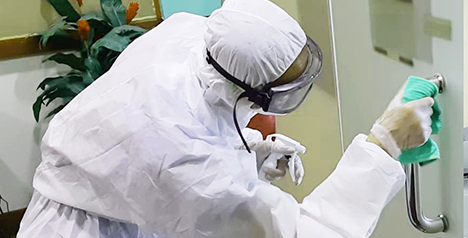
To help lower the number of bacteria and viruses found on common surfaces, hire a disinfectant professional, like Viking Pest. Viking’s Pro-Clean service professionals are trained to focus the disinfectant and sanitization treatment on commonly used items and frequently touched surfaces to help maintain the health and safety of your facility.
Constant Vigilance
Our knowledge of how this virus spreads and how to test for and treat it changes week by week. Sometimes, it changes day by day! That's why it's important for you to stay up to date regarding all things COVID-19.
Staying on top of such a depressing news cycle may feel exhausting at times. But it is the only way you can truly maximize the safety of your seniors.
Professional Help
Properly sanitizing and disinfecting during this crisis is important for all groups. Why, then, have we focused on nursing homes?
According to the CDC, nursing homes are actually at the highest risk of contracting COVID-19. That's because such homes combine many who are at a unique risk of COVID-19 and may also be suffering from a variety of underlying conditions.
That's why you need to take extraordinary measures in order to keep your nursing home safe. Hiring professionals, like Viking Pest, to disinfect and sanitize every area of your nursing home can help reduce the risk of infection.
And even when COVID-19 is behind us, it's important to know the local professionals at Viking Pest can handle all of your sanitation and disinfectant needs.
Nursing Home Housekeeping: The Next Steps
Now you know the importance of proper nursing home housekeeping. But do you know who can help keep all of your seniors safe?
Viking Pest specializes in sanitation and disinfection services for your nursing home, as well as residential and commercial pest control. To learn more about how Viking can keep your nursing home safe contact us today!
The Importance of Pest Management on Closed or Vacant Properties
Coronavirus has led to trying times for many people. Those not deemed essential may have closed business locations in order to comply with state and federal requirements. Now more than ever it is important that you understand the risks associated with pests in vacated locations, the potential health effects they may cause and the increased costs that may be incurred due to a lack of professional pest management. To keep your business in a healthy and safe condition when it comes time to re-open it is important to maintain regular pest control service.
Rats, mice, cockroaches and flies are all classified as public health pests due to their ability to spread pathogens. Some examples of diseases spread by pests include murine typhus, salmonella, dysentery, Hanta virus, Lymphocytic Chorio Meningitus (LCM), histoplasmosis, crytptcocus, ricketsialpox, Bacillus cereus, and bubenosis to name just a few.
Now more than ever consumers are aware of the role animals play as reservoirs for disease. Recently Hanta Virus became an international news story. This illness is spread by some species of mice which are native to our area.
These public health pests are cryptic by nature preferring to hide in places people are not. This normally means in suspended ceilings, beneath refrigerators, wall voids and other hidden spaces within occupied dwellings. They may proliferate in occupied spaces living on very small amounts of food and water. Mice require fractions of an ounce of food per day. Cockroaches can easily survive off starches found in wallpaper paste and find enough water in a sink drain. Flies can rapidly reproduce on items left in a single trash container that has not been properly disposed of.
The reproductive potential of these pests is quite high. Flies and cockroaches under ideal conditions can reach the thousands in very short periods of time. Mice have the reproductive capacity to number into the hundreds in several months’ time if given enough food and shelter as they require very little water.
Unchecked, these pests may lead to increased costs associated with lost product, time spent cleaning, citations/closures form health officials, and lingering damage to brand image.
We urge you to please speak with your Viking Pest Control representative to determine the best course of action to help you through these challenging times. We can evaluate your current program and recommend an appropriate inspection and treatment program to ensure you are able to best protect that which matters to you.
Anticimex SMART Solution
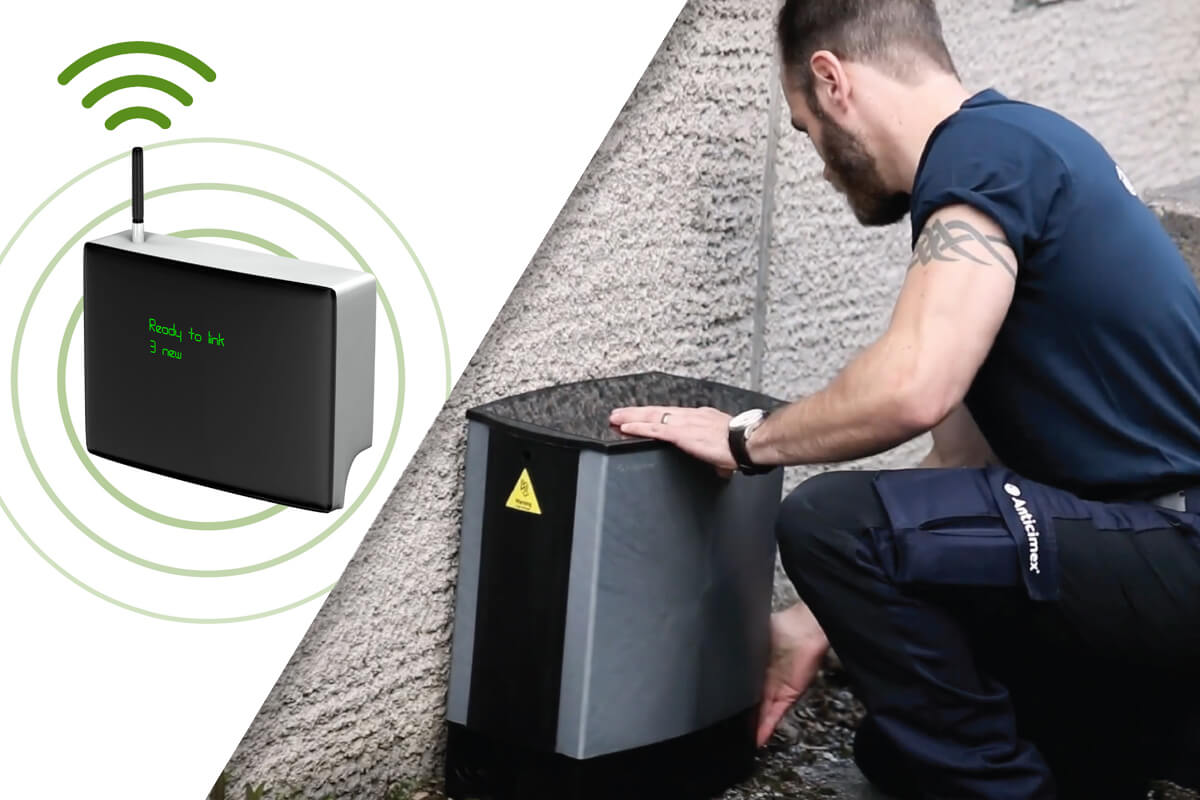
Viking Pest offers SMART digital rodent control. Our SMART system takes the guesswork out of pest control, monitoring rodent activity 24/7 with real-time alerts to our central office whenever movement occurs. Before installation, we fully inspect your site, including examining blueprints and designs when available. This helps us determine weaknesses and establish points for monitoring and evaluation. Based on our inspection, our team designs a plan customized to your business and to your potential pest problems. Learn more about SMART or call today to schedule your free inspection 1-800-618-2847.
Food Processing Plant Pest Control: Why Continuous Professional Pest Management Matters
Food processing facilities face unique challenges when it comes to maintaining cleanliness, food safety, and regulatory compliance. One pest sighting can damage customer trust, interrupt operations, trigger failed audits, or lead to costly product recalls. That’s why effective pest control in food processing plants is not optional — it’s essential.
From rodents and cockroaches to flies and stored product pests, food facilities naturally attract unwanted invaders searching for food, water, and shelter. The best way to protect your products, employees, and reputation is through continuous professional pest management tailored specifically to the food industry.
Why Pest Control Is Critical in Food Processing Facilities
Pests create serious health and operational risks inside food processing plants. Rodents, cockroaches, and flies can spread harmful bacteria and pathogens that contaminate food products and surfaces.
Common risks associated with food facility pest infestations include:
Food contamination
Failed audits and inspections
Product recalls
Damaged inventory
Regulatory violations
Temporary shutdowns
Lost customer trust
Negative publicity
Employee safety concerns
Once pests establish themselves inside a facility, they can reproduce rapidly and become difficult to eliminate without professional intervention.
The Importance of Continuous Pest Control
One-time treatments are rarely enough to keep a food processing facility protected long term. Pest pressures constantly change due to weather, moisture, deliveries, structural vulnerabilities, and surrounding environmental conditions.
Continuous pest management helps:
Detect pest activity early
Prevent infestations before they grow
Eliminate breeding sites
Monitor high-risk areas year-round
Maintain audit readiness
Protect uninterrupted operations
Being proactive is far more effective — and less costly — than reacting after an infestation has already spread.
Common Pest Problems in Food Processing Plants
Rodents
Rats and mice are among the most destructive pests found in food processing facilities. Rodents contaminate products with droppings and urine, chew through packaging and wiring, and spread dangerous diseases.
Rodents often hide:
Behind equipment
In storage rooms
Around pallets
Near loading docks
Inside wall voids
In cluttered or inactive areas
Because rodents are skilled at staying hidden, infestations may go unnoticed until they become severe.
Cockroaches
Cockroaches thrive in warm environments with access to food and moisture. They commonly hide:
Near drains
Under machinery
Inside cracks and crevices
In kitchens and break rooms
Around moisture sources
Cockroaches can spread bacteria and allergens throughout the facility, creating serious food safety concerns.
Flies and Other Insects
Flies and stored product pests can quickly become major issues in food processing environments. Standing water, waste buildup, roof leaks, and drainage problems create ideal breeding conditions.
A single rainstorm or unnoticed moisture issue can trigger rapid insect activity if preventative measures are not already in place.
Why Prevention Is Better Than Reaction
By the time pests are visible, the infestation may already be widespread. Reactive pest control often leads to:
Operational downtime
Product disposal
Emergency treatments
Increased sanitation costs
Negative customer perception
Revenue loss
Preventative pest management minimizes these risks while helping facilities stay operational and compliant year-round.
How Professional Pest Control Protects Food Processing Plants
Customized Pest Management Plans
Every facility has different operational procedures, layouts, and vulnerabilities. Professional pest control companies develop customized treatment plans based on:
Facility size
Production processes
Storage methods
Environmental conditions
Pest pressure
Audit requirements
Tailored solutions help ensure effective long-term protection.
Identifying and Eliminating Pest Sources
Professional technicians know where pests hide and breed. They inspect for:
Structural entry points
Moisture issues
Standing water
Roof leaks
Cluttered storage areas
Sanitation concerns
Harborage zones
Addressing the root causes of infestations is essential for long-term prevention.
Ongoing Monitoring and Documentation
Food processing facilities often require detailed pest management documentation for audits and inspections. Continuous professional service helps maintain:
Monitoring records
Inspection reports
Corrective action plans
Audit compliance
Preventative treatment schedules
This level of organization helps facilities stay prepared for third-party audits and regulatory inspections.
SMART Technology for Food Processing Pest Control
Modern pest control technology allows facilities to monitor rodent activity more effectively than ever before.
SMART Rodent Monitoring
SMART pest control systems provide:
24/7 rodent monitoring
Real-time activity detection
Strategic trap placement
Non-toxic monitoring solutions
Data-driven pest management insights
This proactive technology helps identify rodent activity before infestations escalate and supports environmentally responsible pest control practices.
The Benefits of Professional Food Industry Pest Control
Improve Health and Safety
Professional pest management helps reduce the risk of contamination and pest-borne illnesses while creating a safer environment for employees and customers.
Protect Your Reputation
A pest sighting in a food processing plant can severely damage your brand and customer relationships. Preventative pest control protects your reputation and maintains trust with clients, vendors, and consumers.
Reduce Improper Product Use
DIY pest control methods often result in improper applications or ineffective treatments. Professional technicians understand which products and strategies work best for food processing environments while minimizing risks to operations.
Maintain Compliance and Audit Readiness
Food processing plants must meet strict industry regulations and audit standards. Continuous pest management helps facilities remain compliant and prepared for inspections year-round.
Support Sustainable Operations
Modern Integrated Pest Management (IPM) programs focus on prevention, monitoring, exclusion, and targeted treatments to reduce unnecessary pesticide use while delivering effective pest control.
Why Food Processing Facilities Choose Viking Pest Control
Viking Pest Control provides customized commercial pest management solutions designed specifically for food processing environments throughout New Jersey, Pennsylvania, Delaware, and Maryland.
Viking offers:
Customized facility pest management plans
SMART rodent monitoring technology
Continuous monitoring and prevention
Audit support and documentation
Integrated Pest Management strategies
Sustainable and environmentally responsible solutions
Experienced commercial pest specialists
Viking’s team works closely with food processing facilities to identify vulnerabilities, eliminate active infestations, and prevent future pest problems before they disrupt operations.
Protect Your Facility with Continuous Pest Control
Food processing facilities cannot afford to take chances with pests. Continuous professional pest management helps protect your products, operations, employees, and reputation while supporting compliance and long-term success.
Whether you manage a single processing plant or multiple facilities, partnering with an experienced pest control provider helps ensure your operation stays clean, safe, and audit-ready year-round.
Contact Viking Pest Control today to schedule a site evaluation and learn more about customized pest management solutions for your food processing facility.
Viking Provides the Best Commercial Pest Control for Luxury Hotels
If you manage a luxury hotel, there’s no quicker way to hurt your reputation, then having a pest infestation discovered by guests.
The hospitality industry is particularly vulnerable to all sorts of pests. This is due to the easy transportation of bed bugs from overnight visitors or cockroaches find ways to enter the building.
That’s why having proper commercial pest control in place is important. Your guests deserve the absolute best sleeping conditions when staying away from home, and that’s what they’ll expect from your hotel.
Need further convincing? Let us explain the benefits of using our various types of pest control for your luxury hotel or commercial property. Don’t wait for a pest invasion to scare customers away—take preventative measures today!
Viking Pest Control Has Years of Experience
Here at Viking, we offer four decades of experience in commercial pest control.
When we work with your company, we customize a plan to focus on eliminating the pain point. We also develop a preventative strategy to ensure unwelcome pests stay away from your property.
This is all done with the help of our discreet and professional staff who deal with the pest issues and have access to state-of-the-art technology. This is all while providing impeccable customer service while using integrated pest management solutions.
We Educate Your Staff To Identify Infestations
As part of pest prevention, we can also help educate your staff and help them identify common pests, and how to stop them from infesting your building.
Cockroaches
The nocturnal German cockroach, for example, is found in stuffy and moist environments. They can breed quickly and can stay undetected for a long time which means eliminating an infestation can become problematic.
But here at Viking we can provide both immediate relief and long-term protection, while also informing staff on how to avoid an infestation.
Bed Bugs
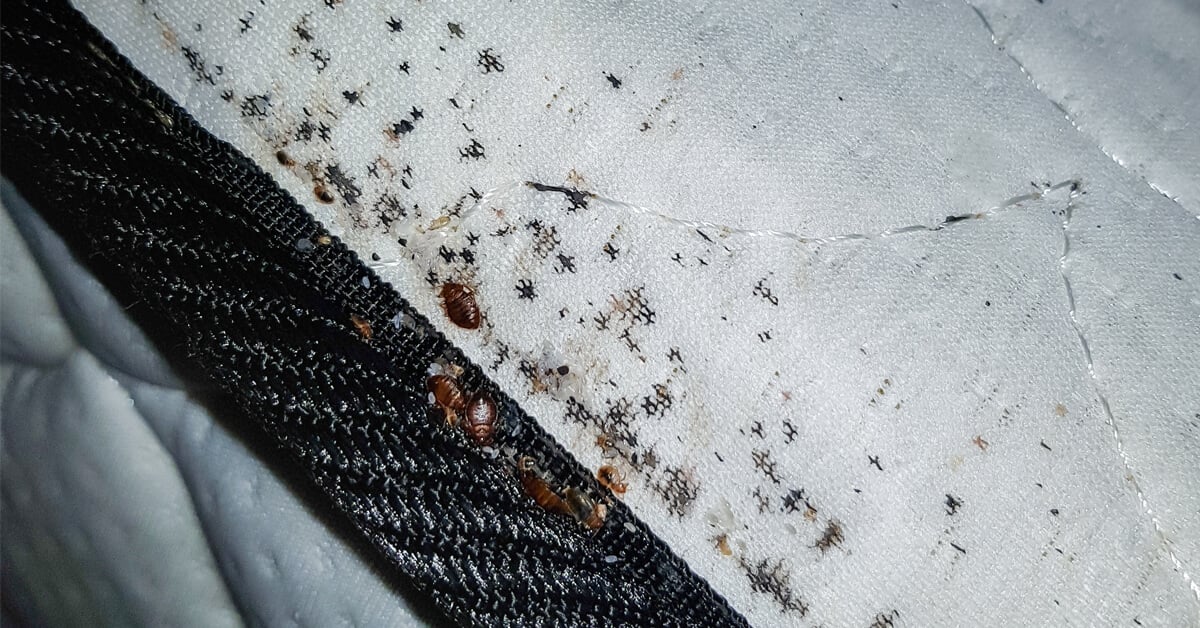
Bed bugs are a hotel’s worst nightmare. After all, nobody wants to pay to spend the night in a hotel only to leave with marks on their bodies.
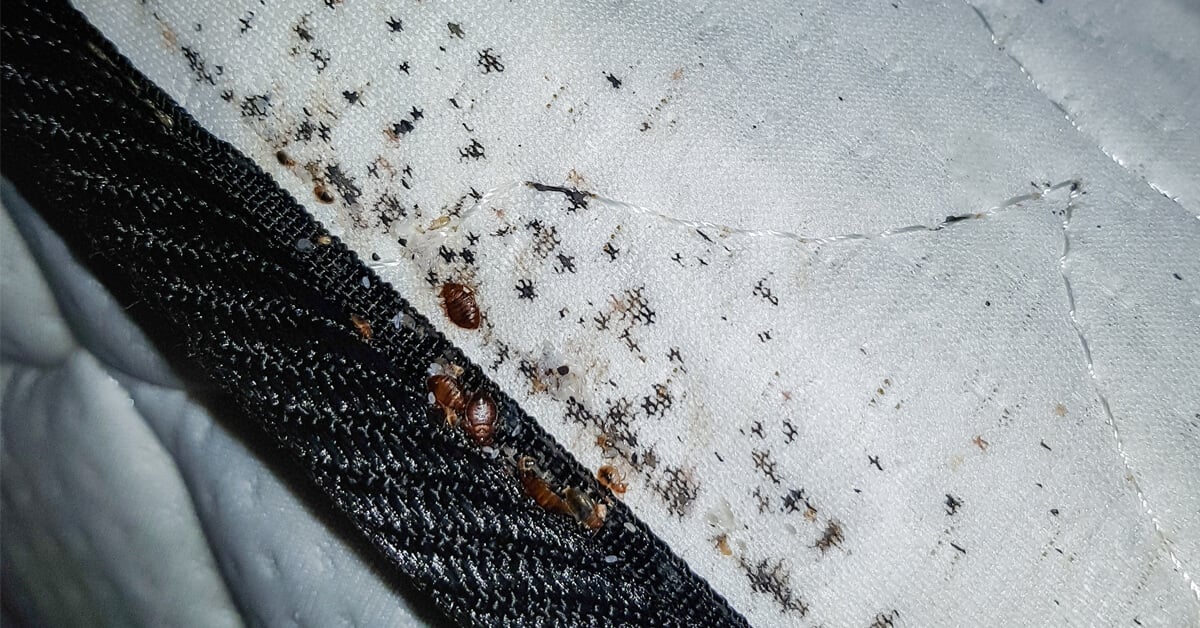
As bed bugs can transport, unfortunately, even the cleanest of hotels are prone to bed bug infestations as guests often bring them in via suitcases or clothes. Bed bugs can be found in the smallest of gaps and cervices in and around carpets, mattresses, nightstands, and curtains.
These pests can even move from room to room via walls, travel bags, or laundry bags. So, it is important that preventative measures such as educating staff members on how to spot bed bugs are taken before a guest has an unpleasant experience with an infestation.
Flies
Flies are common too, especially in hotel restaurants or cafes where food is served. Not only are they unsanitary, but they’re annoying too!
With our insect program, we begin our pest control service outside to locate the breed of fly and the feeding areas.
Then, we’ll explain to staff members how to ensure restaurant pest control is taken care of, and how to guarantee the entire hotel offers a pest free environment for guests.
As each of these pests has unique attributes, it can make total extermination difficult. This is especially so without professional help and knowledge.
By educating staff members on each of these pests, how to look out for them, and how to deal with them, you can help prevent as many of these unwelcome pests as possible.
Maintain Your Brands Reputation
Hotel managers will already be aware of the disaster of finding bed bugs in guest rooms, as well as finding roaches and rodents in restaurants and dining areas. Of course, pest infestations have a huge effect on hotel reputation and ratings. And if you manage a luxury hotel the stakes are even higher, as expectations of cleanliness are higher.
If you thought bad news traveled fast many years ago, with the popularity of social media and reviewing websites, imagine how fast it travels now. When a pest problem rears its ugly head, it doesn’t take long for others to hear all about it.
The moment an online review, or unfortunate image, is posted slamming your hotel for sheltering these pests, these issues are likely to spread around. And imagine the public’s reactions if more visible pests are seen scurrying around the hotel. For example, cockroaches or mice in the restaurant.
Hotel pest control can stop the damage before it has a chance to start with the preventative methods mentioned. That way pests are caught before they can get in.
Improve Quality Control In Your Hotel
Not only are pests unsanitary and damaging to brand reputation, but they’re also a constant threat to quality control. And no matter what your business is, effective quality control is crucial for success.
Pests can damage all sorts of products that belong in a hotel, from food to clothing to mattresses and everything between. They can also make locations such as bedrooms unsuitable to sleep in, meaning you’ll lose out on revenue.
Commercial Pest Control for Hotels
Do you have multiple properties? Concerned about having various commercial pest control companies?
Viking's vast presence means there is most likely a Viking field location that services your neighborhood. If any pest does find a way into your business, Viking's professionals are there at a moment's notice.
We take care of the situation discreetly and work with you for long-term relief. That's the Viking Advantage Commitment: A Regional coverage with a local touch.
Learn all about our hospitality pest control services or request a free estimate.
SMART Commercial Pest Control: The Innovative Way to Protect Your Business
Protecting your business from pests takes more than reacting to problems after they appear. Rodents, cockroaches, flies, ants, termites, and other pests can damage property, contaminate products, interrupt operations, and harm your reputation. Whether you manage a restaurant, healthcare facility, warehouse, office building, hotel, retail space, or manufacturing plant, proactive pest management is essential to keeping your business protected year-round.
At Viking Pest Control, we combine decades of commercial pest management experience with innovative SMART pest control technology to help businesses stay ahead of infestations before they become costly problems.
What is SMART Pest Control?
SMART pest control is an advanced digital monitoring system designed to detect and respond to rodent activity in real time. Using strategically placed sensors, connected traps, and continuous data monitoring, SMART technology provides 24/7 protection for your commercial property.
Unlike traditional pest control methods that rely only on scheduled inspections, SMART pest control continuously monitors pest activity throughout your facility. This allows Viking technicians to identify trends, target high-risk areas, and respond quickly when activity is detected.
Our commercial pest specialists don’t rely on technology alone. We also conduct detailed inspections, evaluate your facility’s layout, identify vulnerabilities, and create a customized treatment and prevention plan tailored to your business.
Why Businesses Need Proactive Pest Management
Pest infestations can affect virtually any industry. Even businesses that maintain excellent sanitation practices can experience pest problems due to building age, nearby water sources, incoming shipments, structural gaps, or neighboring properties.
Common businesses affected by pest infestations include:
Restaurants and food service facilities
Grocery stores and food processing plants
Hotels and hospitality properties
Warehouses and storage facilities
Healthcare and pharmaceutical facilities
Schools and office buildings
Manufacturing and industrial facilities
Retail centers and shopping malls
When pests invade a business, the consequences can be severe. Rodents can chew electrical wiring and create fire hazards. Cockroaches and flies can contaminate food preparation areas. Termites and carpenter ants can damage structural wood. Bed bugs can generate customer complaints and damage hospitality reputations. Even mosquitoes around commercial properties can create an unpleasant experience for employees and visitors.
That’s why preventative pest management is critical.
Benefits of SMART Pest Control
24/7 Monitoring and Rapid Response
Traditional pest control often relies on periodic inspections, leaving long gaps where pest activity can go unnoticed. SMART pest control continuously monitors your facility around the clock.
When activity is detected, Viking technicians are alerted immediately so corrective action can be taken quickly before pests have the opportunity to spread or reproduce.
Predictive Pest Prevention
SMART technology collects and analyzes activity data to identify trends and high-risk areas within your business. This allows Viking to proactively adjust trap placement and treatment strategies based on real-time information.
Rather than simply reacting to infestations, SMART pest control helps prevent them from developing in the first place.
Early Detection Saves Money
The sooner pest activity is identified, the easier and less expensive it is to control. Detecting a single rodent before it becomes a full infestation can help businesses avoid costly repairs, product loss, shutdowns, or damage to their reputation.
Ongoing monitoring and preventative treatments can significantly reduce long-term pest management costs.
Protection for Hard-to-Reach Areas
Pests often thrive in hidden locations such as wall voids, utility areas, storage rooms, crawl spaces, and behind equipment. SMART sensors help identify activity in areas that may otherwise go unnoticed during routine inspections.
Reduced Business Disruption
SMART pest monitoring minimizes unnecessary service visits while ensuring your business remains protected. Viking technicians receive alerts when activity occurs, allowing us to respond efficiently and strategically.
This proactive approach helps reduce disruptions to your employees, customers, and daily operations.
Common Pests Found in Commercial Buildings
Rodents
Mice and rats are among the most destructive commercial pests. They contaminate products, spread disease, damage insulation, and chew electrical wiring. Rodents can enter through surprisingly small openings and reproduce rapidly if left untreated.
Cockroaches
Cockroaches are highly resilient pests commonly found in kitchens, break rooms, storage areas, and utility spaces. They can spread bacteria and allergens while creating sanitation concerns for businesses.
Ants
Ants can contaminate food products and quickly establish large colonies inside commercial buildings. Carpenter ants can also damage wood structures by tunneling through damp or decaying wood.
Termites
Termites often go undetected while causing significant structural damage behind walls and beneath flooring. Preventative termite protection is especially important during new construction and renovations.
Flies
Flies can spread bacteria onto surfaces and food products, making them a major concern for restaurants, grocery stores, and food processing facilities.
Bed Bugs
Hotels, apartment complexes, healthcare facilities, offices, and public buildings can all experience bed bug problems. These pests are skilled hitchhikers and can spread quickly through luggage, furniture, and personal belongings.
Commercial Pest Prevention Tips
While professional pest management is essential, businesses can also take steps to reduce pest pressure:
Maintain Proper Sanitation
Clean food preparation and break areas regularly
Store food in sealed containers
Empty garbage frequently
Remove standing water and moisture buildup
Inspect Incoming Shipments
Pests are often introduced through pallets, cardboard boxes, and deliveries. Train employees to inspect shipments for signs of pest activity before bringing items inside.
Seal Entry Points
Cracks, gaps, damaged door sweeps, and improperly sealed utility openings can provide easy access for pests. Proper exclusion is one of the most effective preventative measures.
Eliminate Moisture Problems
Many pests are attracted to moisture. Repair plumbing leaks, improve drainage, clean gutters, and use dehumidifiers in damp areas.
Keep Landscaping Maintained
Overgrown vegetation and clutter around your building can provide shelter for pests. Trim shrubs, remove debris, and avoid storing materials directly against the structure.
Pest Control During Commercial Renovations
Construction and remodeling projects can increase pest activity by disturbing nesting areas and opening new entry points. Before, during, and after renovations, businesses should work with a pest management professional to help prevent infestations.
Recommended measures include:
Pre-construction pest inspections
Rodent and insect monitoring stations
Sealing gaps and structural openings
Proper waste disposal during construction
Moisture management and drainage planning
Preventative termite treatments where applicable
Integrating pest prevention into renovation planning can help protect your investment long after construction is complete.
Why Choose Viking Pest Control for Commercial Pest Management?
For more than 45 years, Viking Pest Control has helped businesses throughout New Jersey, Pennsylvania, Delaware, and the Eastern Shore of Maryland protect their facilities from pests.
Our commercial pest management programs are customized to your industry, property layout, and specific pest pressures. We offer:
SMART digital rodent monitoring
Customized commercial pest management plans
Ongoing preventative services
Detailed inspections and reporting
Targeted treatments for rodents, insects, and wildlife
Industry-specific pest solutions
Our team works proactively to help protect your employees, customers, inventory, and reputation.
Protect Your Business With SMART Pest Control
Pests can threaten your operations, damage your property, and impact customer confidence. Investing in proactive commercial pest management and SMART monitoring technology helps businesses stay ahead of infestations before they become major problems.
Whether you need preventative pest protection, rodent monitoring, or a customized commercial pest management program, Viking Pest Control can help.
To learn more about commercial pest management and SMART pest control solutions, contact Viking Pest Control today for a free consultation and site evaluation.
Restaurant Pest Control: Why Every Restaurant Needs Professional Pest Management
Running a successful restaurant takes more than serving great food. Cleanliness, safety, and reputation all play a major role in keeping customers coming back. Unfortunately, pests like flies, cockroaches, rodents, and even birds can quickly threaten your business, your health inspection scores, and your bottom line.
A single pest sighting can lead to negative online reviews, failed inspections, food contamination concerns, and lost customers. In the restaurant industry, prevention is everything. That’s why professional restaurant pest control is essential for protecting your staff, customers, and reputation year-round.
Why Pest Control Is Critical for Restaurants
Restaurants naturally attract pests because they provide easy access to food, water, warmth, and shelter. Kitchens, storage areas, dumpsters, drains, and dining rooms all create ideal conditions for insects and rodents to thrive.
Without proactive pest management, infestations can spread quickly and become difficult to eliminate. Common restaurant pests can:
Contaminate food and preparation surfaces
Spread bacteria and foodborne illnesses
Damage inventory and equipment
Create unpleasant dining experiences
Lead to health code violations
Harm your restaurant’s reputation online and in the community
Even one customer spotting a cockroach or fly can trigger damaging reviews that affect business long after the problem is resolved.
Common Restaurant Pests
Flies
Flies are one of the most common and dangerous pests found in restaurants. They spread bacteria by landing on food, counters, drains, garbage, and other contaminated surfaces.
Flies are often attracted to:
Food waste
Overflowing trash bins
Dirty drains
Moisture buildup
Spoiled produce
Standing water
A fly infestation can quickly create an unsanitary environment that customers and health inspectors notice immediately.
Cockroaches
Cockroaches thrive in restaurant kitchens because they have constant access to food, moisture, and hiding places. They commonly hide:
Under kitchen equipment
Inside wall voids
Around drains
In basements and storage areas
Near garbage and grease buildup
Cockroaches can contaminate food and surfaces with harmful bacteria and allergens, making them one of the most serious pest threats for restaurants.
Rodents
Mice and rats are highly destructive pests that invade restaurants searching for food and shelter. They typically:
Chew through packaging and wiring
Contaminate food with droppings and urine
Spread diseases
Create foul odors
Reproduce rapidly
Restaurants with cluttered storage areas, poor sanitation, or gaps around doors and utility lines are especially vulnerable to rodent activity.
Birds
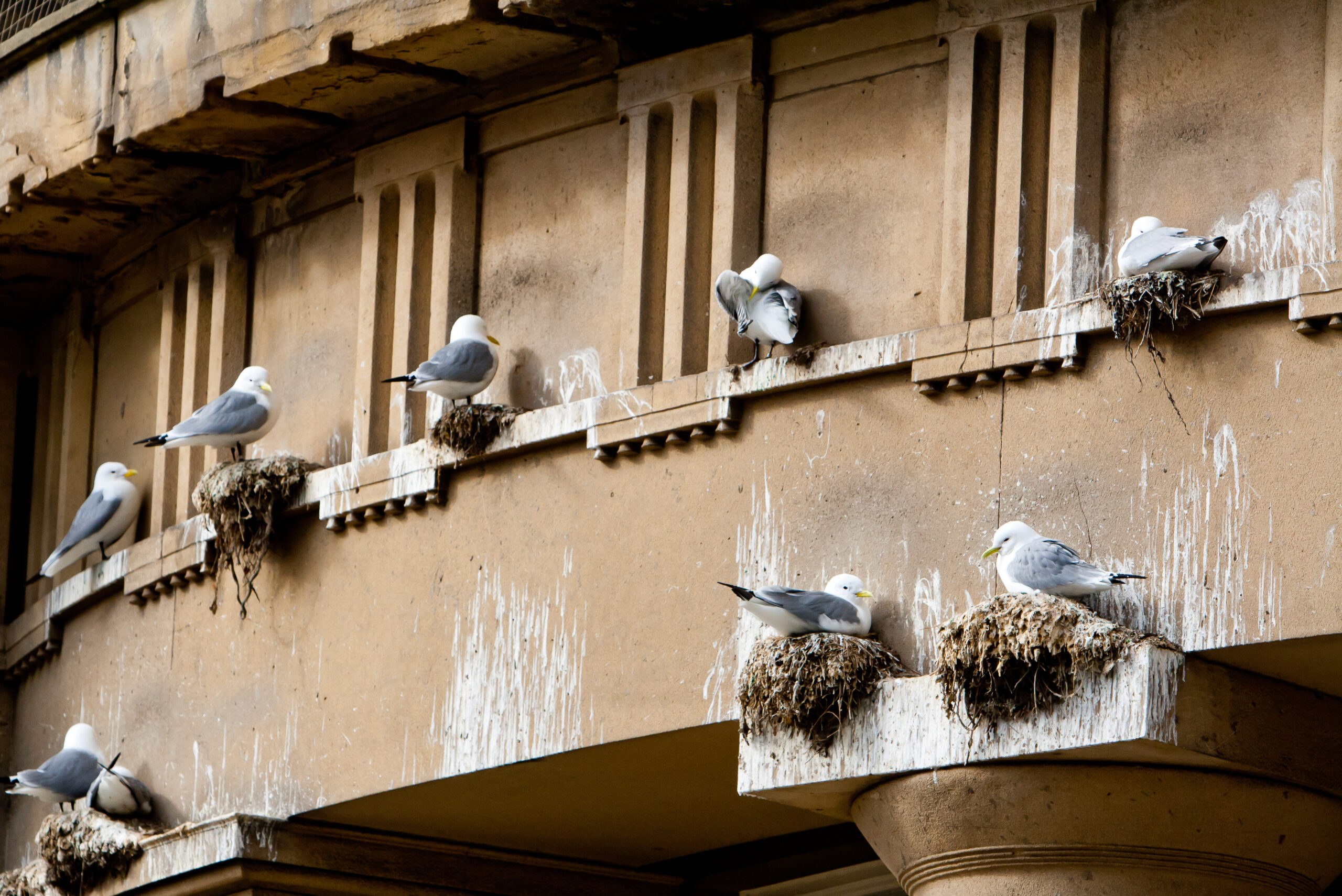
Birds like pigeons, sparrows, and starlings can become major nuisances around restaurant patios, rooftops, and outdoor dining areas. Bird droppings can spread bacteria and create unpleasant experiences for guests.
How Pests Impact Restaurant Health Inspections
Restaurants must comply with strict health and food safety regulations. Pest activity is one of the fastest ways to lose points during an inspection or even face temporary closure.
Health inspectors often look for:
Evidence of rodents or insects
Improper food storage
Poor waste management
Standing water or leaks
Unsealed entry points
Unsanitary conditions
A poor inspection score can discourage customers and negatively affect your reputation for years.
How to Prevent Pests in Your Restaurant
Keep Kitchens Clean and Organized
Cleanliness is the foundation of restaurant pest prevention. Staff should:
Wipe down counters and surfaces regularly
Clean under kitchen equipment
Remove food debris daily
Wash dishes promptly
Deep clean drains and grease traps
Rotate inventory using first-in, first-out practices
Spoiled food and hidden grease buildup are major attractants for flies and cockroaches.
Manage Trash Properly
Garbage is one of the biggest pest attractants in restaurants.
To reduce pest pressure:
Empty trash frequently
Use sealed trash containers
Clean dumpsters regularly
Keep outdoor dumpsters away from entry doors whenever possible
Avoid overflowing garbage areas
Eliminate Moisture Issues
Many pests need moisture to survive. Fix:
Leaky pipes
Dripping faucets
Standing water
Condensation problems
Poor ventilation
Drains, basements, and storage rooms should remain dry and well-ventilated.
Seal Entry Points
Pests can squeeze through incredibly small openings. Inspect your restaurant for:
Cracks in walls and foundations
Gaps around pipes and utility lines
Damaged door sweeps
Torn window screens
Poorly sealed doors and windows
Preventing pests from entering is far easier than eliminating an infestation later.
Inspect Deliveries
Pests often enter restaurants through incoming shipments. Inspect boxes, produce, and deliveries for signs of insects or rodents before bringing them inside.
Why Professional Restaurant Pest Control Matters
Even restaurants with excellent sanitation practices can experience pest problems. Professional pest control provides another layer of protection through routine inspections, monitoring, and targeted treatments.
Professional pest management services can:
Identify hidden pest activity early
Develop customized treatment plans
Prevent infestations before they grow
Reduce risks of health code violations
Provide long-term monitoring and prevention
Integrated Pest Management (IPM) strategies focus on prevention, exclusion, sanitation, monitoring, and targeted treatments for effective, sustainable results.
Viking’s Restaurant Pest Control Solutions
Viking Pest Control provides customized commercial pest control solutions designed specifically for restaurants and food service facilities throughout New Jersey, Pennsylvania, Delaware, and Maryland.
Comprehensive Fly Control
Viking’s fly control program includes:
Inspection of drains, vents, windows, doors, and dining areas
Identification of breeding and feeding sources
Recommendations for sanitation improvements
Targeted fly treatments and prevention strategies
Cockroach Control
Viking technicians identify cockroach hiding areas and implement targeted treatments to eliminate infestations and prevent future activity.
SMART Rodent Control
Viking’s SMART rodent monitoring system provides around-the-clock detection and protection against mice and rats using modern monitoring technology.
Pro-Clean Sanitization Services
Viking also offers sanitization and disinfection services to help protect employees and customers from bacteria and viruses.
Protect Your Restaurant’s Reputation with Viking Pest Control
When it comes to restaurant pest control, waiting until you see pests is already too late. Preventative pest management helps protect your customers, staff, food, and reputation before problems escalate.
Whether you operate a single location or multiple restaurants, partnering with an experienced pest control provider can help keep your establishment clean, compliant, and pest-free year-round.
Viking Pest Control has been helping restaurants and businesses since 1980 with customized pest prevention and extermination services designed to meet the unique needs of the food service industry. Contact Viking today for a free restaurant pest control evaluation.
How SMART Rodent Control Helps Protect Commercial Properties
Rodents can create serious problems for commercial properties throughout New Jersey, Pennsylvania, Delaware, and Maryland. From contaminating products and damaging property to creating health and safety concerns, even a small rodent problem can quickly impact daily business operations.
Because rodents can squeeze through openings as small as half an inch and reproduce rapidly, proactive prevention is one of the most effective ways to protect your facility. That’s why many businesses are turning to SMART digital rodent control solutions for around-the-clock monitoring and protection.
Why Rodents Are a Serious Business Risk
Rodents are known for their ability to chew through wood, plastic, insulation, wiring, and other materials throughout commercial buildings. In warehouses, food facilities, livestock operations, restaurants, and office buildings, rodent activity can lead to contamination concerns, damaged inventory, costly repairs, and potential reputational damage.
Traditional rodent control methods often rely heavily on periodic inspections or reactive treatments after activity has already increased. Digital rodent monitoring helps businesses identify activity earlier before infestations become larger and more difficult to control.
How SMART Rodent Control Works
Viking Pest Control’s SMART pest control technology combines digital monitoring with professional pest management to help detect and respond to rodent activity 24/7.
Using infrared sensors, connected monitoring devices, and strategically placed traps, the SMART system continuously tracks rodent activity throughout a property. When activity is detected, information is transmitted directly to Viking technicians, allowing for faster response times and ongoing adjustments based on real-time data.
This proactive approach helps businesses:
Detect rodent activity early
Identify high-pressure areas
Monitor trends over time
Reduce the risk of major infestations
Minimize disruption to daily operations
Customized Protection for Commercial Facilities
Every commercial property has different pest pressures and operational needs. Facilities such as warehouses, livestock operations, healthcare facilities, restaurants, and manufacturing plants often require customized rodent prevention strategies.
Before installation, Viking technicians evaluate the property layout, identify potential entry points, and determine areas with elevated rodent pressure. SMART devices are then strategically placed throughout the facility and adjusted over time based on collected activity data.
For facilities where sanitation and compliance are critical, continuous monitoring can provide an added layer of protection and peace of mind.
Benefits of Digital Rodent Monitoring
Compared to traditional rodent control programs, SMART technology offers several advantages, including:
24/7 rodent monitoring
Real-time digital alerts
Reduced reliance on reactive treatments
Environmentally conscious solutions
Ongoing trap optimization
Data-driven pest management decisions
SMART technology can also monitor areas like sewer lines and utility access points where rodents commonly enter commercial properties.
Professional Commercial Rodent Control from Viking Pest Control
For businesses looking to strengthen their rodent prevention strategy, Viking Pest Control’s commercial pest control services provide customized solutions designed for a wide range of industries throughout the Mid-Atlantic region.
By combining local expertise with advanced monitoring technology, Viking helps businesses stay proactive against rodents while reducing the risk of costly infestations and operational disruptions.
Top Spring Pests for Businesses (and How to Keep Them Out)
As a business owner, your building does more than house your operations—it directly shapes customer perception. A clean, well-maintained space builds trust, while even small pest issues can quickly damage your reputation and impact revenue.
Spring is one of the most active seasons for pest activity, especially in commercial spaces where warmth, moisture, and stored materials create ideal hiding and nesting conditions. Here are the top three spring pests businesses should watch for—and how to prevent them from becoming a problem.
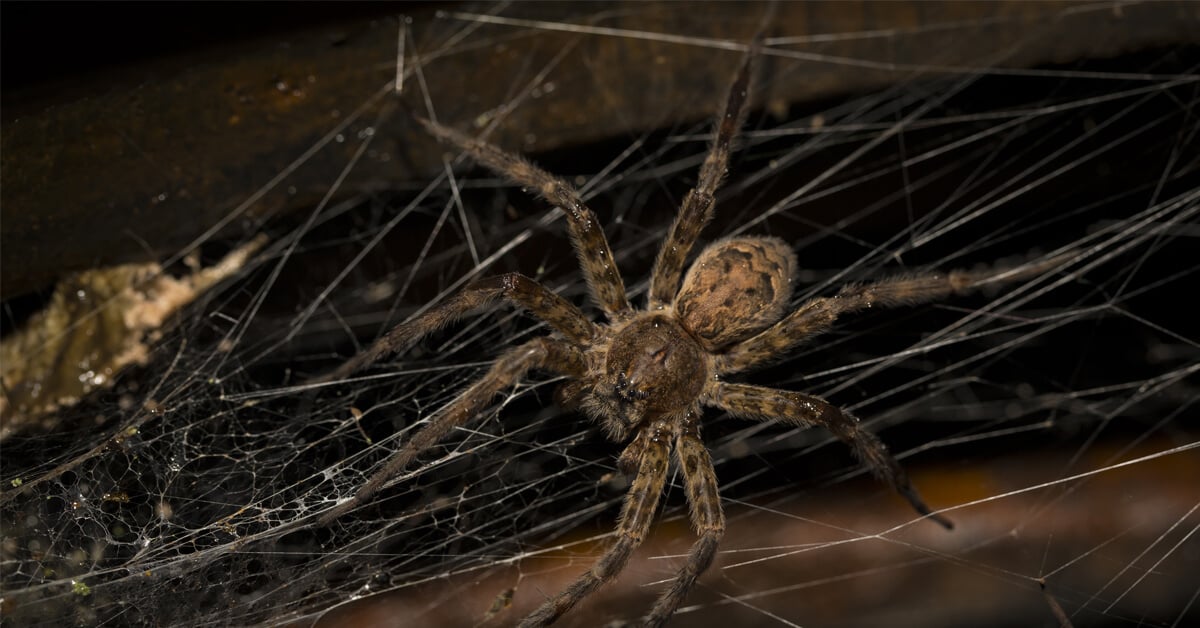
1. Spiders
Spiders are drawn to quiet, undisturbed areas where they can build webs and hunt for other insects. In commercial buildings, this often means storage rooms, basements, corners, and low-traffic inventory areas.
They typically enter buildings through:
Cracks and gaps around windows and doors
Unsealed loading docks or utility entries
Incoming shipments and stored inventory
While most spiders are harmless, their presence can create an unclean appearance for customers and staff.
Prevention tips: Keeping storage areas organized, dust-free, and frequently disturbed helps discourage spider activity. Reducing other pest populations also removes their food source, making your building less attractive overall.
2. Ants
Ants are one of the most common spring pests in commercial spaces because they are constantly searching for food and water. Even small spills, crumbs, or improperly stored goods can attract entire colonies.
Once ants establish a trail inside a building, they can spread quickly through:
Break rooms and kitchens
Storage and stock areas
Wall voids and foundation entry points
Prevention tips: Maintaining strict cleanliness is key. Clean spills immediately, store food in sealed containers, and eliminate standing water or damp areas. Even minor sanitation lapses can lead to recurring infestations.
If ants are already present, professional treatment is often necessary to eliminate the colony at its source rather than just the visible trail.
A commercial pest management provider like Viking Pest Control can identify entry points and implement targeted treatments designed to eliminate the entire colony and prevent re-entry.
3. Flies
Flies are more than just a nuisance in commercial environments—they can negatively affect customer experience and perception of cleanliness. Because they breed quickly, even a small issue can escalate rapidly if not addressed.
Flies are commonly attracted to:
Food waste and uncovered trash
Organic buildup in drains or dumpsters
Warm indoor environments during spring
Prevention tips: Ensure all garbage is properly sealed and removed regularly. Clean disposal areas frequently and inspect for any breeding sources. Fly activity should be addressed immediately, as populations can grow quickly.
The Business Impact of Spring Pest Activity
Even a minor pest issue can create a major perception problem. Customers are quick to associate visible pests with poor cleanliness or lack of professionalism, which can directly impact foot traffic and sales.
Spring pest prevention is not just maintenance—it’s reputation protection.
Keeping Your Business Pest-Free This Spring
A proactive approach is the most effective way to prevent infestations. Businesses should focus on:
Regular inspection of storage and inventory areas
Proper sealing of entry points (doors, vents, utility lines)
Strict food and waste management practices
Routine cleaning of low-traffic and hidden spaces
Early intervention at the first sign of pest activity
Prevention is always more cost-effective than dealing with an established infestation.
Why Businesses Rely on Professional Pest Protection
Commercial pest issues often require more than surface-level treatment. Hidden nesting areas, recurring entry points, and fast-reproducing pests make DIY approaches unreliable in the long term.
That’s why many businesses rely on ongoing support from Viking Pest Control, which provides commercial pest management programs designed to:
Identify pest activity early
Eliminate infestations at the source
Prevent recurring issues through long-term monitoring
Protect customer-facing areas with discreet service
Protect Your Business Reputation Before Pests Become a Problem
Spring pest activity is predictable—but the disruption it causes doesn’t have to be. With proper sanitation, structural maintenance, and professional support, businesses can significantly reduce their risk.
For commercial properties across the region, partnering with Viking Pest Control provides a proactive way to keep operations clean, protected, and customer-ready all season long.