Ticks in Pennsylvania: What Homeowners Need to Know This Year
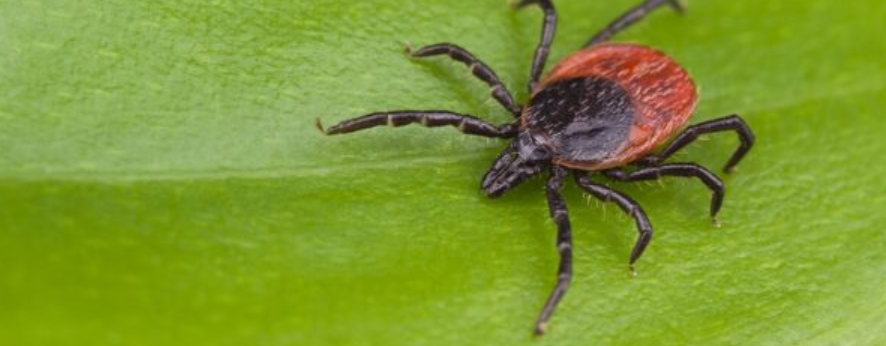
As temperatures rise and Pennsylvania residents spend more time outdoors, ticks are becoming a growing concern across the state. The CDC has reported that emergency room visits for tick bites are at some of the highest levels seen in recent years, highlighting the importance of staying vigilant when enjoying your yard, local parks, and wooded areas.
While many people associate ticks with spring and summer, tick activity can occur year-round in Pennsylvania. Understanding the risks, recognizing the signs of tickborne illness, and taking proactive prevention measures can help protect your family and pets from unwanted encounters.
Why Pennsylvania Has a High Tick Risk
Pennsylvania consistently ranks among the states with the highest incidence of tickborne diseases. The state's climate, abundant wildlife populations, and extensive wooded habitats create ideal conditions for ticks to thrive. Activity often declines during the hottest portions of summer but can quickly rebound as temperatures moderate.
One of the biggest surprises for many homeowners is where exposure occurs. While hiking trails and forests often get the blame, many tick encounters actually happen much closer to home. Routine activities such as gardening, mowing the lawn, landscaping, and other backyard chores can put residents at risk.
Common Tickborne Diseases in Pennsylvania
Ticks can transmit several illnesses to humans. The most commonly reported tickborne disease in Pennsylvania is Lyme disease, which is typically spread through the bite of a deer tick.
Other tickborne diseases found within the state include:
Anaplasmosis
Babesiosis
Hard tick relapsing fever
Powassan virus disease
Because many of these illnesses share similar symptoms, it's important to monitor your health after a tick bite and seek medical attention if symptoms develop.
Understanding Alpha-Gal Syndrome
In addition to transmitting infectious diseases, ticks have been linked to a condition known as alpha-gal syndrome.
Alpha-gal is a sugar molecule naturally found in most mammalian meat products and can also be present in dairy products, broths, and certain medications that use gel capsules. Some individuals who develop alpha-gal syndrome experience allergic reactions after consuming products containing this molecule.
While the condition is most commonly associated with lone star ticks, researchers have identified alpha-gal in the saliva of multiple tick species. Although reported cases remain relatively uncommon, Pennsylvania has documented cases in recent years, making awareness increasingly important.
Unlike humans, pets are not affected by alpha-gal syndrome because the molecule already exists naturally within their bodies.
How to Protect Yourself and Your Pets from Ticks
Reducing tick exposure starts with developing good habits whenever you spend time outdoors.
The Pennsylvania Department of Health recommends:
Use Tick Repellents
Apply an EPA-registered insect repellent according to label directions when spending time outdoors.
Treat Clothing and Gear
Permethrin-based products can be applied to clothing, shoes, socks, tents, sleeping bags, and other fabric materials to help repel ticks before they reach your skin.
Perform Thorough Tick Checks
After spending time outside, carefully inspect yourself, children, and pets for ticks. Pay close attention to areas where ticks commonly hide, including:
Along the hairline
Behind the ears
Around the belly button
Behind the knees
Under arms and other hard-to-see areas
Pet owners should also perform regular tick checks and discuss preventive treatments with their veterinarian.
What to Do If You Find a Tick
Prompt removal is one of the most important steps you can take after discovering a tick.
Research shows that the likelihood of disease transmission increases the longer a tick remains attached to the body. Removing it as quickly as possible may help reduce your risk.
To remove a tick properly:
Use a fine-point pair of tweezers.
Grasp the tick as close to the skin's surface as possible, near the mouthparts.
Pull upward steadily without twisting or jerking.
Place the tick in a sealed plastic bag or container.
Pennsylvania residents may also have removed ticks tested for certain tickborne pathogens, providing additional information about potential exposure risks.
Recognizing Symptoms of Tickborne Illness
Symptoms can vary depending on the disease, but common warning signs often include:
Fever
Chills
Rash
Fatigue
General flu-like symptoms
If you develop symptoms after a tick bite or outdoor exposure, contact your healthcare provider promptly. Early diagnosis and treatment can significantly improve outcomes for many tickborne illnesses.
Protect Your Pennsylvania Property from Ticks
While personal prevention measures are important, managing tick populations around your home is one of the most effective ways to reduce exposure risks. Professional tick control services can help target tick habitats around your property and create a safer outdoor environment for your family and pets.
If you're concerned about ticks in your yard, Viking Pest Control can help. Our experienced team provides comprehensive tick control solutions designed to reduce tick activity around Pennsylvania homes. Contact Viking Pest Control today to schedule an inspection and learn how we can help protect your property from ticks and the diseases they may carry.
West Nile Virus Prevention in Pennsylvania
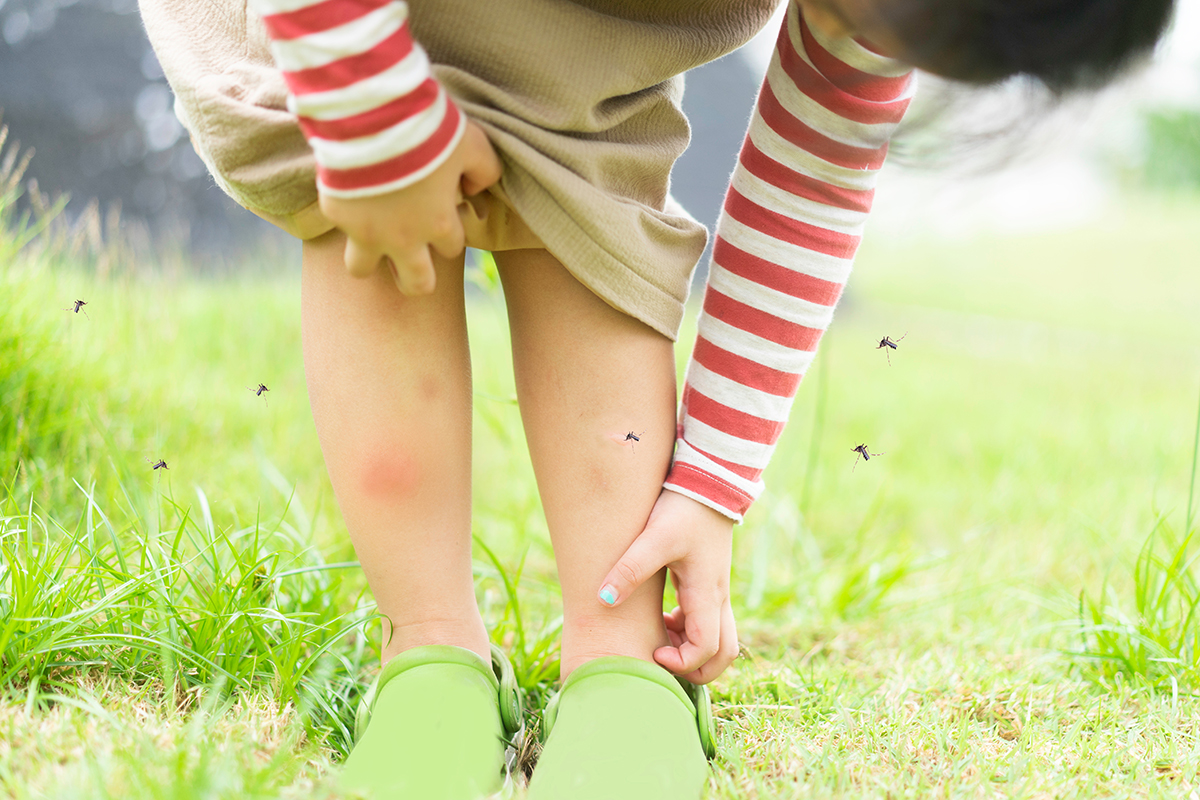
Mosquito bites are one of the more irritating summer afflictions, but, more than that, they can also be one of the most dangerous. In the summer of 2025, mosquitoes carrying West Nile Virus have been found in more than half of Pennsylvania’s 67 counties. While there have been no confirmed cases in humans so far, it’s still a good idea to take precautions against infection. Children five and under and adults 65 and over are most at risk of getting the disease.
What is West Nile Virus?
West Nile virus is a common mosquito-borne disease that can strike with varying degrees of intensity. 80% of people who contract the virus will not have any symptoms, but for the 20% who do get symptoms, West Nile Virus can be pure misery.
The most common symptoms for the 20% who get them include:
Fever
Muscle Aches
Headaches
Nausea
Vomiting
Diarrhea
Rash, usually around the chest and back
Sore Throat
Pain behind the eyes
More severe cases of West Nile can cause encephalitis and meningitis.
These more severe symptoms can include:
Intense, agonizing headaches
Fever in excess of 103 degrees Fahrenheit
Neck Stiffness
Confusion
Muscular weakness
Seizures
Paralysis
Coma
There are currently no vaccines for West Nile virus, which means that the best way to prevent infection is to prevent mosquito bites to begin with.
Preventing Mosquito Bites
The best way to prevent mosquito bites is to keep mosquitoes away from you. Mosquitoes generally prefer to remain outdoors, but you should avoid giving them points of entry. Don’t keep doors open any longer than necessary. Putting screens over your windows or adding screen doors to your exterior couldn’t hurt. When you are outside, you can use EPA-approved mosquito repellants. Long sleeves and pants help to limit mosquito access to your skin.
You can also take proactive methods to keep mosquitoes out of your yard. Many mosquito species breed in water, so eliminating sources of standing water is vital. Regularly empty bird baths and gutters, and be sure to drain any other areas where water can collect. Preventive treatments for your yard like Viking’s Last Bite service can create a protective barrier around your home that can help keep mosquitoes and ticks, another infamous disease-causing pest, away.
The presence of West Nile Virus in so many Pennsylvania counties this year serves as a timely reminder that mosquito prevention isn’t just about avoiding itchy bites; it’s about protecting your health and the health of your loved ones. While the risk of serious illness remains relatively low, the consequences can be severe for those who are more vulnerable. Taking a few simple steps now can make a significant difference later. Whether it’s eliminating standing water, using repellents, wearing protective clothing, or investing in a professional mosquito management program like Viking’s Last Bite, these actions can help you enjoy the outdoors with greater peace of mind. Staying vigilant this summer isn’t just smart, it’s essential.
What you Need to Know About Bed Bugs During Covid-19
Best Bed Bug Treatments to Prevent Infestations During COVID-19
With the emergence of COVID-19 and self-isolation procedures in place, many homeowners throughout New Jersey, Pennsylvania, Delaware, and the Eastern Shore of Maryland are concerned about letting service professionals into their homes.
But for those who are unfortunate enough to experience a bed bug infestation during this time, not treating a pest control issue is not an option. Fortunately, homeowners can rest assured that reliable pest control treatments are still available and at the ready.
At Viking Pest, we’re continuing to provide exterior treatments, while also conducting interior services when reasons like Bed Bugs exist during COVID-19.
Bed Bugs During COVID-19 – What You Need to Know
Most homeowners are familiar with bed bugs, even if they have been fortunate enough to not experience them first-hand. Their reputation precedes them as being pesky critters that love to make their home in mattresses, couches, wall outlets, or suitcases, and bite occupants during the night.
What makes bed bugs so menacing is their rapid reproduction rate. A single bed bug can easily turn into two or four or ten or twenty – so it’s important to seek treatment at the first signs of an infestation.
Appearance & How to Spot Them:
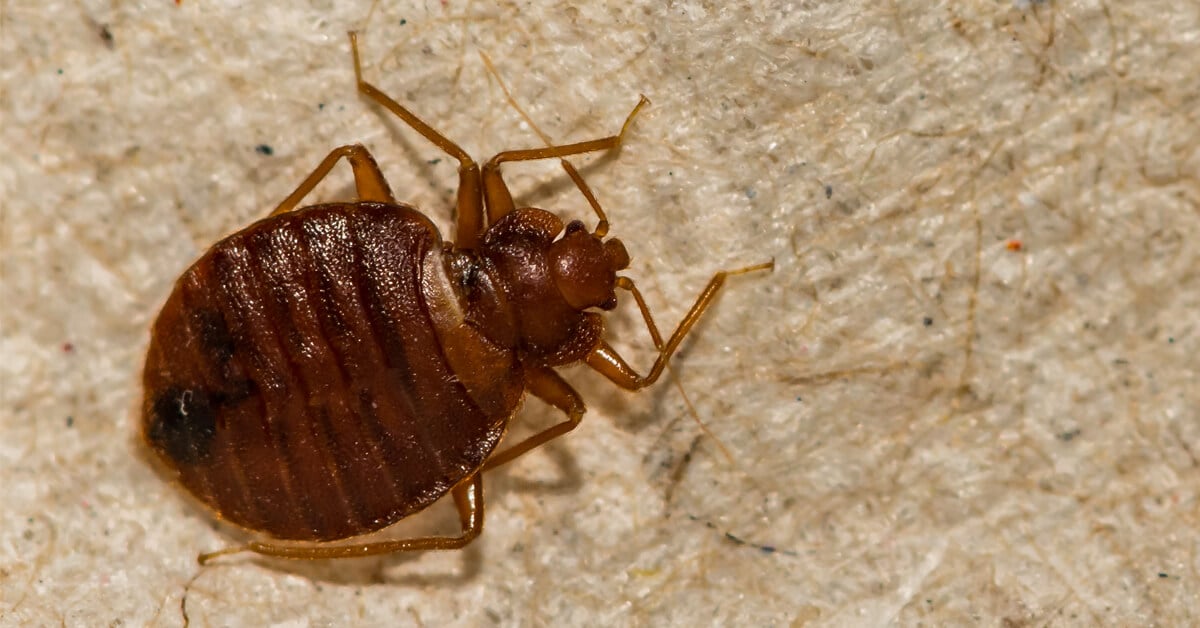
Dark/light brown or dark red in color
Small, about 1/4-inch in diameter
Tiny heads with larger bodies
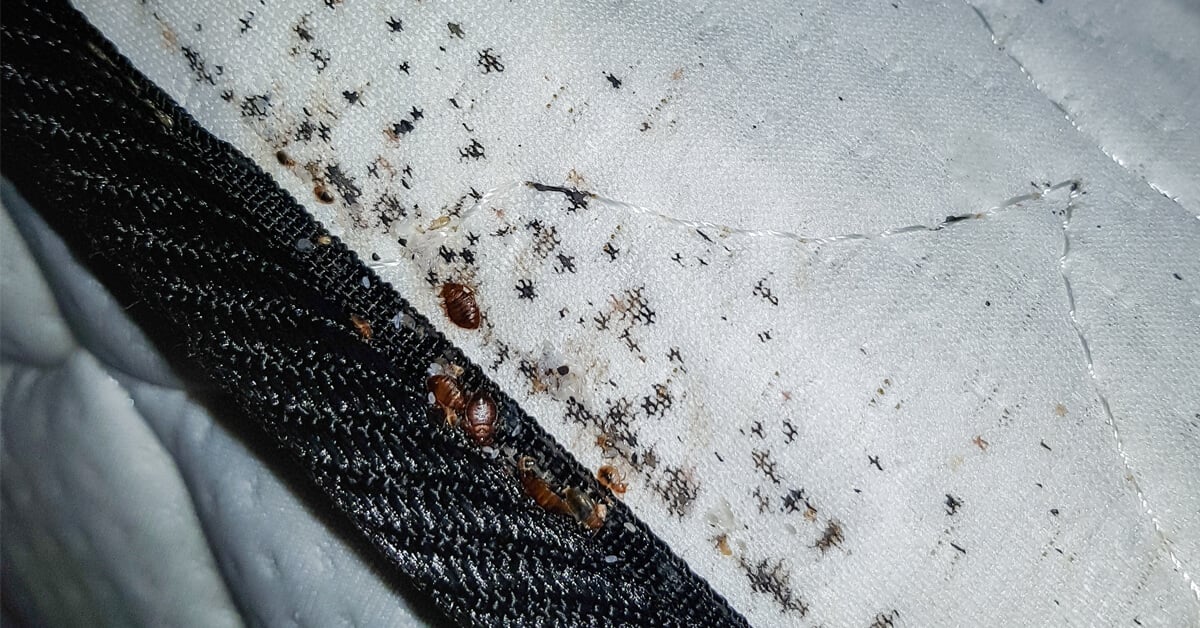
Tend to leave blood marks on bedsheets, cushions, or mattresses
Bed bug bites tend to be grouped in clusters, as a line, or in a zigzag pattern
Bed bugs often leave fecal spots on mattresses, sheets, or other surfaces
Since these insects are so small, people often blame the bites on allergies or other skin irritants. Be sure to check for the signs of bed bugs on a regular basis to stop a possible infestation in its tracks.
Can Bed Bugs Spread the Coronavirus?
With the increase of bed bug infestations, Viking Pest wasn’t surprised to hear that homeowners were concerned about bed bugs spreading the coronavirus. But there is no evidence to suggest that this is the case. While allergic reactions to bed bug bites are common, bed bugs are not a concern when it comes to COVID-19 transmission.
Proactive Bed Bug Prevention
During these unprecedented times, many homeowners may be concerned about a possible bed bug infestation and whether they will have access to the services they need if they are to experience an outbreak.
The first step to preventing a bed bug infestation, is regularly inspecting your home and clothing for signs of bed bugs and knowing where bed bug infestations are more common. While travel has greatly decreased and the spread of bed bugs has reduced, apartment buildings, hospitals, and row houses are still at great risk of a bed bug infestation during this time. Bed bug infestations occur commonly in apartment complexes and row houses due to the close proximity of residents. Bed bugs multiply quickly and travel from room to room frequently. If one neighbor experiences an unfortunate bed bug infestation, the apartments or homes surrounding are at a greater risk of bed bug activity.
With the unfortunate rise in hospital visits during this time, hospitals are at great risk of a bed bug infestation as these pests can be brought in on a patient's clothing and quickly spread to other patients clothing and personal belongings. Even though apartments, hospitals, and row homes are at a greater risk, taking the proper precautionary steps such as inspecting clothing, mattresses, and crevices for bed bugs regularly can help prevent an infestation if bed bugs are discovered. The sooner bed bugs are detected, the quicker the bed bug problem can be resolved.
If you notice bed bug activity within your home during these times, effective bed bug treatment options are available from Viking Pest. Our team of certified and trained pest management professionals wear proper PPE when entering your home. Employee and customer safety are our top priority here at Viking Pest, and we will keep your home healthy and pest-free during these unprecedented times. Precautionary tips for avoiding a bed bug infestation are:
Check Your Furniture for Signs of Bed Bugs
Bed bugs are opportunistic travelers, and even if you aren’t out-and-about much during COVID-19, you should still check for the signs of bed bugs on a regular basis. Check the crevices of your mattresses and cushions for bed bugs, fecal spots, and eggs.
Cover Your Mattresses & Box Springs
Cover your mattresses and box springs with a light-colored, protective layer to shield your mattress and make it easier to spot bed bugs.
Vacuum Frequently
Be sure to vacuum frequently to suck up any stray bed bugs. Then, dispose of the vacuum bag to avoid a possible infestation.
Possibility of Bed Bug Infestations as Businesses Reopen After COVID-19
As restrictions begin to lift and the stay-at-home order comes to an end, bed bug activity is likely to increase as businesses reopen and residents of New Jersey, Pennsylvania, Delaware, and the Eastern Shore of Maryland begin returning to work. As we all return to business as usual, it is important to be cautious and inspect your clothing for bed bugs when returning home. Public transit and soft surfaces such as common room furniture, is a breeding ground for bed bugs.
Viking Pest’s K9 Bed Bug Detection Dogs are certified and trained to detect live bed bugs. To receive a peace of mind, hiring our K9 team to inspect your home or workspace for bed bug activity regularly can decrease your possibility of a bed bug infestation.
Safe & Dependable Pest Control Services
If you are in the NJ, PA, DE, or MD areas and find yourself in the midst of a bed bug infestation, know that Viking Pest is here to provide effective, reliable pest control services.
To prevent the spread of COVID-19, our team is equipped with the proper PPE while performing any interior bed bug treatments. The health of our customers is of the utmost importance to us, so we are taking every precaution to prevent contamination while providing reliable pest control services.
Need a bed bug treatment? Viking Pest open for business during the COVID-19 pandemic. Contact us to schedule your service today.
7 Steps to Protect Yourself During the Coronavirus Outbreak
Although most people only heard about the coronavirus a couple weeks ago, it has already altered the lives of hundreds of millions of people across the world. From lock-downs of entire communities to changes in the way we interact with one another, health officials from the Centers for Disease Control and Prevention (CDC) and the World Health Organization (WHO) are asking everyone to quickly adapt to our new reality.
An important part of combating the Coronavirus virus epidemic is following the health and safety guidelines established by the CDC and WHO. Current guidelines for the public outline several non-medical steps that everyone should be taking to stem the outbreak and minimize their chances of contracting the virus. These recommendations apply to people of all ages, living anywhere in the country.
What steps can you take today to protect yourself and your family from the coronavirus?
1. Regularly wash your hands.
The importance of regularly washing your hands with soap and water for a minimum of 20 seconds cannot be stressed enough. According to the CDC, “Regular handwashing, particularly before and after certain activities, is one of the best ways to remove germs, avoid getting sick, and prevent the spread of germs to others.”
When you’re on the go, hand sanitizer is the next best thing. Alcohol-based hand sanitizer can reduce the number of microbes on your hands, but they are not as effective as the classic hand wash.
2. Avoid touching your face.
Even if you do manage to wash your hands very often, you will still pick up some bacteria on your hands throughout the day. The best way to protect your body from bacteria and viruses is to avoid touching your face, especially your nose, eyes, and mouth. These parts of your body have less of a natural defense system to protect against invasive bacteria and can easily become the entryway for dangerous germs.
3. Sanitize your home and business space.
Cleaning your hands regularly is no use if you live or work in an unsanitary environment. Set up a sanitization schedule to thoroughly disinfect your home or office regularly, paying special attention to spaces that are heavily used by multiple people. Make sure to use an approved disinfectant that has been shown to have strong antibacterial and antiviral properties.
To help you meet these ends, Viking Pest Control offers Pro-Clean a disinfectant and sanitization method that combines several disinfectant techniques to dramatically reduces the number of bacteria and viruses in a cleansed space, including Coronavirus, Influenza, and H1N1 Virus. Viking Pro-Clean Disinfecting and Sanitization Treatments can be done in both residential and commercial properties throughout New Jersey, Pennsylvania, Delaware, and the Eastern Shore of Maryland on a regular schedule to guarantee maximum viral threat reduction.
Viking Pest’s Pro-Clean Disinfectant and Sanitization treatment can be used anytime you need to clean and sanitize the following:
Homes
Business facilities
Medical facilities
Emergency vehicles
Childcare location
Bars /restaurants/cafeterias/ fast food operations, & supermarkets
Retail stores
Public restrooms or home facilities
Home kitchens and bathrooms, common living areas
Spas, tanning salons, health clubs
Cruise lines, airline terminals, shipping terminals and more
For treatment methods, Viking will be conducting a combination of fogging, wiping down, misting, and arsenal treatments throughout critical areas. This application has been proven and is an effective treatment towards reducing harmful bacteria and emerging viruses, including common colds, Coronavirus, Hepatitis B, Hepatitis C, Influenza A, and H1N1 Virus.
4. Practice social distancing.
Social distancing is the practice of maintaining a certain distance between people in groups, put in place to help minimize the spread of the Coronavirus throughout New Jersey, Pennsylvania, Delaware and the Eastern Shore of Maryland. Health officials currently recommend people to social distance themselves with a space of at least 6-feet . Many local governments have also banned people from gathering in groups of more than 10 people.
5. Always cover your cough and sneeze into your elbow.
When you sneeze or cough, tiny liquid droplets from your nose and mouth are spread into the air for several feet around you. It is paramount that if you must sneeze or cough, you do so into a tissue or your elbow. These droplets can easily be breathed in by nearby people and cause the virus to spread.
6. Stay home if you are mildly sick.
Health experts estimate that millions of people will eventually fall ill from the Coronavirus, but the vast majority will survive the pandemic. If you think you may have the virus or another illness but do not need emergent care, avoid going straight to the hospital. Try to treat yourself at home so that you don’t inadvertently spread your illness or further weaken your compromised immune system.
7. Seek medical care if you have a fever, cough, and difficulty breathing.
If you have a fever, cough, and difficulty breathing or any of these symptoms in addition to a serious underlying condition (like heart or lung disease), contact your doctor or nearest hospital for guidance. If you need to go to the hospital, it is important to call ahead to make sure they are taking new patients and to prepare for your arrival (if necessary).
Viking Pest Control is dedicated to doing everything we can to help our community through this pandemic. We designed our new Viking Pro-Clean Disinfecting and Sanitization Treatments to greatly reduce the number of dangerous bacteria and viruses in your home or work environment and an essential part of your Coronavirus response strategy. Contact a Viking Pest Control representative to learn about setting up regular sanitization treatments for your home or business today. Or visit Viking’s Pro-Clean webpage, where you may learn more about our disinfectant and sanitization services.
Leptospirosis: What Pet Owners and Homeowners Need to Know
Leptospirosis (“lepto”) has become an increasing concern for pet owners in New Jersey and the surrounding Tri-State area. With recent cases affecting dogs in Northern New Jersey and New York, it’s important for homeowners to understand what this disease is, how it spreads, and how to reduce the risk of infection.
While leptospirosis is not new, the way it spreads and its potential impact on both animals and humans makes it a serious issue that should not be ignored.
What Is Leptospirosis?
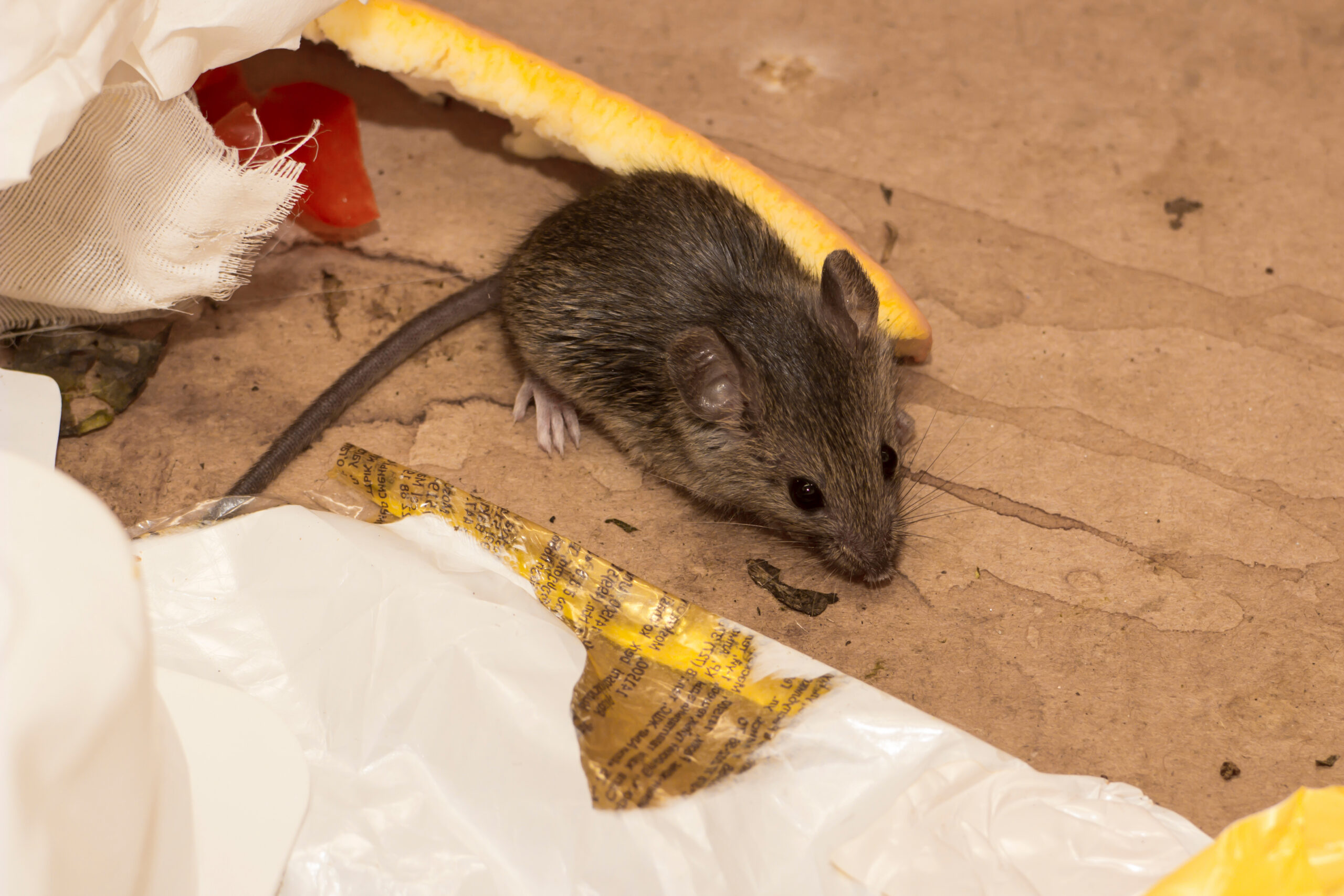
Leptospirosis is a bacterial infection commonly spread through the urine of infected wildlife, especially rodents such as rats and squirrels.
Dogs are often exposed when they:
Drink from puddles or standing water contaminated with infected urine
Come into contact with contaminated soil or water through their mouth, eyes, or open wounds
Once infected, dogs can pass the bacteria through bodily fluids, creating additional risk for other animals and, in rare cases, humans.
Why Leptospirosis Matters (Zoonotic Risk)
Leptospirosis is a zoonotic disease, meaning it can spread from animals to humans.
While human infection is less common, it can occur through:
Direct contact with infected urine
Exposure to contaminated water or soil
Contact with infected animals
Because of this, leptospirosis is both a veterinary and public health concern, especially in areas with high rodent activity.
Symptoms of Leptospirosis
Symptoms can vary widely and may resemble other illnesses, which is why diagnosis is often delayed.
In Dogs and Animals:
Fever
Vomiting
Diarrhea
Increased thirst
Muscle tenderness
Fatigue or low energy
Shaking
Jaundice (yellowing of skin or gums)
Dehydration
In Humans:
High fever
Chills
Muscle aches
Headache
Vomiting
Diarrhea
Rash
Abdominal pain
Red eyes
Jaundice
If left untreated, leptospirosis can progress to severe kidney or liver damage and may become life-threatening.
Treatment and Prevention
Treatment Options
Leptospirosis is typically treated with antibiotics. Early detection is critical for both animals and humans, as treatment is most effective in the early stages.
Veterinarians may also recommend supportive care depending on severity.
Prevention for Pets
Vaccinate dogs annually against leptospirosis
Prevent drinking from puddles or standing water
Supervise pets outdoors, especially after rainfall
Provide clean, safe drinking water during walks or outdoor activity
Prevention for Homeowners
Address rodent activity quickly and thoroughly
Eliminate standing water around the property
Wear gloves when cleaning areas potentially contaminated by rodents
Wash hands after handling pets or cleaning outdoor areas
How Rodents Spread Leptospirosis
Rodents are one of the primary carriers of leptospirosis. The bacteria can survive in water and soil for weeks or even months after contamination.
Infected animals may show no symptoms, which makes the spread even harder to detect. This is why rodent control plays a major role in reducing leptospirosis risk around homes and businesses.
Rodent Control
The most effective long-term prevention method is reducing rodent populations around your property.
Professional rodent control programs, such as SMART monitoring systems, help detect activity early and prevent infestations before they grow. These systems can provide continuous monitoring and early warnings of rodent presence, helping reduce the risk of disease transmission.
Prevent Leptospirosis with Viking Pest Control
Leptospirosis is a serious but preventable disease. While the overall risk to humans remains relatively low, the impact on pets—especially dogs—can be severe.
Understanding how it spreads and taking proactive steps to control rodents, protect pets, and eliminate exposure to contaminated water sources can significantly reduce risk for both your household and your community. We at Viking are here to help. Contact us today!