

Viking Pest has a certified entomologist on staff to assist in the proper identification of pests to ensure the proper treatments are performed and to reduce the risks to non-targeted animals. Viking’s entomologist is very important to the successes of our treatments, but you may be wondering what an entomologist studies, and what specific roles does an entomologist have in the pest control business. Continue reading to learn more!
Entomology is the study of insects including their relationships with the environment and other insects. There are many different fields in which an entomologist can work. An agricultural entomologist studies how to protect crops from pests without harming beneficial species such as bees. Medical entomologists study how to protect people from diseases that are spread through certain insects.
Viking’s entomologist not only assists with the proper identification of the pests we treat for, but the effects of our treatments on the environment and other non-targeted pests. Viking’s entomologist assists with Viking’s Integrated Pest Management (IPM) techniques minimizing pesticide use and maximizing safety for your family or business.
Viking employees are university trained and have years of field experience. You benefit from the people that Viking employs by our ability to diagnose your problems quickly and solve them with speed and precision in a safe and effective manner.
What Is An Entomologist?
Benefit of Year-Round Pest Control in Morris County
In Chatham, Madison, and throughout Morris County, spring is coming. When it does, it is going to bring pest problems with it. Spring is the time of year when bugs, rodents, and wildlife animals become active again. That means they’ll be exploring your yard, exploring your foundation, and exploring your exterior walls. When they do, they can bring misery into your life. Your goal should be to make them miserable first.
Year-Round Pest Control Is Proactive
When cockroaches explore your walls, looking for a way in, they’re usually going to find some. Cockroaches can climb vertical and horizontal surfaces. They also have the ability to compact their bodies to squeeze through tight gaps. An application of appropriate EPA-approved pest control materials to your foundation perimeter will make those cockroaches wish they hadn’t chosen your home.
When rodents explore your walls looking for a way in, they don’t have to find one; they can make one. Rodents have strong teeth that can chew through wood, plaster, and even some harder building materials. Once inside, they chew on sheetrock, insulation, wires, food packaging, and more. They also spread diseases, harmful bacteria, and parasites such as mites, ticks, and fleas. Proactive rodent monitoring and control takes the fight to those rodents.
When subterranean termites come into your yard, they can eat away at your home’s equity. These are silent destroyers that do damage for years, undetected. When you have control products like Sentricon® System with Always Active™ and Termidor in place around your home, you’ll be prepared to use worker termites as a weapon against the colony that sent them.

Benefits of Year-Round Pest Control
There are many benefits to having year-round pest control for your Morris County home: protection for your home investment, protection for your belongings, protection for your health and the health of your family, protection for your pets, and a higher quality of life. But the biggest benefit is that year-round pest control stops pests before they can be a threat. Products and methods used by pest control professionals take into consideration the habits and habitats of pest creatures to ensure effective control all year long.
Get ahead of those pests by investing in year-round pest control for your home. If you live in Chatham, Madison, or somewhere in our New Jersey service area, schedule a no-cost, no-obligation inspection to see what pest pressures you have. Life is so much better without pests.
Call Viking at 800-618-2847 to learn more about our bed bug extermination treatments, or get a fast, free quote online today!
How to Pest-Proof Your Home
As temperatures drop across New Jersey, Pennsylvania, Delaware, and the Eastern Shore of Maryland, pests begin searching for warmth, food, and shelter indoors. Rodents, insects, and wildlife pests are especially active during the colder months, often sneaking into attics, garages, basements, and wall voids where they can remain hidden for weeks before homeowners notice a problem.
Fortunately, a few preventative steps can go a long way toward keeping your home protected throughout the winter season.
Eliminate Food and Water Sources
One of the biggest reasons pests invade homes is access to food and moisture. Even small crumbs, standing water, or cluttered storage areas can attract rodents and insects.
To make your home less appealing to pests:
- Store pantry items in sealed containers
- Clean countertops and floors regularly
- Vacuum carpets and furniture often
- Avoid leaving dirty dishes overnight
- Repair leaking pipes or faucets
- Keep indoor trash sealed tightly
Moisture control is especially important during winter. Damp basements, crawl spaces, and areas around foundations can attract pests like cockroaches, silverfish, and rodents.
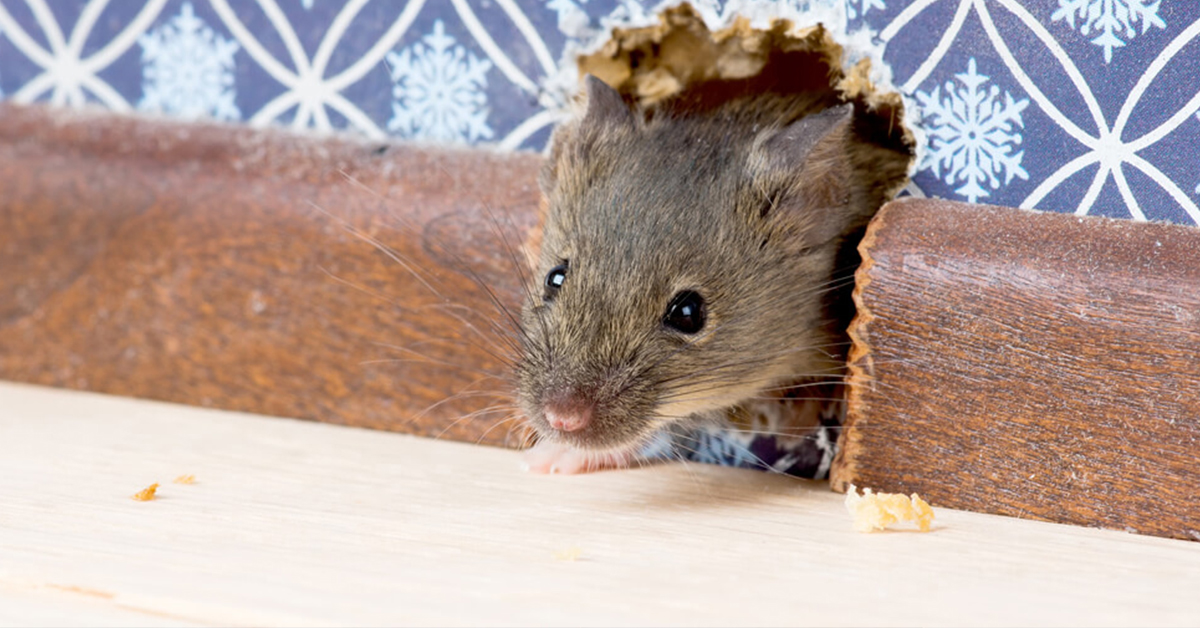
Seal Entry Points Around Your Home
Mice can squeeze through openings as small as a dime, while insects need even less space to get inside. Carefully inspect the exterior of your home for gaps, cracks, or holes around:
- Doors and windows
- Utility pipes and vents
- Rooflines and chimneys
- Garage doors
- Foundations and siding
Use caulk, weather stripping, door sweeps, or steel wool to help seal potential entry points before pests move indoors for the season.
Keep Attics and Garages Pest-Free
Attics and garages are some of the most common areas for winter pest activity because they are warm, quiet, and often undisturbed. Rodents, squirrels, and raccoons frequently enter through damaged vents, roof gaps, or loose siding.
Once inside, these pests can:
- Chew electrical wiring and insulation
- Damage stored belongings
- Contaminate surfaces with urine and droppings
- Create fire hazards
- Spread bacteria and disease
If you hear scratching, squeaking, or thumping noises in your walls or attic, it may be a sign of rodents or wildlife activity. Acting quickly can help prevent more serious structural damage and larger infestations.
Store Firewood Properly
Firewood is another common hiding place for insects and rodents during winter. Bringing infested wood too close to your home can accidentally introduce pests indoors.
To reduce the risk:
- Keep firewood elevated off the ground
- Store wood away from the home whenever possible
- Cover wood piles to keep them dry
- Avoid storing excess firewood indoors
Dry wood is far less attractive to pests than damp or decaying wood.
Invest in Ongoing Pest Protection with Viking Pest Control
While prevention measures are important, pests are resourceful. Some insects can enter through incredibly small gaps, while rodents can climb, chew, and nest in hard-to-reach areas.
Professional pest control services help identify vulnerabilities before infestations grow into larger problems. Ongoing treatments and inspections can protect against common winter pests including:
- Mice and rats
- Cockroaches
- Spiders
- Ants
- Wildlife pests
- Wood-destroying insects
At Viking Pest Control, our team has been helping homeowners protect their properties since 1980. We provide residential pest control and wildlife management services throughout New Jersey, Pennsylvania, Delaware, and the Eastern Shore of Maryland.
Whether you’re hearing noises in the attic, noticing signs of rodents, or simply want to prevent winter pest problems before they start, professional pest protection can help keep your home safe, comfortable, and pest-free all season long.
How to Start the New Year Off Pest-Free
A new year is the perfect time to reset your home, your habits, and your approach to pest prevention. But when it comes to pests, hoping for a fresh start isn’t enough—without a clear prevention plan, insects and rodents will continue to find their way inside.
Just like a ship needs a destination to reach port, a home needs ongoing pest control to stay truly pest-free. Bugs, rodents, and wildlife are constantly searching for food, water, and shelter. The key to keeping them out is understanding what attracts them—and removing those conditions before infestations begin.
Why Pest Problems Happen in the First Place
Pests don’t enter homes randomly. They are driven by environmental conditions both inside and outside your property. Once you understand what attracts them, you can begin to reduce risk year-round.
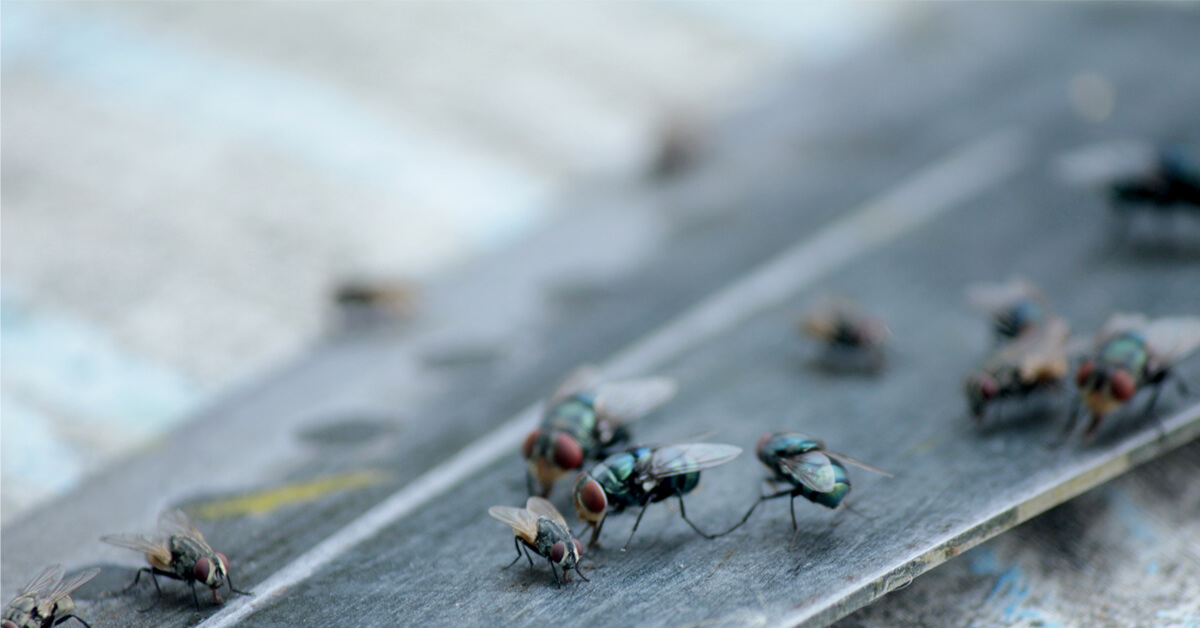
Flies and Outdoor Attraction
Flies are commonly drawn to:
- Open trash cans
- Spilled drinks or sugary liquids
- Outdoor food left uncovered
- Bright exterior lighting
Switching to yellow-toned outdoor bulbs and keeping blinds closed at night can also reduce attraction from multiple insect species.
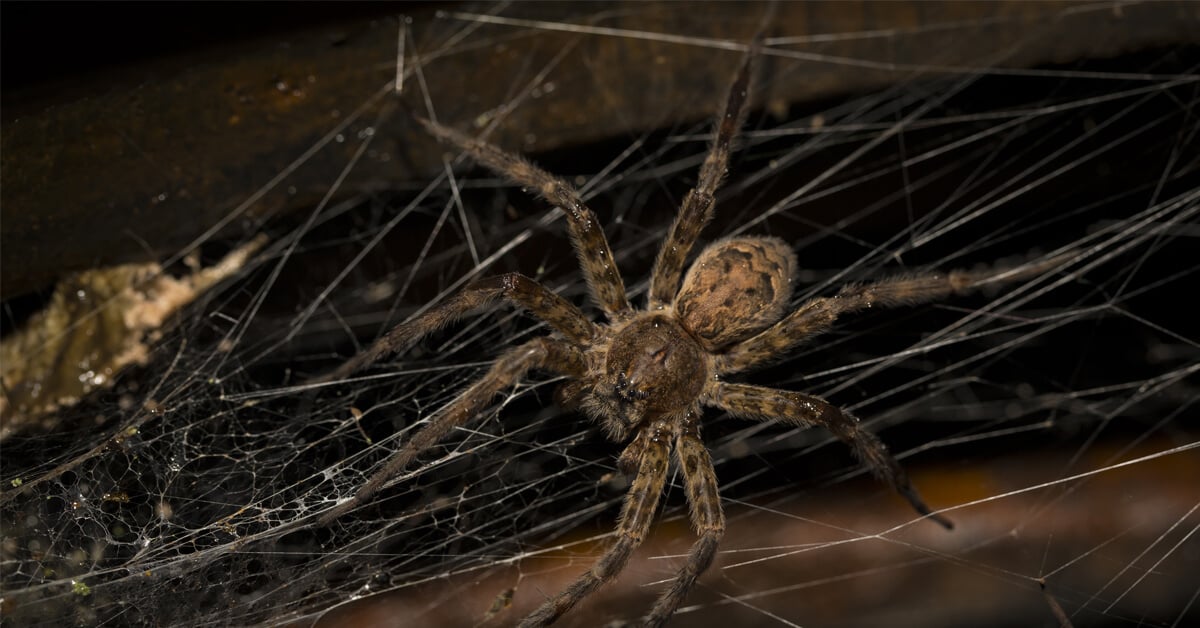
Spiders Follow Their Food Source
Spiders typically enter homes in search of food—mainly flies and other small insects. Reducing flying insect activity naturally reduces spider populations as well.
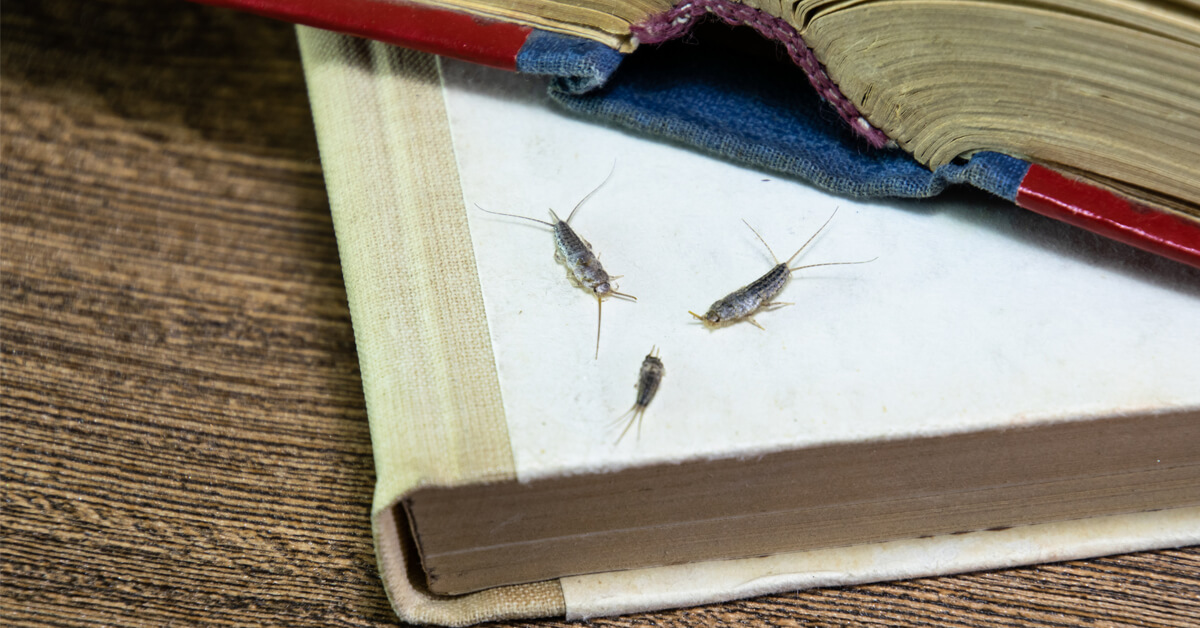
Moisture-Driven Pests
Moisture attracts pests such as:
- Silverfish
- Earwigs
- Centipedes
- Millipedes
- Termites
Leaky faucets, poor drainage, and damp wood create ideal breeding conditions for these pests.
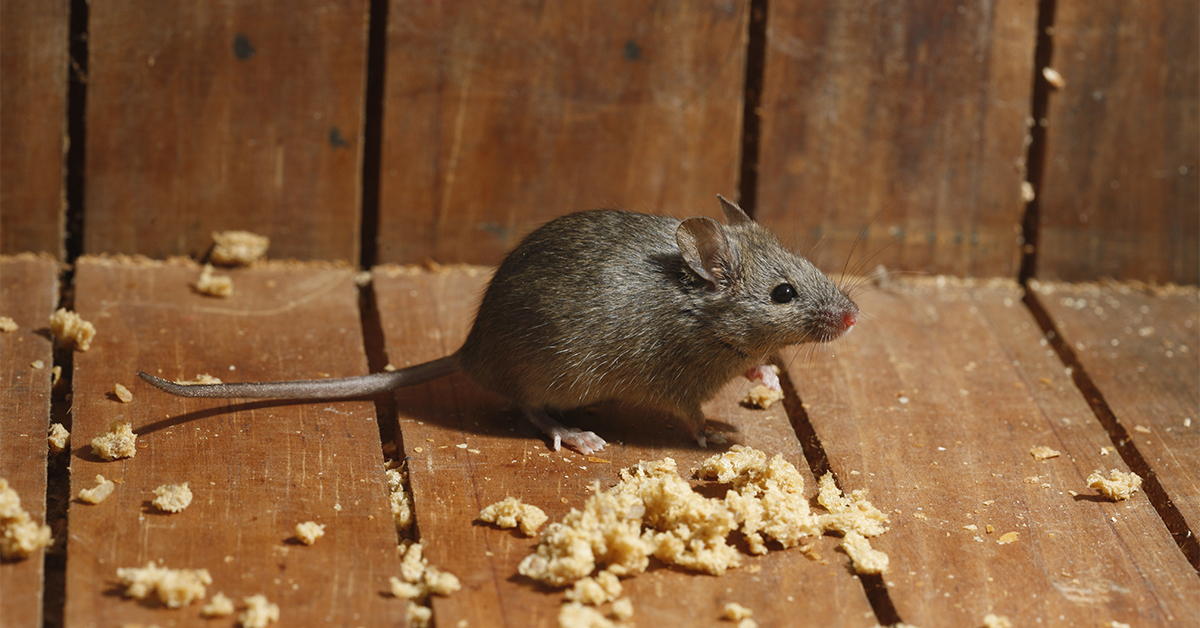
Rodents and Cluttered Environments
Mice and rats are highly adaptable but prefer:
- Tall grass and weeds
- Leaf piles and yard debris
- Stored clutter and untreated storage areas
- Easy access to food sources
Keeping indoor and outdoor spaces clean and organized reduces hiding and nesting opportunities.

Seasonal Invaders
Some pests gather on exterior walls during colder months. These insects often require professional barrier treatments to prevent entry into the home.
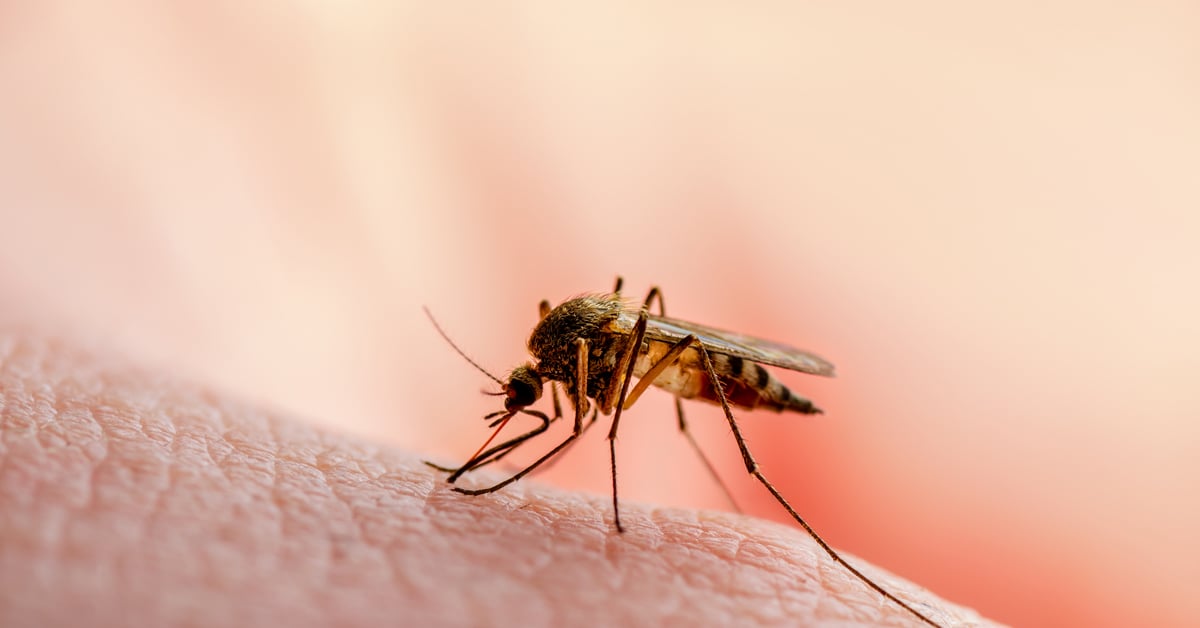
Mosquitoes, Ticks, and Other Blood-Feeding Pests
Blood-feeding pests are attracted to:
- Standing water
- Overgrown vegetation
- Wildlife activity in your yard
Mosquitoes thrive near stagnant water, while ticks and fleas are often introduced by pets and wildlife.
Wood-Destroying Pests
Termites, carpenter ants, and carpenter bees are drawn to:
- Moist or rotting wood
- Unsealed entry points
- Structural gaps in siding or foundations
Prevention requires both moisture control and professional treatment in most cases.
Why You Should Never Ignore Pest Problems
Pest issues rarely stay small. Seeing one insect or rodent is often a sign of a larger hidden infestation.
For example:
- One carpenter ant often signals a larger colony nearby
- One cockroach can indicate dozens or more hiding nearby
- One mouse usually suggests active nesting and reproduction
Most pests reproduce quickly, meaning small problems escalate fast if ignored.
What Happens If Pest Problems Are Left Untreated
Ignoring pest activity can lead to more than just inconvenience. Pest populations often attract additional pest species, creating layered infestations that are harder to control over time.
Untreated pest issues can result in:
- Property damage
- Food contamination
- Health risks from bacteria and allergens
- Increased repair and remediation costs
Because most pests remain hidden during the day, infestations are often worse than they appear on the surface.

Why Year-Round Pest Control Matters
Seasonal or one-time treatments are rarely enough to prevent long-term pest activity. Professional pest control services provide ongoing monitoring, prevention, and targeted treatments throughout the year.
A year-round pest management plan helps:
- Reduce pest populations before they grow
- Identify early warning signs of infestations
- Protect both interior and exterior spaces
- Maintain long-term home protection
New Year Pest Prevention Tips for Homeowners
A clean, well-maintained home is the first line of defense against pests. To reduce risk:
Keep Kitchens Clean and Dry
- Wipe counters regularly
- Store food in sealed containers
- Avoid leaving food out overnight
- Clean up spills immediately
Organize Storage Areas
Basements, attics, garages, and crawl spaces are common pest hiding areas. Regularly inspect and clean these spaces to discourage nesting.
Seal Entry Points
Inspect your home’s exterior for:
- Cracks in foundations
- Gaps around doors and windows
- Openings near utilities and vents
Even small openings can allow pests inside.
Manage Outdoor Conditions
- Store firewood away from the home
- Keep vegetation trimmed back
- Remove standing water and yard debris
Professional Pest Control with Viking Pest Control for a Fresh Start
Starting the new year pest-free requires more than cleaning—it requires prevention, monitoring, and proactive treatment. Professional pest control services use integrated pest management strategies to protect homes year-round.
If pest activity is already present, early intervention is the best way to prevent long-term damage and recurring infestations. Contact Viking today!
Common Spring Pests
The change of seasons dictates many things in life that are unavoidable and unchangeable. The weather is going to do what it wants whenever it wants to do it. The winter season ushers in snow and icy conditions. Spring brings warmer temperatures and spring rains, both of which trigger many things from grass and weed growth to blooming flowers, baby birds and wildlife. Most of these seasonal changes give us no choice but to accept them and learn to adapt to such.
Another thing that takes place this time of year is the emergence of spring pests. New Jersey, Pennsylvania, Delaware, and the Eastern Shore of Maryland residents are already recognizing an increase in pest activity as these spring pests are being awakened with the warming temperatures. Spring season is a prime time for pests as they come out of hiding after a long cold winter. A few of the more common spring pests include termites, wasps, ants, flies, mosquitoes and beetles.
Are Spring Pests Dangerous?
Most of these spring pests are more than just a nuisance. There are increased health risks and potentially destructive effects as a result of spring pests. For example, the termite is a very common spring pest. After a long, hard winter, termites are eagerly searching for places to move in and begin eating away at the structure of your home.
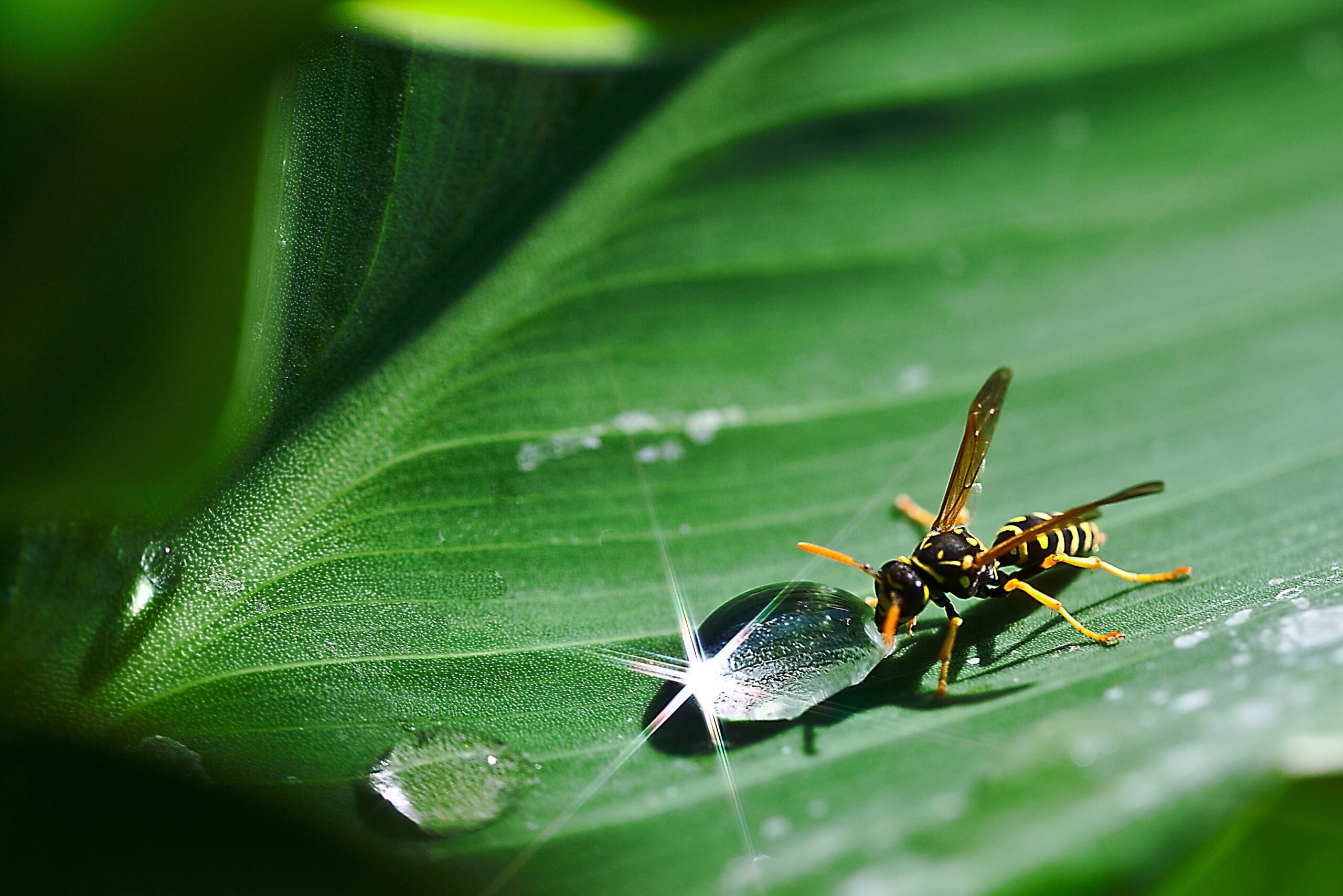
Paper Wasps
Paper wasps also become very active this time of year as they begin building their nests. Paper wasps can be very aggressive and will fiercely defend their nests. This can be a problematic situation especially for homes that seem prone to paper wasp invasions.
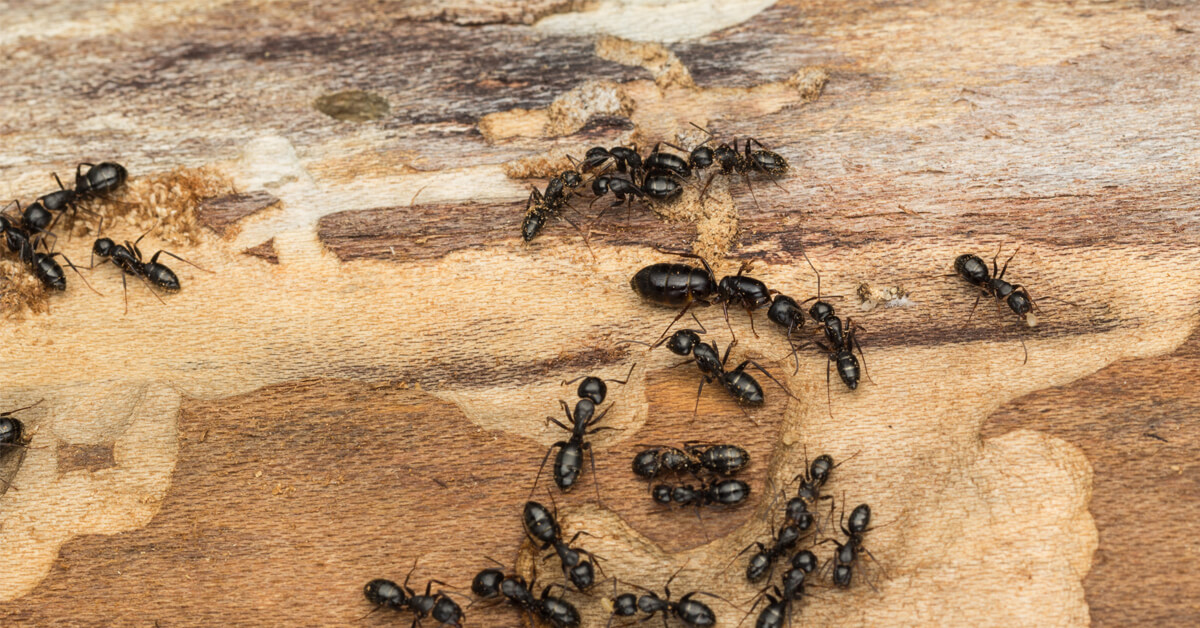
Ants
Even though ants are a problem throughout most of the year, they start emerging in full force during the spring season. Carpenter ants, like the termites, are very common and can cause damage to structures. Other ants like the sugar ant invade homes as they forage for food to feed the very hungry colony that was short of food all winter.
Flies & Cockroaches
We all know the pesky flies that begin swarming and invading homes during the spring. Mosquitoes begin buzzing around and biting people with a great intensity as the spring rains give the water needed for breeding. Cockroaches also have an increased activity in the spring as they invade homes while searching for food. Cockroaches are noted for filth and spreading diseases.
Contact Viking Pest Control for Comprehensive Spring Pest Treatment
While it is not possible to stop spring pests from showing up, New Jersey, Pennsylvania, Delaware, and the Eastern Shore of Maryland residents have the opportunity for quality protection. Viking Pest Control is the most responsive pest control provider in the area and has been providing quality pest control services for more than 40 years. Take control of eliminating spring pests by contacting Viking Pest today and let us provide the protection you deserve for both you, your family and your property.
Call Viking at 800-618-2847 to learn more about pest control and extermination services, or get a fast, free quote online today!
What is a Leafhopper?
Researchers have discovered a new bug; and, they are pretty excited about it. This new species of leafhopper, measuring a mere 3 millimeters in length, was found in the Pine Barrens along the New Jersey Turnpike. What has researchers so excited? Leafhoppers are most often found in the American prairies, rangelands and deserts, not heavily populated states like New Jersey, and this is the first example of an insect using smokegrass as a host. This is great, and all, but does New Jersey really need another bug?
We have mice nibbling on our feet, cockroaches skittering on our floors, ants chewing inside our walls, spiders hiding in our attic boxes, wasps stinging us, mosquitoes biting us, bed bugs sleeping with us, and termites weakening the support structure of our homes. We have big bugs, tiny bugs, thick bugs, slimy bugs, bugs that fly, bugs the slither, bugs that hide, and bugs that smack us right in the face when all we want to do is grab a snack from the kitchen. Seriously. The bugs in New Jersey outnumber the people more than 1000 to 1–and that is saying something–considering New Jersey is one of the most densely populated states in the country.
New Jersey's Got Pests, Viking's Got Solutions!
- If you are of the opinion that New Jersey doesn’t need any more bugs, you might be interested to know that Viking Pest Control is an expert in keeping bugs from driving you crazy. Here are a few other things you may want to know about Viking.
- If it is bugging you, we can take care of it.
- Our technicians are state licensed and fully insured. You can know for sure that you have a professional handling your problem.
- Our team is always in full compliance with all health, safety, and environmental regulations.
- We’re friendly. This may not seem like a big thing, but when you’re dealing with a frustrating pest, the last thing you want to do is deal with a frustrating technician. You’ll always get courteous, reliable and responsive service from your Viking specialist.
All bugs, even “new species” of bugs, belong in nature, not in your home or business. If you have bugs, give us a call. Our QualityPro certified team is standing by to assist you.
Call Viking at 800-618-2847 to learn more about pest control and extermination services, or get a fast, free quote online today!
Cookies, Cakes, Pies and Indian Meal Moths?!
Indian meal moths and other pantry pests are showing up in NJ, PA, MD, and DE homes this holiday season.
With the holiday season in full swing you are likely breaking out the old holiday favorites. Cookies, cakes and pies are often an essential part of each family’s holiday traditions. But what about when Indian meal moths or other pantry pests get tossed into the mix? It’s less appetizing than the fruitcake, that’s for sure!
What are Indian Meal Moths?
Indian meal moths are just one of the many types of pantry pests that may be currently infesting your pantry foods, which include flour, cereal, grains, dried fruits, and even pet food. What happens is that usually during the processing of the foods, an adult Indian meal moth (or other species of pantry pest) will lay their eggs into the grains or foods just in time for them to be packaged, sealed and shipped off to your local grocery store.
As the eggs hatch, the larvae will begin to eat the grains and foods they are packaged with. So when you go to open the package and sift the flour, you may find that there is a lot more than just flour in the package! This is not a good way to kick off your holiday baking so it is important to learn a few tips from the pest prevention experts at Viking Pest Control to prevent pantry pests this holiday season.
- Foods that sit longer on shelves like many bulk foods are more prone to having pantry pests. Opt for smaller quantities of things that you do not use often.
- Go through your food pantry and kitchen cupboards to dispose of any items that are past their shelf life.
- When at the grocery store, avoid purchasing any items in a damaged package, as items with holes or tears are more prone to pantry pest infestations.
- Inspect all of the foods before you toss them into the cake batter or pie filling.
If you do find any evidence of pantry pests, you will need to dispose of the infested food items. To control and eliminate any and all pest activity call in the professionals at Viking Pest Control. We offer safe and effective home pest control services in New Jersey, Pennsylvania, Delaware, and the Eastern Shore of Maryland. To learn more about getting rid of pantry pests this holiday season or for more information on the year-round coverage offered with our Home Protection Plans, please contact us today!
Call Viking at 800-618-2847 to learn more about pest control and extermination services, or get a fast, free quote online today!
Potential Rodent Infestation in Sandy Aftermath
In the wake of Hurricane Sandy’s devastation, countless homeowners are in recovery mode attempting to get their homes in order.
Homeowners should keep in mind that there is an increased risk of rodents finding their way into damaged homes.
The debris that gets blown around during a storm can create additional harborage for pests seeking shelter.
While most people focus on their homes and personal belongings after a storm, it’s also important to focus on the exterior environment because the storm may have created new homes for pests that were displaced. Piled-up leaves, sticks, and mulch blown up against a house or other structure will attract and harbor pests and rodents. The least amount of cover or harborage will deter pests and there will be fewer chances of them getting inside.
Repairing holes and other damage is a critical step but since this can be a long process, any temporary repairs are advised. Wood boards, foam sealant, even tarps, plastic, and duct tape, can help deter pests. Any possible repairs, no matter how minimal, can help.
During the absence of regular trash pickups, it may be necessary for homeowners to bring trash to their local dump/recycle center to avoid pest issues.
If you see any signs of potential rodent infestation give your local pest control experts at Viking Pest Control a call.
Call Viking at 800-618-2847 to learn more about pest control and extermination services, or get a fast, free quote online today!
It's National Pest Management Month, Is Your Home Protected?
Follow these few simple tips to help keep your New Jersey, Pennsylvania, Delaware and Eastern Shore of Maryland home pest free all year long!
Each year the National Pest Management Association (NPMA) observes the month of April as National Pest Management Month to help raise public awareness of all the threats that pest infestations pose to homeowners across the country. Although many only think of pest management as dealing with the creepy crawlies, it is important to recognize what pest management companies do to help homeowners combat the health risks and destruction that pests are causing every year.
In order to keep your home and your family safe from the dangers of pest infestations this year, the NPMA advises homeowners to familiarize themselves with the common pests to their area and ways to help prevent them from getting inside your home. For those wondering what to expect from pests this season, Viking Pest Control has some information to share on the springtime pests popping up as well as prevention tips to keep the pests away. In addition to occasional invaders coming out of hibernation, common pest problems reported in Viking’s service area are:
- Ants
- Bed bugs
- Mosquitoes
- Termites
How Can I Protect My Home From Pests in the Springtime?
Each of these pests poses different threats to homeowners and while some are more serious than others, it is important that you take steps to pest proof your home from any pest invaders by following these springtime pest prevention tips:
- Inspect the exterior of your home and seal off any cracks, holes, or lose vent covers that pests could use an entrance.
- Remove stagnant water and moisture from your property because moist conditions are perfect for termites, mosquitoes as well as many other insects.
- Keep a clean kitchen by wiping down surfaces to remove spills and crumbs and also taking the trash out regularly.
- Check that all windows have screens before they open up to let in the fresh spring air.
Staying pest free in does not have to be hard work. If you are interested in keeping your home safe year round from pest invaders, contact your local pest control professionals at Viking Pest Control to learn more about our year-round home pest protection plans that will take the worry and stress of pests off your shoulders!
Call Viking at 800-618-2847 to learn more about pest control and extermination services, or get a fast, free quote online today!
Fall Invaders Trying to Sneak Into Homes
Like reptiles, insects are cold-blooded. Unable to generate their own heat, insects draw warmth from their surroundings. When temperatures drop in the fall, insects use different strategies to survive winter’s cold, NJ, PA, MD, and DE pest control experts at Viking Pest Control explain. Like monarch butterflies, some insects migrate to warmer climates. Other insects, such as termites, build their nests deep underground where ground temperatures are 50 to 55 degrees Fahrenheit year round. Many insects expire as winter approaches, a fertilized queen burrowing into the ground until spring when she emerges to start a new colony. But several insect species deal with winter by moving into New Jersey, Pennsylvania, Delaware, and Eastern Shore of Maryland homes.
Your local pest control professionals at Viking Pest Control say the most common fall invaders are stink bugs, box elder bugs, cluster flies, Asian lady beetles and clover mites. As soon as nighttime temperatures begin to drop in mid-September, these insects can be seen congregating, often in massive numbers, on the south and west facing exterior walls of homes and buildings. In some cases, these insects will completely cover a large expanse of wall or coat nearby tree limbs in a writhing mass.
How do Insects Get Into My Home in the Fall?
- fly through open doorways
- crawl under siding
- into roof soffits or through attic vents
They may slip under doors and crawl through crevices in window frames in such great numbers that drifts of insects will pile up in entry ways or under windows.
Most fall invaders are nuisance pests, but their presence can be disturbing. When large numbers of these insects invade homes, their waste can stain walls, curtains and furniture. Most emit a foul stench when disturbed or crushed. Prevention is the best way to deter overwintering NJ, PA, MD, and DE insects. Exterior home treatment by a licensed pest control professional like Viking Pest Control can deter overwintering pests from invading your home. Learn about our year-round Home Protection Plans.
Call Viking at 800-618-2847 to learn more about pest control and extermination services, or get a fast, free quote online today!