As flood waters from hurricane Irene recede, New Jersey, Pennsylvania, Delaware, and Eastern Shore of Maryland residents should be on the lookout for problems with insect and animal pests. Floods can force the relocation of pest populations, cause unexpected changes in pest behavior and encourage certain pest populations to multiply, warn your local pest control professionals at Viking Pest Control. After a flood, animal and insect pests can become a problem in places where homeowners and work crews don’t expect to find them, placing unwary humans at risk.
What Pests Should I Be on the Lookout for After a Flood?
Flooding creates ideal breeding conditions for mosquitoes. Within a week or two of flooding, huge growth in mosquito populations can increase your risk of contracting mosquito-borne diseases such as West Nile Virus. Sudden increases in mosquito populations can also cause these stinging insects to be more prevalent during the day. When going outdoors, wear long sleeves and pants to protect yourself and use a bug spray that contains DEET.
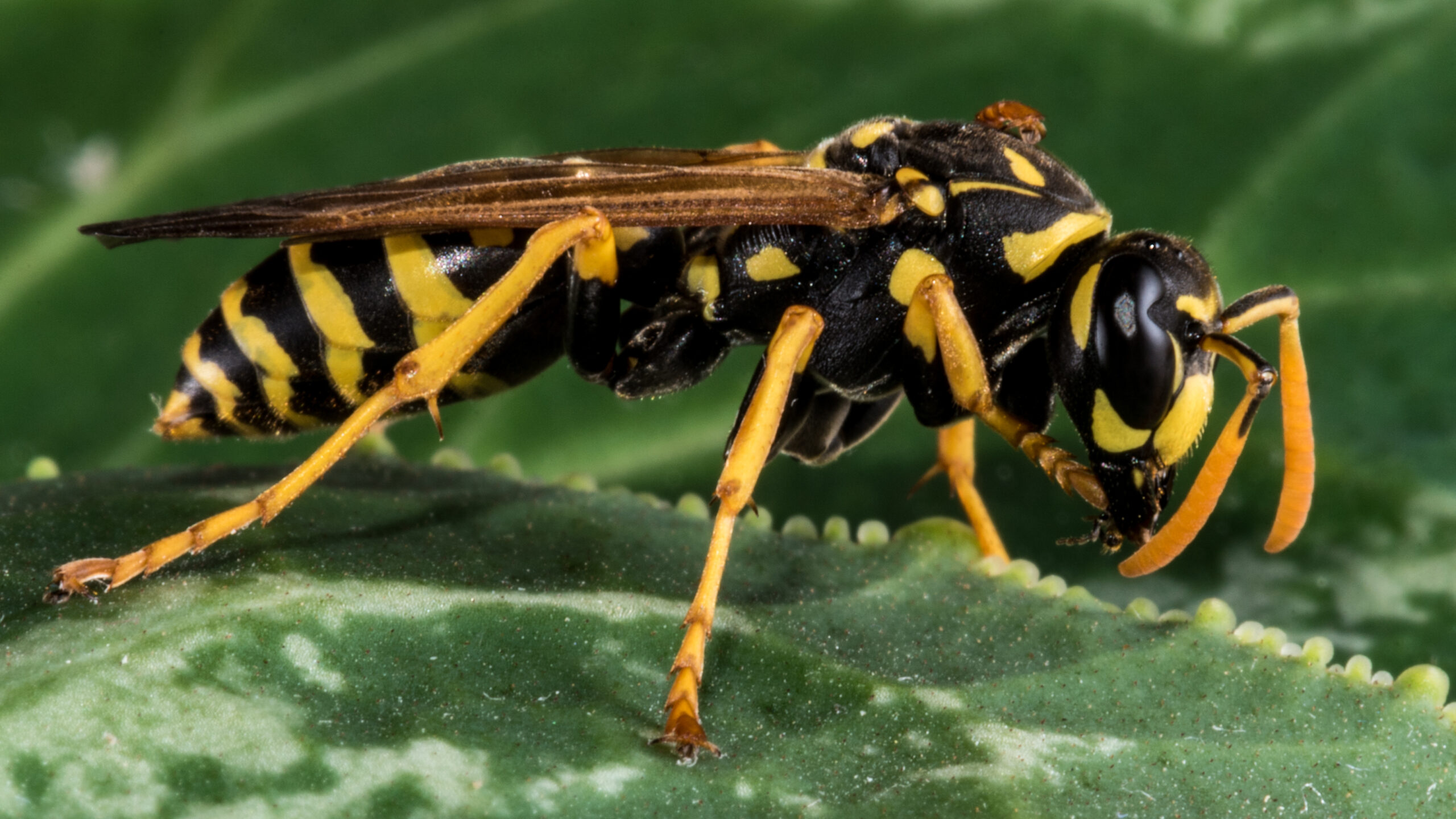
Large groups of wasps and yellowjackets may congregate in NJ, PA, MD, or DE yards after flooding and be seen hovering just above the ground. Wasps are insect eaters. After a flood, they gorge themselves on grubs forced to the surface by high water.
The carcasses of dead animals and garbage caught in flood waters provide ideal breeding grounds for house flies, phorid flies, blow flies and other filth flies that lay their eggs in carrion and rotting food. Large populations of disease-carrying adults can emerge in about a week.
Advancing flood waters force mice and rats to seek shelter in homes and buildings. As water rises, they will move into upper floors.
Saturated ground forces disease-bearing cockroaches into homes.
Trees damaged by floods draw carpenter ants, termites and other wood-destroying insects.
If you are experiencing problems with insect or animal pests after the recent flooding, contact your local pest control experts at Viking Pest Control to eliminate the problem.
Call Viking at 800-618-2847 to learn more about pest control and extermination services, or get a fast, free quote online today!
Don't Let Yellow Jackets Ruin Summer BBQs
The kids are going back to school. The days are growing gradually shorter. Nighttime temperatures are turning cool. Fall is coming and the final days of summer are upon us. Families throughout New Jersey, Pennsylvania, Delaware, and the Eastern Shore of Maryland are making burgers and firing up the grill, determined to enjoy a few more barbecues while they still can. Unfortunately, your local pest control experts at Viking Pest Control warn, so are yellowjackets.
Yellowjacket wasps are the bane of late August and early September barbecues and picnics. About 1/2 inch long with black and yellow markings, yellowjackets can be distinguished from bees that have similar coloration by their nipped-in “wasp waist” and smooth, hairless bodies. The most aggressive stinging insect in NJ, PA, MD, and DE, yellowjackets live in large social colonies that can number in the thousands. Most of the life-threatening stinging attacks in the U.S. are caused by attacking yellowjackets. Like other wasps, yellowjackets have straight stingers and can sting their prey multiple times. When disturbed, they release pheromones that incite their hive mates to join the attack. Swarms have been known to follow and continue attacking their prey over long distances.
How Can I Avoid Being Stung By Yellowjackets?
Your local pest control professionals at Viking Pest Control warn that yellowjackets have two habits that bring them into frequent contact with humans and increase the danger of being stung:
These wasps frequently build their nests underground in abandoned animal burrows in areas frequented by people. Easily disturbed, yellowjackets can be provoked to attack by the sound of a lawn mower or a running child inadvertently stepping on a nest entrance.
While yellowjackets feed primarily on other insects and spiders, they are also attracted to sugars and are frequently seen buzzing around trash cans at picnic sites. Their aggressive nature makes yellowjackets a serious problem at late summer barbecues and picnics. Dangerous stings have occurred when these wasps crawl into soda cans.
Don’t let yellowjackets ruin your final summer barbecues; contact your local pest control professionals at Viking Pest Control for safe elimination of these dangerous pests.
Call Viking at 800-618-2847 to learn more about bee pest control and extermination services, or get a fast, free quote online today!
Climate Change Expected to Increase Pest Risk
In May, climatologists warned Chicago officials that before the end of the century global warming is on track to turn Windy City summers into the sweltering sauna typical of August in the Deep South. Presenting the results of a long-term climate model commissioned by the city in 2006, scientists warned that before the end of the century Chicago’s weather will be similar to that of Baton Rouge, Louisiana.
By 2070, Chicago temperatures are expected to soar above 90 degrees 1 day out of every 4. Spring and fall precipitation will increase by 35%. Pines, maples and white oaks will be replaced with the swamp oaks, sweet gums and bald cypress that now grow in Birmingham, Alabama. Chicago gardens will bloom not with daisies and roses but with azaleas and tropical passion flowers. And with tropical trees and plants will come the insects that pollinate and feed on them
What Can Climate Change do to Insect Populations?
Climate change is already impacting insect populations. Local pest control experts at Viking Pest Control warn that warmer temperatures and heavier rainfalls are increasing the range of ticks, mosquitoes, ants, termites, cockroaches, bees and other insect pests that pose a risk to the health and homes of New Jersey, Pennsylvania, Delaware, and Eastern Shore of Maryland residents. Located 100 miles farther south than Chicago, NJ, PA, MD, and DE are predicted to suffer even more dramatic climate change and more intensive insect invasion than its northern neighbor.
Entomologists at the University of California are studying insects’ genetic diversity, working to create models capable of predicting how insect species will adapt and diversify as the planet grows warmer. Historically, there has always been a direct link between insect pests, human disease and crop plants. Changes in that relationship could have a disastrous impact on human health and food supplies.
As temperature and precipitation changes increase and new insect pests move into NJ, PA, MD, and DE, residents will be able to rely on the licensed pest control technicians at Viking Pest Control to protect them from new invaders.
Call Viking at 800-618-2847 to learn more about pest control and extermination services, or get a fast, free quote online today!
How to Keep Your Home Pest-Free While You're on Vacation
It’s vacation time. Time to pack your bags and leave your troubles behind! But if you don’t take a few precautions before you leave, you could return to find that insects moved in while you were out.
A hot, empty house is an incubator for New Jersey, Pennsylvania, Delaware, and Eastern Shore of Maryland insects. An unseen flea egg on your dog’s bedding could explode into a major infestation by the time you return home. A couple of bed bugs rolled up in your child’s sleeping bag during a stay at summer camp could be multiplying. Ants, cockroaches or mice could be foraging in your kitchen, contaminating surfaces and food.
How Can I Keep My Home Safe From Pests While I'm on Vacation?
When there’s no one home to notice pest activity and quickly call your local pest control experts at Viking Pest Control, to prevent pests from gaining access to your home and quickly get the upper hand. There’s no faster way to lose that relaxed vacation feeling than returning home to find your house infested with pests. To prevent pests from getting in while you’re out, follow these steps to protect your home:
Check faucets and pipes both inside and outdoors for leaks. Damp foundations and structural wood are major insect attractants.
Clean up yard debris and move firewood away from your house. Wood piles are favorite hiding places for insects and rodents.
Patch holes in window and door screens to keep insects out.
Seal gaps in window and door frames and secure attic and crawl space access.
Empty all trash cans to outside receptacles and clean out recycling tubs.
Wash and dry pet bedding on hot cycles to kill fleas and ticks.
Before you leave, schedule a post-vacation inspection with your local pest control expert at Viking Pest Control to nip any insect problems in the bud.
Call Viking at 800-618-2847 to learn more about pest control and extermination services, or get a fast, free quote online today!