Ticks in Pennsylvania: What Homeowners Need to Know This Year
As temperatures rise and Pennsylvania residents spend more time outdoors, ticks are becoming a growing concern across the state. The CDC has reported that emergency room visits for tick bites are at some of the highest levels seen in recent years, highlighting the importance of staying vigilant when enjoying your yard, local parks, and wooded areas.
While many people associate ticks with spring and summer, tick activity can occur year-round in Pennsylvania. Understanding the risks, recognizing the signs of tickborne illness, and taking proactive prevention measures can help protect your family and pets from unwanted encounters.
Why Pennsylvania Has a High Tick Risk
Pennsylvania consistently ranks among the states with the highest incidence of tickborne diseases. The state's climate, abundant wildlife populations, and extensive wooded habitats create ideal conditions for ticks to thrive. Activity often declines during the hottest portions of summer but can quickly rebound as temperatures moderate.
One of the biggest surprises for many homeowners is where exposure occurs. While hiking trails and forests often get the blame, many tick encounters actually happen much closer to home. Routine activities such as gardening, mowing the lawn, landscaping, and other backyard chores can put residents at risk.
Common Tickborne Diseases in Pennsylvania
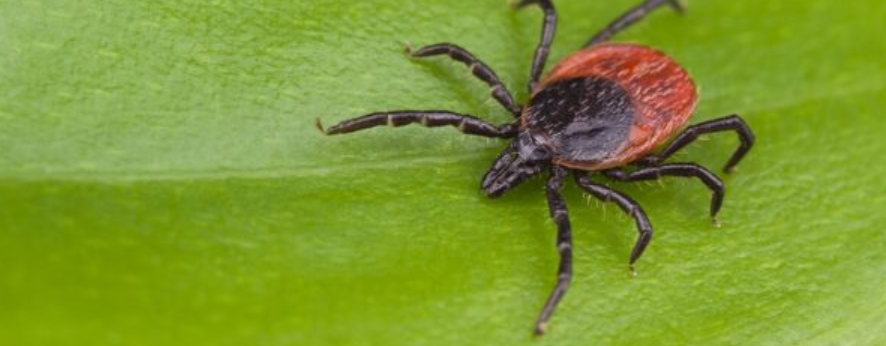
Ticks can transmit several illnesses to humans. The most commonly reported tickborne disease in Pennsylvania is Lyme disease, which is typically spread through the bite of a deer tick.
Other tickborne diseases found within the state include:
Anaplasmosis
Babesiosis
Hard tick relapsing fever
Powassan virus disease
Because many of these illnesses share similar symptoms, it's important to monitor your health after a tick bite and seek medical attention if symptoms develop.
Understanding Alpha-Gal Syndrome
In addition to transmitting infectious diseases, ticks have been linked to a condition known as alpha-gal syndrome.
Alpha-gal is a sugar molecule naturally found in most mammalian meat products and can also be present in dairy products, broths, and certain medications that use gel capsules. Some individuals who develop alpha-gal syndrome experience allergic reactions after consuming products containing this molecule.
While the condition is most commonly associated with lone star ticks, researchers have identified alpha-gal in the saliva of multiple tick species. Although reported cases remain relatively uncommon, Pennsylvania has documented cases in recent years, making awareness increasingly important.
Unlike humans, pets are not affected by alpha-gal syndrome because the molecule already exists naturally within their bodies.
How to Protect Yourself and Your Pets from Ticks
Reducing tick exposure starts with developing good habits whenever you spend time outdoors.
The Pennsylvania Department of Health recommends:
Use Tick Repellents
Apply an EPA-registered insect repellent according to label directions when spending time outdoors.
Treat Clothing and Gear
Permethrin-based products can be applied to clothing, shoes, socks, tents, sleeping bags, and other fabric materials to help repel ticks before they reach your skin.
Perform Thorough Tick Checks
After spending time outside, carefully inspect yourself, children, and pets for ticks. Pay close attention to areas where ticks commonly hide, including:
Along the hairline
Behind the ears
Around the belly button
Behind the knees
Under arms and other hard-to-see areas
Pet owners should also perform regular tick checks and discuss preventive treatments with their veterinarian.
What to Do If You Find a Tick
Prompt removal is one of the most important steps you can take after discovering a tick.
Research shows that the likelihood of disease transmission increases the longer a tick remains attached to the body. Removing it as quickly as possible may help reduce your risk.
To remove a tick properly:
Use a fine-point pair of tweezers.
Grasp the tick as close to the skin's surface as possible, near the mouthparts.
Pull upward steadily without twisting or jerking.
Place the tick in a sealed plastic bag or container.
Pennsylvania residents may also have removed ticks tested for certain tickborne pathogens, providing additional information about potential exposure risks.
Recognizing Symptoms of Tickborne Illness
Symptoms can vary depending on the disease, but common warning signs often include:
Fever
Chills
Rash
Fatigue
General flu-like symptoms
If you develop symptoms after a tick bite or outdoor exposure, contact your healthcare provider promptly. Early diagnosis and treatment can significantly improve outcomes for many tickborne illnesses.
Protect Your Pennsylvania Property from Ticks
While personal prevention measures are important, managing tick populations around your home is one of the most effective ways to reduce exposure risks. Professional tick control services can help target tick habitats around your property and create a safer outdoor environment for your family and pets.
If you're concerned about ticks in your yard, Viking Pest Control can help. Our experienced team provides comprehensive tick control solutions designed to reduce tick activity around Pennsylvania homes. Contact Viking Pest Control today to schedule an inspection and learn how we can help protect your property from ticks and the diseases they may carry.
Are Asian Lady Beetles Harmful?
When you first see an Asian lady beetle, you might mistake it for the beloved ladybug. With their orange-red shells and black spots, these lookalike insects often appear cute and harmless, but looks can be deceiving. While they don’t pose the same kind of danger as stinging pests or wood-destroying insects, Asian lady beetles can still cause problems for homeowners across New Jersey, Pennsylvania, Delaware, and the Eastern Shore of Maryland.
Here’s what you need to know about these invasive beetles, the risks they pose, and how Viking Pest Control can help you keep them out of your home.
What Are Asian Lady Beetles?
Asian lady beetles (Harmonia axyridis) are an invasive species. They were first introduced to the United States in the 1900s to control agricultural pests like aphids. Over time, their population spread rapidly.
They’re often confused with native ladybugs, but there are key differences:
Color: Asian lady beetles range from orange to red, while ladybugs tend to be a deeper red.
Marking: Many Asian lady beetles have a small black “M” shape behind their heads.
Behavior: Unlike native ladybugs, these beetles often gather indoors in large numbers to overwinter and can be aggressive.
Are Asian Lady Beetles Dangerous to Humans or Pets?
Asian lady beetles aren’t known to spread disease, but they can still be a nuisance and even a mild health concern in some cases.
Here’s how they can cause problems:
Biting: While rare, Asian lady beetles can pinch skin when threatened. Their bite isn’t venomous but can be irritating.
Allergies: Some people experience allergic reactions from contact with the beetles or their secretions, leading to itchy eyes, sneezing, or respiratory irritation.
Odor and Stains: When disturbed, Asian lady beetles release a yellowish fluid with a strong odor that can stain walls, curtains, and furniture.
Pet Concerns: There have been isolated cases where beetles attached to pets’ mouths or gums, causing discomfort. While uncommon, it’s another reason to keep infestations under control.
Why Are They in Your Home?
Asian lady beetles seek warmth and shelter as temperatures drop in the fall. They often enter through tiny cracks around windows, doors, siding, or attic vents, clustering together in wall voids or hidden corners to hibernate through the winter. Once inside, they can reappear in large numbers on warm days, especially near windows and ceilings.
How to Prevent Asian Lady Beetle Infestations
The best way to handle Asian lady beetles is to stop them before they get inside. Prevention and exclusion are key.
Follow these steps to keep them out:
Seal entry points: Use caulk or weatherstripping around doors, windows, and siding gaps.
Repair screens: Ensure window and door screens fit tightly with no holes.
Install door sweeps: A simple barrier at the base of doors helps block beetles from sneaking in.
Vacuum, don’t crush: If they’re already indoors, gently vacuum them up instead of squishing them to avoid stains and odors.
Schedule professional pest control: Expert treatments can create a protective barrier around your home to deter overwintering pests like Asian lady beetles.
Viking Pest Control: Your Local Expert for Fall Invaders
If Asian lady beetles have taken over your home, Viking Pest Control has the solution. Our team uses safe, targeted treatments designed to keep overwintering pests like lady beetles, stink bugs, and cluster flies out of your living spaces.
We provide year-round protection with our SMART Pest Control Program, combining prevention, monitoring, and eco-friendly solutions tailored to your home.
Don’t let Asian lady beetles take over your home this fall.
Call Viking Pest Control at 800-618-2847 or request a free estimate online today.
Viking Pest Control Earns 2025 Top Workplace Honors in NJ and PA
At Viking Pest Control, we believe that a strong, supportive workplace leads to exceptional service, and we're proud to share some exciting news that reflects just that.
For the fifth year in a row, Viking has been named a Top Workplace in New Jersey by NJ.com. And this year, we’re thrilled to announce that our Pennsylvania team has also earned Top Workplace honors from The Philadelphia Inquirer. This recognition marks a major milestone as we continue expanding our award-winning culture across the region.
What Makes This Award Special
Unlike many business awards, the Top Workplace designation is based entirely on employee feedback, gathered anonymously through a trusted third-party survey. It reflects how our team feels about everything from leadership and work-life balance to innovation and professional growth.
“Earning the Top Workplace designation is especially meaningful because it comes directly from our employees,” said James McIntyre, President of Viking Pest Control. “Their passion and commitment make this company what it is.”
Why Viking Is a Top Workplace
We’ve worked hard to foster a positive, inclusive, and purpose-driven environment where employees can thrive. Here’s a glimpse of what makes Viking stand out:
Meaningful Work & Mission-Driven Culture We empower our team to solve real problems for our customers, supported by leadership that values their growth.
Safety First We maintain a drug-free workplace, enforce background checks, and prioritize the safety of both employees and customers.
Competitive Benefits Paid vacation, health insurance, company vehicles for field roles, 401(k) with company match, and leadership development programs are just a few perks.
Innovation & Growth From the latest technology to ongoing training, we invest in the future—and in our people.
Diversity & Belonging We believe everyone deserves to feel accepted and empowered at work, and we’re committed to building a workplace where all voices are heard.
“Our people are the foundation of our success,” McIntyre added. “It’s important to us that everyone here feels like they belong.”
Recognized for Excellence Across the Board
This recognition joins a growing list of honors for Viking Pest Control in 2025:
Named one of Forbes' 10 Best Pest Control Companies
Awarded Best Pest Control Company for Sustainability by The Spruce
Earned Gold in the Best of Jersey Shore Awards for our NJ South branch
Ready to Join the Team?
Whether you're just starting your career or looking for your next great opportunity, Viking offers more than a job—it’s a place to grow, give back, and make a difference.
Visit vikingpest.com to explore open positions and apply today.
Rodent Control in the Philadelphia Metropolitan Area: A Growing Urban Challenge
This article originally appeared in The Viking Voice, Viking Pest Control's LinkedIn Newsletter.
According to the latest U.S. Census Bureau data, Camden County, NJ, and Philadelphia and Delaware County, PA, are three of the ten most rodent-infested counties in the United States, with Philadelphia County being the most infested county in the country. Notably, these three counties are located right next to each other. This isn’t a coincidence. There are clear and verifiable reasons why these areas need extra attention from pest control professionals.
Philadelphia County and the City of Philadelphia are essentially synonymous. The city has long struggled with rodent infestations, ranking among the most rat-infested cities in the country. A combination of aging infrastructure, improper waste management, and a high density of food establishments has created ideal conditions for rats and mice to thrive. Understanding the factors contributing to the problem and implementing effective control measures is essential for keeping Philadelphia’s rodent population in check. Conditions are similar in Camden and Delaware counties which also have numerous highly urbanized areas.
The Impact of Housing and Construction
Older construction is a frequent culprit for rodent infestations. Philadelphia, in particular, has a sizable number of buildings constructed in the 1940s and earlier that are still in regular use today. While often charming and nostalgic, these buildings were not built with rodent control in mind and provide numerous architectural weaknesses that allow them access. Older buildings are also more likely to have multi-tiered interiors, including multiple layers of ceilings and flooring between which rodents can hide.
However, older buildings aren’t the only problem. Another major contributor to rodent infestations in Philadelphia, Delaware and Camden Counties is poor construction quality in housing complexes. Many buildings and houses, particularly those built between the 1980s and early 2000s, feature porous construction, making them more susceptible to rodent entry. These structures were often built with size and cost efficiency in mind, neglecting to seal the exteriors as thoroughly as construction from the preceding and subsequent eras.
Additionally, abandoned buildings serve as long-term reservoirs for rodent populations. These neglected structures often go unchecked for years, allowing rats and mice to multiply and eventually spread to neighboring areas.
Food Sources and Urban Environments
Despite the lack of natural food sources in urban settings, Philadelphia provides an abundance of food through improperly managed waste. Trash disposal remains a significant issue, with overflowing dumpsters and littered streets offering a continuous food supply for rodents. This problem is exacerbated by the city’s numerous restaurants, which produce substantial amounts of waste close to residential areas.
Behavioral Patterns of Rodents
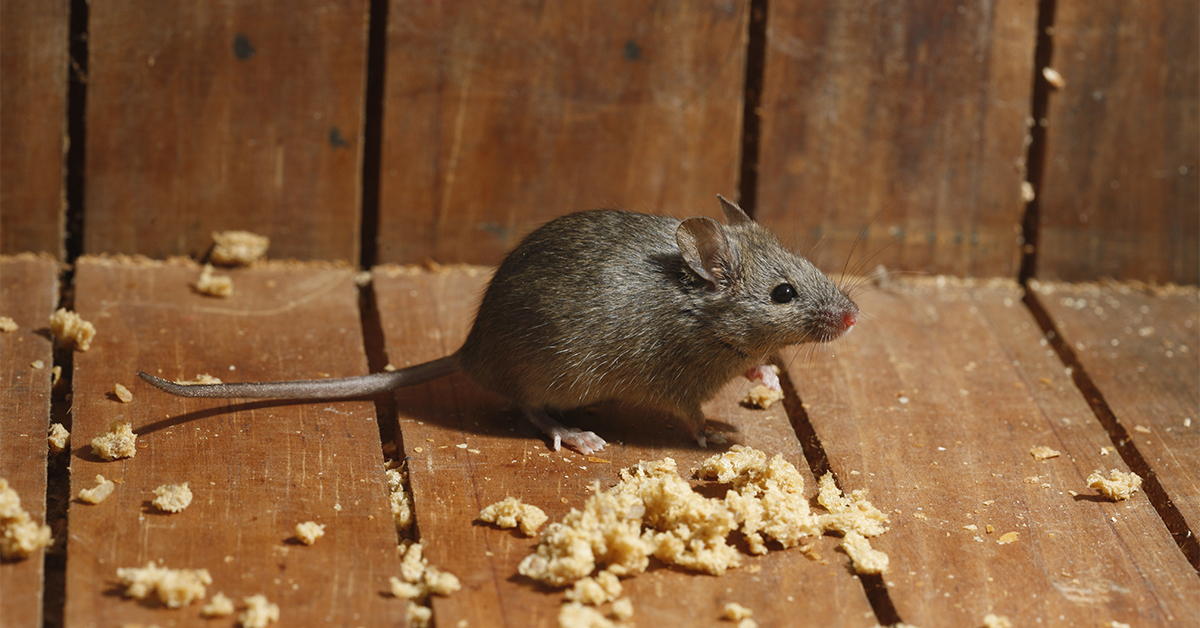
Different species of rodents exhibit unique nesting habits. White-footed field mice prefer elevated locations, often nesting in soffits and attics. In contrast, house mice prefer to nest close to the ground. Due to their small size and high metabolism, these animals struggle to maintain body heat and are drawn to indoor environments during colder months.
Rats, on the other hand, remain hidden until populations reach critical levels. In suburban areas, residents often don’t notice rat activity until infestations become severe. In urban areas, where sightings occur more frequently, residents tend to act on the problem sooner.
Rodents' high metabolism requires them to consume enormous amounts of calories relative to their body size. They seek warm resting spots such as compressor housings and behind ovens and dishwashers. Pregnant female rodents prioritize nesting materials over food, often pulling on furniture to create warm nests that can be up to 25 degrees warmer than the outdoor environment.
Moving Toward a City-Wide Solution
The urban infrastructure in these counties presents another obstacle to effective rodent control. A single city block may contain a public park, subway system, apartment complex, and commercial buildings, all interwoven in a way that allows rodents to move freely between different structures. This creates a cycle of reinfestation, as eliminating rodents in one building does not address the problem in adjacent buildings. City parks also serve as harborage locations for rodents, yet pest control efforts in these areas are often insufficient.
Currently, rodent control efforts are largely focused on individual properties rather than comprehensive city-wide solutions. To effectively reduce rodent populations, Philadelphia must prioritize improved trash management, stricter building maintenance regulations, and coordinated pest control efforts across public and private spaces. Addressing these issues will require collaboration between city officials, business owners, landlords, and residents to create a cleaner, healthier urban environment for all.
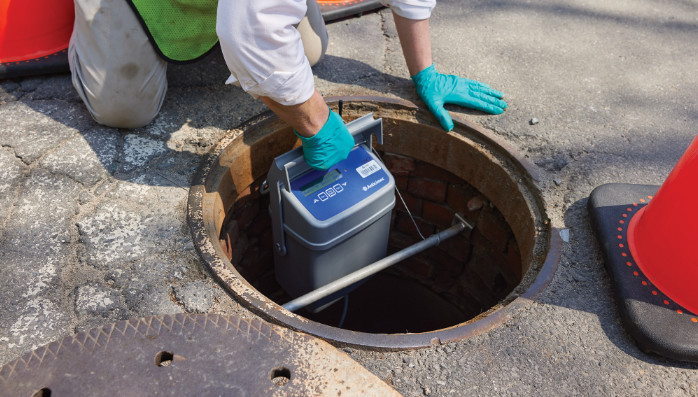
Viking Pest offers a community-focused rodent control option with SMART Cities. This program is designed to work on city streets and in sewers to monitor rodent activity and eliminate the pests where they are most active.
By taking proactive measures, Philadelphia, Delaware, and Camden counties can better manage their rodent populations and mitigate the long-term risks associated with urban infestations.
Why Viking Provides the Best Pest Control in Pennsylvania
Pennsylvania is a great place to live. It offers residents anything they could ask for: a temperate climate with four seasons, some of the country’s most beautiful scenery, greatest cities, richest history, and biggest opportunities. However, all those benefits come at a small cost: Pennsylvania has a unique set of pest problems that residents and businesses have to deal with on a regular basis. While these problems may be annoying, they are manageable if you know who to call. Viking Pest Control should be your go-to company for the best pest control company in Pennsylvania. Below are a few reasons why.
Why Viking in PA?
Forbes Home rated Viking Pest Control as one of the country’s 10 best pest control companies top five best mosquito control companies, and the overall best termite control company in the country. The primary reason Forbes gave for why Viking wasn’t rated higher overall was simply due to the lack of states in which our services are available, which is not a problem for Eastern Pennsylvania. In addition to the Forbes honors, Viking received The Spruce’s accolade for being the Best Pest Control Company for Sustainability. Viking offers a wide variety of environmentally friendly and low-impact pest control solutions, including the innovative SMART Rodent Control system that monitors homes and businesses for rodent activity 24/7 and organic pest control solutions.
Viking offers a variety of home and business protection plans that serve the unique problems faced by residents of the Keystone state. Pennsylvania is the state with the highest per capita incidence of Lyme Disease in the country. Viking understands this issue and offers Yard Guard tick and mosquito protection services to help keep your home, family, and business safe. Pennsylvania is also the first state in the country to suffer from the spotted lanternfly invasion and Viking offers a carefully crafted spotted lanternfly control service that takes the needs of your plants and the safety of beneficial insects and wildlife into account.
Viking: The SMART Decision for Pennsylvania Pest Control
Viking is the only pest control company to offer Anticimex SMART pest control in Pennsylvania. What is SMART pest control? It’s a technologically advanced and environmentally friendly rodent control system that monitors rodent activity 24/7 without the use of cameras. SMART devices can find and help prevent rodent infestations before they can become a problem. SMART is also designed to scale upward to business and even municipal levels with advanced SMART devices keeping homes, businesses, and communities safer.
Contact Viking Today to Protect Your Pennsylvania Property!
While Viking Pest takes pride in our work and makes efforts to be thorough in every visit, sometimes pest problems require more than one visit to get fully under control. For that reason, a variety of Viking Pest Control services offer unlimited callbacks. Have more ants snuck into your home since our initial treatment? Call Viking and we will come back and finish what we started at no additional cost.
Viking Pest Control has been providing high-quality, reliable pest control services for more than forty years. Citizens of Pennsylvania know they can call Viking to handle any pest problem big or small. To schedule a free quote, dial 800-618-2847 or visit the Viking website today!
Spotted Lanternflies in PA: What Homeowners and Farmers Need to Know
Spotted lanternflies have become one of the most talked-about invasive pests in Pennsylvania — and for good reason. Since first being discovered in Berks County in 2014, these invasive insects have spread rapidly across the region, threatening trees, vineyards, farms, and residential landscapes. While they don’t bite or sting, spotted lanternflies can cause serious damage to plants and create major nuisance issues around homes and businesses.
Understanding what spotted lanternflies are, why they’re spreading, and how to control them can help protect your property from costly damage.
What Are Spotted Lanternflies?
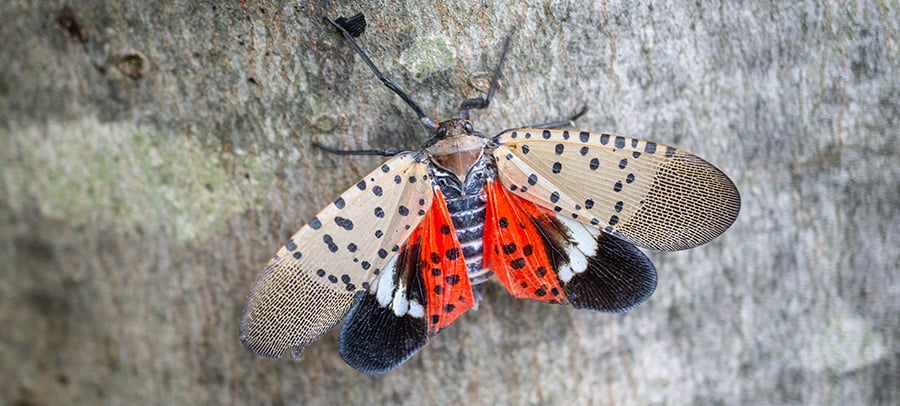
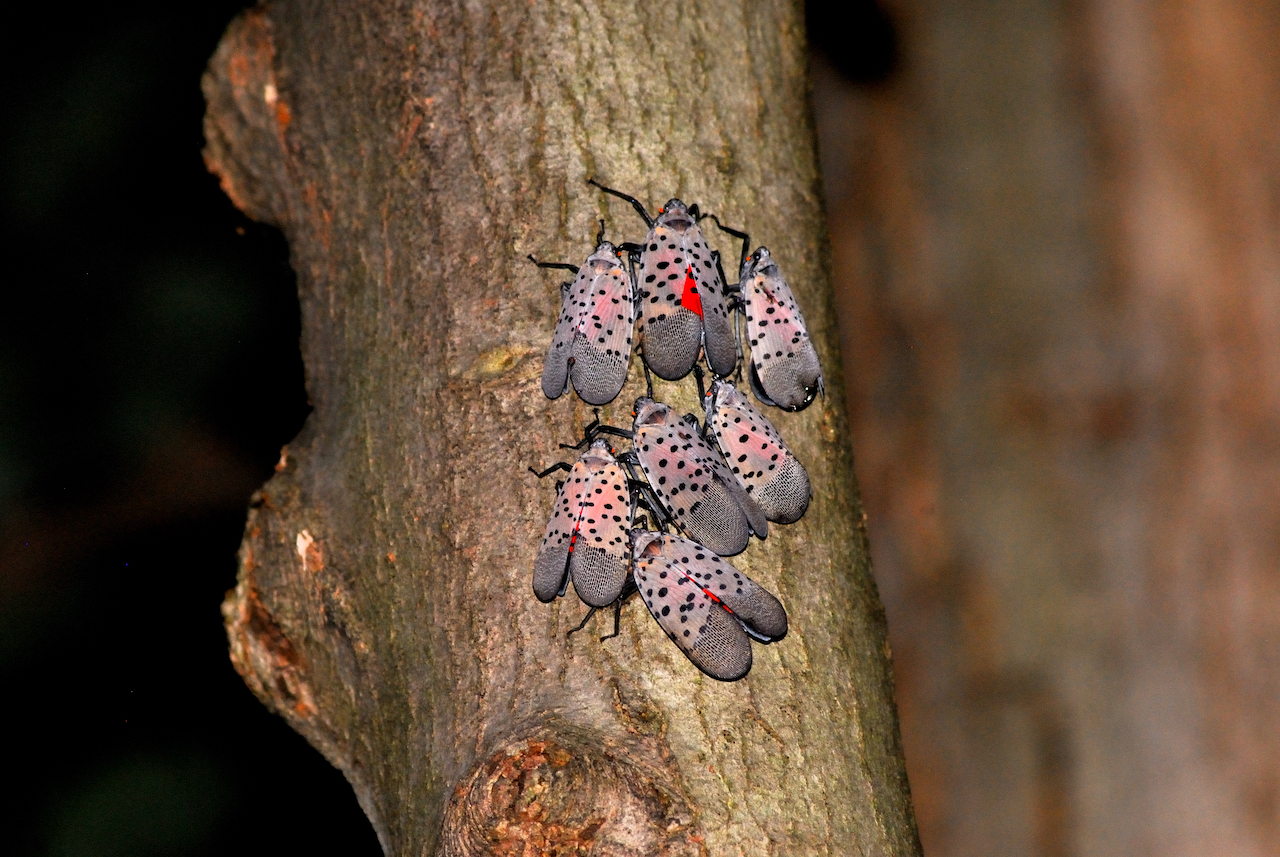
Spotted lanternflies (Lycorma delicatula) are invasive planthoppers native to Southeast Asia. Adult lanternflies are about one inch long and are easily recognized by their gray wings with black spots and bright red underwings. Younger nymphs look very different, starting out black with white spots before developing red coloration later in their life cycle.
Although they may look harmless, spotted lanternflies feed by piercing plants with a straw-like mouthpart and sucking out sap. Their favorite host is the invasive tree-of-heaven, but they also attack grapevines, walnut trees, maples, fruit trees, hops, and dozens of other hardwood species.
Do Spotted Lanternflies Bite?
One of the most common questions homeowners ask is whether spotted lanternflies bite people or pets. Fortunately, the answer is no. Spotted lanternflies cannot bite or sting humans because their mouthparts are designed only for feeding on plants.
However, that doesn’t mean they’re harmless. Large infestations can stress trees and crops, weaken plants over time, and create sticky messes around your property.
Why Are Spotted Lanternflies Such a Problem in Pennsylvania?
Pennsylvania has become one of the hardest-hit states because spotted lanternflies thrive in the region’s climate and have very few natural predators here. Since their arrival, populations have exploded across residential neighborhoods, farms, vineyards, and wooded areas.
Female lanternflies lay egg masses containing 30–50 eggs at a time, often on trees, outdoor furniture, vehicles, stone, and even buildings. Those eggs survive the winter and hatch in spring, continuing the infestation cycle year after year.
Because they spread easily by hitchhiking on vehicles, firewood, pallets, and outdoor equipment, infestations can grow quickly if left untreated.
Signs of a Spotted Lanternfly Infestation
Homeowners often first notice spotted lanternflies gathering on trees, siding, decks, fences, or patios during late summer and fall. Heavy infestations may also cause:
Sticky honeydew residue on outdoor surfaces
Black sooty mold growing on trees, decks, or furniture
Increased bee and wasp activity attracted to the sugary residue
Trees that appear stressed or weakened
Large groups of lanternflies climbing tree trunks or walls
Some homeowners even describe infested trees as “raining” due to the amount of honeydew falling from above.
Can Spotted Lanternflies Kill Trees?
Researchers continue to study the long-term effects of spotted lanternfly feeding, but heavy infestations can absolutely weaken trees and plants over time. Repeated feeding removes vital sap from the plant, reducing overall health and making trees more vulnerable to drought, disease, and secondary insect damage.
For Pennsylvania farms and vineyards, the stakes are even higher. Spotted lanternflies are considered a major threat to grapevines, hops, fruit trees, hardwoods, and other agricultural crops throughout the state.
How to Get Rid of Spotted Lanternflies
Because spotted lanternflies reproduce rapidly, early treatment is critical. DIY methods may help reduce small populations, but professional treatment is often the most effective option for larger infestations.
At Viking Pest Control, spotted lanternfly management may include:
Tree banding to intercept climbing nymphs
Targeted liquid treatments for residential and commercial properties
Property inspections to identify infestation hotspots
Customized treatment plans based on your landscape and level of activity
Professional treatments are designed to reduce spotted lanternfly populations while minimizing impact on beneficial wildlife and surrounding vegetation.
Homeowners can also help reduce activity by:
Scraping and destroying egg masses
Removing tree-of-heaven where appropriate
Inspecting outdoor furniture, vehicles, and firewood
Monitoring trees during spring and summer
Protect Your Pennsylvania Property from Spotted Lanternflies
Spotted lanternflies are more than just a nuisance pest. Left untreated, they can create serious problems for homeowners, businesses, farms, and vineyards throughout Pennsylvania.
If you’re seeing spotted lanternflies around your home or property, professional treatment can help reduce populations before they spread further. Learn more about Viking’s Spotted Lanternfly Control Services, for seasonal prevention tips, or contact Viking Pest Control today to schedule an inspection.