Every year insects like termites and carpenter ants cause an estimated $5 billion dollars in property damage in the United States. And once you realized you've been the victim of an infestation, it's time to take action.
But that's not so easy when you're unsure of what type of pest is damaging your home. In some cases, you won't see the insect themselves, but rather the destruction they leave behind.
How can you tell if the infestation is caused by carpenter ants vs termites? We want to help educate you on the difference between carpenter ants and termites and to recognize the types of damage they cause.
Keep reading to learn how to determine if termites vs ants are the problem.
Carpenter Ants Vs Termites
Termites and carpenter ants do share some similarities but they're also quite different from each other.
Antennae
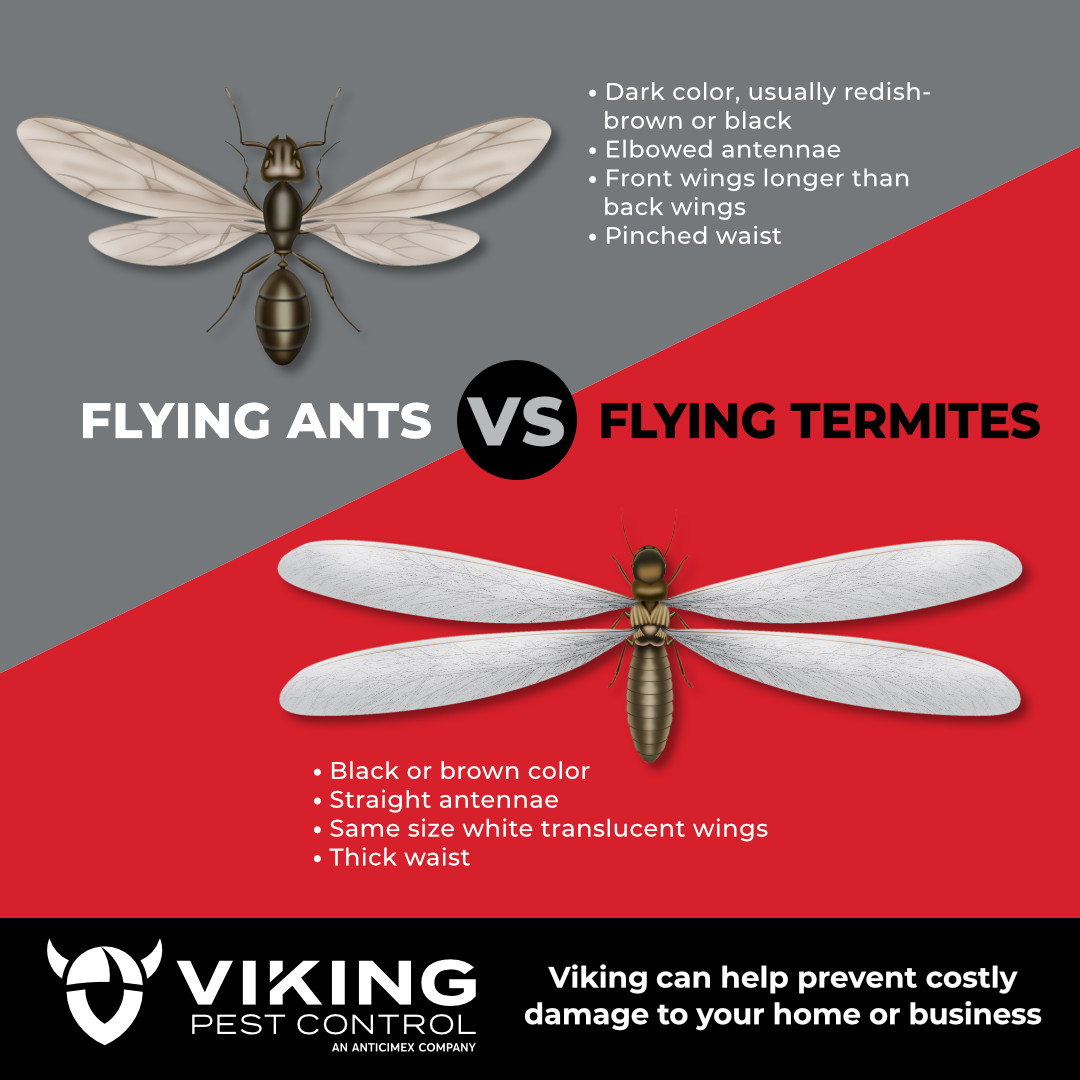
Termites have straight antennae, though some may be curved slightly. Ants have elbowed antennae that have a sharp-elbowed bend that's easy to spot.
Body
You'll see that ants have three distinct body segments thanks to their narrow waists. Termites instead have a broad waste that makes then look like they have a long body and head.
Wings
Termites and carpenter ants both send out winged swarmers. But ants have front wings that are longer than their back wings.
Termites, however, have wings of equal length.
Wood and Termites
Termites like materials containing cellulose. Because cellulose is an organic compound, termites can digest wood and paper products thanks to the types of bacteria growing in their abdomens.
Protozoa in their guts help them break down wood in their digestive systems. But termites do prefer digesting wood with decent levels of moisture. Doing so helps hydrate them.
Wood Termites Prefer
As a result, the types of wood most likely to attract termites are:
Yellow pine
Birch
Red Oak
Spruce
Teak
Peruvian walnut
New lumber is less attractive to termites. They prefer wood that is rotting.
Wood Termites Dislike
There are also some types of wood that are more resistant to termites.
Pressure Treated
Pressure-treated wood is resistant to rot and fungi.
Most places in the U.S. require construction sites to use pressure-treated wood.
Naturally Resistant
Heartwood is the non-living, central wood of trees. It's denser, less permeable, and darker than the surrounding timber.
Certain species like redwoods and cypress are naturally-resistant
Composite Materials
Manmade composite lumber products are made with materials that insects and other pests can't digest like plastic.
Composites don't warp like natural lumber and are therefore more durable as a building material.
Wood and Carpenter Ants
It's a myth that carpenter ants eat wood. They actually prefer to eat sweets, meat, and pet food.
Eating wood provides them with no nutritional value. Instead, they cause damage to wood by creating tunnels for nesting.
Signs Of An Infestation
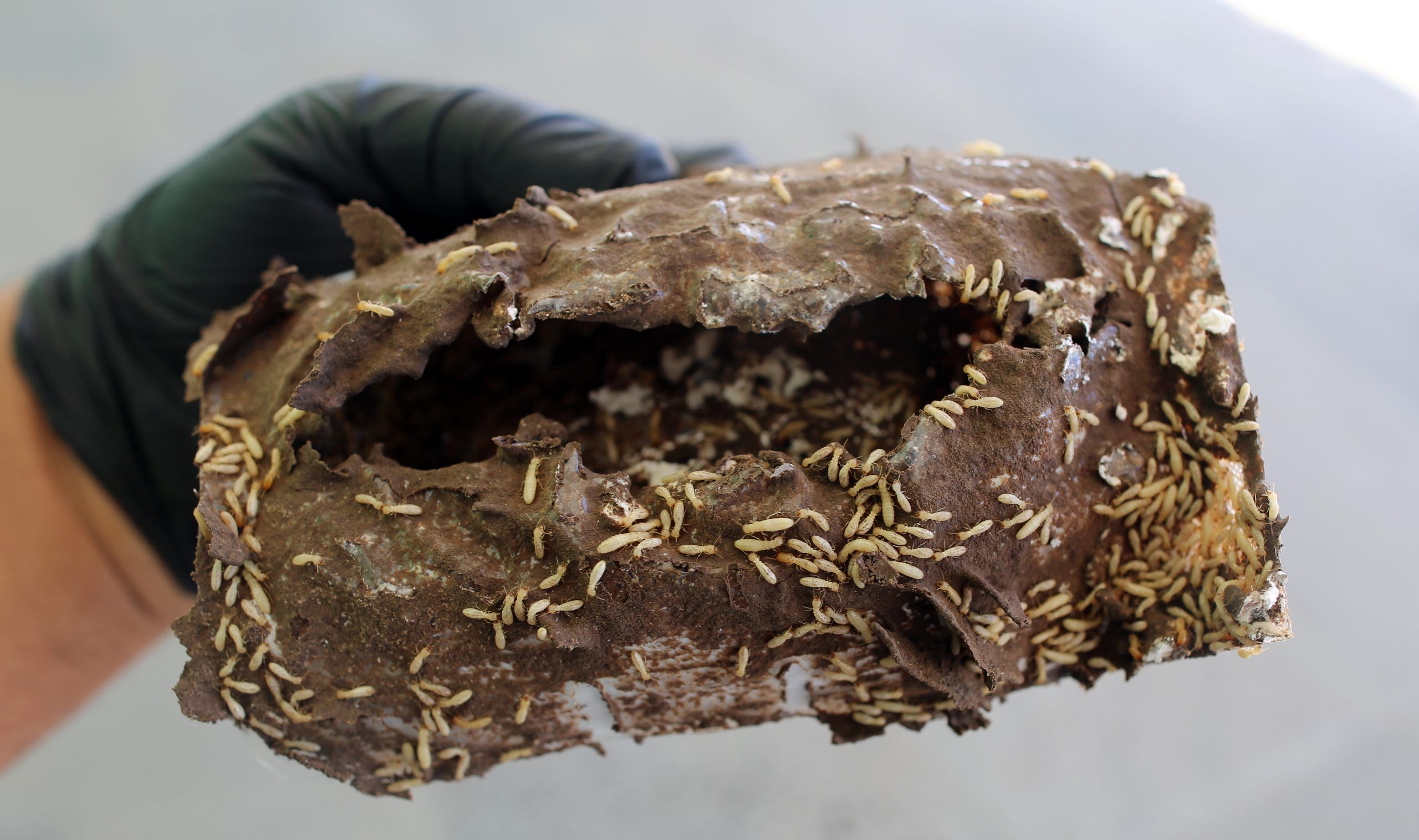
Unfortunately, termite infestations often go unnoticed until they cause damage. The colonies nest underground with the workers hidden inside the wood.
Termite Infestations
Here are a few signs you have a termite infestation:
Flying termites which are called swarmers
Termite droppings (Frass)
Hollow sounding timber
Tunnels in wood
Headbanging is another sign and it's not as cool as you'd think. Soldier termites are known to bang their heads against the wood and/or shake their bodies when they sense the colony is in danger.
It sounds like a quiet clicking coming from behind your walls.
Carpenter Ant Infestations
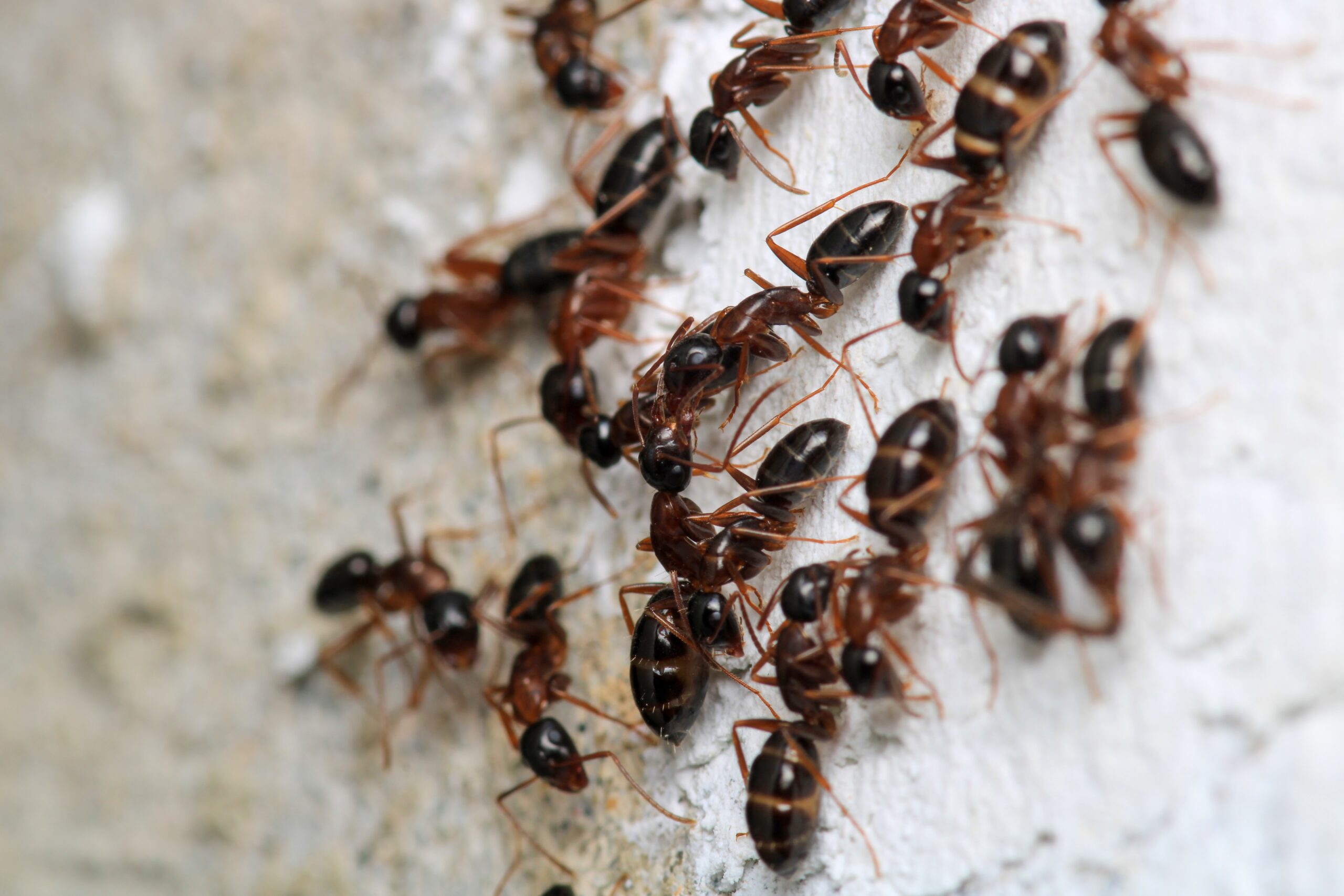
Carpenter ants love moist, damp areas. Especially if there's rotting wood involved so they can chew through to make their nests.
Anywhere there's dampness, food and/or piles of debris, carpenter ants could be lurking. They like to establish a path between their nest and their food source.
Carpenter Ant Infestation Signs
Signs you have a carpenter ant infestation are:
Sawdust-like frass
Piles of wood shavings (similar to sawdust) beneath wooden areas
Winged ants coming out from walls, ceilings or other crevices
You may also hear rustling noises between walls or hollow doors.
What Termite Vs Carpenter Ants Damage Looks Like
Since the reasons why termites damage wood differs vastly from why carpenter ants destroy wood, it makes it a little easier for you to determine who the culprit is.
Carpenter Ant Damage
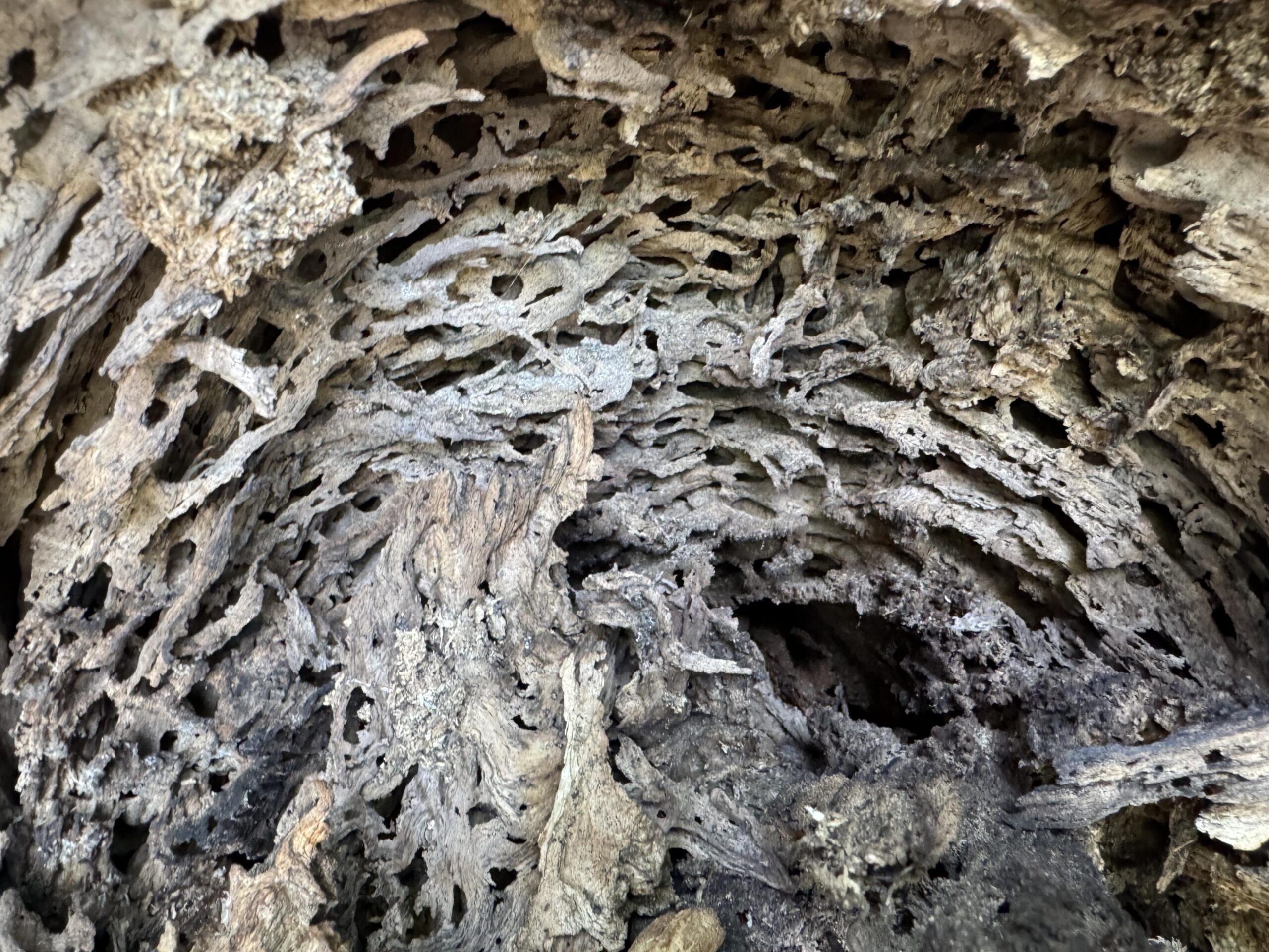
Remember that carpenter ants can't eat wood. Instead, they're excavating the softened wood as if it were a construction site. Their purpose is to build a nest and create traveling tunnels.
You may also notice entrance and exit holes as well as other tiny holes they use to push out unwanted debris so they can keep their home clean and tidy. Carpenter ant tunnels in the wood are smooth and polished.
Termite Damage
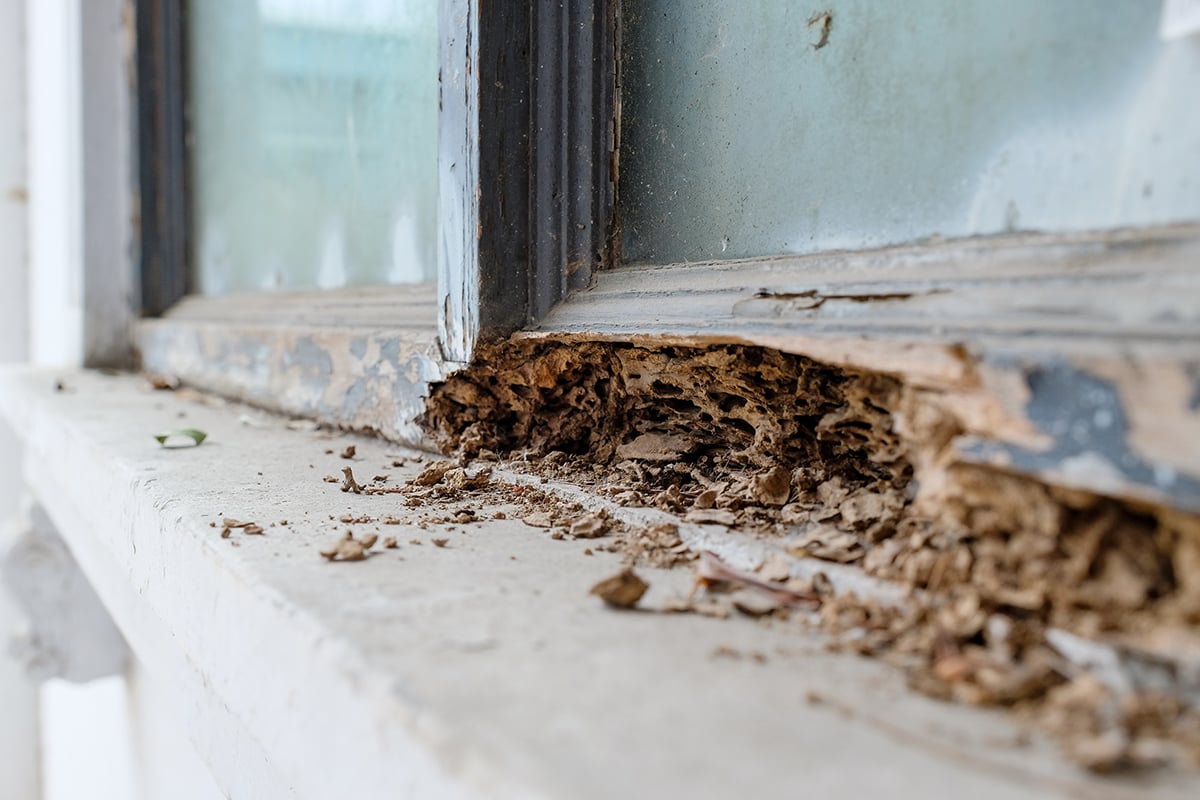
Meanwhile, termites love to eat wood. And they're not that concerned with cleanliness or tidiness.
Termite tunnels contain mud and soil. They also plug up any holes with mud.
Why You Need A Professional Exterminator
When a termite infestation goes undetected, widespread damage can result. They can consume a pound of wood every day from the inside out.
It's costly to repair structural essentials such as subflooring joists and wood supports.
Ants come inside to find food such as sweets to eat. Carpenter ants can contaminate your food, build nests in decaying wood, and are unsightly.
When you hire a pest control professional they do a thorough inspection of both the inside and outside of your home looking for infestations. They'll also look to see what the damage is caused by.
Once the inspection is completed and the culprit(s) are identified, a pest control professional will create a customized pest removal plan for you. This will ensure that you get and stay free from unwanted pests in your home for a long time.
Call Viking Pest for Pest Control
Whether your infestation is carpenter ants vs termites, it's best not to wait too long.
That's why you should rely on the number one choice for termite control and carpenter ant exterminators in New Jersey, Maryland, Delaware, and Pennsylvania for pest control. Contact Viking Pest today for a free and no-obligation estimate at 1-800-618-2847.
Anticimex SMART Mouse Control: Smarter Protection for Homes
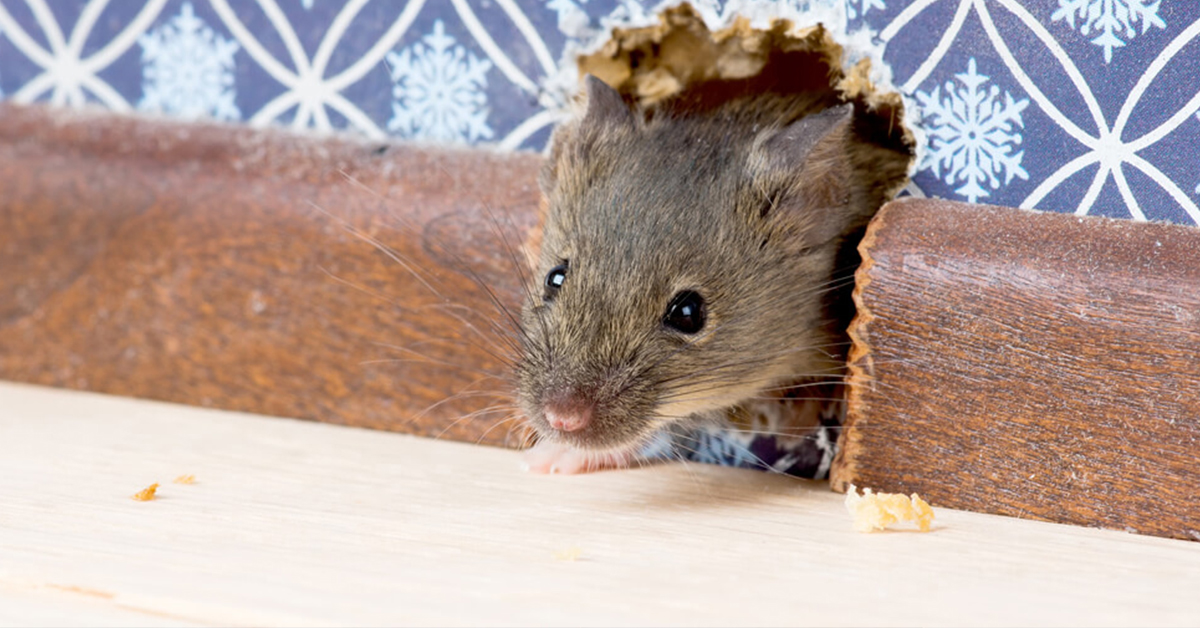
Mice may be small, but they can create major problems inside your home. From contaminating food and damaging insulation to chewing electrical wiring and spreading disease, a mouse infestation can quickly become expensive and stressful. Unfortunately, many homeowners don’t realize how fast mice reproduce or how difficult they are to fully eliminate with DIY solutions alone.
Traditional mouse traps and repellents may catch a few rodents, but they rarely solve the root of the problem. Mice are nocturnal, secretive, and capable of squeezing through openings as small as a quarter inch. Even worse, a single female mouse can produce multiple litters each year, allowing infestations to grow rapidly behind walls, inside attics, basements, garages, and crawlspaces.
That’s why Viking Pest Control offers a smarter approach to rodent protection with Anticimex SMART technology — an intelligent, environmentally friendly mouse control system designed to detect, monitor, and stop infestations before they get out of hand.
Why DIY Mouse Control Often Falls Short
A quick online search for DIY mouse control reveals countless options including snap traps, glue boards, ultrasonic devices, bait stations, and sprays. While some of these products may temporarily reduce activity, most homeowners are only treating the symptoms of a much larger infestation.
DIY methods are limited by:
Where traps can safely be placed
Areas homeowners can actually access
Human schedules and visibility
Lack of ongoing monitoring
Difficulty identifying entry points and nesting areas
Catching one mouse at a time is rarely enough when mice breed year-round and often remain hidden inside walls, attics, or insulation. By the time visible signs appear, the infestation may already be well established.
Common Signs of a Mouse Infestation
Many mouse infestations begin quietly. Homeowners often notice signs before they ever see an actual mouse.
Some of the most common indicators include:
Small black droppings near food sources or baseboards
Scratching or scurrying noises inside walls or ceilings
Chewed food packaging, wires, or furniture
Shredded paper or insulation used for nesting
Musky or ammonia-like odors from urine
Grease marks or tracks along walls
Holes or gaps where mice may be entering
Strong odors can also signal nesting activity or even deceased rodents hidden inside inaccessible areas. Because mice are nocturnal, activity often becomes more noticeable at night.
If you notice any of these warning signs, it’s important to act quickly before the population grows.
What is Anticimex SMART?
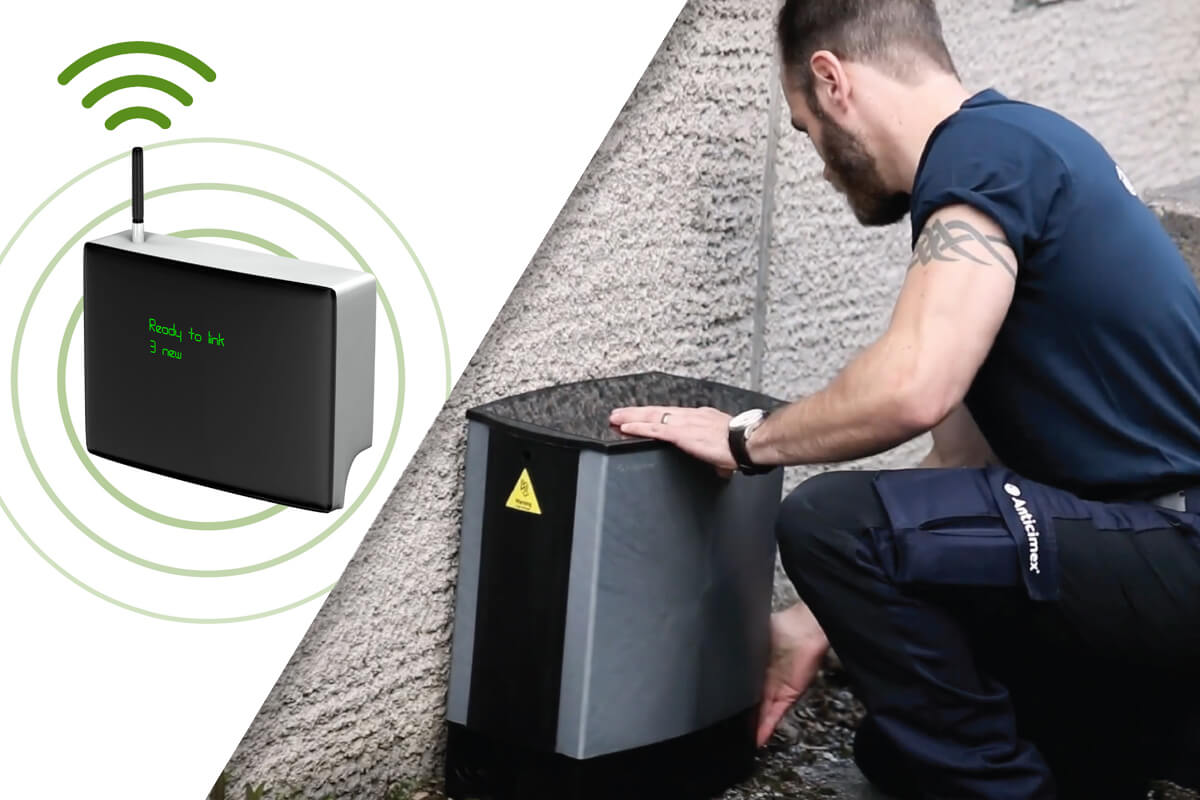
Anticimex SMART is an advanced digital rodent monitoring and control system available through Viking Pest Control. Unlike traditional mouse control methods, SMART technology continuously monitors your home 24 hours a day, 7 days a week, 365 days a year.
The system uses connected digital devices and infrared sensors to detect rodent activity in real time. These devices communicate with Viking Pest professionals, allowing technicians to identify areas of high mouse pressure and respond quickly before infestations worsen.
Anticimex SMART is:
Intelligent and data-driven
Non-invasive
Environmentally friendly
Designed without toxic rodenticides
Customized specifically for your home
Instead of relying on guesswork, Viking technicians use real-time data to strategically place traps and adjust treatment plans as mouse activity changes.
How Anticimex SMART Technology Works
The Anticimex SMART system uses several connected components that work together throughout the home.
SMART Connect Mini
The Smart Connect Mini acts as the communication hub for the system. It wirelessly connects SMART devices throughout the home using a secure mesh network that does not rely on your home Wi-Fi or cameras.
The system sends activity alerts directly to Viking Pest professionals for analysis and response.
SMART Eye Mini
Smart Eye Mini devices use infrared sensors to detect motion and rodent activity. These waterproof and dustproof sensors can be installed in:
Attics
Basements
Garages
Crawlspaces
Utility areas
Under sinks
Storage spaces
The sensors can detect movement up to 6.5 feet away and help technicians determine where mice are most active.
Ongoing Monitoring and Service
Once the system is installed, Viking Pest professionals continue to monitor activity, inspect devices, adjust placements, and remove rodents as needed. Homeowners can enjoy continuous protection without constantly checking traps themselves.
Benefits of Anticimex SMART Mouse Control
Anticimex SMART offers several advantages over traditional mouse control methods.
24/7 Monitoring
Unlike standard traps that only work when properly checked and maintained, SMART technology constantly monitors your home day and night.
Early Detection
SMART systems identify rodent activity early, helping prevent large infestations and costly damage before it occurs.
Family and Pet Friendly
Because the system minimizes or eliminates the use of toxic rodenticides, it provides a safer option for households with children and pets.
Customized for Your Home
Every home is different. Viking technicians analyze your property and create a personalized mouse control strategy based on activity levels, structural vulnerabilities, and layout.
Reduced Interior Service Visits
Since activity alerts are sent digitally, technicians know exactly where activity is occurring and which devices require attention.
Environmentally Responsible
Anticimex SMART focuses on monitoring, prevention, and targeted control rather than widespread chemical usage.
Why Mouse Prevention Matters
Mice are more than just a nuisance. They can cause serious property damage and introduce health concerns for homeowners and families.
Mice are known to:
Contaminate food with urine and droppings
Spread bacteria and disease
Trigger allergies and asthma
Damage insulation and stored belongings
Chew electrical wiring that may increase fire risks
Destroy furniture, fabrics, and valuables
Rodents have also been linked to diseases such as salmonella, hantavirus, leptospirosis, and lymphocytic choriomeningitis.
Because mice reproduce so quickly, early intervention is critical.
Additional Ways to Help Prevent Mice
While professional monitoring and treatment provide the strongest protection, homeowners can also reduce the risk of infestations by:
Sealing cracks and exterior gaps
Installing rodent-proof door sweeps
Storing food in sealed containers
Cleaning food debris promptly
Reducing clutter in storage areas
Removing outdoor nesting materials
Keeping firewood elevated and away from the home
Professional exclusion work combined with SMART monitoring creates long-term protection against rodents.
Professional Mouse Control from Viking Pest Control
If you suspect mice in your home, waiting can allow the infestation to grow rapidly. Viking Pest Control provides advanced rodent protection solutions throughout New Jersey, Pennsylvania, Delaware, and the Eastern Shore of Maryland.
Our trained professionals use Anticimex SMART technology to:
Detect hidden rodent activity
Identify entry points
Monitor infestations continuously
Customize treatment strategies
Prevent future infestations
With intelligent monitoring and proactive pest management, Viking Pest helps homeowners stay protected without relying solely on traditional traps or toxic baits.
If you’re ready for smarter mouse protection, contact Viking Pest Control today to learn more about Anticimex SMART technology and how it can help keep your home rodent-free year-round.
Why You Need a Professional Pest Inspection When Buying a Home
You've finally been able to buy the home you've always wanted, and there are few things as important to you as properly caring for it.
You have a maintenance plan when it comes to your gutters, your gardens, and even your roof.
But what about making sure that your home doesn't fall victim to rodents, termites, bed bugs, and other pests that can quickly turn your dream home into a living nightmare?
You might think that the basic pre-sale inspection the last homeowner conducted on the house before putting it on the market would have uncovered damage caused by termites and identified pest entry points successfully.
Do you really need to have a professional pest inspection done on your new home?
The answer is a resounding "yes."
Undetected pest activity can lead to costly repairs and future infestations. A pest management professional will educate you on their findings when inspecting your home and provide a customized control and/or prevention solution to keep your home pest-free.
What can you expect from a residential pest control inspection, and what are the benefits of getting one? Read on to find out.
Irene Keselman photography, Pest Control, Real Estate, Viking, Viking pest control, commercial photography, nj pest control, personal branding, real estate photography
What to Expect From a Residential Pest Inspection
So, what exactly can you expect out of home pest inspection?
First, if you suspect that you may already be dealing with pests in your new home, or if you've spotted some of the most common signs of an infestation, be sure to let the technician know.
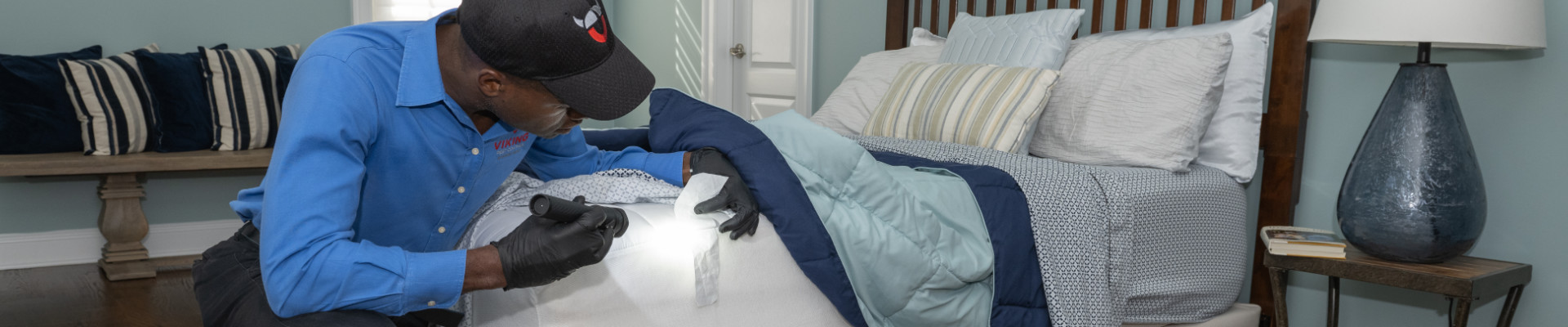
Whether or not you currently think you have pests on your property, the technician will then do a complete walkthrough of your home's interior. They'll check places like crawlspaces, look for points of entry, and examine rooms for signs of damage and infestation.
The expert will also go outside your home, checking the yard, foundation, tool sheds, and other areas outside of the home for signs of an infestation.
Then, you'll sit together and discuss the initial findings. You'll go over your options when it comes to possible treatments and repairs or, in the best-case scenario, be told that your home passed the inspection with flying colors.
The Benefits of a Professional Pest Inspection
Now that you know more about what to expect from a home inspection by an experienced pest control company, let's talk more about the benefits of getting one.
Of course, keeping your home pest-free protects its resale value and helps you to avoid costly repair work.
But eliminating pests in the home does much more than just that.
Fast and Effective Solutions for Pest Control
Considering going the DIY route when it comes to in-home pest inspection? If so, then you run the risk of failing to identify both the signs and the types of pests currently in your home.
Even if you do correctly spot your home's pests, you likely won't be able to identify where and how they're getting into your home. Plus, the truth is that while some commercial-grade chemicals are effective, they simply can't compete with those an expert can provide.
Instead, you'll end up throwing money away on so-called solutions that take far too long to work (if they work at all.) Even if it seems like you've defeated your home's pests on your own, without the expertise and care of a professional, they're likely to come back soon.
You also don't want to run the risk of exposing your family to harsh, unnecessary chemicals that could put their health and safety in jeopardy because you don't know what you're doing.
And speaking of health...
Pest Control Protects Your Health
What's another reason why you should investigate the top local pest control companies and schedule a home pest inspection with them ASAP?
To protect your family's — including your pets' — health.
Pests like rodents can infect your family members with a laundry list of potential diseases, some of which can even be fatal.
Even pests that don't generally carry diseases that harm humans, like termites, can agitate your allergies and increase the likelihood of asthma attacks.
A simple pest inspection means keeping your family free from serious illnesses like salmonellosis, dermatitis, rickettsialpox, and many other conditions.
You'll Develop a Long-Term Pest Prevention Plan
A pest control inspection is not a "one and done" approach to keeping your home pest-free.
Instead, you'll develop a long-term preventative plan for taking on the most common pests in your area in addition to deciding which pest control actions to take immediately.
This means you'll be able to stop pests from damaging your home and threatening the health of those in it for good.
At Viking Pest, we offer ome inspections to give new homeowners peace of mind and to protect their investment.
We'll also be able to provide you with a no-obligation estimate for any repair and pest removal services you need. Together, we'll come up with a pest control maintenance plan that makes sense for both your home and your budget.
In short?
You have no excuse not to schedule your professional pest inspection with us.
Ready to Schedule a Residential Pest Inspection?
We're sure that this post has helped you to understand why a professional pest inspection is something that all new homeowners need to schedule as soon as possible.
Effective pest control protects your home and family now and, in the future, so you can rest easy knowing your house is yours alone.
Viking Pest has been providing pest control for families and businesses since 1980. Viking is a full-service pest control company offering control and prevention for ants, spiders, termites, and bed bugs to name a few. With locations servicing NJ, PA, MD, and DE, Viking is the local business that you love, with the coverage that you need.
Viking offers all clients a FREE and NO OBLIGATION estimate given by a Pest Management Professional.