How Long Do Squirrels Live? Understanding Their Lifespan and What It Means for Your Home
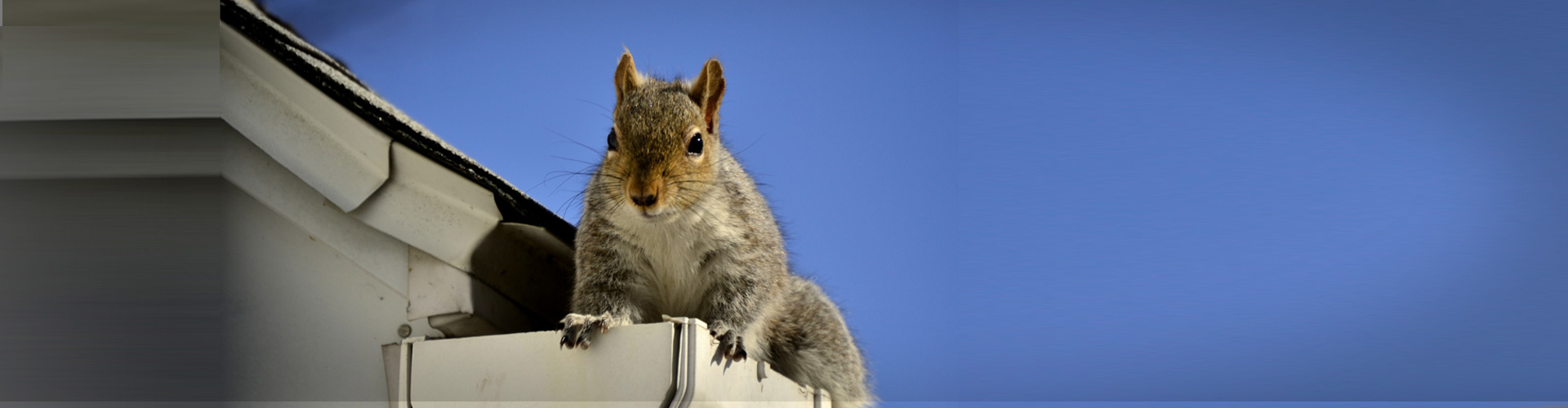
If you’ve ever spotted a squirrel racing along your fence or scurrying up a tree, you’ve probably wondered: how long do squirrels live? These clever and adaptable rodents are a familiar sight across New Jersey, Pennsylvania, Delaware, and the eastern shore of Maryland, often more active than we realize. Understanding the lifespan of squirrels and what helps them survive can give homeowners valuable insight into why they sometimes move a little too close for comfort.
How Long Do Squirrels Live in the Wild?
The average squirrel lives between 6 and 12 years, depending on the species and environment. However, survival rates vary dramatically between wild and urban populations.
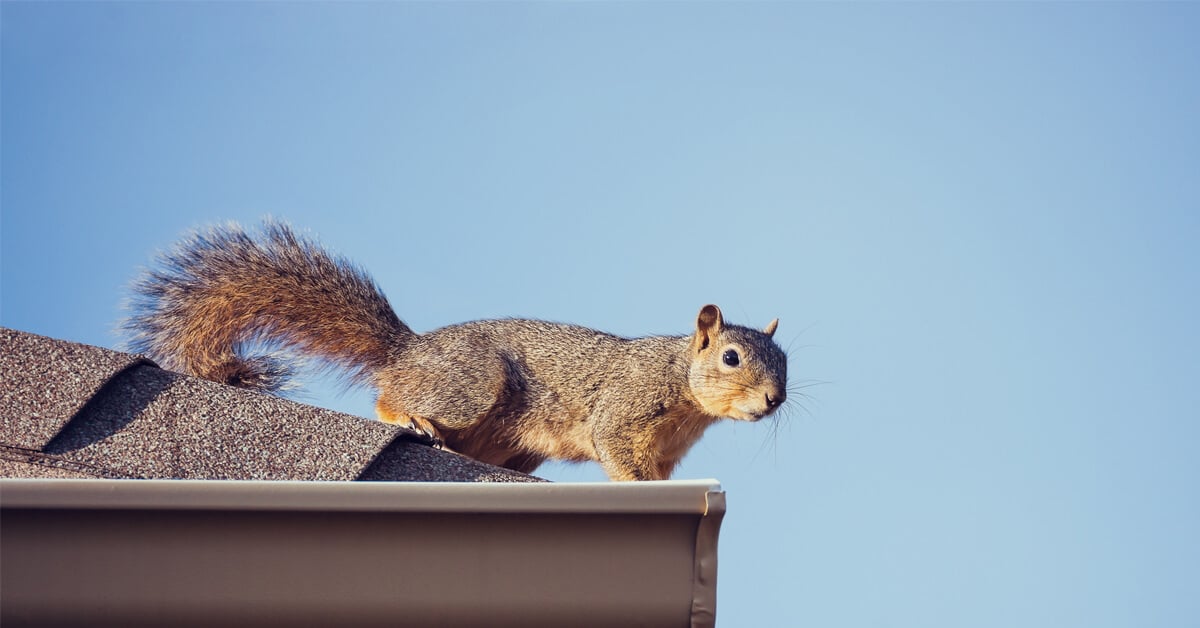
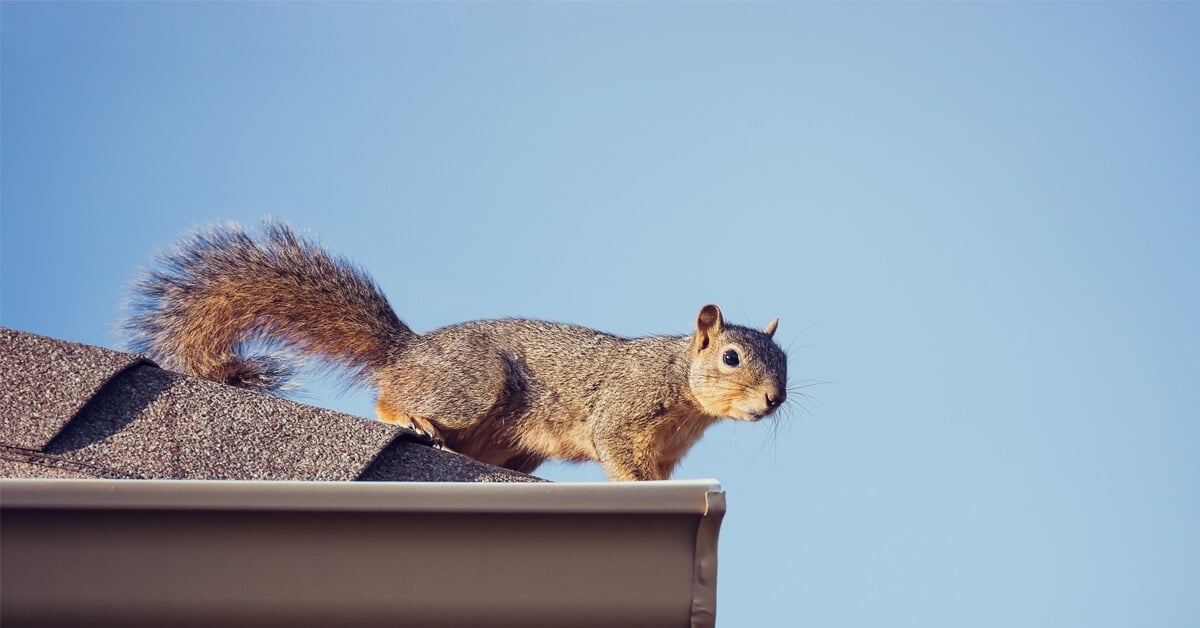
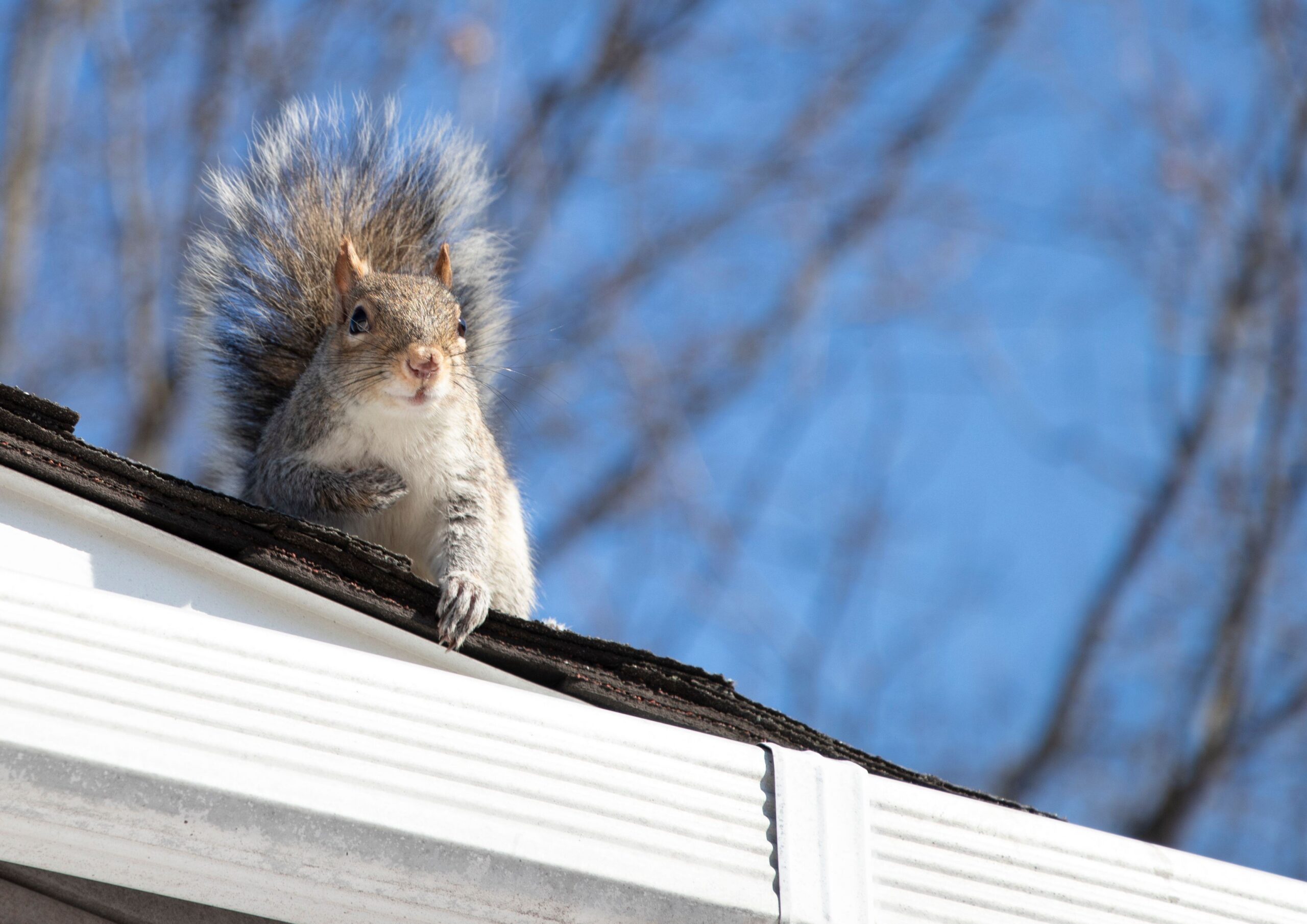
Gray squirrels, the most common species in the Northeast, typically live up to 6 years in the wild, but can reach 12 years or more in captivity.
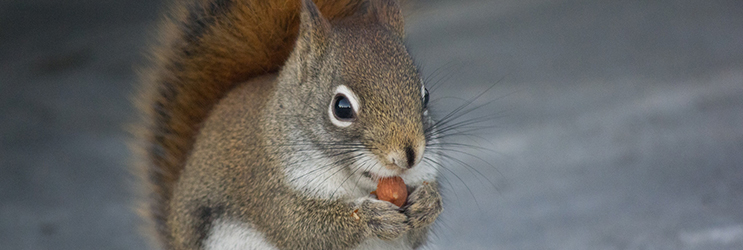
Red squirrels have shorter lifespans of around 3 to 5 years due to their smaller size and more aggressive territorial behavior.
Many squirrels don’t survive their first year because of predators, harsh winters, and accidents. Once they reach adulthood, though, they become incredibly resilient and resourceful, especially when they find reliable shelter near humans.
Why Squirrels Live Longer Around Homes
Urban and suburban environments offer squirrels a much higher chance of survival. Reliable food sources, fewer predators, and cozy nesting spots like attics, chimneys, and soffits can extend their lives by several years.
This means that the squirrels you see on your property aren’t just passing through. Once they’ve found a safe nesting spot and steady food supply, they’re likely to stay. A single family of squirrels can remain active in the same area for years, returning season after season to raise new litters.
How Long Do Squirrels Live in Your Attic?
When a squirrel gains access to an attic or crawl space, it can live there for years if undisturbed. These warm, protected spaces mimic the hollow trees they’d naturally seek in the wild, but with far fewer threats. Over time, this can lead to serious damage:
Chewed electrical wiring, increasing fire risk
Torn insulation used for nesting
Contaminated storage areas with droppings and urine
Noisy activity, especially at dawn and dusk
Because squirrels are territorial, removing one without addressing entry points often leads to another taking its place.
Signs of a Squirrel Infestation
If you’re hearing scratching or scurrying in the attic, it’s worth investigating before the problem grows. Common indicators include:
Sounds of movement during daylight hours
Chew marks near rooflines or vents
Insulation displaced or shredded
Droppings near attic corners or entry holes
How to Prevent Squirrels from Overstaying Their Welcome
The best way to keep squirrels from extending their lifespan inside your home is through prevention. At Viking Pest Control, we recommend:
Sealing entry points – Inspect roof edges, soffits, and attic vents for gaps or damage.
Trimming tree branches – Keep limbs at least 10 feet from your roofline.
Removing outdoor food sources – Secure trash cans and use squirrel-proof bird feeders.
Scheduling professional inspections – Regular pest control visits help identify risks before they turn into infestations.
Professional Squirrel Control Solutions
If squirrels have already made themselves at home, DIY methods often fall short. Trapping or relocating them without addressing the root cause leads to recurring issues. Viking Pest Control’s Wildlife Control experts use humane removal techniques and exclusion methods to make sure squirrels don’t come back.
Our team understands local species behavior and nesting patterns throughout New Jersey, Pennsylvania, Delaware, and the surrounding areas, so we can safely restore your peace of mind and protect your property long-term.
The Bottom Line
So, how long do squirrels live? In the right conditions, especially near homes, they can survive for nearly a decade. That longevity, combined with their nesting instincts, makes it crucial to protect your home from becoming their permanent residence.
If you suspect squirrels have moved into your attic or walls, don’t wait for them to settle in. Contact Viking Pest Control today for a free estimate and expert wildlife control service.
Protect your home. Protect your peace of mind. Call Viking Pest Control at 800-618-2847 or request a free estimate online.
Keep Unwanted Fuzzy Intruders Out With SMART Wildlife Exclusion
Furry critters like squirrels, raccoons, skunks, and groundhogs may look cute from afar, but these pests can cause significant trouble if they find their way inside your home. Many types of wildlife will use open vents, holes in the wall, or cracks in the foundation to seek shelter inside your home. If you suspect that you may be playing host to unwelcome animal guests, it's important to take swift action to resolve the issue. Viking Pest's SMART Wildlife Exclusion provides a humane approach to wildlife control that focuses on trapping and removing pests while implementing prevention strategies to keep them from returning.
Why Do I Need Wildlife Management Solutions?
Every homeowner should address the potential dangers of a wildlife infestation through preventative maintenance and pest control services. Wildlife may cause significant property damage, from chewing through walls and electrical wires to structural damage from their burrowing and nesting habits. Some species may even clog your vents in attempts to build their nests.
Wildlife species may carry various diseases, bacteria, and parasites that can transmit to humans and cause illness. Their fur, dander, and droppings can also trigger allergies in some people. If you happen to encounter a live animal in your home, there is the risk of getting bitten or scratched, especially if the animal feels threatened and becomes aggressive.
The threat of an infestion may worsen depending on the season. For example, squirrels typically have litters in early spring and summer. If you don't take action with professional squirrel control, populations can quickly grow and cause more trouble.
What Are the Benefits of Wildlife Exclusion?
Squirrels, raccoons, skunks, and other critters will take advantage of any entry points to get inside your home to access food, water, warmth, and safe shelter to nest. Wildlife exclusion is a safe and humane approach to pest control and begins with an inspection of your property to identify and seal entry points in your basement, attic, and around your home. This wildlife managment strategy includes suggestions to make the environment surrounding your home less appealing to wildlife. Simple measures like keeping pet food indoors or taking it away after feeding time, picking up fallen fruit, harvesting produce from your garden, and securing trash in sealed containers can all help deter unwanted creatures. Physical barriers like mesh fences, screens, and chimney caps are other important aspects of protecting your property.
How Does the SMART System Work?
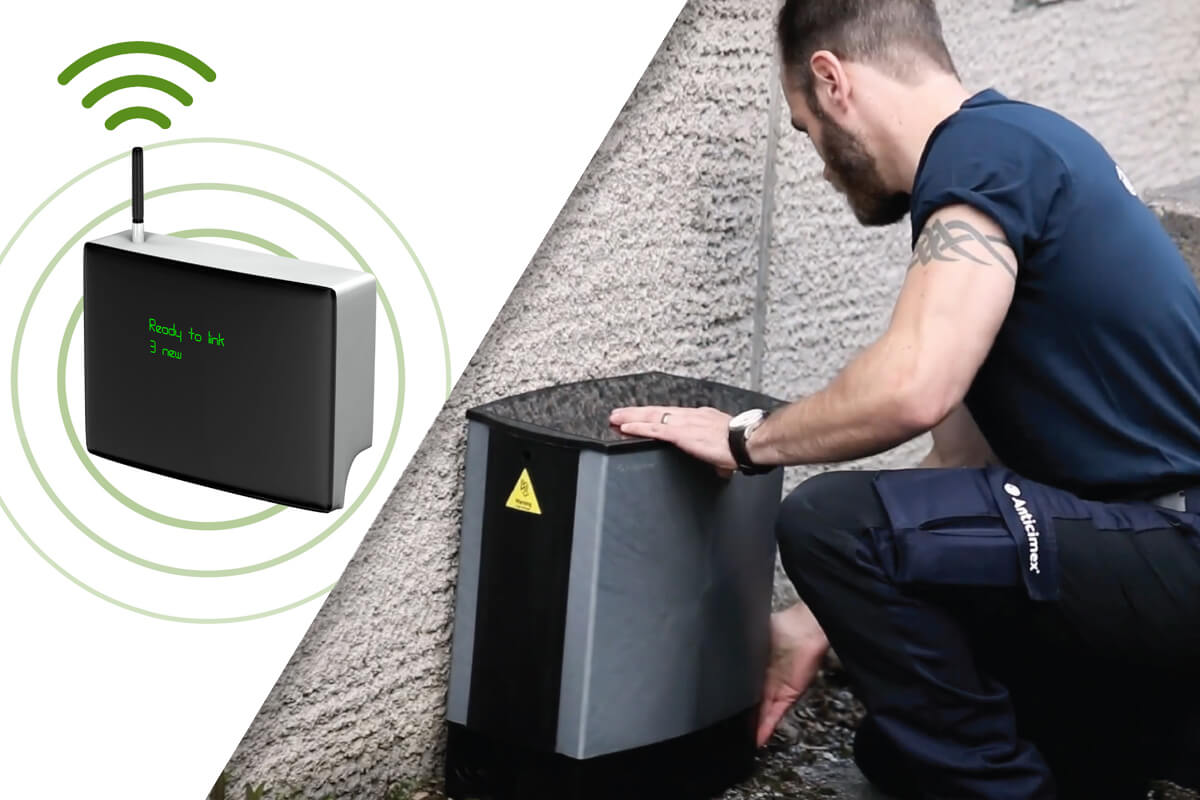
If you want even greater protection against wildlife, Anticimex SMART is a valuable upgrade to traditional wildlife exclusion services. The SMART system provides 24/7 monitoring of pest activity using innovative, intelligent, and eco-friendly technology.
SMART wildlife exclusion employs a network of strategically placed infrared sensors to track wildlife activity and send alerts to the office so the Viking team knows when to take action. Ongoing service includes periodic inspections, trap relocation if animal activity shifts, and trap emptying.
Get Proactive About Wildlife Management With Safe, Sustainable, and Humane SMART Solutions From Viking Pest
You can ONLY get SMART Wildlife Exclusion from Viking Pest Control in New Jersey, Delaware and Pennsylvania. Our team uses the latest technology and expertise from decades of experience with the area's wildlife to create a customized solution for your home. Contact us today to get started by requesting your free estimate.
Getting Rid of Squirrels In the Attic
Protect Your Home from Squirrel Infestations with Viking Pest Control
Squirrels may be cute and fun to watch as they scurry through the trees, but when they invade your home, they can cause extensive and costly damage. If you’re dealing with a squirrel problem in your attic or want to prevent one from happening, Viking Pest Control is here to help.
The Hidden Dangers of Squirrels in Your Attic
Squirrels are incredibly resourceful and can create entry points into your home by enlarging small gaps and holes. They frequently chew through wooden rooflines, rip up shingles, and expose your attic to moisture damage. Once inside, squirrels will shred insulation to build nests and, more alarmingly, chew on electrical wires, posing a significant fire hazard. In fact, squirrels have been linked to house fires and even power grid failures due to their incessant gnawing habits.
How Squirrels Get In
Squirrels are expert climbers, often traveling along tree branches to reach your roof. If you have overhanging branches within six feet of your house, you’re providing a direct pathway for these critters. To protect your home, it’s crucial to:
Trim tree branches back at least six feet from the structure.
Inspect rooflines, fascia boards, and attic vents for damage or gaps.
Repair broken windows and secure vent screens to prevent entry.
Keep gutters clean to prevent water damage that weakens your home’s exterior.
The Risks of DIY Squirrel Removal
While you may be tempted to handle a squirrel problem on your own, there are serious risks involved. Squirrels can bite and scratch when cornered, potentially transmitting dangerous diseases such as rabies. If you are scratched or bitten, seek immediate medical attention. Additionally, many states have strict regulations regarding the trapping and relocation of wildlife. Improper handling could result in fines or other legal consequences.
Viking Pest Control’s Proven Squirrel Removal Process
At Viking Pest Control, we use a strategic and humane approach to squirrel removal. Our process includes:
Assessment: We begin by discussing your experience with squirrel activity to determine the extent of the infestation.
Inspection: Our team thoroughly examines your home to identify entry points and nesting areas.
Removal: Depending on the situation, we use methods such as:
One-way exclusion tunnels that allow squirrels to exit but not re-enter.
Live traps placed in the attic near nesting sites, checked daily per local regulations.
Prevention: After removing the squirrels, we perform exclusion work to seal entry points and prevent future infestations.
Protect Your Home with Viking Pest Control
Don’t let squirrels wreak havoc on your property. If you suspect a squirrel infestation, call Viking Pest Control for professional and humane removal services. Our experts have the experience, tools, and knowledge to protect your home and keep it pest-free.
Contact Viking Pest Control today for a free quote and take the first step toward a squirrel-free home!
How to Rodent-Proof Your Home This Fall
As temperatures begin to cool across New Jersey, Pennsylvania, Delaware, and Maryland’s Eastern Shore, rodents start searching for warm places to shelter for the winter. Mice, rats, and squirrels may spend most of the year outdoors, but once fall arrives, homes and businesses become attractive places to nest, feed, and hide from the cold.
Unfortunately, rodents can cause extensive damage once they get indoors. From chewing electrical wires and insulation to contaminating surfaces with droppings and urine, these pests are far more than a seasonal nuisance. The good news is that a few proactive prevention steps can help reduce your risk of a rodent infestation this fall.
Common Rodents Found Across Homes
Several types of rodents are especially active throughout NJ, PA, DE, and MD during the colder months.
Mice
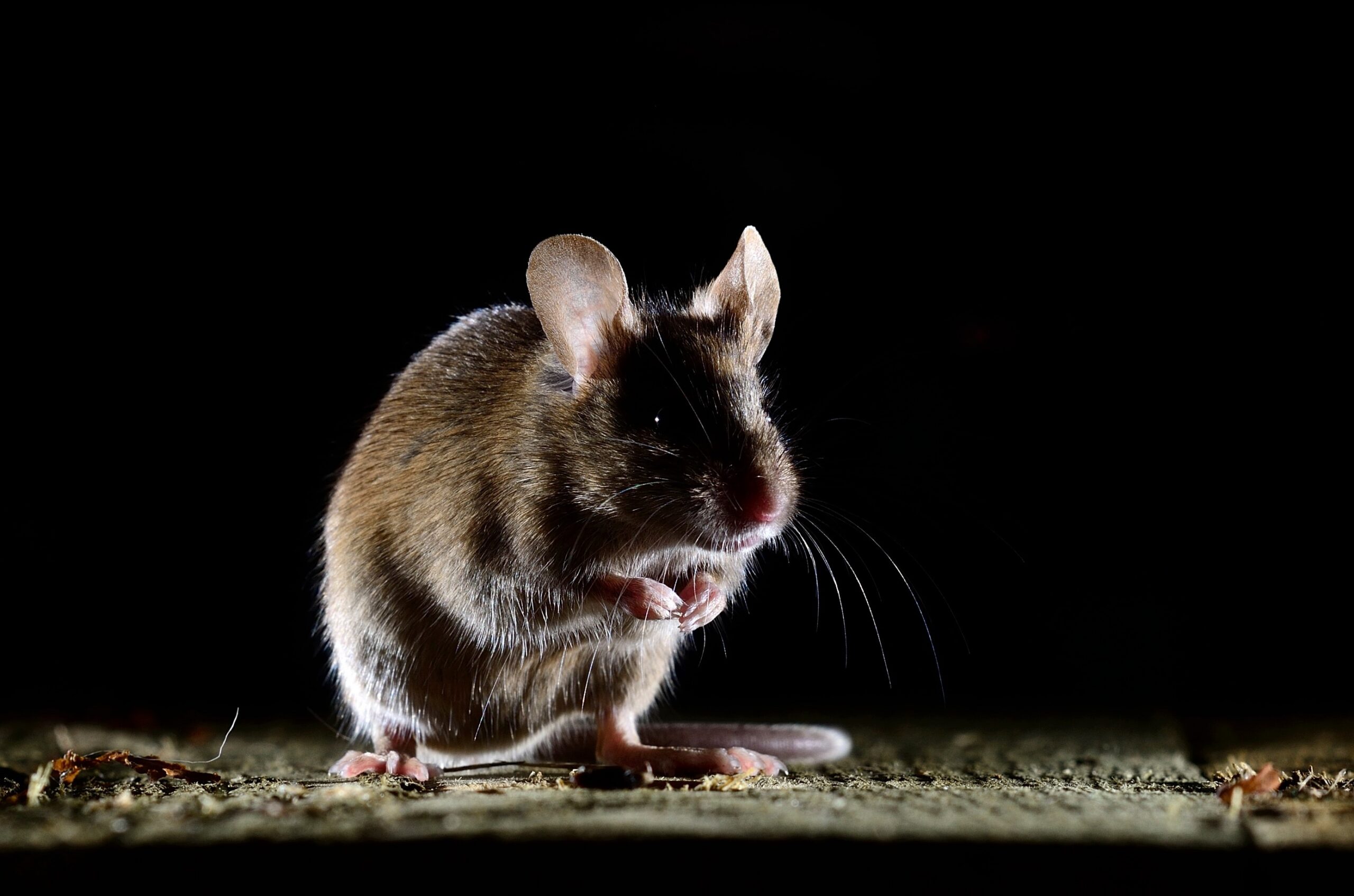
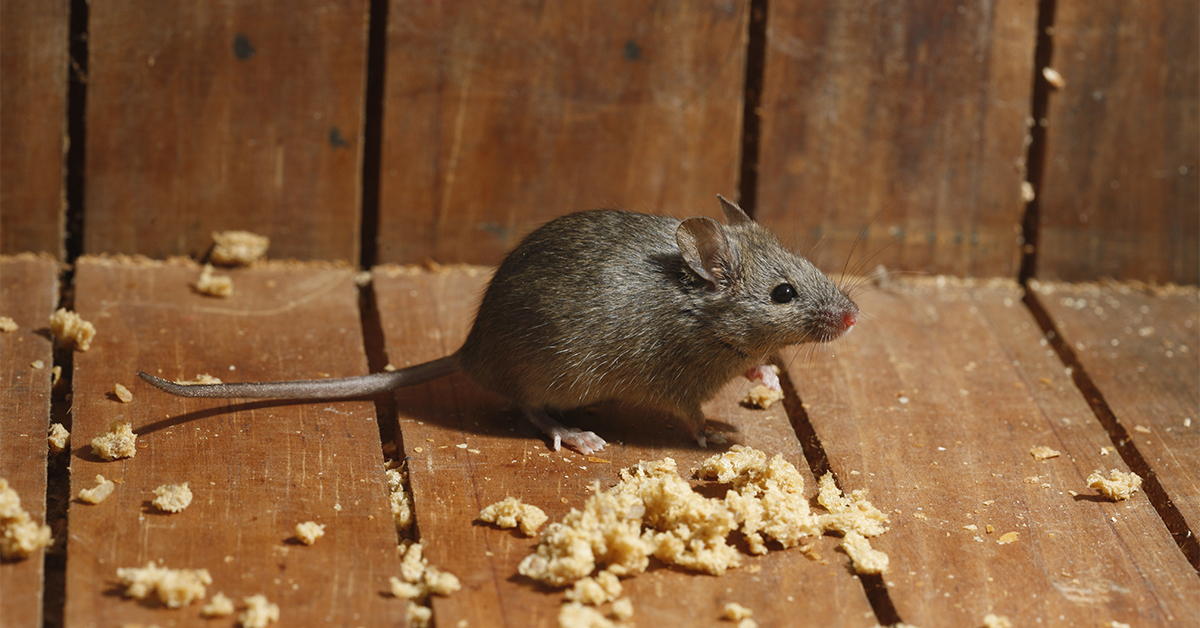
House mice and deer mice are among the most common invaders. These small rodents can squeeze through openings as small as a dime and often enter homes through cracks, utility gaps, crawl spaces, and garage doors.
Rats
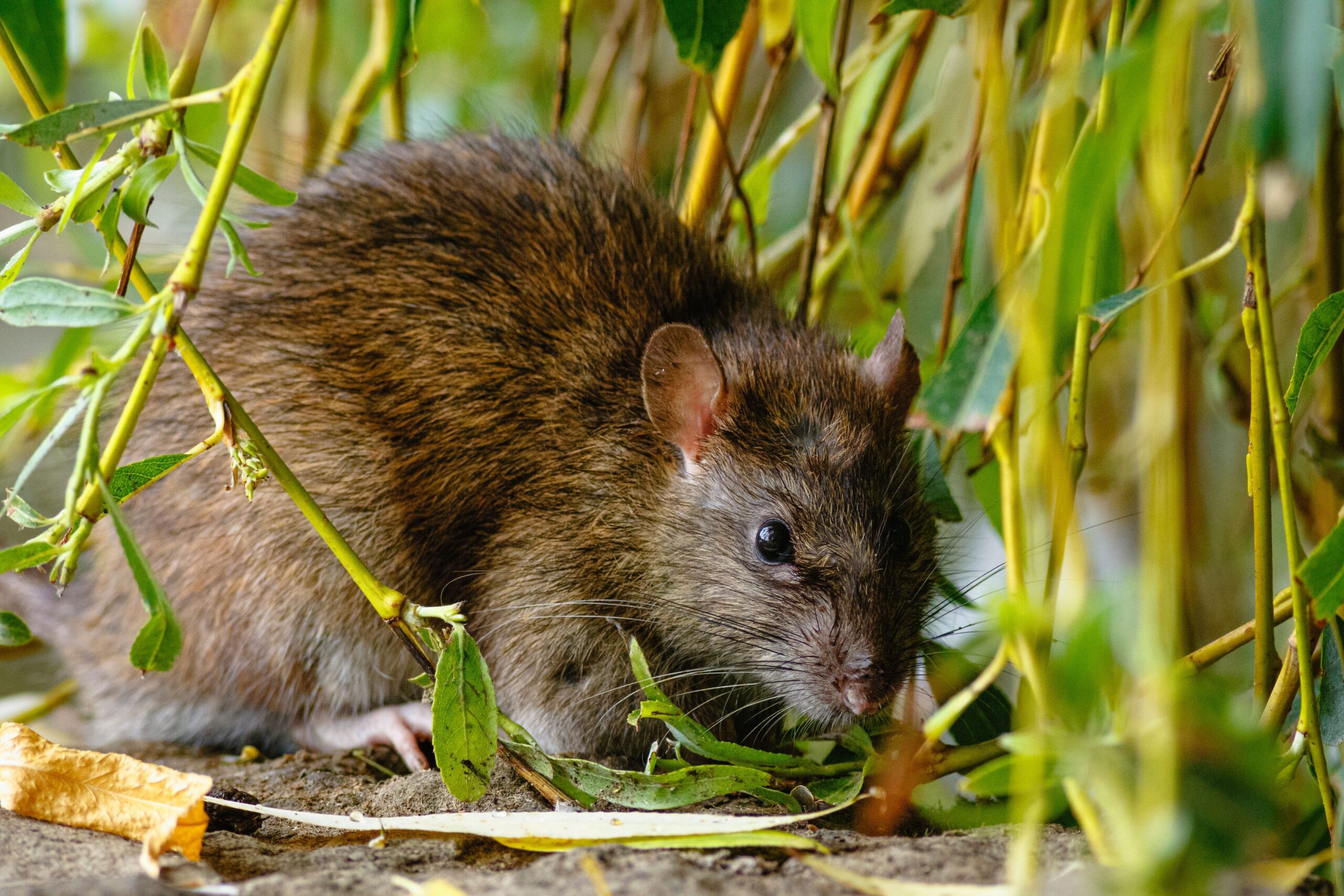
Norway rats and roof rats are larger than mice but just as destructive. Roof rats are excellent climbers and often enter through roofs, attics, and overhanging tree branches, while Norway rats tend to stay closer to the ground and foundations.
Squirrels
Eastern gray squirrels and flying squirrels may enter attics, soffits, or wall voids while searching for warmth and nesting areas during the fall and winter.
Why Rodents Are Dangerous
Rodents may seem harmless outdoors, but inside a structure they can quickly become a serious problem. Rodents constantly chew to keep their teeth filed down, which means they can damage:
Electrical wiring
Drywall and insulation
Pipes and ductwork
Stored belongings
Wood framing
Rodents can also spread bacteria and disease, contaminate food, introduce fleas and ticks indoors, and create potential fire hazards by chewing through wiring.
If you hear scratching, scurrying, squeaking, or thumping noises in your attic, walls, or ceilings, there’s a good chance rodents may already be active inside your home.
Where Rodents Commonly Enter Homes
Many infestations begin through surprisingly small openings around the exterior of the structure. Common rodent entry points include:
Gaps around HVAC and utility lines
Dryer vents
Garage door openings
Damaged soffits and roof shingles
Crawlspace vents
Foundation cracks
Gaps beneath doors and windows
Because mice and rats can fit through extremely small openings, even minor cracks should be sealed immediately.
Rodent-Proofing Tips for Fall
Preventative maintenance is one of the most effective ways to keep rodents out during the colder months.
Seal Exterior Openings
Inspect your home carefully and seal gaps using durable materials such as:
Steel wool
Copper mesh
Wire mesh screens
All-weather caulk
Door sweeps and weather stripping
Avoid relying solely on expanding foam, as rodents can often chew through it.
Eliminate Outdoor Harborage Areas
Rodents are more likely to stay near your property if they have shelter nearby. Reduce hiding spots by:
Moving firewood piles away from the home
Removing leaf and brush piles
Trimming back trees and shrubs touching the structure
Storing patio furniture and outdoor items neatly
Remove Food and Water Sources
Help make your home less attractive by:
Keeping trash bins tightly sealed
Storing food in airtight containers
Cleaning crumbs and spills promptly
Repairing leaks and moisture issues
Strange Noises Could Be a Warning Sign
During the fall and winter, homeowners often notice mysterious scratching or scuttling sounds at night. Rodents are nocturnal, so activity is often most noticeable after dark.
In some cases, pest activity may even contribute to electrical issues if wiring becomes damaged. Buzzing, humming, or unusual odors near walls should always be investigated promptly.
Smarter Rodent Protection with Anticimex SMART Technology
At Viking Pest Control, we use advanced rodent monitoring solutions to help detect activity early and prevent infestations before they become severe.
Viking’s Anticimex SMART technology provides around-the-clock monitoring that helps identify rodent pressure areas quickly and efficiently. This eco-friendly system allows our team to respond proactively while minimizing environmental impact.
Combined with professional exclusion work and targeted treatment plans, SMART technology helps homeowners and businesses stay ahead of rodent problems year-round.
Protect Your Home This Fall with Viking Pest Control
Rodent prevention is most effective before pests move indoors for the season. If you’re hearing noises in the walls, spotting droppings, or want help rodent-proofing your property, the team at Viking Pest Control is here to help.
We provide rodent control and exclusion services throughout New Jersey, Pennsylvania, Delaware, and Maryland’s Eastern Shore.
Call 800-618-2847 or visit Viking Pest Control Online for a fast, free estimate today.
Leptospirosis: What Pet Owners and Homeowners Need to Know
Leptospirosis (“lepto”) has become an increasing concern for pet owners in New Jersey and the surrounding Tri-State area. With recent cases affecting dogs in Northern New Jersey and New York, it’s important for homeowners to understand what this disease is, how it spreads, and how to reduce the risk of infection.
While leptospirosis is not new, the way it spreads and its potential impact on both animals and humans makes it a serious issue that should not be ignored.
What Is Leptospirosis?
Leptospirosis is a bacterial infection commonly spread through the urine of infected wildlife, especially rodents such as rats and squirrels.
Dogs are often exposed when they:
Drink from puddles or standing water contaminated with infected urine
Come into contact with contaminated soil or water through their mouth, eyes, or open wounds
Once infected, dogs can pass the bacteria through bodily fluids, creating additional risk for other animals and, in rare cases, humans.
Why Leptospirosis Matters (Zoonotic Risk)
Leptospirosis is a zoonotic disease, meaning it can spread from animals to humans.
While human infection is less common, it can occur through:
Direct contact with infected urine
Exposure to contaminated water or soil
Contact with infected animals
Because of this, leptospirosis is both a veterinary and public health concern, especially in areas with high rodent activity.
Symptoms of Leptospirosis
Symptoms can vary widely and may resemble other illnesses, which is why diagnosis is often delayed.
In Dogs and Animals:
Fever
Vomiting
Diarrhea
Increased thirst
Muscle tenderness
Fatigue or low energy
Shaking
Jaundice (yellowing of skin or gums)
Dehydration
In Humans:
High fever
Chills
Muscle aches
Headache
Vomiting
Diarrhea
Rash
Abdominal pain
Red eyes
Jaundice
If left untreated, leptospirosis can progress to severe kidney or liver damage and may become life-threatening.
Treatment and Prevention
Treatment Options
Leptospirosis is typically treated with antibiotics. Early detection is critical for both animals and humans, as treatment is most effective in the early stages.
Veterinarians may also recommend supportive care depending on severity.
Prevention for Pets
Vaccinate dogs annually against leptospirosis
Prevent drinking from puddles or standing water
Supervise pets outdoors, especially after rainfall
Provide clean, safe drinking water during walks or outdoor activity
Prevention for Homeowners
Address rodent activity quickly and thoroughly
Eliminate standing water around the property
Wear gloves when cleaning areas potentially contaminated by rodents
Wash hands after handling pets or cleaning outdoor areas
How Rodents Spread Leptospirosis
Rodents are one of the primary carriers of leptospirosis. The bacteria can survive in water and soil for weeks or even months after contamination.
Infected animals may show no symptoms, which makes the spread even harder to detect. This is why rodent control plays a major role in reducing leptospirosis risk around homes and businesses.
Rodent Control
The most effective long-term prevention method is reducing rodent populations around your property.
Professional rodent control programs, such as SMART monitoring systems, help detect activity early and prevent infestations before they grow. These systems can provide continuous monitoring and early warnings of rodent presence, helping reduce the risk of disease transmission.
Prevent Leptospirosis with Viking Pest Control
Leptospirosis is a serious but preventable disease. While the overall risk to humans remains relatively low, the impact on pets—especially dogs—can be severe.
Understanding how it spreads and taking proactive steps to control rodents, protect pets, and eliminate exposure to contaminated water sources can significantly reduce risk for both your household and your community. We at Viking are here to help. Contact us today!
Squirrels in Your Home? Here's Why You Shouldn't Ignore the Problem
Squirrels may seem harmless when they’re running through your yard or climbing trees, but once they get inside your home, they can quickly become a serious problem. These agile rodents are capable of causing costly property damage, contaminating insulation, creating fire hazards, and exposing your family to health risks.
As temperatures cool, squirrels begin searching for warm, protected places to nest — and attics, crawl spaces, garages, and wall voids are some of their favorite hiding spots. Understanding why squirrels invade homes and how to stop them can help you avoid expensive repairs and long-term damage.
Why Squirrels Enter Homes
Squirrels are constantly searching for three things: food, water, and shelter. Residential properties often provide all three.
Bird feeders, gardens, fruit trees, trash bins, and outdoor pet food can all attract squirrels to your yard. Once they become comfortable around your property, they may start exploring your roofline, attic vents, soffits, siding, or chimney for a way inside.
Because squirrels are skilled climbers and persistent chewers, even a small opening can become an entry point. They can gnaw through wood, shingles, fascia boards, and weakened siding to access your attic or walls.
Common Squirrel Species in the Mid-Atlantic
Homeowners in New Jersey, Pennsylvania, Delaware, and Maryland commonly encounter:
Eastern Gray Squirrels
Southern Flying Squirrels
Eastern gray squirrels are the larger, more visible species often seen raiding bird feeders and digging through gardens. Southern flying squirrels are smaller, nocturnal, and more likely to go unnoticed until damage or noises become apparent.
Neither species hibernates, meaning squirrel activity can continue year-round.
Problems Squirrels Can Cause Inside Your Home
Fire Hazards from Chewing Wires
One of the biggest dangers squirrels create is chewing electrical wiring. Like other rodents, squirrels must constantly gnaw to keep their teeth from overgrowing. Unfortunately, attic wiring, cables, and insulation are common targets.
Exposed electrical wires can spark and create a serious fire risk, especially because squirrels often nest in hidden areas where fires may spread before they are detected.
Damage to Insulation and Structures
Squirrels tear apart insulation to build nests and may damage drywall, wood framing, soffits, vents, and rooflines. Over time, these issues can reduce your home’s energy efficiency and lead to expensive structural repairs.
They may also chew on:
Furniture
Cardboard storage boxes
HVAC components
Window frames
Door frames
Gutters
Roof shingles
Health Risks from Squirrel Droppings
Squirrel urine and feces can contaminate attics and crawl spaces. Their waste may carry bacteria and pathogens linked to illnesses such as:
Salmonella
Leptospirosis
In addition, squirrels can introduce fleas, ticks, mites, and other parasites into your home.
Dead Animal Odors
If a squirrel dies inside a wall, attic, or crawl space, the odor can become overwhelming and difficult to remove. Decomposition odors may linger for weeks and often require professional cleaning and deodorization services.
Vehicle Damage
Squirrels sometimes invade garages and vehicle engine compartments, especially during colder months. They may chew wiring, nest under hoods, and cause costly damage that can affect vehicle performance and safety.
Signs You May Have Squirrels in Your Home
Some common warning signs include:
Scratching or scampering noises in walls or ceilings
Activity in the attic during early morning or evening hours
Chewed wood, wires, or insulation
Droppings in the attic or garage
Strong odors coming from walls or crawl spaces
Visible entry holes near the roofline or vents
If you notice these signs, it’s important to act quickly before the infestation worsens.
How to Keep Squirrels Out of Your Home
Preventing squirrel problems starts with making your property less attractive and eliminating access points.
Trim Tree Branches
Keep branches at least six feet away from your roof whenever possible. Overhanging limbs provide squirrels with direct access to your home.
Seal Entry Points
Inspect your home for gaps, cracks, loose siding, damaged soffits, and uncapped vents. Squirrels only need a small opening to begin chewing their way inside.
Protect Rooflines and Vents
Check attic vents, chimney caps, fascia boards, and roof edges for signs of damage or openings.
Reduce Outdoor Food Sources
To discourage squirrels from lingering near your home:
Move bird feeders away from the house
Secure trash cans with tight-fitting lids
Clean fallen fruit from yards
Protect gardens with fencing or netting
Maintain Your Property
Cluttered yards, overgrown landscaping, and clogged gutters can create ideal shelter areas for squirrels and other wildlife.
Why DIY Squirrel Removal Can Be Dangerous
If a squirrel enters your living space, trying to remove it yourself can be risky. Cornered squirrels may bite or scratch when frightened. Attempting to trap or handle wildlife without proper equipment can also increase the risk of injury and disease exposure.
Professional wildlife control specialists can safely remove squirrels and identify how they entered your home in the first place.
Professional Squirrel Control from Viking Pest Control
If squirrels have invaded your attic, walls, garage, or crawl space, professional help can prevent the problem from escalating further.
Viking Pest Control provides squirrel and wildlife control services throughout New Jersey, Pennsylvania, Delaware, and the Eastern Shore of Maryland. Their trained specialists can help remove squirrels safely, identify entry points, and recommend exclusion solutions designed to keep wildlife out long-term.
Whether you’re hearing scratching in the attic or noticing damage around your roofline, addressing squirrel activity early can help protect your home from costly repairs and ongoing infestations.
You can also learn more about their wildlife services on our website.