Having stinging insects on your property is always cause for concern, especially for households with children, pets, or elderly family members. Whether it’s hornets, yellow jackets, or wasps, these pests can cause painful stings, allergic reactions, and in some cases, serious medical emergencies. Stinging Insect Removal is a task not to be undertaken lightly.
Identifying Stinging Insects in NJ, PA, DE, and MD
Stinging insects come in many forms, and knowing what’s buzzing around your property can help you understand the risks involved. Here are some of the the most common types of stinging insects we encounter throughout the Mid-Atlantic region:
Yellow Jackets
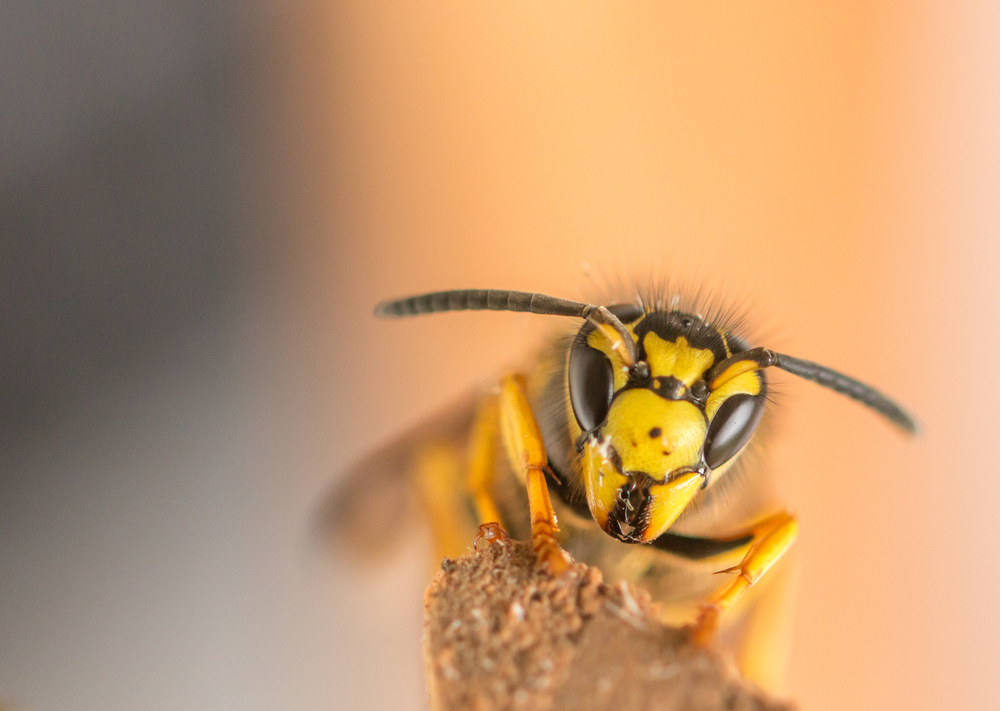
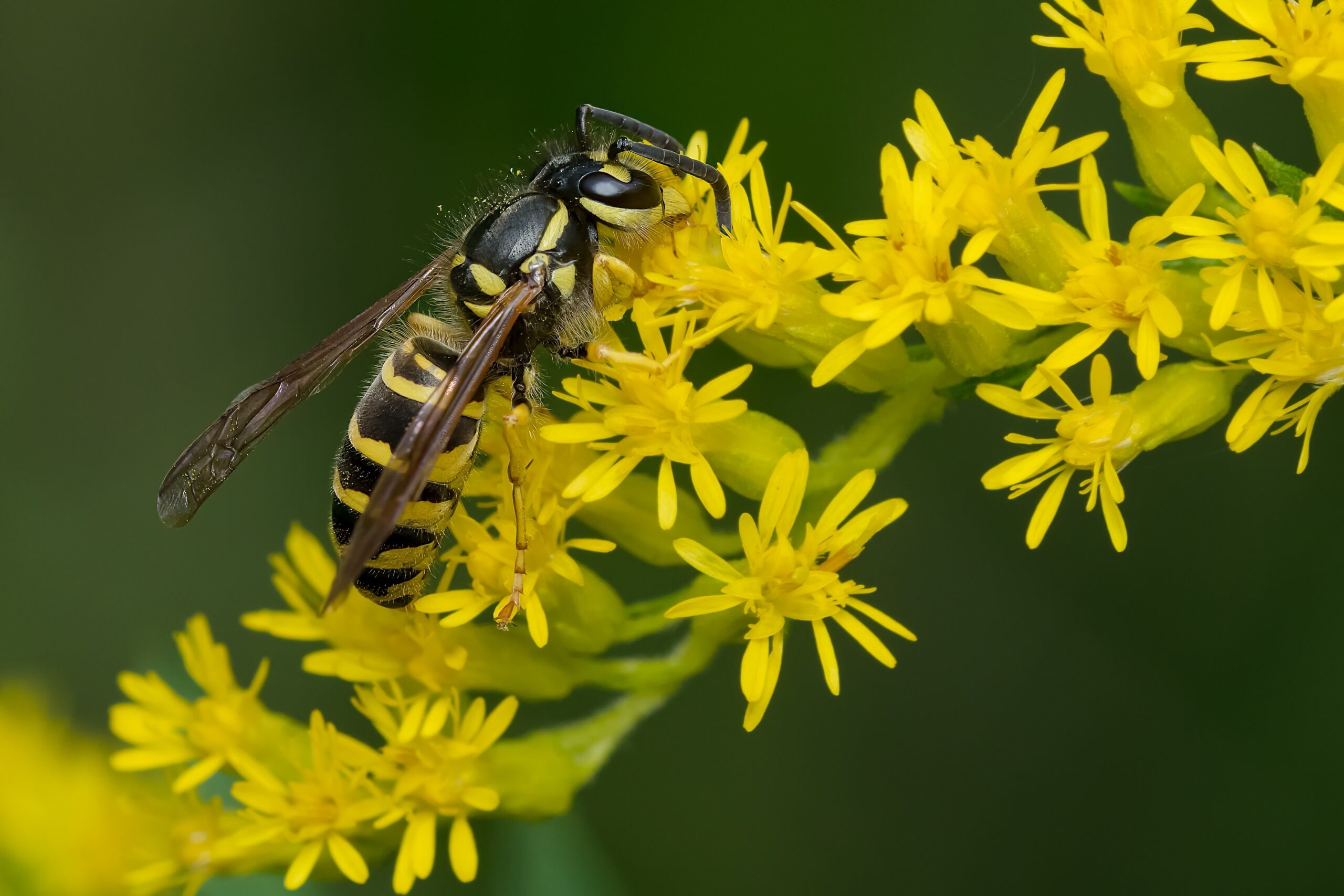
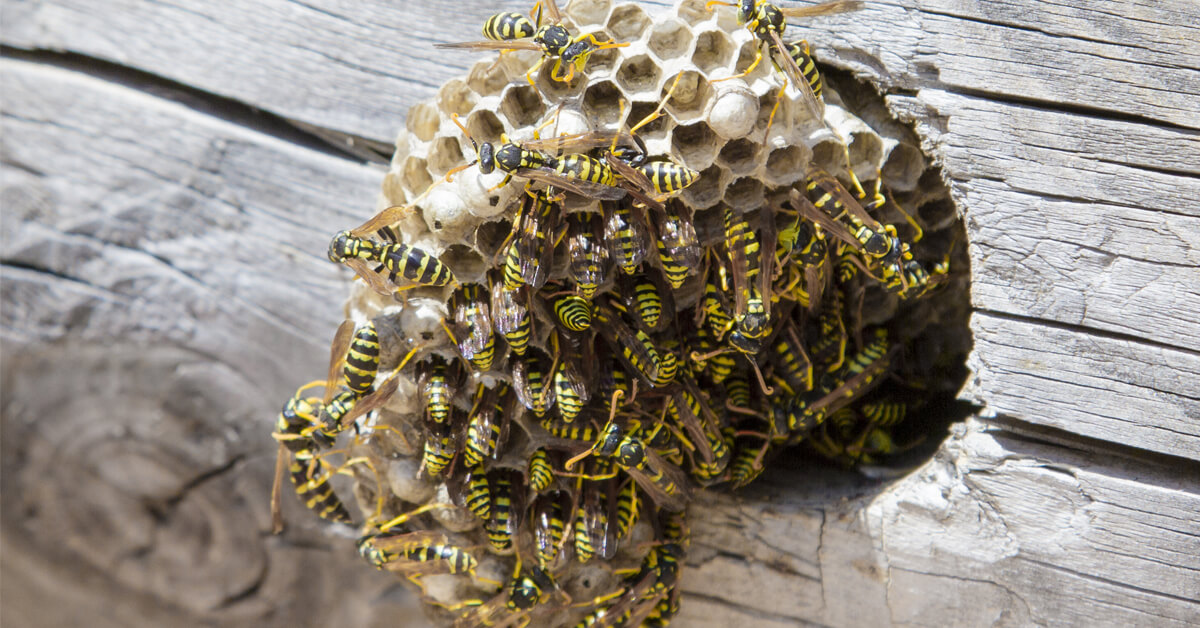
Yellow jackets are easily identified by their bright yellow and black bodies, narrow waists, hairless hind legs, six legs, large antennae, and size ranging from 3/8 to 5/8 of an inch. Their nests, often hidden, are constructed from chewed wood fiber that resembles paper mâché and have small entrances about the size of a nickel. Yellow jackets rarely travel more than a mile from their colonies, so frequent sightings likely mean a nest is nearby. They are attracted to food sources like grilling meats, sweets, open trash, and food residue, especially sugars, carbs, and proteins. It can be very tricky to get rid of Yellow Jackets given their aggressiveness and their tendency nest underground.
Hornets
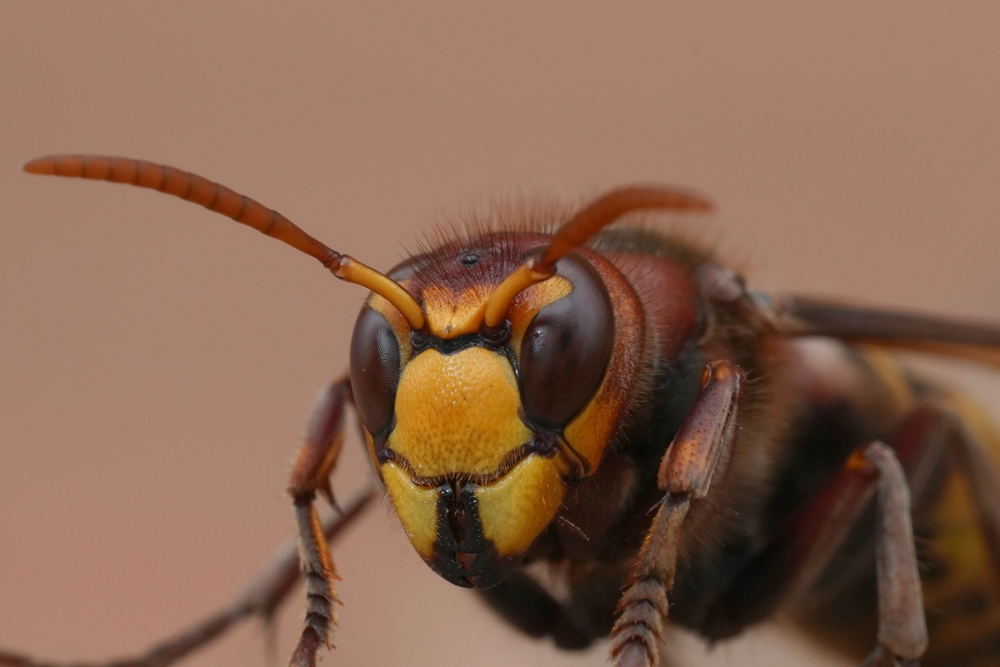
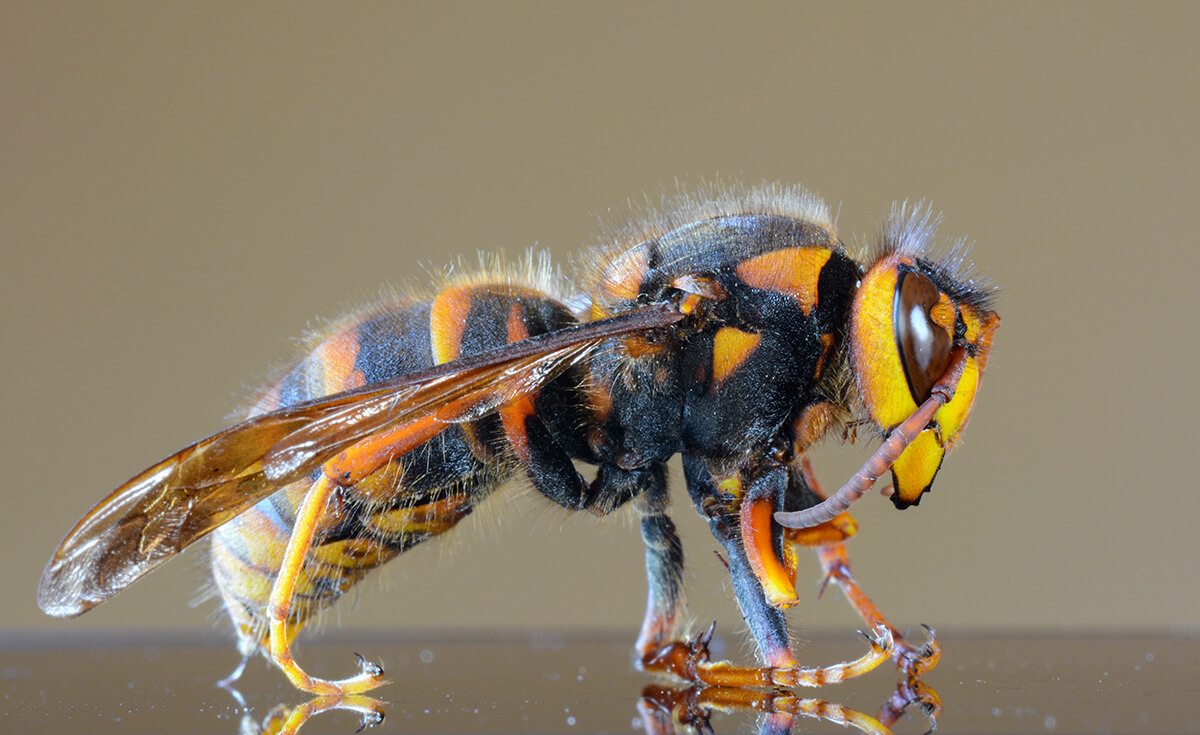
Hornets are often mistaken for bees or other wasps, but can be identified by their larger size, averaging 1.25 inches but growing over 2 inches long, and their rounder, plumper bodies with a pronounced abdomen and large head. Their coloring typically includes yellow-orange and black stripes, though some may appear more red or brown. Unlike bees, hornets can sting multiple times without losing their stinger, and their venom is more potent, making their stings especially painful. While generally less aggressive than other wasps, hornets will defend their nests if threatened.
Paper Wasps
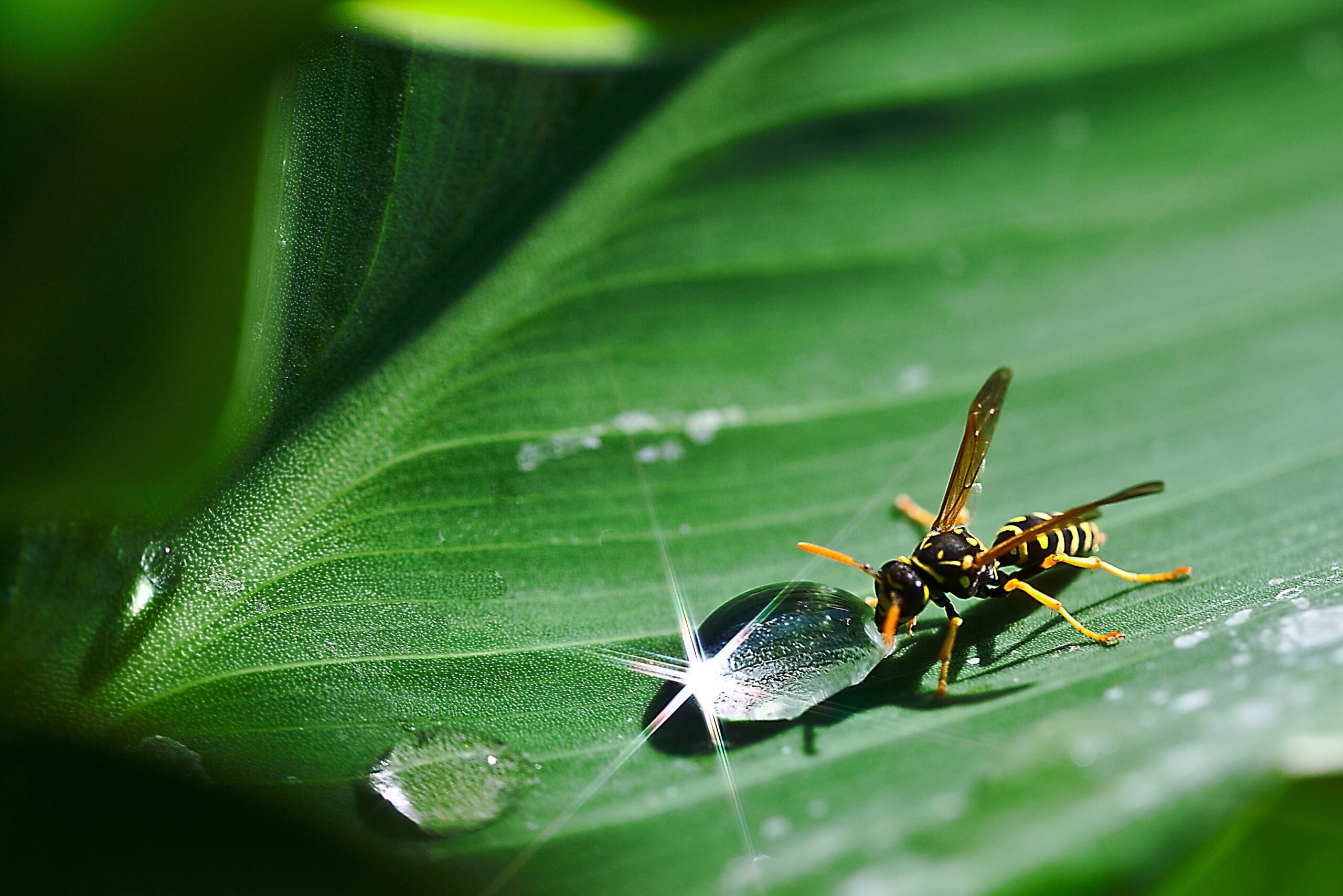
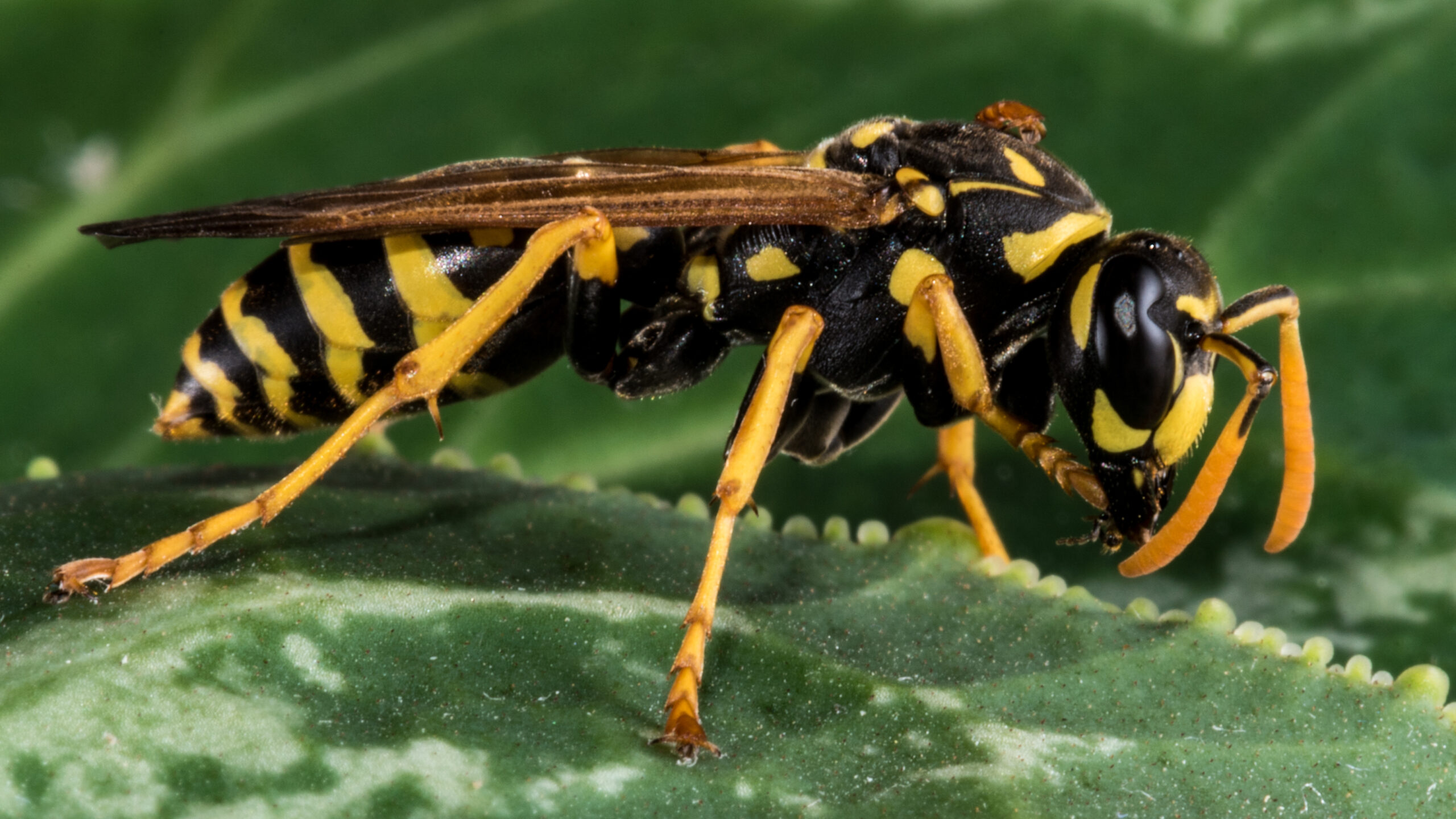
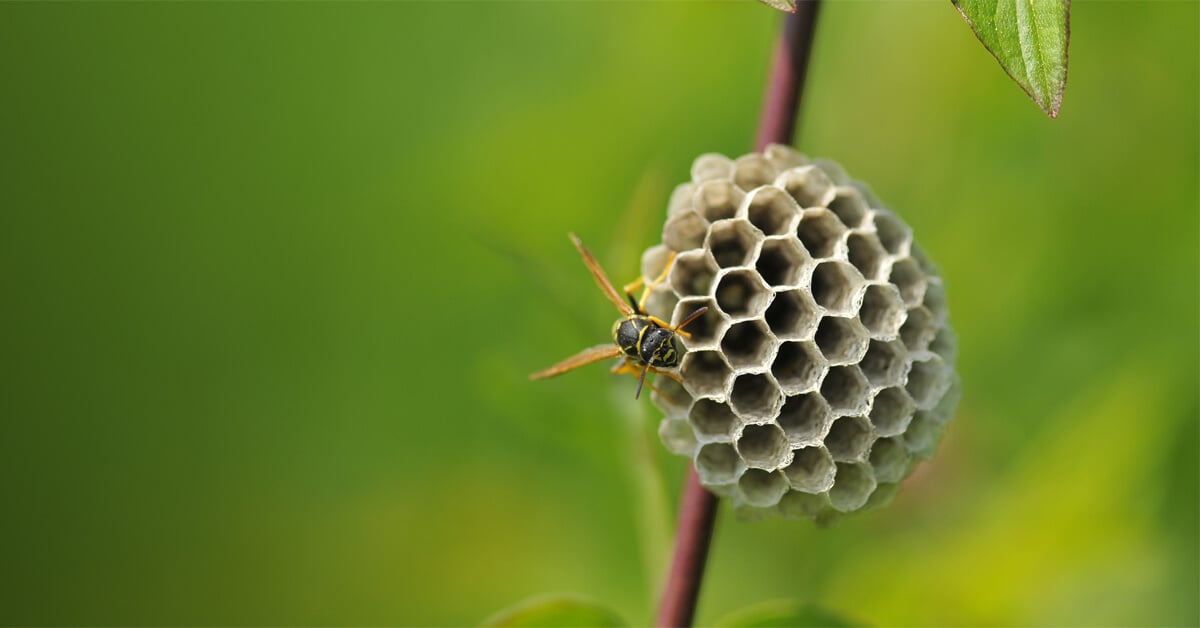
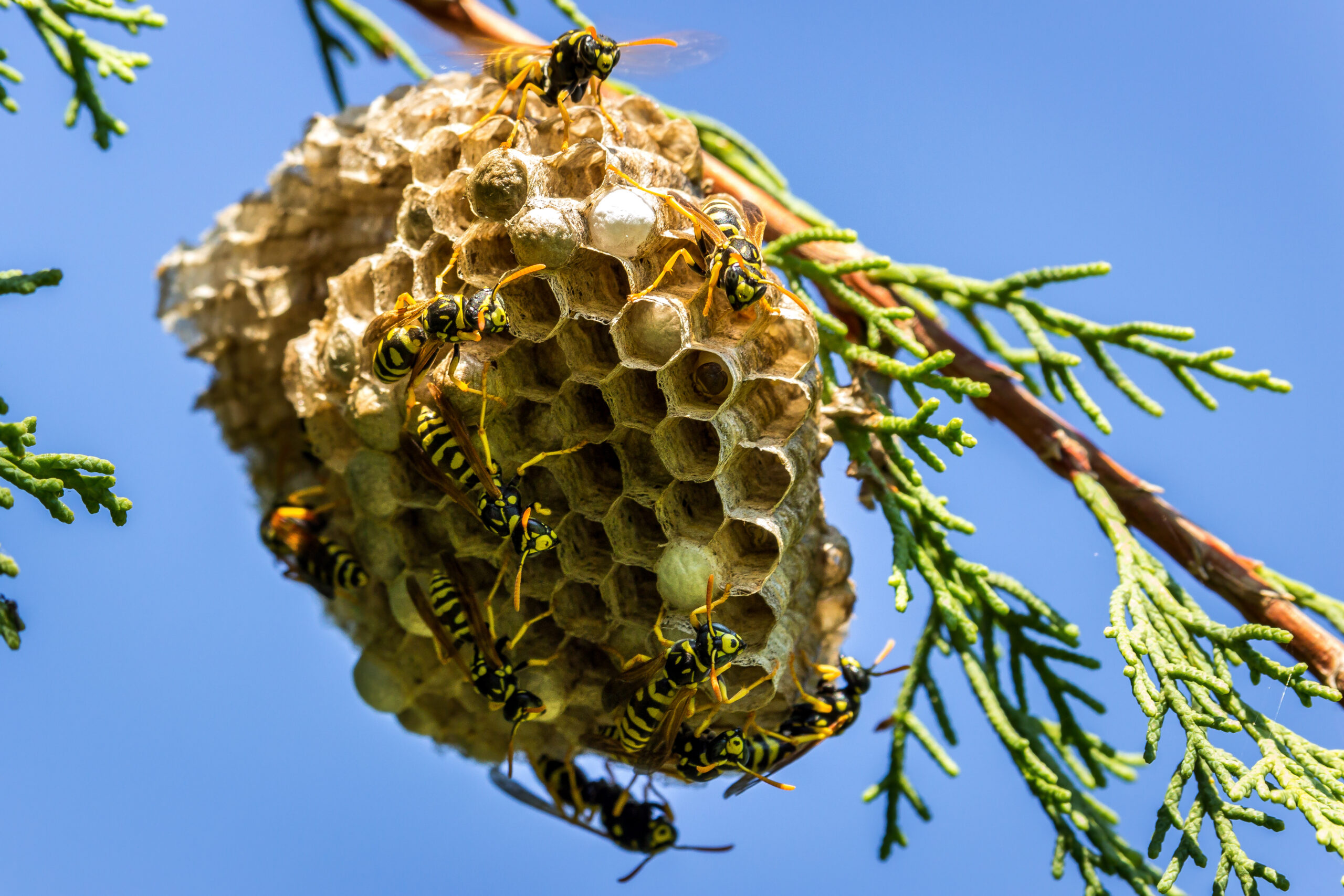
Paper wasps are commonly found building their distinctive open-comb nests under eaves and overhangs. They are brown with yellow or reddish markings and are more slender than bees. They are 5/8 of an inch to just shy of a full inch long. Paper wasp removal is not a task to be taken lightly. While typically less aggressive than yellow jackets, they will defend their nests if provoked.
Why DIY Removal is Dangerous
Attempting to remove stinging insects on your own is risky business. Disturbing a nest can lead to numerous painful stings, and for those allergic to bee, wasp, or hornet venom, the consequences can be severe — even life-threatening. Allergic reactions can include swelling of the throat, difficulty breathing, and anaphylaxis, all of which require immediate medical care.
Rather than risking your safety, let Viking Pest Control handle the job quickly and safely.
Why Choose Viking Pest Control for Stinging Insect Removal
When you work with Viking Pest Control, you’re partnering with a trusted team with decades of experience protecting homes and businesses across NJ, PA, DE, and MD’s Eastern Shore. We don’t just remove stinging insects; we eliminate the source and ensure your home remains protected against future infestations.
Our highly trained pest professionals use specialized equipment and proven techniques to safely remove active nests from your property, whether they’re tucked under your deck, inside a wall void, or high in a tree. With Viking, you can trust the job will be done right — safely, efficiently, and thoroughly.
Tips for Preventing Stinging Insects
While professional pest control is your best line of defense, here are some proactive steps you can take to reduce the likelihood of stinging pests setting up shop on your property:
Store sweet foods securely. Keep fruits, syrups, and sugary items sealed or refrigerated.
Maintain your yard. Regularly mow the lawn, trim overgrown trees, and remove yard debris like fallen leaves.
Strategically place flowers. Keep flowering plants and gardens a safe distance from your home’s entrances.
Check your home’s exterior. Ensure windows and doors are tightly sealed and screens are intact.
Properly manage trash. Store garbage in tightly lidded containers and keep compost piles covered.
Inspect regularly. Look for signs of nests under eaves, in shrubs, or even holes in the ground where wasps may burrow.
Don’t Let Stinging Insects Take Over Your Yard
If bees, wasps, or hornets have made your property their home, don’t try to tackle the problem yourself. Trust the experts at Viking Pest Control to remove the infestation safely and ensure your family and pets stay protected.
Call Viking Pest Control today or request a free estimate. We make pest control easy, so you can get back to enjoying your home — sting-free.
Wasp Nest Identification Guide
Nothing ruins an enjoyable summer day faster than annoying insects, especially wasps. These pests pose a particular threat as they are aggressive and capable of repeated stings. Stay safe outside by learning what to do if you find a nest on your property.
Types of Wasp Nests Found in PA, NJ, DE, and MD
If you notice a lot of wasps around your home or business, it's a safe bet that there's a nest nearby. Know what you are dealing with by familiarizing yourself with these common types of wasp nests found in the area:
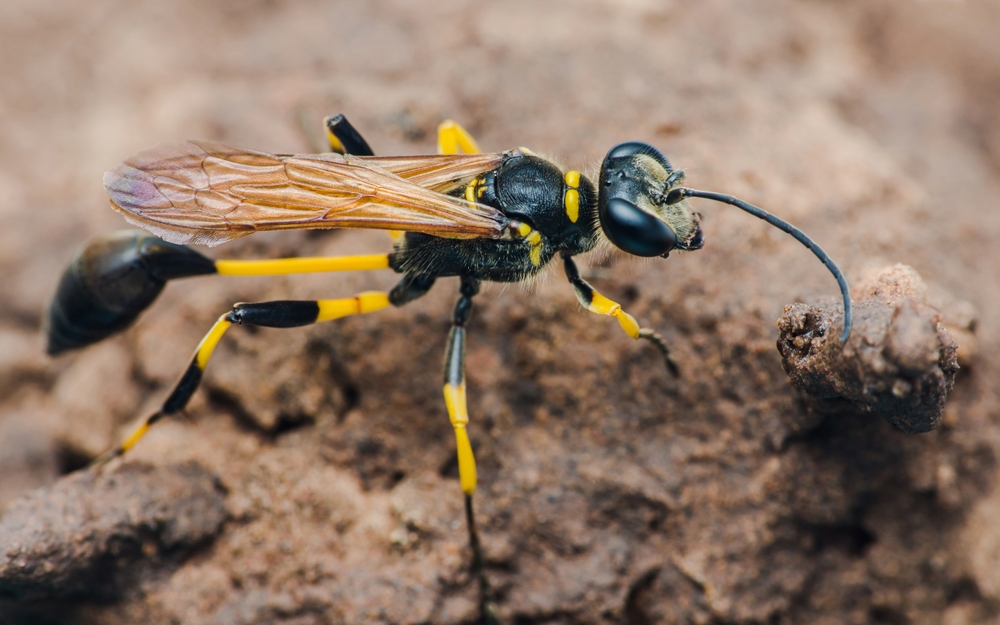
Mud Daubers: Mud daubers reach a size of ½ to 1 inch and don't normally attack humans. They have thin, black bodies with bright markings and a metallic sheen. A unique trait of mud daubers is their nest-building habits. Instead of building large nests together, each insect constructs a small nest out of mud or clay to house themselves and any offspring. The nests look like they are made out of mud pipes and you can often see the individual chambers that each hold an egg. You may find their nests on the sides of buildings.
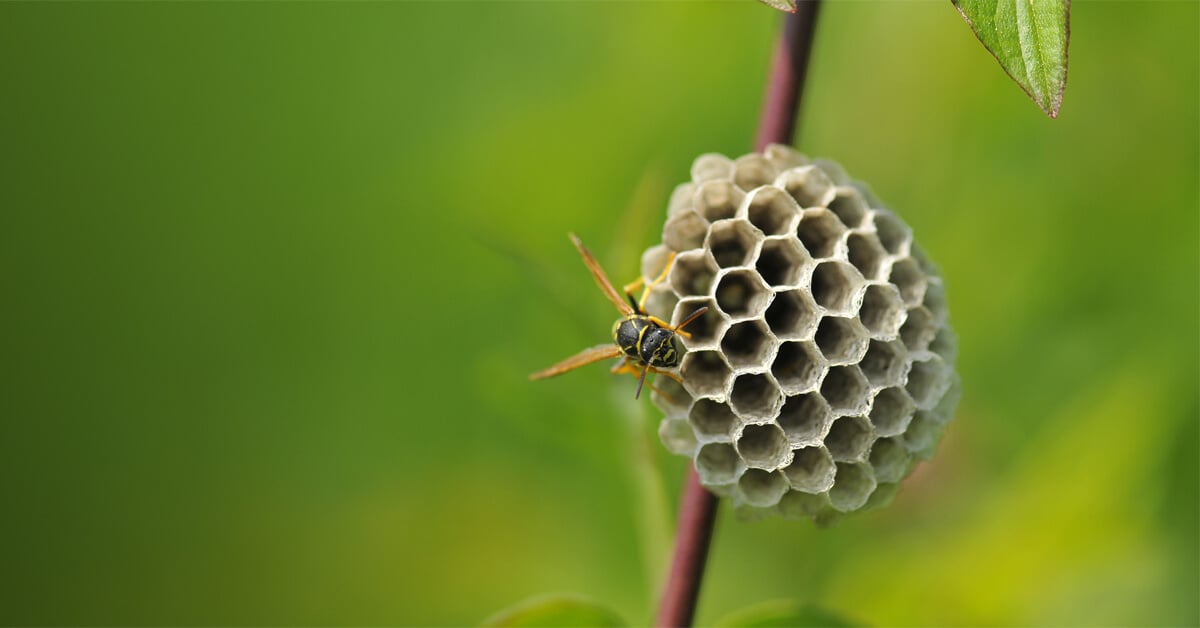
Paper Wasps: Growing to a size of ¾ to 1 inch, paper wasps are either dark brown or black and have antennae tipped with orange. They construct small nests out of grayish paper-like materials that form hexagon-shaped cells. They place them under the eaves of buildings, in rafters, or in trees and shrubs. This species is less aggressive than other wasps and typically only sting when threatened.
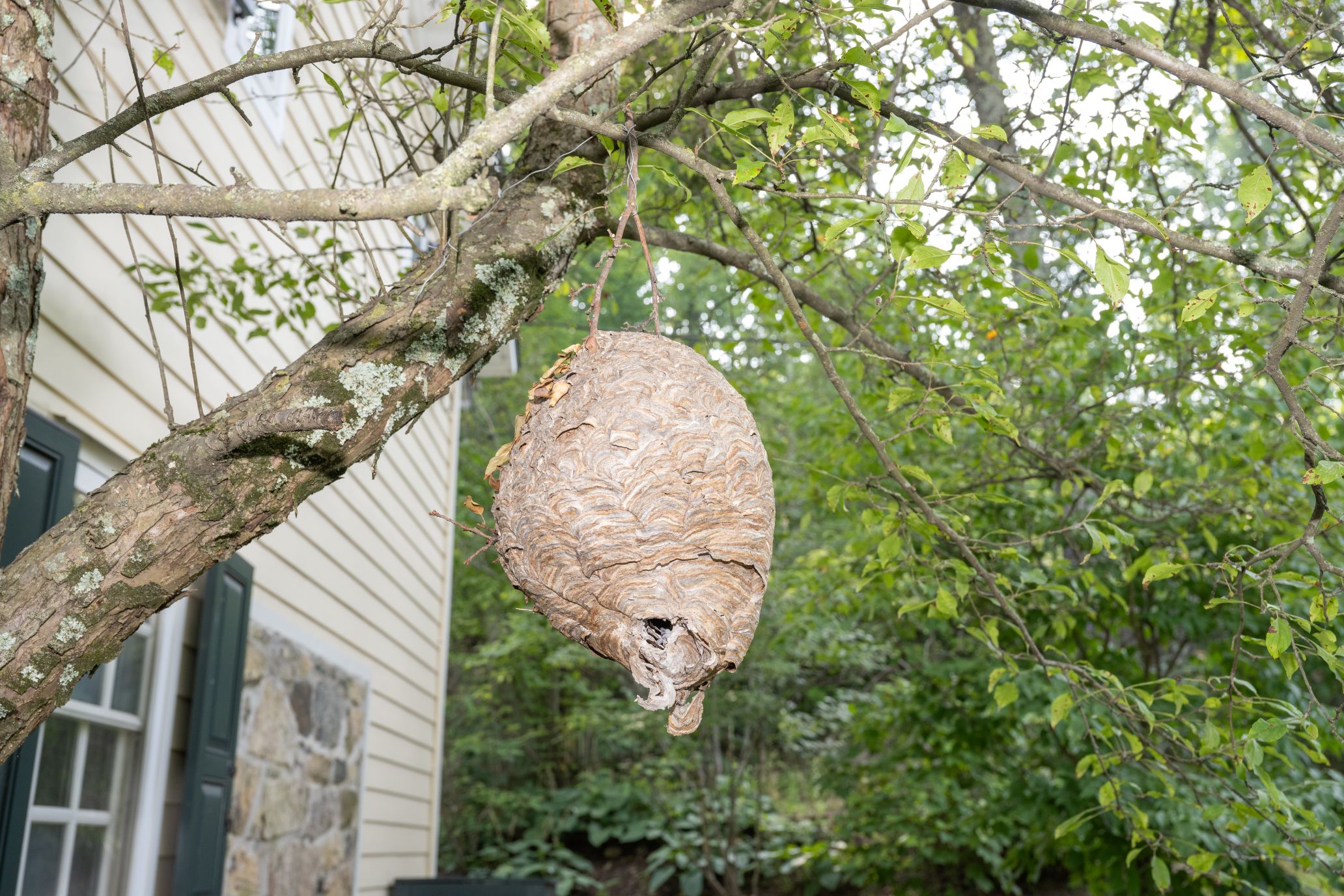
Yellow Jackets: These black and yellow wasps grow to about 1/2 inch. They build spherical nests that appear as though they are wrapped up in gray bandages, with a single hole located on the bottom. The nests can get as large as a basketball. Yellow jackets build their nests in high branches of trees and shrubs, inside the protection of structures, and even underground. They prefer hidden spaces, so stay alert. People discovering Yellow Jacket hives by stepping into them is surprisingly common. If you've seen yellow jackets in the area, tread carefully.
Hornets: These insects are a little larger than wasps, growing up to 2 inches. They have brown or black bodies with yellow-orange markings. Their hives are large, built using the pulp of chewed-up wood, and placed high off the ground. Hornets don't often sting unless they feel threatened, but they will swarm humans.
If you suspect there's a wasp nest nearby, you can often find it by observing the insects or inspecting your property.
What to Do If You Spot a Wasp Nest in Your Yard
The DIY approach to wasp nest removal is dangerous, so proceed with caution. If you choose to get rid of a wasp nest yourself, dress in layers of tightly woven fabric to protect yourself from stingers. Cover as much skin as possible, including wrapping a scarf or bandana over your face.
You can apply a spray treatment from afar to keep your distance while killing wasps. Another option is pouring boiling water on the nest to kill the wasps, but this can be dangerous. Whatever you choose, it's best to approach the nest at night and act quickly.
Get Professional Wasp Control from Viking Pest
There are numerous risks to treating wasp nests yourself. Some sprays can discolor roof tiles or siding. In some cases, wasp treatments have been known to melt vinyl siding. Getting stung is a more obvious risk. Unlike bees, wasps can sting repeatedly and some species of wasps are especially aggressive when protecting their nests. This is especially dangerous if you have an allergy. If you haven't been stung before, keep the possibility that you might be allergic in mind. It's important to note that professional pest control technicians where specialized bee suits to deal with stinging insects.
While it's possible to remove a wasp nest yourself, it's usually best to call a professional pest control expert, especially if you have a dangerous allergy to wasp stings. Viking Pest Control can handle all your wasp control needs safely and effectively, no matter what type of wasp you are dealing with. Schedule a free wasp control estimate today.
How to Get Rid of a Wasp Nest Safely
Nothing ruins time outside faster than discovering a wasp nest near your home. Whether they’re hovering around your deck, nesting under your roofline, or swarming near your yard, wasps can quickly become a serious safety concern for homeowners throughout New Jersey, Pennsylvania, Delaware, and the Eastern Shore of Maryland.
Unlike bees, wasps can sting repeatedly and often become aggressive when they feel threatened. Some species, especially yellow jackets and hornets, may even attack in swarms. Because of this, removing a wasp nest is not something homeowners should take lightly.
Before attempting DIY wasp removal, it’s important to understand the risks, how to identify the type of wasp you’re dealing with, and when it’s safest to call a professional.
Why Wasps Around Your Home Are Dangerous
While wasps do help control some insect populations, they become a major problem when they build nests close to people.
Wasps can:
Sting multiple times
Become aggressive when disturbed
Swarm to defend their nest
Trigger dangerous allergic reactions
Build nests inside walls, attics, soffits, and rooflines
During late summer and early fall, wasps become even more aggressive as food sources begin to disappear. This is when many homeowners first notice large numbers of wasps around trash cans, outdoor meals, gardens, and entryways.
Common Types of Wasps and Stinging Insects
Correctly identifying the insect is important because nesting habits and aggression levels vary significantly.
Yellow Jackets
Yellow jackets are among the most aggressive stinging insects homeowners encounter. They are black and yellow, about half an inch long, and often build nests:
Underground
Inside wall voids
Under decks
In shrubs
Around structures
Their colonies can become very large and highly defensive.
Paper Wasps
Paper wasps are slightly larger with long, slender bodies and orange-tipped antennae. They create umbrella-shaped paper nests commonly found:
Under eaves
Porch ceilings
Deck railings
Tree branches
They are generally less aggressive unless their nest is disturbed.
Hornets
Hornets are larger than typical wasps and build large hanging nests made from wood pulp. Their nests are commonly found:
In trees
On utility poles
Under rooflines
Near sheds or garages
Hornets can become extremely aggressive if approached.
Mud Daubers
Mud daubers are less aggressive solitary wasps that build small mud nests on walls, garages, sheds, and ceilings. While intimidating in appearance, they rarely sting unless handled directly.
Signs You May Have a Wasp Nest
Homeowners often discover wasp problems after noticing:
Increased wasp activity around the home
Buzzing sounds in walls or attics
Wasps entering and exiting small openings
Hanging paper nests
Underground insect traffic
Wasps gathering near trash cans or outdoor food
Observing flight patterns during the daytime can often help identify where the nest is located.
Why DIY Wasp Nest Removal Can Be Dangerous
Many homeowners attempt to remove nests themselves using store-bought sprays or homemade remedies. Unfortunately, this often leads to painful stings or larger infestations.
Some of the biggest DIY risks include:
Wasps swarming during treatment
Falls from ladders while spraying nests
Wasps entering the home through wall voids
Incomplete elimination of the colony
Exposure to pesticides
Harm to pets or children
Wasps also release alarm pheromones when threatened, which signals nearby colony members to attack.
Even at night, when wasps are less active, disturbing a nest can trigger an aggressive response within seconds.
How to Help Prevent Wasps Around Your Home
While prevention cannot guarantee wasps stay away entirely, it can greatly reduce the chances of nesting near your home.
Seal Entry Points
Inspect your home for:
Cracks and gaps
Open soffits
Damaged siding
Gaps around roofing
Openings near vents and utility lines
Wasps can squeeze into surprisingly small spaces.
Eliminate Food Sources
Wasps are attracted to both proteins and sugary foods depending on the season.
To reduce attraction:
Keep trash cans sealed tightly
Clean outdoor eating areas promptly
Pick up fallen fruit
Avoid leaving pet food outside
Cover drinks during outdoor gatherings
Maintain Your Yard
Reduce nesting opportunities by:
Filling ground holes
Trimming shrubs and tree branches
Removing yard debris
Inspecting sheds and playsets regularly
Use Wasp-Repelling Plants
Certain plants may help discourage wasps near patios and entryways, including:
Citronella
Spearmint
Thyme
Eucalyptus
Wormwood
Should You Remove a Wasp Nest Yourself?
Small, easily accessible nests may sometimes be removed safely with proper protective equipment and extreme caution. However, homeowners should never attempt DIY removal if:
The nest is large
The nest is inside walls or attics
You are allergic to stings
The nest is difficult to access
The insects appear highly aggressive
Children or pets are nearby
Professional pest control technicians use specialized protective equipment, treatment methods, and safety procedures designed to eliminate wasp colonies effectively and safely.
Professional Wasp Control in NJ, PA, DE, and MD
If wasps are nesting around your home, don’t put yourself at risk trying to handle the problem alone. Viking Pest Control provides safe, professional wasp and stinging insect control throughout New Jersey, Pennsylvania, Delaware, and the Eastern Shore of Maryland.
Our trained technicians can identify the species, locate hidden nests, safely eliminate active colonies, and help prevent future infestations around your property.
Call Viking at 800-618-2847 to learn more about wasp pest control and extermination services, or get a fast, free quote online today!
Tips to Avoid Stinging Insects This Summer
Summer in New Jersey brings longer days, warmer weather, and more time outdoors—but it also means an increase in stinging insects. Bees, wasps, hornets, and yellow jackets become highly active during this season, making backyard activities, barbecues, and outdoor gatherings more difficult and sometimes dangerous.
While there are steps homeowners can take to reduce stinging insect activity around their property, heavy infestations should always be handled by a professional pest control company.
Common Stinging Insects Found in New Jersey
Many people refer to all stinging insects as “bees,” but several different species are commonly found around homes in the Northeast.
These include:
Bumble bees
Honey bees
Wasps
Hornets
Yellow jackets
Carpenter bees
Some of these insects are beneficial pollinators, while others are more aggressive and territorial. Because of this, correctly identifying the species is important before attempting any removal. Misidentification can lead to unnecessary harm to beneficial insects—or dangerous encounters with aggressive stinging insects.
How to Prevent Stinging Insects Around Your Home
Reducing stinging insect activity starts with making your property less attractive to them. These insects are constantly searching for food, water, and safe nesting sites.
Keep Food and Trash Secure
Stinging insects are strongly attracted to food sources, especially meats and sugary substances. To reduce activity:
Keep trash cans tightly sealed
Clean up outdoor food and spills quickly
Avoid leaving food uncovered during outdoor gatherings
Remove rotting fruit, garden waste, or debris from your yard
Eliminate Standing Water
Stinging insects need water to survive. Check your property regularly for:
Standing water in buckets or containers
Clogged gutters or poor drainage areas
Bird baths or pet water bowls left outside
Reduce Attractive Scents and Colors
Certain scents and visuals can attract stinging insects:
Avoid wearing perfumes or scented lotions outdoors
Skip bright, floral-patterned clothing when possible
Use caution with sweet-smelling products during outdoor activities
Stay Aware Outdoors
Awareness is key when spending time outside:
Watch for ground nests, especially yellow jackets
Avoid swatting or sudden movements near stinging insects
Be cautious when mowing lawns or working near brush or wood piles
How to Prevent Yellow Jacket Nests
Yellow jackets are one of the most aggressive stinging insects during summer months. They often build nests underground or in hidden voids, making them difficult to detect.
To help prevent nests:
Inspect your yard regularly for holes or ground activity
Seal cracks and gaps in siding, foundations, and eaves
Check vents, chimneys, and utility entry points
Keep grass trimmed and landscaping well maintained
Avoid disturbing potential nesting areas
Even small vibrations—like mowing the lawn—can trigger defensive behavior if a nest is nearby.
Professional Stinging Insect Removal
When stinging insects establish a nest on your property, DIY removal is risky and often ineffective. Disturbing a nest can trigger aggressive swarming behavior and increase the risk of multiple stings.
A professional pest control company can:
Identify the type of stinging insect
Locate hidden nests
Safely remove active colonies
Provide preventative treatments to reduce future activity
Offer long-term inspection and maintenance plans
Professional inspection also helps identify conditions around your home that may be attracting stinging insects in the first place.
First Aid for Stings and Bites
Even with precautions, stings can still happen. Most reactions are mild, but proper care can help reduce discomfort and prevent complications.
If you are stung:
Remove any visible stinger if present
Wash the area with soap and water
Apply a cold compress to reduce swelling
Use hydrocortisone cream or calamine lotion for itching
Take an antihistamine if needed for allergic response
Seek medical attention if symptoms worsen or an infection develops
In cases of severe allergic reactions, immediate medical attention is required.
Protecting Your Home From Stinging Insects with Viking Pest Control
Stinging insects are more than a seasonal nuisance—they can pose a serious risk to families, especially for those with allergies. Preventative maintenance and professional pest control are the most effective ways to reduce the risk of infestations.
Regular inspections and proactive treatments help ensure your home remains safe, comfortable, and pest-free throughout the summer season. Contact Viking today!
Stinging Insects in the Fall: Why They Become More Aggressive and How to Stay Safe
As summer winds down in New Jersey, Pennsylvania, Delaware, and the Eastern Shore of Maryland, stinging insects don’t disappear—they often become more noticeable and more aggressive. Yellow jackets, hornets, and wasps are especially active in late summer and fall, which increases the risk of painful stings during everyday outdoor activities like yardwork, grilling, or even walking through your own property.
Understanding why this happens—and how to prevent encounters—can make a big difference in keeping your home and family safe during peak stinging insect season.
Why Stinging Insects Become More Aggressive in the Fall
Stinging insects such as yellow jackets and hornets follow a seasonal lifecycle. During spring and early summer, colonies are focused on growth. The queen builds the nest, and workers spend most of their time collecting protein-rich food to feed developing larvae.
During this stage, they are less likely to interact with people unless provoked.
By late summer and fall, however, the colony changes:
Larvae production slows down or stops
Worker insects are no longer focused on feeding young
Natural food sources become scarcer
Adults begin searching aggressively for sugar-based energy sources
This shift leads them directly toward human activity—especially outdoor food, drinks, trash, and anything sweet.
Why Fall Outdoor Activities Increase Risk
Stinging insects are drawn to areas where food and sugary substances are present. That’s why late-season picnics, barbecues, and outdoor gatherings often attract them.
They are especially sensitive to:
Open food and drink containers
Sugary spills (soda, juice, desserts)
Garbage and recycling bins
Fallen fruit and yard debris
Once one insect finds a food source, others quickly follow. If a nest is nearby, disturbing the area can trigger a defensive swarm.
Hidden Nests Make Fall Chores Risky
One of the biggest dangers in the fall is accidentally disturbing a nest while doing routine yardwork.
Common nest locations include:
Under eaves and rooflines
Inside wall voids or soffits
Underground burrows (especially yellow jackets)
Wood piles or stacked debris
Dense shrubs or landscaping
Activities like mowing the lawn, trimming bushes, cleaning gutters, or stacking firewood can unknowingly disturb these nests.
When this happens, stinging insects release alarm pheromones, which can trigger a rapid, aggressive swarm response.
Why Stings Can Be Dangerous
Most stinging insect encounters result in pain, swelling, and irritation—but for some individuals, the risk is much higher.
Stings can lead to severe allergic reactions, including anaphylactic shock, which may cause:
Swelling of the throat or tongue
Difficulty breathing
Rapid drop in blood pressure
Life-threatening complications if not treated immediately
Because of this risk, fall stinging insect activity should always be taken seriously—especially if nests are suspected near living or work areas.
How to Reduce Stinging Insect Activity Around Your Home
While you can’t eliminate all risk, you can make your property significantly less attractive to stinging insects:
Seal cracks, gaps, and openings in exterior walls
Repair or screen soffits, vents, and eaves
Install tight-fitting chimney caps
Keep trash cans tightly closed
Clean up food spills immediately outdoors
Avoid leaving sugary drinks or food uncovered
Inspect yard areas before mowing or trimming
These steps reduce nesting opportunities and food access, which helps discourage colonies from establishing near your home.
Why DIY Removal Is Risky
Attempting to remove a nest without proper equipment or training can be dangerous. Disturbing a colony often results in:
Multiple stings at once
Full swarm activation
Increased aggression toward perceived threats
This is especially true for yellow jackets, which are known to be highly defensive and can sting repeatedly.
When to Call a Professional
If you suspect a nest on your property or notice increased stinging insect activity, professional removal is the safest option. Experts can identify nest locations, treat infestations safely, and reduce the chance of recurrence.
For homeowners in the region, Viking Pest Control provides stinging insect control services designed to safely eliminate nests and reduce the risks associated with late-season activity.
Their trained technicians are equipped to handle hornets, yellow jackets, and wasps in hard-to-reach or high-risk areas, helping homeowners avoid dangerous DIY encounters.
Stay Ahead of Fall Stinging Insects with Viking Pest Control
Fall stinging insect activity is not random—it’s the result of seasonal changes in colony behavior and food availability. That’s why this time of year often brings more aggressive encounters, especially during outdoor chores and gatherings.
With proper prevention and prompt professional support when needed, you can significantly reduce your risk and keep your property safer throughout the season.
Why You Should Call Professionals for Stinging Insect Control
Stinging insects like yellow jackets, wasps, hornets, bumblebees, and carpenter bees are more than just a nuisance during warmer months in New Jersey, Pennsylvania, Delaware, and the Eastern Shore of Maryland. They can quickly turn a normal day in your yard into a stressful—and potentially dangerous—situation, especially when nests are nearby.
While some stinging insects are relatively docile, others become highly aggressive when threatened. Attempting to deal with them on your own can easily escalate the situation and increase the risk of multiple stings.
This is why pest control professionals strongly recommend addressing infestations early and properly, before they become a serious hazard.
Common Stinging Insects You May Encounter
Yellow jackets and wasps are among the most aggressive stinging insects homeowners deal with. They are extremely territorial and will defend their nests aggressively, often stinging multiple times. They are also highly attracted to sugary drinks and food, which makes outdoor gatherings, barbecues, and pool days especially risky. A single misplaced sip from an open can or cup can quickly turn into a sting incident.
Their nests are typically made of a paper-like material and can be found in trees, shrubs, wall voids, eaves, and other sheltered outdoor areas.
Bumblebees are generally less aggressive, but they will sting if their nest is disturbed or they feel threatened. Unlike honeybees, they can sting more than once, making accidental encounters painful and unpredictable. Their nests are often located in the ground, under decks, or in protected cavities.
Bald-faced hornets are among the most defensive stinging insects. Their nests can grow large and are often suspended in trees or attached to structures. These insects will respond quickly and aggressively if their nest is approached, sometimes swarming in large numbers.
Carpenter bees may appear intimidating as they hover around wood structures, decks, and eaves. While males cannot sting, they can be persistent and territorial, and females can sting if handled or provoked. Their real threat is structural damage, as they bore tunnels into untreated or unpainted wood, weakening it over time.
Why DIY Stinging Insect Removal Is Risky
Many homeowners consider handling nests themselves, but this often leads to dangerous outcomes. Stinging insects react quickly to disturbances, and even a small disruption can trigger a swarm response. This can result in multiple stings in seconds, especially with yellow jackets and hornets.
Over-the-counter sprays may not reach the nest effectively, and incomplete treatment can make the colony more defensive and harder to control later. In addition, misidentifying the insect can lead to destroying beneficial pollinators like honeybees, which should be relocated—not eliminated.
The reality is simple: once a nest is active, especially in high-traffic areas, DIY removal is rarely worth the risk.
Signs You May Have a Stinging Insect Problem
You may be dealing with a nest if you notice:
Increased insect activity in one specific area of your yard
Repeated flying patterns in and out of the same hole, crack, or structure
Buzzing sounds near eaves, decks, or sheds
Visible paper-like nests in trees, shrubs, or building overhangs
Wood damage or small holes (common with carpenter bees)
If any of these signs are present, it’s best not to investigate closely—especially during peak activity hours.
How Professionals Handle Stinging Insects Safely
Professional pest control technicians are trained to:
Identify the exact species involved
Locate hidden nests in walls, ground areas, and structures
Apply targeted treatments designed for complete elimination
Reduce the chance of reinfestation
Safely remove or neutralize nests without putting homeowners at risk
This approach is significantly safer and more effective than DIY methods, especially for aggressive species like yellow jackets and hornets.
Protect Your Home and Yard Before the Problem Escalates
Stinging insect activity tends to increase through late summer and fall as colonies grow and food sources become more competitive. That means nests that seem “manageable” early in the season can quickly become much more aggressive and dangerous.
If you suspect stinging insects around your home, delaying treatment often makes the problem worse—not better.
The Viking Pest Control Advantage
When stinging insects take over your yard, the safest move is to bring in experienced professionals who know how to handle them correctly the first time. Viking Pest Control provides targeted stinging insect control designed to eliminate nests safely and help prevent them from returning.
Instead of risking painful stings or incomplete DIY treatments, homeowners can rely on trained technicians who understand where these insects hide, how they behave, and how to remove them effectively.
If you’re dealing with yellow jackets, hornets, wasps, or carpenter bees, Viking Pest Control can help restore your outdoor space so you can actually enjoy your yard again—without constantly watching the air or avoiding certain areas.
To learn more or schedule service, visit Viking Pest Control or call 800-618-2847.
Why You Should Be Concerned with Common Fall Pests
We’ve been getting a lot of phone calls lately regarding the fall pests that are common in New Jersey, Pennsylvania, Delaware and the Eastern Shore of Maryland. People are seeing carpenter ants inside their homes, stinging insects on their property and rats and mice in their kitchens. Customers are regularly asking us what they can do to prevent these pests from arriving in the first place; our Home Protection Plans can help you with that! But now we’d like to discuss why these pests can be a problem for your NJ, PA, MD, or DE home and why you should be concerned when they choose your home to inhabit.
Carpenter Ants
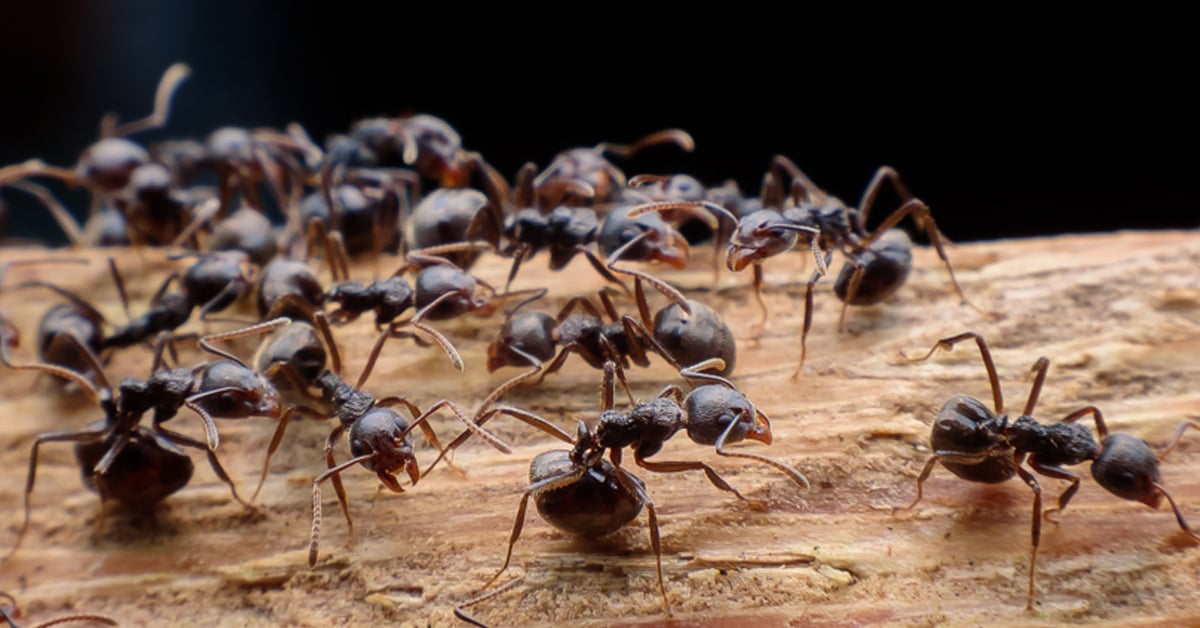
Carpenter ants are known for entering weather or water damaged wood and nesting in the structural timber. They bore little holes into wood surfaces, creating galleries and nests inside the wooden beam. From here they will venture into your home to forage for food; not only will they be crawling throughout your home, but they can cause the structure of your home to become weakened. Carpenter ants along with other wood-destroying pests like termites can result in expensive repairs, so they are houseguests that need to be evicted immediately! Contact us for more information on our carpenter ant control and termite extermination for your NJ, PA, MD, or DE home.
Mice
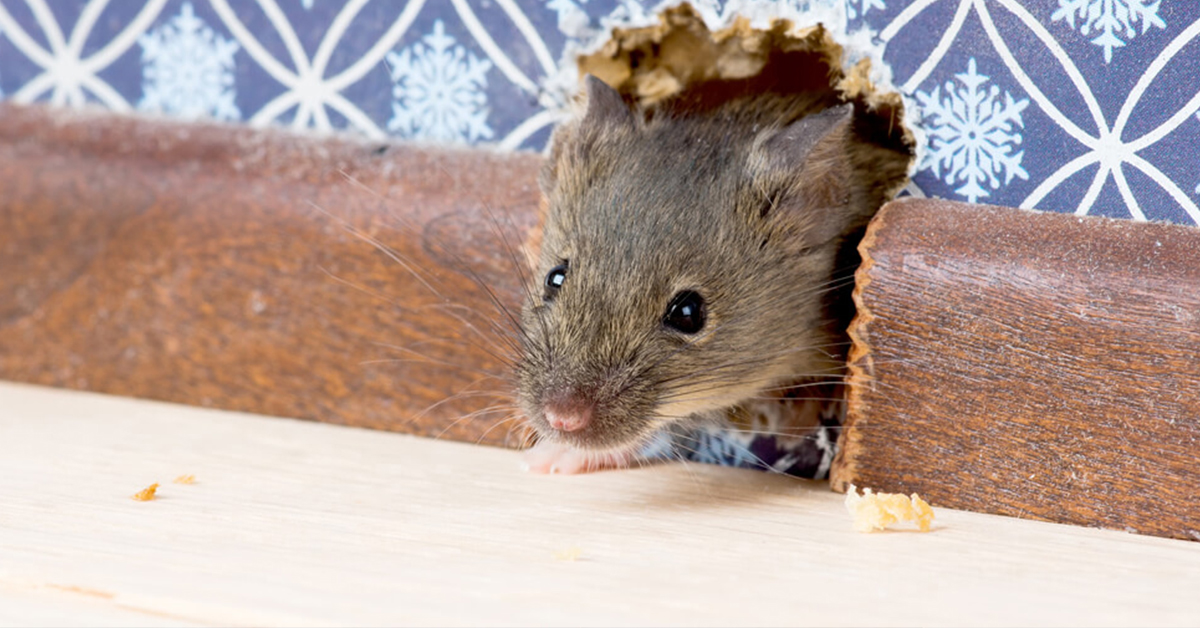
A mouse infestation is a potential problem for homeowners for many reasons. These pests are looking to find a protected place to spend the winter. They will find any hole in the exterior of your home to enter and once inside, they will search for a safe place to build a nest. They may look for cluttered and undisturbed areas, including basements, attics and even closets. If mice can get into the walls in your home, they will chew up insulation to help make their nest, sometimes chewing through electrical wires, which can be the cause of house fires. Rodents will contaminate your food supply, spread diseases with their feces and destroy your belongings to create nests if they choose your home to spend the winter.
Stinging Insects
Stinging insects are especially active at this time of year because their populations are at their peak and you will see more of them out, foraging for food. When stinging insects like bees, yellow jackets and paper wasps build their nests on your property, along the exterior of your home, or even inside wall voids in your home, they can become a serious problem. Yellow jackets are known for being especially aggressive and have the ability to sting repeatedly. Any kind of stinging insect nest built inside your home can damage walls, insulation and can be an expensive problem to fix.
Contact Viking for Fall Pest Control Done By Professionals
As you can see, having these pests inside your home is less than ideal! If you are looking for effective home pest control, NJ, PA, MD, and DE residents recommend Viking Pest Control. Our local certified technicians offer exceptional service to help eliminate the pest problem that is present and prevent it from occurring in the future. For more information on our Home Protection Plans, please contact Viking Pest Control today!
Call Viking at 800-618-2847 to learn more about fall pest control and extermination services, or get a fast, free quote online today!
Yellow Jackets Around Your Home: What NJ, PA, MD, and DE Residents Should Know
Yellow jackets are one of the most aggressive stinging insects commonly encountered during late summer and fall across New Jersey, Pennsylvania, Delaware, and the Eastern Shore of Maryland. Pest control professionals regularly report increased activity during this time of year as colonies grow larger and insects begin searching for food sources near homes and businesses.
Because of their defensive behavior and ability to sting repeatedly, yellow jackets can pose a serious safety concern when they build nests close to human activity.
What Are Yellow Jackets?
Yellow jackets are a type of social wasp known for their black-and-yellow coloring and highly protective colony behavior. Unlike bees, yellow jackets are more aggressive and are capable of stinging multiple times without dying.
They are often mistaken for honeybees, but key differences include:
A slimmer, more defined waist
Brighter, more vivid coloration
Increased aggression when disturbed
Yellow jackets are also less active at night, but nests remain a hazard even when activity appears reduced.
Where Yellow Jackets Build Nests
Yellow jackets commonly build nests in concealed or hard-to-see areas, including:
Underground burrows
Wall voids in homes or structures
Tree stumps or decaying wood
Dense landscaping or overgrown yard areas
Because many nests are hidden, people often discover them accidentally—frequently by stepping near or disturbing the nest entrance.
Why Yellow Jackets Are Dangerous
Yellow jackets are considered one of the more hazardous stinging insects due to several factors:
They can sting repeatedly without losing their stinger
They are highly defensive around their nest
A single disturbance can trigger a coordinated swarm response
Their stings can cause severe allergic reactions in some individuals
When a yellow jacket stings, it can also release chemical signals that alert other members of the colony, increasing the likelihood of multiple stings in a short period of time.
In some cases, reactions to stings can be serious enough to require emergency medical attention.
Why DIY Yellow Jacket Nest Removal Is Risky
A common mistake homeowners make is attempting to eliminate yellow jacket nests using store-bought sprays. While this may seem like a quick solution, it often makes the situation worse.
Sprays typically only affect insects they directly contact, leaving much of the colony untouched. As a result:
Yellow jackets may become more aggressive
Insects inside the nest may disperse into walls or nearby structures
Activity can increase around entry points of the home
The risk of stings to people and pets rises significantly
Disturbing a nest without proper treatment methods can quickly turn a localized problem into a widespread infestation around your home.
What Attracts Yellow Jackets to Your Property
Several environmental factors can make a property more attractive to yellow jackets, including:
Open trash cans or food waste
Standing water sources
Overgrown vegetation
Tree stumps or decaying wood
High concentrations of flowering plants
Cluttered outdoor spaces
Managing these conditions can help reduce activity, but it does not eliminate an existing nest.
How to Reduce Yellow Jacket Activity
While prevention alone cannot remove established colonies, homeowners can reduce attractants by:
Keeping garbage tightly sealed and away from the home
Removing standing water in yard areas
Trimming grass and overgrowth regularly
Clearing dead trees, stumps, or decaying wood
Reducing clutter in outdoor spaces
These steps may make your property less appealing, but nests still require professional treatment once established.
Professional Yellow Jacket Control
Because of the risks involved, yellow jacket nests are best handled by trained pest control professionals. Proper treatment requires identifying the nest location and applying methods designed to eliminate the colony safely and effectively.
At Viking Pest Control, trained technicians handle yellow jacket and other stinging insect infestations throughout New Jersey, Pennsylvania, Delaware, and the Eastern Shore of Maryland. With decades of experience, professional treatment helps reduce risk to homeowners while effectively removing the nest.
If you suspect yellow jacket activity near your home or business, prompt action is important to prevent the colony from expanding further.
Contact Viking Pest Control
If you have noticed increased yellow jacket activity or suspect a nest on your property, contact Viking Pest Control for professional inspection and treatment.
Call Viking at 800-618-2847 to learn more about pest control and extermination services, or get a fast, free quote online today!
Summer Pest Proofing Tips
With the change in seasons comes a change in pests that may be found inside and outside of your home. Each summer brings a whole new array of pests for New Jersey, Pennsylvania, Delaware and Eastern Shore of Maryland homeowners for which they need to be on the lookout. A few of the common summer invaders are fleas, ticks, and stinging insects among many others. To help prevent your home and property from unnecessary pest problems this summer, it is important to learn these summer pest proofing tips for the inside and outside of your home.
Inside pest proofing:
Check all windows to make sure they have screens intact that fit securely with no holes or tears.
Wipe up spills and crumbs in the kitchen as soon as they happen.
Keep all open food stored in containers with tight fitting lids.
Take out the trash regularly and keep it stored in bins with lids that secure closed.
Vacuum regularly to avoid the spread of fleas. This goes for pet and non-pet owners.
Check yourself for ticks as soon as you get back inside after being in an area with tall grass or deep woods. Click here for steps on how to check yourself for ticks.
Outside pest proofing:
Cut back bushes and shrubs so they do not touch the side of your home.
Remove all debris from your yard, especially any wood that is present so that carpenter ants and termites stay away.
Redirect water to flow away from your property to avoid moist conditions which may attract many pests.
Remove any stagnant water which is the breeding grounds for mosquitoes.
Mow your lawn regularly to avoid ticks from hiding in the grass and waiting to hop onto humans or pets.
By following these summer pest proofing tips you should be well on your way to a pest-free summer season in NJ, PA, MD, and DE. But if the summer pests have found their way onto your property or inside of your home, then it is time to contact Viking Pest Control. The NJ, PA, MD, and DE experts in pest control will be able to put a stop to summer pest invaders with guaranteed effective home pest solutions.
Call Viking at 800-618-2847 to learn more about summer pest control and extermination services, or get a fast, free quote online today!