
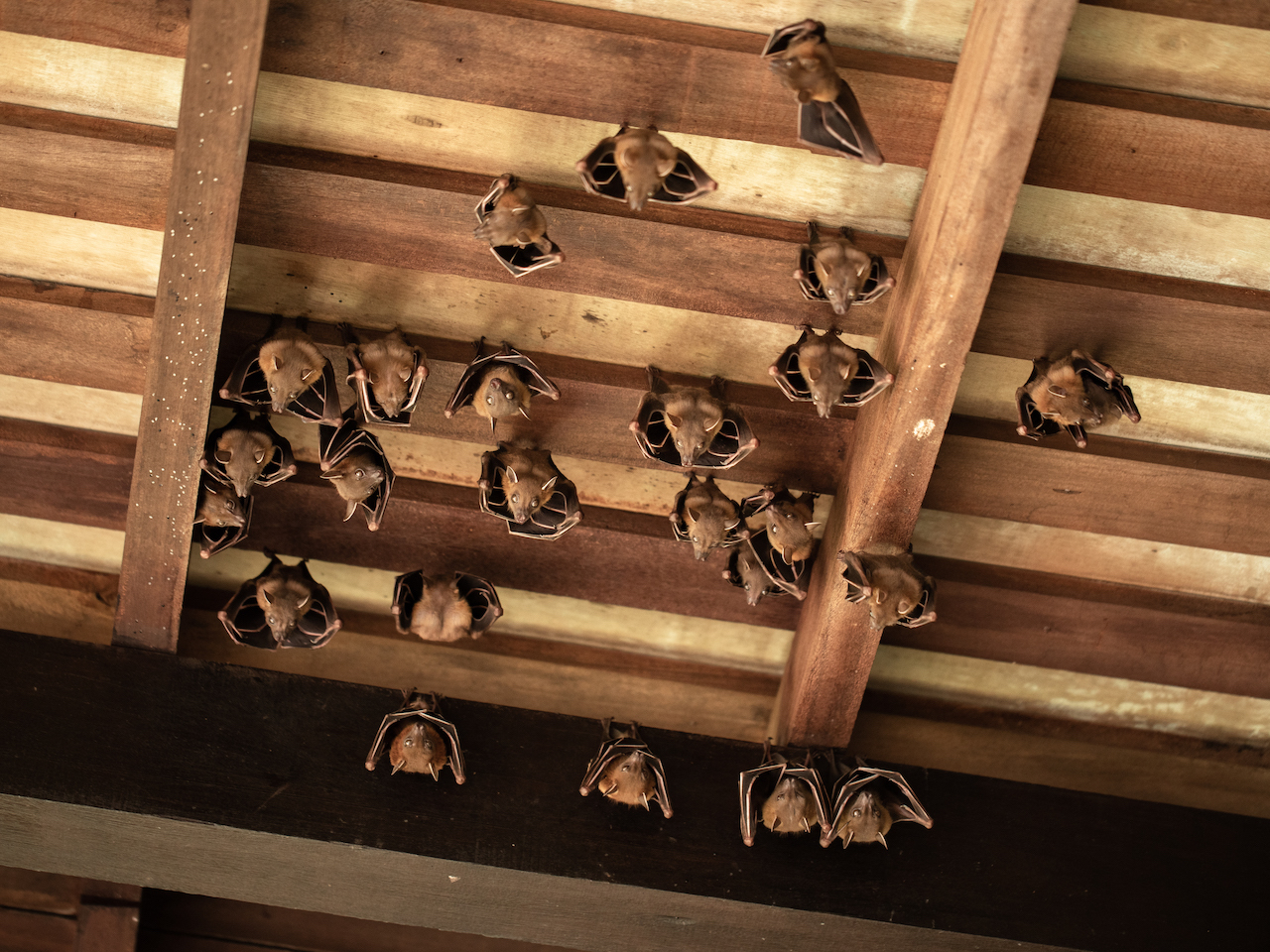
Recent reports of rabid bats in New Jersey serve as a reminder that even ordinary areas around the home or in your neighborhood can become unexpected points of contact between people, pets, and wildlife. While not every bat has rabies, avoiding direct contact with bats and other wild animals, as well as taking steps to keep them out of your home, are important ways to protect you and your loved ones in your household.
In Sussex County, Hopatcong officials recently reported that a bat found along the Lackawanna Trail tested positive for rabies. In another New Jersey incident, a rabid bat was discovered in an attic in Haddonfield, which resulted in three cats being exposed to the virus. These incidents occurred within weeks of each other, emphasizing why New Jersey homeowners should know what to do when they encounter a bat and when professional bat removal is necessary.
Why Are Rabid Bats a Concern?
Rabies is a serious viral disease that can affect mammals, including people, pets, bats, raccoons, and other wildlife. The virus is primarily transmitted through the saliva of an infected animal, most commonly through bites, scratches, or exposure to an open wound.
Human rabies infections are rare, with the last reported case in New Jersey being in 1997, but the disease is extremely serious and should be treated immediately. Once clinical symptoms develop, rabies is almost always fatal.
Bats are an important part of the ecosystem, but they are also one of the wildlife species most associated with rabies in the United States. You cannot determine whether a bat has rabies simply by looking at it, so homeowners should avoid attempting to touch, capture, or remove a bat themselves.
What Should You Do If You Find a Bat in Your Home?
Finding a bat flying through your home can be alarming, but attempting to catch or handle it yourself can increase the risk of accidental contact.
If you believe you or your pet may have been bitten, scratched, or otherwise exposed to a bat, wash any wound thoroughly and seek appropriate medical or veterinary guidance as soon as possible.
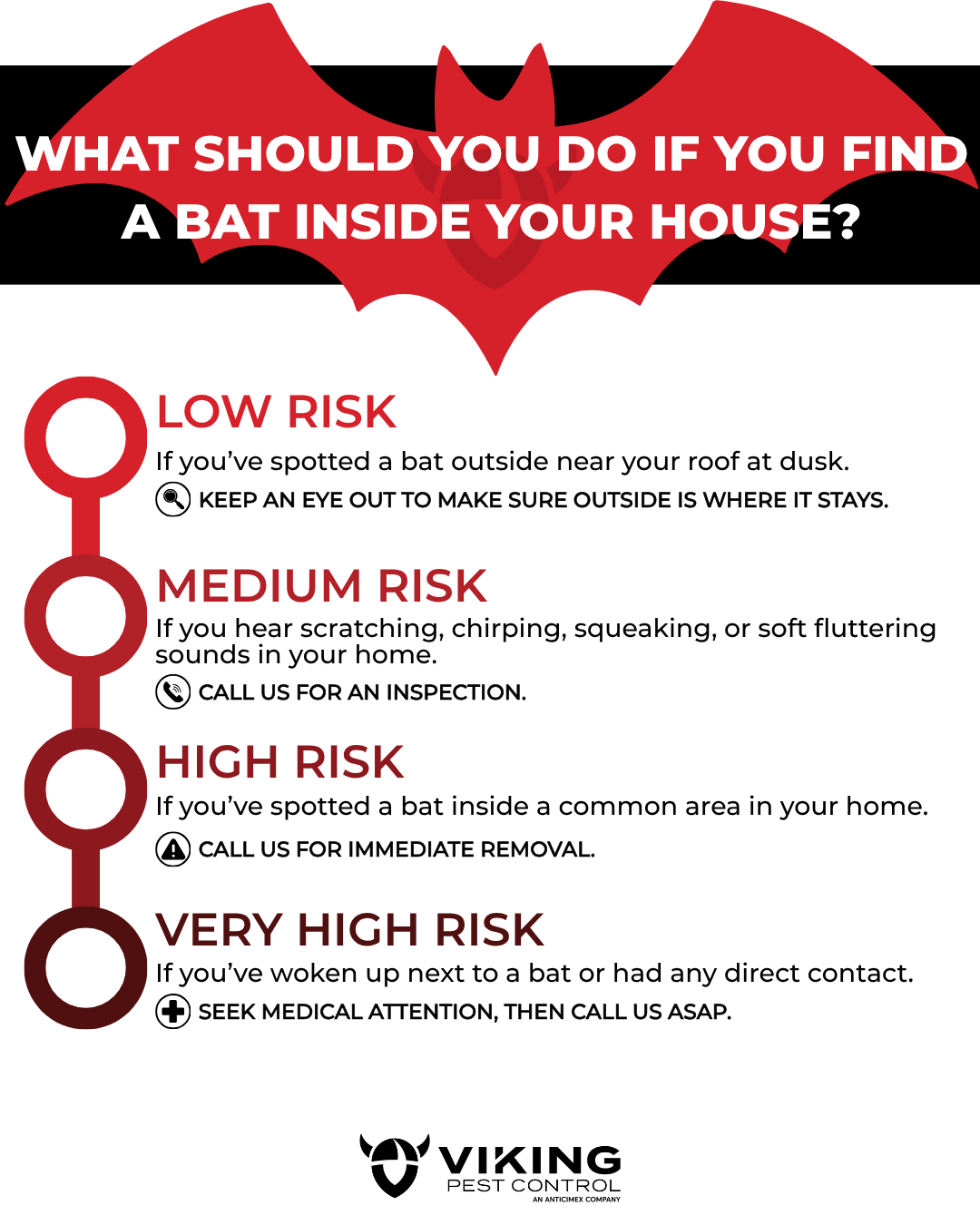
Certain situations require more caution than others. Contact the appropriate local health or animal-control authorities and seek medical guidance if a bat is discovered:
- In a room with a sleeping person
- Near a young child
- Near someone who may be unable to reliably communicate whether contact occurred
- After a person or pet may have had direct physical contact with it
Do not automatically release the bat outdoors after a potential exposure. Local health authorities may need to test the bat to determine whether post-exposure treatment is recommended.
For help addressing bats inside or around a property, homeowners can contact Viking Pest Control for professional bat removal and exclusion services rather than handling the issue themselves.
Protecting Your Pets from Rabies Exposure
Pets can encounter bats before their owners even realize a bat has entered the home. In the recent Haddonfield bat case, the three cats present in the home where the rabid bat was found were already vaccinated against rabies. However, they still had to receive booster shots and were placed under a 45-day observation period for safety.
Keeping dogs, cats, and other eligible pets up to date on their rabies vaccines is one of the most important precautions. Homeowners should also supervise pets when possible and contact a veterinarian as soon as possible following a suspected wildlife exposure.
Children should also be taught to never pick up, pet, or play with bats or wild animals, even if the animal appears injured or harmless.
Bats Can Create Other Problems Inside Homes
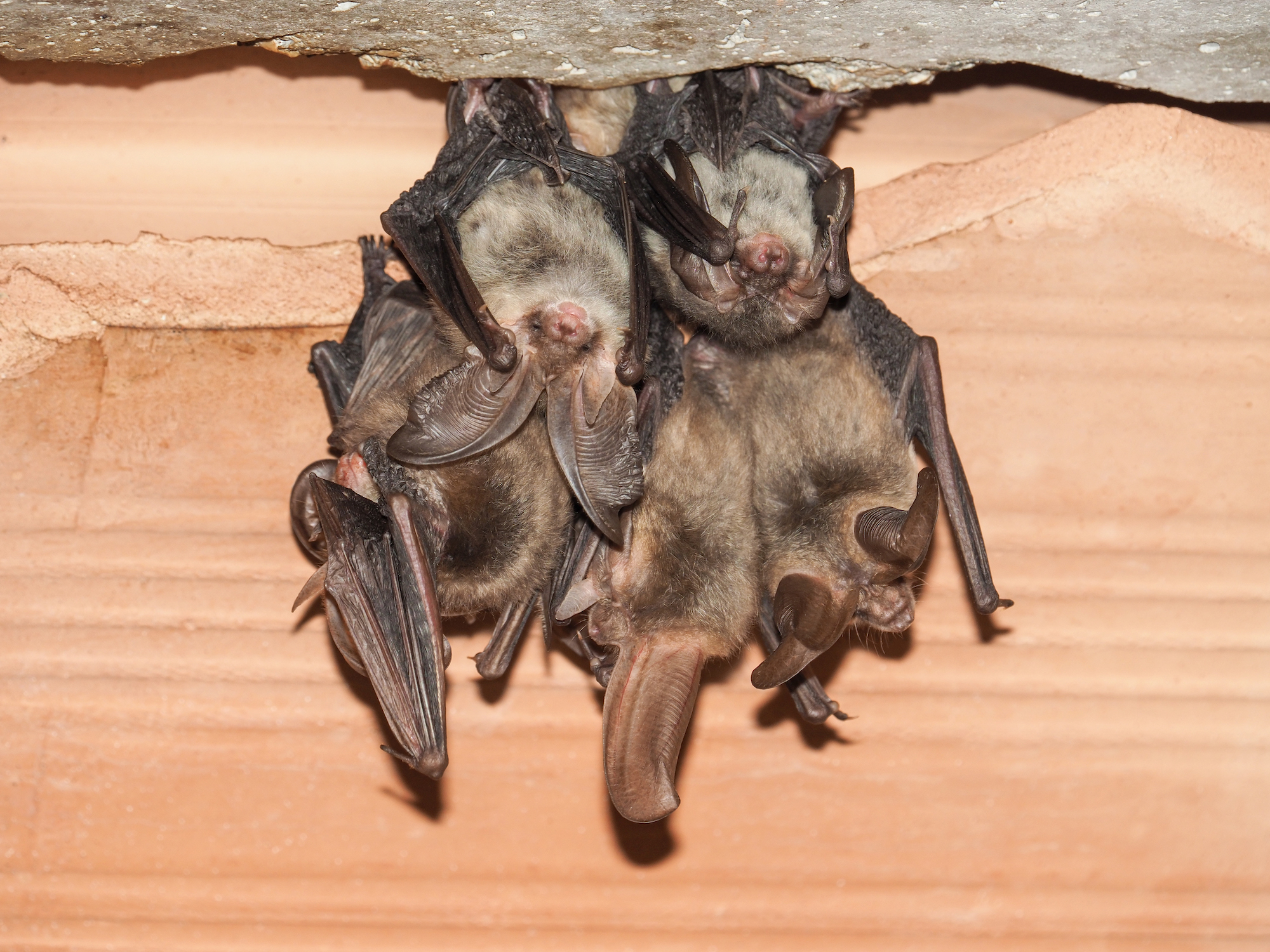
Rabies isn’t the only reason homeowners should address a bat problem. When bats roost in attics or other areas of a property, bat guano (droppings) can accumulate, leading to allergies, unpleasant odors, staining, and other sanitation issues. Guano also supports the growth of a fungus that can become airborne and cause Histoplasmosis, a lung infection that can lead to meningitis.
How Bat Exclusion Helps Keep Bats Out
One of the most effective approaches to long-term bat control is preventing bats from getting inside in the first place. Bats can take advantage of small gaps and openings around a home’s exterior to access attics, wall voids, and other sheltered areas.
Potential entry points include:
- Rooflines
- Eaves and soffits
- Vents
- Fascia
- Gaps around exterior construction
- Other openings leading into attics or wall spaces
Professional bat exclusion in New Jersey focuses on identifying these potential entry points, allowing bats to leave appropriately, and helping prevent them from getting back inside. Because bats are protected wildlife, and seasonal restrictions can affect when exclusion work may be performed, timing matters more than anything.
New Jersey’s Bat Exclusion Period is Short: Contact Viking Pest Control Before It’s Too Late!
New Jersey bat exclusion is available until October 15th. This window allows qualifying bat exclusion work to be completed while helping protect bats during sensitive parts of their life cycle, such as maternity season. After October 15th, bat removal will not be available again until next year, so the time to act is now.
Bats will return to an area if it is not treated to deter them from roosting there again. If you’ve heard scratching or movement in your attic, noticed bats entering or leaving your home, discovered bat droppings, or already experienced a bat inside your living space, do not wait for another encounter, as you are already running out of time.
Viking Pest Control’s New Jersey wildlife control specialists can inspect your property, identify potential bat entry points, and recommend appropriate bat exclusion solutions. Don’t let bats make your home their home. Contact Viking today!