How Long Do Squirrels Live? Understanding Their Lifespan and What It Means for Your Home
If you’ve ever spotted a squirrel racing along your fence or scurrying up a tree, you’ve probably wondered: how long do squirrels live? These clever and adaptable rodents are a familiar sight across New Jersey, Pennsylvania, Delaware, and the eastern shore of Maryland, often more active than we realize. Understanding the lifespan of squirrels and what helps them survive can give homeowners valuable insight into why they sometimes move a little too close for comfort.
How Long Do Squirrels Live in the Wild?
The average squirrel lives between 6 and 12 years, depending on the species and environment. However, survival rates vary dramatically between wild and urban populations.
Gray squirrels, the most common species in the Northeast, typically live up to 6 years in the wild, but can reach 12 years or more in captivity.
Red squirrels have shorter lifespans of around 3 to 5 years due to their smaller size and more aggressive territorial behavior.
Many squirrels don’t survive their first year because of predators, harsh winters, and accidents. Once they reach adulthood, though, they become incredibly resilient and resourceful, especially when they find reliable shelter near humans.
Why Squirrels Live Longer Around Homes
Urban and suburban environments offer squirrels a much higher chance of survival. Reliable food sources, fewer predators, and cozy nesting spots like attics, chimneys, and soffits can extend their lives by several years.
This means that the squirrels you see on your property aren’t just passing through. Once they’ve found a safe nesting spot and steady food supply, they’re likely to stay. A single family of squirrels can remain active in the same area for years, returning season after season to raise new litters.
How Long Do Squirrels Live in Your Attic?
When a squirrel gains access to an attic or crawl space, it can live there for years if undisturbed. These warm, protected spaces mimic the hollow trees they’d naturally seek in the wild, but with far fewer threats. Over time, this can lead to serious damage:
Chewed electrical wiring, increasing fire risk
Torn insulation used for nesting
Contaminated storage areas with droppings and urine
Noisy activity, especially at dawn and dusk
Because squirrels are territorial, removing one without addressing entry points often leads to another taking its place.
Signs of a Squirrel Infestation
If you’re hearing scratching or scurrying in the attic, it’s worth investigating before the problem grows. Common indicators include:
Sounds of movement during daylight hours
Chew marks near rooflines or vents
Insulation displaced or shredded
Droppings near attic corners or entry holes
How to Prevent Squirrels from Overstaying Their Welcome
The best way to keep squirrels from extending their lifespan inside your home is through prevention. At Viking Pest Control, we recommend:
Sealing entry points – Inspect roof edges, soffits, and attic vents for gaps or damage.
Trimming tree branches – Keep limbs at least 10 feet from your roofline.
Removing outdoor food sources – Secure trash cans and use squirrel-proof bird feeders.
Scheduling professional inspections – Regular pest control visits help identify risks before they turn into infestations.
Professional Squirrel Control Solutions
If squirrels have already made themselves at home, DIY methods often fall short. Trapping or relocating them without addressing the root cause leads to recurring issues. Viking Pest Control’s Wildlife Control experts use humane removal techniques and exclusion methods to make sure squirrels don’t come back.
Our team understands local species behavior and nesting patterns throughout New Jersey, Pennsylvania, Delaware, and the surrounding areas, so we can safely restore your peace of mind and protect your property long-term.
The Bottom Line
So, how long do squirrels live? In the right conditions, especially near homes, they can survive for nearly a decade. That longevity, combined with their nesting instincts, makes it crucial to protect your home from becoming their permanent residence.
If you suspect squirrels have moved into your attic or walls, don’t wait for them to settle in. Contact Viking Pest Control today for a free estimate and expert wildlife control service.
Protect your home. Protect your peace of mind. Call Viking Pest Control at 800-618-2847 or request a free estimate online.
Are Asian Lady Beetles Harmful?
When you first see an Asian lady beetle, you might mistake it for the beloved ladybug. With their orange-red shells and black spots, these lookalike insects often appear cute and harmless, but looks can be deceiving. While they don’t pose the same kind of danger as stinging pests or wood-destroying insects, Asian lady beetles can still cause problems for homeowners across New Jersey, Pennsylvania, Delaware, and the Eastern Shore of Maryland.
Here’s what you need to know about these invasive beetles, the risks they pose, and how Viking Pest Control can help you keep them out of your home.
What Are Asian Lady Beetles?
Asian lady beetles (Harmonia axyridis) are an invasive species. They were first introduced to the United States in the 1900s to control agricultural pests like aphids. Over time, their population spread rapidly.
They’re often confused with native ladybugs, but there are key differences:
Color: Asian lady beetles range from orange to red, while ladybugs tend to be a deeper red.
Marking: Many Asian lady beetles have a small black “M” shape behind their heads.
Behavior: Unlike native ladybugs, these beetles often gather indoors in large numbers to overwinter and can be aggressive.
Are Asian Lady Beetles Dangerous to Humans or Pets?
Asian lady beetles aren’t known to spread disease, but they can still be a nuisance and even a mild health concern in some cases.
Here’s how they can cause problems:
Biting: While rare, Asian lady beetles can pinch skin when threatened. Their bite isn’t venomous but can be irritating.
Allergies: Some people experience allergic reactions from contact with the beetles or their secretions, leading to itchy eyes, sneezing, or respiratory irritation.
Odor and Stains: When disturbed, Asian lady beetles release a yellowish fluid with a strong odor that can stain walls, curtains, and furniture.
Pet Concerns: There have been isolated cases where beetles attached to pets’ mouths or gums, causing discomfort. While uncommon, it’s another reason to keep infestations under control.
Why Are They in Your Home?
Asian lady beetles seek warmth and shelter as temperatures drop in the fall. They often enter through tiny cracks around windows, doors, siding, or attic vents, clustering together in wall voids or hidden corners to hibernate through the winter. Once inside, they can reappear in large numbers on warm days, especially near windows and ceilings.
How to Prevent Asian Lady Beetle Infestations
The best way to handle Asian lady beetles is to stop them before they get inside. Prevention and exclusion are key.
Follow these steps to keep them out:
Seal entry points: Use caulk or weatherstripping around doors, windows, and siding gaps.
Repair screens: Ensure window and door screens fit tightly with no holes.
Install door sweeps: A simple barrier at the base of doors helps block beetles from sneaking in.
Vacuum, don’t crush: If they’re already indoors, gently vacuum them up instead of squishing them to avoid stains and odors.
Schedule professional pest control: Expert treatments can create a protective barrier around your home to deter overwintering pests like Asian lady beetles.
Viking Pest Control: Your Local Expert for Fall Invaders
If Asian lady beetles have taken over your home, Viking Pest Control has the solution. Our team uses safe, targeted treatments designed to keep overwintering pests like lady beetles, stink bugs, and cluster flies out of your living spaces.
We provide year-round protection with our SMART Pest Control Program, combining prevention, monitoring, and eco-friendly solutions tailored to your home.
Don’t let Asian lady beetles take over your home this fall.
Call Viking Pest Control at 800-618-2847 or request a free estimate online today.
Top Strategies for Rat Removal in Your Yard
Rats can quickly turn a peaceful backyard into a serious crisis. These tenacious vermin search for food, water, and shelter, and there are few better sources than a human home’s back yard. The good news? With the right steps, you can make your property far less attractive to them and know when it’s time to call in the professionals for rat removal.
Will Regular Yard Cleaning Help With Rat Removal?
Yes! A clean, well-maintained yard is one of the best defenses against rat infestations. By trimming overgrown plants, clearing leaf litter, and removing debris, you reduce the conditions that make your yard so enticing.
Ground cover: Dense vegetation such as ivy or pachysandra provides perfect hiding spots. Removing or thinning these plants supports long-term rat removal.
Trees and shrubs: Keep branches trimmed away from your house to stop rats from climbing onto your roof and exploring potential entry points.
Water sources: Unlike mice, rats need about 1 to 1.5 ounces of water each day. Fix leaks, empty standing water, and bring pet bowls indoors whenever possible to remove the most common sources.
Weeds and seeds: Weeds produce seeds that serve as an easy meal. Regular weeding helps cut down on this food source.
Bird feeders: Avoid them if you want to discourage rats—spilled seeds are a buffet for rodents.
What Food Sources Should You Eliminate?
Food availability is one of the biggest causes of rodent activity. Removing these attractants is essential to effective rat removal:
When removing your pet's water dishes from your yard, you should take their food dishes, too.
Position compost piles far from the home, preferably in a drum-style compost bin.
Pick up fallen fruit, berries, and acorns promptly.
Use strong, tightly-sealed trash bins. Metal containers are best when available.
Do Repellents Work for Rat Removal?
No. There are no repellents proven to consistently keep rats away. Rat removal relies on prevention, exclusion, and—when necessary—professional pest control.
Can Certain Plants Repel Rats?
Not effectively. Instead of hoping for “rat-repellent plants,” focus on limiting the types of vegetation and landscaping that provide cover or food.
Should You Secure Your Compost Bin?
Yes. Compost piles are highly attractive to rats. For better rat removal results:
Place compost bins away from your house.
Use a secure drum-style bin with a lid.
Turn compost regularly to discourage nesting and speed decomposition.
grey and small rat on table near brick wall
More Rat Removal Tips
Seal entry points: Rats can squeeze through gaps as small as ½ inch. Seal openings with steel wool, hardware cloth, or concrete.
Pre-bait traps: Leave bait in unset traps for a few days so rats grow accustomed to them, increasing effectiveness once traps are set.
Call the experts: If you notice burrows or suspect multiple rodents, professional rat removal is the safest and most effective option.
Bottom line: Regular yard care is your first defense, but lasting rat removal often requires expert help. Viking Pest Control has the tools and experience to keep your home and yard protected.
If you have rat issues, or would like to prevent then, schedule a free estimate with Viking Pest today!
Mouse Infestation Basics: Is It One Mouse or a Full-Blown Invasion?
You hear a faint scratching in the walls at night. You find a small, dark pellet behind the toaster. Your mind immediately races to one conclusion: mice. But the next question is always the most pressing: is it just one little mouse that found its way inside, or is this the start of a much bigger problem?
At Viking Pest Control, we know that understanding the signs and behaviors of mice is the first step toward reclaiming your home. Here’s what you need to know about identifying and dealing with a potential mouse infestation.
The Earliest Clues: Telltale Signs of Mice Infestation
Before you ever see a mouse dart across your floor, they leave behind subtle evidence. For most homeowners, the first sign of a problem isn't a sighting, but what the mice leave behind.
Droppings: This is the most common initial sign. Mouse droppings are small, dark, and shaped like grains of rice. Discovering these in your pantry, under sinks, or along baseboards is a clear indicator of mouse activity.
Gnaw Marks: Mice have teeth that grow constantly, which means they chew on things to keep them filed down. You might find small gnaw marks on food packaging, furniture, drywall, or even electrical wiring.
Estimating the Unseen: How Many Mice Are There?
So you've found droppings. How can you tell if it's from a single explorer or a whole family? The key is in the quantity.
A single house mouse can produce an astonishing 50-75 droppings every single day. A small, localized pile might point to one mouse, but if you're finding droppings in multiple locations, or the amount seems to be growing, you're almost certainly dealing with more than one.
Pro Tip: To gauge if you have an active, growing mice infestation, carefully clean up the droppings you find. Check the area again a day or two later. New droppings confirm that mice are still active in your home and can help you understand the scale of the problem.
While there isn't an exact formula professionals use to calculate the number of mice, our technicians rely on a combination of evidence—the amount and age of droppings, customer sightings, and signs of nesting—to make an educated assessment of the population level.
Mouse Behavior: They Aren't Social Guests
If you see one mouse, is it likely there are others? The short answer is yes.
Mice are solitary creatures, and males can be extremely territorial. They don't live together in large, communal groups like you might imagine. Instead, a typical mouse population in a home consists of one dominant male and several separate nests of females. So, while they don't travel in a pack, the presence of one almost always signals that others are nearby.
These nests are often tucked away in sheltered locations close to a heat source—think wall voids, attics, crawlspaces, or behind large appliances. Disturbingly, these nests can be mere feet away from the areas your family uses every day.
From a Small Problem to a Major Infestation: The Alarming Speed of Reproduction
This is where the urgency comes in. A minor mouse problem can become a severe infestation with shocking speed due to their rapid breeding cycle.
Consider these facts:
Breeding Year-Round: Inside a climate-controlled home, mice breed all year long.
Rapid Reproduction: A single female can have up to 10 litters per year, with each litter containing 5-6 young.
Quick to Mature: Those young mice reach sexual maturity and can begin reproducing themselves in as little as six weeks.
If even a couple of females are present, a home’s mouse population can explode in just a few months. What started as a minor nuisance can quickly become an overwhelming infestation that poses risks to your property and health.
When to Be on High Alert: Seasonal Mouse Activity
While mice can be a year-round issue, infestations tend to become more noticeable and severe during the colder fall and winter months. As the weather turns, mice seek a warm, dry place with a steady food source to ride out the inclement weather. Unfortunately, your home provides the perfect five-star resort for them.
Don't Wait for an Invasion: Contact Viking Pest Control
Understanding the basics of a mouse infestation makes one thing clear: what looks like a small problem is often the tip of the iceberg. Given how quickly mice reproduce, a "wait and see" approach can lead to a much larger, more difficult, and more expensive problem down the road.
If you’ve discovered droppings, gnaw marks, or have seen a mouse in your home, don’t hesitate. Contact the experts at Viking Pest Control today for a thorough inspection and effective, professional mice infestation control to protect your home and family.
How to Check for Bed Bugs When You Travel
It’s August, which means many families are making the most of the last weeks of summer vacation, and many college students are preparing to move back into dorms or off-campus housing. Whether you’re checking into a beachfront hotel, a mountain lodge, or a campus apartment, one thing remains the same: vigilance against bed bugs is essential.
Bed bugs can be found in accommodations of any price point or star rating—from budget motels to luxury suites costing thousands per night. They can also hitch a ride into college housing during move-in season. At Viking Pest Control, we’ve seen it all, and we know how important it is to learn how to check for bed bugs when you travel to new destinations.
What Do Bed Bugs Look Like?
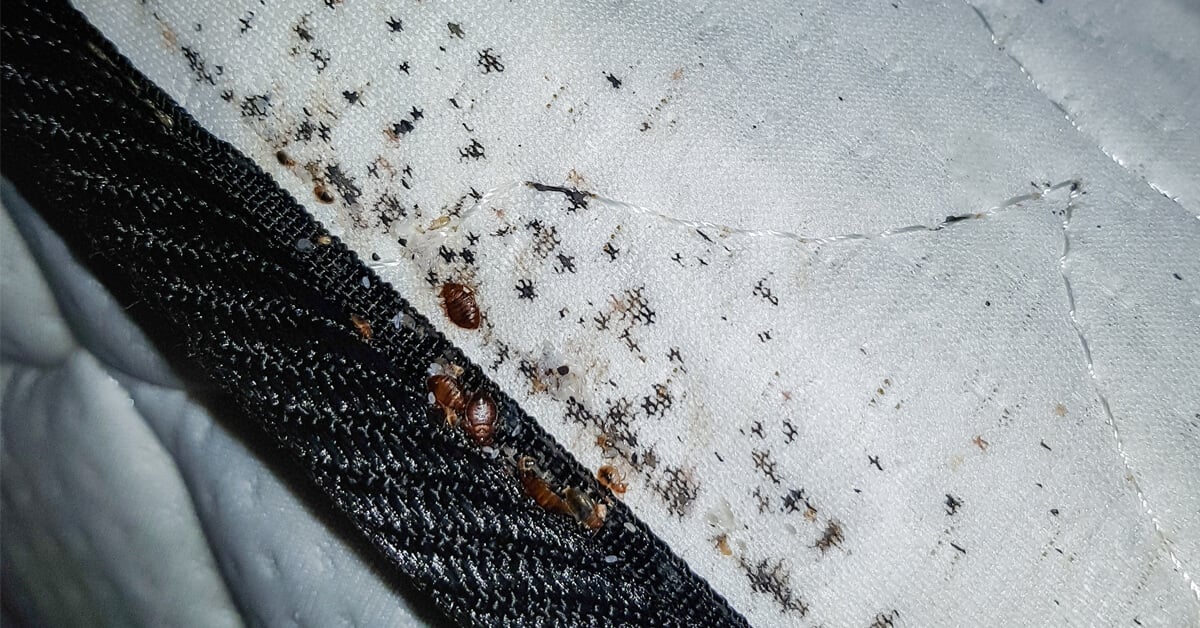
Bed bugs are small, mahogany-brown insects roughly the size of an apple seed when fully grown. Younger bed bugs, called nymphs, are tan in color until they take their first blood meal. They’re flat, which helps them slip into cracks and crevices as thin as a business card.
Because they feed exclusively on blood, bed bugs spend most of their lives hiding near their food source—waiting to emerge at night for a meal.
Do Fancy Hotels Get Bed Bugs?
Yes. Bed bugs don’t care about the price of the room or the hotel’s reputation. Even the most exclusive resorts can develop issues from time to time. The same goes for student housing; bed bugs don’t care if the building is brand-new or decades old.
When researching hotels or campus housing:
Read reviews carefully.
A single mention of bed bugs might not be cause for alarm, but repeated reports over time should raise concern, especially if the dates are recent and near each other.
Search the location’s name alongside the words “bed bug” for more insight.
How to Check for Bed Bugs in a Hotel or Dorm Room
When you first enter:
Note any odors. A strong chemical smell could mean the space was recently treated.
Know where to look. In hotels, mattresses are less common hiding spots due to frequent linen changes. In dorms, however, mattresses can be prime real estate for bed bugs if not properly inspected or encased.
Inspect thoroughly, including behind and beneath furnishings. Focus your inspection on:
Headboards
Bed frames
Nightstands and furniture within 6 feet of the bed
Upholstered furniture
Baseboards and wall fixtures
Look for:
Fecal spots: Pepper-like stains.
Eggs and egg cases: Cream-colored, about 1mm long.
Shed skins: Papery remains from molting bed bugs.
White residue: May indicate previous chemical bed bug treatments (heat treatments leave no residue).
Tip: A small flashlight and magnifier can make inspection easier.
What to Do If You Find Bed Bugs
If you discover a bug:
Take a clear picture and then show it to staff or maintenance.
Keep a sample bug if possible, this may help if you need to recover costs for treatment later.
Preventing Bed Bugs from Coming Home
If you think you’ve been exposed:
Place dryer-safe clothing and bedding in the dryer on high heat for 15–20 minutes.
Treat luggage or bags with an EPA-approved pest control product labeled for bed bug control.
Frequent travelers or students moving between home and school may want to invest in a portable heat chamber for personal items.
Bottom Line: Whether you’re wrapping up summer vacation or heading to campus, a quick bed bug inspection can save you time, money, and stress later.
If you suspect you’ve encountered bed bugs, call Viking Pest Control right away for an expert inspection and bed bug treatment in New Jersey, Pennsylvania, Delaware, and the Eastern Shore of Maryland.
Viking Pest Partners with ATAHC Program to Provide Affordable Housing Pest Control
Viking Pest Control, a leader in sustainable pest prevention in New Jersey, Pennsylvania, Delaware, and the Eastern Shore of Maryland, is proud to announce our participation in the ATAHC Program, a groundbreaking public health initiative developed by Allergy Technologies. This strategic partnership reinforces Viking’s commitment to protecting communities by preventing pest issues before they start.
What Is the ATAHC Program?
The Allergy Technologies Affordable Housing Control (ATAHC) program is an integrated, proactive approach to pest control designed specifically for affordable housing environments. The program focuses on long-term prevention and measurable public health improvements by combining targeted pest control treatments, advanced monitoring, and resident engagement.
ATAHC has demonstrated success in reducing infestations of common pests like bed bugs, cockroaches, and rodents through property-wide implementation and continuous communication with residents.
Why This Matters
By joining the ATAHC program, Viking Pest Control brings award-winning pest control solutions to affordable housing partners across our service area. As a proud member of the Anticimex family, Viking Pest Control is committed to innovation, smart pest control solutions, and sustainability. ATAHC aligns with our mission to deliver environmentally responsible pest prevention and healthier living environments for all.
With over four decades of service in New Jersey, Pennsylvania, Delaware, and Maryland’s Eastern Shore, Viking continues to lead with quality, expertise, and care. Our involvement in ATAHC marks another step forward in our mission to create pest-free environments that improve lives and communities.
Worried You Need Pest Control for Roaches?
Cockroaches are among the most revolting and resilient pests homeowners face across New Jersey, Pennsylvania, Delaware, and the Eastern Shore of Maryland. These hardy invaders can survive extreme temperatures, go without food or water for weeks, and even live for days without a head. Once roaches settle into your home, they can be incredibly difficult to remove—and their presence may signal larger issues.
At Viking Pest Control, we know the serious risks cockroaches pose to your health and home. In this article, we’ll help you recognize common cockroach species in our region, explain the dangers they bring, identify what draws them indoors, and, most importantly, how pest control for roaches can help to get rid of these repulsive adversaries for good.
How Can I Tell If It's Cockroaches?
Because cockroaches are highly resilient and reproduce rapidly, identifying them early is key. The two most common types found in the Mid-Atlantic region are American cockroaches and German cockroaches.
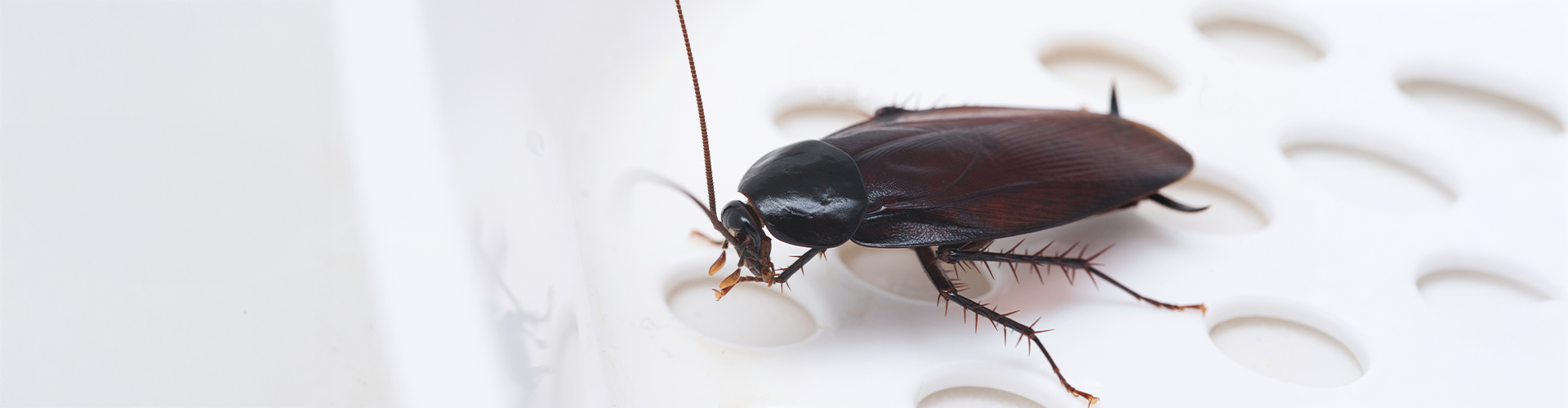
American cockroach: These are larger (1¼ to 2 inches long), reddish-brown in color, with a distinctive yellowish band behind their head.
German cockroach: Smaller (½ to ⅝ inch), tan to light brown with two dark stripes running down the back.
Both species have a flat, oval-shaped body, long antennae, and six legs. You may also notice:
A musty or oily odor when infestations are large
Droppings that resemble black pepper or mouse feces
Shed skins or egg casings in hidden areas
If you’re seeing these signs, it's time to act.
Are Cockroaches Dangerous?
Yes—cockroaches are more than just a nuisance. They’re known carriers of dangerous pathogens, including Salmonella, E. coli, and other bacteria picked up from sewers, decaying matter, and garbage. Roaches contaminate food and surfaces simply by crawling across them, and their presence can trigger allergic reactions and asthma attacks, particularly in children.
Cockroach infestations should never be ignored—left unchecked, they can grow quickly and seriously compromise the health of your household.
Why Are There Roaches in My Home?
Roaches are highly adaptable and opportunistic. Some of the most common reasons they move indoors include:
A sudden change in climate or loss of an outdoor food source
The availability of warmth and humidity indoors
Accessible food—crumbs, grease, pet food, or even unwashed dishes
Unsealed gaps, cracks, or vents that serve as easy entry points
Lack of regular cleaning or sanitation
Even a clean home isn’t immune—roaches can slip in through deliveries, plumbing, or shared walls in multi-unit buildings.
What Is the Best Method of Pest Control for Roaches?
DIY methods rarely solve the problem. Cockroaches are known for hiding in hard-to-reach areas like wall voids, behind appliances, and in plumbing. Store-bought sprays and traps might reduce visible numbers, but they don’t address the root cause—or the hidden population.
Professional cockroach control is the most effective solution. At Viking Pest Control, we’ve been helping homeowners across New Jersey, Pennsylvania, Delaware, and the Eastern Shore of Maryland since 1980. Our local experts understand the species common to each region and use targeted, environmentally responsible treatments to eliminate infestations at the source.
We combine advanced cockroach extermination methods with preventive strategies to stop roaches from coming back. Whether you're seeing just one or dealing with a full-blown infestation, Viking has you covered.
Don’t wait until you see dozens—call Viking Pest Control today for a fast, free estimate and get cockroach control you can count on.
West Nile Virus Prevention in Pennsylvania
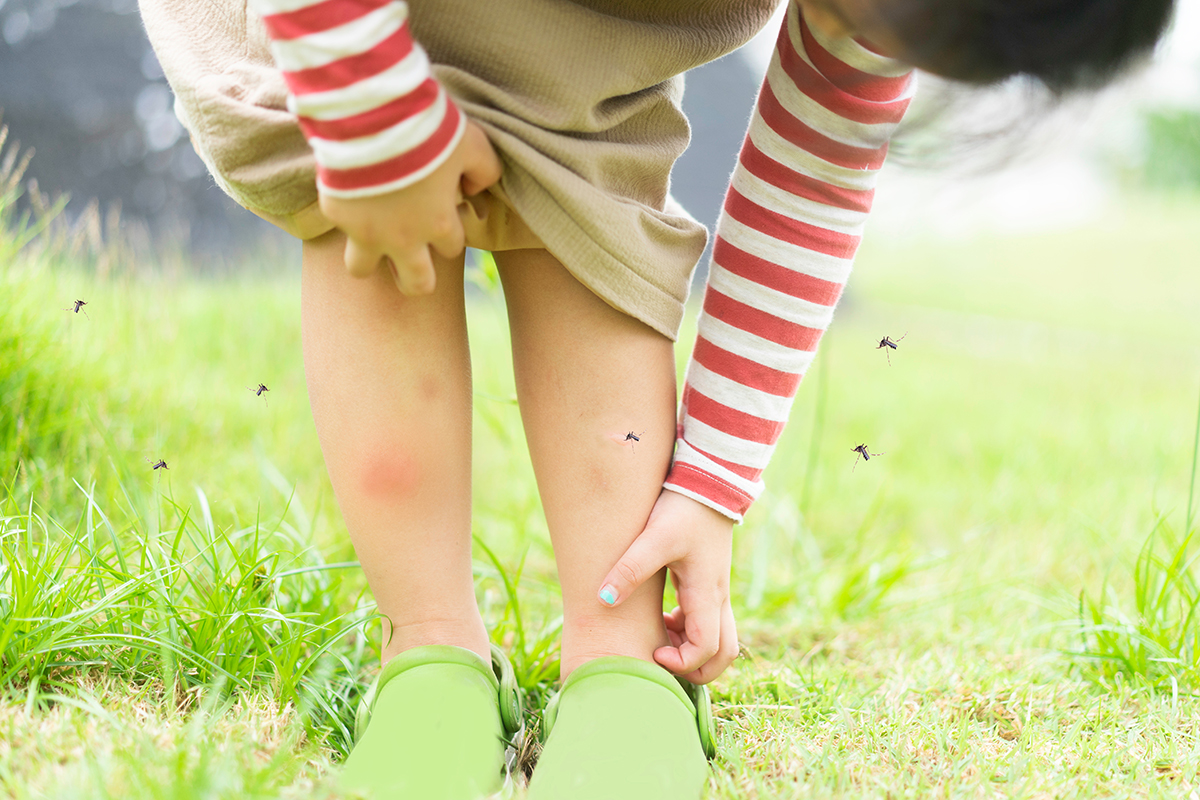
Mosquito bites are one of the more irritating summer afflictions, but, more than that, they can also be one of the most dangerous. In the summer of 2025, mosquitoes carrying West Nile Virus have been found in more than half of Pennsylvania’s 67 counties. While there have been no confirmed cases in humans so far, it’s still a good idea to take precautions against infection. Children five and under and adults 65 and over are most at risk of getting the disease.
What is West Nile Virus?
West Nile virus is a common mosquito-borne disease that can strike with varying degrees of intensity. 80% of people who contract the virus will not have any symptoms, but for the 20% who do get symptoms, West Nile Virus can be pure misery.
The most common symptoms for the 20% who get them include:
Fever
Muscle Aches
Headaches
Nausea
Vomiting
Diarrhea
Rash, usually around the chest and back
Sore Throat
Pain behind the eyes
More severe cases of West Nile can cause encephalitis and meningitis.
These more severe symptoms can include:
Intense, agonizing headaches
Fever in excess of 103 degrees Fahrenheit
Neck Stiffness
Confusion
Muscular weakness
Seizures
Paralysis
Coma
There are currently no vaccines for West Nile virus, which means that the best way to prevent infection is to prevent mosquito bites to begin with.
Preventing Mosquito Bites
The best way to prevent mosquito bites is to keep mosquitoes away from you. Mosquitoes generally prefer to remain outdoors, but you should avoid giving them points of entry. Don’t keep doors open any longer than necessary. Putting screens over your windows or adding screen doors to your exterior couldn’t hurt. When you are outside, you can use EPA-approved mosquito repellants. Long sleeves and pants help to limit mosquito access to your skin.
You can also take proactive methods to keep mosquitoes out of your yard. Many mosquito species breed in water, so eliminating sources of standing water is vital. Regularly empty bird baths and gutters, and be sure to drain any other areas where water can collect. Preventive treatments for your yard like Viking’s Last Bite service can create a protective barrier around your home that can help keep mosquitoes and ticks, another infamous disease-causing pest, away.
The presence of West Nile Virus in so many Pennsylvania counties this year serves as a timely reminder that mosquito prevention isn’t just about avoiding itchy bites; it’s about protecting your health and the health of your loved ones. While the risk of serious illness remains relatively low, the consequences can be severe for those who are more vulnerable. Taking a few simple steps now can make a significant difference later. Whether it’s eliminating standing water, using repellents, wearing protective clothing, or investing in a professional mosquito management program like Viking’s Last Bite, these actions can help you enjoy the outdoors with greater peace of mind. Staying vigilant this summer isn’t just smart, it’s essential.
Stinging Insect Removal - What You Need To Know
Having stinging insects on your property is always cause for concern, especially for households with children, pets, or elderly family members. Whether it’s hornets, yellow jackets, or wasps, these pests can cause painful stings, allergic reactions, and in some cases, serious medical emergencies. Stinging Insect Removal is a task not to be undertaken lightly.
Identifying Stinging Insects in NJ, PA, DE, and MD
Stinging insects come in many forms, and knowing what’s buzzing around your property can help you understand the risks involved. Here are some of the the most common types of stinging insects we encounter throughout the Mid-Atlantic region:
Yellow Jackets
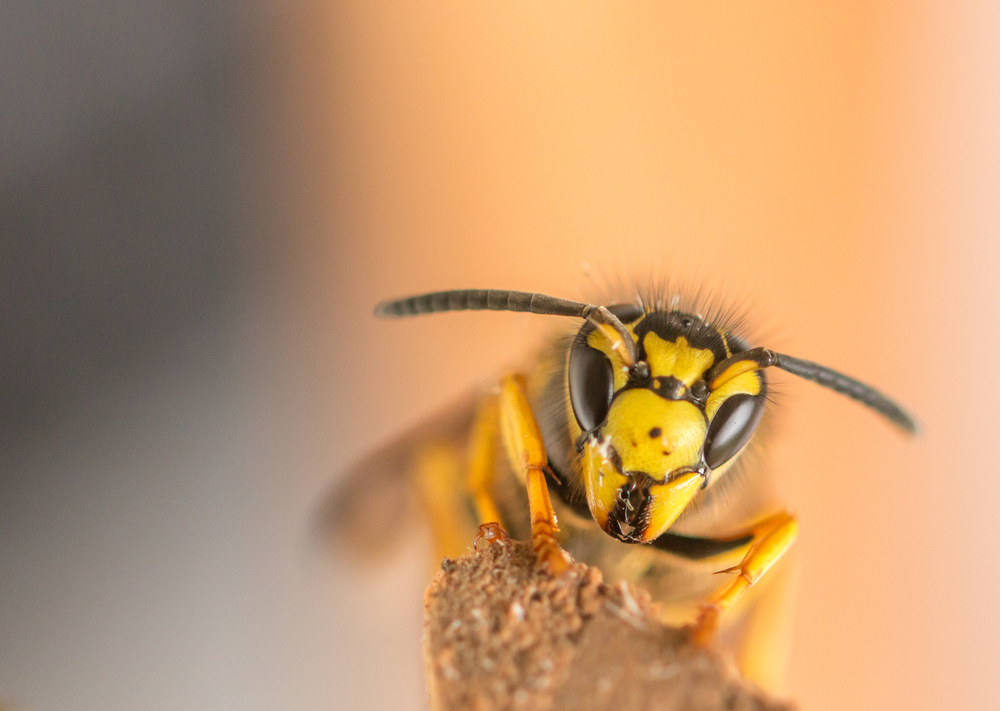
Yellow jackets are easily identified by their bright yellow and black bodies, narrow waists, hairless hind legs, six legs, large antennae, and size ranging from 3/8 to 5/8 of an inch. Their nests, often hidden, are constructed from chewed wood fiber that resembles paper mâché and have small entrances about the size of a nickel. Yellow jackets rarely travel more than a mile from their colonies, so frequent sightings likely mean a nest is nearby. They are attracted to food sources like grilling meats, sweets, open trash, and food residue, especially sugars, carbs, and proteins. It can be very tricky to get rid of Yellow Jackets given their aggressiveness and their tendency nest underground.
Hornets
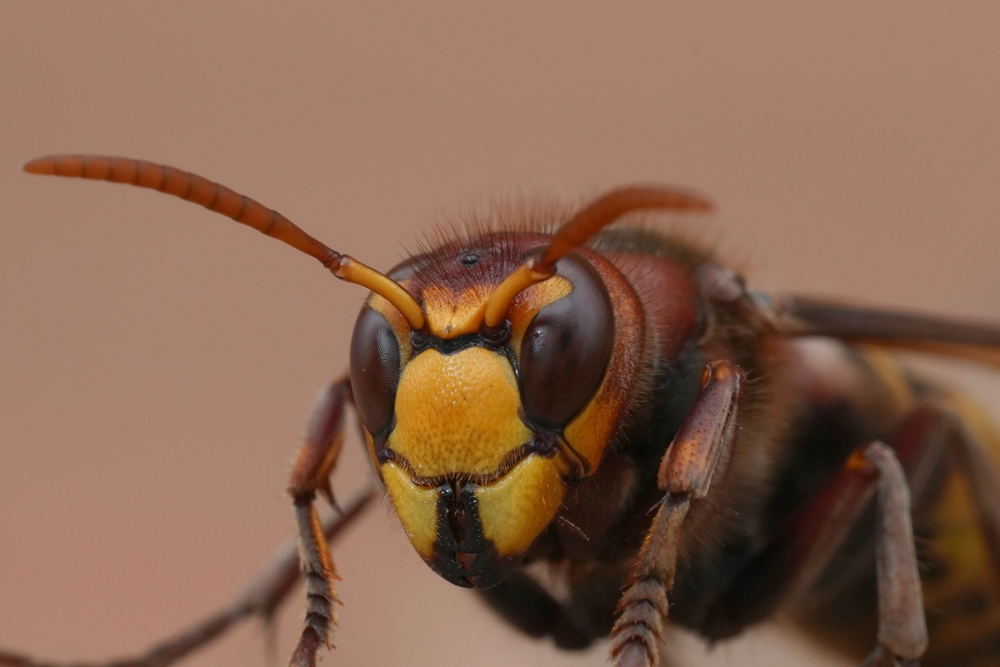
Hornets are often mistaken for bees or other wasps, but can be identified by their larger size, averaging 1.25 inches but growing over 2 inches long, and their rounder, plumper bodies with a pronounced abdomen and large head. Their coloring typically includes yellow-orange and black stripes, though some may appear more red or brown. Unlike bees, hornets can sting multiple times without losing their stinger, and their venom is more potent, making their stings especially painful. While generally less aggressive than other wasps, hornets will defend their nests if threatened.
Paper Wasps
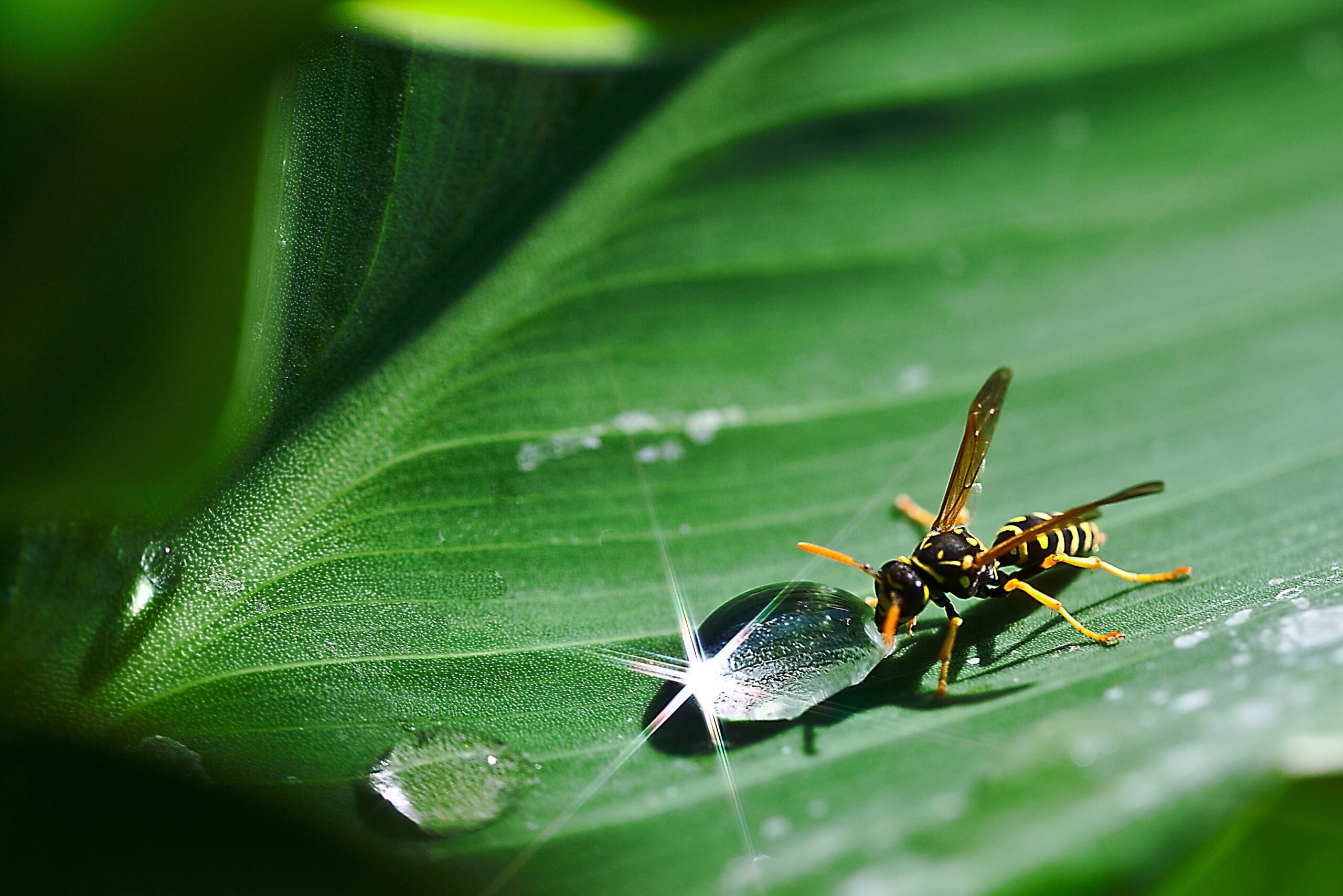
Paper wasps are commonly found building their distinctive open-comb nests under eaves and overhangs. They are brown with yellow or reddish markings and are more slender than bees. They are 5/8 of an inch to just shy of a full inch long. Paper wasp removal is not a task to be taken lightly. While typically less aggressive than yellow jackets, they will defend their nests if provoked.
Why DIY Removal is Dangerous
Attempting to remove stinging insects on your own is risky business. Disturbing a nest can lead to numerous painful stings, and for those allergic to bee, wasp, or hornet venom, the consequences can be severe — even life-threatening. Allergic reactions can include swelling of the throat, difficulty breathing, and anaphylaxis, all of which require immediate medical care.
Rather than risking your safety, let Viking Pest Control handle the job quickly and safely.
Why Choose Viking Pest Control for Stinging Insect Removal
When you work with Viking Pest Control, you’re partnering with a trusted team with decades of experience protecting homes and businesses across NJ, PA, DE, and MD’s Eastern Shore. We don’t just remove stinging insects; we eliminate the source and ensure your home remains protected against future infestations.
Our highly trained pest professionals use specialized equipment and proven techniques to safely remove active nests from your property, whether they’re tucked under your deck, inside a wall void, or high in a tree. With Viking, you can trust the job will be done right — safely, efficiently, and thoroughly.
Tips for Preventing Stinging Insects
While professional pest control is your best line of defense, here are some proactive steps you can take to reduce the likelihood of stinging pests setting up shop on your property:
Store sweet foods securely. Keep fruits, syrups, and sugary items sealed or refrigerated.
Maintain your yard. Regularly mow the lawn, trim overgrown trees, and remove yard debris like fallen leaves.
Strategically place flowers. Keep flowering plants and gardens a safe distance from your home’s entrances.
Check your home’s exterior. Ensure windows and doors are tightly sealed and screens are intact.
Properly manage trash. Store garbage in tightly lidded containers and keep compost piles covered.
Inspect regularly. Look for signs of nests under eaves, in shrubs, or even holes in the ground where wasps may burrow.
Don’t Let Stinging Insects Take Over Your Yard
If bees, wasps, or hornets have made your property their home, don’t try to tackle the problem yourself. Trust the experts at Viking Pest Control to remove the infestation safely and ensure your family and pets stay protected.
Call Viking Pest Control today or request a free estimate. We make pest control easy, so you can get back to enjoying your home — sting-free.
Pest Control During The Philadelphia Garbage Strike
On Tuesday, July 1, 2025, Philadelphia’s trash collectors went on strike. It is everything a pest could ever ask for. Uncollected garbage means free food, and lots of it, piling up across the city. Pests don’t see garbage the way people do; they see a city-sized buffet. Pests will come out of wherever they are hiding to take part in their unexpected bounty. Most pests breed rapidly, but the epic trash buildup could cause populations to grow exponentially. And with those increased populations come increases in pest-related ailments, ranging from diseases to asthma triggers to food contamination. The longer the strike lasts the worse the pest problems will get. This extreme situation will require an aggressive and proactive pest control response if you want to minimize pest-related risks to your Philadelphia home or business.
Rodent Risks Run Rampant
The pest population explosion will be most dire for businesses that produce substantial food waste. Restaurants and grocery stores need to be especially concerned, as there will be exponentially higher pest pressure on their exteriors. It is imperative for food waste to be disposed of carefully in sealed containers whenever possible. Rats can and will chew through thin plastic bags, so bagging will not be enough.
Though preventing pests will be substantially more difficult during and in the aftermath of the strike, customers will still react negatively to signs of pest infestation. Seeing a rat or cockroach in your place of business will still cause significant negative publicity, and, fair or unfair, it’s unlikely that customers will grade you on a curve.
But a substantial increase in pests will do more than reputational damage to businesses. More pests mean more risk of pest-related ailments for you, your family, and your pets. With increases in the number of mice, flies, roaches, ants, and rats in Philadelphia, come the associated health risks. Rats are known for spreading diseases like Salmonella, Leptospirosis, and Typhus. These diseases can spread through contact with urine, feces, or saliva, or by getting bitten. This contamination is especially hazardous on urban streets where the mere act of drinking from an afflicted puddle can make your dog dangerously, potentially fatally sick. Increases in cockroach populations mean more allergic and asthmatic reactions. Flies, among the least sanitary of all pests, are known for spreading Dysentery, gastroenteritis, E. Coli, typhoid, and conjunctivitis.
Anticimex SMART: Modern Rodent Control
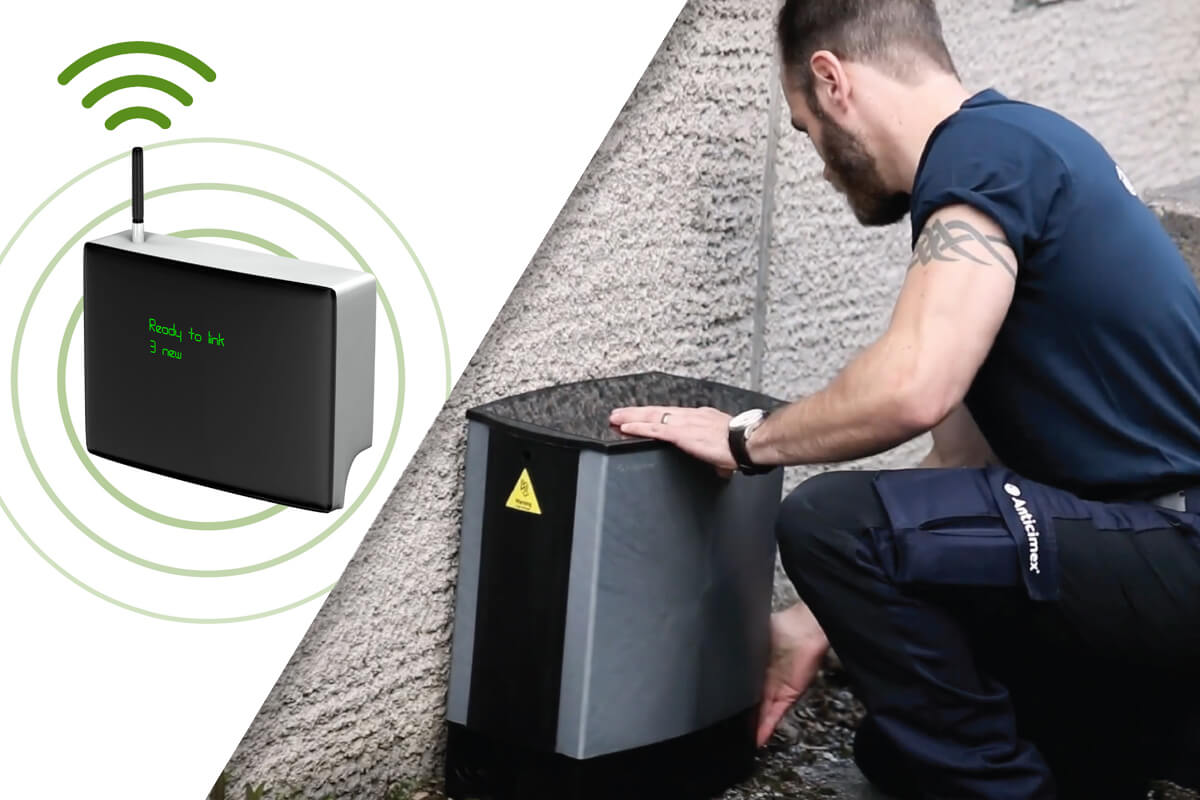
All pests are a threat to home and business sanitation, making it even more important that you keep your space clean and disinfected. The key to staying ahead of this surge in pest activity is quick intervention. Viking Pest Control is the exclusive provider of SMART rodent control in Philadelphia. This advanced pest monitoring system can track rodent activity 24/7, helping to catch infestations early before they can fully begin. If pest populations are allowed to explode, the cost, time, and effort to manage infestations will skyrocket. Waiting until pests have taken root inside your walls, kitchen, or storage areas is a costly mistake. The smartest move is to act now—before pests get the upper hand.
Don't Wait, Call Viking for Professional Mice Control Today!
Viking Pest Control offers expert pest management professionals and proven solutions tailored to this pest control crisis. Whether you’re a homeowner looking to protect your family from rats in Philadelphia or a business owner needing to safeguard your reputation and inventory, our Integrated Pest Management (IPM) approach delivers results that are fast, effective, and environmentally responsible.
We offer discreet, professional service for businesses and comprehensive home protection plans for residences in the Philadelphia area and beyond. With cutting-edge tools, local expertise, and a proactive mindset, we can help you endure this surge and recover quickly.
Don’t wait for the next trash pile to become a breeding ground. Contact Viking Pest Control today for a free estimate and start protecting what matters most.