Protecting Your Brand: Pest Control Solutions for High-End Retail and Grocery Stores
This post originally appeared on The Viking Voice, Viking Pest Control's LinkedIn Newsletter.
In the modern luxury retail industry, shopping is seen as not just a means to an end but an experience in and of itself. People going luxury shopping want an adventure to be savored. The experience should be opulent, exciting, and memorable. A pest infestation can make the shopping experience memorable for all the wrong reasons.
Erewhon, the high-end West Coast grocery store known for its imported $19 strawberries and its $20 celebrity smoothies, recently found itself getting the wrong kind of attention when it had to shut down the smoothie bar at its Santa Monica location due to a cockroach infestation. If the idea of paying $20 for a smoothie seems like a big ask at the best of times, imagine how much bigger an ask it is to pay $20 at a smoothie bar that used to be home to a cockroach or few.
When people are willing to pay a premium, they expect superior service, exceptional quality, and, significantly, unimpeachable cleanliness. It is difficult to imagine anything filthier than a pest infestation. Pests are grimy, unsightly, trigger allergies, and cause diseases. The mere thought of seeing a rat or a cockroach at a place of business will make customers choose to go elsewhere. It is human nature.
In the competitive world of high-end retail and grocery, brand equity is everything. Luxury shopping is seen not just as a means to an end but as an experience in and of itself. A single pest sighting can do more than just cost you a sale — it can devastate your reputation, erode customer trust, and even make waves in the news and social media like the Erewhon cockroach incident.
The True Cost of a Pest Infestation
Pest infestations can be absolutely ruinous to your business. Some of the risks include:
Public Health Hazards: Rodents, insects, and other pests can transmit diseases and contaminate food products, posing a very real threat to the health and welfare of customers and staff.
Lost Inventory: Infested goods must be discarded, leading to direct financial losses due to immediate lost sales and the cost of replacing contaminated tainted inventory.
Increased Labor and Costs: Additional cleaning, product rejection, shipment delays, and emergency treatments drive up operating expenses.
Employee Morale: Working in a pest-afflicted environment creates a negative experience for employees, impacting productivity and retention.
Brand Damage: Years of hard-earned customer trust can be burned away rapidly when a pest infestation reaches the news. It will take an investment of both time and capital to move past it.
In grocery settings, particularly where bulk foods and grains are sold, pests like rice weevils, Indian meal moths, and flour, drugstore, and cigarette beetles can cause major issues — not just for the store, but for customers who may unknowingly bring infestations home.
Tailored, Full-Spectrum Pest Management
Whether you operate a single boutique grocery or a chain of luxury retail stores, Viking Pest Control offers customized solutions for your specific needs, including:
Conventional, Organic, Low Impact, and Green Solutions: We are fully licensed and experienced to manage pest control across organic (USDA certified) and conventional operations. We also offer a Green Program that specifically uses natural, low-impact products and treatments.
Supply Chain Coverage: Viking Pest’s commercial team can cover your product at every stage of its journey to the customer. Viking protects your entire product journey from production to warehousing to distribution centers to the retail floor.
Advanced Monitoring with SMART Technology: Our SMART monitoring systems detect pest activity early, providing an intelligent, proactive approach before a minor issue becomes a major problem. SMART rodent control is especially helpful at high-end retail establishments because it does not require a technician to be in the store to do basic monitoring. This allows companies to have active, 24/7 pest monitoring without having any uniformed pest control technicians on the floor, potentially worrying customers.
Multiple Layers of Protection: We offer support from highly trained technicians, a dedicated SMART monitoring team, and access to leading entomologists and science-based expertise.
Why Viking?
At Viking Pest Control, we understand the stakes. Serving New Jersey, Pennsylvania, Delaware, and Maryland’s Eastern Shore, we specialize in protecting premium brands across the entire supply chain — from warehouses to retail shelves — with comprehensive, science-backed pest control services.
What sets Viking apart is our commitment to layered support and advanced science-based pest management solutions. We know which products are most at risk, how inspection protocols vary by location and inventory type, and how to design a pest prevention plan that works without disruption to your business operations.
Growing Beyond Borders
Need multi-state coverage? Viking Pest Control is part of a larger network, allowing us to connect you with trusted Anticimex sister companies outside our immediate service areas. No matter where you grow, we’re there to help protect your brand.
Viking Pest Control Earns 2025 Top Workplace Honors in NJ and PA
At Viking Pest Control, we believe that a strong, supportive workplace leads to exceptional service, and we're proud to share some exciting news that reflects just that.
For the fifth year in a row, Viking has been named a Top Workplace in New Jersey by NJ.com. And this year, we’re thrilled to announce that our Pennsylvania team has also earned Top Workplace honors from The Philadelphia Inquirer. This recognition marks a major milestone as we continue expanding our award-winning culture across the region.
What Makes This Award Special
Unlike many business awards, the Top Workplace designation is based entirely on employee feedback, gathered anonymously through a trusted third-party survey. It reflects how our team feels about everything from leadership and work-life balance to innovation and professional growth.
“Earning the Top Workplace designation is especially meaningful because it comes directly from our employees,” said James McIntyre, President of Viking Pest Control. “Their passion and commitment make this company what it is.”
Why Viking Is a Top Workplace
We’ve worked hard to foster a positive, inclusive, and purpose-driven environment where employees can thrive. Here’s a glimpse of what makes Viking stand out:
Meaningful Work & Mission-Driven Culture We empower our team to solve real problems for our customers, supported by leadership that values their growth.
Safety First We maintain a drug-free workplace, enforce background checks, and prioritize the safety of both employees and customers.
Competitive Benefits Paid vacation, health insurance, company vehicles for field roles, 401(k) with company match, and leadership development programs are just a few perks.
Innovation & Growth From the latest technology to ongoing training, we invest in the future—and in our people.
Diversity & Belonging We believe everyone deserves to feel accepted and empowered at work, and we’re committed to building a workplace where all voices are heard.
“Our people are the foundation of our success,” McIntyre added. “It’s important to us that everyone here feels like they belong.”
Recognized for Excellence Across the Board
This recognition joins a growing list of honors for Viking Pest Control in 2025:
Named one of Forbes' 10 Best Pest Control Companies
Awarded Best Pest Control Company for Sustainability by The Spruce
Earned Gold in the Best of Jersey Shore Awards for our NJ South branch
Ready to Join the Team?
Whether you're just starting your career or looking for your next great opportunity, Viking offers more than a job—it’s a place to grow, give back, and make a difference.
Visit vikingpest.com to explore open positions and apply today.
Celebrate Safely: Tick Prevention Strategies for Graduation Parties and Other Summer Events
June is a month packed with graduations from high school, college, and graduate school. Celebrations of these milestones range from the simple to the elaborate. But, regardless of size, many of these parties occur outdoors, with family and friends, on a great big lawn. And where there are big lawns, there are also blood-sucking, disease-transmitting ticks. Without proper preparation, a once-in-a-lifetime celebration can turn into a super spreader event.
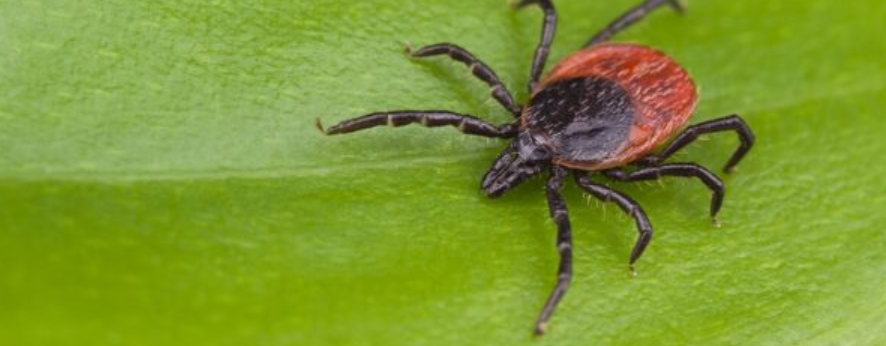
For a tick, lots of bare ankles wandering across the green grass is like a gourmet buffet. Ticks lurk on blades of grass with their front legs outstretched, trying to find a fresh human, cat, or dog leg to grab onto. Once perched on their host, the tick looks for the right place to latch onto and begin their feeding. This behavior is known as “questing.”
Ticks don’t want to be interrupted while they feed. They tend to savor their blood meals and can latch on to their hosts for three or more days. So, to prevent interruption, they often find the most obnoxious and hard-to-see hiding places. It’s important to find them quickly after they start feeding because the longer they are attached to their host, the more likely they are to transmit a disease. And ticks can carry some serious, nasty diseases that can cause long-term negative effects and, in the most severe cases, can even be life-threatening.
Tick Diseases and Their Effects
Lyme Disease: Possibly the best-known tick-transmitted disease, Lyme disease is carried by the Black-Legged Tick, also known as the Deer Tick. These ticks are incredibly common in the Mid-Atlantic. Pennsylvania is the state with the most incidences of Lyme disease every year, and New Jersey is not too far behind. Lyme disease is progressive, with three stages of worsening symptoms, and can become very serious if not treated quickly. Common symptoms include fever, headache, exhaustion, stiff joints, muscle pain, and swollen lymph nodes. Later symptoms can include pain and numbness in the hands or feet, irregular heartbeat, and even vision loss.
Rocky Mountain Spotted Fever: While less common in the Mid-Atlantic than Lyme disease, Rocky Mountain Spotted Fever has been found in the region and is to be avoided. It is usually carried in the region by the American Dog Tick. Named for the severe rashes it causes, Rocky Mountain Spotted fever carries many symptoms including fever, headaches, nausea, stomach and muscle pain, and loss of appetite. In some cases, the disease can lead to amputations due to blood vessel damage, hearing loss, and even mental disability.
Alpha-Gal Syndrome: One of the more recently discovered and stranger tick-borne ailments, Alpha-Gal Syndrome isn’t a progressive disease but an allergy to red meat and other mammalian food products. Alpha-Gal Syndrome is caused by the Lone Star tick. Like other severe allergies, Alpha-Gal can be life-threatening. There is no known cure at the moment, and the condition seems to last a lifetime, though symptoms can improve over time.
Babesiosis: Though not common in the region, Babesiosis has been found in Delaware and Maryland. Carried by Black-Legged ticks, Babesiosis causes damage to red blood cells and can lead to head and body aches, fever, chills, nausea, appetite loss and fatigue. If untreated it can lead to life-threatening organ failure.
Tick Prevention Techniques
The best way to deal with tick-transmitted diseases is to prevent them completely, and the best way to prevent those diseases is to prevent tick bites to begin with.
Some of the best methods of tick control for yards include:
Keeping Out Unwanted Wildlife – Ticks are often brought to your yard by hitching a ride on animals that don’t belong in your yard. Proper fencing is one way to keep them out. It’s also important to get rid of your food waste in sealed garbage bins to prevent attracting unwanted visitors that could be carrying ticks.
Lawn Trimming – As mentioned earlier, ticks like to look for their lunches by climbing to the top of long grasses. If your grass is trimmed, it makes this activity far more difficult.
Eliminating Leaf Litter – Ticks are minuscule, generally the size of a sesame seed or smaller. That makes it easy for them to hide in piles of leaf litter. You should get rid of leaf piles before they pile up so ticks have nowhere to hide.
Last Bite Treatments—Viking Pest Control offers Last Bite, a tick and mosquito service that creates a protective barrier around your yard to help keep ticks and their diseases at bay.
We all want to celebrate graduations, the summer, and life in general. It’s much easier to do that when you are properly prepared with a tick prevention strategy. Call Viking Pest Control to schedule a Last Bite treatment today!
Making Fleas Flee: Effective Flea Control for Your Home and Pets
Fleas are one of the most frustrating pests homeowners can face. These tiny parasites are notorious for their rapid reproduction and ability to remain hidden until the infestation is severe. For both homeowners and pest control professionals, fleas can be a serious challenge that requires a combination of strategies to successfully eliminate.
Understanding the Flea Life Cycle
The first step in controlling fleas is understanding how they multiply. Fleas typically lay their eggs on the fur of animals—often our beloved family pets. Female fleas can lay between 25 and 40 eggs per day, totaling up to 200 eggs over their lifetime. These eggs aren’t sticky and easily fall off pets, settling into carpets, bedding, and furniture.
Under warm and humid conditions, flea eggs can hatch in as little as 2 to 5 days. Cooler, drier environments slow this process down. Once hatched, flea larvae feed on organic debris—specifically the dried blood and feces left behind by adult fleas, commonly known as flea dirt.
The most common flea species homeowners encounter is the cat flea. These fleas pass through three larval stages before becoming adults. On average, flea larvae develop over 7 to 14 days, with pupae taking about 1 to 2 weeks to mature into biting adults.
Why Fleas Are More Than Just a Nuisance
Fleas aren’t just irritating—they can also pose real health risks to both pets and people. Fleas are known carriers of harmful parasites and diseases, including:
Dog tapeworm
Murine typhus
Cat scratch disease
Plague
Because fleas can spread these illnesses, effective flea control is critical to protecting your family’s health.
Flea Control Starts With the Source
In most cases, the family pet is the primary source of a flea infestation. It’s essential to work with your veterinarian or a trusted pet care professional for cat or dog flea treatment. Whether it’s shampoos, topical treatments, collars, or oral medications, the right solution for your pet should always come from a professional’s recommendation.
While treating your pets, don’t overlook your home. Daily vacuuming is key to removing flea eggs and larvae and can even encourage flea pupae to emerge sooner, making them easier to eliminate. Be sure to dispose of vacuum bags or empty canisters outside of the home to prevent re-infestation.
Additionally:
Wash pet bedding frequently.
Clean areas where your pets spend time.
Consider using flea traps made from dish soap and water to help monitor and reduce flea populations.
Some homeowners explore natural remedies like diatomaceous earth, salt, and baking soda to help control fleas, though results can vary. Essential oils are sometimes used to repel fleas, but their effectiveness is still widely debated and should be used with caution as a form of dog or cat flea control.
Don’t Forget About Wildlife
Sometimes, fleas enter the home via animals like raccoons, squirrels, or rodents that make their way into attics, crawlspaces, or basements. Sealing potential entry points around your home is a critical step in preventing flea infestations from recurring.
Professional Flea Control
At Viking Pest Control, we understand that every flea problem is unique. There is no one-size-fits-all solution. Our team offers customized flea control treatments for both the interior and exterior of your home to address your specific situation.
It’s important to remember that before any professional flea treatment begins, your pets should be treated first by a veterinarian or pet care expert. Without addressing the source, flea problems will persist no matter how many treatments are applied to your home.
If you're struggling with how to get rid of fleas that just won’t go away, Viking Pest Control is here to help. Contact us today to schedule an inspection and create a flea control plan tailored to your home and family.
Termite Activity is Up this Spring - Why You Need A Termite Inspection
Viking Pest Control Receiving a Sudden Spike in Calls for the Infamous Wood-Destroying Insects This June
As of mid-June, Viking Pest Control is seeing a dramatic increase in termite activity compared to last year. In the first two weeks of June, the call volume is nearing what was recorded for the entire month of June in 2024. That means the rate of calls for termites has effectively doubled since last year across the region. While the 2025 termite season got off to a relatively quiet start, this sharp increase in termite activity should be cause for concern for home and business owners in Viking’s footprint, including New Jersey, Eastern Pennsylvania, Delaware, and the Eastern Shore of Maryland. Termites are among the most destructive of pests and regularly cause billions of dollars of damage every year. The cost of termite repairs can run into the tens of thousands, far less than the cost of termite treatment from a skilled professional.
“Termites are generally considered a Spring pest, but due to mild temperatures and heavy precipitation, termites have been slower to act in 2025 than they have in recent years,” said Eric Gunner, pest control expert at Viking Pest Control. “Some people may be under the mistaken impression that termites are done for the year, but our numbers are telling us that they’re just getting started.”
What to Look For
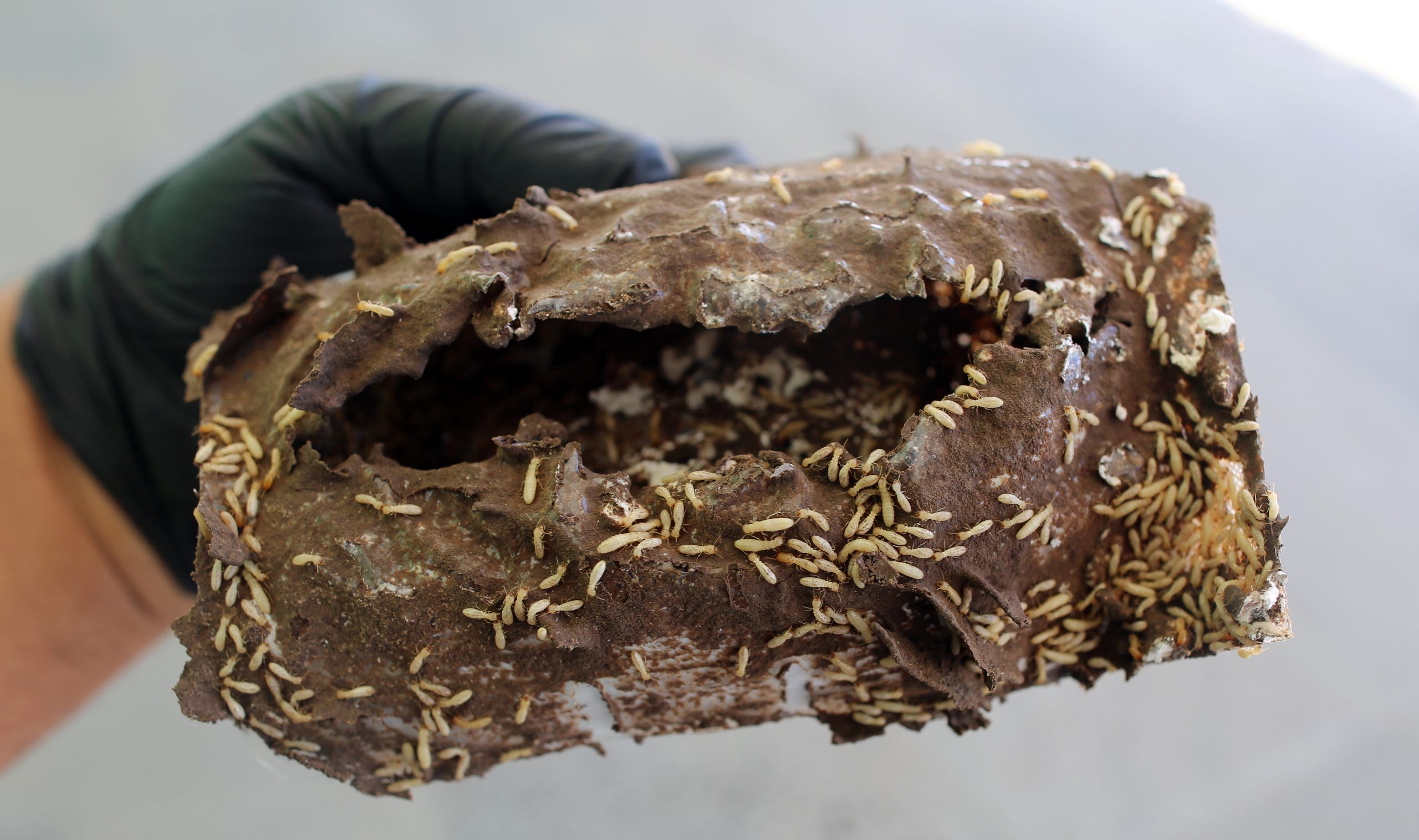
Among the most visible indicators of a termite infestation are mud tubes, thin, tunnel-like structures made of soil and saliva that termites use to travel between their underground nests and wood structures. These tubes often appear along foundation walls, beams, and even ceilings.
Another telltale sign is the presence of winged termites, or "swarmers," especially around windows or light fixtures. Frequently mistaken for flying ants, these reproductive termites shed their wings after swarming—a behavior that leaves behind piles of delicate, discarded wings, often found indoors.
“These aren’t just seasonal annoyances,” added Gunner. “Swarmers and mud tubes signal that a colony could already be active inside your home.”
What to Expect from a Free Termite Inspection from Viking Pest
Viking’s licensed inspectors conduct detailed evaluations of vulnerable areas, including floor joists, subflooring, window and door frames, and basement foundations. Technicians use both visual cues and specialized sounding techniques to detect hidden damage—like hollowed-out wood concealed behind walls or under floors.
If termite activity is found, Viking creates custom treatment and monitoring plans, using environmentally responsible methods to eliminate existing colonies and prevent re-infestation.
National publications, including Forbes and Real Simple, have rated Viking Pest Control among the best termite control companies in the country. Viking’s termite treatments always begin with a free inspection to ascertain the nature of a termite problem before taking a thorough yet targeted approach to termite control that maximizes effectiveness while minimizing environmental impact. With more than 40 years of professional experience, Viking Pest Control is the most trusted termite control company in the region.
The cost of termite treatment is far less than the cost of repairs from termite damage. To schedule a free termite inspection or learn more about Viking Pest Control’s comprehensive termite protection plans including bait stations, visit www.vikingpest.com or call 1-800-618-2847.
Tiny Terrors, Big Problems: Tick Prevention for Pets
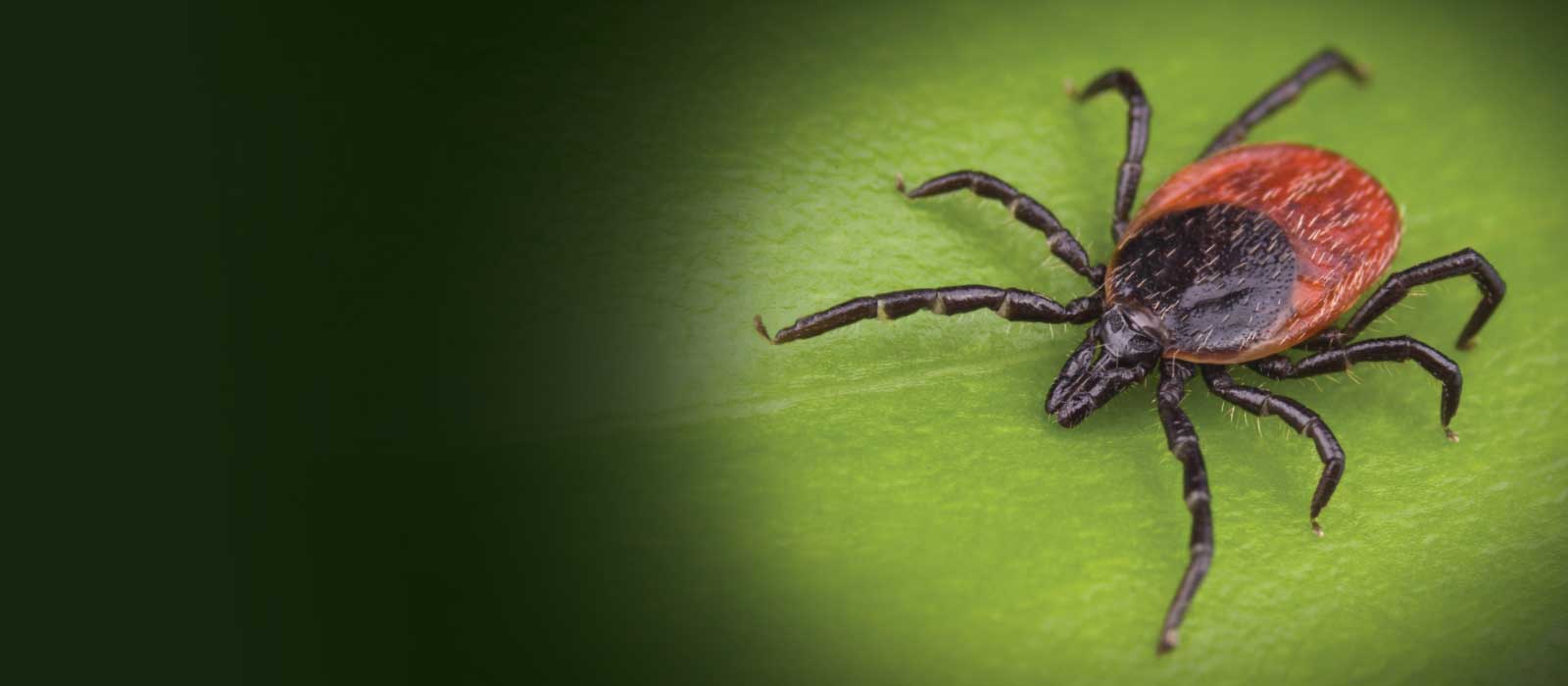
As the weather warms and we spend more time outdoors with our beloved furry companions, there's a silent, tiny threat lurking in the grass and shrubs: ticks. This month, Viking has received nearly double the calls for ticks compared to May 2024. These minuscule arachnids might seem insignificant, but they pose a serious danger to your pets and family, transmitting a host of diseases that can range from uncomfortable to life-threatening.
Here at Viking Pest Control, we believe that an informed pet owner is a protected pet owner. Let's delve into why ticks are such a concern for your pets and what you can do to keep them safe.
Why is Tick Prevention for Pets Necessary?
Ticks aren't just gross; they're vectors for a variety of debilitating illnesses. When a tick bites your pet, it can transmit bacteria, viruses, or other pathogens directly into their bloodstream. Some of the most common and concerning tick-borne diseases in pets include:
Lyme Disease: Caused by the bacterium Borrelia burgdorferi, Lyme disease can lead to lameness, joint pain, fever, and loss of appetite in dogs. While less common, cats can also be affected.
Anaplasmosis: This bacterial disease can cause fever, lethargy, joint pain, and a decrease in blood platelet count, potentially leading to bleeding disorders.
Ehrlichiosis: Another bacterial infection, ehrlichiosis can manifest with symptoms like fever, lethargy, weight loss, nosebleeds, and neurological issues.
Rocky Mountain Spotted Fever: While more prevalent in certain regions, this serious bacterial infection can cause fever, joint pain, swelling, and neurological signs.
Babesiosis: A parasitic disease that affects red blood cells, leading to anemia, lethargy, and pale gums.
The scary part? Symptoms of these diseases can sometimes take weeks or even months to appear, making diagnosis and treatment more challenging.
Your Best Defense: Prevention and Vigilance
Protecting your pets from ticks requires a multi-pronged approach:
Regular Tick Checks: Make it a habit to thoroughly check your pet for ticks after every outdoor excursion, especially if you've been in wooded or grassy areas. Pay close attention to warm, hidden spots like behind the ears, in the armpits, between the toes, and around the tail.
Proper Tick Removal: If you find a tick, remove it promptly and correctly. Use fine-tipped tweezers to grasp the tick as close to the skin as possible and pull upward with steady, even pressure. Avoid twisting or jerking.
Veterinarian-Recommended Preventatives: Consult your veterinarian about the best tick prevention products for your pet. Options include topical treatments, oral medications, and tick collars. Your vet can recommend a solution tailored to your pet's lifestyle and risk factors.
Maintain Your Yard: Ticks thrive in tall grass, leaf litter, and overgrown vegetation. Keeping your lawn mowed, raking leaves, and clearing brush can significantly reduce tick habitats around your home.
Professional Pest Control: For comprehensive tick control for pets, especially if you live in a high-risk area, consider Viking Pest Control's professional tick treatments. Our experts can identify tick hotspots on your property and implement targeted solutions to reduce their population, creating a safer environment for your pets and family.
Don't let these tiny terrors compromise your pet's health and happiness. By being proactive with your tick prevention for pets and partnering with professionals like Viking Pest Control, you can ensure your beloved companions can enjoy the outdoors safely and tick-free. Contact us today for a free estimate, and let's keep your pets protected!
Are Spotted Lanternflies Back? Viking Pest Control Reports Twice as Many Calls So Far This Year Than in 2024
Spotted Lanternflies, the invasive, plant-destroying, polka-dotted pests that have prompted a statewide quarantine in New Jersey, are once again making their presence known. Viking Pest Control's spotted lanternfly call volume has doubled in 2025 compared to this same time last year. That sharp increase should raise alarms for both homeowners and agricultural experts. If you think you haven’t seen any this season, you might be surprised—they're already here, just not in the form most people recognize.
Why You Might Not Recognize Spotted Lanternfly Nymphs
Most people associate spotted lanternflies with their adult form—those striking black-and-red insects with spotted wings that swarm trees, porches, and backyard gardens in late summer and early fall. But long before they reach their eye-catching adult stage, lanternflies go through several nymph phases, which is what we are getting calls for this spring.
Spotted lanternfly nymphs begin their life as small, black insects with bright white polka dots and no wings. They’re often mistaken for other types of bugs or simply overlooked because of their small size. As they develop, the nymphs transition into a red and black coloration, still wingless but increasingly visible and mobile. It’s during these early stages—when most people aren’t paying close attention—that they begin feeding and causing damage.
Why It’s Critical to Stop Spotted Lanternfly Nymphs Early
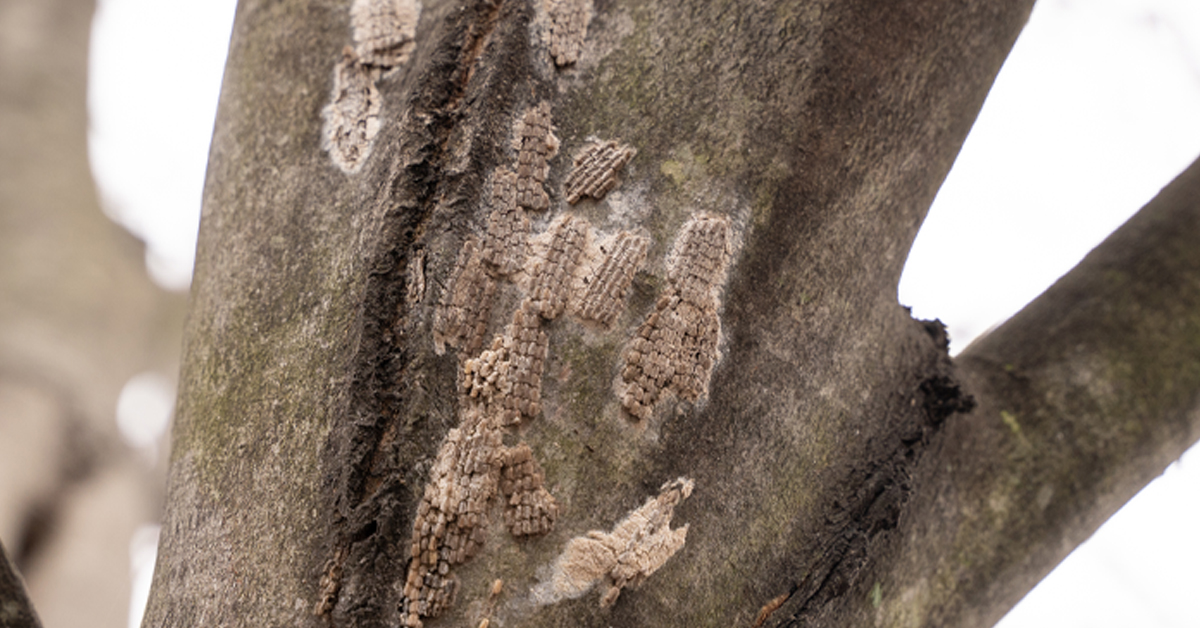
While the best time to prevent lanternfly infestations is between fall and early spring—when the insects are dormant in egg masses—the current nymph stage is the next best opportunity to act. Egg masses can be scraped off trees and outdoor surfaces during the colder months, but once they’ve hatched, quick action is needed.
Nymphs, although not as destructive as adult lanternflies, still pose a risk—especially to young and vulnerable plants. They feed on the tender shoots of annuals, perennials, and garden plants, potentially stunting growth or killing off smaller vegetation. If allowed to mature, the nymphs will transform into the highly destructive adults that wreak havoc on hardwood trees, fruit trees, grapevines, and ornamental plants.
Adult lanternflies feed on plant sap using piercing mouthparts, which stresses the host plant. But the damage doesn’t stop there. As they feed, they excrete a sticky substance known as honeydew, which attracts ants and fosters the growth of sooty mold. This black fungus coats leaves and bark, blocking sunlight and further harming the plant. In vineyards, orchards, and hardwood groves, this damage can be devastating—economically and ecologically.
What You Can Do About Spotted Lanternflies Now
If you spot small, polka-dotted black or red insects hopping around your yard, garden, or trees, don’t wait—take action. Call Viking Pest Control for treatments that get spotted lanternfly nymphs under control before they can do damage to your property or spread out to do damage to trees and plants across your entire community. The earlier we respond, the better chance we have of reducing their numbers before they reach the adult stage and cause widespread damage later this year.
Viking Pest Control Urges New Jersey Residents To Prepare For Summer Pest Surge As Tick Populations Rise
In 2024, New Jersey faced a significant increase in tick activity. The state reported 7,200 tick-borne illnesses in 2024, up from 3,110 in 2020. The trend seems poised to continue in 2025, with 1,517 cases reported through May 8. This uptick is linked to warmer weather, which boosts tick populations. As peak summer season begins once again, Viking Pest Control is urging homeowners to take action against growing pest populations, especially ticks, which are trending to be more active this year than ever.
"Ticks thrive in warm, humid environments, and this summer is no exception," says Eric Gunner, a pest control expert at Viking Pest Control. "We’re seeing a significant uptick in tick activity, especially in suburban and rural areas. It's crucial for homeowners to take preventive measures now to protect their families and pets."
Viking Pest Control recommends the following tips for keeping ticks at bay:
Maintain Your Yard: Keep grass short and clear away any leaf litter where ticks can hide.
Quality Fencing: While ticks are small and have tiny legs, wild animals like raccoons or deer allow them to travel much farther than they can on their own. A properly constructed and maintained fence can help to keep wildlife and the ticks they carry away.
Prevent Littering: Related to fencing, loose garbage can attract tick-carrying pests to your home and yard. If you properly seal your garbage receptacles, you will reduce the risk of ticks coming to your yard.
Use Tick Repellents: Apply EPA-approved tick-repellent sprays judiciously as directed by the label.
Check for Ticks: After outdoor activities, thoroughly check yourself, your children, and pets for ticks. The earlier you can remove a tick after it latches on to a host, the less likely they are to transmit a disease.
Last Bite Preventive Yard Treatments: Viking Pest offers Last Bite treatments that can form a protective barrier for your yard that can keep both ticks and mosquitoes away. Last Bite Green is available for those who want to take a more eco-friendly approach.
In addition to ticks, homeowners should be on the lookout for common summer pests such as mosquitoes, ants, and wasps, which thrive during the hot and humid summer months. Viking Pest Control offers pest prevention packages to help proactively address pest issues before they can ruin your summer.
“It's always easier to prevent an infestation than to deal with it once it’s out of control,” said Gunner. “Our team is ready to help homeowners protect their homes with our comprehensive pest control services.”
For more information or to schedule a consultation, visit Viking Pest Control’s website at vikingpest.com or call 800-618-2847.
Carpenter Ants: Spot and Stop Them in Your Home
If you’ve spotted large black ants roaming around your kitchen or bathroom, it’s time to pay attention. While they might look like just another bug, these pests could be carpenter ants—one of the most common and destructive wood-damaging insects found in homes across the Mid-Atlantic.
So how do you know if these ants have set up shop inside your walls? And more importantly, what should you do about it? Here's what every homeowner needs to know about how to get rid of carpenter ants.
5 Signs You Have An Infestation and Need Carpenter Ant Control
The Ants Themselves The most obvious sign is seeing carpenter ants inside your home. These ants are typically large (up to ½ inch) and either all black or black with red coloring. They’re especially active in the late afternoon and early evening, particularly during warm summer days. If the weather turns cold or rainy, they may become even more active indoors.
Piles of Frass (Sawdust-Like Debris) Carpenter ants don’t eat wood like termites do. Instead, they chew through it to create nesting galleries, leaving behind small piles of wood shavings and insect parts near the nest entrance. This debris, called frass, is often found in attics, basements, or behind baseboards and window frames.
Winged Swarmers During the summer, carpenter ant colonies may produce winged swarmers—ants that leave the nest in large groups to mate and establish new colonies. These swarmers are frequently mistaken for termites. If you spot winged ants inside your home, it’s a strong sign of an active indoor nest.
Rustling Noises in Walls In quiet areas of the home, like a bedroom or attic, you might hear faint rustling or tapping noises coming from inside the walls. That could be ants moving through their tunnels or expanding the nest.
Moisture-Damaged Wood Carpenter ants are drawn to areas with excess moisture or previous water damage. If you’ve had leaks near rooflines, windowsills, chimneys, or plumbing, these areas can become prime nesting sites for a growing colony.
Why Are Carpenter Ants a Problem?
While they may not eat wood like termites, carpenter ants still cause serious structural damage by hollowing out wooden beams, insulation, and even foam. Their colonies can grow quite large, often branching into multiple satellite nests that quietly cause damage in different parts of the house.
Common nesting areas include:
Inside: Rooflines, kitchens, bathrooms, window and door frames, and chimneys.
Outside: Decks, porches, fences, firewood piles, and even trees.
The longer they’re allowed to expand, the more extensive—and expensive—the damage can become.
DIY Treatments: Do They Work?
If you're researching how to get rid of carpenter ants, you've probably looked into do-it-yourself methods for carpenter ant extermination. While it’s tempting to grab an over-the-counter spray and try to tackle the problem yourself, most DIY treatments don’t work on carpenter ants. Here’s why:
Store-bought sprays are repellents, meaning they only kill on contact and cause ants to retreat deeper into walls—making them harder to reach.
Baits from the store are usually designed for smaller ant species, using sweet attractants that carpenter ants often ignore.
Carpenter ants nest in inaccessible areas, like wall voids, making it nearly impossible to reach them without professional tools and knowledge.
In short, DIY solutions often prolong the problem and can end up costing more in the long run.
When to Call Viking Pest Control
If you suspect carpenter ants—or any wood-destroying insect—have invaded your home, the safest, fastest, and most effective option is to call a carpenter ant control company like Viking Pest Control.
At Viking, our licensed technicians:
Know how to identify and locate primary and satellite nests
Use targeted treatments that reach deep into walls and structural voids
Help prevent future infestations by identifying moisture issues and sealing entry points
Don’t wait until you see damage—act early.
Carpenter ants may be silent, but they’re could be eating away at your home’s structure. If you're in New Jersey, Pennsylvania, Delaware, or the Eastern Shore of Maryland, and think you might have a problem, reach out to Viking Pest Control today for carpenter ant extermination and prevention.
Ultimate Guide to Fruit Fly Control at Home
Fruit flies may be tiny, but they can quickly become a big nuisance in your home. While buzzing in your face can be annoying, fruit flies can cause much worse problems. As they fly from food source to food source, they can spread foodborne illnesses like E. coli, Salmonella, and Listeria. Getting rid of fruit flies is not just a matter of dealing with an irritation; it’s a matter of keeping a safe and sanitary home.
Where do Fruit Flies Come From?
But where do fruit flies come from in the first place? These pesky invaders often arrive undetected, hitching a ride as eggs or larvae on fresh produce. Homeowners across New Jersey, Pennsylvania, Delaware, and Maryland’s Eastern Shore frequently contact Viking Pest Control for help with fruit fly problems, especially in warmer months when these pests are most active.
Here’s what you need to know about fruit flies and how to keep them out of your kitchen for good.
How Do Fruit Flies Get Into the House?
Fruit flies often enter homes through produce purchased at grocery stores or farmers markets. Eggs and larvae can be present on the surface of fruits and vegetables, even if they look clean. Once inside, fruit flies quickly find food and moisture sources where they can continue breeding.
First Line of Defense: Clean Your Produce
A simple but highly effective way to reduce the risk of fruit fly infestations is to thoroughly wash all produce as soon as you bring it home. Better yet, store fruits and vegetables in the refrigerator when possible. Cold temperatures inhibit fruit fly development and can stop infestations before they start.
The Key to Fruit Fly Control: Sanitation
Harmful products are not necessary for fruit fly control. In fact, the best way to eliminate fruit flies is through good sanitation practices. Fruit fly eggs are typically laid on fermenting organic matter such as:
Overripe fruit
Rotten vegetables
Food residue in garbage containers
Organic scum inside sink and floor drains
To keep your home fruit fly-free:
Clean garbage cans regularly to remove food buildup
Scrub drains with enzyme-based cleaners to break down organic residue
Check under and behind appliances for hidden food scraps
Eliminate excess moisture by drying out damp areas
These simple steps can significantly reduce breeding sites and help prevent future infestations.
How to Get Rid of Fruit Flies Once they Mature
If adult fruit flies are already flying around your kitchen, you have a few options for quick control:
Use 91% Isopropyl Alcohol Spray
Spraying adult fruit flies with 91% isopropyl alcohol kills them on contact. It’s an easy and safe method for immediate relief.
Make a DIY Fruit Fly Trap
Create your own trap using items you probably already have:
Fill a small dish with apple cider vinegar or red wine
Cover the dish with plastic wrap
Poke small holes in the wrap with a toothpick
The fruit flies will enter the fruit fly trap but won’t be able to escape.
Treat Drains with Enzyme Cleaners
An enzyme-based drain cleaner can get rid of fruit flies in your drains without harmful side effects. These products break down the organic materials where flies lay their eggs, cutting off the problem at the source.
Still Seeing Fruit Flies? Viking Pest Can Help.
If your struggling to get rid of fruit flies despite your best efforts, it’s time to call in the professionals. At Viking Pest Control, we specialize in eco-friendly and effective solutions to eliminate fruit flies and prevent them from coming back.
Our Viking Green plans offer unique approaches to pest control with sustainability as a top priority. Our low-to-no-impact treatments and methods make sure that your pest problem gets solved without compromising on sustainability.
Serving homes across NJ, PA, DE, and the Eastern Shore of MD, Viking Pest’s local experts are ready to help you protect your home from fruit flies and other common pests.
Request a free estimate today and let Viking Pest Control help you get back to enjoying a clean, pest-free home!