Are Spotted Lanternflies Back? Viking Pest Control Reports Twice as Many Calls So Far This Year Than in 2024
Spotted Lanternflies, the invasive, plant-destroying, polka-dotted pests that have prompted a statewide quarantine in New Jersey, are once again making their presence known. Viking Pest Control's spotted lanternfly call volume has doubled in 2025 compared to this same time last year. That sharp increase should raise alarms for both homeowners and agricultural experts. If you think you haven’t seen any this season, you might be surprised—they're already here, just not in the form most people recognize.
Why You Might Not Recognize Spotted Lanternfly Nymphs
Most people associate spotted lanternflies with their adult form—those striking black-and-red insects with spotted wings that swarm trees, porches, and backyard gardens in late summer and early fall. But long before they reach their eye-catching adult stage, lanternflies go through several nymph phases, which is what we are getting calls for this spring.
Spotted lanternfly nymphs begin their life as small, black insects with bright white polka dots and no wings. They’re often mistaken for other types of bugs or simply overlooked because of their small size. As they develop, the nymphs transition into a red and black coloration, still wingless but increasingly visible and mobile. It’s during these early stages—when most people aren’t paying close attention—that they begin feeding and causing damage.
Why It’s Critical to Stop Spotted Lanternfly Nymphs Early
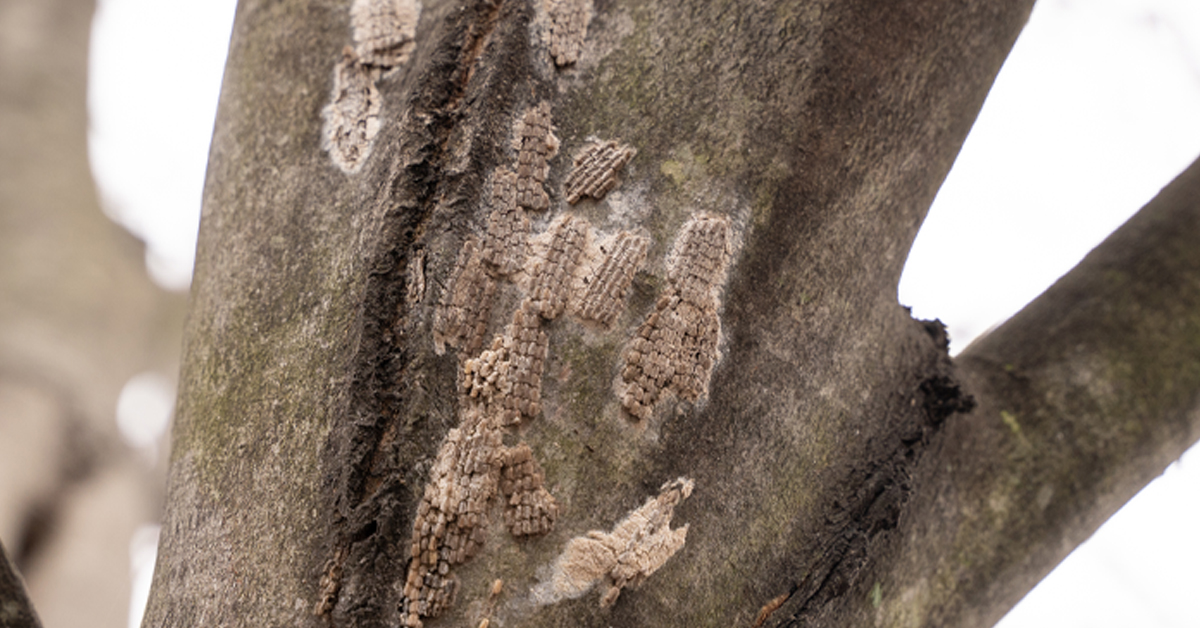
While the best time to prevent lanternfly infestations is between fall and early spring—when the insects are dormant in egg masses—the current nymph stage is the next best opportunity to act. Egg masses can be scraped off trees and outdoor surfaces during the colder months, but once they’ve hatched, quick action is needed.
Nymphs, although not as destructive as adult lanternflies, still pose a risk—especially to young and vulnerable plants. They feed on the tender shoots of annuals, perennials, and garden plants, potentially stunting growth or killing off smaller vegetation. If allowed to mature, the nymphs will transform into the highly destructive adults that wreak havoc on hardwood trees, fruit trees, grapevines, and ornamental plants.
Adult lanternflies feed on plant sap using piercing mouthparts, which stresses the host plant. But the damage doesn’t stop there. As they feed, they excrete a sticky substance known as honeydew, which attracts ants and fosters the growth of sooty mold. This black fungus coats leaves and bark, blocking sunlight and further harming the plant. In vineyards, orchards, and hardwood groves, this damage can be devastating—economically and ecologically.
What You Can Do About Spotted Lanternflies Now
If you spot small, polka-dotted black or red insects hopping around your yard, garden, or trees, don’t wait—take action. Call Viking Pest Control for treatments that get spotted lanternfly nymphs under control before they can do damage to your property or spread out to do damage to trees and plants across your entire community. The earlier we respond, the better chance we have of reducing their numbers before they reach the adult stage and cause widespread damage later this year.
Viking Pest Control Urges New Jersey Residents To Prepare For Summer Pest Surge As Tick Populations Rise
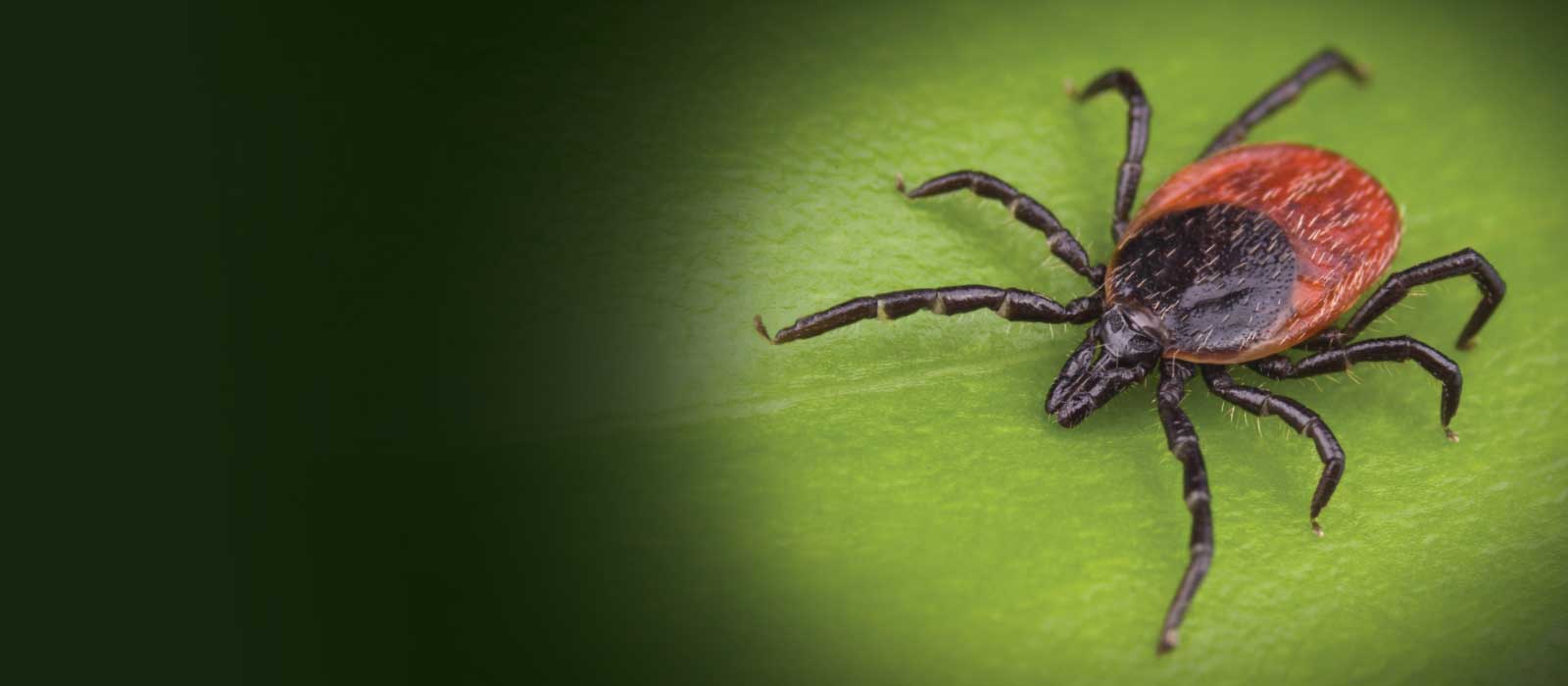
In 2024, New Jersey faced a significant increase in tick activity. The state reported 7,200 tick-borne illnesses in 2024, up from 3,110 in 2020. The trend seems poised to continue in 2025, with 1,517 cases reported through May 8. This uptick is linked to warmer weather, which boosts tick populations. As peak summer season begins once again, Viking Pest Control is urging homeowners to take action against growing pest populations, especially ticks, which are trending to be more active this year than ever.
"Ticks thrive in warm, humid environments, and this summer is no exception," says Eric Gunner, a pest control expert at Viking Pest Control. "We’re seeing a significant uptick in tick activity, especially in suburban and rural areas. It's crucial for homeowners to take preventive measures now to protect their families and pets."
Viking Pest Control recommends the following tips for keeping ticks at bay:
Maintain Your Yard: Keep grass short and clear away any leaf litter where ticks can hide.
Quality Fencing: While ticks are small and have tiny legs, wild animals like raccoons or deer allow them to travel much farther than they can on their own. A properly constructed and maintained fence can help to keep wildlife and the ticks they carry away.
Prevent Littering: Related to fencing, loose garbage can attract tick-carrying pests to your home and yard. If you properly seal your garbage receptacles, you will reduce the risk of ticks coming to your yard.
Use Tick Repellents: Apply EPA-approved tick-repellent sprays judiciously as directed by the label.
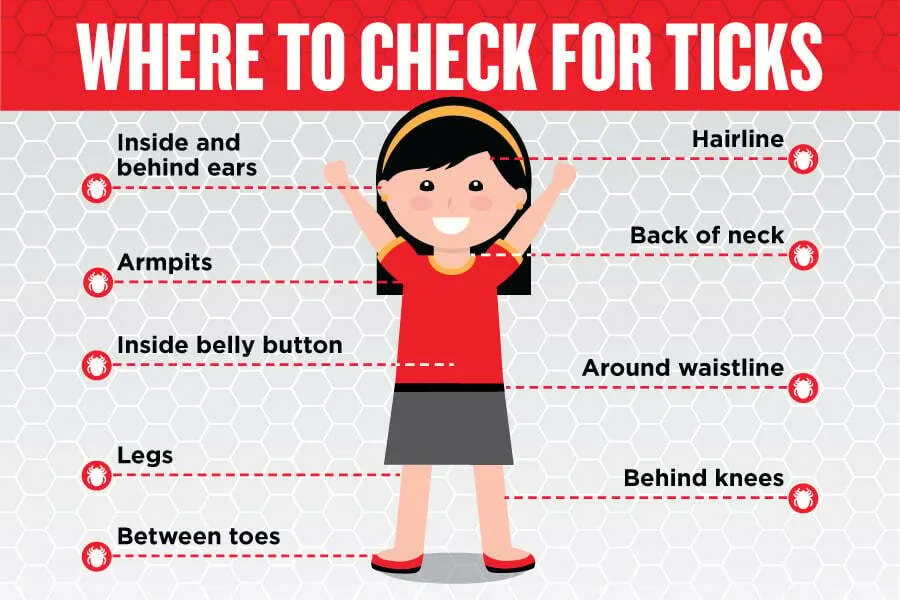
Check for Ticks: After outdoor activities, thoroughly check yourself, your children, and pets for ticks. The earlier you can remove a tick after it latches on to a host, the less likely they are to transmit a disease.
Last Bite Preventive Yard Treatments: Viking Pest offers Last Bite treatments that can form a protective barrier for your yard that can keep both ticks and mosquitoes away. Last Bite Green is available for those who want to take a more eco-friendly approach.
In addition to ticks, homeowners should be on the lookout for common summer pests such as mosquitoes, ants, and wasps, which thrive during the hot and humid summer months. Viking Pest Control offers pest prevention packages to help proactively address pest issues before they can ruin your summer.
“It's always easier to prevent an infestation than to deal with it once it’s out of control,” said Gunner. “Our team is ready to help homeowners protect their homes with our comprehensive pest control services.”
For more information or to schedule a consultation, visit Viking Pest Control’s website at vikingpest.com or call 800-618-2847.
Carpenter Ants: Spot and Stop Them in Your Home
If you’ve spotted large black ants roaming around your kitchen or bathroom, it’s time to pay attention. While they might look like just another bug, these pests could be carpenter ants—one of the most common and destructive wood-damaging insects found in homes across the Mid-Atlantic.
So how do you know if these ants have set up shop inside your walls? And more importantly, what should you do about it? Here's what every homeowner needs to know about how to get rid of carpenter ants.
5 Signs You Have An Infestation and Need Carpenter Ant Control
The Ants Themselves The most obvious sign is seeing carpenter ants inside your home. These ants are typically large (up to ½ inch) and either all black or black with red coloring. They’re especially active in the late afternoon and early evening, particularly during warm summer days. If the weather turns cold or rainy, they may become even more active indoors.
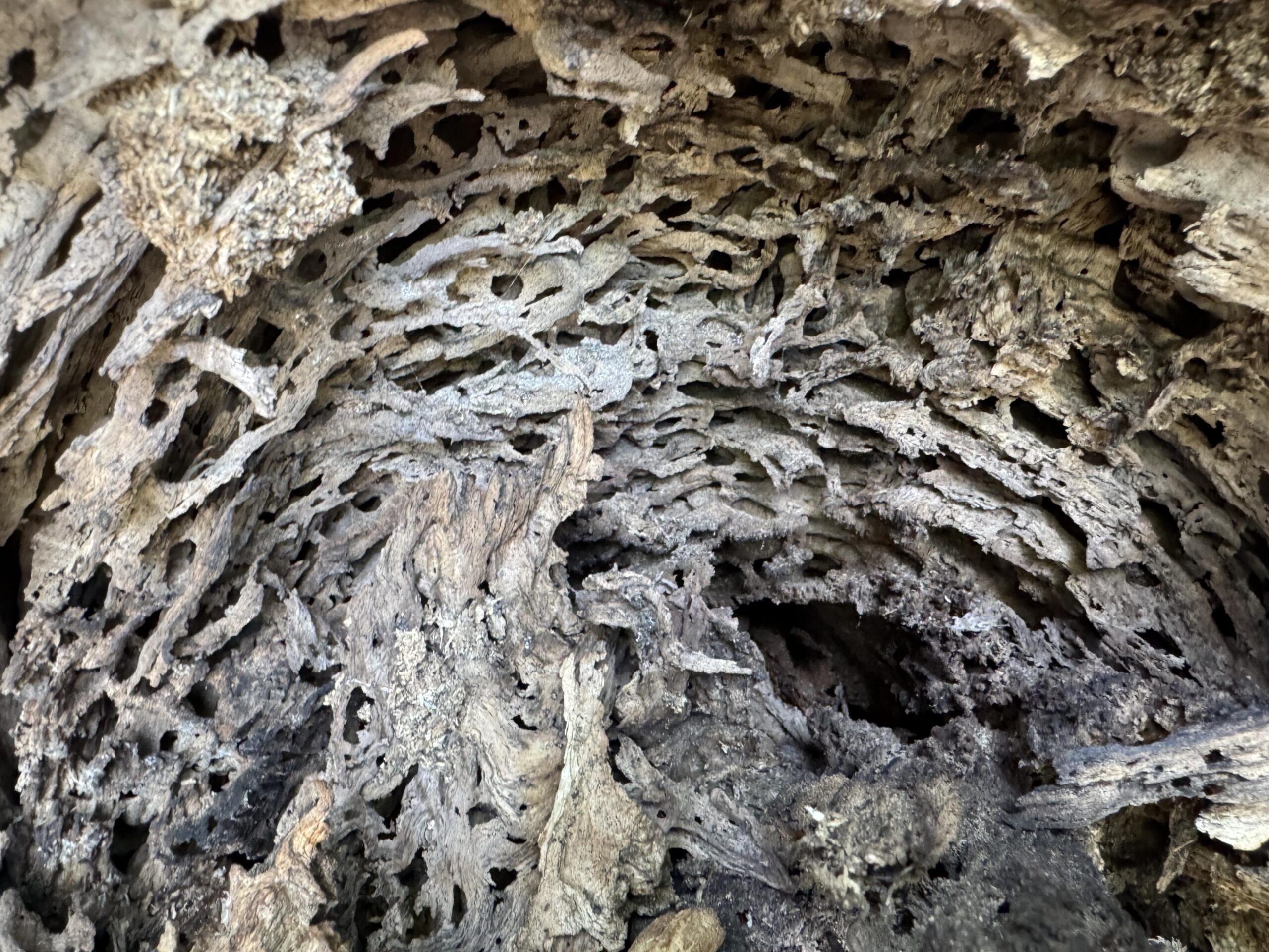
Piles of Frass (Sawdust-Like Debris) Carpenter ants don’t eat wood like termites do. Instead, they chew through it to create nesting galleries, leaving behind small piles of wood shavings and insect parts near the nest entrance. This debris, called frass, is often found in attics, basements, or behind baseboards and window frames.
Winged Swarmers During the summer, carpenter ant colonies may produce winged swarmers—ants that leave the nest in large groups to mate and establish new colonies. These swarmers are frequently mistaken for termites. If you spot winged ants inside your home, it’s a strong sign of an active indoor nest.
Rustling Noises in Walls In quiet areas of the home, like a bedroom or attic, you might hear faint rustling or tapping noises coming from inside the walls. That could be ants moving through their tunnels or expanding the nest.
Moisture-Damaged Wood Carpenter ants are drawn to areas with excess moisture or previous water damage. If you’ve had leaks near rooflines, windowsills, chimneys, or plumbing, these areas can become prime nesting sites for a growing colony.
Why Are Carpenter Ants a Problem?
While they may not eat wood like termites, carpenter ants still cause serious structural damage by hollowing out wooden beams, insulation, and even foam. Their colonies can grow quite large, often branching into multiple satellite nests that quietly cause damage in different parts of the house.
Common nesting areas include:
Inside: Rooflines, kitchens, bathrooms, window and door frames, and chimneys.
Outside: Decks, porches, fences, firewood piles, and even trees.
The longer they’re allowed to expand, the more extensive—and expensive—the damage can become.
DIY Treatments: Do They Work?
If you're researching how to get rid of carpenter ants, you've probably looked into do-it-yourself methods for carpenter ant extermination. While it’s tempting to grab an over-the-counter spray and try to tackle the problem yourself, most DIY treatments don’t work on carpenter ants. Here’s why:
Store-bought sprays are repellents, meaning they only kill on contact and cause ants to retreat deeper into walls—making them harder to reach.
Baits from the store are usually designed for smaller ant species, using sweet attractants that carpenter ants often ignore.
Carpenter ants nest in inaccessible areas, like wall voids, making it nearly impossible to reach them without professional tools and knowledge.
In short, DIY solutions often prolong the problem and can end up costing more in the long run.
When to Call Viking Pest Control
If you suspect carpenter ants—or any wood-destroying insect—have invaded your home, the safest, fastest, and most effective option is to call a carpenter ant control company like Viking Pest Control.
At Viking, our licensed technicians:
Know how to identify and locate primary and satellite nests
Use targeted treatments that reach deep into walls and structural voids
Help prevent future infestations by identifying moisture issues and sealing entry points
Don’t wait until you see damage—act early.
Carpenter ants may be silent, but they’re could be eating away at your home’s structure. If you're in New Jersey, Pennsylvania, Delaware, or the Eastern Shore of Maryland, and think you might have a problem, reach out to Viking Pest Control today for carpenter ant extermination and prevention.
Ultimate Guide to Fruit Fly Control at Home
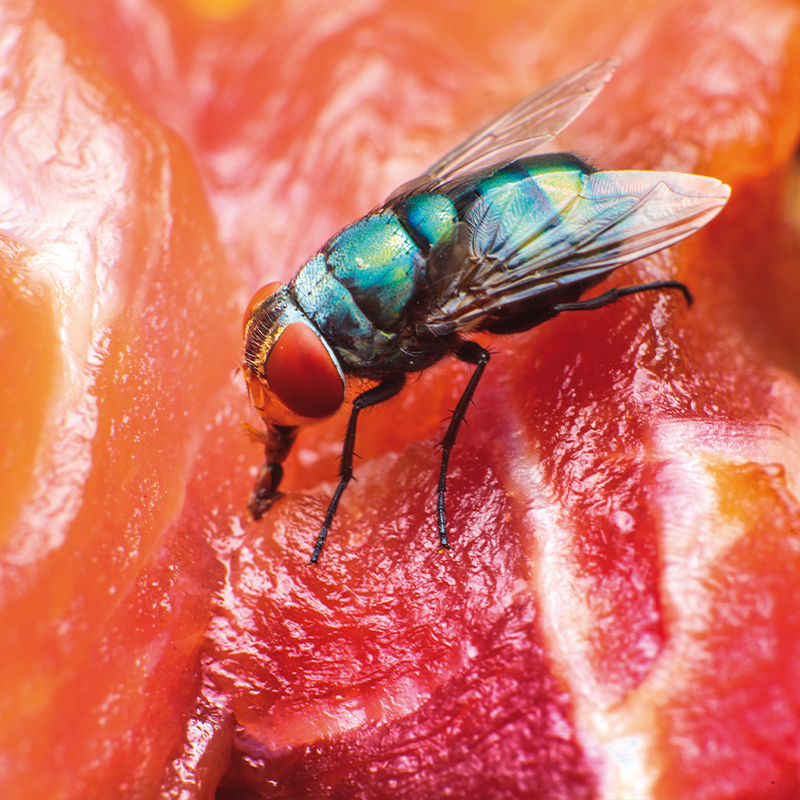
Fruit flies may be tiny, but they can quickly become a big nuisance in your home. While buzzing in your face can be annoying, fruit flies can cause much worse problems. As they fly from food source to food source, they can spread foodborne illnesses like E. coli, Salmonella, and Listeria. Getting rid of fruit flies is not just a matter of dealing with an irritation; it’s a matter of keeping a safe and sanitary home.
Where do Fruit Flies Come From?
But where do fruit flies come from in the first place? These pesky invaders often arrive undetected, hitching a ride as eggs or larvae on fresh produce. Homeowners across New Jersey, Pennsylvania, Delaware, and Maryland’s Eastern Shore frequently contact Viking Pest Control for help with fruit fly problems, especially in warmer months when these pests are most active.
Here’s what you need to know about fruit flies and how to keep them out of your kitchen for good.
How Do Fruit Flies Get Into the House?
Fruit flies often enter homes through produce purchased at grocery stores or farmers markets. Eggs and larvae can be present on the surface of fruits and vegetables, even if they look clean. Once inside, fruit flies quickly find food and moisture sources where they can continue breeding.
First Line of Defense: Clean Your Produce
A simple but highly effective way to reduce the risk of fruit fly infestations is to thoroughly wash all produce as soon as you bring it home. Better yet, store fruits and vegetables in the refrigerator when possible. Cold temperatures inhibit fruit fly development and can stop infestations before they start.
The Key to Fruit Fly Control: Sanitation
Harmful products are not necessary for fruit fly control. In fact, the best way to eliminate fruit flies is through good sanitation practices. Fruit fly eggs are typically laid on fermenting organic matter such as:
Overripe fruit
Rotten vegetables
Food residue in garbage containers
Organic scum inside sink and floor drains
To keep your home fruit fly-free:
Clean garbage cans regularly to remove food buildup
Scrub drains with enzyme-based cleaners to break down organic residue
Check under and behind appliances for hidden food scraps
Eliminate excess moisture by drying out damp areas
These simple steps can significantly reduce breeding sites and help prevent future infestations.
How to Get Rid of Fruit Flies Once they Mature
If adult fruit flies are already flying around your kitchen, you have a few options for quick control:
Use 91% Isopropyl Alcohol Spray
Spraying adult fruit flies with 91% isopropyl alcohol kills them on contact. It’s an easy and safe method for immediate relief.
Make a DIY Fruit Fly Trap
Create your own trap using items you probably already have:
Fill a small dish with apple cider vinegar or red wine
Cover the dish with plastic wrap
Poke small holes in the wrap with a toothpick
The fruit flies will enter the fruit fly trap but won’t be able to escape.
Treat Drains with Enzyme Cleaners
An enzyme-based drain cleaner can get rid of fruit flies in your drains without harmful side effects. These products break down the organic materials where flies lay their eggs, cutting off the problem at the source.
Still Seeing Fruit Flies? Viking Pest Can Help.
If your struggling to get rid of fruit flies despite your best efforts, it’s time to call in the professionals. At Viking Pest Control, we specialize in eco-friendly and effective solutions to eliminate fruit flies and prevent them from coming back.
Our Viking Green plans offer unique approaches to pest control with sustainability as a top priority. Our low-to-no-impact treatments and methods make sure that your pest problem gets solved without compromising on sustainability.
Serving homes across NJ, PA, DE, and the Eastern Shore of MD, Viking Pest’s local experts are ready to help you protect your home from fruit flies and other common pests.
Request a free estimate today and let Viking Pest Control help you get back to enjoying a clean, pest-free home!
Dangerous Tick-Borne Disease Babesiosis Spreads to Delaware and Maryland
Ticks are infamous disease spreaders. While best known for spreading Lyme Disease, ticks are responsible for spreading a variety of other ailments, including Rocky Mountain Spotted Fever, Alpha-Gal syndrome, Powassan Virus, and Anaplasmosis, among others. One particularly noteworthy tick-borne disease is Babesiosis. While historically the parasitic disease was limited in its range to the Northeast and the Upper Midwest, ticks carrying the disease have been found further south, including in the Mid-Atlantic states of Delaware and Maryland.
How Ticks Spread Disease
Ticks pick up the disease by feeding on the blood of rodents like mice, shrews and chipmunks. Hiding inside the rodent blood is Babesia microti, the parasite that causes Babesiosis. When the tick bites a new host and begins feeding, there’s a good chance that the disease will be passed on and infect the tick’s latest victim. Babesiosis parasites harm people by destroying their red blood cells. While some people may experience no symptoms, Babesiosis is known to cause headaches, body aches, fever, chills, nausea, fatigue, and loss of appetite. In extreme cases, if left untreated, the disease can cause organ failure and death.
Due to changes in the climate, ticks are active for more of the year and have expanded their territory. Entomologists have found Blacklegged Ticks, also known as Deer Ticks, carrying the disease farther south than usual, including the peninsula formed by Delaware and the Eastern Shore of Maryland. Rare human cases of Babesiosis have also been found in the region.
Preventing Tick Bites
Ticks tend to live on tall grasses and can be difficult to see due to their small size. Most ticks are the size of a seed. When going outdoors, it’s essential to protect yourself properly. Skin coverage is critical. Ticks are most likely to latch onto humans by their feet and lower legs, so it is wise to cover them with shoes and socks when wandering into the grass. You should wear full-length pants and long sleeves if you walk into heavily wooded areas, where black-legged ticks are more common. While unfashionable, you should also tuck your pants into your socks to prevent ticks from climbing up your legs beneath your pants. EPA-approved tick sprays can also help to keep these vampiric pests away.
Whenever you come in from outdoors, it’s important to check yourself and any kids or pets for ticks. If you find ticks shortly after they first latch on, it reduces the risk of disease transmission. Ticks aren’t going to let go of their host without a fight, so follow this guide to learn how to remove a tick.
Professional Tick Treatment from Viking Pest and Last Bite
The best way to deal with ticks is not to encounter them in the first place. That’s why Viking Pest offers, Last Bite, our Tick and Mosquito treatment service. Last Bite can help you get rid of ticks on your yard before they can get to you or your family, preventing the risk of tick-borne diseases to begin with. Call Viking today to schedule a Last Bite treatment.
Viking Pest Control Opens New Office in Denville, NJ
Pictured: Barbara Hess, VP Operations - Viking, Robert Lagomarsino Branch Manager – Viking , James McIntyre, President – Viking, Thomas Andes - Denville Mayor, Kevin Murphy, Director of Business Operations - Morris County Chamber of Commerce, Ben Snyder, VP Business Development – Viking
Award-Winning Pest Control Company Expands Reach to Better Serve Northwest NJ
BASKING RIDGE, NJ, May 6, 2025 - Viking Pest Control is pleased to announce the opening of a new branch office in Denville, NJ, enabling the acclaimed company to better service homes and businesses in Morris, Sussex, and Warren counties. Viking has partnered with the Morris County Chamber of Commerce and is excited to be a part of such a robust business community. Together, they are hosting a ribbon cutting ceremony celebrating the grand opening on May 7, 2024, from 4:00-6:00 pm at 321 Palmer Rd., Unit 1, Denville, NJ 07834.
Viking Pest offers award-winning pest control services and has been recognized on multiple national and regional "best of" lists for pest control, mosquito services, termite services, sustainability, and customer satisfaction. Publications praising Viking include Forbes Home, The Spruce, Better Homes and Gardens, CNN Underscored, and Real Simple. Viking Pest also has more than 3,000 five-star reviews on Google and an A rating from the Better Business Bureau.
Viking Pest is a QualityPro member, meaning its customers will receive professional pest management solutions performed by certified individuals. Viking also holds GreenPro membership, meaning it is a leader in sustainable pest control standards. Additionally, Viking is the region's exclusive provider of Anticimex SMART Rodent Control.
"We’re excited to expand our presence in Northwest New Jersey,” says Robert Lagomarsino, Branch Manager “For more than 40 years, Viking Pest Control has built a reputation for reliable, eco-friendly service that homeowners and businesses can count on. By opening a local branch in the area, we’ll be able to respond faster, support our community more directly, and continue delivering the high-quality pest management our customers have come to expect.”
Viking Pest Control is a leading provider of pest management services committed to ensuring a healthy and safe living environment for its customers. With a team of highly skilled professionals and a customer-centric approach, the company offers comprehensive pest control solutions tailored to meet individual needs. Viking's dedication to excellence, innovation, and community involvement sets it apart as a trusted industry leader.
For more information on Viking's extended coverage in New Jersey, call 800-618-2847 or visit their website.
The Ultimate Guide to Effective Wasp Removal and Prevention
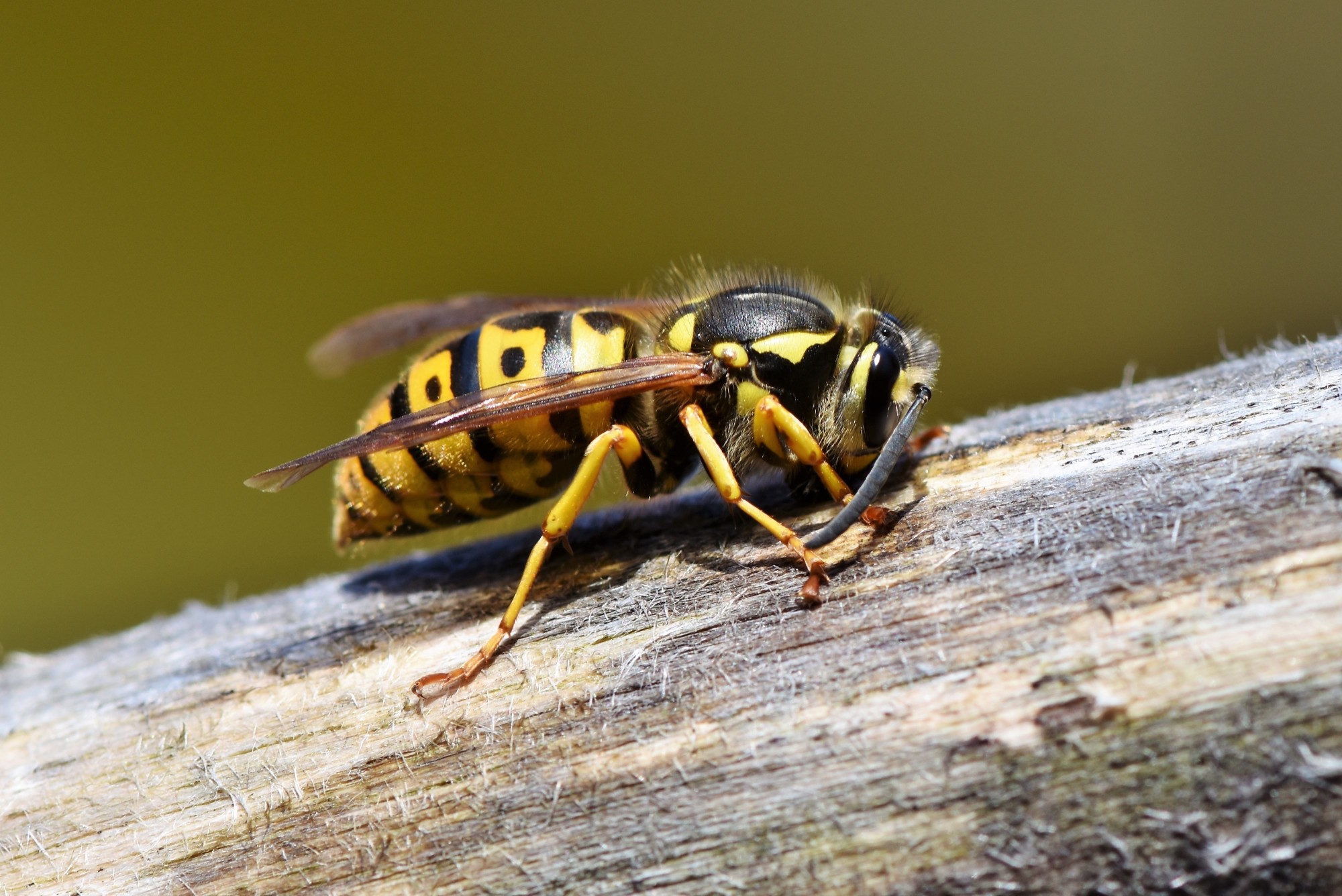
As the weather warms up, wasps, hornets, and yellow jackets begin to emerge in full force. These stinging insects can pose serious risks to your family, pets, and property if left unchecked. Early prevention is essential to keep your home and yard safe—and Viking Pest Control is here to help with expert solutions tailored to your region.
Why Wasp Prevention Is Important
Wasp infestations are more than just a nuisance. Their stings can be painful and even dangerous for those with allergies. Beyond the health risks, wasps may build nests in eaves, attics, sheds, and other structures, potentially causing property damage and long-term pest problems.
Working with a trusted pest control provider like Viking Pest ensures your home receives the most effective and proactive wasp prevention available in the Mid-Atlantic region.
Common Wasp Species in NJ, MD, DE, and PA
While different species of wasps are active across our service areas, the most common you’ll encounter include:
• Paper Wasps – Recognizable by their umbrella-shaped open-comb nests, they typically nest under eaves and ledges. They feed on nectar, small insects, and fruit.
• Cicada Killers – Large solitary wasp species common in the region. Cicada Killers may look intimidating but are generally non-aggressive and rarely sting unless provoked.
• Mud Daubers – Solitary and less aggressive, these wasps build tube-shaped nests out of mud. They’re known for hunting spiders to feed their young.
• Yellow Jackets – Highly aggressive and often nesting in the ground or within wall cavities, yellow jackets are frequent uninvited guests at outdoor meals and trash bins.
Knowing the species helps Viking Pest develop precise treatment and prevention strategies that address the unique behavior of each type.
Why Wasps Might Be Targeting Your Yard
There are several reasons wasps are attracted to your yard or home:
• Abundant Food Sources – Open trash, pet food, sugary drinks, or compost can attract foraging wasps. • Water Access – Standing water in birdbaths, gutters, or plant pots is a magnet for thirsty wasps. • Nesting Opportunities – Sheds, attic vents, soffits, and even wall voids provide safe harborage. • Pollinator Activity – While wasps do help control pests, an overpopulation can harm beneficial pollinators like bees, potentially disrupting your garden's ecosystem.
Wasp infestations can escalate quickly, so taking early action is critical.
5 Simple, Effective Tips to Prevent Wasps
Here are five proven steps to help reduce the risk of wasps on your property:
Seal Entry Points: Inspect and seal cracks or gaps in siding, vents, and soffits.
Remove Food Sources: Keep outdoor eating areas clean, tightly seal trash cans, and store pet food indoors.
Eliminate Standing Water: Fix leaks and empty containers that collect rainwater.
Use Natural Deterrents: Plant wasp-repelling herbs like mint, eucalyptus, or citronella near high-traffic areas.
Install Wasp Traps: Set out baited traps early in the season to catch queens before they build nests.
If you're already seeing signs of wasp activity, it may be time to bring in the professionals.
Total Wasp Control with Viking Pest
At Viking Pest Control, we understand the unique challenges of pest control across New Jersey, Maryland's Eastern Shore, Delaware, and Pennsylvania. Our team of local experts uses cutting-edge, eco-friendly solutions to safely remove wasps and prevent their return. We offer customized residential and commercial treatment plans designed around your property’s needs.
Whether you’re dealing with a few foraging wasps or a large hidden nest, Viking has your back. Contact us today to schedule a free estimate and learn how our SMART pest control technologies and family-safe products can protect your home—season after season.
Products and Techniques That Keep Mosquitos Away
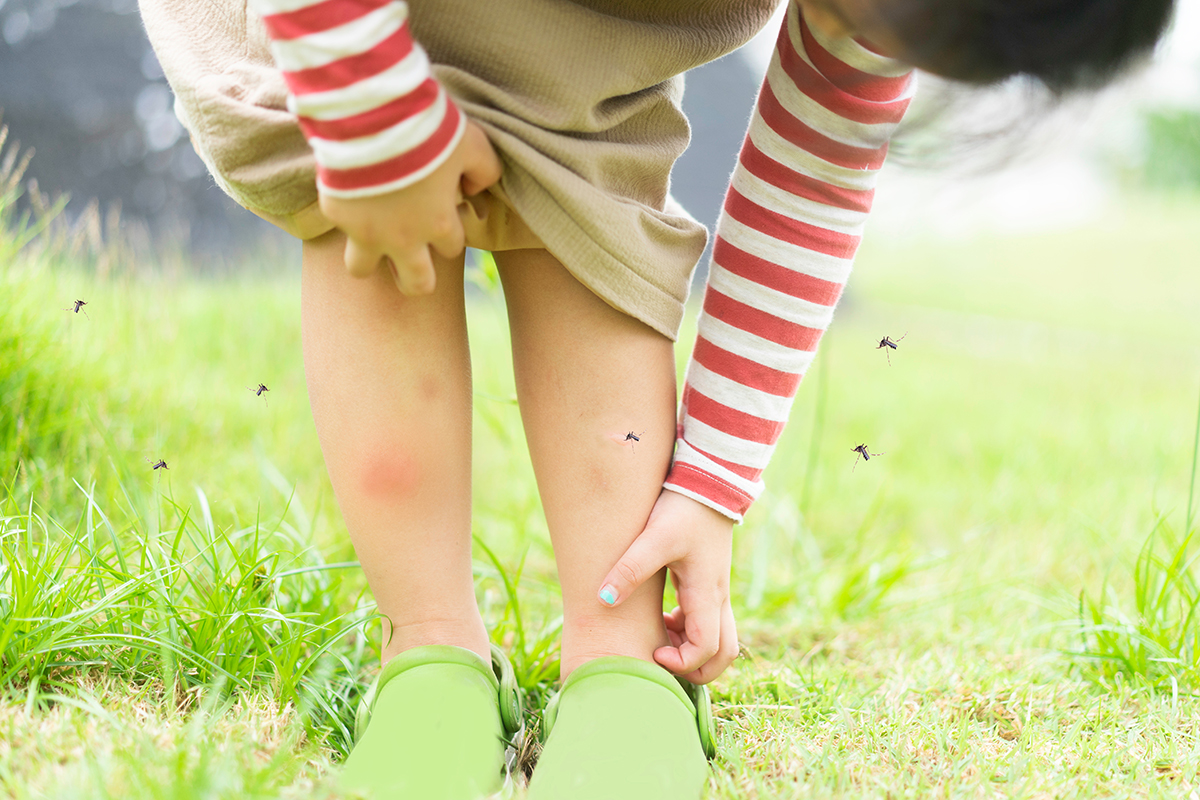
The mosquito is the most deadly animal in the world—more dangerous than sharks, bears, and snakes combined! Mosquitos infamously spread Malaria, one of the most dangerous diseases in the world. While Malaria outbreaks in the United States are exceedingly rare, mosquitos can still spread a wide variety of dangerous ailments including West Nile Virus, Zika virus, and Eastern Equine Encephalitis.
In addition to threats to people, mosquitos are also dangerous for pets. Mosquitos are an infamous cause of heartworm in dogs.
How To Keep Mosquitos Away
Mosquito repellent helps keep mosquitoes and ticks from biting you by blocking your scent. Some people like using natural sprays, but the CDC says not all of them are safe for children or nursing mothers. For example, Oil of Lemon Eucalyptus shouldn’t be used on kids under 3. But repellents with DEET or Picaridin are safe when used as directed—even for kids.
Always choose a repellent that’s registered with the EPA. These have been tested to make sure they are safe and effective. If you’re going somewhere with a lot of mosquitos stick with products like DEET or Picaridin—especially ones that are over 25% strength. Natural repellents usually don’t last as long and need to be used more often. If you have sensitive skin, you can spray repellent on your clothes instead of your skin. Another option that avoids skin contact is also clip-on devices that can help keep mosquitoes away. Some claim that noise machines can scare off mosquitoes. This is a myth. Don’t waste your money.
Traps that use carbon dioxide (CO2) can help, but they have to be placed in the right spot. If you put them too close to people, they might attract more mosquitoes than they repel! Bug zappers that use lights don’t work very well for mosquitoes and might hurt beneficial insects instead. Some plant-based sprays made from oils can work, but they don’t last as long and can smell strong. Don’t spray them on flowers, because that can hurt bees.
How You Can Prevent Mosquitos In the First Place
The most crucial step is to get rid of standing water. That’s where mosquitoes lay eggs. Even a small puddle or a bucket of water can become a mosquito nursery!
Check inside clogged gutters, birdbaths, toys, planters, and old tires. If you can’t dump out the water, you can treat it with special products that kill baby mosquitoes—just make sure it’s allowed in your state. Always read the label and wear protective gear like long sleeves, pants, gloves, and maybe even goggles or a mask, depending on the product.
Another trick? Use fans! Mosquitoes aren’t great flyers, so air from a fan can help blow them away from where people are sitting. This works just like the air curtains you feel when you walk into a store.
Some smells that keep mosquitoes away are citronella, thyme, clove, catnip, cinnamon, and geraniol.
How Professionals Get Rid of Mosquitos
If you’re unsure about doing it yourself, it’s a good idea to call a professional. They have the training and tools to do it safely and effectively. Professionals treat places where mosquitoes hide during the day, like under decks, in bushes, or in shady spots. They may use sprays that are either natural or synthetic, depending on what’s needed.
Viking Pest Control offers Last Bite Tick & Mosquito Control Service which creates a protective barrier around your yard during the spring that prevents both mosquitos and ticks. These treatments are repeated monthly from spring through fall to ensure that you get as much comfortable, worry-free outdoor time as possible. Viking also offers Last Bite Green if you are looking for a more natural, low-impact solution to your mosquito problems.
Call to schedule your first Last Bite treatment today!
Keep Unwanted Fuzzy Intruders Out With SMART Wildlife Exclusion
Furry critters like squirrels, raccoons, skunks, and groundhogs may look cute from afar, but these pests can cause significant trouble if they find their way inside your home. Many types of wildlife will use open vents, holes in the wall, or cracks in the foundation to seek shelter inside your home. If you suspect that you may be playing host to unwelcome animal guests, it's important to take swift action to resolve the issue. Viking Pest's SMART Wildlife Exclusion provides a humane approach to wildlife control that focuses on trapping and removing pests while implementing prevention strategies to keep them from returning.
Why Do I Need Wildlife Management Solutions?
Every homeowner should address the potential dangers of a wildlife infestation through preventative maintenance and pest control services. Wildlife may cause significant property damage, from chewing through walls and electrical wires to structural damage from their burrowing and nesting habits. Some species may even clog your vents in attempts to build their nests.
Wildlife species may carry various diseases, bacteria, and parasites that can transmit to humans and cause illness. Their fur, dander, and droppings can also trigger allergies in some people. If you happen to encounter a live animal in your home, there is the risk of getting bitten or scratched, especially if the animal feels threatened and becomes aggressive.
The threat of an infestion may worsen depending on the season. For example, squirrels typically have litters in early spring and summer. If you don't take action with professional squirrel control, populations can quickly grow and cause more trouble.
What Are the Benefits of Wildlife Exclusion?
Squirrels, raccoons, skunks, and other critters will take advantage of any entry points to get inside your home to access food, water, warmth, and safe shelter to nest. Wildlife exclusion is a safe and humane approach to pest control and begins with an inspection of your property to identify and seal entry points in your basement, attic, and around your home. This wildlife managment strategy includes suggestions to make the environment surrounding your home less appealing to wildlife. Simple measures like keeping pet food indoors or taking it away after feeding time, picking up fallen fruit, harvesting produce from your garden, and securing trash in sealed containers can all help deter unwanted creatures. Physical barriers like mesh fences, screens, and chimney caps are other important aspects of protecting your property.
How Does the SMART System Work?
If you want even greater protection against wildlife, Anticimex SMART is a valuable upgrade to traditional wildlife exclusion services. The SMART system provides 24/7 monitoring of pest activity using innovative, intelligent, and eco-friendly technology.
SMART wildlife exclusion employs a network of strategically placed infrared sensors to track wildlife activity and send alerts to the office so the Viking team knows when to take action. Ongoing service includes periodic inspections, trap relocation if animal activity shifts, and trap emptying.
Get Proactive About Wildlife Management With Safe, Sustainable, and Humane SMART Solutions From Viking Pest
You can ONLY get SMART Wildlife Exclusion from Viking Pest Control in New Jersey, Delaware and Pennsylvania. Our team uses the latest technology and expertise from decades of experience with the area's wildlife to create a customized solution for your home. Contact us today to get started by requesting your free estimate.
Carpenter Bees Bugging You? Here’s What You Need to Know!
Every year, wood-loving pests wreak havoc on homes and businesses across the Mid-Atlantic. Some chew through wood, while others drill into it to make their nests—causing major headaches and expensive repairs. Among the biggest troublemakers in New Jersey, Pennsylvania, Delaware, and Maryland? Termites, carpenter ants, old house borers, and, of course, carpenter bees.
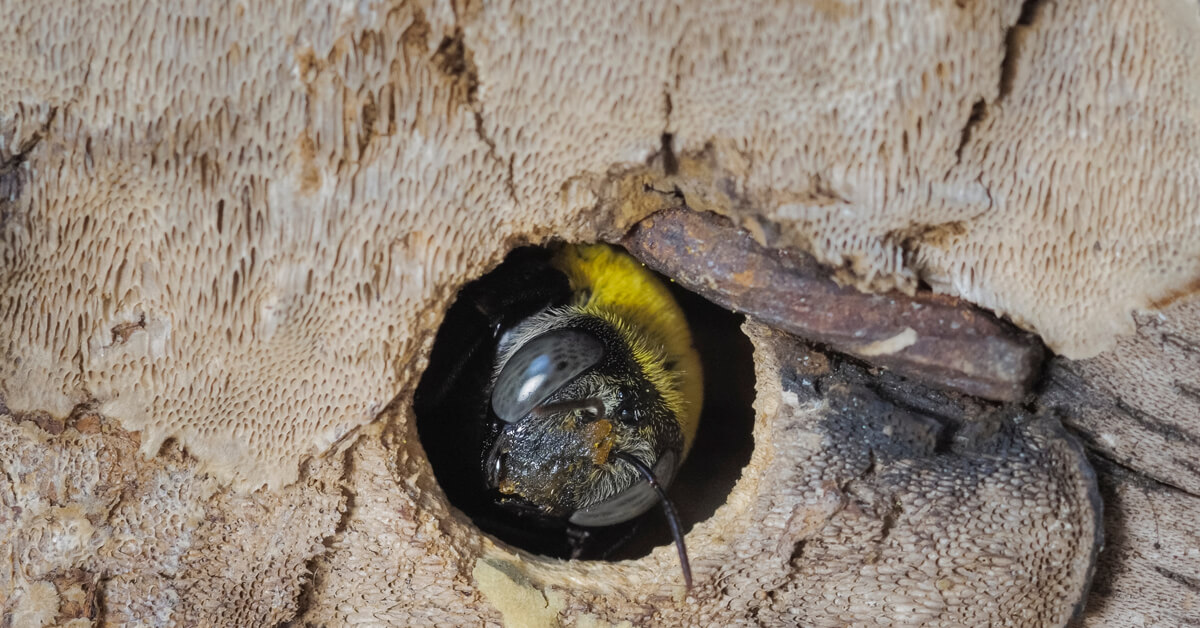
Carpenter bees (Xylocopa virginica) are often mistaken for bumble bees because they look similar. But unlike bumble bees, these guys don’t live in hives. Instead, they burrow into wood to make their homes. If you’ve spotted them buzzing around your property, don’t wait—Viking Pest Control can take care of the problem fast and effectively.
What Are Carpenter Bees Up To?
It’s easy to confuse carpenter bees with bumble bees, especially when they’re hovering near your wooden decks, fences, or eaves. But here’s the thing—carpenter bees don’t eat wood. Instead, they tunnel into it to create cozy little nurseries for their young.
They prefer untreated or unpainted wood, which means they often target decks, fences, railings, eaves, shingles, and even wooden patio furniture. Their nests start with a neat, round hole (about half an inch wide) before they dig tunnels inside, sometimes expanding old ones year after year.
During winter, these bees hunker down inside their tunnels until spring arrives and it’s time to mate. The females lay eggs and leave a stash of pollen and nectar for their babies to munch on. By late summer, new adult carpenter bees emerge, ready to start the cycle all over again.
Will Carpenter Bees Sting?
If you’ve ever had a carpenter bee buzz a little too close for comfort, you’re not alone. Males can be pretty bold, hovering in your face as if they own the place. But here’s the kicker—male carpenter bees can’t sting. Only females have stingers, and they usually won’t use them unless they feel truly threatened.
The sting itself is painful but generally mild unless you have an allergy. While they’re not the most dangerous pests, their wood-boring habits can lead to structural damage over time—making them more of a nuisance than anything.
How to Keep Carpenter Bees Away
Want to stop carpenter bees before they turn your deck into a drilling site? Here are some simple ways to keep them from moving in:
Seal up cracks and crevices in wooden surfaces with caulk or another sealant.
Paint or stain untreated wood—carpenter bees prefer bare wood!
Clear away unnecessary wood debris like fallen branches or logs.
While these DIY tricks can help, they might not be enough if carpenter bees have already settled in. That’s when it’s time to call in the pros.
The Best Way to Get Rid of Carpenter Bees
Seeing carpenter bees buzzing around your home or business? The fastest, most effective way to get rid of them is with professional pest control. At Viking Pest Control, our expert team knows exactly how to handle carpenter bees, using safe, state-of-the-art methods to protect your property.
With years of experience dealing with carpenter bees and other stinging insects, Viking Pest Control offers long-lasting solutions to keep your home or business bee-free. We use advanced equipment and eco-friendly treatments to get the job done right.
If carpenter bees are causing trouble in New Jersey, Pennsylvania, Delaware, or Maryland, Viking Pest Control has your back. Give us a call today, and let’s take care of the problem for you!