Those Big Ants in Your House and Yard Might Be Carpenter Ants! What to Look for and What to Do
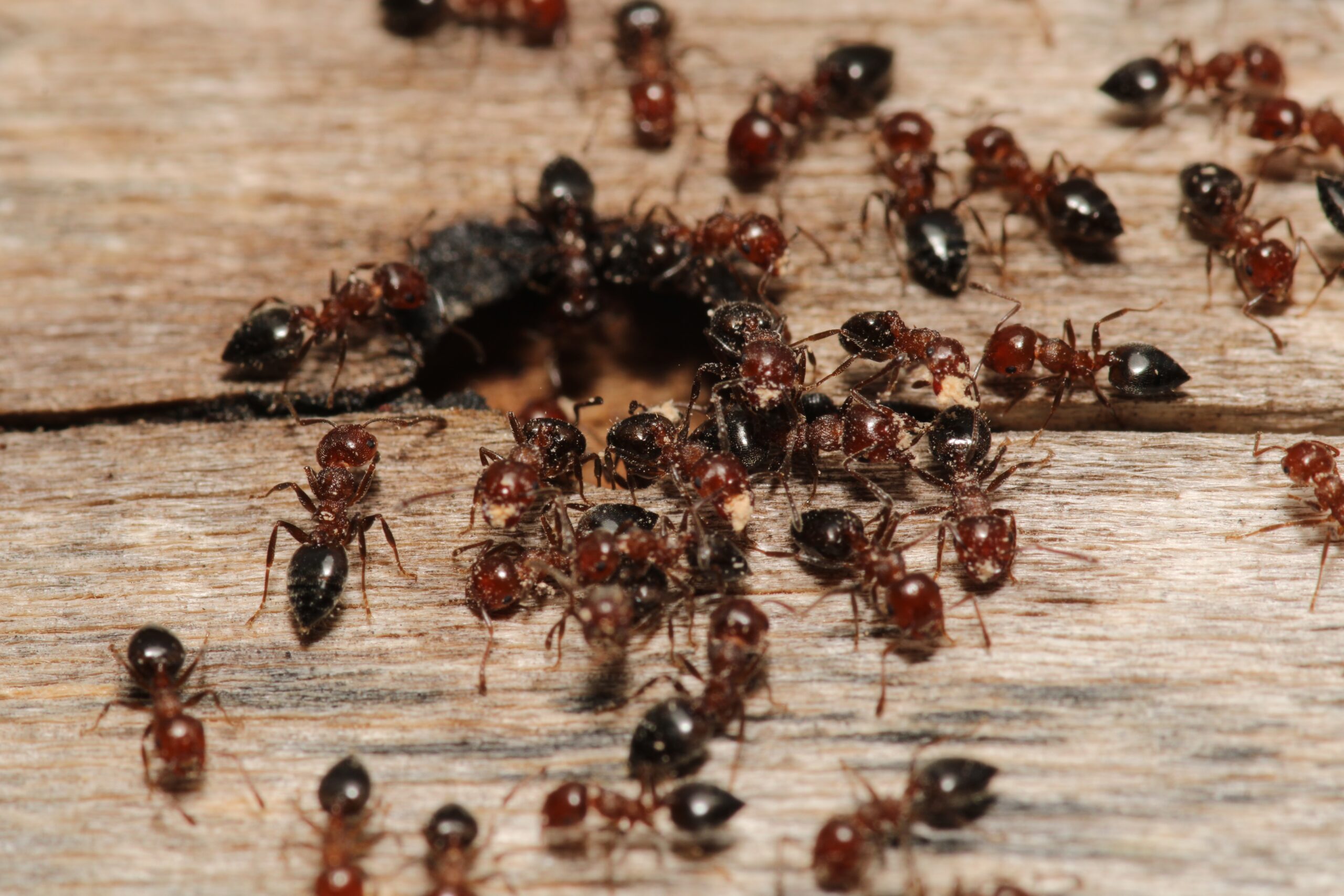
Ants come in many different sizes. Some are borderline microscopic, some are as big as an inch and a half long. That said, the biggest ant in one part of the world might be a different species than the biggest ant in another. In the mid-Atlantic states, including New Jersey, Pennsylvania, Delaware, and Maryland, the most notorious big ant is the carpenter ant, and while it might not be the most threatening of big ants, it can be the most damaging to your home and wallet.
The Risk of a Carpenter Ant Infestation
Ants are rarely welcome guests in peoples’ homes, but those big, wood-shredding carpenter ants should be evicted extra-quickly. In their natural environment, Carpenter Ants can be helpful creatures. They break down dead wood from injured and dead trees and put them to more productive use, enriching soil and allowing new life to grow. Unfortunately, most homes are built out of dead wood, which makes carpenter ants anything but helpful during an infestation. The damage they do can be extensive, expensive and is generally not covered by homeowners’ insurance.
Characteristics of Carpenter Ants
So how do you know if the big ants you’re seeing in your home are carpenter ants? Not all big ants in our area are carpenter ants are big, but very few non-Carpenter species are likely to enter your house. Carpenter ants like houses more than the average ant by quite a lot. Second sign that you have a carpenter ant is the presence of frass- the piles of accumulated chewed up wood that can look like a pile of saw dust. You should also check the trees in your yard. Carpenter ants are often found climbing up and account trees, especially trees that are injured or dead as they build their homes into lifeless wood. If there are Carpenter Ants in your yard, they have an excellent chance of finding their way over to your home.
Carpenter ants, like most creatures, prefer the easy route when it comes to building their homes. Instead of working harder than necessary, they look for soft, damaged wood that’s already started to break down—like a tree that’s been weakened by water. The moisture makes the wood easier to carve out and provides the perfect humid environment for their colony to thrive.
Unfortunately, the same thing happens in homes. Areas with water damage—like doorframes, window frames, porch columns, and roof decking—become prime real estate for carpenter ants. They’re also drawn to dark, hidden spaces with little airflow, making certain parts of your home an ideal spot for them to settle in.
Most infestations actually start outside, often in trees that have been quietly housing carpenter ants for years. But as space in the tree gets tight, they expand, forming satellite colonies—sometimes inside homes. In many cases, homeowners don’t even realize there’s a problem until the ants have already moved in.
That’s why keeping an eye on the trees in your yard is so important! Catching an infestation early can save you from the much bigger (and more expensive) headache of dealing with carpenter ants inside your home later on.
Contact Viking Pest Control for Comprehensive Carpenter Ant Extermination and General Pest Control
Dealing with a carpenter ant infestation? This is definitely a job best left to the pros. These ants can nest in so many different places that trying to find and eliminate them all on your own can feel like an impossible task.
Pest control experts have specialized tools to tackle the problem effectively. They use dust applicators to reach deep into hidden voids, ultra-low volume machines to inject pesticide into tiny gaps, and even tools like drills and moisture meters to track down hard-to-find nests. And here’s the kicker—there’s often more than one nest in a single home!
If the ants are coming from outside, treatments like residual sprays around the foundation can help keep them from getting in. But if their main colony is in a tree nearby, just spraying your home’s exterior might only buy you some time before they find another way inside.
Bottom line? If you’re dealing with carpenter ants, bringing in a professional carpenter ant exterminator from Viking Pest can save you a lot of time, frustration, and potential damage in the long run.
Tick Talk: Effective Tick Prevention and Control for Your New Jersey Property
Ticks are small, blood-feeding arachnids that pose a significant risk to both people and pets. These wingless pests have oval-shaped bodies, eight legs, and typically range from 1/16 to 1/4 inch long. After feeding, their bodies expand considerably. In New Jersey, the most common tick species include the blacklegged tick (also known as the deer tick), the lone star tick, and the American dog tick.
Concerned about ticks in your yard? Your best move is to call in a local expert. Viking Pest Control offers professional tick inspections and customized treatment plans to help eliminate existing tick populations and prevent them from coming back.
The Life Cycle of Ticks in New Jersey
Ticks in New Jersey typically lay eggs during the spring. After hatching, they progress through larval and nymph stages before reaching adulthood. This development process often takes two to three years, and ticks require a host at each stage to survive and mature.
While many ticks die off in freezing weather, others survive the winter by burrowing into leaf litter, hiding in thick brush, or latching onto a warm-blooded host.
Tick-Borne Diseases: A Growing Concern
Ticks are most active during the warmer months—spring, summer, and early fall. They wait in tall grass, overgrown vegetation, or wooded areas for a potential host to pass by. Tick bites are often painless, but the diseases they carry can be serious. Some of the tick-borne illnesses found in New Jersey include:
Lyme disease
Anaplasmosis
Rocky Mountain spotted fever
Tularemia
If you find a tick on your skin, use fine-tipped tweezers to grasp it as close to the skin as possible and pull upward firmly. Dispose of the tick by flushing it down the toilet or placing it in alcohol before discarding. Clean the bite area thoroughly with soap and water or rubbing alcohol.
When should you worry about a tick bite? Watch for signs such as fever, chills, fatigue, headache, muscle aches, or a rash. If you experience any symptoms, especially after a recent tick bite, consult a healthcare professional right away.
How to Make Your Yard Less Attractive to Ticks
New Jersey homeowners can take a few proactive steps to reduce tick activity around their property:
Keep lawns trimmed and eliminate overgrown brush or tall weeds.
Create a barrier between wooded areas and your lawn using gravel, stone, or mulch.
Make sure pets are on a veterinarian-recommended flea and tick prevention plan.
While DIY tick sprays and yard treatments are widely available, they often fall short. Professional intervention is usually the most effective route.
Why Choose Viking Pest Control for Tick Prevention
Looking for the best way to get rid of ticks in your New Jersey home or yard? Once they find their way inside, ticks can be extremely difficult to eliminate. Viking Pest Control's Last Bite Mosquito & Tick service offers expert tick control solutions tailored to your property. Last Bite Green is also available for those looking for a more eco-friendly solution.
Our tick treatments include the use of a backpack misting system that targets tick hotspots in lawn, garden, and wooded areas with a powerful yet family- and pet-safe formula.
Don't let ticks take over your yard—contact Viking Pest Control today for professional tick control services in New Jersey.
Why Flying Termites Are a Red Alert For Your Home
Why Flying Termites Around Your Home Shouldn’t Be Ignored
You’re enjoying a warm evening when you notice a few winged insects fluttering near your porch light. At first glance, they might look like flying ants—but if they’re flying termites, your home could be at risk. These seemingly harmless insects may be the first visible warning of a much larger problem lurking out of sight.
Let’s break down what flying termites really mean for your property—and why quick action matters.
Flying Termites: What Are They, Really?
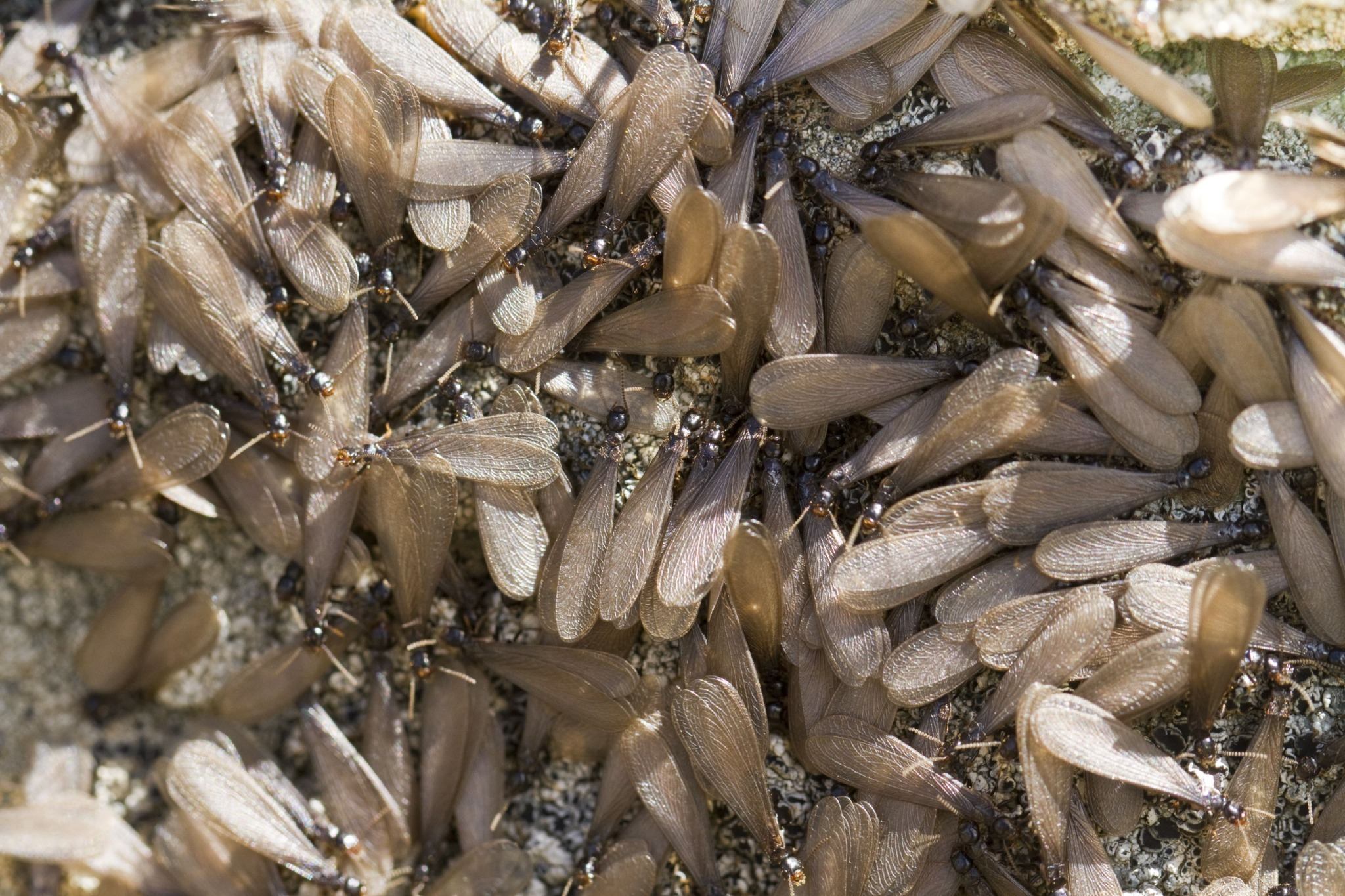
Flying termites, or “swarmers,” are not your average nuisance pest. They’re the reproductive members of a mature termite colony, taking flight to find new places to establish nests. Their presence often means one thing: a nearby colony is thriving—and it’s big enough to send out scouts.
Unlike workers or soldiers, swarmers aren’t here to chew through your walls (yet), but they signal that a colony may already be doing that underground or inside your structure.
When (And Why) Flying Termites Show Up
Swarmers typically appear during the spring and summer months, especially after a good rain and when the humidity is high. They’re most active at dusk or in the evening when conditions are perfect for travel.
But here's the catch: even if the swarmers don’t manage to start a new colony immediately, their flight means termites are active in the area—including inside your home. Termites don’t move far from their original nests, so if you’re seeing flyers, the source isn’t far away.
Seeing Flying Termites Doesn’t Always Mean Infestation—But It’s a Big Red Flag
Spotting flying termites doesn’t necessarily mean your home is already infested—but it’s definitely a red flag.
Swarmers often shed their wings soon after landing. If you notice piles of discarded wings around windowsills, doorways, or on the ground, that’s a sign they’ve arrived—and may have already found a place to settle.
Keep an eye out for these other termite warning signs:
Mud tubes along walls or foundations
Bubbling or uneven paint
Wood that sounds hollow when tapped
Dark, blistered, or sagging wood surfaces
Discarded wings indoors or near entry points
Even one of these symptoms should prompt a professional inspection.
Why You Shouldn’t Wait to Act
Termites are notorious for staying hidden while causing thousands of dollars in damage. In fact, most homeowners don’t realize they have a termite problem until significant structural issues arise.
A new colony might take years to grow, but once established, it can cause severe and expensive damage behind walls, under floors, and around your home’s foundation. By the time signs are obvious, the repair costs can be massive.
Professional Termite Protection: Your Best Defense
At Viking Pest Control, we understand how termites operate—and more importantly, how to stop them. Our licensed technicians use advanced technology and proven treatment methods to detect and eliminate termite colonies before they cause costly damage.
Here’s what you can expect:
A thorough inspection of your home and surrounding property
Identification of termite species and high-risk areas
A customized treatment plan using industry-leading baiting and prevention systems
Whether you're seeing flying termites now or just want peace of mind, professional protection is the smart choice. Don’t leave your biggest investment vulnerable.
Think You’ve Seen Flying Termites? Let’s Take a Look.
If you're noticing flying termites or signs of potential activity, don't wait for the problem to grow. Our team at Viking Pest Control is ready to help protect your property with fast, effective, and affordable termite solutions.
Termite protection is available by itself or as part of our more comprehensive SMART Premier, Green Plus and Green Premier Plans. Schedule your termite inspection today and let us help you stay one step ahead of the silent destroyers.
Protecting Your Home from Hantavirus: What You Need to Know About This Mouse Transmitted Disease
At Viking Pest Control, our mission is to keep your home and family safe—not just from pests, but from the diseases they may carry. One of the more serious illnesses associated with rodents in the United States is Hantavirus Pulmonary Syndrome (HPS), a potentially fatal respiratory disease.
What Is Hantavirus?
Hantavirus is a group of viruses within the Bunyaviridae family. The strains found in the U.S. are most commonly associated with Hantavirus Pulmonary Syndrome, which can become life-threatening if not treated promptly.
Who’s Carrying It?
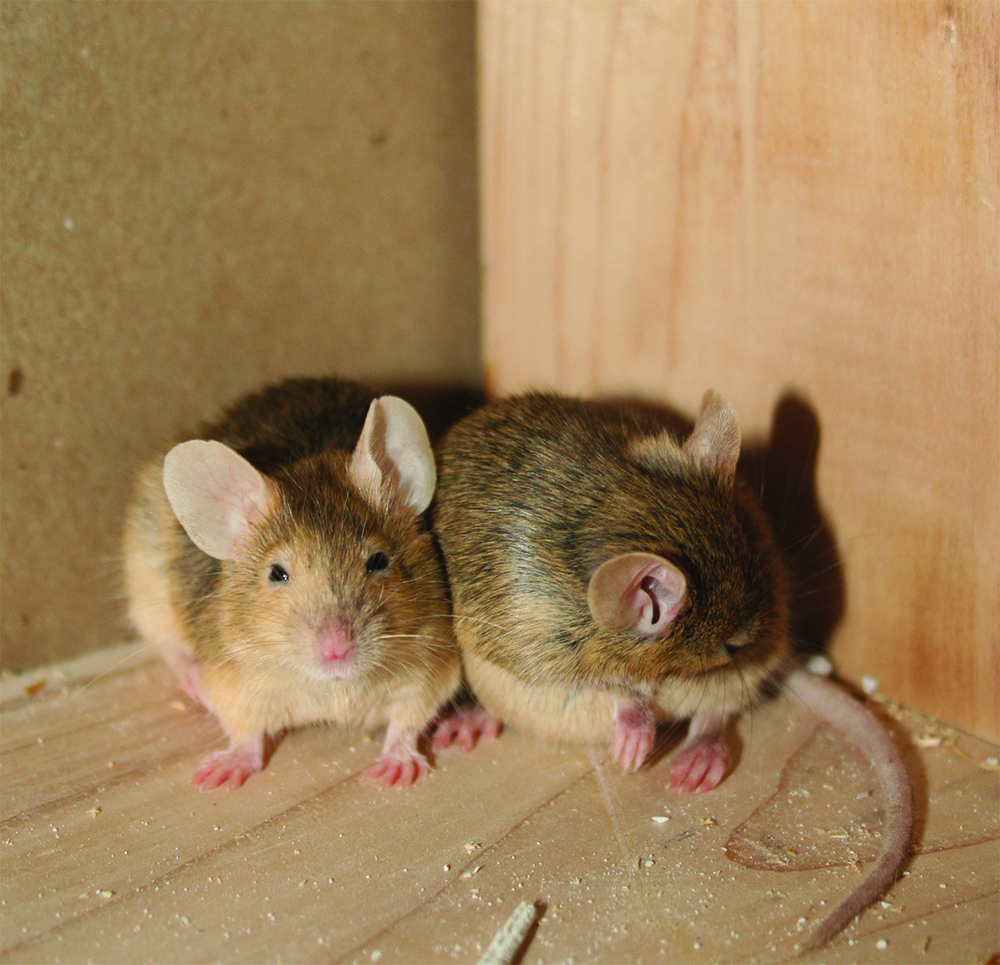
The primary carriers of Hantavirus in our region are deer mice. It has also been found in white-footed mice, cotton rats, and occasionally Norway rats, although the latter are not typically considered significant disease vectors for Hantavirus.
How Does It Spread?
Hantavirus is mainly transmitted through contact with the urine, droppings, or saliva of infected rodents. The virus becomes airborne when these materials are disturbed—such as when sweeping or vacuuming without proper filtration. While rare, bites or scratches from infected rodents can also spread the virus.
Important reminder: Never attempt to handle wild rodents or their nests. Not only does this increase your risk of exposure to Hantavirus, but it also opens the door to other diseases spread by fleas, mites, and parasites.
Know the Symptoms
Hantavirus symptoms can take anywhere from 1 to 8 weeks to appear after exposure. Early signs often resemble the flu:
Fatigue
Fever
Muscle aches
Headaches
Dizziness
Nausea or vomiting
Abdominal pain
As the virus progresses, symptoms can become much more severe, including:
Shortness of breath
Tightness in the chest
A dry, hacking cough
These respiratory symptoms are serious and can be fatal without immediate medical attention.
How to Safely Clean Up After Rodents
If you discover signs of rodent activity in your home, proper cleanup is critical:
Never sweep or vacuum droppings, urine, or nests. This can send viral particles into the air.
Always wear rubber gloves when handling contaminated areas.
Use an EPA-registered disinfectant and let it sit for at least five minutes, or as directed on the label.
Use paper towels to wipe up the mess and dispose of them in a sealed garbage can.
Mop or sponge the area again with disinfectant to ensure thorough cleaning.
Wash gloves and hands with soap and warm water after cleanup.
For large infestations or when rodent nests are found, call Viking Pest Control. Rodent nests can harbor fleas, mites, and other ectoparasites that pose additional health risks.
Prevention is the Best Protection
Keeping rodents out of your home is the most effective way to prevent Hantavirus exposure. Mice can squeeze through openings as small as ¼ inch, so proper exclusion is key.
That’s where Viking’s SMART pest control and Viking Green Pest Solutions come in. Our trained technicians use intelligent pest control systems and eco-friendly exclusion methods to block rodents before they become a problem—without putting your family or pets at risk.
Call Viking Today
If you see signs of rodents or suspect a nest in your home, don’t take any chances. Leave the cleanup and prevention to the professionals.
Call Viking Pest Control today for an inspection and customized rodent prevention plan. Let us help you protect your home—and your health.
Mosquito Season is Coming: Mosquito Control Tips for Your Yard
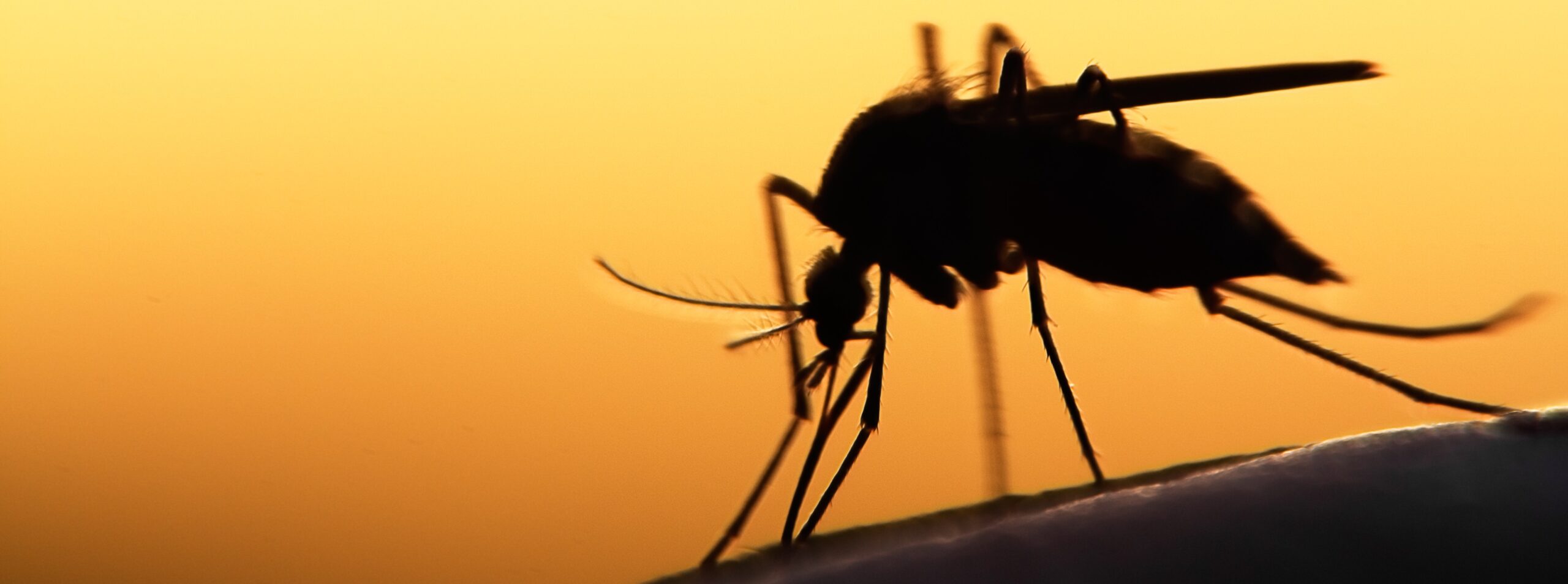
After a long and wet winter, mosquito season begins in New Jersey, Pennsylvania, Delaware, and Maryland. Mosquitoes are more than just a nuisance; they pose a serious risk to public health. These tiny pests can transmit numerous diseases to both people and pets, including Zika virus, West Nile virus, dog heartworm, and multiple forms of encephalitis. Alarmingly, in recent years, locally acquired cases of malaria have been detected in Maryland.
The Key to Mosquito Control: Eliminating Breeding Sites
The most effective way to prevent a spring mosquito invasion is to remove their breeding grounds. Mosquitoes lay their eggs in standing water, making it essential for homeowners to eliminate these sources around their property. Common culprits include:
Old tires
Buckets
Flowerpot drip trays
Unused children’s toys (such as sandboxes)
Clogged rain gutters
Birdbaths and ponds
For water-containing areas that cannot be drained like koi ponds and fountains, consider installing a circulation or agitation system. Mosquitoes will not breed in moving water, and solar-powered fountains available online are an easy and eco-friendly solution.
Targeting Mosquito Larvae
If standing water cannot be removed, using larvicides is an effective control method. Mosquito dunks containing Bacillus thuringiensis israelensis (BTI) are an eco-friendly and natural solution. BTI targets only mosquito larvae, blackflies, and fungus gnats while being harmless to people and animals. These products are readily available online and at local retailers.
Additional Prevention Strategies
In addition to removing breeding sites, there are other effective ways to reduce mosquito populations in your yard:
Mosquito-Repelling Plants: Citronella grass, basil, and lavender are known to deter mosquitoes.
Lawn Maintenance: Mosquitoes rest on the undersides of leaves during the day, so trimming overgrown areas can help reduce their presence.
Encourage Natural Predators: Installing bat houses on your property can attract little brown bats, which can consume hundreds of mosquitoes in a single night.
The Limitations of DIY Sprays
Many commercially available sprays claim to repel mosquitoes but often provide only short-lived results. No single method alone is a foolproof solution, so a combination of control strategies is the most effective approach.
Professional Mosquito Control Solutions
For the best results, professional pest control services use an integrated approach that includes:
Habitat modification to eliminate breeding grounds
Larvicide applications to target mosquito larvae
Adult mosquito treatments using traditional pesticides or eco-friendly alternatives
At Viking Pest Control, we offer comprehensive mosquito control solutions to keep your home and yard safe. Our Award-Winning Last Bite mosquito and tick yard treatments have a proven track record of driving mosquitos away. Starting in 2025, we have added a Last Bite Green mosquito control option. Last Bite is also included in several of our more comprehensive home pest control plans. Contact us today to learn more about our professional treatment options and enjoy a mosquito-free environment all season long.
Viking Pest Control Launches New Environmentally Friendly Green Pest Control Program
BASKING RIDGE, N.J., February 25, 2025 – Viking Pest Control, a leading pest control company in NJ, PA, DE, and the Eastern Shore of Maryland, is proud to announce the launch of the new “Viking Green” program. Viking Green offers low-impact, sustainable, and natural pest control options for homes and businesses across the region. Each of Viking Green’s three annual pest control plans covers more than 30 common pests, including Ants, Mice, Rats, Wasps, Spiders, and more. Viking’s award-winning Last Bite Mosquito & Tick service is also launching a green option.
While Viking Green itself is a new program, Viking Pest has a long history of providing eco-friendly services. Viking holds a Green Pro certification from the National Pest Management Association, which is the gold standard for environmentally responsible pest control. Viking has also been named the best pest control company for sustainability by The Spruce for four consecutive years.
“The Viking Green program was created as a culmination of our years of effort to provide the most effective and reliable low-impact program we could for our customers,” said James McIntyre, President of Viking Pest Control. “We have expanded our knowledge, our technology, and our team to make this program the best of its kind.”
Each of Viking Green’s three core annual plans includes SMART Pest Control technology, which allows our team to monitor pest activity 24/7 even in hard –to-reach or hard-to-see places; termite baiting and Last Bite Green Mosquito & Tick control are available as part of the higher tier Viking Green plans.
Viking Green follows the principles of Integrated Pest Management (IPM), a scientifically backed method designed to control pests efficiently while reducing use of harmful products. This approach integrates prevention, monitoring, and precise treatments to manage pest populations effectively, ensuring minimal impact on the environment.
Viking Pest Control is a leading provider of pest management services committed to ensuring a healthy living environment for its customers. With a team of highly skilled professionals and a customer-centric approach, the company offers comprehensive pest control solutions tailored to meet individual needs. Viking's dedication to excellence, innovation, and community involvement sets it apart as a trusted industry leader.
For more information about Viking Pest Control, please visit Vikingpest.com.
Rodent Control in the Philadelphia Metropolitan Area: A Growing Urban Challenge
This article originally appeared in The Viking Voice, Viking Pest Control's LinkedIn Newsletter.
According to the latest U.S. Census Bureau data, Camden County, NJ, and Philadelphia and Delaware County, PA, are three of the ten most rodent-infested counties in the United States, with Philadelphia County being the most infested county in the country. Notably, these three counties are located right next to each other. This isn’t a coincidence. There are clear and verifiable reasons why these areas need extra attention from pest control professionals.
Philadelphia County and the City of Philadelphia are essentially synonymous. The city has long struggled with rodent infestations, ranking among the most rat-infested cities in the country. A combination of aging infrastructure, improper waste management, and a high density of food establishments has created ideal conditions for rats and mice to thrive. Understanding the factors contributing to the problem and implementing effective control measures is essential for keeping Philadelphia’s rodent population in check. Conditions are similar in Camden and Delaware counties which also have numerous highly urbanized areas.
The Impact of Housing and Construction
Older construction is a frequent culprit for rodent infestations. Philadelphia, in particular, has a sizable number of buildings constructed in the 1940s and earlier that are still in regular use today. While often charming and nostalgic, these buildings were not built with rodent control in mind and provide numerous architectural weaknesses that allow them access. Older buildings are also more likely to have multi-tiered interiors, including multiple layers of ceilings and flooring between which rodents can hide.
However, older buildings aren’t the only problem. Another major contributor to rodent infestations in Philadelphia, Delaware and Camden Counties is poor construction quality in housing complexes. Many buildings and houses, particularly those built between the 1980s and early 2000s, feature porous construction, making them more susceptible to rodent entry. These structures were often built with size and cost efficiency in mind, neglecting to seal the exteriors as thoroughly as construction from the preceding and subsequent eras.
Additionally, abandoned buildings serve as long-term reservoirs for rodent populations. These neglected structures often go unchecked for years, allowing rats and mice to multiply and eventually spread to neighboring areas.
Food Sources and Urban Environments
Despite the lack of natural food sources in urban settings, Philadelphia provides an abundance of food through improperly managed waste. Trash disposal remains a significant issue, with overflowing dumpsters and littered streets offering a continuous food supply for rodents. This problem is exacerbated by the city’s numerous restaurants, which produce substantial amounts of waste close to residential areas.
Behavioral Patterns of Rodents
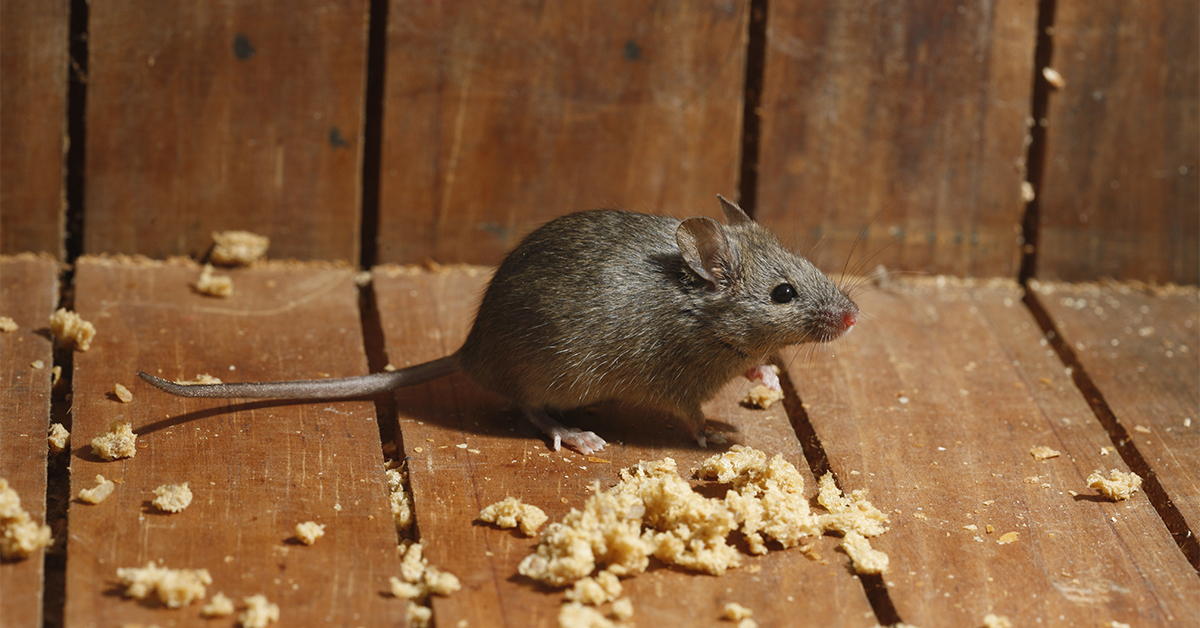
Different species of rodents exhibit unique nesting habits. White-footed field mice prefer elevated locations, often nesting in soffits and attics. In contrast, house mice prefer to nest close to the ground. Due to their small size and high metabolism, these animals struggle to maintain body heat and are drawn to indoor environments during colder months.
Rats, on the other hand, remain hidden until populations reach critical levels. In suburban areas, residents often don’t notice rat activity until infestations become severe. In urban areas, where sightings occur more frequently, residents tend to act on the problem sooner.
Rodents' high metabolism requires them to consume enormous amounts of calories relative to their body size. They seek warm resting spots such as compressor housings and behind ovens and dishwashers. Pregnant female rodents prioritize nesting materials over food, often pulling on furniture to create warm nests that can be up to 25 degrees warmer than the outdoor environment.
Moving Toward a City-Wide Solution
The urban infrastructure in these counties presents another obstacle to effective rodent control. A single city block may contain a public park, subway system, apartment complex, and commercial buildings, all interwoven in a way that allows rodents to move freely between different structures. This creates a cycle of reinfestation, as eliminating rodents in one building does not address the problem in adjacent buildings. City parks also serve as harborage locations for rodents, yet pest control efforts in these areas are often insufficient.
Currently, rodent control efforts are largely focused on individual properties rather than comprehensive city-wide solutions. To effectively reduce rodent populations, Philadelphia must prioritize improved trash management, stricter building maintenance regulations, and coordinated pest control efforts across public and private spaces. Addressing these issues will require collaboration between city officials, business owners, landlords, and residents to create a cleaner, healthier urban environment for all.
Viking Pest offers a community-focused rodent control option with SMART Cities. This program is designed to work on city streets and in sewers to monitor rodent activity and eliminate the pests where they are most active.
By taking proactive measures, Philadelphia, Delaware, and Camden counties can better manage their rodent populations and mitigate the long-term risks associated with urban infestations.
Help! I Can't Keep Overwintering Pests Out Of My Bergen County Home
During the winter your Bergen County, NJ home becomes the perfect warm refuge for pests seeking shelter from the changing seasons. Proactive prevention and an understanding of overwintering pests are essential in keeping them out of your property.
Understanding Overwintering Pests
Overwintering pests instinctively seek warm shelter to survive the harsh winter months. Unfortunately, this often means they invade your home, where warmth, food, and moisture are abundant. You may commonly see the following pests in your house as temperatures drop, as they are persistent invaders during this time:
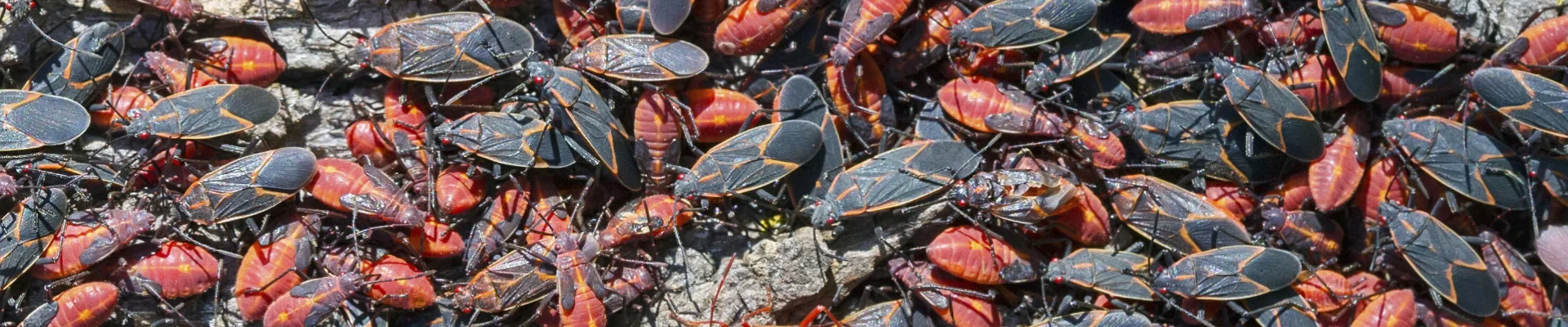
Boxelder Bugs: These black insects with red or orange markings love clinging to curtains or climbing walls, favoring homes with ample sun exposure.
Stinkbugs: Brown, shield-shaped bugs that emit an unpleasant odor. They are often found in cabinets, on walls, or in basements and crawl spaces.
Ladybugs: These red or orange beetles gather in large numbers on ceilings and can leave stains and unpleasant odors around your house.
Cluster Flies: Cluster Flies resemble common house flies but are noticeably larger. Their bodies have a dull gray hue with black markings, and they can be identified by the distinctive golden hairs covering their backs.
Rodents: Mice and rats vary in size and color but are among the most troublesome pests. They hide in attics, basements, walls, and food storage areas, causing damage and potential health hazards.
Beyond being an eyesore, these pests can cause significant damage. Insects can stain furniture, emit foul odors, and leave droppings. Rodents may contaminate food storage areas, while insects and rodents alike can chew on furniture or structural elements of your home. Additionally, rodents can introduce diseases, and their urine and feces may spread illnesses.
Overwintering Pest Prevention
The best way to keep overwintering pests from invading your home is through proactive prevention in the fall and ongoing professional care with Viking Pest Control. Additionally, here are several preventive measures you can take to reduce pest infestations:
Seal Entry Points: Inspect your home for cracks, gaps, or openings around windows, doors, and the foundation. Ensure window and door screens are intact, and consider investing in a chimney cap to keep rodents out of your attic.
Maintain Cleanliness: Regular vacuuming, dusting, and decluttering help remove any insects that have already entered and minimize potential hiding spots.
Secure Trash and Food Waste: Keep garbage and food waste in tightly sealed containers and dispose of them promptly to prevent attracting pests in the first place.
Effective Expert Pest Control
Winter pest invasions can be a nightmare, as insects and rodents seek warmth inside your home. The most effective way to eliminate and prevent pest infestations is by contacting the professionals at Viking Pest Control. Our expert team offers safe, efficient pest control solutions to protect your home from unwelcome winter guests. Call us today to schedule an inspection and keep your home pest-free all season long!
Getting Rid of Cockroaches
The Cockroach Chronicles: What You Need to Know About These Unwanted Guests
Cockroaches. Just the word alone can make your skin crawl! These resilient little creatures have been around for millions of years, thriving in the toughest conditions. But when they invade your home or business, they’re more than just a nuisance—they can be a real problem. So, let’s break it down and talk about the types of cockroaches you might encounter, where they hide, common misconceptions, and most importantly—how to get rid of them!
What Types of Cockroaches Are Out There?
Believe it or not, there are over 4,500 cockroach species worldwide. The good news? Only a handful actually infest homes and businesses. These pests fall into two main categories:
Domestic Cockroaches – These guys are homebodies, spending their entire lives indoors. The most common offender? The German cockroach. If you’ve had a roach problem in your home, chances are it was one of these.
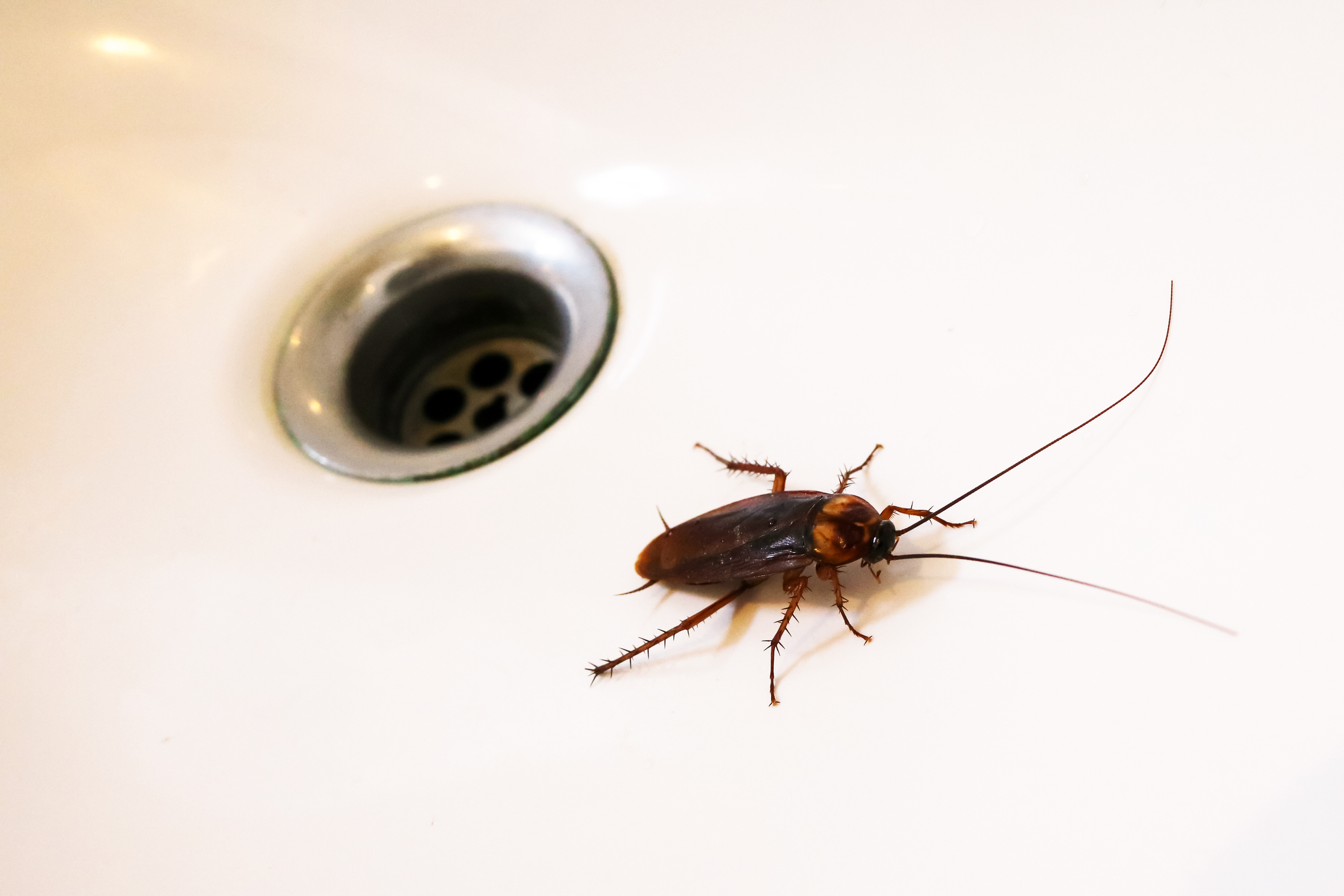
Peridomestic Cockroaches – These roaches live mostly outdoors but can (and will) invade your home when the conditions are right. Examples include the American cockroach, Oriental cockroach, and Wood cockroach.
Some roaches, like the American and Oriental species, love storm drains and sewers and might enter through open pipes or dried-up drain traps. Wood cockroaches, on the other hand, are drawn to home lights in the fall and can easily be mistaken for German cockroaches. The key difference? Wood cockroaches can’t reproduce indoors, making them more of an annoying visitor than a long-term problem.
Where Do Cockroaches Hide?
If you’re dealing with German cockroaches, check areas near moisture—under sinks, behind dishwashers, inside cabinets, and around refrigerators. They love tight spaces where their bodies can touch both sides of a crack or crevice (a behavior called thigmotaxis).
American and Oriental cockroaches aren’t as picky about moisture, so you might find them coming up from basement floor drains or traveling between apartments using plumbing lines and wall voids. They’ll even settle in expansion joints beneath concrete slabs.
Common Cockroach Myths Busted
One of the biggest misconceptions? “Once you have cockroaches, you can never get rid of them.” That’s not true! The problem is that many store-bought pesticides aren’t effective anymore because roaches have built up resistance. Some products, like bug bombs, can actually make things worse by driving cockroaches deeper into hiding. But with the right tools, baits, and techniques, professional pest control can eliminate them for good.
How Do You Know If You Have a Cockroach Problem?
Seeing a roach – If you spot one, there are probably more hiding nearby.
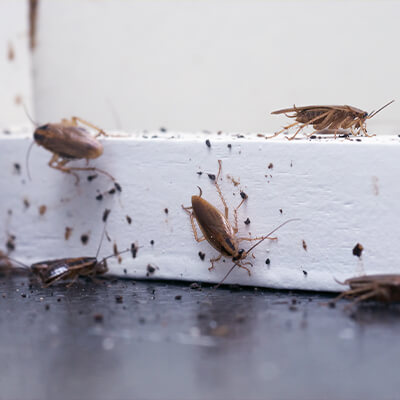
Droppings – Looks like black pepper or coffee grounds near cracks and crevices.
Smell – Large infestations give off a musty, sweet odor that’s hard to miss.
DIY Cockroach Control: Does It Work?
Yes, to an extent. If you want to try tackling the issue yourself, here’s what you should do:
Deep Clean – Remove food crumbs, grease, and moisture sources.
Use Gel Baits – These are highly effective, as cockroaches will eat the bait and spread it to others.
Apply Dusts – Products like diatomaceous earth or silica dust work well in voids and cracks.
Avoid Bug Bombs – They often drive cockroaches deeper into walls, making them harder to eliminate.
Vacuum Roaches – If you flush them out, vacuum them up and dispose of the bag outside.
Do Natural Remedies Work?
Diatomaceous earth and silica dust can be effective if used correctly. Some plant essential oils kill roaches on contact, but they’re highly repellent, which means cockroaches might just move to another part of your home instead of dying off.
When Should You Call a Professional?
If you see roaches during the daytime, that’s a red flag—meaning you likely have a serious infestation. If DIY methods don’t reduce activity within 30 days, it’s time to call in the experts. Professionals have specialized tools and products that work far better than what’s available to homeowners.
How to Choose the Right Pest Control Company
Check for Licensing & Insurance – Look up the company on your state’s pesticide licensing agency website.
Look for Quality Pro Accreditation – This certification from the National Pest Management Association ensures high standards.
Read Online Reviews – Pay attention to both positive and negative feedback.
Ask Questions – Find out what their treatments involve and if you need to take any precautions.
How Do Professionals Treat Cockroach Infestations?
Aerosolized Materials – Applied into cracks and crevices where roaches hide.
Insect Growth Regulators (IGRs) – Stop roaches from reproducing.
Dust Injections – Help eliminate roaches inside wall voids.
Multiple Bait Formulations – Professionals use different baits to ensure effectiveness, even if roaches have developed resistance.
Preventing Future Cockroach Infestations
Want to keep roaches out for good? Here’s what you can do:
Keep It Clean – Cockroaches love food residue and grease.
Use Glue Traps – Place them under sinks and in hidden areas to detect early infestations.
Seal Entry Points – Use silicone or synthetic sealants to close gaps and cracks.
Be Cautious with Cardboard Boxes – Roaches love to hide in them, so don’t leave takeout containers sitting around.
Report Issues if You Live in an Apartment – The sooner an infestation is addressed, the easier it is to control.
Contact Viking Pest for Professional Cockroach Control
Cockroach infestations can be frustrating, but they’re not impossible to control. Whether you go the DIY route or call in the pros, acting fast is key. Stay vigilant, keep your home clean, and don’t hesitate to seek professional help if things get out of hand.
Getting Rid of Squirrels In the Attic
Protect Your Home from Squirrel Infestations with Viking Pest Control
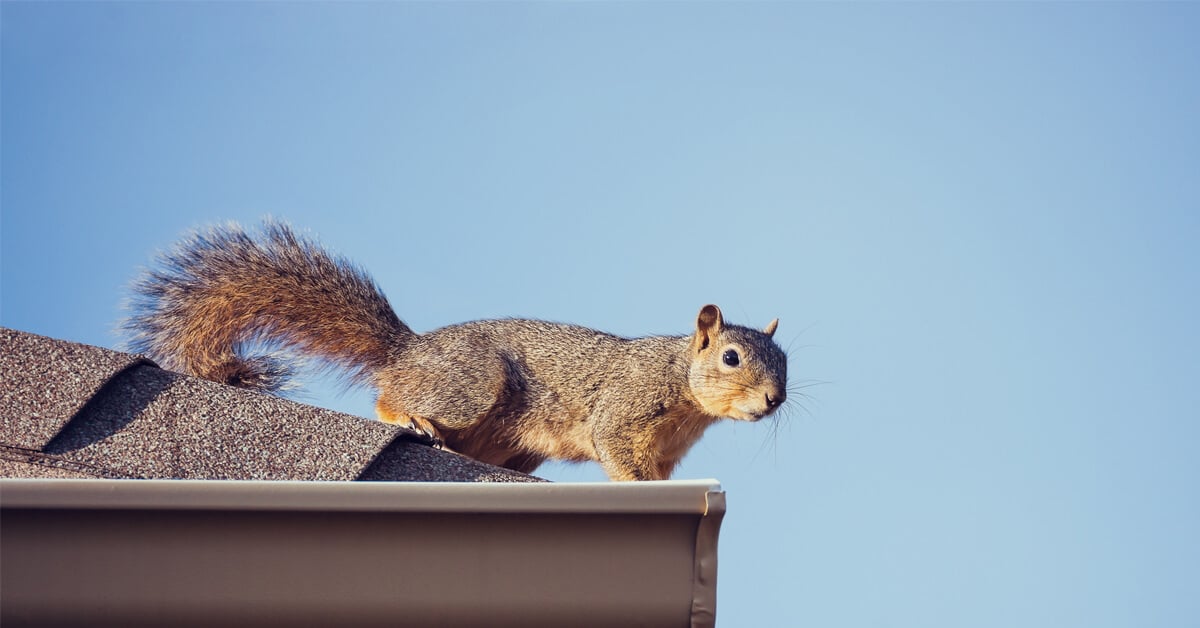
Squirrels may be cute and fun to watch as they scurry through the trees, but when they invade your home, they can cause extensive and costly damage. If you’re dealing with a squirrel problem in your attic or want to prevent one from happening, Viking Pest Control is here to help.
The Hidden Dangers of Squirrels in Your Attic
Squirrels are incredibly resourceful and can create entry points into your home by enlarging small gaps and holes. They frequently chew through wooden rooflines, rip up shingles, and expose your attic to moisture damage. Once inside, squirrels will shred insulation to build nests and, more alarmingly, chew on electrical wires, posing a significant fire hazard. In fact, squirrels have been linked to house fires and even power grid failures due to their incessant gnawing habits.
How Squirrels Get In
Squirrels are expert climbers, often traveling along tree branches to reach your roof. If you have overhanging branches within six feet of your house, you’re providing a direct pathway for these critters. To protect your home, it’s crucial to:
Trim tree branches back at least six feet from the structure.
Inspect rooflines, fascia boards, and attic vents for damage or gaps.
Repair broken windows and secure vent screens to prevent entry.
Keep gutters clean to prevent water damage that weakens your home’s exterior.
The Risks of DIY Squirrel Removal
While you may be tempted to handle a squirrel problem on your own, there are serious risks involved. Squirrels can bite and scratch when cornered, potentially transmitting dangerous diseases such as rabies. If you are scratched or bitten, seek immediate medical attention. Additionally, many states have strict regulations regarding the trapping and relocation of wildlife. Improper handling could result in fines or other legal consequences.
Viking Pest Control’s Proven Squirrel Removal Process
At Viking Pest Control, we use a strategic and humane approach to squirrel removal. Our process includes:
Assessment: We begin by discussing your experience with squirrel activity to determine the extent of the infestation.
Inspection: Our team thoroughly examines your home to identify entry points and nesting areas.
Removal: Depending on the situation, we use methods such as:
One-way exclusion tunnels that allow squirrels to exit but not re-enter.
Live traps placed in the attic near nesting sites, checked daily per local regulations.
Prevention: After removing the squirrels, we perform exclusion work to seal entry points and prevent future infestations.
Protect Your Home with Viking Pest Control
Don’t let squirrels wreak havoc on your property. If you suspect a squirrel infestation, call Viking Pest Control for professional and humane removal services. Our experts have the experience, tools, and knowledge to protect your home and keep it pest-free.
Contact Viking Pest Control today for a free quote and take the first step toward a squirrel-free home!