Viking Pest Control Joins Forces with WJRZ for the 2024 ‘Share the Joy’ Drive to Support Local Families
Community Collaboration Brings Food, Supplies, and Thanksgiving Turkeys to Families in Need Across the Region
Viking Pest Control, a leader in pest management services, is proud to announce its continued participation in Beasley Media’s WJRZ Share the Joy charity event. This year’s partnership showcased the company’s dedication to community well-being through its annual food drive, which brought team members together to make a meaningful impact on local families in need.
The Share the Joy event aligns seamlessly with Viking Pest Control’s mission to prioritize well-being and safety of the communities it serves. Through a collective effort, Viking’s team members donated over 900 pounds of food, filling multiple truckloads with nonperishables. Contributions came from every branch, administrative teams, and remote employees, who generously donated cash to purchase additional items.
In addition to participating in Share the Joy, Viking Pest Control made an additional contribution, donating 20 turkeys to The Corners of the Field Food Pantry, hosted by Porters Grove Baptist Church in Rising Sun, MD. These turkeys will help provide meals for families in need this Thanksgiving, further exemplifying Viking’s commitment to spreading joy and giving back.
“Our annual food drive is a cornerstone of Viking’s commitment to giving back,” said Eric Gunner, Pest Management Professional at Viking. “It’s inspiring to see how deeply our team cares about supporting our neighbors in need. Their dedication to this initiative truly reflects the values we uphold as a company.”
This year’s collaboration with Beasley Media’s WJRZ reinforces Viking’s role as a community-focused organization. By joining the Share the Joy collection drive, Viking contributed to local families and strengthened its ties with the communities it serves.
As a company rooted in customer care and service excellence, Viking Pest Control remains steadfast in its commitment to improving lives through professional pest management and community engagement.
For over 40 years, Viking Pest Control has been a trusted provider of comprehensive pest management solutions. With a team of highly trained professionals, the company is dedicated to delivering innovative, eco-friendly services tailored to meet individual needs. Beyond pest control, Viking demonstrates its leadership through initiatives that foster healthier, happier communities.
To learn more about Viking Pest Control and its ongoing community efforts, visit VikingPest.com.
Effective Pest Control in NJ: How to Control Pests During a Drought
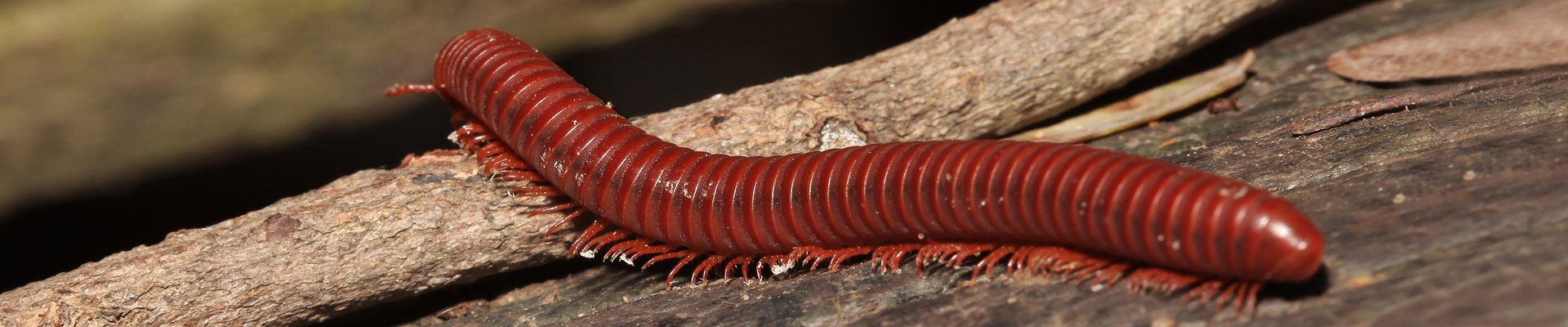
In New Jersey, drought isn't just tough on people and ecosystems. Common local pests like rats, millipedes, and pill bugs depend on water just as much as humans and other animals do. When water is scarce where they're used to finding it, they have no choice but to look for it other places.
Unfortunately, those places include your yard, garden, and even the interior of your home, but you don't have to simply accept that. Here we'll go over a few pest control in NJ tips for keeping your property pest-free during a drought.
What Kinds of New Jersey Pests Invade Homes in Search of Water?
Unfavorable environmental conditions like drought often mean insect and pest populations are lower than usual. You may notice fewer pests in your vicinity as a result, but they're absolutely still there. If they decide to invade your property in search of water, they may do so in large numbers.
Some New Jersey-area pests are especially sensitive to dry conditions, not to mention a lot more likely to migrate in large numbers to find water and moisture. Examples include:
Millipedes
Sowbugs/pill bugs
Springtails
Clover mites
Rats are also extremely moisture-dependent. Each rat needs a minimum of 1-1 ½ ounces of water every day. If they can't find it outdoors, they have no problem infiltrating human dwellings in search of it.
How to Keep NJ Pests Off Your Property During a Drought
The key to keeping pests like rats, millipedes, and more out of your home is prevention. Here are a few key tips for keeping them away from your property.
Address exterior sources of moisture
A yard or garden full of accessible water sources will be especially appealing to New Jersey pests, so consider eliminating these. Fix leaky garden hoses and exterior faucets. Drain any standing water or puddles that develop on your property.
You may also want to consider temporarily draining fixtures like fountains, pools, or koi ponds to avoid attracting pests.
Seal up any points of entry
Pests like rats, roaches, and ants can be extremely diligent when it comes to finding a way into a human dwelling. A rat can fit through openings smaller than a nickel, and insects like ants can easily fit through even tiny cracks.
Keep your doors and windows shut as often as you can. Walk your property and inspect the foundation for crevices, cracks, or holes that could grant access to persistent pests. Seal them up immediately.
Stay on top of your trash
Trash cans and garbage piles are a treasure trove for pests under even normal circumstances. However, they're especially attractive during a drought, as they often contain accessible sources of precious moisture.
Empty indoor waste cans and trash bins frequently to avoid attracting pests. Store outdoor waste in tightly sealed bins to contain smells and keep rodents, insects, and other pests from getting into it.
Call a trusted NJ exterminator
You don't need to wait until you notice pests on the premises to benefit from a good NJ exterminator. An exterminator can inspect your property for signs of infestation or potential entry points and address any issues. They can also implement preventative treatments that ensure pests stay off your property and out of your life.
Viking Pest Control is New Jersey's go-to pest authority for some very good reasons. Safe, effective solutions that won't harm your family and extensive local knowledge of New Jersey pests are just two. Get in touch today, and let us know how we can help!
Roach Removal 101: What It Takes To Eliminate An Infestation In Your Home

Your home is your sanctuary, a refuge from the chaos of the outside world. It’s where you seek solace, find comfort, and create lasting memories. However, sometimes uninvited guests can shatter the tranquility you’ve worked hard to establish. Among the most reviled yet resilient of these intruders are none other than cockroaches.
These detestable creatures have long been a source of fear, disgust, and discomfort for humans. They’ve adapted to thrive in a wide range of settings and conditions, but it’s within the confines of your own home that their presence can feel most intrusive. A harbinger of uncleanliness and neglect, the sight of a roach scurrying across your floor or wall can disrupt your sense of security and create immense distress.
Fortunately, Viking Pest Control provides the most effective and dependable pest control to eliminate all types of cockroaches from your home to maintain your health, safety, and good quality of living. Read further to learn more about these harmful insects and why it’s vital to involve pest experts to get rid of them immediately.
Physical Characteristics Of Roaches: How To Identify Them
The common cockroach possesses several distinctive physical characteristics contributing to its adaptability and resilience. Their flattened, oval-shaped bodies allow them to squeeze effortlessly into narrow cracks, crevices, and slits, enabling their secretive nature and nocturnal habits. Their exoskeleton, made of a tough and flexible material called chitin, provides a protective shield against external threats and aids in their survival.
Cockroaches range in color from light brown to dark brown to even black, allowing them to blend seamlessly into their surroundings. Their three-segmented bodies consist of a head, thorax, and abdomen. The head houses their sensory organs, including a pair of long, filament-like antennae, which they use to detect even the slightest movements, vibrations, and chemical cues in their environment.
The thorax has six jointed legs, three on each side, providing remarkable speed and agility. Their legs have numerous sensory hairs that aid in their ability to detect air currents, touch, and chemical cues, facilitating their search for food, water, and potential mates. Roaches have well-developed hind legs allowing them to evade threats and escape dangerous situations swiftly. With their unique physical attributes, these creatures have evolved to excel in survival, making them highly efficient and challenging pests to eliminate.
Several cockroach species commonly found in homes include the American cockroach, the oriental cockroach, the brown-banded cockroach, the German cockroach, and the Pennsylvania wood cockroach. But no matter what species infiltrates your living spaces, reach out to your local roach pest control to schedule a treatment service to eliminate them.
Health Risks Of Roaches: The Dangers Of Cockroach Infestations
When it comes to common household nuisance pests, few evoke a visceral reaction as strong as cockroaches. These irrepressible creatures have plagued human dwellings for as long as anyone can remember, infiltrating homes and businesses with their stealthy nature and rapidly multiplying populations. Beyond their repulsive appearance, cockroach infestations pose significant dangers that extend far beyond just a mere nuisance.
One of the most alarming aspects of cockroach infestations lies in their health hazards. These nocturnal insects, known for their scavenging nature, can contaminate every surface they come into contact with in your home. They carry a plethora of pathogens, bacteria, and allergens that can trigger a range of health issues in humans, such as dysentery, salmonella, and E. coli.
As they scuttle across your kitchen countertops, utensils, and food storage areas, they deposit germs that can contaminate your food items, resulting in severe gastrointestinal illnesses. Roach excrement and shed skin can induce asthma attacks, particularly in young children and those with respiratory issues.
While the health risks associated with cockroach infestations are alarming, they’re not the only dangers they pose. Roaches are voracious feeders and can damage paper, fabrics, and even certain types of plastics. Their compulsion to chew materials can compromise the integrity of furniture, books, clothing, and even electrical wiring, which can cause a fire hazard.
If you’ve noticed signs of a cockroach infestation, contact our team at Viking Pest Control for further assistance.
Preventing Cockroach Infestations: Tips For A Roach-Free Home
If you want to know the secret of how to deter cockroaches in your home, it all starts with prevention. Check out our practical tips to keep your home free of these harmful pests:
Clean your kitchen regularly
Store food in airtight containers
Fill in cracks and openings in walls and floors
Address excess moisture issues
Remove trash often and secure it in bins with tight lids
Consult a professional cockroach control company for more effective tips to keep roaches at bay.
Professional Roach Extermination: Call The Experts Right Away
If you’ve been searching for the best cockroach pest control, look no further than Viking Pest Control. When you partner with us, you’ll be well on your way to living in the peaceful, pest-free environment you deserve. Get in contact with us today so we can start working on your free estimate.
Are Yellow Jackets Nesting In Your Walls This Fall? Preventing Breakthroughs in Somerset County NJ
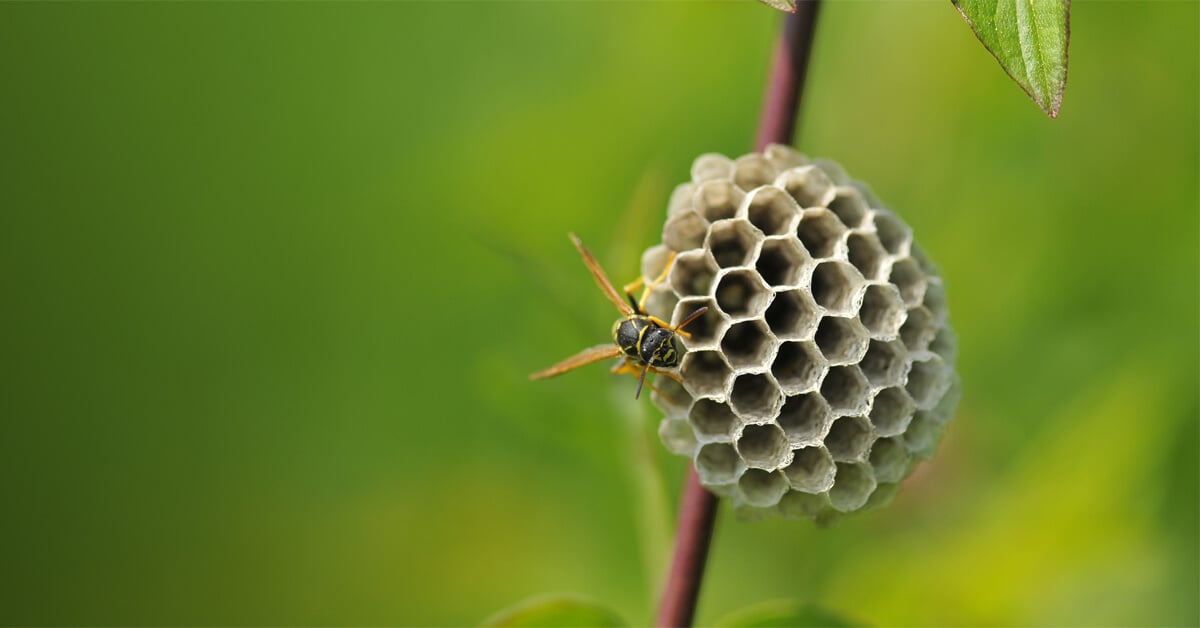
Somerset County recently experienced its first frost of the year, but freezing outdoor temperatures don’t necessarily mean that pest activity has come to a halt. In fact, some types of pest activity may become even more dangerous during the colder months. One common pest that remains highly active, even in colder temperatures, is the Yellow Jacket. Yellow Jackets nesting within walls may break through into living areas seeking food and warmth, which can be surprising, to say the least. These aggressive wasps are known for building their nests in a wide variety of places, and one of their favorite spots to set up shop is inside the warm, protected spaces within your home's walls. As the temperature drops, Yellow Jackets will continue to seek food to support their queen, and if they find that the outdoors are inhospitable, they may attempt to burrow through your home's sheetrock in search of sustenance.
Is Somerset County at Risk for High Yellow Jacket Activity?
In temperate regions like Somerset County NJ, Yellow Jackets can find their way into your wall voids in spring and summer, entering through several access points like small gaps and holes around the home. Two of the most common entryways are open garages and enclosed porch areas, which provide these wasps with easy access to your home’s interior. Once inside, they may begin to build their nests, often without your immediate knowledge. One of the clearest indicators of an infestation is the presence of unusual sounds coming from within your walls. If you hear scratching, scraping, or rustling noises, it’s a strong indication that Yellow Jackets are either actively building their nest or attempting to burrow through the sheetrock to access food or livable temperatures.
Do Not Engage if You See a Yellow Jacket Nest
While it might be tempting to try and address a Yellow Jacket infestation on your own, this is rarely a good idea. Yellow Jackets are notoriously aggressive and highly territorial. When they perceive a threat to their nest, they will defend it mercilessly by stinging anyone they consider a danger. Unlike bees, which can only sting once, Yellow Jackets can sting multiple times, making them particularly dangerous. Their stings are not only painful but can also be life-threatening for individuals who are allergic to wasp venom. The challenge is that most people are unaware of their allergy until they’ve been stung, and by then, it could be too late. Even if you have been stung before without a reaction, you may not react the same way if you receive multiple stings all at once. This is why dealing with Yellow Jackets on your own can be incredibly risky.
Another reason to avoid handling a Yellow Jacket infestation yourself is the potential misuse of wasp control products. Without the proper knowledge and experience, it can be difficult to apply these products effectively. An insufficient application may result in poor outcomes, allowing the infestation to persist or worsen. On the other hand,misapplication of certain chemicals can pose serious health risks to your family and pets. If you lack the correct personal protective equipment, these risks may be compounded. Many over-the-counter products are not as effective as professional-grade treatments, which are often only available to licensed pest control specialists. Moreover, professionals are equipped with thetools and protective gear that allow them to deal with these stinging pests safely and effectively.
Call Viking for Professional Yellow Jacket Control
If you suspect that Yellow Jackets have made their way into your home’s walls, or if you have concerns about other pest issues, it’s crucial to contact a professional pest control service. Viking Pest Control specializes in safe, efficient Yellow Jacket removal treatmentsand can help protect your home and family from these dangerous pests. Don’t wait until the problem escalates—call Viking Pest Control at (800) 618-2847 to schedule an inspection or treatment. Let the experts handle the job and ensure your home remains pest-free this Fall in Somerset County and beyond.
Preventing Fall Pests in Northern NJ
As the Northern New Jersey weather cools down in early fall, many pests and rodents start seeking warmth and food inside homes. It’s essential to know what you’re up against and how to prevent these unwanted guests from making themselves comfortable. Here’s what you need to know about keeping your home safe from mice, rats, insects, and even wildlife during this time of year. This phenomenon is particularly pronounced in Northern NJ counties like: Sussex County, Passaic County, Bergen County, and Morris County.
Getting Rid of Rodents in Northern NJ This Fall
As temperatures drop and food becomes scarce, mice start looking for better shelter. The leaf piles so common in Northern NJ in the fall around home foundations can offer them protection and lead them to find entry points. Mice are surprisingly small and nimble, capable of squeezing through gaps as tiny as ¼-inch high and ½-inch wide. Once they’re inside, they can quickly become a problem.
Rats, the larger and hungrier cousins of mice, are also looking for shelter from the cold. They consume a broader range of food and, unlike mice, need daily access to water. To keep rats away, remove sources of water and ensure trash receptacles are tightly sealed and clean. Rats need slightly larger entry points than mice—just ½-inch high and ¾-inch wide. They often nest further from homes, so they may be traveling up to 300 feet between their nest and food source.
To reduce the risk of rodents, start by cleaning up leaf litter and removing weeds, which provide food and shelter. Seal any small gaps with durable materials like metal gauze, steel wool, or specially designed door sweeps—avoid expanding foam, as mice can chew through it. Keep storage areas tidy and trash cans secure to minimize hiding spots for rodents.
When inspecting your property, remember that rats travel much farther for food than mice, so broaden your search for rat burrows. SMART rodent control from Viking Pest can help to catch rodent activity that you may otherwise miss.
Overwintering Insects
As the temperature drops, certain insect species, like stink bugs, boxelder bugs, ladybugs, cluster flies, and western conifer seed bugs, seek shelter in Northern NJ homes. They usually enter through gaps on the sunny side of buildings. The best way to keep them out is by sealing those gaps. If sealing isn’t possible, well-timed applications of repellents around entry points can help.
Firewood Pests
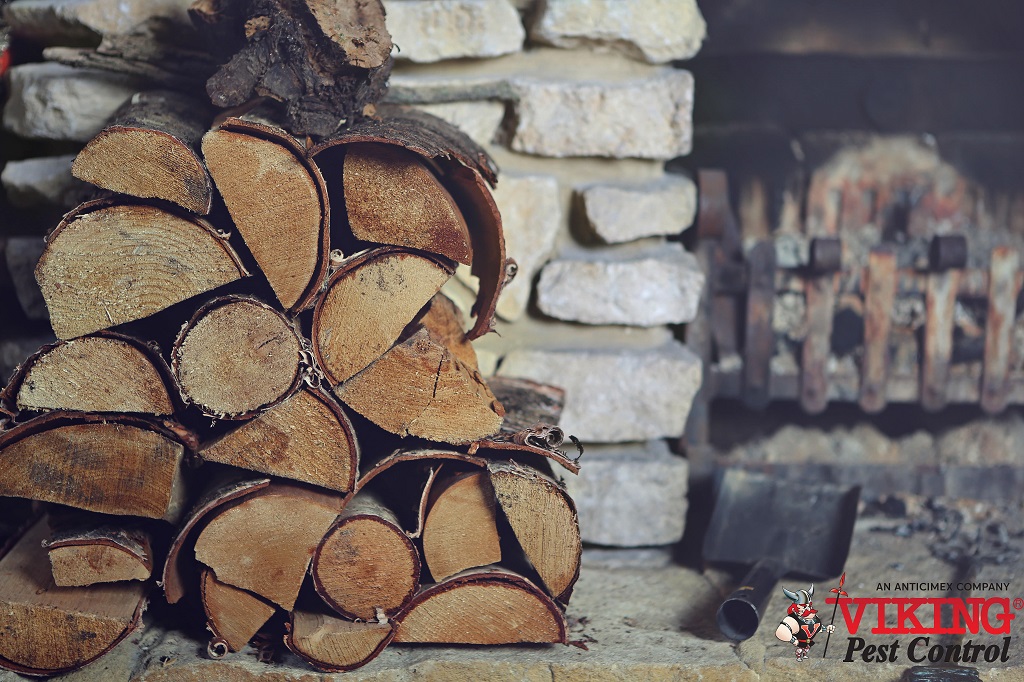
Firewood is another potential source of pests. Wood-destroying beetles, ants, and even rodents can hitch a ride inside on infested firewood. To minimize this risk, only bring in the wood you need and store the rest off the ground. Never apply pesticides to firewood you plan to burn.
Northern NJ Wildlife
As we continue to build closer to wildlife habitats, interactions with animals are becoming more frequent. To avoid attracting wildlife, refrain from feeding them or putting out birdseed. If trees or shrubs near your home aren’t trimmed, animals might use them to access your roof. Installing chimney caps is a good way to prevent animals from getting inside—aside from Santa, of course! If you hear noises in your attic or walls, it’s best to call a professional wildlife expert to handle the situation.
Contact Viking for Fall Pest Protection
By taking these precautions, you can protect your home from the pests and wildlife looking for refuge this fall. If these concerns seem too big for you, or you just want to make sure you're covering all of your bases to protect your home from pests, don't hesitate to give Viking Pest Control a call! Viking Pest has decades of experience working in Northern NJ towns like Wayne, Parsippany, Chatham, Morristown, and Madison, and can help prevent pest infestations whether they have four legs, six legs or more.
Spotted Lanternfly Control in Delaware
If you've experienced the destruction that the spotted lanternfly in Delaware can cause, you're not alone. This invasive species has decimated gardens, crops, and vineyards across the state and cause huge problems for residents and business owners. Whether you live on the Eastern Shore of Maryland, or own an agriculture business in Dover, it's important to understand more about these attractive but destructive pests.
In this blog, we look closer at the spotted lanternfly, the damage they can cause, and most importantly, how to avoid an infestation taking hold.
What Are Spotted Lanternflies?
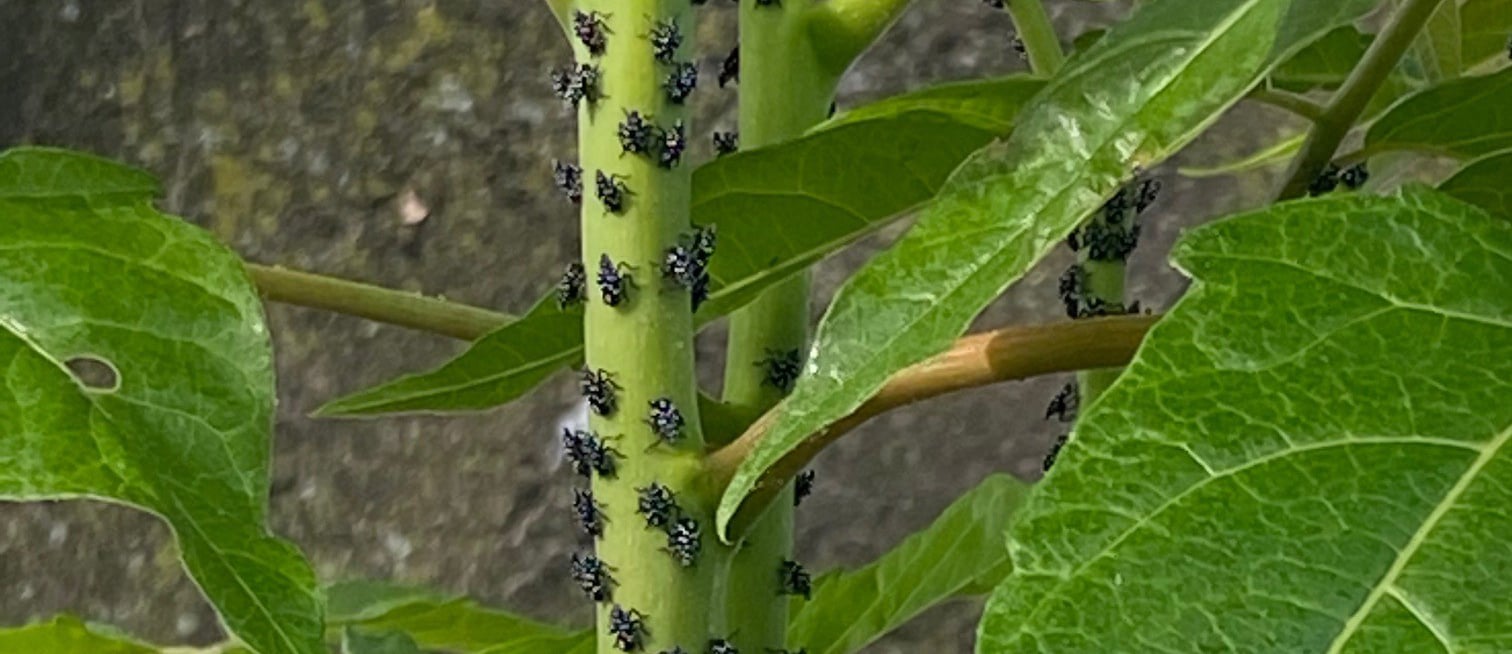
The spotted lanternfly is an invasive species that damages trees, plants, and outdoor spaces. In recent years, they have rapidly spread across Delaware, threatening residential spaces, agriculture and vineyards. Lanternflies feed on a wide range of trees and plants, causing problems for residents and local businesses.
Why Are Spotted Lanternflies So Destructive?
With their vibrant red wings, intricate black spots, and delicate appearance, spotted lanternflies might seem more like a work of art than a destructive pest. But don't let their beauty fool you. These winged insects are incredibly harmful and leave a trail of destruction in their wake.
The spotted lanternfly sucks sap from plants, weakening them and making them more vulnerable to disease, the elements, and other stressors. They also excrete a sticky honeydew that promotes mold growth and attracts other pests.
How to Tell if You Have an Infestation
Early identification of a spotted lanternfly infestation is essential for minimizing the damage they can do and arranging pest control in Delaware. Here's how to tell if you have a problem with these pests:
Sightings of Spotted Lanternflies
Adult lanternflies have distinctive colorful wings. The front wings are grey with black spots, and the hind wings have patches of red, black, and white. Adults are around 1 inch long.
Look out for lanterfly egg masses on tres, vehicles, outdoor furniture, and other surfaces. Eggs are light grew and look like mud smears.
Plant Damage
When spotted lanternflies feed, they remove the sap from plants. Look for tilting, leaf curling, and reduced growth as these are sure signs that lanternflies are present. If your plants or outdoor surfaces have a sticky substance on them, it could be the honeydew that lanternflies secrete.
Do You Have Tree of Heaven?
Spotted lanternflies love tree of heaven (Ailanthus altissima) and may be more prevalent on your property if you have this plant growing. In fact, spotted lanternfly control in Delaware includes removing tree of heaven and applying pesticides where necessary.
How to Stop and Prevent Spotted Lanternflies
When it comes to spotted lanternfly control in Delaware, nobody does the job better than Viking Pest Control. Whether you have spotted lanternflies in your garden, vineyard, or crops, you'll want to eliminate them quickly, and we have the solution to this attractive but destructive menace.
We offer comprehensive pest control treatments for this specific insect. Our complimentary spotted lanternfly egg removal cards are designed to reduce infestations before they have a chance to hatch. Lanternflies lay eggs in the hundreds and camouflage them to blend into the environment. These eggs often go unnoticed until it's too late, and the brood has hatched and started to feast on your plants, trees, and crops. By addressing the problem at its source, we help to reduce the spread of these pests and the damage they can cause.
Don't take any chances with these destructive pests. Call Viking Pest today at 800-618-2847 to eliminate your spotted lanternfly infestation.
Eastern Equine Encephalitis in the Mid-Atlantic: What You Need to Know About This Mosquito-Transmitted Disease
Eastern Equine Encephalitis (EEE) has been all over the news lately. It is a mosquito-transmitted disease that has a surprisingly high mortality rate when it infects humans. However, EEE cases in humans are extremely rare and, with proper preparation, can be avoided. Here is what you need to know.
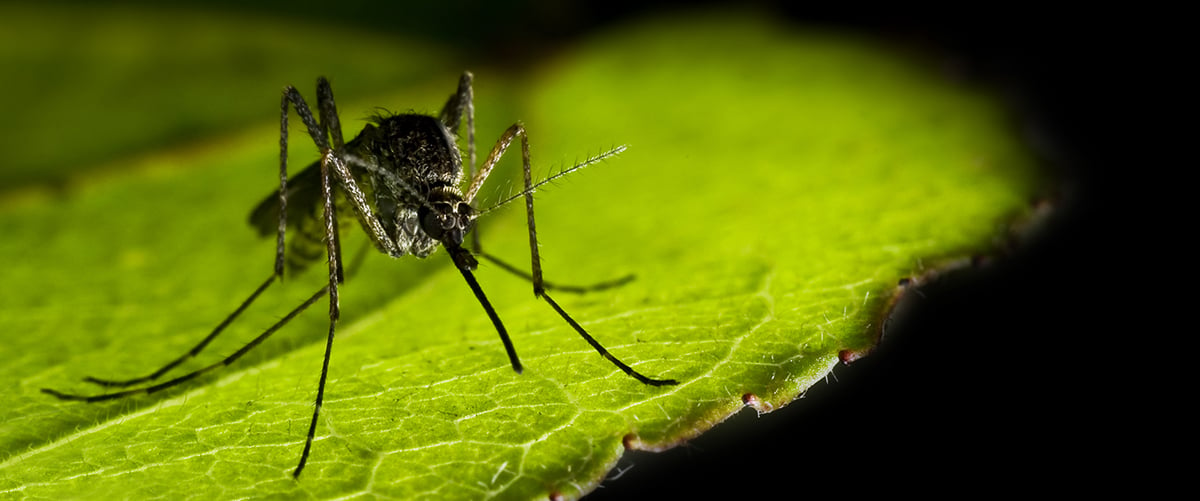
EEE is most commonly transmitted by Black-Tailed Mosquitoes, but they are not the source of the disease. A large variety of birds carries the disease. The mosquitos suck the blood of the birds, pick up the disease and then transfer it to humans, horses, and other susceptible mammals with subsequent bites.
What Are Black-Tailed Mosquitoes?
The Black-Tailed Mosquito favors lowland swamp regions and, within the mid-Atlantic, is most commonly found in the Southern Coastal Plains of New Jersey, particularly in Atlantic White Cedar swamps. According to the New Jersey Department of Health, EEE-infected mosquito pools have been found most frequently in Sussex, Atlantic, Morris, Burlington, Camden, and Monmouth Counties. Despite their seemingly wide dispersal, cases of human infection with EEE are exceedingly high. According to national figures from the Centers for Disease Control, just seven cases of human infection were found in 2022 and only one in 2023. That doesn’t mean that the number will always be that low; there were 38 human cases in 2019. Recent weather changes have led to mosquito season lasting longer than before, so it’s possible that the rate of human infection may increase as well with the increased mosquito activity.
Is There a Treatment for EEE?
Type and severity of symptoms vary depending on the infected person's age. People over the age of 50 and younger than the age of 15 are at greater risk of developing more severe symptoms. Those severe cases begin with rapid onset of headaches, high fevers, chills, and vomiting and may eventually progress to disorientation, seizures, inflammation of the brain, and comes. It is estimated that one in three humans who develop EEE will die, and many of those who survive may suffer mild to severe brain damage.
There is currently no human vaccine for EEE, so the best way to prevent infection is to prevent mosquito bites. Mosquitos are most active at dusk and at dawn, so wearing long sleeves and pants at those times is a good idea. Responsible use of EPA-approved bug repellants can also help. Mosquitos lay their eggs in standing water, so make sure that you empty all sources of standing water around your home or business regularly. You should also regularly remove gutter and leaf debris. Finally, you can sign up for Last Bite Mosquito and Tick Protection from Viking Pest to help ensure that your home or business is mosquito-free.
While there is currently no EEE vaccine for humans, there is one for horses. So, if you raise horses on your property or take care of them as part of your business, we recommend vaccinating your horses. While the mortality rate for infected humans is about one in three, the mortality rate for horses is substantially higher, in excess of 90 percent, according to the US Department of Agriculture.
Contact Last Bite for Mosquito Control Today
Last Bite Treatments are available March through November, so if you want to protect you home or business from disease carrying mosquitos, call for an estimate today.
Carpenter Ants in Your Home? Here's What You Need to Know
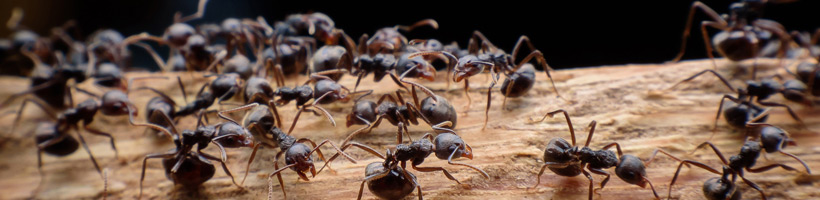
Carpenter ants may seem like just another household nuisance, but these destructive pests can cause serious structural damage if they invade your home. Unlike termites, carpenter ants do not eat wood. Instead, they tunnel through it to build nests, weakening wooden structures over time and creating costly repair issues for homeowners.
Knowing how to identify carpenter ants, recognize the warning signs of an infestation, and prevent them from moving in can help protect your home from long-term damage.
What Do Carpenter Ants Look Like?
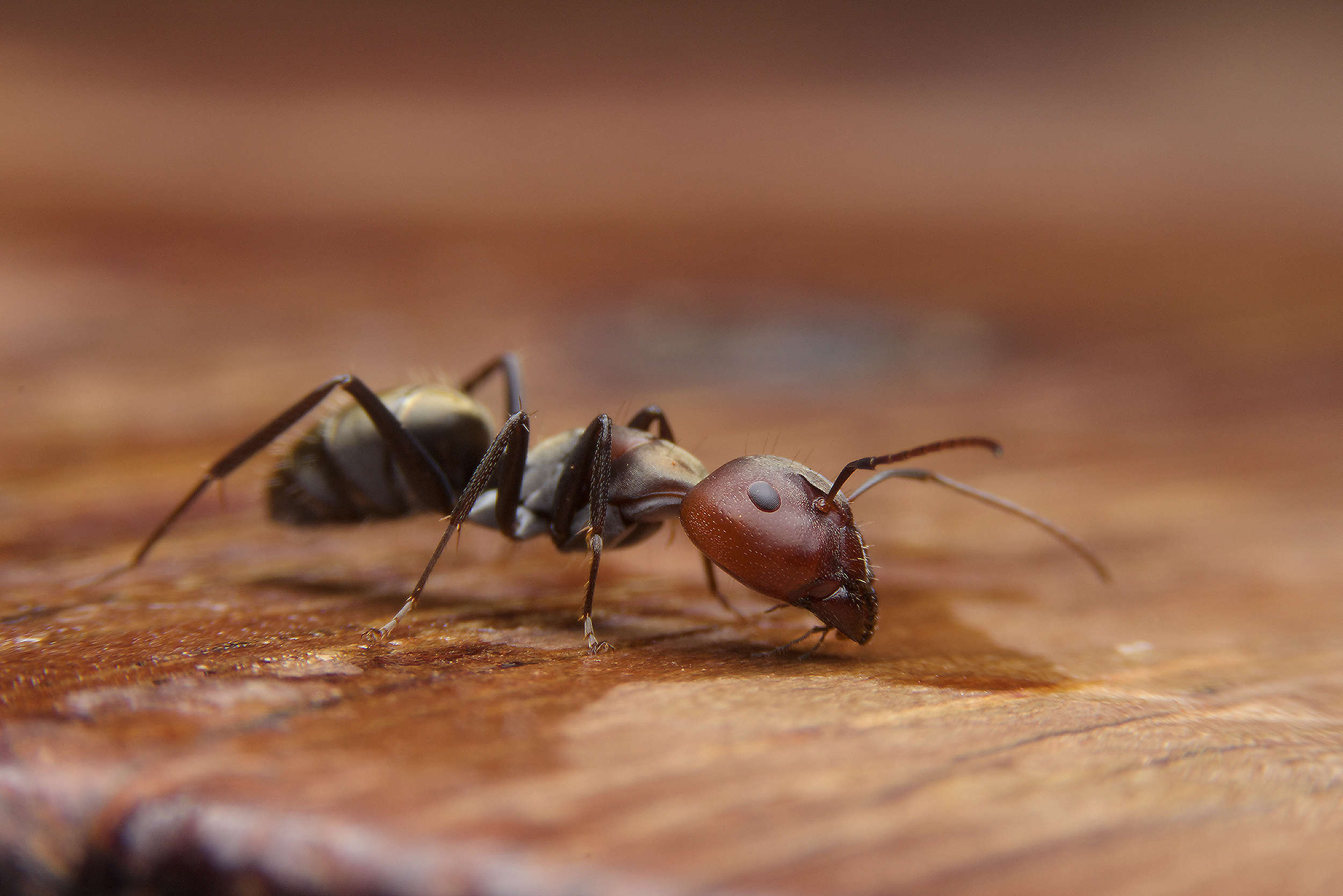
Carpenter ants are much larger than many common household ants, usually measuring between 1/4 and 3/4 of an inch long depending on their role within the colony.
Some common identifying features include:
Black, dark brown, red, or red-and-black coloring
Segmented bodies with narrow waists
Elbowed antennae
Large mandibles used for chewing through wood
Rounded thorax profiles
Winged carpenter ants may also appear indoors during mating season. Spotting flying ants inside your home can sometimes indicate a mature nest nearby.
Why Carpenter Ants Are Dangerous
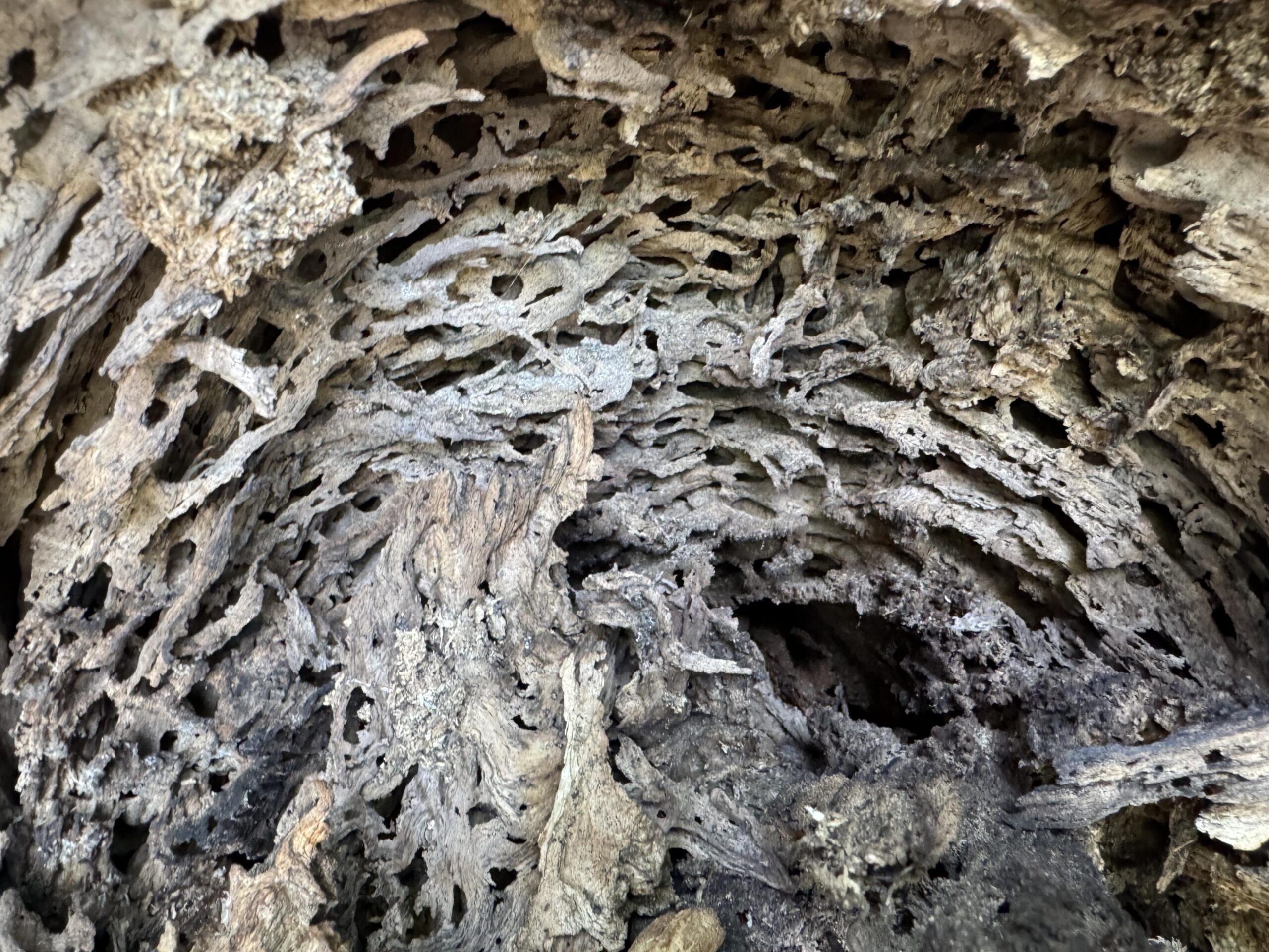
Carpenter ants can become a major problem once they establish satellite colonies inside homes. Over time, they tunnel through damp or damaged wood to create smooth, hollow galleries for nesting.
They commonly target:
Support beams
Window frames
Roof structures
Flooring
Cabinets
Wall voids
Crawl spaces
Attics
Large colonies can contain thousands of worker ants continuously expanding tunnels through wooden structures. Left untreated, carpenter ant activity may weaken parts of your home and lead to expensive structural repairs.
Signs of a Carpenter Ant Infestation
Carpenter ants are often active at night, making infestations difficult to detect early. Some common warning signs include:
Small Piles of Sawdust
Carpenter ants leave behind wood shavings known as frass as they tunnel through wood. These small piles often appear beneath walls, windowsills, baseboards, or wooden structures.
Rustling or Tapping Sounds
You may hear faint rustling noises inside walls or ceilings at night as ants move through their galleries.
Large Ants Indoors
Finding large black ants regularly inside your kitchen, bathroom, or basement may indicate a nearby nest.
Flying Ants Inside the Home
Winged reproductive ants emerging indoors can signal a mature infestation hidden within walls or wooden structures.
Smooth Tunnels in Wood
Unlike termites, carpenter ants create smooth and clean galleries inside wood rather than rough or mud-filled tunnels.
Ant Trails
Worker ants often travel in visible trails while searching for food sources, especially during the evening hours.
What Attracts Carpenter Ants
Carpenter ants are strongly attracted to moisture-damaged or decaying wood. Homes with water issues are especially vulnerable to infestations.
Common attractants include:
Roof leaks
Plumbing leaks
Damp crawl spaces
Rotting wood
Water-damaged window frames
Wet basements
Firewood piles
Tree stumps
Decaying logs
Food sources also play a role. Carpenter ants feed on:
Sugary foods
Grease
Protein-based foods
Honeydew produced by aphids
Other insects
Even small crumbs or spills inside the home can attract foraging ants.
How to Help Prevent Carpenter Ants
Reducing moisture and removing nesting opportunities can help lower your risk of infestation.
Eliminate Damp Wood
Repair leaks promptly and replace rotting or water-damaged wood around the home.
Store Firewood Properly
Keep firewood elevated off the ground and stored away from the home in a dry location.
Trim Vegetation
Cut back shrubs, bushes, and tree branches that touch your home to reduce access points.
Remove Yard Debris
Old stumps, logs, leaves, and decaying wood can become nesting sites near your property.
Seal Entry Points
Inspect your home for cracks, gaps, and openings around windows, doors, siding, and foundations.
Reduce Indoor Moisture
Use dehumidifiers in basements or crawl spaces and improve ventilation where needed.
Why DIY Carpenter Ant Treatments Often Fail
Many homeowners attempt to eliminate carpenter ants using over-the-counter sprays or bait products. While these products may kill visible ants, they often fail to eliminate the entire colony.
Carpenter ants frequently establish hidden satellite nests behind walls, under floors, or inside structural wood. Treating only the ants you see rarely solves the root of the problem.
Improper use of store-bought pesticides can also create safety concerns for children and pets and may even cause colonies to spread into new areas of the home.
Professional Carpenter Ant Control with Viking Pest Control
Successful carpenter ant treatment requires locating the nest, eliminating the colony, and addressing the conditions attracting the ants in the first place.
Viking Pest Control provides carpenter ant control services throughout New Jersey, Pennsylvania, Delaware, and the Eastern Shore of Maryland. Their pest management professionals can inspect your home, identify nesting activity, and create a customized treatment and prevention plan designed to protect your property long-term.
What To Do About A Cockroach Infestation In Your Home
New Jersey, Pennsylvania, Delaware and the Eastern Shore of Maryland are all great places to live with bountiful nature, culture and an excellent standard of living. However, sometimes as cockroaches will mar an otherwise great place to live. The best way to avoid a cockroach infestation in your home is through prevention strategies. Viking Pest Control, an award-winning regional pest control company, can help you keep your home a roach-free zone. If you need cockroach control contact us today for a free estimate.
Clear Signs Of A Cockroach Infestation In Your Home
Generally, cockroaches are attracted to warmth, moisture, and shelter. The most common types of cockroaches in our region are American, Australian, German, Oriental, and Pennsylvania wood roaches. While different pest infestations may have some warning signs in common, there are clear signs that indicate that cockroaches have made themselves at home on your property.
These signs include:
Shed skins or cockroach body parts, such as cockroach legs.
Finding cockroach feces in your home.
Seeing egg capsules in the corners of your house.
Spotting live or dead roaches.
Smelling a musty odor produced by cockroach pheromones.
If you see any of the cockroach signs listed above on your Downingtown property, we suggest you seek expert roach pest control as soon as possible.
Cockroaches In The Home Are A Major Health Hazard
Having cockroaches in your home is more than a nuisance - it is a major health hazard. Why? Mainly because cockroaches breed in filth, like trash and sewers. They carry harmful parasites and bacteria, and they can transmit diseases to individuals living in the homes they infest.
Some of the diseases that cockroaches can pass on to humans are cholera, dysentery, E. coli infection, giardia, listeriosis, typhoid fever, and salmonellosis. They can also cause or worsen asthma symptoms and allergic reactions as they are known to secrete allergens and provoke respiratory issues. Additionally, they can contaminate food, utensils, and items like toothbrushes, causing you or your loved ones to get sick. If you notice any warning signs of cockroaches or see them in your house, contact Viking Pest Control for an inspection.
It's Extremely Difficult to Try To Get Rid Of Cockroaches On Your Own
If you are wondering how to keep cockroaches away, you're not alone, as these are some of Downingtown's most common pests. However, the answer does not lie in DIY methods of roach control. Cockroaches reproduce rapidly, and they are experts at finding the best hiding places to nest and reproduce. Also, they can squeeze into the tiniest gaps. If one cockroach made it into your home, chances are that others will follow. Roaches actually exude cuticular hydrocarbons, which is a way that they communicate with each other regarding travel paths and hiding spots. While Do-It-Yourself methods of cockroach control may work temporarily, it is best to work with a cockroach pest control company in Downingtown that can help you achieve long-term solutions.
Additionally, you can practice the following tips for cockroach prevention:
Clean up any food crumbs and completely seal food containers.
Do not leave uneaten pet food sitting out.
Fix leaky pipes and ensure that there are no standing water or moisture issues on your property.
Keep your home clean and tidy.
Maintain your landscaping, keeping your lawn mowed and free of organic debris such as leaf piles or decaying wood.
Seal entry points into your home.
Take out your trash regularly and ensure that trash bags are sealed.
If you wonder how to deter cockroaches, the tips above can help. Keep reading to learn more about additional roach control services from Viking Pest Control.
The Safe and Effective Way To Get Rid Of A Cockroach Infestation
Viking Pest Control can help you get rid of cockroaches on your property. Our pest management professionals have the knowledge and experience to safely and effectively eliminate a roach infestation or deter roaches in the first place. We'll begin with a thorough inspection of the property, where we will check for signs of cockroach activity, entry points, and conducive conditions. We will check the interior and exterior of the home and apply the best treatment for your specific needs and situation. We will also perform preventative services to help you keep a cockroach-free home. As residents of the area, we are here to serve you and ensure that your home remains the safe spot that you love. Contact us today to learn more about our residential and commercial pest control services.
Bed Bugs, Hotel Rooms, and You: Separating Myth and Reality
A relaxing vacation or business trip can quickly turn stressful if bed bugs hitch a ride home in your luggage. Unfortunately, hotels, airports, rideshares, and other travel hotspots create the perfect opportunities for these pests to spread from place to place. The good news? A little awareness and a few smart precautions can dramatically reduce your chances of dealing with a bed bug infestation after traveling.
Before your next trip, learn how bed bugs spread, where they hide in hotel rooms, and what you can do to protect your belongings — and your home.
How Do Bed Bugs End Up in Hotels?
One of the biggest misconceptions about bed bugs is that they only infest dirty or low-quality hotels. In reality, bed bugs can show up anywhere people travel. Luxury resorts, budget motels, vacation rentals, dormitories, and even airplanes can all experience bed bug activity.
Bed bugs are expert hitchhikers. They don’t jump or fly — instead, they crawl into luggage, backpacks, purses, clothing, and personal belongings. Travelers unknowingly transport them from one location to another, allowing infestations to spread quickly.
Because hotels experience constant guest turnover, even the cleanest properties can occasionally encounter bed bugs.
Myth vs. Reality: Common Bed Bug Misconceptions
Myth: Expensive hotels don’t get bed bugs.
Reality: Bed bugs are not attracted to dirt or poor housekeeping. Any hotel can experience an infestation if a guest unknowingly brings them in.
Myth: Bed bugs only hide in mattresses.
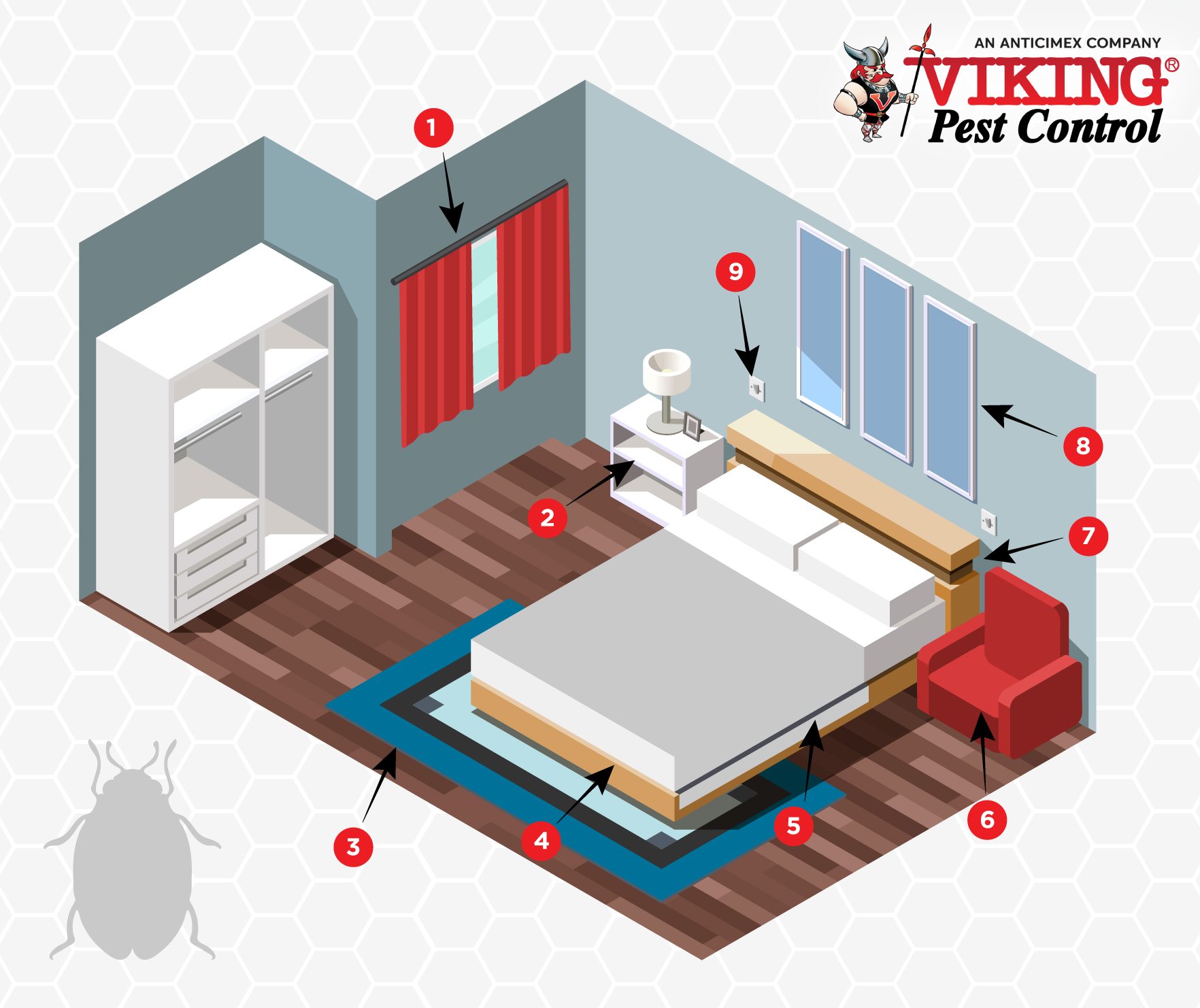
Reality: While mattresses are common hiding spots, bed bugs are more often found in headboards, bed frames, nightstands, upholstered furniture, curtains, electrical outlets, and carpeting near the bed.
Myth: Bed bugs are too small to see.
Reality: Adult bed bugs are visible to the naked eye and are roughly the size and shape of an apple seed. Younger bed bugs and eggs are much smaller but can still often be spotted during a careful inspection.
Myth: Bed bugs spread disease.
Reality: Bed bugs are not known to transmit diseases, but their bites can cause itchy welts, allergic reactions, anxiety, and sleep disruption.
How to Check a Hotel Room for Bed Bugs
One of the best ways to avoid bringing bed bugs home is to inspect your hotel room before unpacking.
Start With the Bed Area
Pull back the sheets and inspect the seams and corners of the mattress. Look for:
Live bed bugs
Tiny white eggs
Shed skins
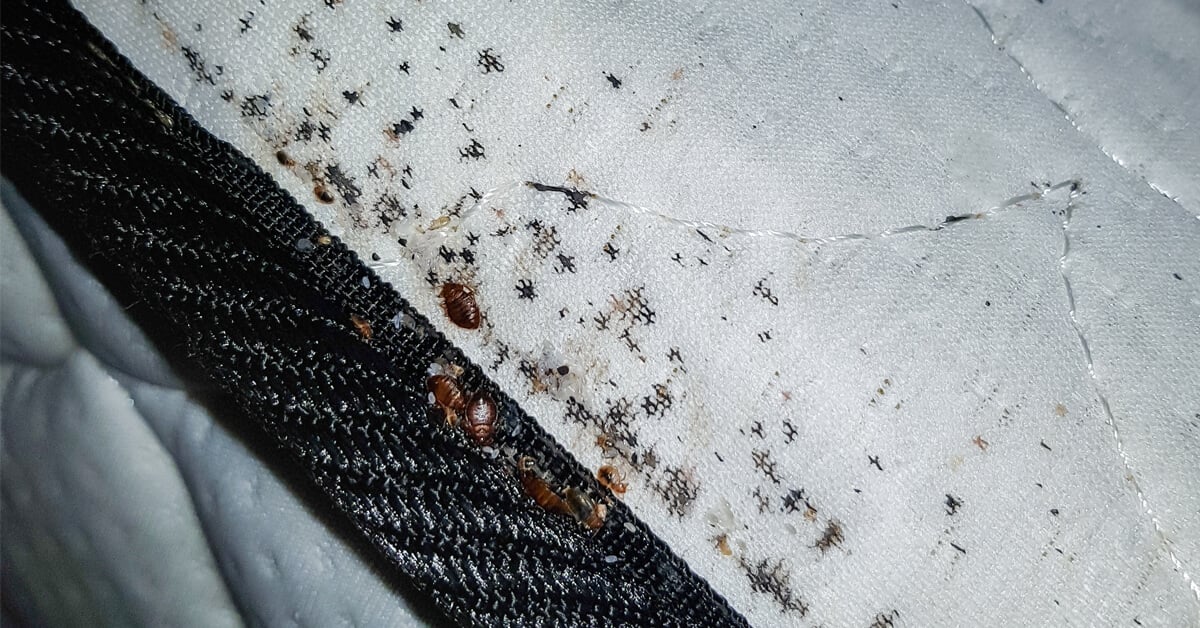
Small dark reddish-brown or black stains
Check Nearby Furniture
Bed bugs often hide within a six-foot radius of where people sleep. Inspect:
Headboards
Nightstands
Upholstered chairs
Drawer corners
Behind picture frames
Around baseboards
A flashlight from your phone can help illuminate cracks and crevices where bed bugs like to hide.
Keep Your Luggage Protected
Instead of placing your suitcase on the bed or floor:
Use a luggage rack
Keep luggage away from upholstered furniture
Store suitcases in the bathroom if possible, since bed bugs are less likely to hide there
You should also avoid unpacking clothes into hotel drawers during shorter stays.
Smart Travel Tips to Prevent Bed Bugs
Taking preventive steps before and during your trip can greatly reduce your risk.
Pack Clothing in Sealed Bags
Use large resealable plastic bags or packing cubes to separate clean and dirty clothing. This makes it harder for bed bugs to crawl into your belongings.
Keep Clothing Off the Floor
Avoid leaving clothes, shoes, or backpacks on carpeted floors or furniture.
Wash Everything Immediately After Traveling
When you get home:
Wash clothing in hot water when possible
Dry all clothing on high heat for at least 30–45 minutes
Wash even unworn clothes from your suitcase
High heat is extremely effective at killing bed bugs and their eggs.
Vacuum and Inspect Your Luggage
Before storing your suitcase:
Vacuum seams, pockets, and zippers thoroughly
Empty the vacuum immediately afterward
Wipe down hard-sided luggage carefully
Some travelers also leave luggage in a hot vehicle or attic for extended heat exposure when temperatures permit.
Signs You May Have Brought Bed Bugs Home
Even careful travelers can occasionally miss a hitchhiking bed bug. After returning home, watch for:
Small itchy bites that appear overnight
Tiny blood stains on sheets
Dark spotting on bedding or mattresses
Shed skins around sleeping areas
Live bugs hiding in mattress seams or furniture
Because bed bugs reproduce quickly, early detection is critical.
What to Do If You Find Bed Bugs
If you discover bed bugs in your home after traveling, avoid trying to handle the infestation entirely on your own. DIY treatments often fail because bed bugs hide in tiny cracks and can survive many over-the-counter products.
Professional bed bug treatment is typically the fastest and most effective solution. Experienced pest control professionals can identify hiding spots, eliminate bed bugs at every life stage, and help prevent reinfestation.
Protect Your Home With Viking Pest Control
Whether you’re preparing for vacation, returning from a trip, or already concerned about bed bugs in your home, Viking Pest Control can help. Our licensed professionals provide thorough inspections and effective bed bug treatments for homes throughout New Jersey, Pennsylvania, Delaware, Maryland, and the Eastern Shore.
Don’t let bed bugs become your unwanted travel souvenir. Contact Viking Pest Control today to learn more about our bed bug control solutions and how we can help keep your home protected year-round.