

Carpenter Ant Control and Extermination Services
Viking Pest Control is widely recognized for comprehensive carpenter ant control and generic pest management solutions in New Jersey, Pennsylvania, Maryland, and Delaware. Have you noticed small groups of dark brown or big black ants crawling through your home or business? If so, you may want to act sooner rather than later. Carpenter ants pose a real threat to the structure of your home. However, you can eliminate them with timely, targeted remediation. To protect your home from carpenter ants, you need to learn about the behavior of this pest, take steps for prevention, and find effective carpenter ant treatment options should an infestation occur. Once you’re aware of how harmful it could be to have these pests inside your home, Viking Pest is here to get rid of them once and for all.
Table of Contents
- What are Carpenter Ants?
- How Do I Identify Carpenter Ants?
- How Did I Get Carpenter Ants in My Home?
- Carpenter Ant Prevention
- Carpenter Ant Removal
What are Carpenter Ants?
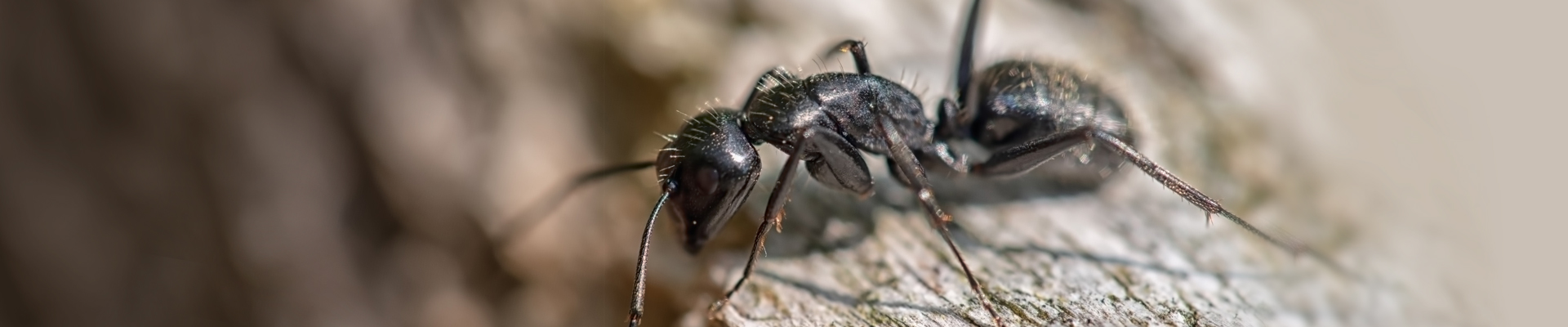
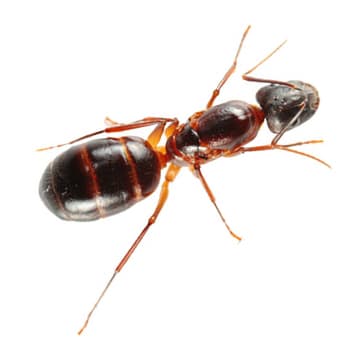
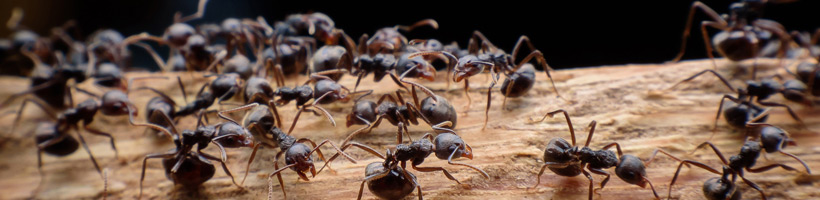
Carpenter ants are black or dark brown insects that average about ¼” to ½” in length. They make nests by excavating wood. These ants bore holes in wood and leave what appear to be wood shavings or frass behind. Carpenter ant swarmers have wings and may look similar to termites; however, they are significantly larger and have differently shaped bodies and antennae.
Carpenter ants can cause you frustration and serious damage to your home. If carpenter ants are left untreated, they will expand their colonies and can cause structural damage to your home.
How Long Do Carpenter Ants Live?
Longevity is one of the carpenter ant’s strengths. Queens can live up to 10 years, and workers generally live several months to one year. Because carpenter ants live so long, waiting for a colony to die out is not a viable solution. It’s important to act promptly and contact a pest control professional to address your concerns.
If you’re trying to figure out how to get rid of these six-legged annoyances, the carpenter ant control professionals at Viking Pest are ready to help.
How Do I Identify Carpenter Ants?
Carpenter ants are distinguishable by their size, color, behavior, and the frass they leave behind. Carpenter ants are larger than other ant varieties and are either black or dark brown. While they follow pathways, they may not form wide, continuously moving masses of thousands of bodies like army ants do. They also don’t form straight, single-file lines like leaf-cutter ants. Rather, their grouping behavior tends to happen around sources of food or water.
When carpenter ants bore their nests, they must remove the wood, which they do by eating it. The remnants look a lot like shredded sawdust.
Carpenter Ants vs. Termites
Termites and carpenter ants do share some similarities, but they’re also quite different from each other.
Antennae
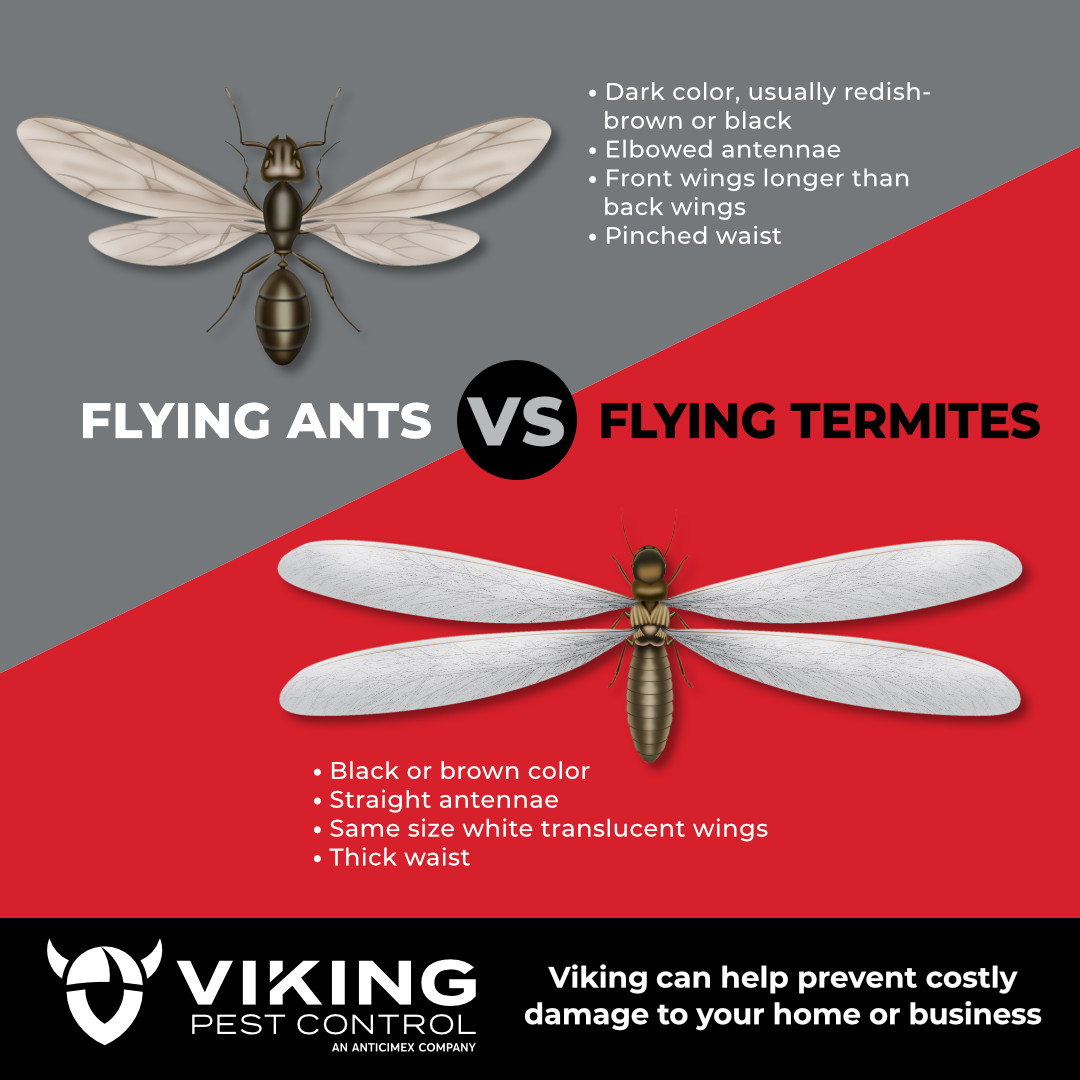
Termites have straight antennae. Ants have an elbowed antennae with a sharp bend that’s easy to spot.
Body
You’ll see that ants have three distinct body segments thanks to their narrow waists. Termites, in contrast, have a broad waist that makes them look like they have a long body and head.
Wings
Termites and carpenter ants both send out winged swarmers. But ants have front wings that are longer than their back wings. Termites, however, have wings of equal length.
Damage
The damage carpenter ants leave behind is also different than that of termites. Termites leave a lot of soil in their nesting areas, Carpenter ant damage is much cleaner—like hollow, empty tubes—because they remove all debris from the nesting area and deposit it outside.
How Big Are Carpenter Ants?
Carpenter ants are a large ant species. Adult worker ants vary in size but on average are about 1/2 inch long, but queens may reach about an inch or larger.
Can Carpenter Ants Fly?
Yes, some carpenter ants can fly. However, it’s only the reproductive adults, male and female, that have wings. They fly and swarm to mate, then shed their wings when they find a suitable nesting site.
How Did I Get Carpenter Ants in My Home?
Carpenter ants like trees and shrubs, but they will gladly enter your home or business and set up a nest. If you have carpenter ants, it’s likely they discovered your property as they branched out from a nest in a nearby shrub or tree. Also, if you burn wood, carpenter ants can make their way into your home through a piece of wood in the pile when it’s brought inside.
Alternatively, carpenter ants are known to use utility lines to gain access to the interior of walls and establish a colony.
What Are the Effects of Carpenter Ants In and Around My Home?
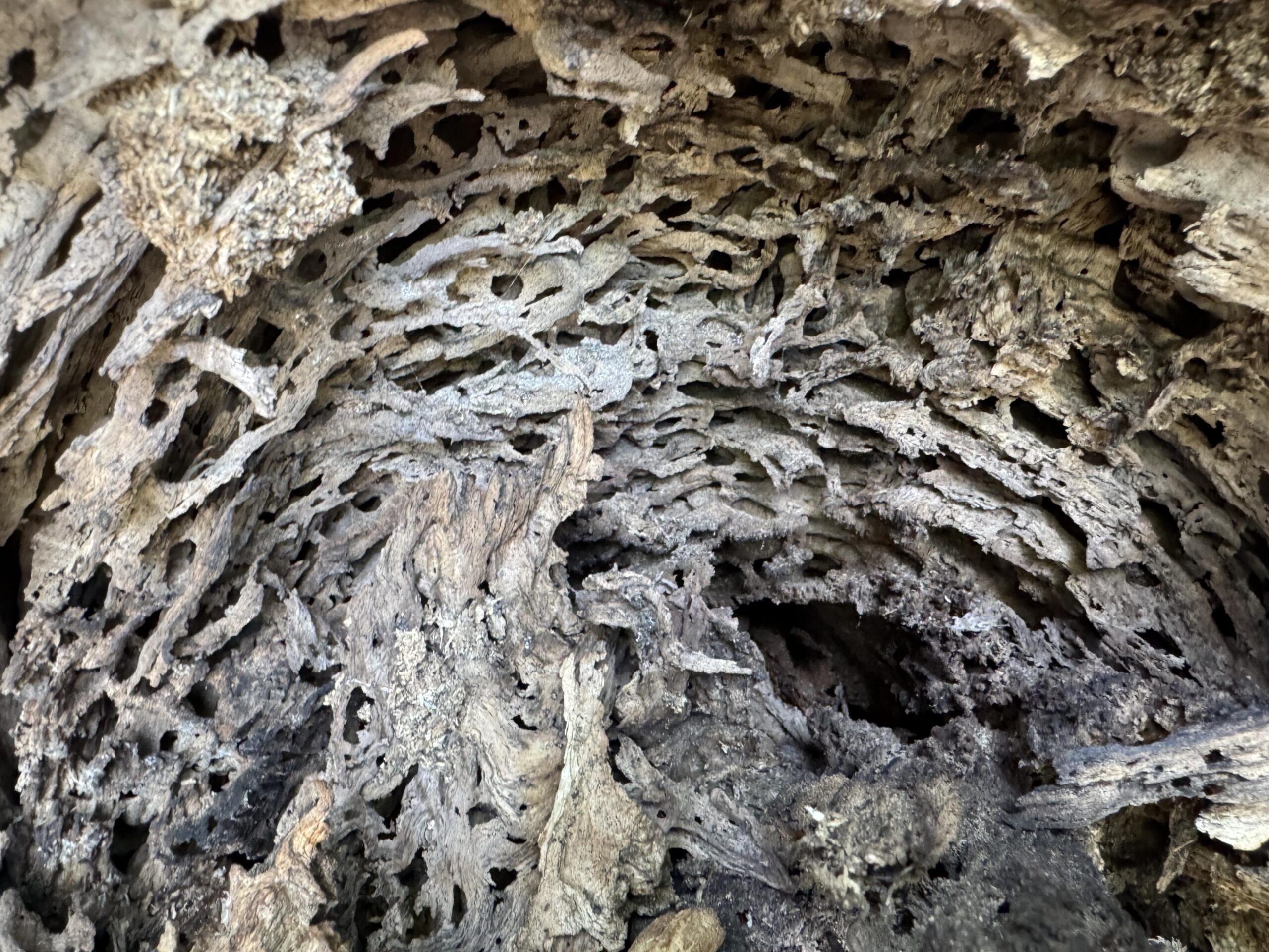
To build their nest, carpenter ants need to burrow away at the wood in your walls, floors, roof, cabinets, or other structures. Like all living creatures, they need water to survive, so they prefer moist wood. If you have or have ever had water damage, you have a higher chance of getting a carpenter ant infestation.
Because carpenter ants spread from one place to another as they expand their colony, once they are in an area, they may excavate away enough material until the structural integrity of the wood is compromised to the point that they are no longer capable of supporting weight or connecting other critical elements of your home.
“Most carpenter ant colonies are about five years of age when they start producing swarmers, the winged, reproductive ants that fly out to create new colonies,” says Craig Sansig, ACE, PHE, Viking Pest’s Vice President of Operations. “Often, they don’t travel very far. It’s not uncommon to find numerous related carpenter ant colonies clustered near each other. These smaller colonies are called ‘satellite colonies.’”
Do Carpenter Ants Bite?
Yes, carpenter ants can bite. Due to their size and strength, these bites can break the skin and be painful. However, their bites are generally considered harmless to humans. They also only bite if they feel threatened or if their nests are disturbed.
Carpenter Ant Prevention
While the best option for carpenter ant prevention often begins with a professional pest inspection, Viking has several recommendations for homeowners who want to determine whether their home is at risk for a carpenter ant infestation.
How Do I Prevent Carpenter Ants?
Pest control experts believe there are several straightforward ways of preventing carpenter ants. To ensure your home is protected, start by having a pest control professional, like Viking Pest, inspect your home. We can evaluate your home’s current risk level and look for prior damage and signs of ants. We can then use our expertise to take preventive measures to keep carpenter ants from coming back or from getting inside your home.
We advise homeowners to remove tree branches that hang over their homes. Carpenter ants like to travel from one nesting area to another, and a dangling tree branch can serve as a bridge to your house. The same goes for landscaping elements that extend towards your home on the ground level.
Trim bushes and your grass so they don’t touch your home or business. If your property is directly adjacent to a carpenter ant colony, there is a much higher likelihood of them making their way inside.
What Attracts Carpenter Ants
Carpenter ants, like most pests, are attracted to areas that provide their basic needs. They seek out moisture, food, and shelter. These ants tend to look for:
- Decaying and damp wood: Carpenter ants make nests in wood. Soft or rotting wood is easier for them to excavate.
- Moisture: Carpenter ants need a steady source of moisture. They love areas with standing water or leaks.
- Firewood: Firewood provides an easy home, especially if it’s stacked on the ground. If that stack is by your home, your walls could be their next target.
- Pet food: The fat and protein in pet food can attract hungry carpenter ants.
What Do Carpenter Ants Eat?
Though carpenter ants will chew through wood, they don’t eat it. Instead, they primarily live on a diet of other insects. In addition, they’re particularly attracted to jelly, sugar, syrup, and honey. Carpenter ants also love honeydew, a sweet, sticky liquid byproduct of aphids, spotted lanternflies, and other plant-eating pests., and other plant-eating pests.
Carpenter Ant Removal
Viking Pest Control treats carpenter ant infestations with a targeted, multi-step approach that eliminates the entire colony, not just the visible ants. After a thorough inspection to locate nests, technicians apply non-repellent treatment materials that ants unknowingly carry back to the colony, allowing the product to spread and eliminate the nests at their source. They also perform precise applications into wall voids, wooden structures, and other hidden areas where carpenter ants nest. In addition, Viking establishes a protective barrier treatment around the exterior of the home and advises on contributing factors, such as moisture issues and entry points, to help prevent reinfestation.
How to Get Rid of Carpenter Ants
Beyond contacting a professional pest control company like Viking for an inspection, you’ll need to:
- Remove any decaying wood on your property.
- Repair any damaged wood that might attract carpenter ants.
- Get rid of old stumps and fallen branches on your property.
- Double-check that your property doesn’t have drainage issues that could lead to standing water or moisture buildup.
- Inspect trees for dead branches and holes that are commonly infested. If you find any, call an appropriately trained and licensed arborist.
- Look for and correct any moisture issues present on the property

Learn More About Carpenter Ants
- Carpenter Ants: Spot and Stop Them in Your Home
- Termite Swarmers vs Carpenter Ant Swarmers
- Should I Still Be Worried About Carpenter Ants?
- Do Not Ignore Those Big Black Ants
- “Sawdust” Piles Are Sure Sign of Carpenter Ants
Frequently Asked Questions

Schedule Service Today & Get Unlimited Service Requests*
* Some restrictions apply
Buy Online
Customer Login