

Ridding You of Rodents, One House at a Time!
There is nothing quite as disgusting as seeing the first sign of a potential rodent infestation. Whether you have actually seen a rat or a mouse in your home, or have simply noticed droppings that indicate they are present, you probably have some idea how quickly an isolated rodent sighting can turn into a serious rodent problem.
Why Viking Pest Control is Better Than Your Typical Exterminator
You have a number of choices for exterminator in the New Jersey area, and, while we know that we are the best, many of those companies are also highly recommended by their customers and can help you tackle your pest control problems. Why, then, should you choose Viking Pest Control for your pest control needs? Because we are not your average exterminator.
- We have been in business and satisfying customers for 45 years.
- We provide comprehensive pest control solutions for a wide range of pests, including: termites, carpenter ants, rodents, birds, roaches, stink bugs, ants, and other insects.
- We work in both commercial and residential properties.
- We offer regular services throughout the year to help prevent pest problems before they start.
- We offer a whole-home approach, which treats pest problems in your home and in your yard.
- We are qualified to handle wood destroying insect inspections for real estate transactions.
- We focus on prevention, including pest exclusion techniques.
- We use Integrated Pest Management (IPM), which focuses on prevention, reducing the need for pesticides, and improving health and safety.
- We have an on-staff entomologist.
- Our staff is highly trained, which enables them to correctly identify the problem, so that we can treat it right the first time.
- We are QualityPro Certified.
- Our staff is friendly and knowledgeable and will happily explain what they are doing and why they are doing it.
- We offer free information and tips for DIY pest control, to help our customers avoid infestations.
Why Do I Have Odorous House Ants?
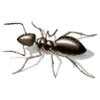 Odorous house ants are an annoying pest, which you can differentiate from other types of ants because the rotten coconut scent they emit when they are crushed. They are between 2.4mm and 3.25mm long, with a black or brown one-node body, and 12 segmented antennae, but their distinct odor is the easiest way to identify them. Like other ants, they are attracted to food and water sources in the home. Because their preferred food is sweets, they often go inside when their natural sources of food is threatened. Rainy weather and the autumn leaf fall are two events that threaten their food supply and can drive odorous house ants inside. They can forage around-the-clock, which, fortunately, can make them easier to spot than other types of pests. They may also nest in your home; they like to make their homes in wall voids, such as the areas around pipes or heaters. They can also nest outside in soil.
How To Eliminate The Ants
Once you identify that you have an odorous ant problem, you will want to eliminate them. They leave a pheromone trail for other ants, which leads from the nesting site to food sources. These trails mean that a minor ant problem is likely to rapidly increase. However, if you can locate and identify these trails, they also give you a clue on how to eliminate the ants. Baiting is an effective way to control odorous house ants, and you want to bait on the trails after eliminating other food sources. Different baits work in different ways, so for DIY odorous house ant control you want to choose a combination of sugar-based and protein-based baits. You also want to make sure and use slow-acting baits, so you can exterminate the queen. Of course, if you want a professional to handle your odorous house ant problem, you can call Viking Pest to schedule an appointment.What Do Bedbugs Look Like?
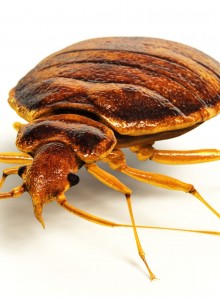 Bedbugs are one of the most difficult pests to eradicate, and part of that is because people can have a difficult time identifying them. They are small and they often to do not emerge until they have a sleeping food source, which means that you can be somewhere with a serious bedbug problem and never actually see one.
About Nymphs
Bed bugs are small, with flat, oval-shaped bodies. Newly hatched bedbugs, known as nymphs, are about the size of a pinhead. They are lightly colored, usually white or tan, until they feed. Adults are slightly bigger, about the same size and shape as an apple seed, and are brown in color, but they take on a reddish tinge after they eat. Even fully grown, bedbugs remain small, usually 5mm or under in length. They are wingless, though adults have a wing pads. While they are small, it is a misconception that they are microscopic. They can be seen with the naked eye, and, while you probably will not spot them in bedding, you may see them in their hiding spots.Signs Of A Bedbug Infestation
Since they are difficult to spot, you may want to look for other signs of a bedbug infestation. As they grow, they shed their skins, so you may want to look for discarded skins. Like other pests, you can sometimes identify them by their waste; which looks like black or brown stains or mounds. Bedbug bites look like red welts, so if you find red welts on your skin with no explanation for them, it may be a sign of a bedbug infestation. If you have bedbugs in your home, they will bite; they feed exclusively on blood. Do you suspect a bedbug problem? If so, you need to call in professional help, as they are very difficult to eradicate and multiply extremely quickly.Mice in June
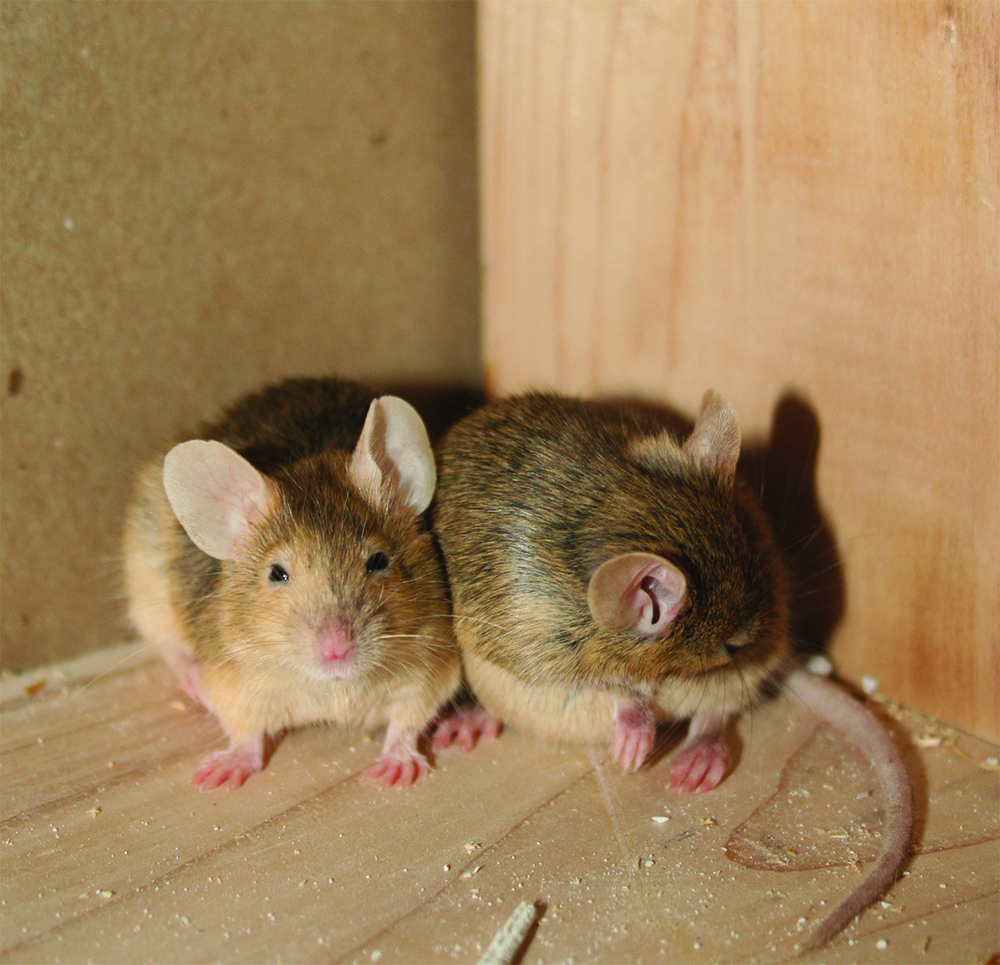 Think mice are just a winter problem? Think again. You turn on your air conditioner on one of the hottest days of the year, but nothing works. The HVAC company shows up, removes the access panel to check the circuitry and a mouse decided to make your A/C unit a nesting site. Damage from the nesting material and to the wires causes a nightmare for you and a rather large expense. Suddenly, a minor rodent problem has turned into a major household problem.
Damage & Diseases Caused by Mice
Even if they have not made it into your house, mice and rats can cause serious problems for you and your family. In addition to property damage, rodents carry a significant risk of disease. They urinate and defecate more than any other type of animal- up to 100 times per day, and they eat the droppings of other rodents. Since they can carry diseases and other pests, like salmonella, bubonic plague, tapeworms, Lyme disease, and hanta virus, their waste everywhere, even in outdoor areas, poses a health threat to your family.Rodents Production
Another problem with mice and rats is that if you see one, there are probably more. Rodents reproduce at astronomical rates. Female mice reach sexual maturity between 6 and 8 weeks, can have a litter every month, and can have 3 to 16 young per litter. Female rats can reach maturity between 4 to 5 weeks old, can have a litter every month, and have 2 to 33 young per litter. With numbers like these, it is easy to see how a small rodent problem can easily become an infestation. A lot of people think mice and rats are fall and winter problems but they can be found outdoors years around. Call Viking Pest to schedule an appointment at (800) 618-BUGS or click the link below.DIY Ways to Keep Mosquitoes Out of Your Yard
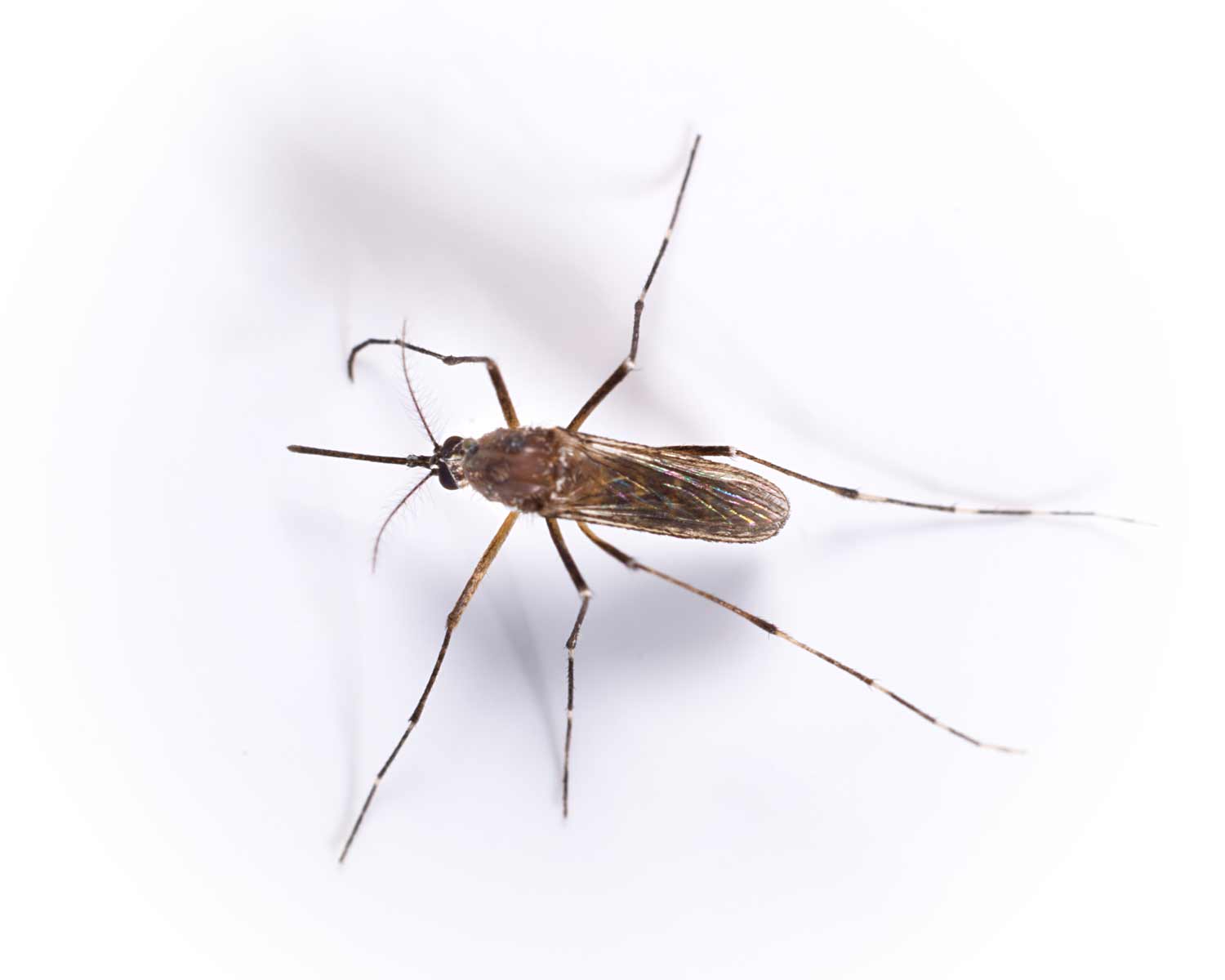 Mosquitoes are probably the most notorious summertime pest. Their bites are not only itchy and inconvenient, but can also transmit a large number of diseases. Malaria, Chikungunya, heartworm for dogs, dengue, yellow fever, multiple types of encephalitis, West Nile Virus, and Zika are all transmitted by mosquitoes. In fact, some people suggest that mosquitoes have been responsible for more human deaths than any other animal! Therefore, controlling mosquitoes in your yard is not just about convenience, but can actually a health issue. Here are some easy DIY steps you can take to help keep mosquitoes out of your yard:
- Get rid of standing water. Mosquitoes breed in stagnant water, so they are attracted to it. Check your yard for anything that could hold water after a rainstorm and remove it, and take steps to remedy any low spots that result in standing water after a storm.
- Use plants in your landscape that are known to deter mosquitoes, such as citronella.
- Use an effective mosquito repellent when you are outside. Effective repellants include: DEET, picaridin, IR3535, lemon oil, or eucalyptus oil.
- Use a backyard pretreating spray, the day before you host any large outdoor event.
- Use pet-safe mosquito-repelling pellets.
- Wear long sleeves, pants, and cover your feet when you go outside to keep mosquitos from having places to eat.
- Dine indoors; mosquitos are attracted to people and to the food you are eating.
- Use netting or screens to create bug-free outdoor areas, especially any areas where guests will be eating.
- Use citronella, geraniol, or other repellant candles, lanterns, or torches to keep away mosquitos.
Benefits of Using a Professional for Bedbug Treatment
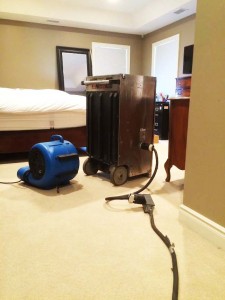
Bedbugs are hard to exterminate. Furthermore, if you fail to exterminate even a small portion of them, their relatively long life spans combined with their ability to rapidly procreate mean that a small bedbug problem can escalate into a huge issue. Therefore, whatever method you choose to tackle your bedbug problem, you want to make sure it is absolutely effective. That is why many people choose professional bedbug treatment programs. Some of the benefits of using a professional for bedbug treatment include:
-
Proper identification of your pest problem.
Because bedbugs are small, you can have a bedbug problem without ever seeing any bugs. However, the red welts that are a tale-tell sign of bedbug infestation can also accompany other bug infestations. A professional can ensure that bedbugs really are your problem. -
Professionals use fewer pesticides.
If you are using a DIY approach, in order to be effective you will probably end up applying more pesticides than you actually need. Even if you use pesticides that are safe around kids and pets, you still want to make efforts to limit your family’s exposure to them. -
Common bug sprays.
Bedbugs are often immune to common bug sprays. If you tackle them using only sprays, then you leave only immune bugs behind, which can create a bigger problem than you initially had. -
Heat treatment.
Professionals have the equipment for using heat or steam treatments to exterminate bedbugs. This is the most effective bedbug treatment method, and heat treatments can reach the cracks and crevices where bedbugs hide, while many other treatment methods cannot. - Bedbugs can hibernate without food for extended periods of time, so using a professional helps reassure you that you have actually gotten rid of them.
- Professional services are usually guaranteed, which is beneficial when fighting a persistent pest like bedbugs.
Preventive Tips For Mosquito Bites
Is there anything as annoying as a mosquito buzzing around you? Of course there is; a swarm of mosquitos buzzing around you. Summer is coming and it is time to think about mosquito control solutions. Why is mosquito control so important? Though most of us tend to think of mosquitos as a nuisance and their bites as itchy and annoying, the reality is that no other animal has been as responsible for as many human deaths. In Pennsylvania, mosquitos carry West Nile virus, which can infect humans, and two diseases that can be deadly to horses and dogs.
Prevent Mosquito Bites
To prevent mosquito bites, Viking Pest suggests you take a three-pronged approach to stop mosquitos. The first step is eliminating stagnant water; which mosquitos require to breed. Standing water can collect in old pots, buckets, and cans, wading pools, birdbaths, wheel barrows, old tires, tarps or covers, and even rain gutters. The second step is reducing the individual risk of mosquito bites. Mosquitos are more active at twilight, after dark, and at dusk. Therefore, people should limit outdoor exposure during those times, and, if they are indoors, they should make sure that doors and windows should fit tightly and that windows have fully functioning screens. People who go outdoors during that times should limit as much skin exposure as possible by wearing long sleeves and full-length pants. Using a DEET-based mosquito repellant can also help keep mosquitos away.Insecticides - Control Mosquito Population
Finally, you can use insecticides to control mosquito populations, but because mosquitos can fly long-distances you may find DIY mosquito control insecticides to be of limited utility. Professional products do more than exterminate mosquitos and target larvae; they can also mask the carbon dioxide that humans emit, which is what attracts mosquitos in the first place. To find out how Viking Pest can help eliminate mosquitos from your yard, contact them today.What threats can Rodents pose to homes?
If you are looking for an exterminator for rodents in the New Jersey area, you might be in a bit of a panic. Few household pets are as unnerving as mice, rats, or other rodents. Big enough to be frightening, small enough to scurry away and hide, and alarming prolific; it’s no wonder that homeowners often panic at the first sign of a rodent. Before you feel silly, keep in mind that rodents carry over 50 diseases, including bubonic plague, salmonella, tapeworms, Lyme disease, and hanta virus. Rodents can also aggravate asthma and allergies.
Why are rodents such a problem in a home?
After all, rodents exist in the wild but you do not see infestations of them in the wild. That is because rodent populations are controlled by predators, weather, and scarcity. In a home, there are no predators (except for housecats!), food and water are abundant, and rodents can thrive in room temperatures. A female mouse can have a litter every month, with 3 to 16 young per litter. A female rat can have a litter every month, with 2 to 33 young per litter. Mice reach sexual maturity between 6 and 8 weeks old, while rats reach sexual maturity around 4 to 5 weeks old. As these numbers suggest, an unchecked rodent infestation can rapidly become a serious problem!Stop Rodents in Your Home
There are a number of steps you can take to reduce your chances of rodent infestation. Seal any opening larger than ¼ inch to prevent access, by using caulk to seal holes, weather-stripping around all doors and windows, and screening windows and vents. Keep food sealed, including pet food, and fix any leaks to eliminate potential water sources. Then, keep an eye out for rodents; you may see signs like droppings or chewed up material before you see any rodents, themselves. Contact an exterminator as soon as you see signs of rodents to keep a small problem from becoming a major infestation.Tips for identifying carpenter ants
The first step to carpenter ant control is finding the colony. Carpenter ants, often confused with termites, are a significant problem in Maryland, but many people do not recognize the initial signs and symptoms of an infestation. If you have noticed wood shavings around your trees or in your house, you may have a carpenter ant infestation. Pests that can destroy indoor or outdoor wood, carpenter ants, unlike termites, a pest that also destroys wood, do not actually eat the wood they destroy. Instead, they nest in the wood. Instead, the do their damage as part of their nesting behaviors.