It’s August, which means many families are making the most of the last weeks of summer vacation, and many college students are preparing to move back into dorms or off-campus housing. Whether you’re checking into a beachfront hotel, a mountain lodge, or a campus apartment, one thing remains the same: vigilance against bed bugs is essential.
Bed bugs can be found in accommodations of any price point or star rating—from budget motels to luxury suites costing thousands per night. They can also hitch a ride into college housing during move-in season. At Viking Pest Control, we’ve seen it all, and we know how important it is to learn how to check for bed bugs when you travel to new destinations.
What Do Bed Bugs Look Like?
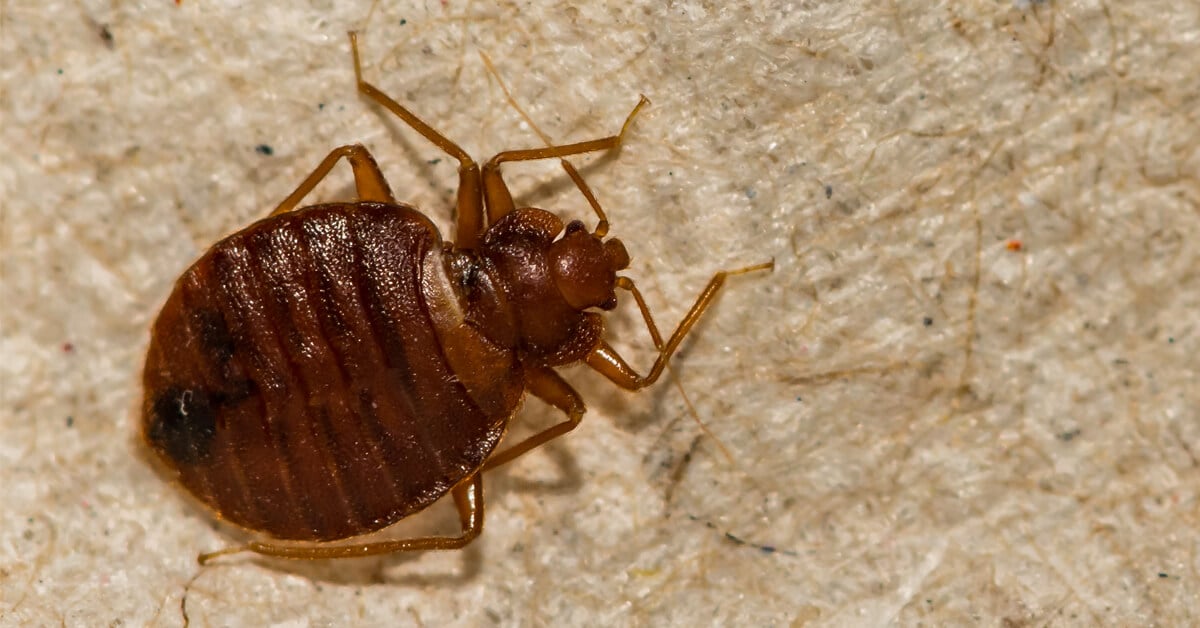
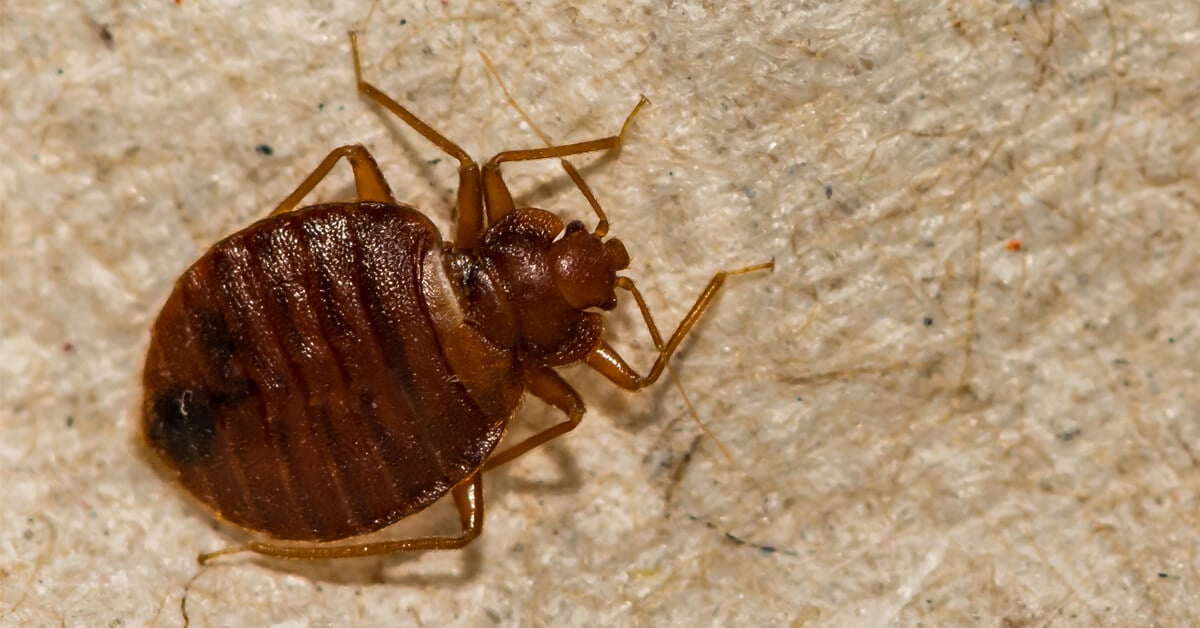
Bed bugs are small, mahogany-brown insects roughly the size of an apple seed when fully grown. Younger bed bugs, called nymphs, are tan in color until they take their first blood meal. They’re flat, which helps them slip into cracks and crevices as thin as a business card.
Because they feed exclusively on blood, bed bugs spend most of their lives hiding near their food source—waiting to emerge at night for a meal.
Do Fancy Hotels Get Bed Bugs?
Yes. Bed bugs don’t care about the price of the room or the hotel’s reputation. Even the most exclusive resorts can develop issues from time to time. The same goes for student housing; bed bugs don’t care if the building is brand-new or decades old.
When researching hotels or campus housing:
Read reviews carefully.
A single mention of bed bugs might not be cause for alarm, but repeated reports over time should raise concern, especially if the dates are recent and near each other.
Search the location’s name alongside the words “bed bug” for more insight.
How to Check for Bed Bugs in a Hotel or Dorm Room
When you first enter:
Note any odors. A strong chemical smell could mean the space was recently treated.
Know where to look. In hotels, mattresses are less common hiding spots due to frequent linen changes. In dorms, however, mattresses can be prime real estate for bed bugs if not properly inspected or encased.
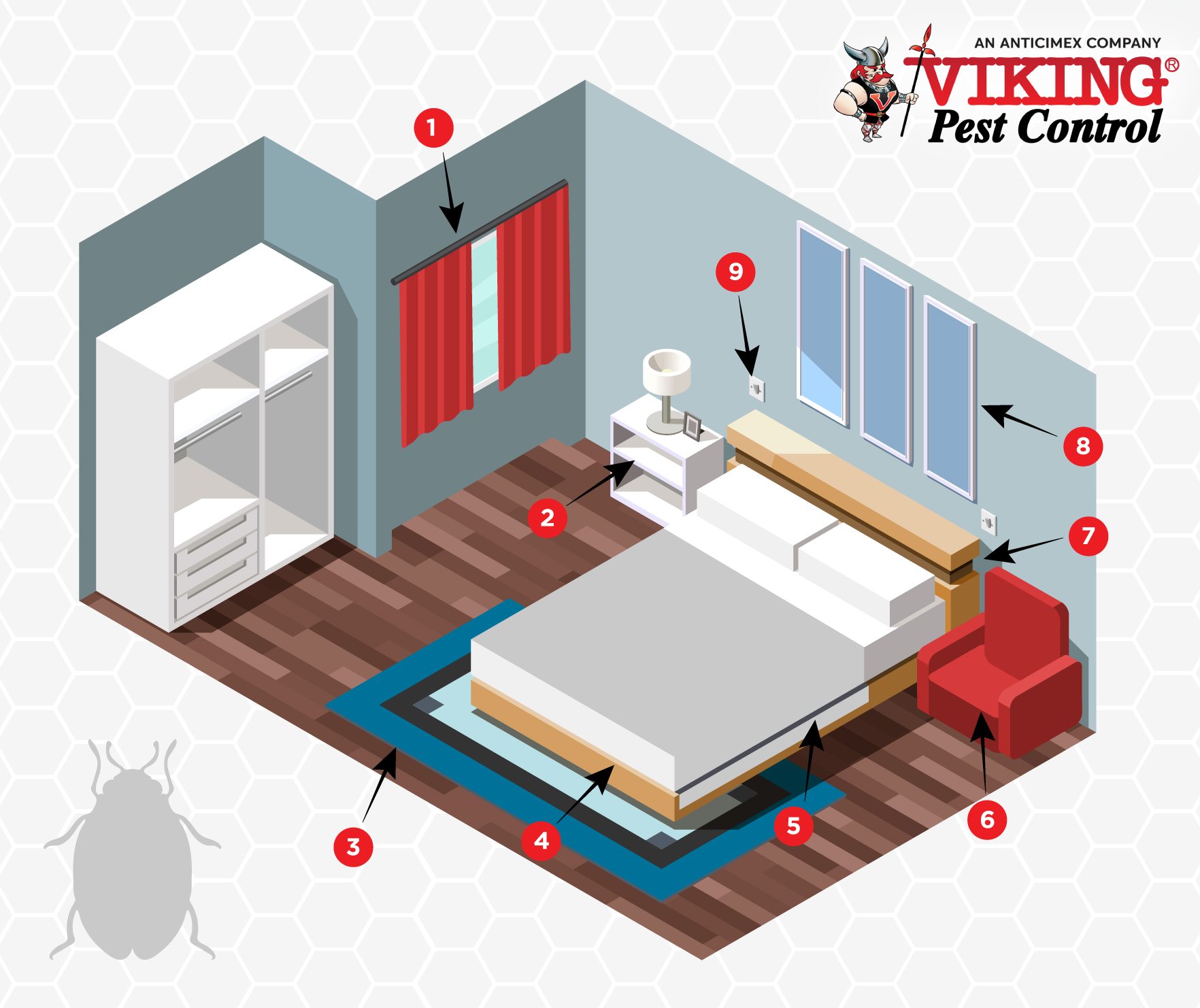
Inspect thoroughly, including behind and beneath furnishings. Focus your inspection on:
Headboards
Bed frames
Nightstands and furniture within 6 feet of the bed
Upholstered furniture
Baseboards and wall fixtures
Look for:
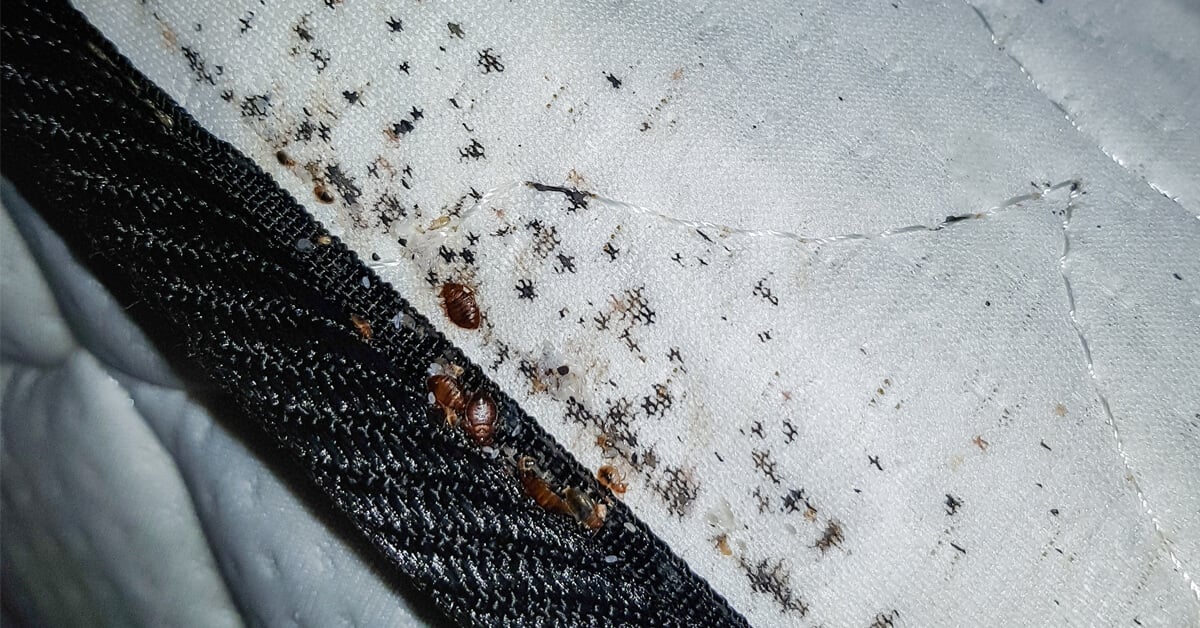
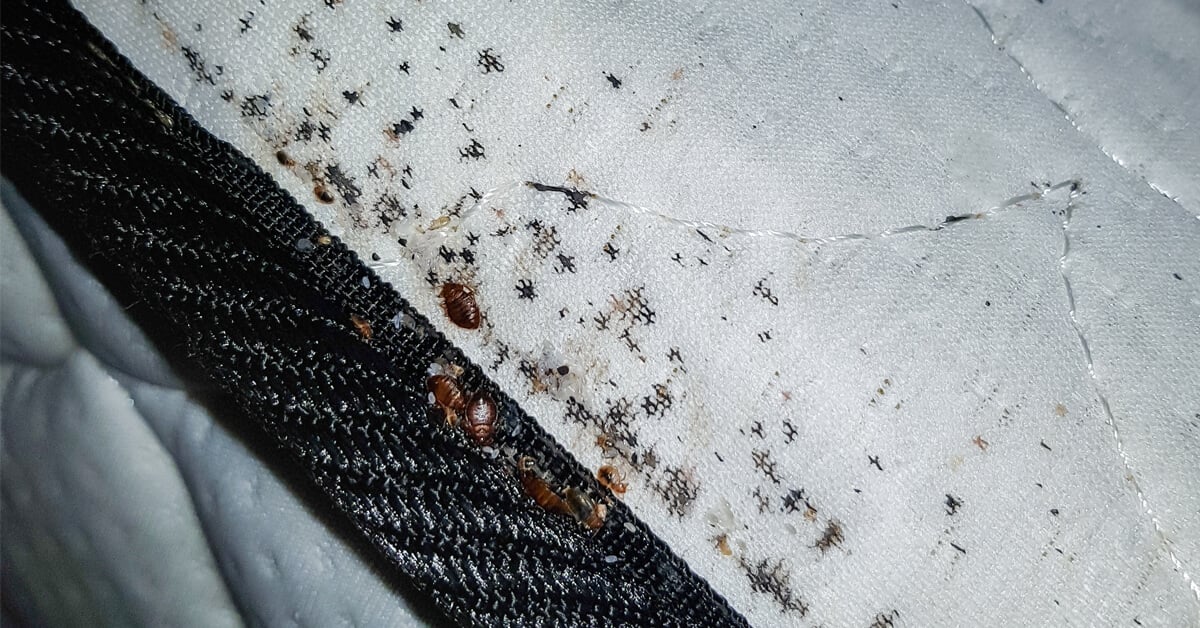
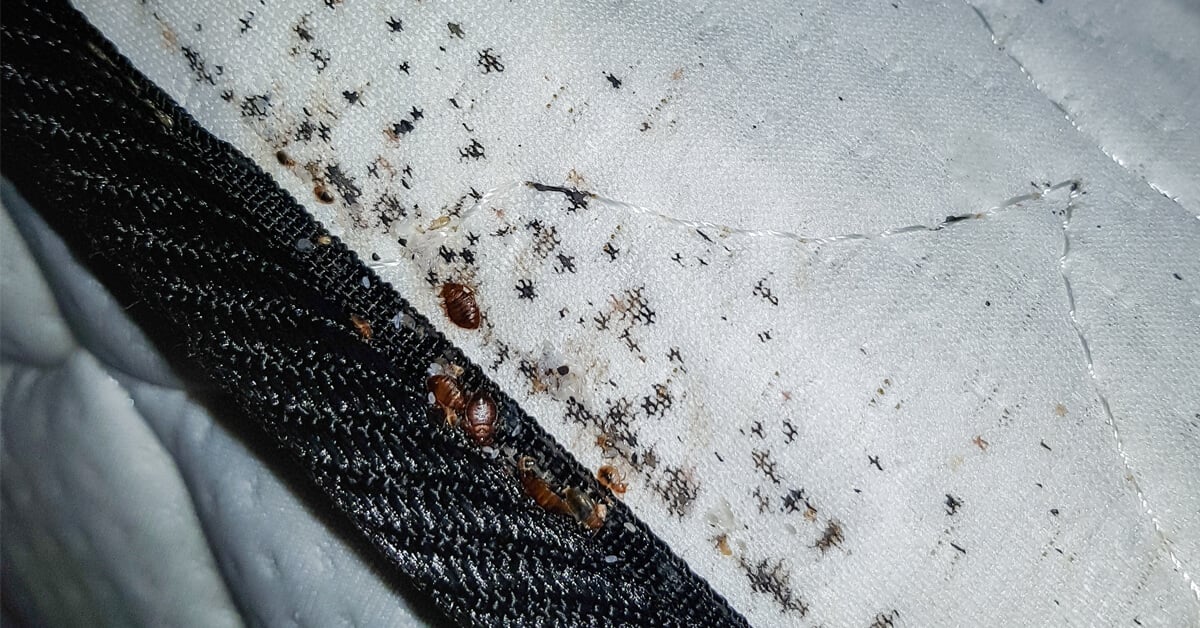
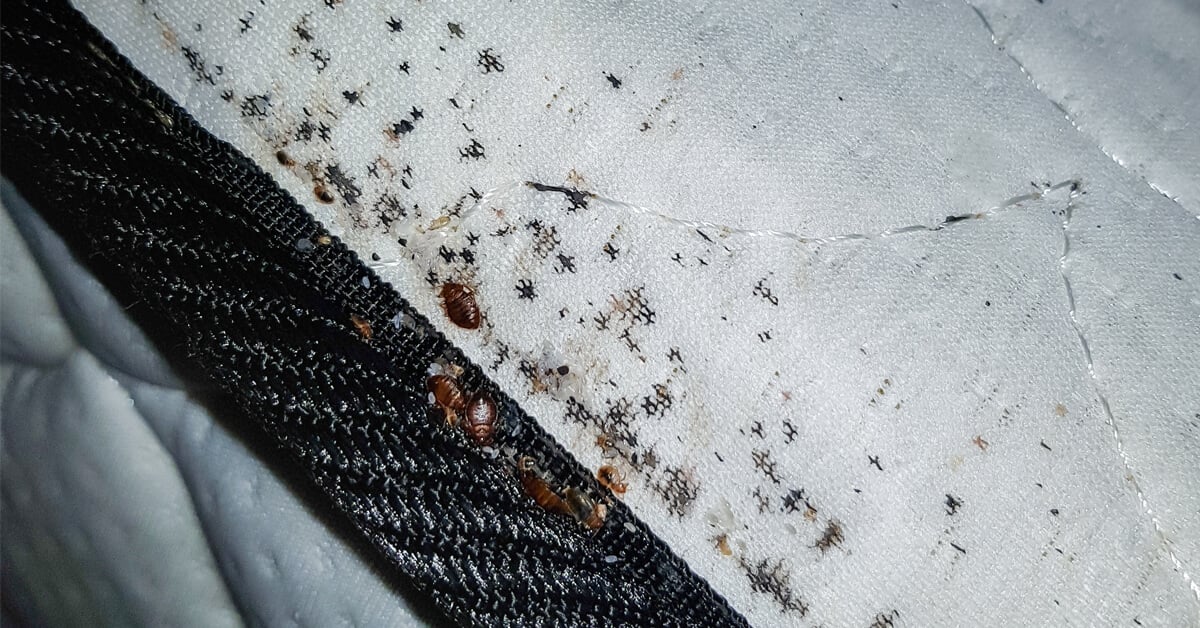
Fecal spots: Pepper-like stains.
Eggs and egg cases: Cream-colored, about 1mm long.
Shed skins: Papery remains from molting bed bugs.
White residue: May indicate previous chemical bed bug treatments (heat treatments leave no residue).
Tip: A small flashlight and magnifier can make inspection easier.
What to Do If You Find Bed Bugs
If you discover a bug:
Take a clear picture and then show it to staff or maintenance.
Keep a sample bug if possible, this may help if you need to recover costs for treatment later.
Preventing Bed Bugs from Coming Home
If you think you’ve been exposed:
Place dryer-safe clothing and bedding in the dryer on high heat for 15–20 minutes.
Treat luggage or bags with an EPA-approved pest control product labeled for bed bug control.
Frequent travelers or students moving between home and school may want to invest in a portable heat chamber for personal items.
Bottom Line: Whether you’re wrapping up summer vacation or heading to campus, a quick bed bug inspection can save you time, money, and stress later.
If you suspect you’ve encountered bed bugs, call Viking Pest Control right away for an expert inspection and bed bug treatment in New Jersey, Pennsylvania, Delaware, and the Eastern Shore of Maryland.
Bed Bugs, Hotel Rooms, and You: Separating Myth and Reality
A relaxing vacation or business trip can quickly turn stressful if bed bugs hitch a ride home in your luggage. Unfortunately, hotels, airports, rideshares, and other travel hotspots create the perfect opportunities for these pests to spread from place to place. The good news? A little awareness and a few smart precautions can dramatically reduce your chances of dealing with a bed bug infestation after traveling.
Before your next trip, learn how bed bugs spread, where they hide in hotel rooms, and what you can do to protect your belongings — and your home.
How Do Bed Bugs End Up in Hotels?
One of the biggest misconceptions about bed bugs is that they only infest dirty or low-quality hotels. In reality, bed bugs can show up anywhere people travel. Luxury resorts, budget motels, vacation rentals, dormitories, and even airplanes can all experience bed bug activity.
Bed bugs are expert hitchhikers. They don’t jump or fly — instead, they crawl into luggage, backpacks, purses, clothing, and personal belongings. Travelers unknowingly transport them from one location to another, allowing infestations to spread quickly.
Because hotels experience constant guest turnover, even the cleanest properties can occasionally encounter bed bugs.
Myth vs. Reality: Common Bed Bug Misconceptions
Myth: Expensive hotels don’t get bed bugs.
Reality: Bed bugs are not attracted to dirt or poor housekeeping. Any hotel can experience an infestation if a guest unknowingly brings them in.
Myth: Bed bugs only hide in mattresses.
Reality: While mattresses are common hiding spots, bed bugs are more often found in headboards, bed frames, nightstands, upholstered furniture, curtains, electrical outlets, and carpeting near the bed.
Myth: Bed bugs are too small to see.
Reality: Adult bed bugs are visible to the naked eye and are roughly the size and shape of an apple seed. Younger bed bugs and eggs are much smaller but can still often be spotted during a careful inspection.
Myth: Bed bugs spread disease.
Reality: Bed bugs are not known to transmit diseases, but their bites can cause itchy welts, allergic reactions, anxiety, and sleep disruption.
How to Check a Hotel Room for Bed Bugs
One of the best ways to avoid bringing bed bugs home is to inspect your hotel room before unpacking.
Start With the Bed Area
Pull back the sheets and inspect the seams and corners of the mattress. Look for:
Live bed bugs
Tiny white eggs
Shed skins
Small dark reddish-brown or black stains
Check Nearby Furniture
Bed bugs often hide within a six-foot radius of where people sleep. Inspect:
Headboards
Nightstands
Upholstered chairs
Drawer corners
Behind picture frames
Around baseboards
A flashlight from your phone can help illuminate cracks and crevices where bed bugs like to hide.
Keep Your Luggage Protected
Instead of placing your suitcase on the bed or floor:
Use a luggage rack
Keep luggage away from upholstered furniture
Store suitcases in the bathroom if possible, since bed bugs are less likely to hide there
You should also avoid unpacking clothes into hotel drawers during shorter stays.
Smart Travel Tips to Prevent Bed Bugs
Taking preventive steps before and during your trip can greatly reduce your risk.
Pack Clothing in Sealed Bags
Use large resealable plastic bags or packing cubes to separate clean and dirty clothing. This makes it harder for bed bugs to crawl into your belongings.
Keep Clothing Off the Floor
Avoid leaving clothes, shoes, or backpacks on carpeted floors or furniture.
Wash Everything Immediately After Traveling
When you get home:
Wash clothing in hot water when possible
Dry all clothing on high heat for at least 30–45 minutes
Wash even unworn clothes from your suitcase
High heat is extremely effective at killing bed bugs and their eggs.
Vacuum and Inspect Your Luggage
Before storing your suitcase:
Vacuum seams, pockets, and zippers thoroughly
Empty the vacuum immediately afterward
Wipe down hard-sided luggage carefully
Some travelers also leave luggage in a hot vehicle or attic for extended heat exposure when temperatures permit.
Signs You May Have Brought Bed Bugs Home
Even careful travelers can occasionally miss a hitchhiking bed bug. After returning home, watch for:
Small itchy bites that appear overnight
Tiny blood stains on sheets
Dark spotting on bedding or mattresses
Shed skins around sleeping areas
Live bugs hiding in mattress seams or furniture
Because bed bugs reproduce quickly, early detection is critical.
What to Do If You Find Bed Bugs
If you discover bed bugs in your home after traveling, avoid trying to handle the infestation entirely on your own. DIY treatments often fail because bed bugs hide in tiny cracks and can survive many over-the-counter products.
Professional bed bug treatment is typically the fastest and most effective solution. Experienced pest control professionals can identify hiding spots, eliminate bed bugs at every life stage, and help prevent reinfestation.
Protect Your Home With Viking Pest Control
Whether you’re preparing for vacation, returning from a trip, or already concerned about bed bugs in your home, Viking Pest Control can help. Our licensed professionals provide thorough inspections and effective bed bug treatments for homes throughout New Jersey, Pennsylvania, Delaware, Maryland, and the Eastern Shore.
Don’t let bed bugs become your unwanted travel souvenir. Contact Viking Pest Control today to learn more about our bed bug control solutions and how we can help keep your home protected year-round.
Ticks Vs. Bed Bugs: How to Tell the Difference
Ticks and bed bugs might be tiny, but they can cause big problems in our homes and lives. These unwanted guests can turn up out of the blue, and more worryingly, go unnoticed for some time. If you're worried about these pests entering your home, it's important that you can tell the difference between a tick and a bed bug.
In this article, we'll discuss the behavior and physical characteristics of bugs and ticks, the health problems they can cause, and where you might find them. Most importantly, we'll explore how you can eliminate these creatures and create a pest-free environment.
Ticks: Tiny Bloodsuckers, Big Health Risks
Did you know that ticks are part of the arachnid family—the same family as spiders and mites? While you might not mind sharing your home with one or two spiders, living with ticks is another story. These eight-legged, oval-shaped parasites are relentless in their quest to feast on blood and will try to hitch a ride on humans and animals. Once latched on, they will continue to suck the blood of their unwilling and often unsuspecting host until they are removed.
Checking for ticks is important if you live in an area where they are known to be common. Unliked Bed Bugs, you are most likely to find ticks outside. They usually get onto you by your feet and ankles, usually from the tops of tall blades of grass or leaf piles. If you like to spend time in the yard or go on long hikes in green or wooded areas, the likelihood of ticks finding their way onto you increases substantially.
Ticks are more than just a nuisance; they can present some serious health risks, too. From Lyme disease and Rocky Mountain spotted fever to tick-borne encephalitis, tick diseases and the dangers they represent should never be ignored.
Bed Bugs: The Sneaky Intruders and Expert Hiders
Now that you know how to identify a tick, let's take a closer look at bed bugs. These stealthy pests can turn a restful night's sleep into a nightmare practically overnight. Unlike ticks, bed bugs are classified as insects. These tiny, brown bugs have evolved over millions of years to become experts at hiding and invading our homes without us realizing it.
In the summer, bed bugs are most likely to find their way into your home via travel. Bed bugs often find their ways into your home through suitcases or other travel bags. They are most likely to bite you, as their name suggests, in your bed while you sleep. Evidence of bed bugs include small agitated welts appearing on your back of tiny spots of blood appear in your mattress. Bed bugs can also be found in places near your bed beyond your mattress including in headboards and nightstands.
Bed bugs just love a cozy space. After all, it's how they got their name. You'll often find them in mattresses, box springs, and crevices in furnishings. And once you have them, you'll want to get rid of them very quickly. They have adapted well to the modern world, hiding in beds, sofas, clothing and even luggage. They can turn up when you least expect, too. If your kid is in college, for example, make sure they aren't bringing bed bugs home when they come back to visit.
Bed bugs feast on human blood overnight, taking advantage of us as we sleep. If you've been waking up with itchy, red welts on your skin, there's a good chance you have a case of these nocturnal biters. While bed bugs don't transmit diseases, an infestation can cause significant stress, anxiety, and sleep deprivation.
Viking Pest: Your Trusted Partner in Pest Control
At Viking Pest, we know our ticks from our bed bugs and know all the effective ways to prevent and treat an infestation. We tackle pest problems head-on, offering comprehensive solutions and products tailored to your individual needs.
When it comes to tick control, we offer a range of highly effective measures designed to eliminate ticks from your property. From targeted treatments to yard inspections, our services will ensure you can enjoy your outdoor spaces without the fear of becoming a passenger for these disease-ridden pests.
For bed bugs, we use a state-of-the-art bed bug treatment to stay one step ahead of these stealthy and persistent pests. Our skilled technicians will conduct a thorough inspection of the affected areas of your home and put together a customized treatment plan. We'll also give you guidance on preventing a future infestation.
We're proud of the service we offer our customers and the reputation we've built. Viking was rated one of the three best bed bug control companies in the country by Better Homes & Gardens magazine.
Contact us today for a free pest control estimate. Say goodbye to ticks and bed bugs and reclaim your space both indoors and outdoors.
What you Need to Know About Bed Bugs During Covid-19
Best Bed Bug Treatments to Prevent Infestations During COVID-19
With the emergence of COVID-19 and self-isolation procedures in place, many homeowners throughout New Jersey, Pennsylvania, Delaware, and the Eastern Shore of Maryland are concerned about letting service professionals into their homes.
But for those who are unfortunate enough to experience a bed bug infestation during this time, not treating a pest control issue is not an option. Fortunately, homeowners can rest assured that reliable pest control treatments are still available and at the ready.
At Viking Pest, we’re continuing to provide exterior treatments, while also conducting interior services when reasons like Bed Bugs exist during COVID-19.
Bed Bugs During COVID-19 – What You Need to Know
Most homeowners are familiar with bed bugs, even if they have been fortunate enough to not experience them first-hand. Their reputation precedes them as being pesky critters that love to make their home in mattresses, couches, wall outlets, or suitcases, and bite occupants during the night.
What makes bed bugs so menacing is their rapid reproduction rate. A single bed bug can easily turn into two or four or ten or twenty – so it’s important to seek treatment at the first signs of an infestation.
Appearance & How to Spot Them:
Dark/light brown or dark red in color
Small, about 1/4-inch in diameter
Tiny heads with larger bodies
Tend to leave blood marks on bedsheets, cushions, or mattresses
Bed bug bites tend to be grouped in clusters, as a line, or in a zigzag pattern
Bed bugs often leave fecal spots on mattresses, sheets, or other surfaces
Since these insects are so small, people often blame the bites on allergies or other skin irritants. Be sure to check for the signs of bed bugs on a regular basis to stop a possible infestation in its tracks.
Can Bed Bugs Spread the Coronavirus?
With the increase of bed bug infestations, Viking Pest wasn’t surprised to hear that homeowners were concerned about bed bugs spreading the coronavirus. But there is no evidence to suggest that this is the case. While allergic reactions to bed bug bites are common, bed bugs are not a concern when it comes to COVID-19 transmission.
Proactive Bed Bug Prevention
During these unprecedented times, many homeowners may be concerned about a possible bed bug infestation and whether they will have access to the services they need if they are to experience an outbreak.
The first step to preventing a bed bug infestation, is regularly inspecting your home and clothing for signs of bed bugs and knowing where bed bug infestations are more common. While travel has greatly decreased and the spread of bed bugs has reduced, apartment buildings, hospitals, and row houses are still at great risk of a bed bug infestation during this time. Bed bug infestations occur commonly in apartment complexes and row houses due to the close proximity of residents. Bed bugs multiply quickly and travel from room to room frequently. If one neighbor experiences an unfortunate bed bug infestation, the apartments or homes surrounding are at a greater risk of bed bug activity.
With the unfortunate rise in hospital visits during this time, hospitals are at great risk of a bed bug infestation as these pests can be brought in on a patient's clothing and quickly spread to other patients clothing and personal belongings. Even though apartments, hospitals, and row homes are at a greater risk, taking the proper precautionary steps such as inspecting clothing, mattresses, and crevices for bed bugs regularly can help prevent an infestation if bed bugs are discovered. The sooner bed bugs are detected, the quicker the bed bug problem can be resolved.
If you notice bed bug activity within your home during these times, effective bed bug treatment options are available from Viking Pest. Our team of certified and trained pest management professionals wear proper PPE when entering your home. Employee and customer safety are our top priority here at Viking Pest, and we will keep your home healthy and pest-free during these unprecedented times. Precautionary tips for avoiding a bed bug infestation are:
Check Your Furniture for Signs of Bed Bugs
Bed bugs are opportunistic travelers, and even if you aren’t out-and-about much during COVID-19, you should still check for the signs of bed bugs on a regular basis. Check the crevices of your mattresses and cushions for bed bugs, fecal spots, and eggs.
Cover Your Mattresses & Box Springs
Cover your mattresses and box springs with a light-colored, protective layer to shield your mattress and make it easier to spot bed bugs.
Vacuum Frequently
Be sure to vacuum frequently to suck up any stray bed bugs. Then, dispose of the vacuum bag to avoid a possible infestation.
Possibility of Bed Bug Infestations as Businesses Reopen After COVID-19
As restrictions begin to lift and the stay-at-home order comes to an end, bed bug activity is likely to increase as businesses reopen and residents of New Jersey, Pennsylvania, Delaware, and the Eastern Shore of Maryland begin returning to work. As we all return to business as usual, it is important to be cautious and inspect your clothing for bed bugs when returning home. Public transit and soft surfaces such as common room furniture, is a breeding ground for bed bugs.
Viking Pest’s K9 Bed Bug Detection Dogs are certified and trained to detect live bed bugs. To receive a peace of mind, hiring our K9 team to inspect your home or workspace for bed bug activity regularly can decrease your possibility of a bed bug infestation.
Safe & Dependable Pest Control Services
If you are in the NJ, PA, DE, or MD areas and find yourself in the midst of a bed bug infestation, know that Viking Pest is here to provide effective, reliable pest control services.
To prevent the spread of COVID-19, our team is equipped with the proper PPE while performing any interior bed bug treatments. The health of our customers is of the utmost importance to us, so we are taking every precaution to prevent contamination while providing reliable pest control services.
Need a bed bug treatment? Viking Pest open for business during the COVID-19 pandemic. Contact us to schedule your service today.
Do You Have a Bed Bugs Problem?
You’ve probably heard of bed bugs, but do you think you could recognize a bed bug infestation if you saw one? Just thinking of bed bugs hiding in your home is enough to make your skin crawl. While these pests aren’t dangerous and don’t carry any diseases, no one wants to live with them. An infestation can be annoying and uncomfortable, plus they cause itchy bites that resemble mosquito bites. If you discover a bed bug infestation in your home, your first action should be to call your local bed bug exterminator at Viking Pest Control.
What are Bed Bugs?
Bed bugs are small, flat, oval insects. They feed off of human blood and hide in furniture—including beds—to wait for their prey. About the size of an apple seed, bed bugs swell and turn from brown to a reddish hue. They don’t fly, but they do move quickly and lay hundreds of tiny eggs.
Because bed bugs are small and flat, they can fit into tiny spaces. An infestation is not a sign of dirtiness, as they feed off of blood. Bed bugs may enter your home by catching a ride on clothing, luggage, or used furniture.
They like to hide in places where they have easy access to people at night, including box springs, mattresses, and headboards. They can spread easily from room to room, and even from one apartment to another.
Signs of a Bed Bug Infestation
Worried you might have bed bugs in your home? Watch for these signs:
Waking up with small, red, itchy bites, often in a line across your skin
An unexplained musty odor
Dark, rusty spots on your mattress from bed bug fecal matter
Spots of blood on your sheets that could be squashed bugs
Tiny white spots in crevices in your furniture that could be eggs
Molted bed bug skins
Bed Bugs Removal in NJ, PA, MD, and DE
If you notice any of these signs, especially if you have traveled or purchased used furniture recently, it’s time to call an expert. You need a specially trained bed bugs exterminator to fight the infestation. Because they are so small and quick to spread and reproduce, bed bugs are difficult to get rid of.
Do you suspect a bed bug infestation? Contact Viking Pest Control for your New Jersey, Pennsylvania, Delaware, or Eastern Shore of Maryland bed bug removal needs.
Call Viking at 800-618-2847 to learn more about bed bug pest control and extermination services, or get a fast, free quote online today!
How to Avoid Bringing Bed Bugs Home from Vacation
Travel season is exciting, but it also comes with an increased risk of encountering bed bugs. Whether you’re staying in hotels, vacation rentals, visiting family, or traveling by plane, bus, or train, bed bugs are expert hitchhikers capable of traveling home with you unnoticed.
Unlike many seasonal pests, bed bugs remain active year-round. A single bed bug accidentally brought home in luggage can quickly lead to a difficult and stressful infestation. Knowing how to identify bed bugs and take preventative measures while traveling can help protect your home after your trip.
Why Bed Bugs Spread During Travel Season
Bed bugs spread primarily by hitchhiking on personal belongings. Increased travel during summer vacations and holidays gives these pests more opportunities to move from place to place.
Common places where bed bugs may be encountered include:
Hotels and motels
Vacation rentals
Public transportation
Airports
Airplanes
Taxis and rideshares
Movie theaters
College dorms
Cruise ships
Because bed bugs are small and excellent at hiding, travelers often bring them home unknowingly inside luggage, clothing, or personal items.
What Do Bed Bugs Look Like?
Bed bugs are small, flat insects roughly the size of an apple seed.
Adult bed bugs are typically:
Brown or reddish-brown in color
Oval-shaped
Flat before feeding
More swollen and reddish after feeding
Young bed bugs are smaller and lighter in color, making them even harder to detect.
Where Bed Bugs Hide
Although they are called bed bugs, these pests do not only live in beds. Bed bugs hide in small cracks and dark spaces close to where people sleep or rest.
Common hiding places include:
Mattress seams
Box springs
Bed frames
Headboards
Furniture joints
Nightstands and dressers
Curtains and drapes
Behind picture frames
Electrical outlets
Upholstered furniture
Luggage and backpacks
Bed bugs are nocturnal and usually come out at night to feed on human blood.
Signs of Bed Bugs While Traveling
Before settling into a hotel room or rental property, inspect the area carefully for signs of bed bugs.
Check the Mattress and Furniture
Pull back bedding and inspect:
Mattress seams
Corners of the mattress
Box spring edges
Headboards
Upholstered furniture
Look for Warning Signs
Signs of bed bugs may include:
Small dark reddish-brown stains
Shed skins
Tiny white eggs
Live bugs
Musty odors in heavy infestations
Unexplained itchy bites after sleeping
If you notice signs of bed bugs, request a different room far away from the affected area or consider staying elsewhere.
How to Avoid Bringing Bed Bugs Home
Even if you don’t see bed bugs during your trip, taking precautions when returning home can help prevent an infestation.
Inspect and Isolate Luggage
Avoid placing luggage directly on beds or carpet while traveling. Use luggage racks whenever possible.
When returning home:
Leave luggage in the garage or outdoors temporarily if possible
Inspect suitcases carefully
Vacuum luggage thoroughly
Dispose of vacuum contents immediately
Wash Clothing Immediately
Wash all clothing from your trip — even unworn items — using hot water whenever possible.
High dryer heat is especially effective at killing bed bugs and their eggs.
Use Plastic Bags During Travel
Keeping clothing sealed in plastic bags inside luggage can help reduce the chances of bed bugs spreading to your belongings.
Continue Monitoring After Travel
Bed bugs may not be noticed immediately after returning home.
Watch for:
Unexplained bites
Blood spots on sheets
Small dark stains on bedding
Shed insect skins
Early detection makes treatment significantly easier.
Why DIY Bed Bug Control Is Difficult
Bed bugs are notoriously difficult to eliminate without professional help. Their ability to hide in tiny spaces and reproduce quickly makes DIY treatments unreliable in many cases.
Store-bought sprays and home remedies often fail to eliminate:
Hidden eggs
Bugs inside walls or furniture
Large infestations
Reinfestation risks
The longer a bed bug infestation remains untreated, the harder it becomes to eliminate completely.
Professional Bed Bug Treatment From Viking Pest Control
At Viking Pest Control, our licensed pest professionals provide thorough inspections and customized bed bug treatment solutions for homes throughout New Jersey, Pennsylvania, Delaware, and Maryland.
We identify infestation severity, locate hidden activity areas, and use proven treatment methods designed to eliminate bed bugs at every stage of development.
If you suspect you may have brought bed bugs home from travel, professional treatment can help stop the infestation before it spreads further throughout your home.
Watch Out for Bed Bugs in Essex This Fall
Bed bugs are hearty pests and can be problematic throughout the year. Essex County is the second most populated county in New Jersey and these crowded conditions are perfect for bed bug infestations. While we might think that bed bugs die off in the fall and winter like many other pests, they simply do not. They can continue to cause problems for Livingston residents throughout the fall. It’s a good idea to keep your eyes open for bed bugs as college gets underway, travelers pass through Newark airport, and children head back to school. Having many people in close contact with one another is one of the easiest ways to spread bed bugs.
How Bed Bugs Get Inside Your Home
Bed bugs can get inside your home through school books, library books, backpacks, adult visitors, your children’s friends’ belongings, your bags, and briefcase… basically, anything they can hitch a ride on. They do not discriminate, they do not gravitate toward “dirty” homes, they just want a blood meal. Even if you live in a less crowded or more affluent area such as Montclair or Essex Fells, your home is not immune to a bed bug infestation. It’s important for you to take precautions throughout the fall no matter where you live in Essex County.
Anytime you will be in a public place, it’s smart to hang up your belongings and not leave them on the floor or set them on furniture. Remind your children to tuck their coat inside their backpack at school and hang their bag up if they can. Examine bags and books before they are brought inside your Glen Ridge home this fall. As to not offend your guests with requests to rummage through their belongings, consider installing coat/bag hooks in a mudroom or garage so, if there are bed bugs, there is less of a risk of them getting into the rest of your home.
Where to Look for Bed Bugs
There are some warning signs you should be aware of when dealing with bed bugs. The sooner you can catch an infestation the easier it is to treat successfully. It’s usually rare to see bed bugs running around your house, they tend to be shy pests that live in the seams of your mattress, inside outlets, in cracks of your baseboards, deep inside drawers, behind wall hangings, and in upholstered furniture. It’s a good idea to make a habit of checking for bed bugs when you change your sheets. If you happen to notice brown or reddish staining on your sheets or mattresses, that is a sign of bed bugs. These stains may be their feces or leftover blood from a bite. You may sometimes see their shed skins, nymphs, or eggs if you look carefully.
What to do If You Notice Bed Bug Activity
If you suspect a bed bug infestation in your Essex County home this fall, contact Viking Pest Control at 800-618-2847 immediately so we can help you with a plan and effective treatment to get rid of your problem before it is out of control.
How to Prevent Bed Bugs in the Summer
It’s that time of year again. Vacation season is winding down, college students are gearing up to head back to school after a summer at home, and younger kids are heading back to school as well.
Whether you have one last summer trip planned, a child heading to school, or are staying home with no plans to go anywhere, you are still at risk for picking up some of the most frequent travelers of the season: bed bugs!
With so many people on the move, summer is the peak season for bed bugs to travel around as well. Bed bugs are amazing hitchhikers and commonly hitch rides on our clothing, shoes, luggage, backpacks, and more. This means that bed bugs can be found just about anywhere this time of year so it’s important for you to take precautions against bed bugs and be aware of the signs that bed bugs are present!
What Are the Signs That Bed Bugs Are Around?
When you’re out in any public place, there is always a possibility that bed bugs are present. Though they don’t typically come out during the day, knowing where they tend to hide will put you a step ahead when looking for them.
Despite their name, bed bugs don’t just stick to beds. They can often be found in the crevices of furniture, behind picture frames, or in the cracks of walls or windows. If you find small bugs in these areas, you’ll want to be able to identify them to determine whether or not they are bed bugs.
Bed bugs can range from the size of a pencil point to the size of a pea, depending on what larval stage they are in. Their color also depends on their stage of development, though they are typically range in color from a light yellowish-brown to darker reddish-brown color. Their bodies are flat and oval-shaped.
When at home, look for bed bugs in the same places as you would in public, but also include mattresses, box springs, and both headboards and footboards.
It’s possible to see other signs of bed bugs before you see the bugs themselves. Bed bugs feed during the night, so if you wake up with a tight cluster or line of bug bites or see tiny drops of blood on your sheets, you may have bed bugs.
Finding small brown or black streaks of excrement on your bedding or your bed clothes could also indicate the presence of bed bugs. You may also find shed skins left behind as they go through their larval stages or notice a musty odor.
Why Bed Bug Prevention is Important?
There are many reasons to avoid a bed bug infestation. Until recently, bed bugs were not known to spread disease. However, they have now been linked to the spread of Chagas disease, which is reason enough to avoid these parasitic pests! In addition, their bites can range from being a minor itchy annoyance to causing an allergic reaction. Considering that female bed bugs can lay five eggs a day, if left untreated, a small problem of just one or two bed bugs can quickly grow to the stuff that horror films are made of! Bed bugs have also been shown to leave histamines that can linger for months, even after the bugs are gone. Though these histamines have not yet been shown to cause any health problems, anyone with allergies knows that histamines are bad news.
What to do if You See a Bed Bug?
Even if you’ve followed the advice above and been vigilant in watching for bed bugs, it’s still possible that they will end up invading your home. If they do, call Viking Pest Control as soon as possible! At Viking Pest, we offer the bed bug control services needed to completely eradicate your bed bug infestation. Don’t wait until your small bed bug problem gets out of control!
Call Viking at 800-618-2847 to learn more about our bed bug extermination treatments, or get a fast, free quote online today!
Why Summer Bed Bug Infestations in Morris Are a Health Concern
As if we needed any more reasons to avoid bed bugs, a recent Penn State study has confirmed that bed bugs can, in fact, transmit disease. Previously, we knew that bed bugs had many negative effects like triggering allergies and contributing to psychological and social stigmas about the cleanliness of the people who encounter bed bug infestations in their homes; we knew dealing with a bed bug infestation is far more than a mild nuisance and requires several days of extensive and thorough treatment to be eliminated, but now there is an added risk of these pests spreading disease! It seems the more we learn about bed bugs, the worse it gets!
Identifying Bed Bugs
One of the most important things Morris County residents can do to help prevent the spread of bed bugs is knowing how to identify them. Unfortunately, bed bugs are often hard to spot, so you are more likely to see signs of them such as blood spots or dark streaks of excrement on mattresses or discarded exoskeletons. When performing a bed bug inspection, make sure to look in corners and seams of mattresses, inside peeling wallpaper, around or inside outlets, in the back corners of drawers, and behind headboards. If you see something that resembles a small, reddish-brown colored apple seed, take a closer look to see if it has the characteristics of a bed bug that are mentioned here.
The Penn Medicine Study
A study by Penn Medicine researchers showed that it was possible for both bed bugs and mice to transmit a parasite called Trypanosoma cruzi that causes Chagas disease to one another. In the first experiment, mice that were infected with the parasite transmitted the parasite to the bed bugs that they were exposed to over a period of a month; almost all the bed bugs that were in contact with the infected mice contracted the parasite. In the second experiment, infected bed bugs were exposed to uninfected mice, the result was the same in that the mice became infected. In the final experiment, feces from infected bed bugs were put on the skin of mice that had been inflamed by bed bug bites, and again the mice contracted the parasite.
The T. cruzi parasite that causes Chagas disease is spread through bed bug feces. This disease is very hard to diagnose; in fact, many people have been infected for years before the heart or digestive issues associated with it cause any alarming symptoms! It’s very difficult to determine when or where the infection occurred. Therefore, knowing more about how bed bugs could potentially lead to this infection could be crucial in treating it early on before it becomes fatal.
Preventing Bed Bugs
With this additional health concern related to bed bugs, it’s now more important than ever to prevent an infestation! Due to the fact that Morris County is a perfect breeding ground for bed bugs in the summer, it is a necessity to get the professional help of Viking Pest Control for complete protection from these disease-spreading pests! Contact us at 800-618-2847 for more information on our bed bug control options, or get a fast, free estimate online today!
Summer Bed Bug Prevention for Union County Residents
Through June and July, we see a lot of traveling and vacationing people pass through Summit and New Providence on their way up and down the east coast. They stay in Westfield, Cranford, and throughout Union County. But when they do, something not-so-magical happens in the state of New Jersey…bed bug populations increase. Let’s take a closer look at the passive dispersal of the insect known by entomologists as Cimex lectularius.
How do Bed Bugs Travel?
Bed bugs don’t spread on their own. They don’t crawl out of one house and squeeze into another. They are carried from one place to another. And, more often, from one home to a business and then to another home. This happens when these insects crawl into transportable items or when they lay their eggs in these objects. They’re not particular about what object they will hide in. It may be an item of clothing, it may be a box spring, it may be a piano, it may even be a computer. If they can find a place to hide, they’ll take advantage of it.
When people take a trip, they grab clothing, electronics, bedding, suitcases, and other items from their home and put them in their car. Any of these items can have bed bugs or bed bug eggs in them, which they carry into a hotel, motel, timeshare, resort, cabin in the middle of the woods, and other accommodations.
Where Do Bed Bugs Come From?
Summer is booming in Union County. That makes the threat of bed bugs increase. These bugs can passively transport from local accommodations to your home in many ways. The most obvious is when you spend the night somewhere local. But this is not the most likely. Bed bugs can be carried by hotel guests into a taxi cab or bus. They can be carried to a movie theater. They can be brought into a nightclub. Those bugs don’t stay in the hotel. In the same passive way they enter that hotel, they can move to other businesses and residences in Union County.
The Best Way to Get Rid of Bed Bugs
The most important tool for bed bug prevention is knowing what bed bugs look like. Take a moment to familiarize yourself with what these tormenting insects look like. And, if you ever find these bugs in your home it is important that you understand that bed bug infestations are hard, if not impossible, to eliminate without an education in pest control and the proper equipment. In fact, it is downright dangerous to apply many of the bed bug control suggestions found online.
If you need bed bug elimination or proactive bed bug service to prevent infestation in Union County, this is the best place to start.
New Jersey residents can reach out to Viking Pest Control for a free estimate by going here. Our pest control professionals are ready to answer all of your pest and bed bug control needs, just give us a call at 800-618-2847 today!