
Termite Control & Protection Services
The right termite treatment depends on which species you are dealing with, how far the infestation has spread, and how your home is built. Subterranean termites, the most common species across New Jersey, Pennsylvania, Delaware, and the Eastern Shore of Maryland, live in underground colonies and typically call for a soil-based liquid termiticide barrier or an in-ground bait system. Termites, which nest directly inside wood rather than the soil, often respond better to targeted, localized application. Viking Pest Control evaluates all of this during an inspection before recommending a treatment plan, rather than defaulting to a single method for every home.
How We Choose the Right Termite Treatment
Termite treatment starts with identification, not a chemical. During your inspection, a licensed technician confirms the species involved, maps out where activity is concentrated, and looks at construction details like slab type, crawl space access, and soil-to-wood contact points. That information determines whether a liquid barrier, a bait system, targeted spot treatment, or some combination gives your property the strongest protection.
Liquid Termiticide Treatment
Liquid termiticide treatment creates a continuous barrier in the soil around and beneath the structure. Termites cannot detect the treated soil, so they pass through it, pick up the active ingredient, and carry it back to the colony, where it spreads to other termites through contact and grooming.
Termite Bait Stations
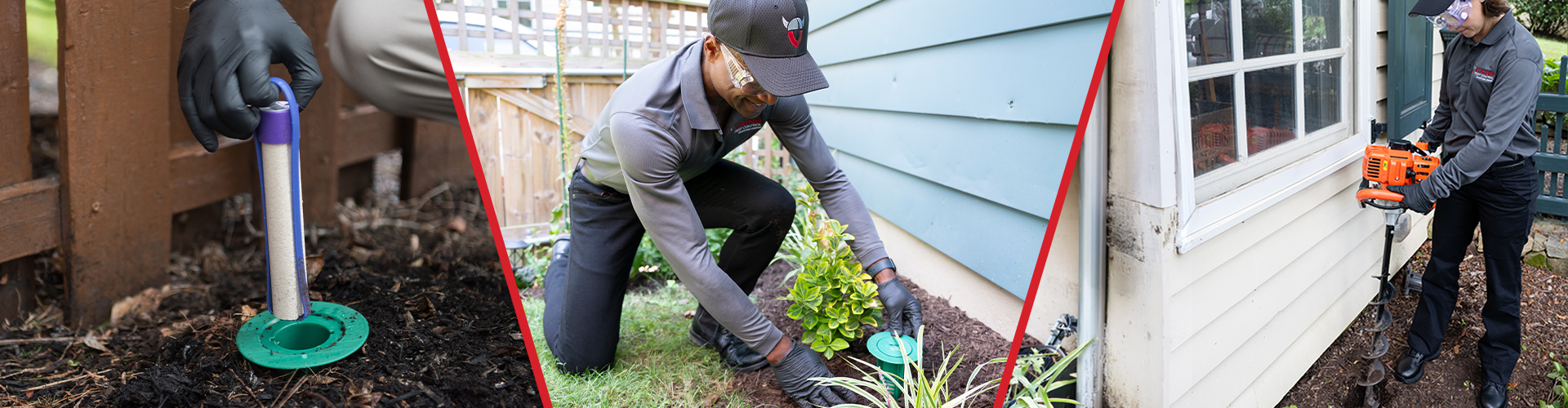
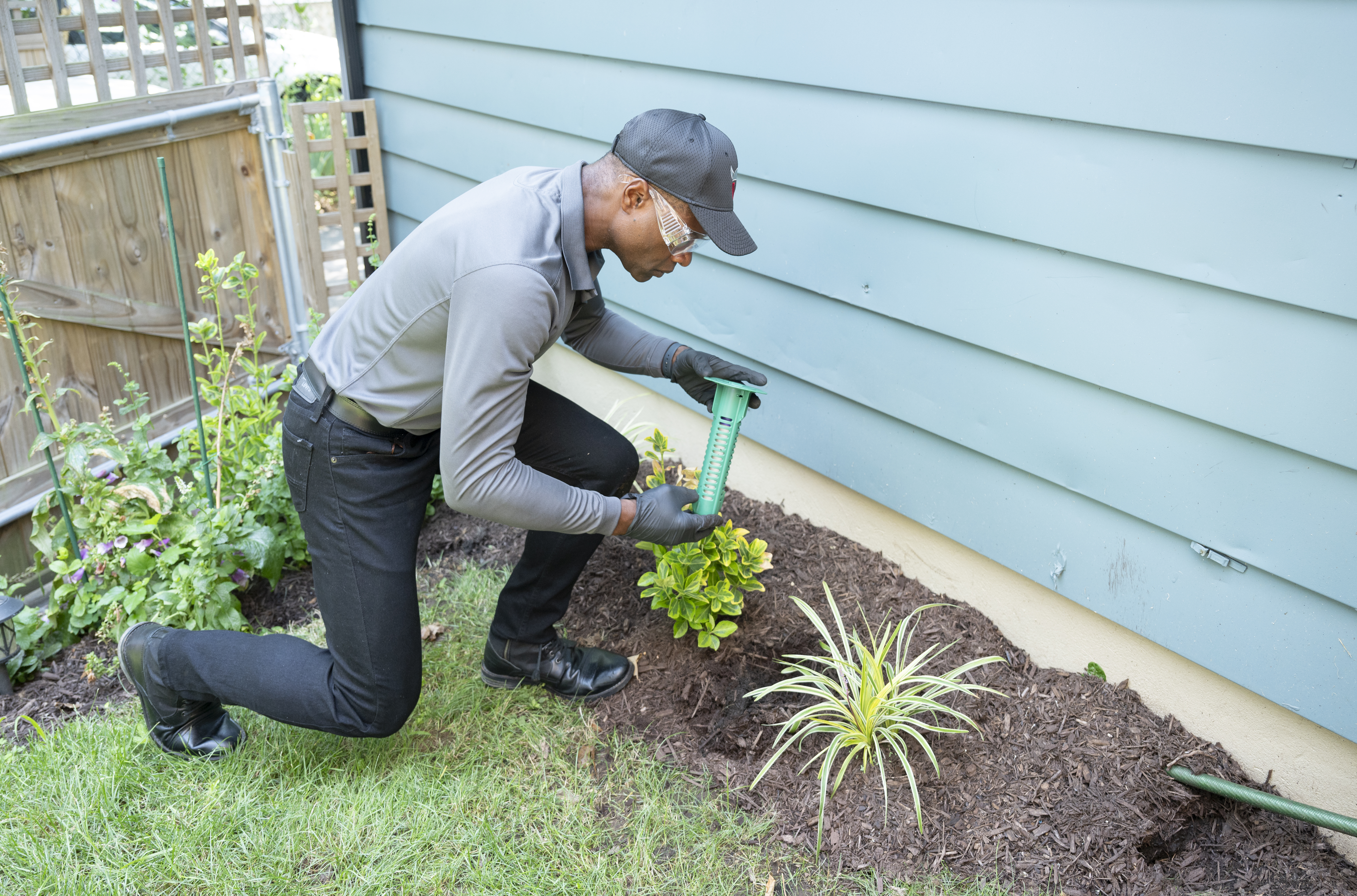
Bait and monitoring stations are placed in the soil around the perimeter of your property. Rather than creating a barrier, they give foraging termites a food source containing a slow-acting active ingredient, which is carried back to the colony over time. This approach tends to work more gradually than a liquid barrier, but it is a strong option for properties where a continuous soil treatment is difficult, and it doubles as an ongoing monitoring system after the colony is addressed.
Targeted Application for Termites

Termites do not need soil contact to survive, since they nest directly inside the wood they are consuming. That makes a soil-wide liquid barrier less relevant and shifts treatment toward targeted, localized application directly at the affected wood, sometimes paired with removal and replacement of severely damaged sections. Some regions with heavy year-round pressure rely on whole-structure fumigation, but that is not typically necessary for the localized activity seen in the Mid-Atlantic, where targeted treatment is generally sufficient. If an inspection uncovers a infestation extensive enough to warrant a different approach, your technician will walk you through the options specific to your property.
Moisture Control as Part of Termite Treatment
Termites are drawn to consistently moist wood, so reducing moisture around your home is part of a complete treatment plan, not just a prevention tip. This can include correcting grading that pools water near the foundation, repairing leaking gutters or plumbing, improving crawl space ventilation, and keeping mulch and soil from holding excess moisture against siding. Addressing these conditions alongside active treatment helps prevent the same area from attracting a new colony.
What to Expect on Treatment Day
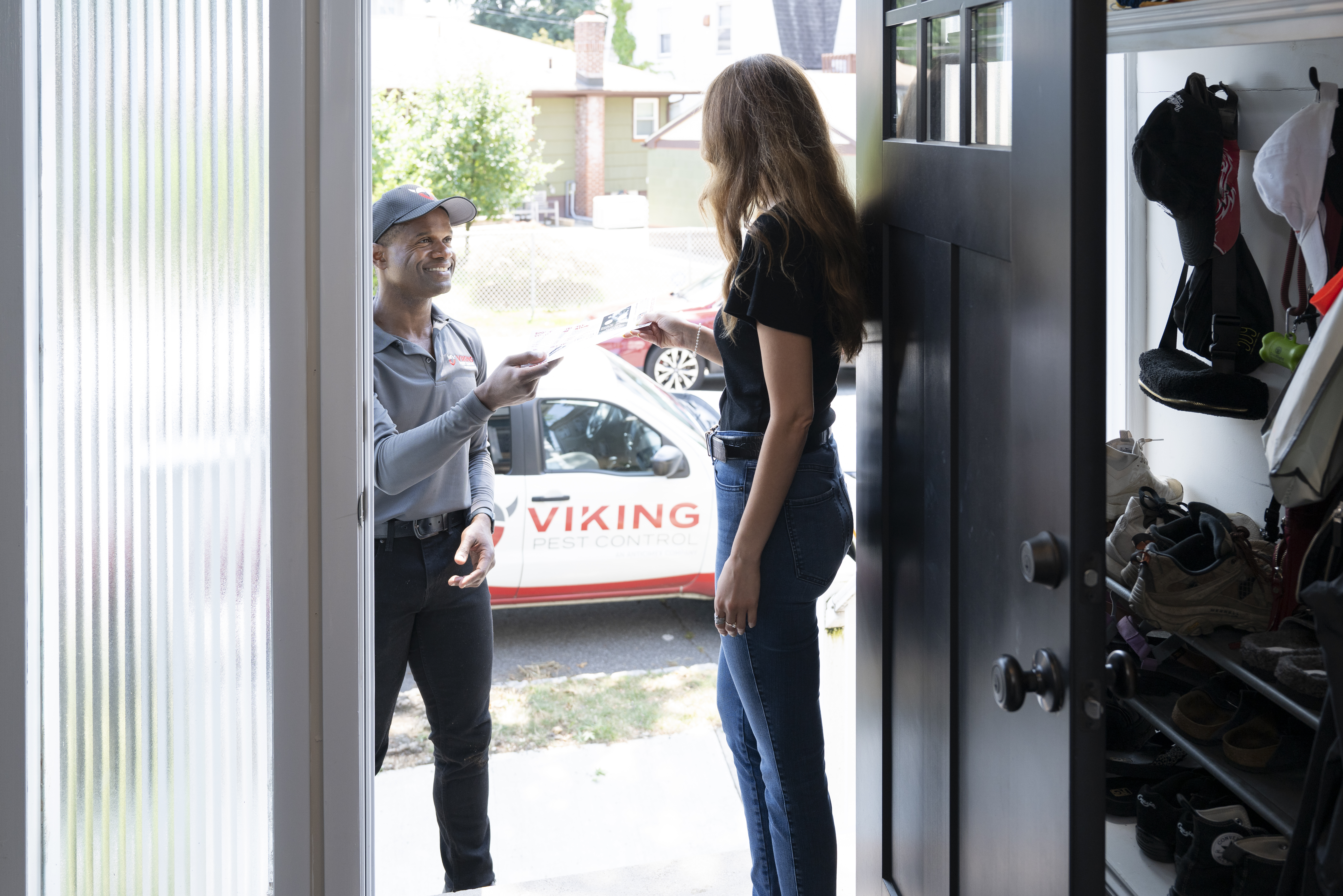
Most termite treatments do not require you to leave your home. Liquid termiticide application typically focuses on the exterior perimeter and any interior access points identified during inspection, while bait station installation involves digging small stations into the soil around the property. Your technician will walk you through any specific prep steps, how long the visit will take, and when it is safe for people and pets to resume normal use of the treated areas.
How Long Termite Treatment Takes to Work
Liquid termiticide barriers begin controlling activity within the treatment zone quickly, with full colony elimination typically expected within a few months of treatment. Bait station systems work on a longer timeline because they rely on termites foraging into the stations before the treatment reaches the colony, often taking several months to show full results. Your technician will give you a timeline specific to the method used and the size of the infestation found.
Termite Treatment Cost
Treatment cost depends on the method used, the size of your property, and the extent of the infestation. Liquid termiticide, bait station systems, and targeted spot treatment all carry different price points, and combination treatments cost more than a single method alone. Viking Pest provides a free estimate before treatment begins, so you know the cost and the plan before committing.
Frequently Asked Questions About Termite Treatment
Get Your Termite Treatment Plan Started with Viking Pest Control!
Every property calls for a slightly different approach, and guessing at treatment wastes time termites do not give you. Viking Pest Control provides free estimates and treatment plans matched to your home across New Jersey, Pennsylvania, Delaware, and the Eastern Shore of Maryland.
Call 1-800-618-2847 or request your free termite treatment estimate online.

Schedule Service Today & Get Unlimited Service Requests*
* Some restrictions apply
Buy Online
Customer Login