



Termite Control & Protection Services
The best time to deal with termites is before they ever reach your home. No prevention method offers an absolute guarantee, particularly against subterranean termites that can forage from a colony spread across an area the size of a football field, but reducing the conditions termites need to thrive and adding a layer of professional monitoring dramatically lowers your risk.
Termites cause an estimated $5 billion in property damage across the United States every year, and most homeowner insurance policies do not cover it. For homeowners across New Jersey, Pennsylvania, Delaware, and the Eastern Shore of Maryland, prevention starts with a few changes around the property and is backed up by Viking Pest’s professional monitoring and barrier options.

Reduce Moisture Around Your Home
Termites are drawn to damp, decaying wood, so limiting moisture near your foundation removes one of their biggest incentives to settle in. Clean out gutters and downspouts regularly, and make sure downspouts direct water away from your foundation rather than letting it pool nearby. Fix leaky exterior spigots and hoses promptly, and grade soil so it slopes away from your home instead of toward it.
Crawl spaces deserve particular attention. Poor ventilation traps humidity, creating exactly the environment subterranean termites prefer. A dehumidifier or improved crawl space ventilation can make a meaningful difference in termite pressure over time.
Eliminate Wood-to-Soil Contact
Any point where wood touches soil directly gives termites a hidden path into a structure without ever crossing open ground. Check deck posts, porch supports, fence posts, and exterior siding for direct soil contact, and correct it where you find it. Keep firewood, lumber, and other wood stacked well away from your house and off the ground rather than leaning against the foundation or an exterior wall.
Manage Mulch and Landscaping
Wood-chip mulch placed directly against the foundation holds moisture and can offer termites a food source right next to your home. Where possible, keep mulch a few inches away from your siding and foundation walls, and consider a non-organic ground cover, like stone, in the areas closest to the house. Trim back shrubs, bushes, and overhanging tree branches so sunlight and airflow can reach the soil around your foundation and help it dry out between rainfalls.
Store and Maintain Wood Properly on Your Property
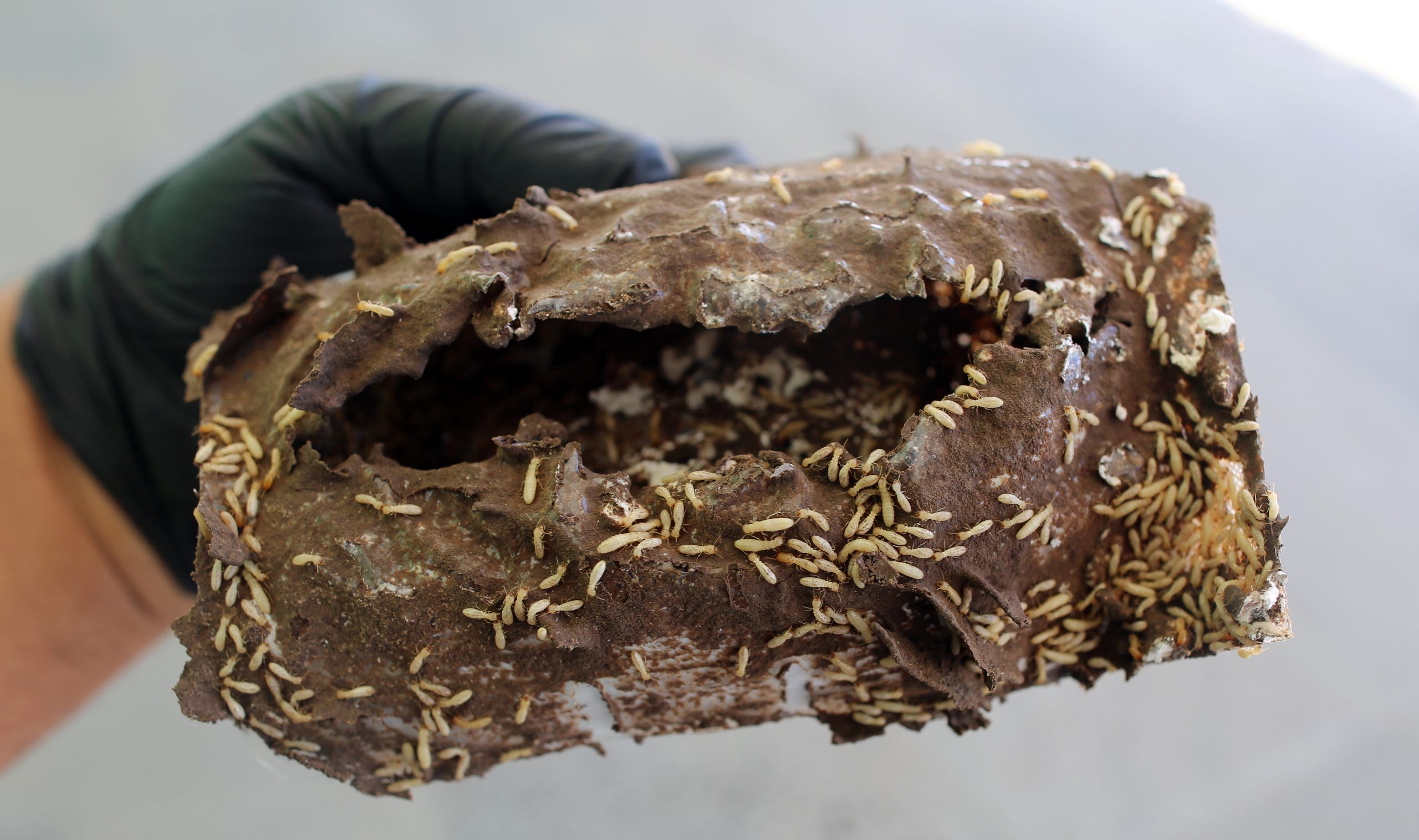
Dead trees, tree stumps, and fallen branches left on a property are common termite entry points into the yard, since a colony can establish itself in dead wood long before spreading toward a structure. Removing dead wood, repairing or replacing any water-damaged lumber on decks or fences, and keeping stacked wood elevated and away from the house all reduce the chances termites take up residence nearby.
Use Termite-Resistant Building Materials
If you are building new or replacing exterior wood, termite-resistant materials such as treated lumber, certain naturally resistant wood species, or composite decking reduce the food value of the structure to termites. This is a more practical step during construction or a major renovation than for existing wood already in place, but it is worth discussing with your contractor on any project involving new exterior wood.
Professional Termite Prevention: Barriers and Monitoring Systems
DIY steps reduce risk, but they do not eliminate it, especially in a region like the Mid-Atlantic where humid summers and older housing stock create year-round termite pressure. Viking Pest offers two professional systems that can be installed proactively, before any infestation is found, to give your home an ongoing layer of protection.
Our termite bait stations use an in-ground baiting and monitoring system that can be installed around a property as a preventive measure, catching new termite activity before it reaches the structure. Our liquid termite defense system creates a treated barrier in the soil that stops termites from crossing into your home in the first place. Both options can be paired with the annual inspections included in our home protection plans.
Why DIY Prevention Isn’t Enough on its Own
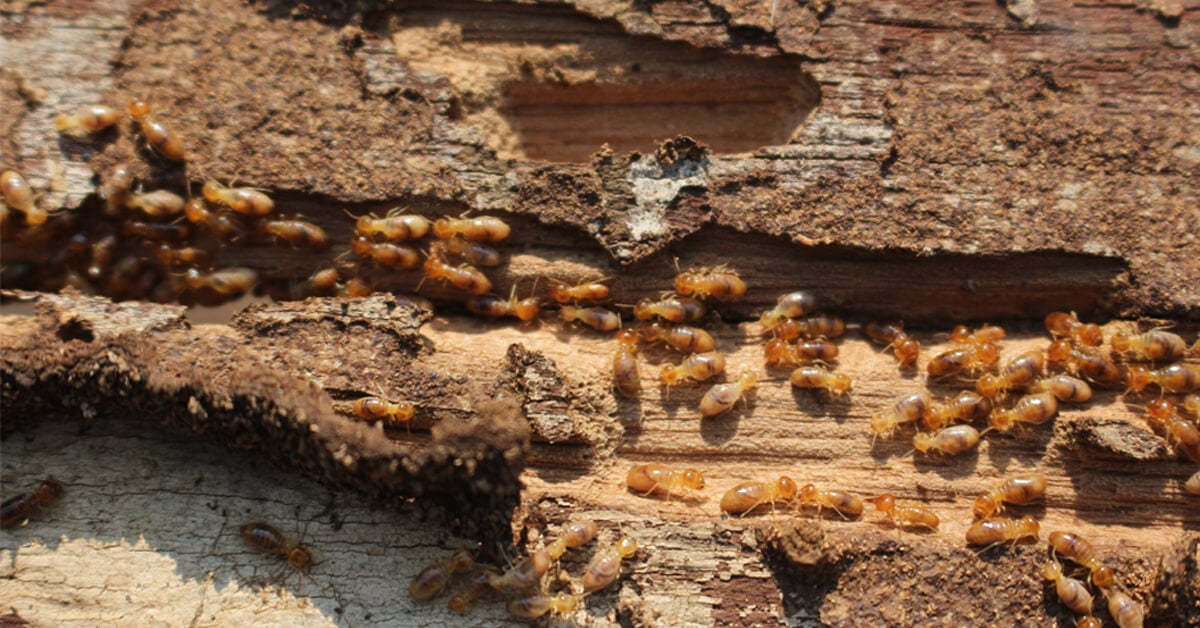
Store-bought sprays and home remedies may address a few visible termites, but they cannot reach an established colony living underground or deep inside wood. Because subterranean termite colonies can number in the hundreds of thousands and forage across a wide area, DIY treatment often just pushes activity to a different part of the property rather than eliminating it. A professional inspection is the only reliable way to confirm whether prevention efforts are actually working.
When to Schedule a Preventive Termite Inspection
- Annually, as a baseline. Even without any specific trigger, an annual inspection is the most reliable way to confirm prevention is working and catch new activity early.
- Before spring swarm season. Termite swarmers are typically most active between March and June in the Mid-Atlantic, and an inspection beforehand can catch conditions that attract them.
- Before buying or renovating. New construction, additions, and major renovations that disturb soil or add moisture-heavy features are a good opportunity to add preventive protection.
- If a neighbor has confirmed termites. Subterranean colonies do not recognize property lines, so nearby activity is a reason to check your own home.
Frequently Asked Questions About Getting Rid of Termites
Schedule Your Free Termite Prevention Estimate with Viking Pest Control Today!
Termite prevention works best when DIY habits around your property are backed by professional monitoring. Viking Pest Control has protected homes and businesses across the Mid-Atlantic for over 45 years, and our licensed technicians can help you build a prevention plan for your property.
Call 1-800-618-2847 or request your free termite estimate online today.
Preventive termite protection is available on its own or as part of Viking Pest’s Gold Shield home protection plan, which includes termite monitoring and baiting.

Schedule Service Today & Get Unlimited Service Requests*
* Some restrictions apply
Buy Online
Customer Login