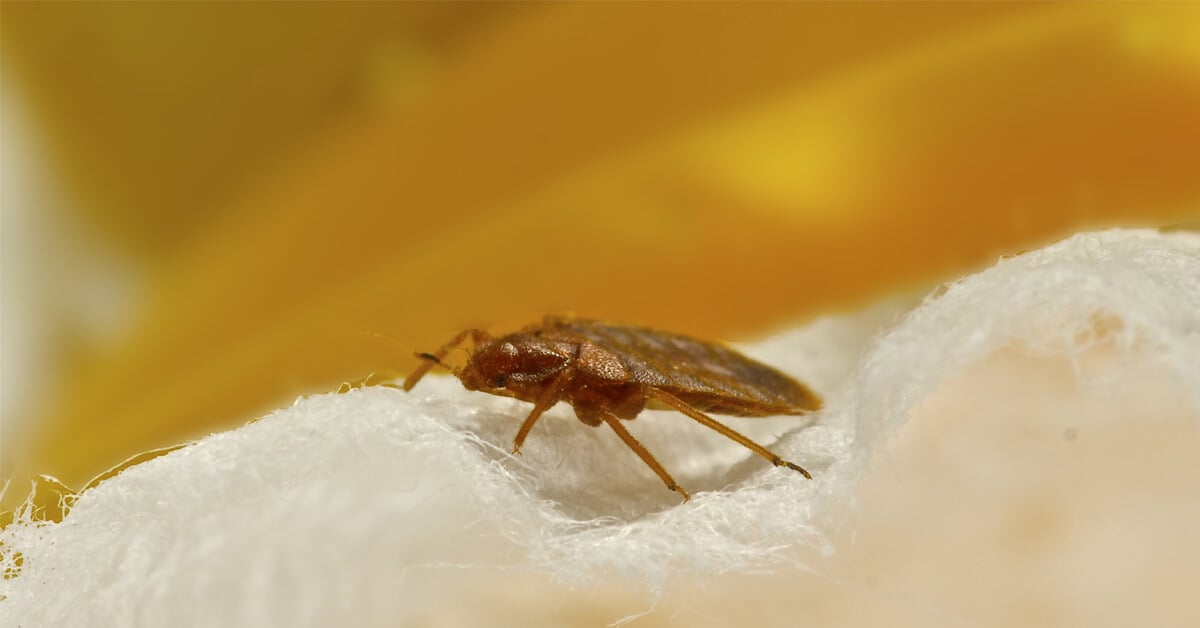
Bed bugs are one of the most frustrating pests homeowners can encounter. These tiny hitchhiking insects spread quickly, hide exceptionally well, and are often difficult to detect until an infestation becomes established. Understanding what bed bugs look like, the signs they leave behind, and where they hide can help you catch an infestation early and seek professional treatment before the problem worsens.
If you suspect bed bugs in your home, learning how to identify them is the first step toward protecting your family and your property.
What Do Bed Bugs Look Like?
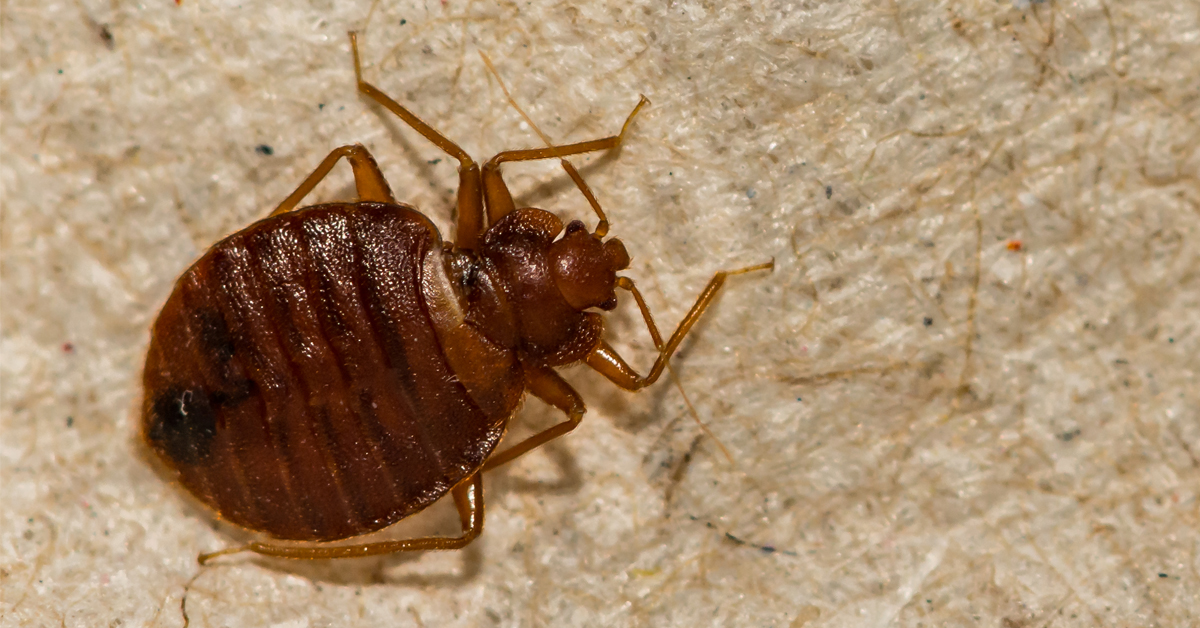
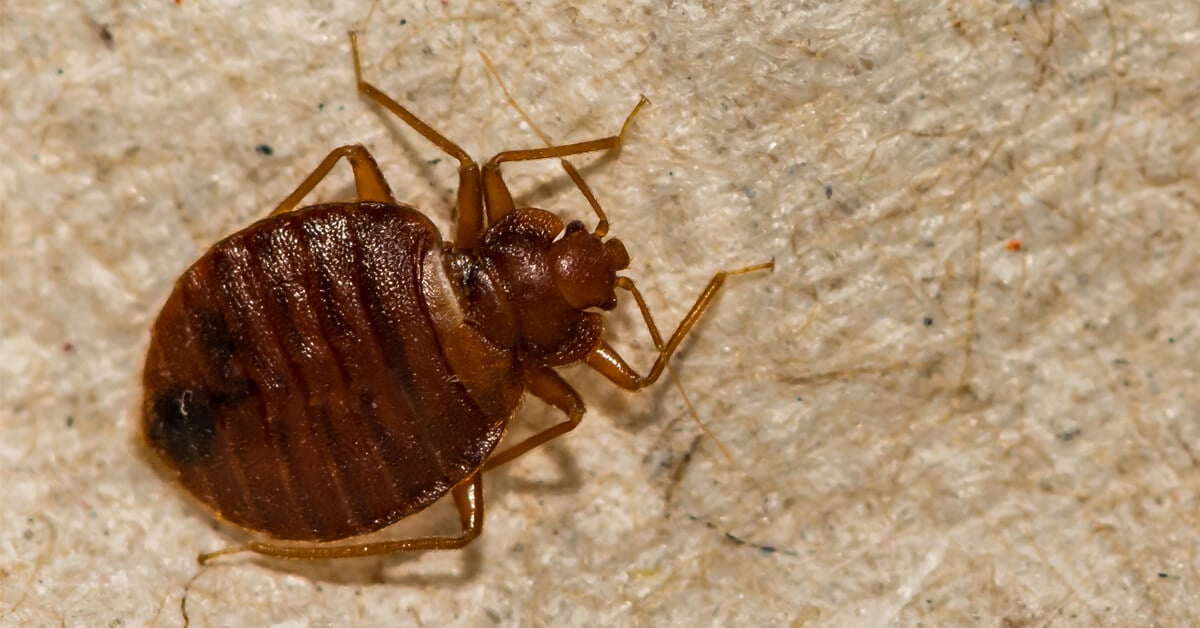
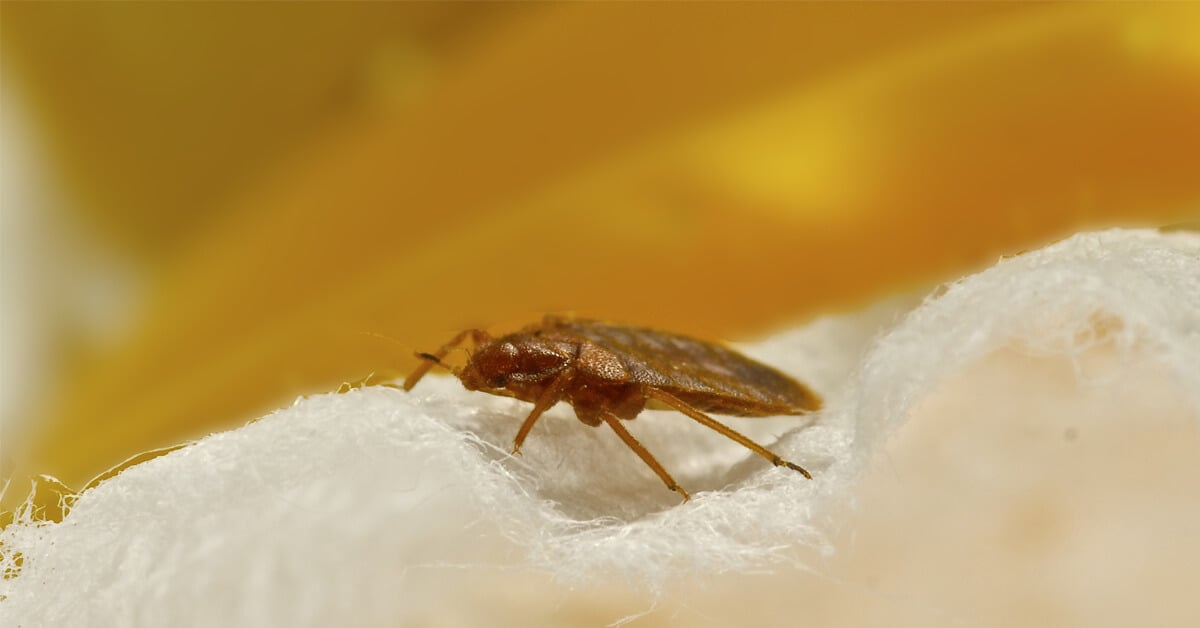
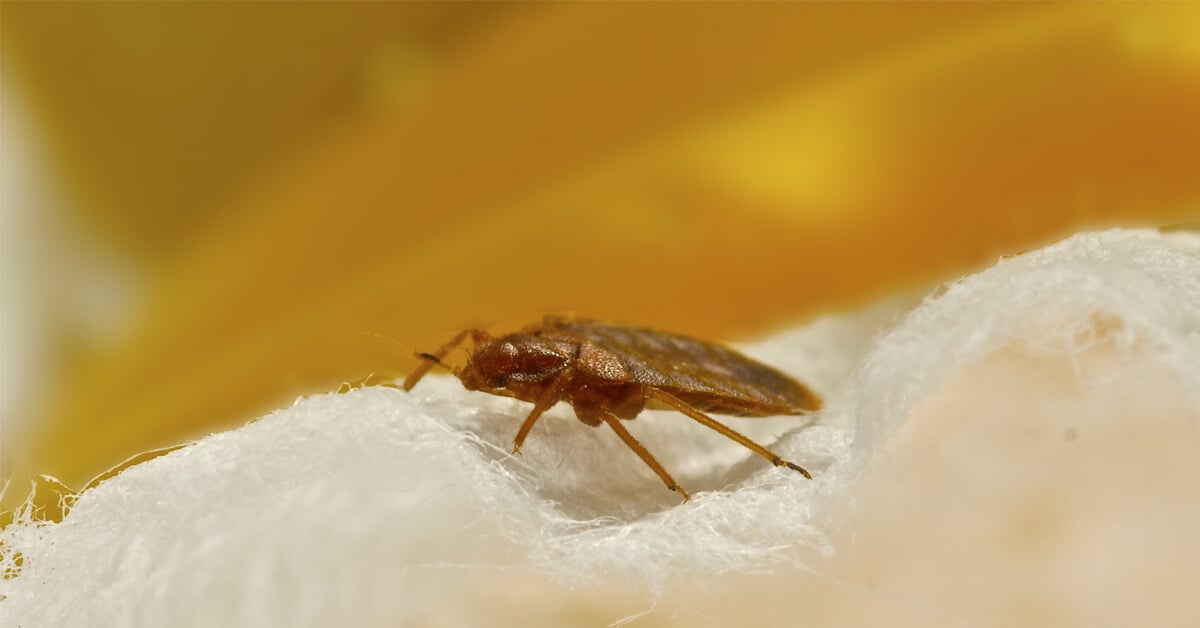
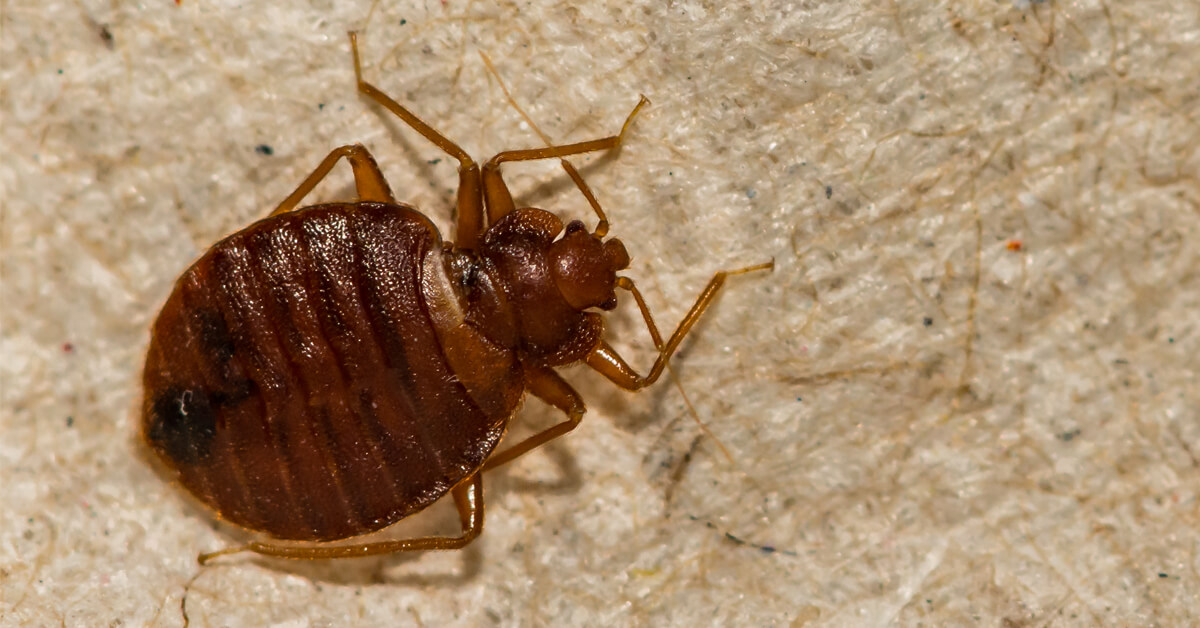
Bed bugs change appearance throughout their life cycle, which can make them difficult to identify. Adult bed bugs are typically:
About the size and shape of an apple seed
Flat and oval-shaped
Brown to reddish-brown in color
Wingless with six legs and short antennae
After feeding on blood, bed bugs become more swollen and darker red in appearance.
Immature bed bugs, called nymphs, are much smaller and lighter in color. Young nymphs can appear almost translucent, making them extremely difficult to spot. Bed bug eggs are tiny, pale white, and roughly the size of a speck of dust.
If you are unsure whether you are seeing bed bugs or another insect, scheduling a professional bed bug inspection can help confirm the issue quickly.
Common Signs of Bed Bugs
In many cases, homeowners notice signs of bed bugs before they ever see the insects themselves. Some of the most common warning signs include:
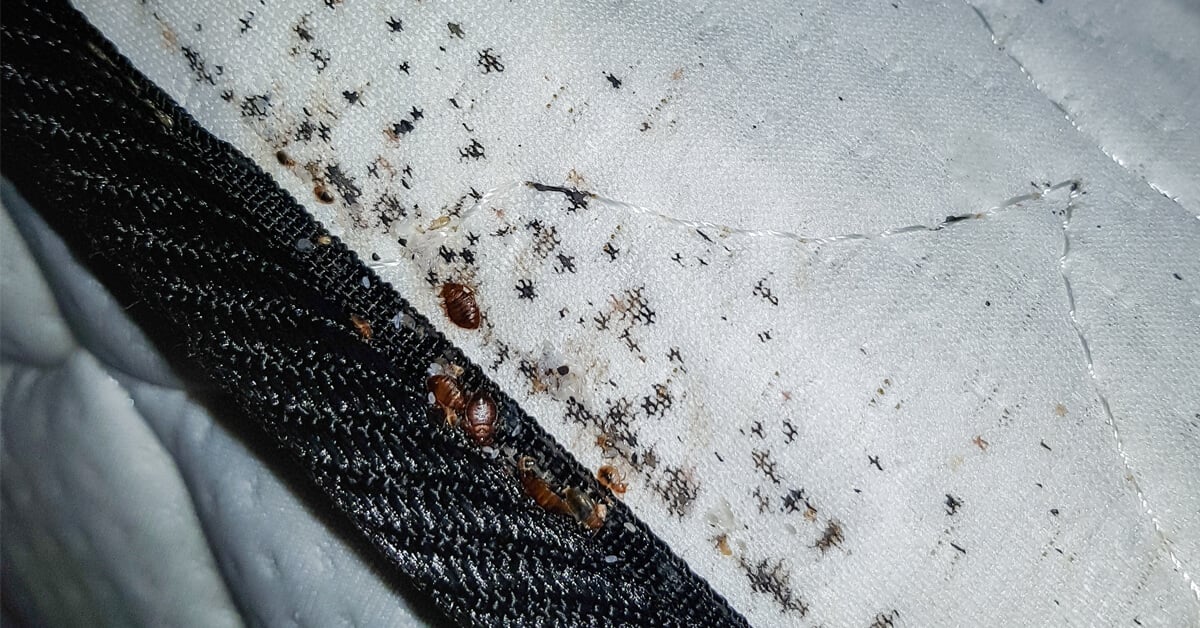
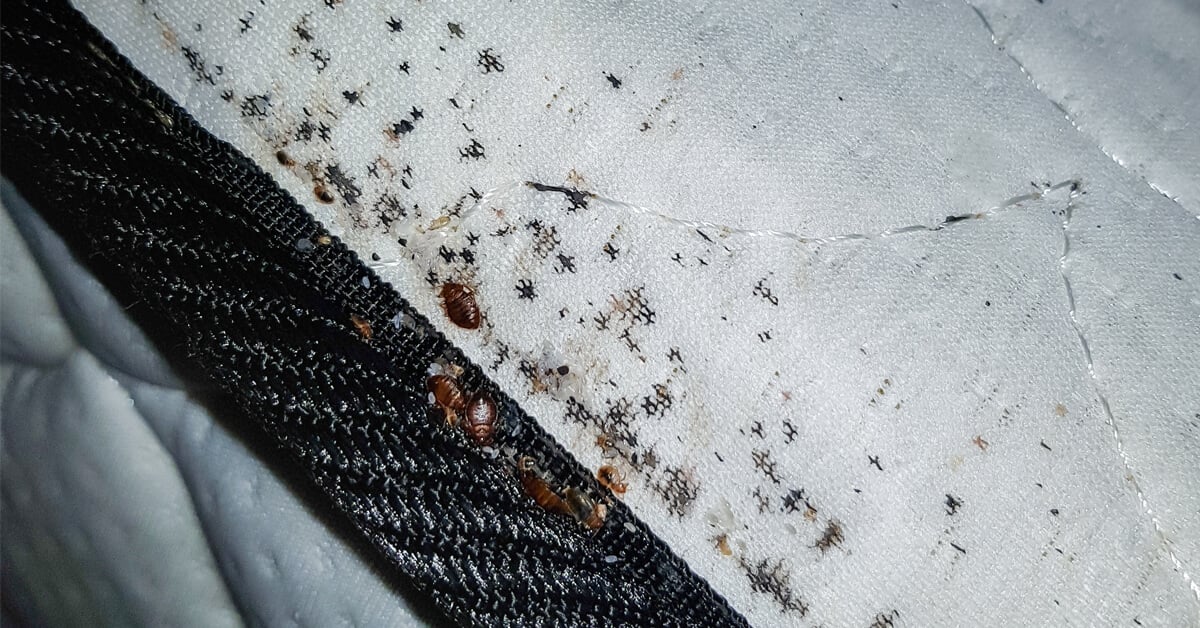
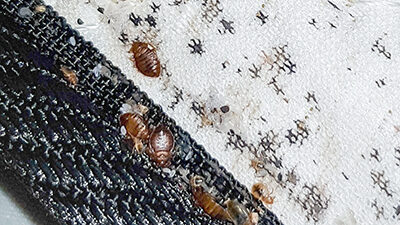
Small reddish or brown stains on sheets or mattresses
Dark spotting from bed bug fecal matter
Shed skins or exoskeletons
Tiny white eggs in cracks or seams
A musty, sweet odor in severe infestations
Unexplained itchy bites that appear overnight
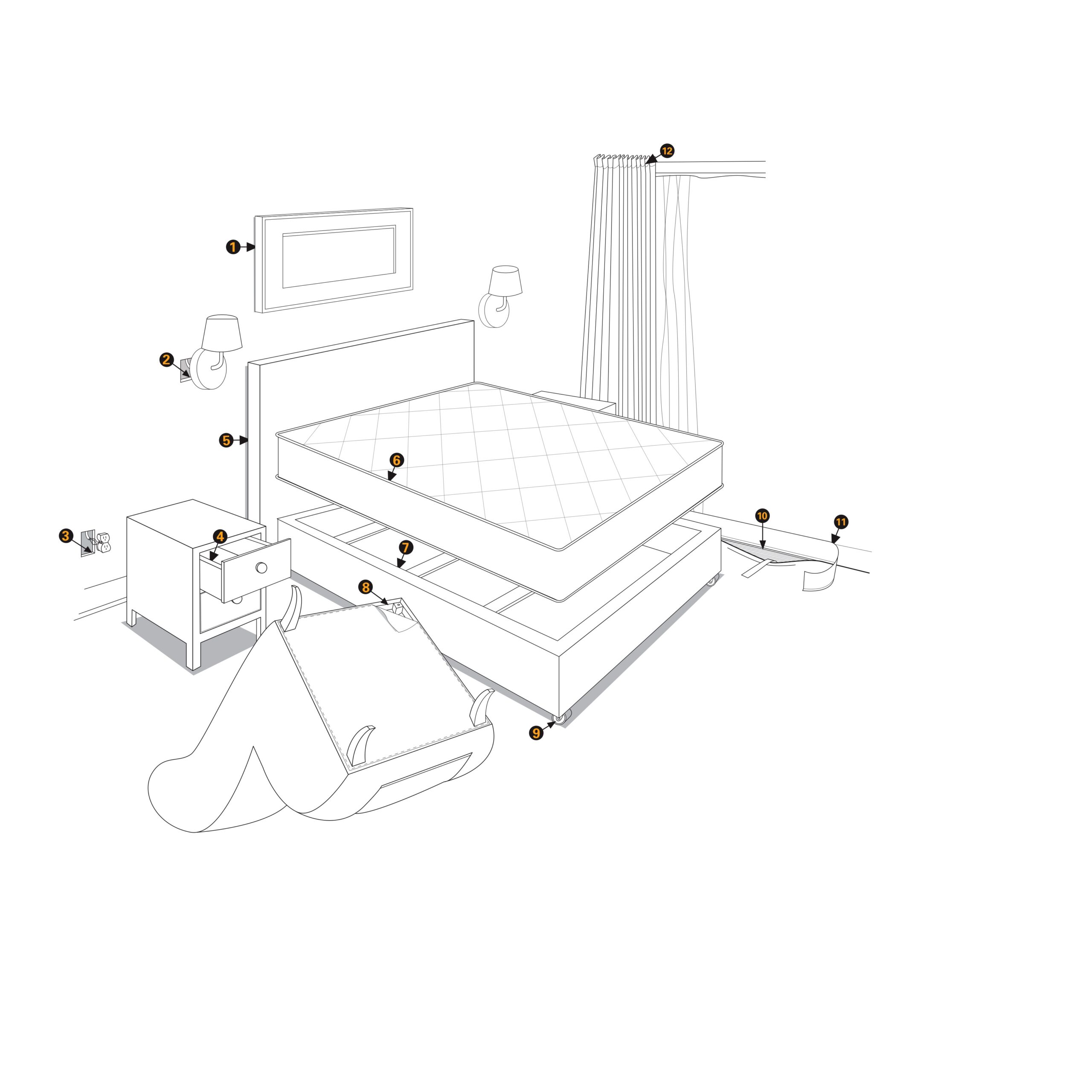
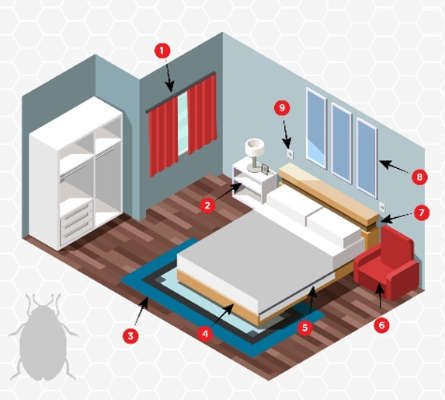
Bed bugs often hide in areas close to where people sleep or rest, including:
Mattress seams and box springs
Headboards and bed frames
Upholstered furniture
Baseboards and wall voids
Electrical outlets
Nightstands and nearby furniture
Because they hide in extremely small crevices, infestations can easily go unnoticed during the early stages.
What Do Bed Bug Bites Look Like?
Bed bug bites can vary from person to person. Some individuals experience little to no reaction, while others develop noticeable itching, redness, or swelling.
Common characteristics of bed bug bites include:
Small red welts or bumps
Bites appearing in clusters or straight lines
Itching or irritation
Bites commonly found on exposed skin such as arms, legs, hands, neck, or face
Unlike mosquito bites, bed bug bites often appear in patterns because the insect may feed multiple times in one area.
While bed bugs are not known to spread disease, scratching bites excessively can lead to secondary skin infections.
How to Check for Bed Bugs in Your Home
If you suspect bed bugs, early detection is important. Larger infestations become much more difficult and costly to eliminate.
Perform a Visual Inspection
Using a flashlight, carefully inspect:
Mattress seams and tags
Box springs
Headboards
Bed frames
Upholstered furniture
Baseboards and nearby cracks
Look for live bugs, shed skins, eggs, or dark spotting.
Check Beyond the Bed
Despite their name, bed bugs do not only live in beds. They may also hide in:
Couches and recliners
Carpeting edges
Luggage
Clothing
Wall outlets
Electronics
Curtains and wallpaper seams
Watch for Bite Activity
Unexplained bites that continue appearing overnight may indicate active bed bug activity, especially when paired with other signs.
How Bed Bugs Spread
Bed bugs are excellent hitchhikers and can spread almost anywhere people travel. They are commonly picked up from:
Hotels and vacation rentals
Public transportation
Movie theaters
Dormitories
Offices
Schools
Used furniture
Luggage and backpacks
Even clean homes and businesses can experience bed bug infestations. Bed bugs are not attracted to dirt or poor sanitation — they are attracted to people.
How to Help Prevent Bed Bugs
While no prevention method is foolproof, these tips can help reduce your risk:
Inspect hotel rooms before unpacking
Keep luggage off beds and floors
Wash clothing on high heat after traveling
Avoid bringing used furniture indoors without inspection
Reduce clutter around sleeping areas
Regularly inspect mattresses and upholstered furniture
You can also learn more about professional bed bug control services and preventative treatment options from Viking Pest Control.
How to Get Rid of Bed Bugs with Viking Pest
Bed bugs are extremely difficult to eliminate without professional treatment. DIY sprays and over-the-counter products often fail to address the full infestation because bed bugs hide deep inside walls, furniture, and other inaccessible areas.
Professional treatment options may include:
Heat treatments
Targeted liquid applications
Follow-up inspections
Ongoing monitoring and prevention recommendations
At Viking Pest Control, trained bed bug specialists perform comprehensive inspections and customized treatment plans designed to fully eliminate infestations and help prevent future problems.
If you suspect bed bugs in your home, it is important to act quickly before the infestation spreads further.
Bed Bugs Showing Up in Schools
When people hear the name “bed bug”, besides being immediately repelled, their mind typically thinks hotels and motels, since this is where these parasitic pests are often found living and where many people do accidentally come into contact with them. Unfortunately, though, bed bugs are not just an issue for people and families who do a lot of traveling, bed bugs have the potential to be found in most any public place. The bed bug’s favorite food is human blood, and to make sure that they have easy access to their favorite food source, bed bugs are found living in almost any public place, places that you may overlook or not be aware of including movie theaters, nursing homes, hospitals, shopping centers, libraries and even schools – universities, high schools, middle schools, and elementary schools.
Bed Bugs At School
Bed bugs find their way into schools just like they find their way into any public place, they will hitchhike their way in, typically on clothing, in backpacks, in bags, or on people. To help protect your child from coming into contact with bed bugs during their school day we want to suggest the following prevention tips.
Teach your child how important it is that they hang up their coats, backpacks, and other belongings on their specific hook. Do not leave personal belongings in piles on the floor with other kids’ coats and belongings.
Make sure to educate your child on what a bed bug looks like. Adults are an apple-seed shaped insect (flat, oval-shaped) with six legs, and they are brownish-red in color.
Explain to your child what bed bug bites look like. Mosquito-like bites that form a line or are in a cluster. The bites are usually surrounded by a rash and are itchy.
If your child is in college, make sure that they know what the signs of a bed bug infestation are. Black streaks or red dots of blood on mattresses, box springs, linens, and pillows. There may also be a musty smell in their dorm room, or they may find piles of shed skins underneath of mattresses or on the floor.
How to Protect Your Home From Bed Bugs
To protect your home from being invaded by bed bugs it is important to make sure that you regularly wash all outerwear and backpacks that your child uses on a daily basis in hot water, followed by a spin in the dryer on the highest heat setting. It is also important that you have a clear understanding of what bed bugs look like and the signs of their presence. If you or your child ever notice bed bugs or signs of bed bugs in their school, it is important to quickly notify the school administration so that they can take immediate action.
What To Do If You See A Bed Bug
If you ever notice bed bugs or their signs in your home, business or educational institution, contact Viking Pest Control immediately. We can come quickly to your aid and provide the effective, professionals services needed to rapidly eliminate bed bugs from any size property. To learn more about our bed bug control services, give us a call today!
Call Viking at 800-618-2847 to learn more about our bed bug control and extermination services, or get a fast, free quote online today!
Bed Bugs: A Growing Concern for Nursing Homes
Previous to the 1950’s bed bugs were rampant. Once pesticides were introduced, bed bugs became nearly non-existent in the United States and remained that way for decades. This changed once more in the 1990’s when people began to travel more, which brought bed bug problems back. Over the course of the past several years, the bed bug population has drastically increased, mainly due to the fact that they can survive in many places besides bedrooms. You can find them in hotels, schools, libraries, and airports; literally, every public place and all forms of public transportation are at risk. And tragically, bed bugs are now becoming a problem for our senior citizens as they spread into nursing homes and retirement facilities.
Bed Bug Education
No one wants to have to deal with bed bugs, and education is key in preventing an infestation, so it is very important to make facility staff, residents, and their loved ones aware of the signs of bed bug activity. One of the myths that many people believe about bed bugs is that they are dirty pests, and this may cause residents to conceal a discovery of bed bugs due to embarrassment. The fact is that bed bugs will go anywhere, from pristine clean to the most filthy of places, to get a blood meal. Bed bugs need the blood in order to thrive and reproduce, and they are very hardy pests that can get around relatively easily.
How Do Bed Bugs Transport?
They can be transported from one place to another on clothing, shoes, bags, and other personal items. It’s not pleasant to admit to finding a bed bug, but catching an infestation early can help reduce the threat of spreading it throughout multiple areas of the facility.
How to Check for Bed Bugs
You can spot an infestation by looking for:
Adult bed bugs that are small dark brown colored ovals
Larvae that can be as small as a pen tip
Dried red-brown blood stains, urine stains, and shed exoskeletons on bedding
Black smear marks on beds, walls, and outlet covers
Tiny black feces and shed exoskeletons in seams and corners of mattresses and upholstered furniture
Bites on humans that are in a row or cluster, usually causing a red itchy rash
When it comes to an infestation, it is best to have a pest control professional do an inspection and eradicate the problem for you. Knowledgeable bed bug technicians can guarantee your bed bug problems will go away, and potentially discover their source. You can call Viking Pest Control in New Jersey, Pennsylvania, Delaware, and the Eastern Shore of Maryland for all of your bed bug concerns, taking comfort that our technicians are QualityPro trained and certified, and will guarantee the complete elimination of bed bugs in your facility. We can routinely monitor your facility for bed bugs and other pests, minimizing the risk of future problems. Call us today, we will be happy to assist you with your bed bug problems.
Call Viking at 800-618-2847 to learn more about our bed bug control and extermination services, or get a fast, free quote online today!
Common Pest Problems in Morris County New Jersey
The U.S. is big. Really big! In the continental United States, we have large deserts, a frozen North, moist tropical swamps, tall mountains, and rolling fields of grain. As you can probably imagine, each region has its own pest pressures. While some states battle tarantulas, others do not. While some states have to worry about super termites, others do not. It all depends on the climate. But the most common pests we deal with here in Morris County New Jersey are actually common pests in most of the country. As it turns out, common pests are most common because they are the most plentiful. Let’s take a look.
No matter where you live, you can expect to deal with flies, German cockroaches, rodents, ants, Indian meal moths, fleas, ticks, mites, and more. These are the usual suspects that get into homes and cause problems. You can expect to have trouble with these if you live in Denville, Chatham, Madison and throughout Morris County. But some of the common pests we have are worse than others.
Eastern Subterranean Termites
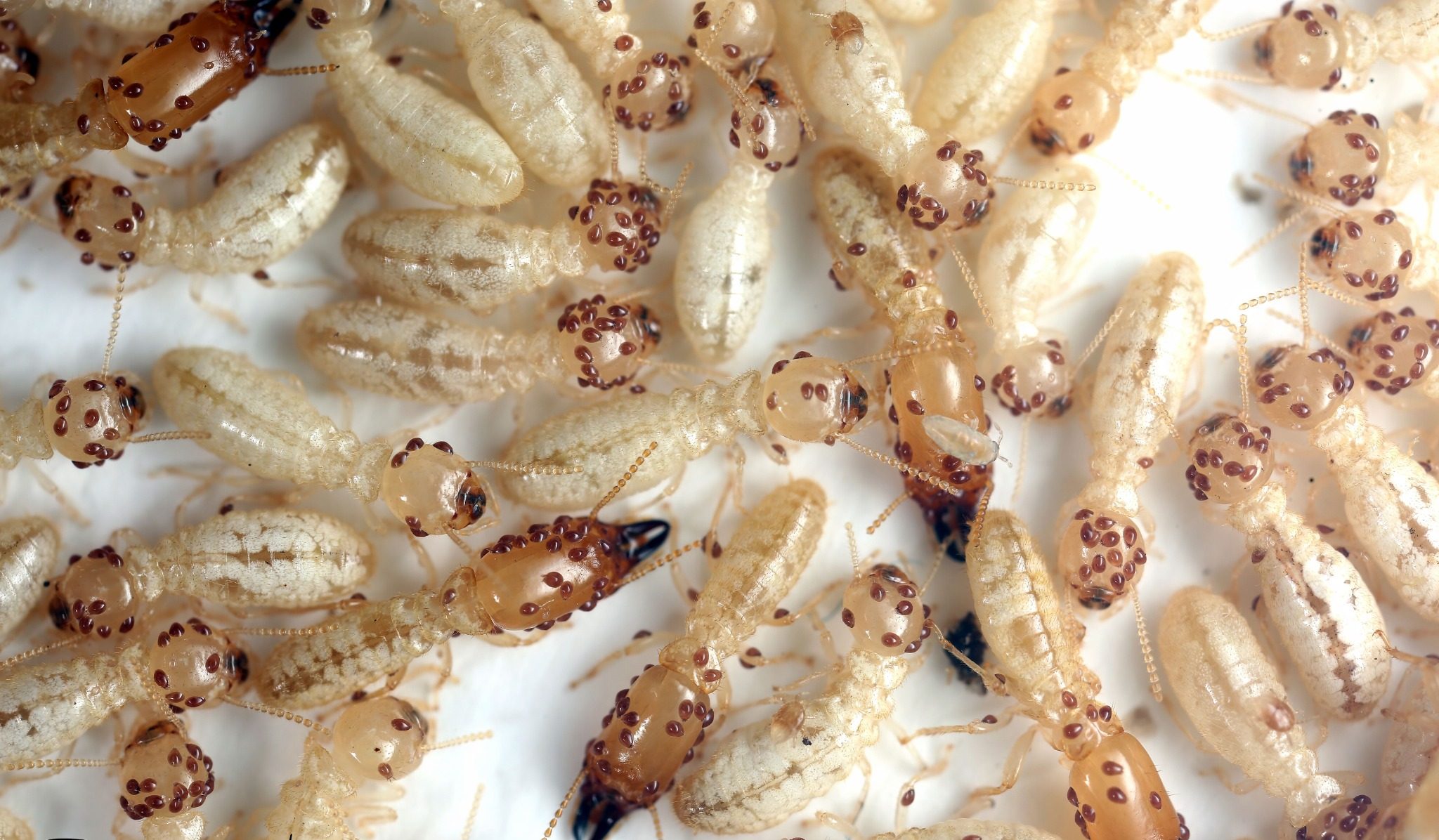
If we have a pest that is somewhat unique to New Jersey, it would be the Eastern subterranean termite. They have a large distribution, spreading as far west as Utah, which makes them one of the most economically significant wood-destroying organisms in the United States. They’re also not limited to being in southern states. These termites are a problem all the way up to New Hampshire. So, it is not surprising that we battle this insect here in Morris County.
What you need to know most: While these termites can destroy a home, the damage they do can be prevented. At Viking Pest, we use the Sentricon Bait System to monitor for termites and protect property 365 days a year. This system gives a pop-up alert warning when worker termites come to feed. For safeguarding a structure from these silent devourers, there is no better solution.
Carpenter Ants
While certainly not unique to the east coast, carpenter ants are plentiful here. And, for those who heat their homes with wood, they can be even more of a threat. These insects chew galleries and tunnels in wood, causing structural damage over time. We could go into the details of what species of carpenter ants we find in Morris County, but all species pose similar threats.
What you need to know most: If you’re seeing one carpenter ant crawling around your home every once in a while, it should not be shrugged off. It is easy to think that you never see carpenter ants raiding your pantry, so you’re probably fine. The truth is, carpenter ants can do massive amounts of damage to a home without ever feeding on food in the kitchen or pantry. These insects can get all the food they need from outside. It is best to call a professional as soon as you see signs of carpenter ants.
Bed Bugs
Bed bugs are quickly becoming the most common pest in all 50 states. New Jersey is not exempt, and these blood-eating pests are not limited to infesting hotels and motels. They can be found in daycares, libraries, movies theaters, senior homes, retail stores… The list goes on and on.
What you need to know most: These bugs are not easy to get rid of. DIY bed bug treatments are usually ineffective, lead to continued infestation, and can be harmful. If you see these bugs in your Morris County home, contact Viking Pest for effective bed bug control.
For more information about common pests, or to establish pest service for your New Jersey home, reach out to Viking Pest Control. We have over 40 years of experience protecting families and businesses in New Jersey. We look forward to helping you protect yours.
Call Viking at 800-618-2847 to learn more about our bed bug control and extermination services, or get a fast, free quote online today!
Where Do Bed Bugs Come From? Top Places You Can Pick Them Up
For decades, bed bugs were largely out of sight and out of mind. Today, however, these persistent pests have made a major comeback in homes, hotels, apartments, and public spaces across the country.
Many homeowners assume bed bugs are caused by poor sanitation, but that’s simply not true. Bed bugs can infest even the cleanest homes and businesses. In fact, one in five Americans has experienced a bed bug infestation at some point.
Understanding where bed bugs come from, how infestations begin, and the places you’re most likely to encounter them can help you protect your home and family.
What Are Bed Bugs?
Bed bugs are small, reddish-brown insects that feed on human blood. Adult bed bugs are about the size and shape of an apple seed, with flat bodies that allow them to hide in tiny cracks and crevices.
After feeding, they become swollen and darker red in color. Bed bugs do not fly, but they crawl quickly and hide in:
Mattresses
Box springs
Bed frames
Headboards
Furniture
Baseboards
Luggage
Clothing
Upholstered items
Bed bugs are primarily active at night and tend to feed while people are sleeping.
Where Do Bed Bugs Come From?
Bed bugs are hitchhikers. Rather than living outdoors and entering homes naturally, they spread by attaching themselves to soft surfaces and personal belongings.
These pests commonly travel on:
Luggage
Clothing
Backpacks
Furniture
Bedding
Upholstered items
Once brought inside, bed bugs can spread rapidly throughout homes, apartments, hotels, dormitories, and office buildings.
Top 5 Places You Can Pick Up Bed Bugs
Hotels and Motels
Hotels are one of the most common places for bed bug encounters because of the constant flow of guests and luggage.
Even high-end hotels can experience infestations. Before unpacking, inspect:
Mattress seams
Headboards
Box springs
Upholstered furniture
Avoid placing luggage directly on the floor or bed.
Public Transportation
Bed bugs are often found anywhere large numbers of people gather, especially in upholstered seating areas.
This includes:
Buses
Trains
Subways
Airplanes
Ride-share vehicles
Because bed bugs are tiny and difficult to spot, they can easily hitch a ride home on bags or clothing.
Laundromats
Shared laundry facilities can unintentionally spread bed bugs between households.
People may bring infested linens or clothing into laundromats in an attempt to eliminate bed bugs using high dryer temperatures. To reduce risk:
Avoid shared folding tables when possible
Use high heat settings in dryers
Transport laundry in sealed bags
Libraries
Libraries may seem unexpected, but bed bugs can hide in books, upholstered seating, and shared public areas.
Before bringing library books into your bedroom or living spaces, inspect:
Book spines
Covers
Pages
Nursing Homes and Hospitals
Healthcare facilities can also experience bed bug issues because of the constant movement of patients, visitors, bedding, and furniture.
Although bed bugs do not spread disease, they can still create difficult infestations in shared living environments.
How Does a Bed Bug Infestation Start?
Bed bug infestations usually begin when one or two insects are accidentally transported into a home or building.
Because bed bugs reproduce quickly, a small problem can rapidly become a large infestation if left untreated.
Unlike some pests, bed bugs are not attracted to dirt or clutter. However, clutter can provide additional hiding places and make infestations harder to detect.
Signs of a Bed Bug Infestation
Early detection is important. Common signs of bed bugs include:
Small reddish-brown stains on sheets or mattresses
Tiny white eggs or eggshells
Shed skins
Live bed bugs
Dark fecal spots on bedding or furniture
Itchy bites or skin irritation
Bed bug bites often appear as:
Small red welts
Clusters or zigzag bite patterns
Itchy raised bumps
Burning or irritating skin reactions
How to Prevent Bed Bugs
Inspect Hotel Rooms
Before settling into a hotel room:
Check mattress seams and box springs
Inspect headboards and furniture
Keep luggage elevated and away from beds
Be Careful With Used Furniture
Always inspect second-hand furniture carefully before bringing it into your home, especially:
Mattresses
Box springs
Couches
Recliners
Upholstered chairs
Never bring discarded furniture home from the curb.
Wash Clothing After Travel
After returning from trips:
Wash clothing on high heat
Vacuum luggage
Dispose of vacuum contents outdoors immediately
Reduce Hiding Places
Seal cracks and crevices around:
Baseboards
Window frames
Doors
Furniture joints
Use Protective Covers
Bed bug-proof encasements for mattresses, box springs, and pillows can help reduce hiding places and make inspections easier.
How to Get Rid of Bed Bugs
DIY bed bug treatments are often ineffective because bed bugs hide extremely well and reproduce quickly. Even if some bed bugs are eliminated, surviving insects and eggs can restart the infestation.
Professional bed bug extermination is typically the most effective solution.
Viking Pest Control provides professional bed bug treatment services throughout New Jersey, Pennsylvania, Delaware, and the Eastern Shore of Maryland. Our trained specialists inspect homes and businesses thoroughly and recommend targeted heat or material treatments designed to fully eliminate bed bug infestations.
If you suspect bed bugs in your home or business, contact Viking Pest Control for a fast, free estimate today.
Does the Fall Weather Impact Bed Bugs?
A common question asked of our pest control professionals is whether or not bed bugs are affected by the changing weather. This question makes a lot of sense because we see a die-off of summer pests like mosquitoes as the weather gets colder, so it would make sense that other pests experience that same die-off. Unfortunately, the temperatures have little to no affect on bed bug populations, here’s why.
The reason that the cooler weather of fall does not impact bed bugs is that they are indoor pests; the climate-controlled indoor environment that bed bugs live in allows them to remain active all year long. Throughout the winter season they are continuously feeding, breeding, and when given the chance invading new properties. In addition to being problematic because they live inside, another fact about bed bugs that makes them so invasive and difficult to control is their ability to live anywhere; in any home and in any public place.
How to Prevent Bed Bugs
Since bed bugs are a year-round pest, you as a homeowner can never put down your guard against them, you always need to be protecting yourself and belongings from coming into contact with these pests and accidentally introducing them into your home. The following tips can help limit the likelihood of bringing these troublesome pests into your home.
If you will be traveling this fall check bedbugregistry.com to see if your hotel or motel has had a bed bug report filed. It is important to remember that a bed bug infestation can happen in any establishment, it is how the company handled the infestation that is important.
The fall and winter seasons host a lot of holidays which means that you may be hosting a lot of overnight guests. After your guests leave, make sure to wash their bedding using your washer’s highest temperature setting. Your guests may have unknowingly come into contact with bed bugs during their travels.
If possible try not to purchase second-hand furniture, especially mattresses and box springs for your home. If it is not necessary, as it’s not worth the risk of a bed bug infestation.
Avoid putting bags, purses, and coats on the floor of public places like movie theaters, libraries, shopping centers, airports, and similar places.
When traveling, thoroughly inspect the entire room for signs of bed bugs before bringing your luggage in and unpacking. Keep suitcases in plastic trash bags and up off of the ground during your stay.
After returning home from a trip, wash all clothes in hot water and dry them using a hot dryer setting.
If you find bed bugs or evidence of bed bugs in your home this fall or any time of the year, contact the bed bug control professionals at Viking Pest Control. Bed bugs are extremely difficult to get rid of without the help of a trained professional. At Viking Pest we have the ability to offer our customers year-round control and proactive preventative services to protect your home and family from invasive bed bugs!
Call Viking at 800-618-2847 to learn more about bed bug pest control and extermination services, or get a fast, free quote online today!
Bed Bugs in NJ, PA, MD, and DE: What Property Owners Need to Know
Over the past several years, bed bug infestations have increased significantly across the United States, including throughout New Jersey, Pennsylvania, Delaware, and the Eastern Shore of Maryland. Once considered a pest of the past, bed bugs are now commonly found in homes, hotels, offices, schools, hospitals, retail stores, and public transportation systems.
Because these pests spread easily and are difficult to eliminate without professional treatment, understanding how bed bugs behave and how infestations begin is essential for both homeowners and businesses.
What Are Bed Bugs?
Bed bugs are small, reddish-brown insects that feed on human blood. Although tiny, they are resilient pests capable of surviving a wide range of temperatures and living for extended periods without feeding.
Bed bug bites often leave behind small, itchy red welts, though reactions can vary from person to person. Since they are nocturnal pests, bed bugs typically feed at night while people are sleeping.
Despite their name, bed bugs are not limited to mattresses or beds. They prefer dark, protected hiding spots close to human activity and can be found in places such as:
Mattresses and box springs
Upholstered furniture
Carpets and rugs
Luggage and laundry containers
Behind picture frames
Behind electrical outlet covers
Cracks in walls and furniture
Because they are expert hitchhikers, bed bugs spread easily by attaching themselves to luggage, clothing, furniture, and other belongings.
Where Are Bed Bugs Commonly Found?
Bed bugs are not associated with cleanliness and can appear almost anywhere people gather. Common locations where infestations are reported include:
Homes and apartment buildings
Hotels and motels
Dormitories
Office buildings
Retail stores
Movie theaters
Schools
Hospitals and healthcare facilities
Public transportation
As travel and mobility continue to increase, bed bugs have become more widespread across communities in NJ, PA, MD, and DE.
How to Prevent Bringing Bed Bugs Home
While it may be impossible to avoid all exposure risks, taking preventative measures can greatly reduce the chances of bringing bed bugs into your home.
1. Be Informed Before You Travel
Before staying at a hotel, motel, or rental property, ask about their bed bug prevention and monitoring procedures. Upon arrival, inspect sleeping areas carefully for signs of activity.
2. Pack Carefully
Use hard-sided luggage whenever possible and store clothing inside sealed plastic bags while traveling. Keeping belongings contained can help prevent bed bugs from hitching a ride home.
3. Inspect Your Surroundings
Examine mattresses, headboards, upholstered furniture, and nearby areas for possible signs of bed bugs, including:
Small reddish or rust-colored stains
Shed skins or eggshells
Live bed bugs
Tiny dark spotting
If you suspect bed bug activity, request another room immediately.
4. Unpack With Caution
After returning home, inspect luggage and belongings outdoors or in a garage if possible. Wash and dry clothing on high heat and vacuum luggage thoroughly before storing it away.
Bed Bugs and Businesses
Bed bugs are no longer just a residential concern. Businesses across the country have experienced costly infestations, particularly in:
Hotels and resorts
Retail stores
Office buildings
Assisted living facilities
Dormitories
Healthcare facilities
As infestations have increased, some insurance companies have even begun offering specialized commercial bed bug insurance policies to help businesses recover from extermination costs, business interruption losses, and reputational damage.
However, proactive prevention and monitoring remain the best defense against bed bug problems.
Why Professional Bed Bug Treatment Matters
Bed bugs reproduce quickly and are extremely difficult to eliminate with DIY methods alone. Because they hide in cracks, furniture, walls, and other hard-to-reach areas, professional inspection and treatment are often necessary to fully eradicate an infestation.
At Viking Pest Control, our trained and certified bed bug exterminators provide professional bed bug inspections and customized treatment solutions throughout New Jersey, Pennsylvania, Delaware, and the Eastern Shore of Maryland.
Whether you are dealing with bed bugs in your home or business, prompt treatment is essential to preventing the infestation from spreading further.
Contact Viking Pest Control
If you suspect bed bug activity in your home or business, contact Viking Pest Control today. Our experienced professionals can inspect your property, identify bed bug activity, and recommend effective treatment options tailored to your needs.
Call Viking at 800-618-2847 to learn more about bed bug pest control and extermination services, or get a fast, free quote online today!
How to Avoid Bringing Bed Bugs Home During the Holidays
The holiday season is one of the busiest travel times of the year. Airports, hotels, public transportation, and family gatherings all create perfect opportunities for bed bugs to spread from place to place.
Whether you’re visiting relatives, staying in a hotel, or hosting overnight guests in your own home, increased holiday travel can raise the risk of a bed bug infestation. Because bed bugs are expert hitchhikers, even a few unnoticed bugs or eggs can quickly turn into a larger problem once they enter your home.
Understanding how bed bugs spread and knowing what precautions to take can help protect your home during the holiday season.
Why Bed Bugs Spread During the Holidays
Unlike many seasonal pests, bed bugs remain active year-round. The increased travel and movement of people during Thanksgiving, Christmas, and other holiday gatherings simply gives them more opportunities to spread.
Bed bugs move between locations through a process called passive dispersal. Rather than traveling long distances on their own, they hitch rides on personal belongings and people.
Common ways bed bugs spread include:
Crawling into luggage or backpacks
Hiding in clothing or folded fabrics
Traveling on overnight bags
Moving through upholstered furniture
Being transported on blankets or linens
Holiday visitors unknowingly carrying bed bugs from one home to another is more common than many people realize.
What Bed Bugs Look Like
Adult bed bugs are small, flat insects roughly the size and shape of an apple seed.
They are typically:
Brown or reddish-brown
Oval-shaped
Flat before feeding
More swollen and red after feeding
Young bed bug nymphs are much smaller and lighter in color, making them harder to spot.
Bed bug eggs are tiny, white, and about 1 millimeter in size.
Where Bed Bugs Hide
Bed bugs are excellent at hiding in small cracks and dark areas near where people sleep or rest.
Common hiding spots include:
Mattress seams
Box springs
Headboards
Nightstands
Upholstered furniture
Baseboards
Behind mirrors and picture frames
Carpet edges
Electrical outlets
Clothing piles
Luggage and bags
Because bed bugs are nocturnal, they usually remain hidden during the day and emerge at night to feed.
Signs of a Bed Bug Infestation
Bed bugs can be difficult to detect early, but there are several warning signs homeowners should watch for.
Dark or Rust-Colored Stains
Small dark reddish-brown spots on bedding or mattresses may be bed bug fecal stains.
Shed Skins
As bed bugs grow, they leave behind pale brown shed skins.
Unexplained Bites
Itchy red bites appearing after sleeping may indicate bed bug activity.
Musty Odors
Large infestations sometimes produce a strong, musty odor.
Live Bed Bugs or Eggs
Visible bugs, eggs, or tiny pale nymphs are clear signs of infestation.
How to Prevent Bed Bugs While Traveling
Taking preventative measures during holiday travel can greatly reduce the chances of bringing bed bugs home.
Inspect Hotel Rooms Carefully
Before unpacking, inspect:
Mattress seams
Headboards
Upholstered furniture
Nightstands
Bedding folds
Using a flashlight can make inspections easier.
Keep Luggage Elevated
Avoid placing luggage directly on beds or floors. Use luggage racks whenever possible.
Keep Clothing Sealed
Packing clothes inside sealed plastic bags can help protect them from bed bugs during travel.
Avoid Unpacking Into Hotel Furniture
Leaving clothes inside your suitcase instead of dresser drawers reduces exposure risk.
Precautions to Take When Returning Home
Even if you don’t notice bed bugs during your trip, it’s important to take precautions once you return home.
Wash Clothing Immediately
Wash all clothing — even unworn items — using hot water whenever possible.
Drying clothing on high heat can help kill bed bugs and eggs.
Vacuum Luggage
Thoroughly vacuum suitcases, bags, and travel items before storing them away.
Continue Monitoring Your Home
Watch for signs of bed bug activity in the weeks following travel or holiday guests.
Why DIY Bed Bug Treatments Often Fail
Bed bugs are extremely resilient and difficult to eliminate without professional treatment.
DIY products often fail because bed bugs:
Hide deep inside cracks and furniture
Reproduce quickly
Resist many over-the-counter treatments
Lay tiny hard-to-find eggs
Delaying treatment can allow infestations to spread throughout the home.
Professional Bed Bug Control From Viking Pest Control
At Viking Pest Control, our licensed professionals provide comprehensive bed bug inspections and treatment solutions for homes throughout New Jersey, Pennsylvania, Delaware, and Maryland.
Our treatments target:
Adult bed bugs
Nymphs
Hidden infestations
Bed bug eggs
We customize treatment plans based on the severity of the infestation to help eliminate bed bugs completely and restore peace of mind.
If you suspect bed bugs after holiday travel or overnight guests, early professional treatment can help prevent a much larger infestation later on.
New or Used: Beware of Bed Bugs When Buying or Renting Furniture
Bed bugs are no longer just a concern in hotels or apartments—they can be found in furniture, rental items, and secondhand goods as well. Whether you’re buying something new, picking up used furniture, or renting items for a short-term need, there is always a risk of unknowingly bringing bed bugs into your home.
Viking Pest Control encourages homeowners across New Jersey, Pennsylvania, Delaware, and Maryland to be cautious anytime furniture or upholstered items change hands.
Why Used Furniture Can Be Risky
It might seem like a great deal when you see free furniture left at the curb or a low-cost piece from a resale shop, but used furniture can easily harbor hidden pests—especially bed bugs.
Bed bugs are extremely small, flat, and excellent at hiding inside:
Cushions and upholstery seams
Mattress edges and box springs
Wooden joints and frame cracks
Undersides of furniture and fabric folds
Even if a piece of furniture looks clean on the surface, bed bugs or their eggs may still be present deep inside.
This is why pest control professionals strongly recommend avoiding curbside or unknown-source furniture whenever possible.
Bed Bugs in Used, Donated, and Rental Furniture
Bed bugs are not limited to private homes. They have been found in:
Donation centers and thrift stores
Rental furniture companies
Storage and distribution facilities
Apartment turnovers and moving services
Even when organizations claim furniture has been inspected or sanitized, there is no guarantee that all bed bugs or eggs have been eliminated. Because bed bugs are so good at hiding, they can survive treatments and spread to new locations when items are moved.
Can Even “New” Furniture Have Bed Bugs?
Surprisingly, yes. Even newly purchased furniture can sometimes be exposed during shipping or delivery.
One common risk occurs when delivery trucks carry both new and used furniture at the same time. If infested items are transported alongside new ones, bed bugs can spread through cross-contamination and end up inside brand-new furniture before it ever reaches your home.
Renting Furniture: Another Common Risk
Furniture rentals are often used for:
Visiting family or guests
College student housing
Temporary living arrangements
Baby gear such as cribs or highchairs
While convenient, rented furniture can also be a hidden source of bed bugs. Items may be returned from infested homes and redistributed to new customers without visible signs of contamination.
Once inside your home, bed bugs can quickly spread from rented furniture to beds, couches, and other living areas.
How to Protect Your Home from Bed Bugs
Before bringing any new, used, or rented furniture into your home, Viking Pest Control recommends taking precautions such as:
Carefully inspecting seams, joints, and fabric folds
Looking for dark spotting, shed skins, or live insects
Avoiding curbside or unknown-source furniture
Using protective mattress encasements when appropriate
Monitoring any new furniture closely after delivery
Bed bugs are extremely difficult to eliminate once established, so prevention is key.
When to Call Viking Pest Control
If you suspect bed bugs have been introduced through furniture, rentals, or secondhand items, it is important to act quickly. Bed bugs reproduce rapidly and can spread throughout your home in a short time.
Viking Pest Control provides professional bed bug inspections and treatment services throughout NJ, PA, DE, and MD. Our trained specialists can identify infestations, locate hiding areas, and recommend targeted treatment options designed to eliminate bed bugs effectively.
Early detection and professional treatment are the best ways to prevent a small problem from becoming a full infestation.
Can Bed Bugs Transmit Disease?
Bed bugs are known to harbor 28 pathogens, including hepatitis B and HIV; but because they are not known to transmit any of the diseases they carry to humans, they are classified as a nuisance pest. However, because bed bugs creep into our beds at night while we are asleep and feed on our blood, exposure to bed bug infestations can cause victims to experience extreme anxiety. Some bed bug victims even exhibit a severe emotional disorder similar to Post Traumatic Shock Syndrome in which they feel like bugs are constantly crawling on their skin.
As bed bug infestations have increased in number and spread throughout the country, bed bug experts have become concerned about the growing incidence of serious secondary infections that can occur when bed bug victims continuously scratch the insect’s extremely, itchy bites. National bed bug experts at the University of Kentucky have warned that secondary infection from bed bug bites could reach epidemic proportions within the next few years.
Now new research published in the June 2011 issue of Emerging Infectious Diseases indicates that bed bugs may not be merely a nuisance pest, but could become a direct public health threat capable of transmitting disease to humans. Canadian research conducted at the University of Toronto and St. Paul’s Hospital in Vancouver discovered some bed bugs that tested positive for Vancomycin-resistant Enterococcus faecium (VRE) and Methicillin-resistant Staphylococcus aureus (MRSA), two virulent, antibiotic-resistant bacteria. While researchers said that early study results did not provide conclusive proof that bed bugs can function as vectors for human disease, the results did indicate a strong enough possibility to warrant additional research.
Medical experts say there is no need to panic; but they do recommend that bed bug victims see their doctor if they develop a skin infection. The Centers for Disease Control recommends that bed bug infestations be treated immediately by pest control professionals.
Call Viking at 800-618-2847 to learn more about bed bug pest control and extermination services, or get a fast, free quote online today!