The Ultimate Guide to Effective Wasp Removal and Prevention
As the weather warms up, wasps, hornets, and yellow jackets begin to emerge in full force. These stinging insects can pose serious risks to your family, pets, and property if left unchecked. Early prevention is essential to keep your home and yard safe—and Viking Pest Control is here to help with expert solutions tailored to your region.
Why Wasp Prevention Is Important
Wasp infestations are more than just a nuisance. Their stings can be painful and even dangerous for those with allergies. Beyond the health risks, wasps may build nests in eaves, attics, sheds, and other structures, potentially causing property damage and long-term pest problems.
Working with a trusted pest control provider like Viking Pest ensures your home receives the most effective and proactive wasp prevention available in the Mid-Atlantic region.
Common Wasp Species in NJ, MD, DE, and PA
While different species of wasps are active across our service areas, the most common you’ll encounter include:
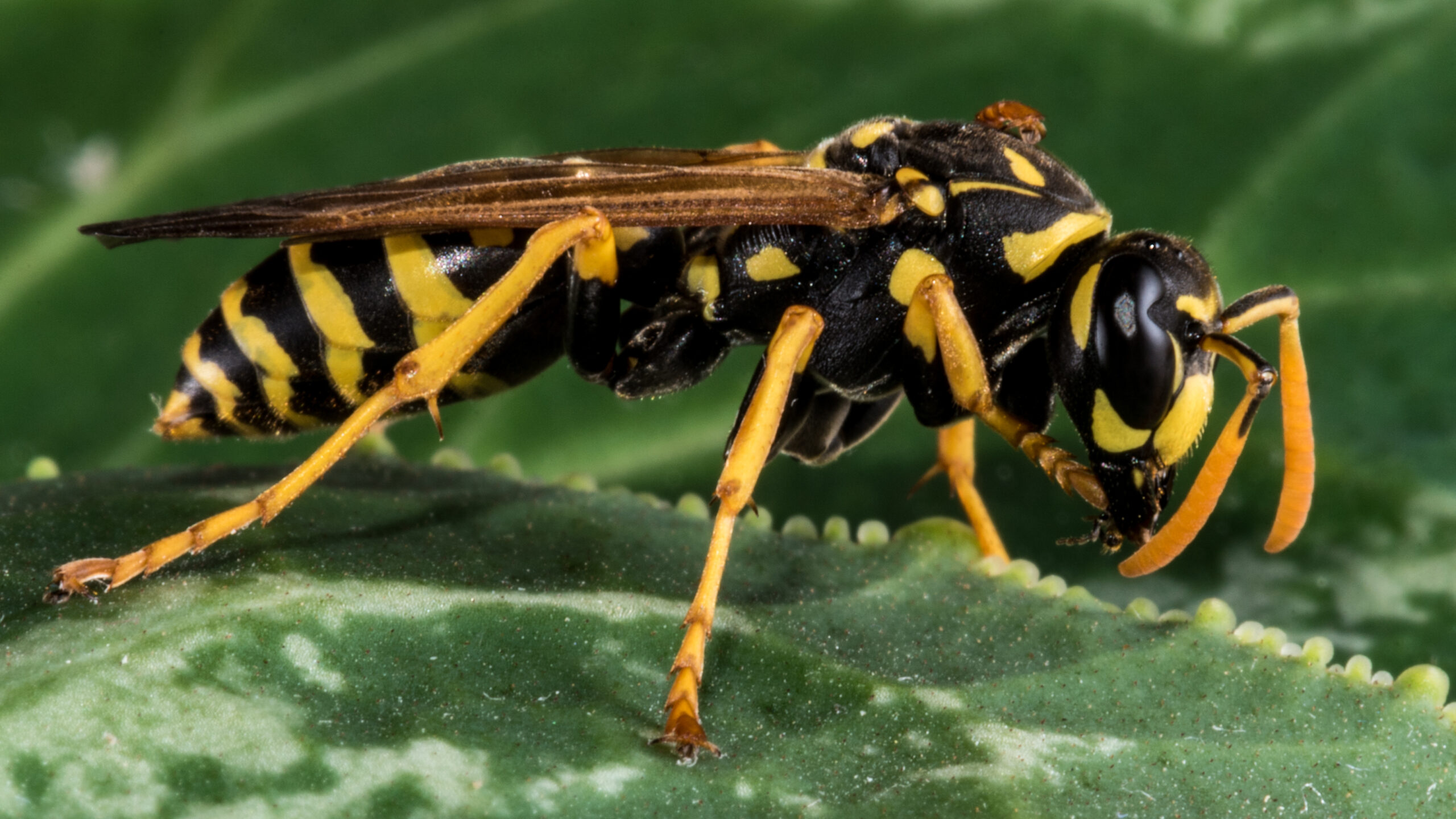
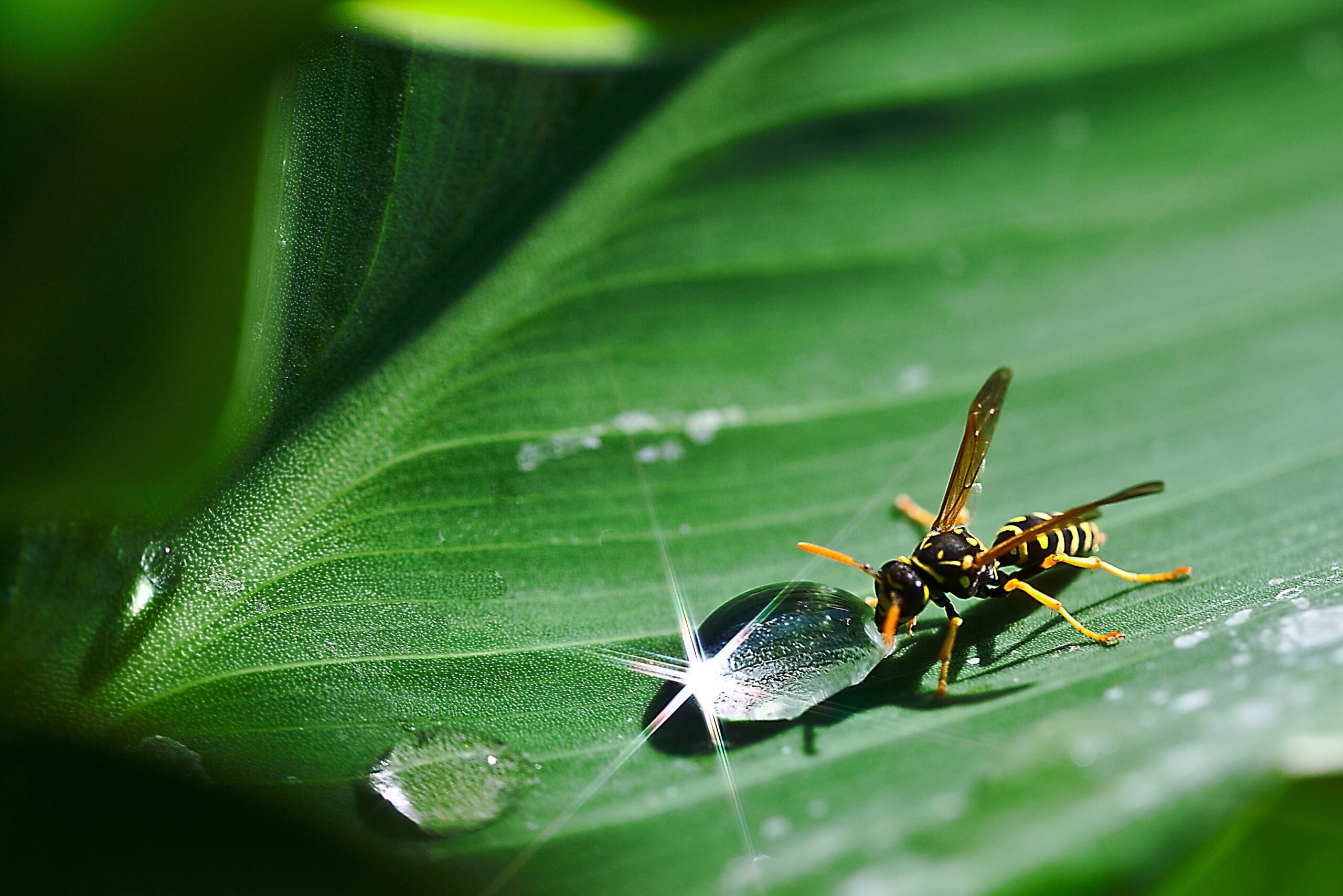
• Paper Wasps – Recognizable by their umbrella-shaped open-comb nests, they typically nest under eaves and ledges. They feed on nectar, small insects, and fruit.
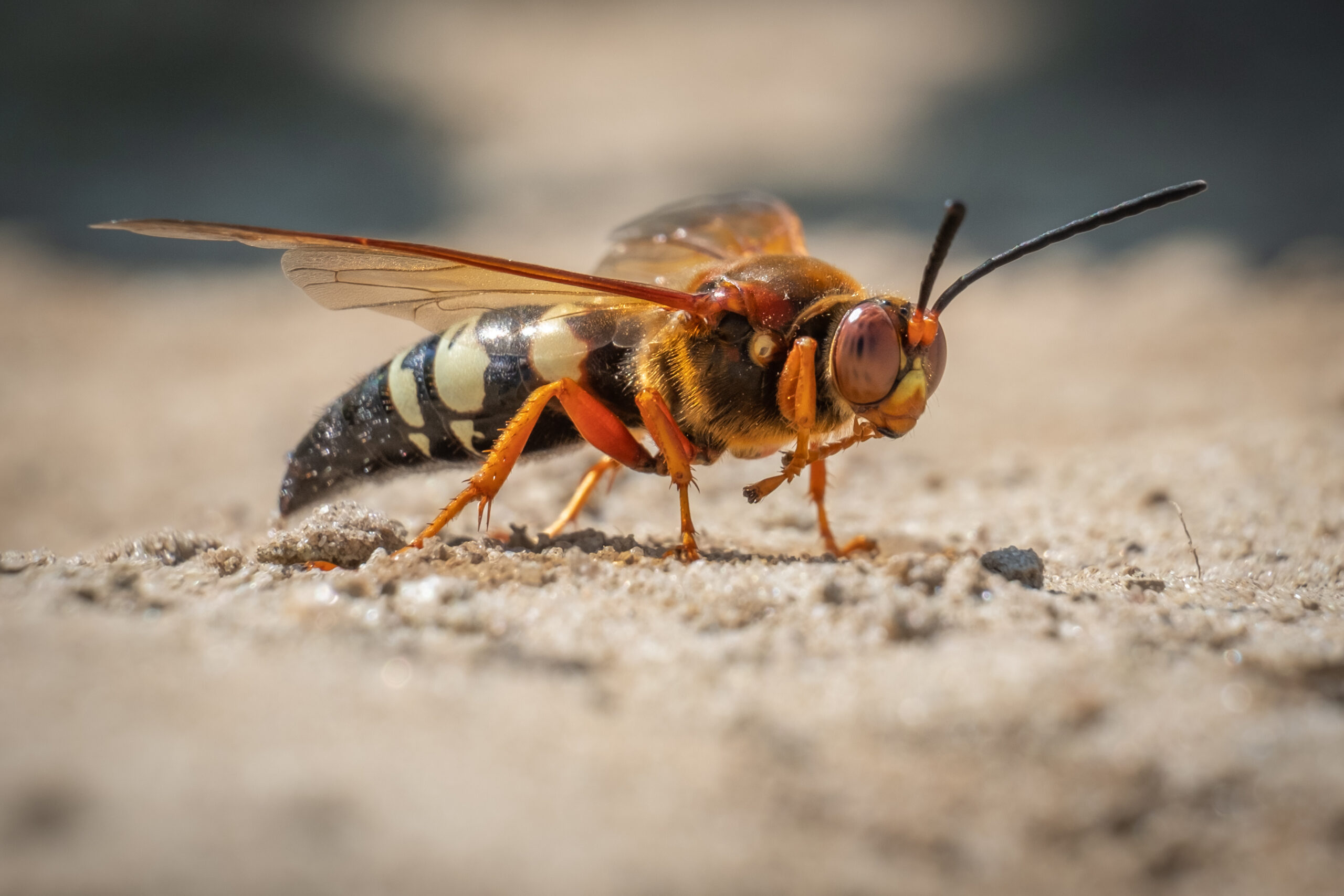
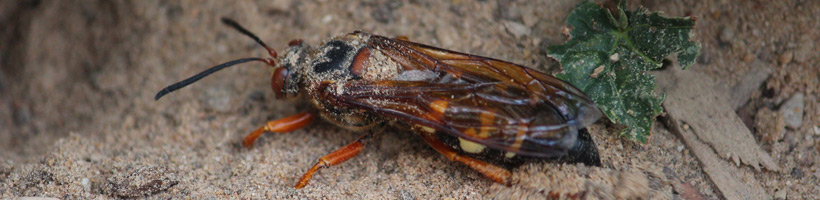
• Cicada Killers – Large solitary wasp species common in the region. Cicada Killers may look intimidating but are generally non-aggressive and rarely sting unless provoked.
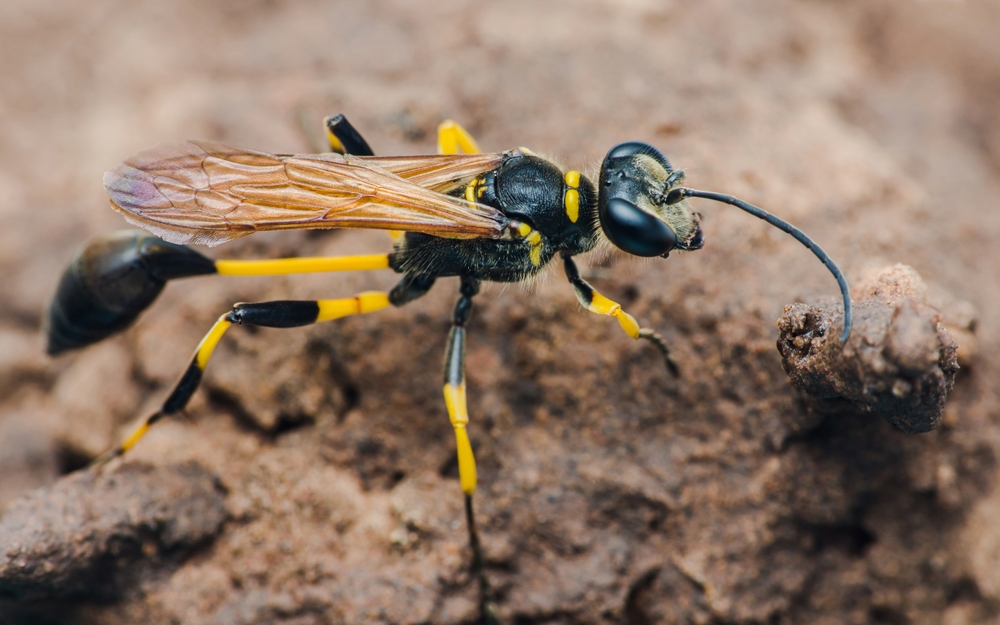
• Mud Daubers – Solitary and less aggressive, these wasps build tube-shaped nests out of mud. They’re known for hunting spiders to feed their young.
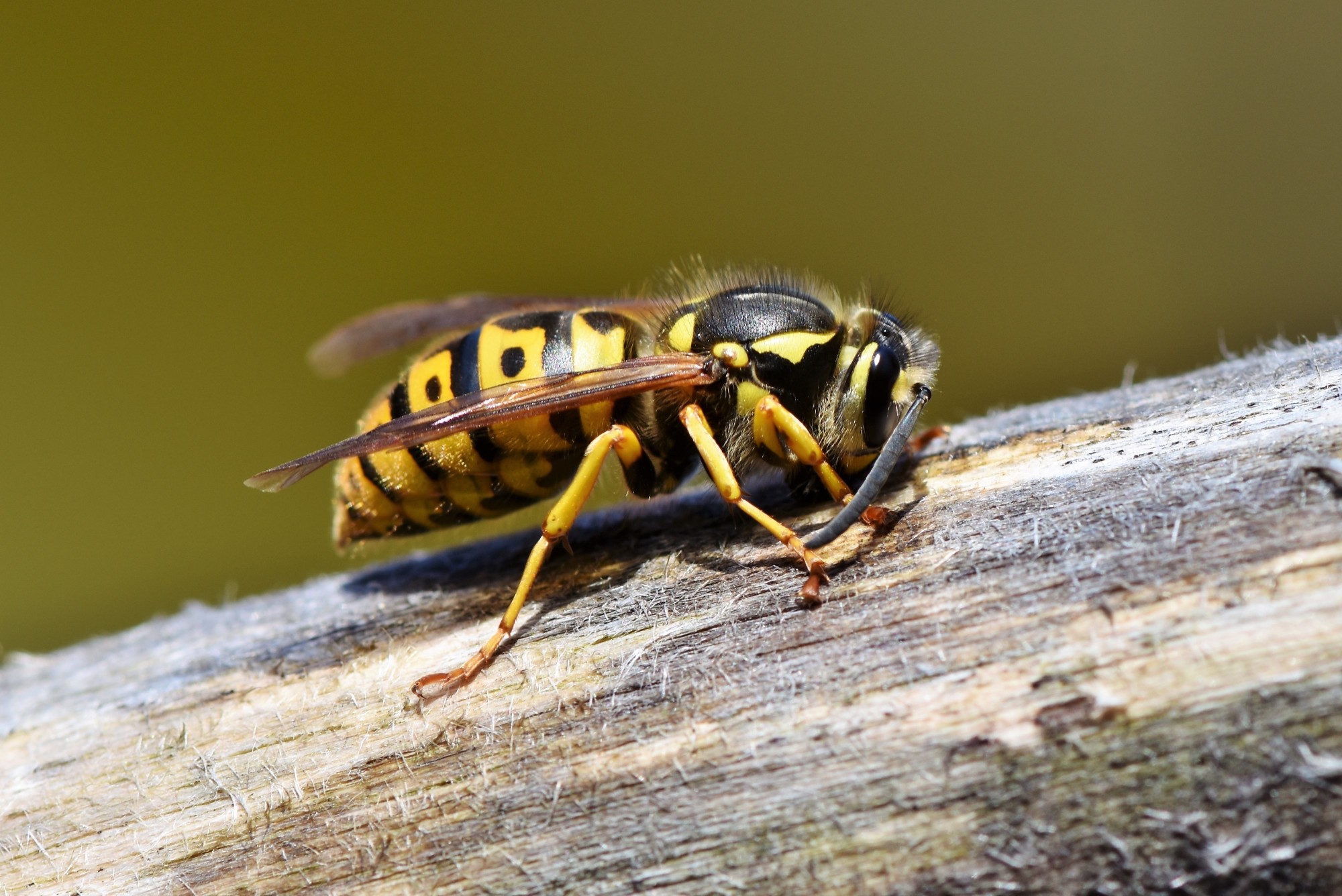
• Yellow Jackets – Highly aggressive and often nesting in the ground or within wall cavities, yellow jackets are frequent uninvited guests at outdoor meals and trash bins.
Knowing the species helps Viking Pest develop precise treatment and prevention strategies that address the unique behavior of each type.
Why Wasps Might Be Targeting Your Yard
There are several reasons wasps are attracted to your yard or home:
• Abundant Food Sources – Open trash, pet food, sugary drinks, or compost can attract foraging wasps. • Water Access – Standing water in birdbaths, gutters, or plant pots is a magnet for thirsty wasps. • Nesting Opportunities – Sheds, attic vents, soffits, and even wall voids provide safe harborage. • Pollinator Activity – While wasps do help control pests, an overpopulation can harm beneficial pollinators like bees, potentially disrupting your garden's ecosystem.
Wasp infestations can escalate quickly, so taking early action is critical.
5 Simple, Effective Tips to Prevent Wasps
Here are five proven steps to help reduce the risk of wasps on your property:
Seal Entry Points: Inspect and seal cracks or gaps in siding, vents, and soffits.
Remove Food Sources: Keep outdoor eating areas clean, tightly seal trash cans, and store pet food indoors.
Eliminate Standing Water: Fix leaks and empty containers that collect rainwater.
Use Natural Deterrents: Plant wasp-repelling herbs like mint, eucalyptus, or citronella near high-traffic areas.
Install Wasp Traps: Set out baited traps early in the season to catch queens before they build nests.
If you're already seeing signs of wasp activity, it may be time to bring in the professionals.
Total Wasp Control with Viking Pest
At Viking Pest Control, we understand the unique challenges of pest control across New Jersey, Maryland's Eastern Shore, Delaware, and Pennsylvania. Our team of local experts uses cutting-edge, eco-friendly solutions to safely remove wasps and prevent their return. We offer customized residential and commercial treatment plans designed around your property’s needs.
Whether you’re dealing with a few foraging wasps or a large hidden nest, Viking has your back. Contact us today to schedule a free estimate and learn how our SMART pest control technologies and family-safe products can protect your home—season after season.
A Guide to Mid-Atlantic Wasps: Types of Wasps and What You Need to Know About Them
Warm weather in New Jersey, Pennsylvania, Delaware, and Maryland means more time spent outdoors — but it also means wasps, hornets, and yellow jackets are becoming active again. Whether you’re grilling in the backyard, gardening, or relaxing on the patio, the last thing you want is to accidentally disturb a nest of aggressive stinging insects.
Not all wasps behave the same way. Some are relatively docile and rarely sting, while others can become highly aggressive if they feel threatened. Knowing which type of wasp you’re dealing with can help you better understand the risks around your home and when it’s time to call the professionals at Viking Pest Control.
Yellow Jackets
Yellow jackets are among the most aggressive stinging insects homeowners encounter. These social wasps live in large colonies and are notorious for defending their nests aggressively. They are easy to recognize by their bright yellow and black coloring and compact bodies.
Unlike bees, yellow jackets can sting multiple times and often attack in groups. Their nests are commonly found underground, inside wall voids, beneath decks, or attached to shrubs and structures around the home. During late summer and early fall, yellow jackets become especially aggressive as food sources become scarce.
If you notice yellow jackets repeatedly flying in and out of the same area of your yard, there’s a good chance a nest is nearby.
Hornets
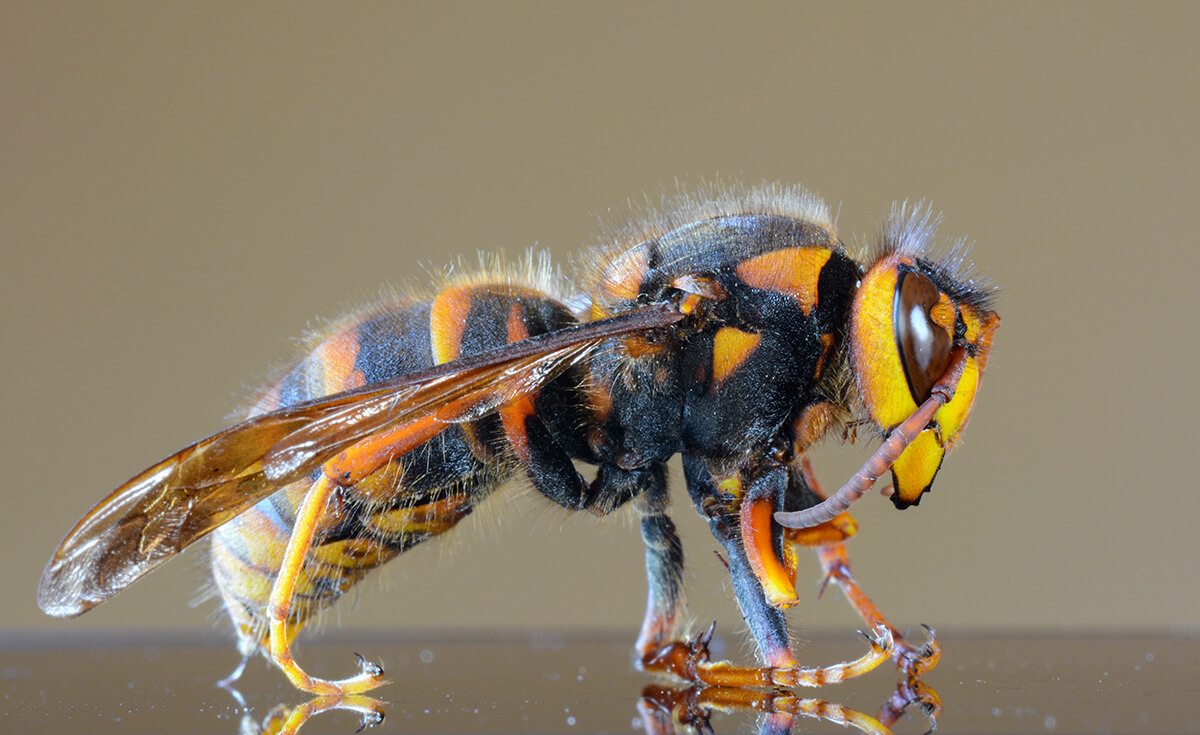
Hornets are technically a type of wasp, but they are larger and often more intimidating than yellow jackets. Most hornets in the Mid-Atlantic region build large, enclosed paper nests high in trees, under rooflines, or attached to homes and sheds.
Hornets are social insects that live in organized colonies with queens, workers, and drones. While they generally won’t sting unless provoked, disturbing a hornet nest can trigger an aggressive swarm response.
Their stings are painful and may be dangerous for anyone with allergies to stinging insects. Because hornet nests are often located high above the ground, attempting DIY removal can be especially risky.
Paper Wasps
Paper wasps are slightly less aggressive than yellow jackets, but they can still sting when they feel threatened. These wasps are known for their long legs, slender waists, and brown or reddish coloring with yellow markings.
Their nests resemble upside-down umbrellas and are often found hanging beneath eaves, porch ceilings, railings, shutters, and deck structures. Paper wasps create these nests by chewing wood fibers into a paper-like material.
While paper wasps tend to be less confrontational away from the nest, they are very protective once someone gets too close to their colony.
Mud Daubers
Mud daubers are one of the less aggressive wasps homeowners may encounter. These solitary wasps build small tube-shaped nests out of mud in garages, sheds, attics, under eaves, and along porch ceilings.
Mud daubers are recognizable by their long, thin bodies and metallic black or blue coloring. Unlike social wasps, they do not live in large colonies and rarely sting humans unless directly handled.
Although they are less dangerous than yellow jackets or hornets, their nests can still become a nuisance around the home.
Cicada Killers
Cicada killers are large ground-nesting wasps commonly seen during the summer months. Despite their intimidating size, these wasps are generally not aggressive toward people.
Female cicada killers dig burrows in the soil and use paralyzed cicadas as food for their young. You’ll often spot them around bare patches of dirt, gardens, sidewalks, or landscaped areas.
Male cicada killers may appear territorial, but they do not have stingers. Females can sting but rarely do unless physically threatened.
Why Wasps Around Your Home Can Become Dangerous
While wasps do help control other insect populations, they become a serious concern when they nest near homes, patios, playgrounds, walkways, or outdoor gathering spaces.
Stinging insects can be especially dangerous because:
Many species can sting multiple times
Some wasps attack in swarms
Their nests are often hidden underground or inside structures
Stings can trigger severe allergic reactions
Aggressive species become more active in late summer and fall
Attempting to remove a nest yourself can quickly escalate the situation, especially with yellow jackets and hornets. DIY sprays often fail to eliminate the entire colony and may provoke surviving wasps into becoming even more aggressive.
How to Help Prevent Wasps Around Your Property
Homeowners can reduce the chances of attracting wasps by taking a few preventative measures:
Keep trash cans tightly sealed
Clean up fallen fruit and sugary spills outdoors
Avoid leaving pet food outside
Seal cracks and gaps around siding and rooflines
Fill ground holes that could become nesting sites
Trim overgrown shrubs and tree branches
Remove old nests during the winter months
Regular inspections around decks, eaves, sheds, and attics can also help catch nests before colonies grow larger.
Professional Wasp Control From Viking Pest Control
If you’ve noticed wasps flying around your property or discovered a nest near your home, it’s best not to take chances. Some species become extremely aggressive when disturbed, and removing nests without proper equipment can be dangerous.
Viking Pest Control has decades of experience helping homeowners throughout New Jersey, Pennsylvania, Delaware, and the Eastern Shore of Maryland safely eliminate wasps, hornets, yellow jackets, and other stinging insects. Our trained technicians can identify the species, locate hidden nests, and provide safe, effective treatment solutions designed to protect your family and property.
Call Viking Pest Control at 800-618-2847 to learn more about professional wasp and stinging insect control services, or get a fast, free quote online today!
How to Get Rid of Cicada Killers, Mining Bees, and Other Ground Bees
What options do home and business owners have for safely and permanently eliminating large populations of cicada killers and ground bees that live rent-free in their yards?
Although cicada killers, mining bees, ground bees, and other stinging insects pollinate plants and aerate the soil, nobody wants a large population of them right outside their back door. People who are allergic to bee or wasp stings could suffer anaphylactic reactions (facial swelling, difficulty breathing, rapid heartbeat).
Also, it's no fun to hold backyard get-togethers or sit on your front porch in the evening when the chance of a bee or wasp attack is all too real. If you're a business owner, customers won't enjoy being chased by buzzing, irate bees while attempting to enter your building.
If you try any of the following bee-eliminating methods, be aware they do involve getting perilously close to bees. For the most part, bees will leave humans alone but when they sense someone invading their personal space--look out! Your risk of suffering a sting or two--or three-- increases dramatically.
Why not play it safe and let Viking Pest handle your bee infestation issues? We use the most effective treatments available to rid your property of stinging cicada killers and ground bees so you don't have to take a chance on riling up (literally!) a hornet's nest.
How to Get Rid of Cicada Killers
A large species of wasp with black, yellow-banded bodies and orange wings, cicada killers can capture cicadas in mid-air and paralyze them with venomous stings. However, cicada killers rarely sting humans unless they are aggressively provoked. But, if you are stung by a cicada killer, the pain and swelling it causes will likely require a doctor's attention.
As diggers and tunnelers, cicada killers can destroy plant root systems and make landscape ground unstable. Getting rid of a cicada killer infestation involves targeting the holes they make in the ground:
After dark, pour boiling water into holes and place containers over the holes. Wasps will either drown or suffocate while trapped under containers. However, boiling water won't kill eggs.
Pour boric acid into holes. While boric acid kills eggs and adult wasps, it won't prevent another group from returning next year.
How to Get Rid of Mining Bees
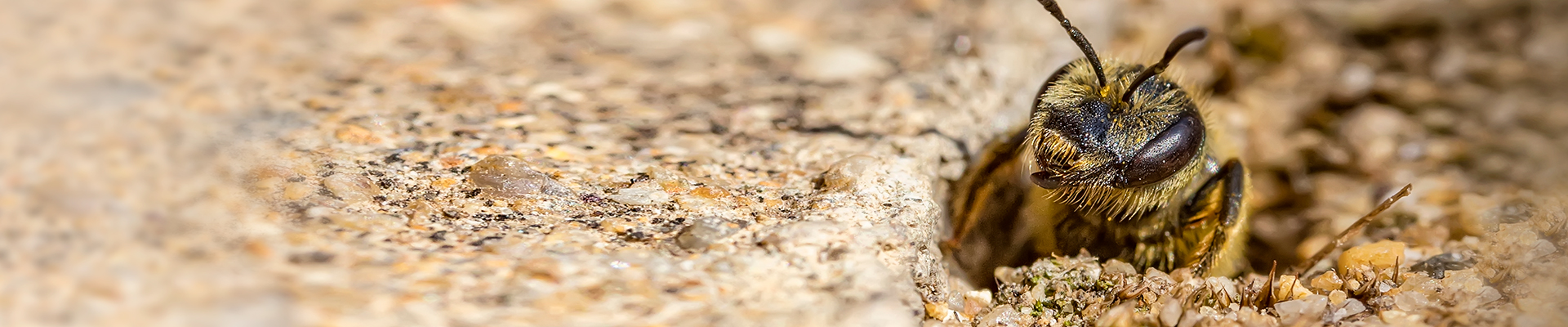
Female mining bees excavate burrows underground in which to lay their eggs. They leave behind mounds of dirt nicknamed "soil volcanoes" that may look like molehills with a hole at the top of the "hill". Although brushing down these soil volcanoes won't get rid of mining bees, they will leave your lawn or garden free of soil volcano eyesores, but only temporarily.
You can try to rid your yard of mining bees by:
Growing geraniums, marigolds, lavender, and other bee-repelling plants around your yard
Letting your lawn remain thicker than normal during spring and summer. Mining bees tend to gravitate towards sparser areas of grass where it is easier to dig into the ground.
Trapping them by placing a stone or brick over the entrance to their burrow.
Although the sting of a mining bee is less painful than the sting of a cicada killer, people who are sensitive or allergic to bee stings could experience serious medical issues if stung by a mining bee.
How to Get Rid of Other Ground Bees
Most bees don't build mud or paper nests under a building's eave or in trees. In fact, 70% of all bee species build nests underground. One of the most common ground bees in the midwestern and northeastern areas of the U.S. is called Colletes inaequalis.
It's a solitary bee but females are famous for their sociable nesting behavior. Hundreds or even thousands of female C. inaequalis bees will build their nests right next to each other, as long as there is enough suitable ground that accommodates their gregariousness.
Methods for discouraging a ground bee takeover of your property include:
Making the ground less attractive to females by irrigating heavily and placing mulch or another ground cover where grass is sparsest.
Mix equal parts vinegar and water and spray where ground bees are nesting. Always wear protection when spraying ground bees with vinegar and water. This spray doesn't provide a contact-kill and will initially agitate them.
Bug zappers won't exterminate the entirety of a ground bee city but may help minimize a large ground bee population.
If Nothing Works to Rid Your Home or Business of Soil Volcanoes and Stinging Bees...
Contact Viking Pest for professional solutions to your most difficult bee problems. Like other insects, a bee's determination to procreate and make thousands of other little bees is often more powerful than bespoke bee repellant. That's why we've developed evidence-based treatments to resolve your most bewildering bee brain-teasers.
Call Viking Today at 800-618-2847 today for professional pest control services or visit us at vikingpest.com.