Making Fleas Flee: Effective Flea Control for Your Home and Pets
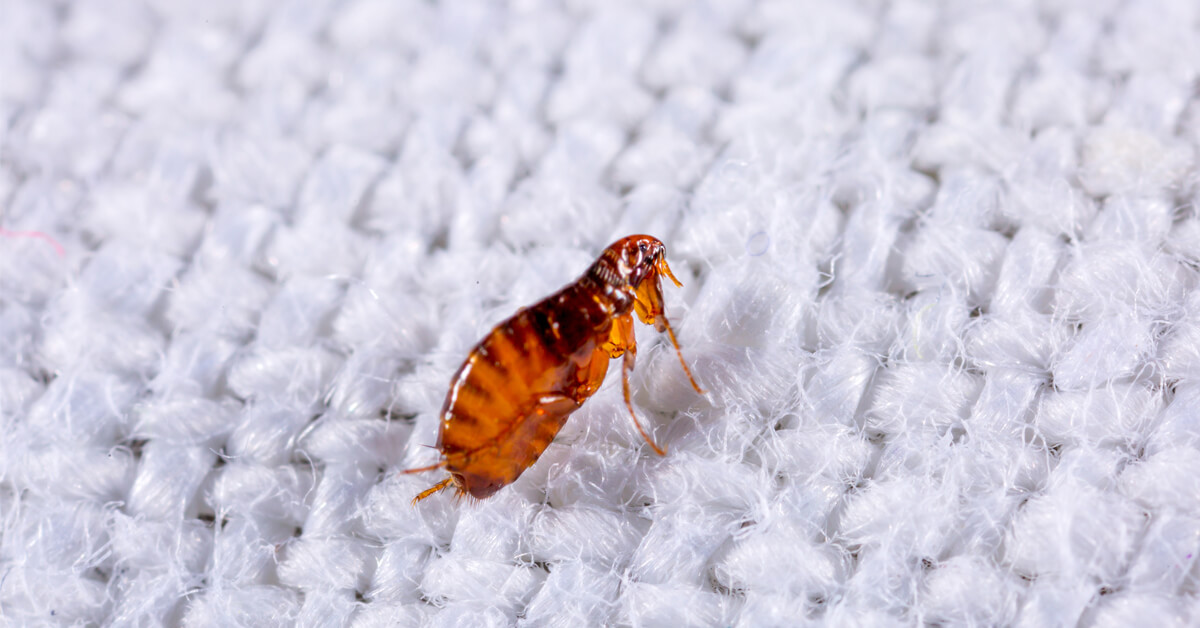
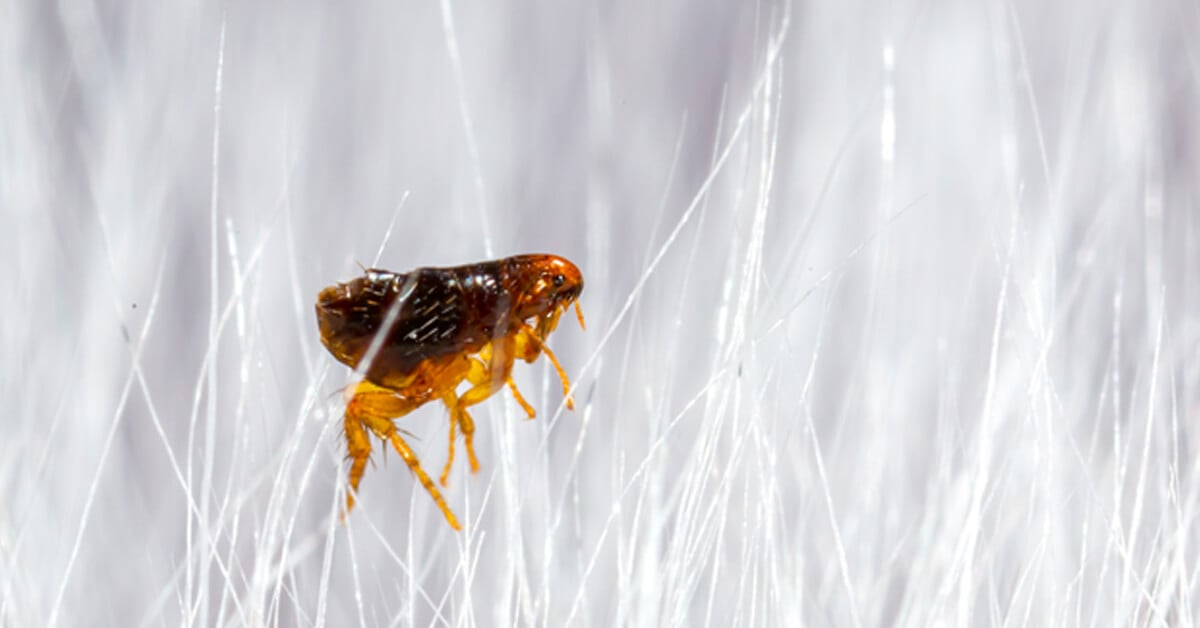
Fleas are one of the most frustrating pests homeowners can face. These tiny parasites are notorious for their rapid reproduction and ability to remain hidden until the infestation is severe. For both homeowners and pest control professionals, fleas can be a serious challenge that requires a combination of strategies to successfully eliminate.
Understanding the Flea Life Cycle
The first step in controlling fleas is understanding how they multiply. Fleas typically lay their eggs on the fur of animals—often our beloved family pets. Female fleas can lay between 25 and 40 eggs per day, totaling up to 200 eggs over their lifetime. These eggs aren’t sticky and easily fall off pets, settling into carpets, bedding, and furniture.
Under warm and humid conditions, flea eggs can hatch in as little as 2 to 5 days. Cooler, drier environments slow this process down. Once hatched, flea larvae feed on organic debris—specifically the dried blood and feces left behind by adult fleas, commonly known as flea dirt.
The most common flea species homeowners encounter is the cat flea. These fleas pass through three larval stages before becoming adults. On average, flea larvae develop over 7 to 14 days, with pupae taking about 1 to 2 weeks to mature into biting adults.
Why Fleas Are More Than Just a Nuisance
Fleas aren’t just irritating—they can also pose real health risks to both pets and people. Fleas are known carriers of harmful parasites and diseases, including:
Dog tapeworm
Murine typhus
Cat scratch disease
Plague
Because fleas can spread these illnesses, effective flea control is critical to protecting your family’s health.
Flea Control Starts With the Source
In most cases, the family pet is the primary source of a flea infestation. It’s essential to work with your veterinarian or a trusted pet care professional for cat or dog flea treatment. Whether it’s shampoos, topical treatments, collars, or oral medications, the right solution for your pet should always come from a professional’s recommendation.
While treating your pets, don’t overlook your home. Daily vacuuming is key to removing flea eggs and larvae and can even encourage flea pupae to emerge sooner, making them easier to eliminate. Be sure to dispose of vacuum bags or empty canisters outside of the home to prevent re-infestation.
Additionally:
Wash pet bedding frequently.
Clean areas where your pets spend time.
Consider using flea traps made from dish soap and water to help monitor and reduce flea populations.
Some homeowners explore natural remedies like diatomaceous earth, salt, and baking soda to help control fleas, though results can vary. Essential oils are sometimes used to repel fleas, but their effectiveness is still widely debated and should be used with caution as a form of dog or cat flea control.
Don’t Forget About Wildlife
Sometimes, fleas enter the home via animals like raccoons, squirrels, or rodents that make their way into attics, crawlspaces, or basements. Sealing potential entry points around your home is a critical step in preventing flea infestations from recurring.
Professional Flea Control
At Viking Pest Control, we understand that every flea problem is unique. There is no one-size-fits-all solution. Our team offers customized flea control treatments for both the interior and exterior of your home to address your specific situation.
It’s important to remember that before any professional flea treatment begins, your pets should be treated first by a veterinarian or pet care expert. Without addressing the source, flea problems will persist no matter how many treatments are applied to your home.
If you're struggling with how to get rid of fleas that just won’t go away, Viking Pest Control is here to help. Contact us today to schedule an inspection and create a flea control plan tailored to your home and family.
Are Flea Bombs Safe for Pets? What Homeowners Should Know About Flea Control
There’s nothing quite like seeing your dog or cat scratching nonstop to make your skin crawl. Fleas are more than just a nuisance for pets in New Jersey, Pennsylvania, Delaware, and the Eastern Shore of Maryland — they can quickly turn into a serious problem inside your home. These tiny pests reproduce rapidly, spread easily, and can create health concerns for both people and animals.
When homeowners discover fleas, many immediately look for a quick DIY solution like flea bombs or foggers. But before setting one off inside your home, it’s important to understand the risks involved — especially if you have pets or children.
What Are Flea Bombs?
Flea bombs, also known as flea foggers, are aerosol pesticide products designed to release chemicals into the air throughout a room. The goal is to kill fleas hiding in carpets, furniture, cracks, pet bedding, and other areas of the home.
While they may sound convenient, flea bombs often create more problems than solutions.
Are Flea Bombs Safe for Pets?
The short answer is no — flea bombs can pose serious risks to pets and people when not used properly.
The pesticides inside flea foggers can leave chemical residue on:
Pet bedding
Furniture
Floors
Toys
Food preparation surfaces
Carpets and rugs
Pets are especially vulnerable because they spend so much time on floors, furniture, and carpeting where the chemicals settle. Dogs and cats may inhale the residue, absorb it through their paws and skin, or ingest it while grooming themselves.
Children are also at increased risk because of their close contact with treated surfaces.
In some situations, improper flea bomb use has resulted in:
Respiratory irritation
Nausea or dizziness
Skin and eye irritation
Poisoning incidents
Fire hazards due to the product’s flammability
Because flea foggers are highly flammable, homeowners must also shut off gas appliances, pilot lights, and electrical ignition sources before use.
Why Fleas Are So Difficult to Eliminate
One of the biggest challenges with flea infestations is how quickly they reproduce.
Adult fleas can lay up to 40 eggs per day. Those eggs fall into carpets, furniture, pet bedding, and cracks throughout the home. Before long, multiple life stages of fleas are developing at the same time:
Eggs
Larvae
Pupae
Adults
This means that killing visible fleas rarely solves the entire infestation.
Even homes without pets can develop flea problems. Fleas can hitchhike indoors on:
Clothing
Shoes
Used furniture
Wildlife
Rodents
Visitors
Pets returning from outdoors
Once inside a warm home, fleas can remain active throughout the year.
Signs You May Have a Flea Infestation
A flea infestation often starts small and becomes overwhelming quickly. Common warning signs include:
Pets scratching excessively
Tiny jumping insects on carpets or furniture
Clusters of itchy bites, especially around ankles
Flea dirt (small black specks) on pet bedding or fur
Fleas visible on socks, rugs, or upholstery
Because fleas reproduce rapidly, spotting even a few may indicate a much larger hidden population.
The Safer Alternative to DIY Flea Bombs
Professional flea control is typically far safer and more effective than using over-the-counter foggers.
At Viking Pest Control, flea treatments are designed to target fleas at every stage of development while minimizing unnecessary exposure risks for your family and pets. Professional flea control also helps identify the underlying causes of infestations, including rodent activity, wildlife issues, or untreated pet areas.
In addition to treatment, homeowners can help reduce flea activity by:
Using veterinarian-approved flea prevention for pets
Washing pet bedding regularly
Vacuuming carpets and furniture frequently
Reducing wildlife activity near the home
Sealing gaps where rodents may enter
Can Pest Control Harm Non-Target Animals?
Many homeowners also worry about how pest control materials may affect wildlife, pets, or birds of prey. Responsible pest management professionals take these concerns seriously.
Modern pest control programs focus heavily on:
Using lower-risk materials
Applying products carefully and strategically
Utilizing tamper-resistant bait stations
Following strict regulations designed to protect non-target species
Professional application is important because improper DIY pesticide use often creates greater risks to pets, wildlife, and the environment than professionally managed treatments.
Professional Flea Control in NJ, PA, DE, and MD
If fleas are taking over your home, don’t risk your family’s safety with ineffective or hazardous DIY treatments. Viking Pest Control provides customized flea control solutions throughout New Jersey, Pennsylvania, Delaware, and the Eastern Shore of Maryland.
Our experienced team can identify the source of the infestation, eliminate active flea populations, and help prevent future outbreaks with effective year-round pest protection.
Call Viking at 800-618-2847 to learn more about flea pest control and extermination services, or get a fast, free quote online today!
Flea Prevention Tips for Homeowners and Pet Owners
Few household pests are as frustrating as fleas. Once they get inside your home, they can multiply rapidly and become extremely difficult to eliminate. While pets are the most common way fleas enter homes, even households without cats or dogs can experience flea infestations. Fleas can hitchhike indoors on clothing, shoes, furniture, or other personal belongings after exposure to an infested area.
For homeowners throughout New Jersey, Pennsylvania, Delaware, and the Eastern Shore of Maryland, early flea prevention is one of the best ways to avoid a widespread infestation later in the year.
At Viking Pest Control, we help homeowners prevent, control, and eliminate fleas before they become a serious problem.
How Do Fleas Get Into Your House?
Fleas typically enter homes by attaching themselves to pets, wildlife, or people. Once indoors, fleas immediately begin feeding on warm-blooded hosts and reproducing quickly.
A single flea can lay up to 40 eggs per day. Those eggs often fall into:
Carpets
Rugs
Pet bedding
Upholstered furniture
Cracks in flooring
Bedding and fabrics
After hatching, flea larvae feed on organic debris and flea droppings before developing into pupae. Once fully developed, adult fleas emerge when they detect warmth, vibration, or nearby hosts.
Because this lifecycle can repeat continuously indoors, flea populations can grow rapidly if left untreated.
Why Fleas Become Worse During Warmer Weather
Although fleas can survive indoors year-round, spring and summer are when flea activity typically increases outdoors. Warmer temperatures and higher humidity create ideal breeding conditions.
Pets spending more time outside during warmer months are more likely to encounter:
Fleas from other animals
Infested grass or landscaping
Wildlife activity near the home
Rodents carrying fleas
Once fleas enter your home, the indoor environment allows them to continue reproducing regardless of the season.
Signs You May Have Fleas
Common signs of a flea infestation include:
Pets scratching excessively
Small dark specks in pet fur (flea dirt)
Tiny jumping insects on floors or furniture
Itchy flea bites on ankles or legs
Pets becoming restless or uncomfortable
The earlier you identify fleas, the easier they are to control.
How to Prevent Fleas in Your Home
Preventative measures are the best defense against a flea infestation.
Flea Prevention Tips
Use veterinarian-approved flea preventatives on pets year-round
Wash pet bedding regularly using hot water
Vacuum carpets, rugs, and upholstered furniture frequently
Bathe and groom pets regularly
Remove leaf piles, brush, and yard debris near the home
Seal cracks and gaps where rodents may enter
Wash clothing immediately after exposure to infested environments
Even homes without pets should remain proactive, especially if wildlife or rodents are active nearby.
What to Do if You Already Have Fleas
Once fleas establish themselves indoors, DIY treatments often only eliminate adult fleas while eggs and pupae remain hidden throughout the home.
To reduce flea populations:
Vacuum thoroughly and often
Wash bedding, linens, and pet items on high heat
Treat pets under veterinary guidance
Clean upholstered furniture and hidden fabric areas
However, because flea eggs and larvae are difficult to fully eliminate without professional treatment, many infestations return quickly after temporary relief.
Professional Flea Control From Viking Pest Control
At Viking Pest Control, we provide professional flea control solutions designed to eliminate fleas at every stage of their lifecycle.
Our flea treatment services include:
Interior flea treatments
Outdoor flea control applications
Identification of infestation sources
Rodent and wildlife prevention recommendations
Year-round pest protection plans
We proudly serve homeowners throughout New Jersey, Pennsylvania, Delaware, and the Eastern Shore of Maryland with effective flea prevention and extermination services.
If you are noticing flea activity in your home or want to prevent future infestations, contact Viking Pest Control today for a professional inspection and customized treatment plan.
How Fleas Could Be Getting Inside Your NJ Home
Fleas are a huge nuisance and present health risk to humans and pets alike. In this blog, we want to discuss the risks factors of having a flea infestation and some of the most common mistakes homeowners make that allow fleas to gain access to their home.
Health Risks Associated With Fleas
Fleas are known to cause allergic reactions, and transmit diseases, and cause health problems such as allergic dermatitis, secondary infections, and tapeworm. Dermatitis is a localized allergic reaction that causes itching and a secondary infection if the skin is broken. Tapeworm is an infection that is spread through flea feces and is a more serious issue; symptoms of tapeworm include nausea, vomiting, abdominal pain, diarrhea, and intestinal inflammation. These parasitic pests can also cause allergic reactions in both pets and humans and transmit diseases like murine typhus and even the plague!
How Long Can Fleas Live Without a Host?
Fleas can live up to two weeks without a host to feed on, but in ideal situations some fleas can live up to one year. .Many people believe that by getting rid of pets in their home, they will get instant relief from fleas, but this is not the case. Without your pets to feed on, the fleas will either go dormant or feed on you and your family members more readily; either way, you will still have to deal with the flea infestation! Another common misconception about fleas is that these parasitic pests only invade homes with pets, but this is not true either! Fleas can jump into your home through an open door or hitch a ride in on invading rodents such as mice, rats, or squirrels.
How Do Fleas Get Inside Your Home?
The most common way for fleas to enter your home, however, is on your pets; your pets pick up fleas while outdoors and carry them indoors on their fur when they come back indoors. To prevent your pets from carrying fleas into your home, treat your cats and dogs with the appropriate, veterinarian-approved flea medication for effective protection against these parasitic pests.
How To Prevent Fleas From Entering Your Home
It is also a good idea to wash all animal bedding on a regular basis, preferably with hot water, and dry it on a high-heat setting, clean pet areas frequently, and vacuum carpets and furniture regularly, removing the vacuum bags used and throwing them out. To eliminate any flea harborage on your property, mow your lawn or a regular basis in order to keep your grass cut short and seal off any crawl spaces under your home or deck where fleas may be lurking. It is also a good idea to take measures to deter wildlife from your yard, as they often carry fleas.
Do Flea Bombs Work?
Fleas are notorious for being extremely difficult to treat; oftentimes, people use flea bomb after flea bomb with little to no success! For the most effective treatment for fleas and guaranteed exclusion, you will need to enlist the help of a professional responsive pest control provider.
How Viking Pest Control Can Help Exterminate Fleas Inside Your Home
Viking Pest Control offers excellent service in the following county areas in New Jersey: Bergen, Essex, Hudson, Passaic, Morris, and Union. We are known for our certified professionalism and customer-satisfaction guarantee and take pride in our ability to help our customers with all of their pest problems! At Viking Pest, we offer a customized flea control program to meet the needs of each individual home in order to completely eradicate all fleas at all stages of development and give you the peace of mind knowing that your flea problem has been solved! Contact us at 800-618-2847 for all of your flea and pest control needs, or request a fast, free flea control quote online today!
Summer Pest Proofing Tips
With the change in seasons comes a change in pests that may be found inside and outside of your home. Each summer brings a whole new array of pests for New Jersey, Pennsylvania, Delaware and Eastern Shore of Maryland homeowners for which they need to be on the lookout. A few of the common summer invaders are fleas, ticks, and stinging insects among many others. To help prevent your home and property from unnecessary pest problems this summer, it is important to learn these summer pest proofing tips for the inside and outside of your home.
Inside pest proofing:
Check all windows to make sure they have screens intact that fit securely with no holes or tears.
Wipe up spills and crumbs in the kitchen as soon as they happen.
Keep all open food stored in containers with tight fitting lids.
Take out the trash regularly and keep it stored in bins with lids that secure closed.
Vacuum regularly to avoid the spread of fleas. This goes for pet and non-pet owners.
Check yourself for ticks as soon as you get back inside after being in an area with tall grass or deep woods. Click here for steps on how to check yourself for ticks.
Outside pest proofing:
Cut back bushes and shrubs so they do not touch the side of your home.
Remove all debris from your yard, especially any wood that is present so that carpenter ants and termites stay away.
Redirect water to flow away from your property to avoid moist conditions which may attract many pests.
Remove any stagnant water which is the breeding grounds for mosquitoes.
Mow your lawn regularly to avoid ticks from hiding in the grass and waiting to hop onto humans or pets.
By following these summer pest proofing tips you should be well on your way to a pest-free summer season in NJ, PA, MD, and DE. But if the summer pests have found their way onto your property or inside of your home, then it is time to contact Viking Pest Control. The NJ, PA, MD, and DE experts in pest control will be able to put a stop to summer pest invaders with guaranteed effective home pest solutions.
Call Viking at 800-618-2847 to learn more about summer pest control and extermination services, or get a fast, free quote online today!