Pest Control During The Philadelphia Garbage Strike
On Tuesday, July 1, 2025, Philadelphia’s trash collectors went on strike. It is everything a pest could ever ask for. Uncollected garbage means free food, and lots of it, piling up across the city. Pests don’t see garbage the way people do; they see a city-sized buffet. Pests will come out of wherever they are hiding to take part in their unexpected bounty. Most pests breed rapidly, but the epic trash buildup could cause populations to grow exponentially. And with those increased populations come increases in pest-related ailments, ranging from diseases to asthma triggers to food contamination. The longer the strike lasts the worse the pest problems will get. This extreme situation will require an aggressive and proactive pest control response if you want to minimize pest-related risks to your Philadelphia home or business.
Rodent Risks Run Rampant
The pest population explosion will be most dire for businesses that produce substantial food waste. Restaurants and grocery stores need to be especially concerned, as there will be exponentially higher pest pressure on their exteriors. It is imperative for food waste to be disposed of carefully in sealed containers whenever possible. Rats can and will chew through thin plastic bags, so bagging will not be enough.
Though preventing pests will be substantially more difficult during and in the aftermath of the strike, customers will still react negatively to signs of pest infestation. Seeing a rat or cockroach in your place of business will still cause significant negative publicity, and, fair or unfair, it’s unlikely that customers will grade you on a curve.
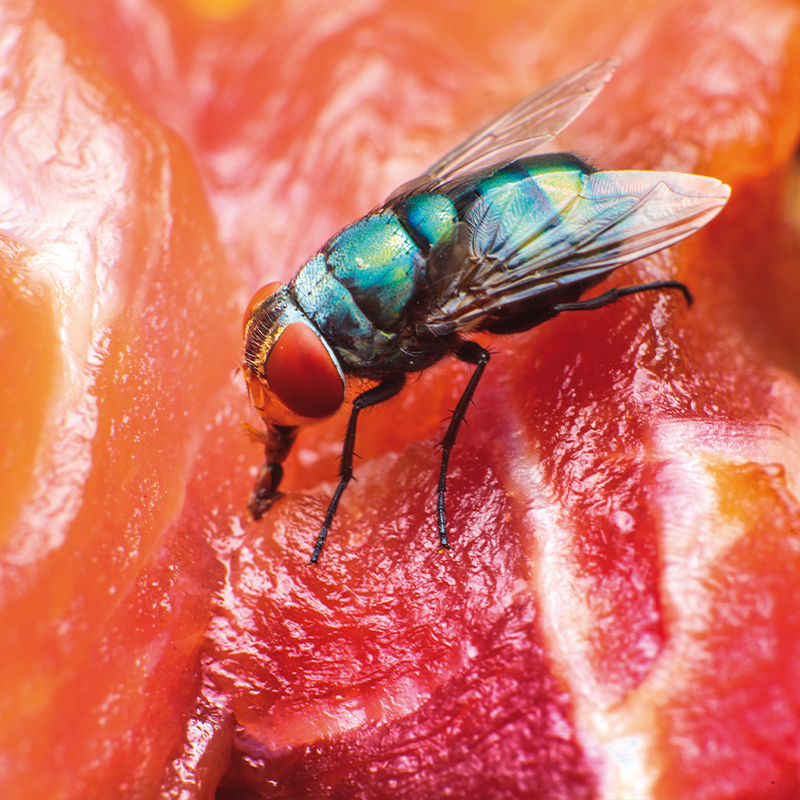
But a substantial increase in pests will do more than reputational damage to businesses. More pests mean more risk of pest-related ailments for you, your family, and your pets. With increases in the number of mice, flies, roaches, ants, and rats in Philadelphia, come the associated health risks. Rats are known for spreading diseases like Salmonella, Leptospirosis, and Typhus. These diseases can spread through contact with urine, feces, or saliva, or by getting bitten. This contamination is especially hazardous on urban streets where the mere act of drinking from an afflicted puddle can make your dog dangerously, potentially fatally sick. Increases in cockroach populations mean more allergic and asthmatic reactions. Flies, among the least sanitary of all pests, are known for spreading Dysentery, gastroenteritis, E. Coli, typhoid, and conjunctivitis.
Anticimex SMART: Modern Rodent Control
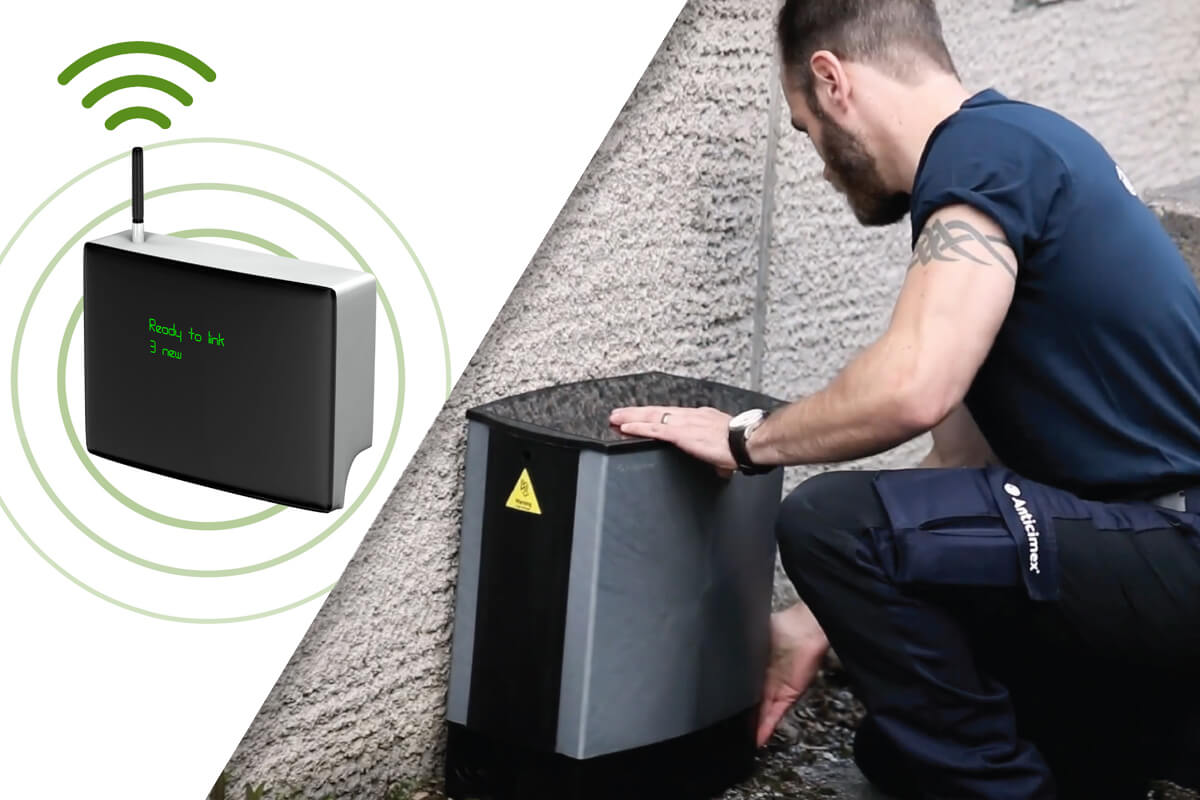
All pests are a threat to home and business sanitation, making it even more important that you keep your space clean and disinfected. The key to staying ahead of this surge in pest activity is quick intervention. Viking Pest Control is the exclusive provider of SMART rodent control in Philadelphia. This advanced pest monitoring system can track rodent activity 24/7, helping to catch infestations early before they can fully begin. If pest populations are allowed to explode, the cost, time, and effort to manage infestations will skyrocket. Waiting until pests have taken root inside your walls, kitchen, or storage areas is a costly mistake. The smartest move is to act now—before pests get the upper hand.
Don't Wait, Call Viking for Professional Mice Control Today!
Viking Pest Control offers expert pest management professionals and proven solutions tailored to this pest control crisis. Whether you’re a homeowner looking to protect your family from rats in Philadelphia or a business owner needing to safeguard your reputation and inventory, our Integrated Pest Management (IPM) approach delivers results that are fast, effective, and environmentally responsible.
We offer discreet, professional service for businesses and comprehensive home protection plans for residences in the Philadelphia area and beyond. With cutting-edge tools, local expertise, and a proactive mindset, we can help you endure this surge and recover quickly.
Don’t wait for the next trash pile to become a breeding ground. Contact Viking Pest Control today for a free estimate and start protecting what matters most.
Ultimate Guide to Fruit Fly Control at Home
Fruit flies may be tiny, but they can quickly become a big nuisance in your home. While buzzing in your face can be annoying, fruit flies can cause much worse problems. As they fly from food source to food source, they can spread foodborne illnesses like E. coli, Salmonella, and Listeria. Getting rid of fruit flies is not just a matter of dealing with an irritation; it’s a matter of keeping a safe and sanitary home.
Where do Fruit Flies Come From?
But where do fruit flies come from in the first place? These pesky invaders often arrive undetected, hitching a ride as eggs or larvae on fresh produce. Homeowners across New Jersey, Pennsylvania, Delaware, and Maryland’s Eastern Shore frequently contact Viking Pest Control for help with fruit fly problems, especially in warmer months when these pests are most active.
Here’s what you need to know about fruit flies and how to keep them out of your kitchen for good.
How Do Fruit Flies Get Into the House?
Fruit flies often enter homes through produce purchased at grocery stores or farmers markets. Eggs and larvae can be present on the surface of fruits and vegetables, even if they look clean. Once inside, fruit flies quickly find food and moisture sources where they can continue breeding.
First Line of Defense: Clean Your Produce
A simple but highly effective way to reduce the risk of fruit fly infestations is to thoroughly wash all produce as soon as you bring it home. Better yet, store fruits and vegetables in the refrigerator when possible. Cold temperatures inhibit fruit fly development and can stop infestations before they start.
The Key to Fruit Fly Control: Sanitation
Harmful products are not necessary for fruit fly control. In fact, the best way to eliminate fruit flies is through good sanitation practices. Fruit fly eggs are typically laid on fermenting organic matter such as:
Overripe fruit
Rotten vegetables
Food residue in garbage containers
Organic scum inside sink and floor drains
To keep your home fruit fly-free:
Clean garbage cans regularly to remove food buildup
Scrub drains with enzyme-based cleaners to break down organic residue
Check under and behind appliances for hidden food scraps
Eliminate excess moisture by drying out damp areas
These simple steps can significantly reduce breeding sites and help prevent future infestations.
How to Get Rid of Fruit Flies Once they Mature
If adult fruit flies are already flying around your kitchen, you have a few options for quick control:
Use 91% Isopropyl Alcohol Spray
Spraying adult fruit flies with 91% isopropyl alcohol kills them on contact. It’s an easy and safe method for immediate relief.
Make a DIY Fruit Fly Trap
Create your own trap using items you probably already have:
Fill a small dish with apple cider vinegar or red wine
Cover the dish with plastic wrap
Poke small holes in the wrap with a toothpick
The fruit flies will enter the fruit fly trap but won’t be able to escape.
Treat Drains with Enzyme Cleaners
An enzyme-based drain cleaner can get rid of fruit flies in your drains without harmful side effects. These products break down the organic materials where flies lay their eggs, cutting off the problem at the source.
Still Seeing Fruit Flies? Viking Pest Can Help.
If your struggling to get rid of fruit flies despite your best efforts, it’s time to call in the professionals. At Viking Pest Control, we specialize in eco-friendly and effective solutions to eliminate fruit flies and prevent them from coming back.
Our Viking Green plans offer unique approaches to pest control with sustainability as a top priority. Our low-to-no-impact treatments and methods make sure that your pest problem gets solved without compromising on sustainability.
Serving homes across NJ, PA, DE, and the Eastern Shore of MD, Viking Pest’s local experts are ready to help you protect your home from fruit flies and other common pests.
Request a free estimate today and let Viking Pest Control help you get back to enjoying a clean, pest-free home!
How to Get Rid of Flies
If you feel like you're waging (but losing) the war on flies in and around your home, you're not alone. There are more than 16,000 known species of flies in North America alone, all of them annoying.
Flies are more than just an annoyance—they also pose a risk to human health. Flies carry microorganisms that can cause medical problems ranging from diarrhea and bloodstream infections to meningitis. Dozens of pathogens are closely associated with fly infestations, including E.coli, staphylococcus, and salmonella, as are diseases such as hepatitis, cholera, and typhoid fever.
Flies are a common nuisance during the warmer months of the year, with fruits flies, houseflies, and sewer flies being among the most common types of flies that plague New Jersey, Delaware, Pennsylvania, and Maryland homeowners. While particularly bad infestations of flies, especially fruit flies, require professional pest control help and the expertise of a seasoned exterminator, learning how to get rid of flies yourself can be useful in some situations.
First Things First: Where Are the Flies Coming From?
Although flies can breed indoors, most get their start outside. For that reason, it makes sense to find the source of the flies afflicting your home before you formulate a battle plan to defeat them.
Flies are attracted to any type of organic matter, especially if it's in a state of decay or decomposition. This means that flies are naturally drawn to your compost pile outback, any type of animal waste, and any sort of rotting fruit or vegetables.
Eliminate flies' happy spot – the spot where they can lay thousands of eggs - and you will see the fly population reduced dramatically. In fact, with the proper steps outdoors, you will have fewer problems controlling flies indoors. Failing to take outdoor fly control into account will undermine successful efforts to curtail the local fly population inside as well as out.
Some more tips for outdoor fly control:
Keep it clean. Begin with your trash cans. Make sure that you use a bleach solution to clean out your trash cans regularly, and keep any type of compost pile or compost bin as far away from your home as possible. Cover your compost bin so that flies can't get inside. If you have pets, be mindful of picking up their waste out of the yard because flies love to blow piles of dog and cat feces.
Know that the enemy of your enemy is your friend. Make your backyard as welcoming as possible to flies' natural predators. Birdhouses and birdbaths attract more birds to your lawn, and birds love eating flies. If you are so inclined, consider attaching a bat house to your roof to attract bats, which are well-known for their capacity to nosh on these six-legged irritants. Depending on a bat's life stage, it can eat up to 4,000 insects in a single night.
Learn to be a bad host. There are certain things that flies detest, and one of those things is pine cleaner. If you have an outdoor fly infestation, which means sooner or later you're going to have an indoor fly infestation, cleaning your porch, patio and siding with pine cleaner is a big detractor to flies. Before attempting this, be sure to test and a noticeable area of your porch or patio to make sure that you do not damage the wood or other materials that it's made from. repeat the application of pine cleaner every few days until the flies realize that your home is an inhospitable environment for them.
Try natural fly deterrents. Flies are also not a fan of certain types of essential oils. Create a DIY fly deterrent spray using a few ounces of essential oils to every gallon of water. Scents that flies hate the most include citronella, rosemary, eucalyptus, lemongrass, mint, lavender, and clove. Another option is to put a few drops of essential oils of your choice on strips of old cloth and hang them near doors and windows or other areas where flies tend to find their way inside.
Indoor Fly Control and Prevention
Inside the home there are several measures that you can take to make your home appear less appealing to flies. First, do your best to keep flies out in the first place by keeping doors and windows shut when possible. Inside cover all food keep trash in a tightly sealed can and clear away any food debris after cooking and serving meals. The goal is to give the flies that come into your home nothing to hey deal find appealing about your home.
Keep a flyswatter on hand to deal with occasional flies that find their way into your home. If you notice a particularly large number of flies coming inside, you can try sticky strips of flypaper, which are available for sale at most big box retailers or hardware stores.
Professional Fly Extermination
The rate at which flies reproduce is nothing short of shocking and underscores the need for effective pest control and a timely call to the exterminator. Take the common fruit fly, which is a particularly bothersome pest in New Jersey. The fruit fly gets its name from its attraction to overly ripe fruits and vegetables, which is also where it likes to lay its eggs. A single female fruit fly lays hundreds of eggs in a very, very short span of time. The eggs that she lays turns into little maggots and those maggots turn into grown flies over the course of just a few weeks. This means that a domestic fruit fly infestation can quickly get out of hand if you don't take steps to control it.
While DIY methods of fly extermination are okay in some instances, calling a professional exterminator is usually the most expedient option to help you get rid of these irritating winged critters. Viking Pest Control is ready to buzz on over to your home to help. Our team is trained in the management and extermination of flies and have proven methods to take care of the little buggers once and for all, including the use of treatments and products that send flies packing. Reach out now - we're ready and eager to help you find a solution for your fly problem.
For a free fly control quote call Viking Pest at (800)618-2847 or visit vikingpest.com.
Keeping Essex County Flying Insects Out of Your Home
Are you dealing with a swarm of fruit flies in your Montclair home? Do bottle flies keep showing up in your Livingston home? Are you fighting gnats in Glen Ridge? It isn’t surprising. Fly infestations are a problem throughout Essex County. But they don’t have to be. There are actually a few simple ways you can protect against house flies, bottle flies, fruit flies, gnats, and more. Take a look.
Before Flies Get In
We often deal with flies “after” they are a problem. We swat them with a swatter. We string fly tape from the ceiling. And we put out jars of apple cider vinegar to reduce populations. But these are not the best way to deal with flies. By the time you apply these fly control methods, these insects have already had a chance to spread harmful bacteria around your home. Try these tips to keep them from coming in, in the first place:
Make sure all exterior trash is in sealed containers. This will prevent the smells from luring flies onto your property. Fewer flies around the outside of your home will help to reduce unwanted entry through open doors.
Screens are your frontline defense against flies. Do routine inspections, and repair any damaged screens.
Put compost well away from your foundation perimeter. Flies are drawn to compost.
Sometimes we accidentally carry flies in. This is especially the case with fruit flies and fungus gnats. When you purchase fruit, be sure to put that fruit in the fridge instead of on the kitchen table. This will prevent any fruit fly eggs from hatching in your home. If you have potted plants that you bring inside during the winter, be aware that this can bring fungus gnats into your home.
Partner with a pest management professional to reduce ALL insect pests around your home.
At Viking, we offer Home Protection Plans to reduce and eliminate unwanted bugs, insects, and rodents.This program includes careful inspections, preventative measures, pest management reports, and unlimited service requests throughout the year for covered pests under your plan. While flies are not a major threat, there are many other pests that can present a significant danger to your health, belongings, and home equity. Consider scheduling a no-cost, no-obligation inspection and find out what pest pressures you’re dealing with. Give us a call to get started.
Call Viking at 800-618-2847 to learn more about our flying insect control and extermination services, or get a fast, free quote online today!
Why You May Not Know About Fruit Flies
What do you know about the humble fruit fly, besides the fact that they drive you nuts and breed like crazy? Are you aware that your home can be completely fly free and still get an infestation of fruit flies? Do you know that some of the fruits you purchase from the grocery store already have eggs on them? These are fairly common facts. But we’re betting that the fact that we are about to cover in this article is one that you don’t know. What’s worse, is that it is a fact every family should know about these tiny little pests. But, unlike those 60-minute infomercials on television, we’re not going to make you wait sixty minutes to find out what it is. We’re going to tell you right out of the gate and get to the business of figuring out how we can protect your family.
What Do Fruit Flies Look Like?
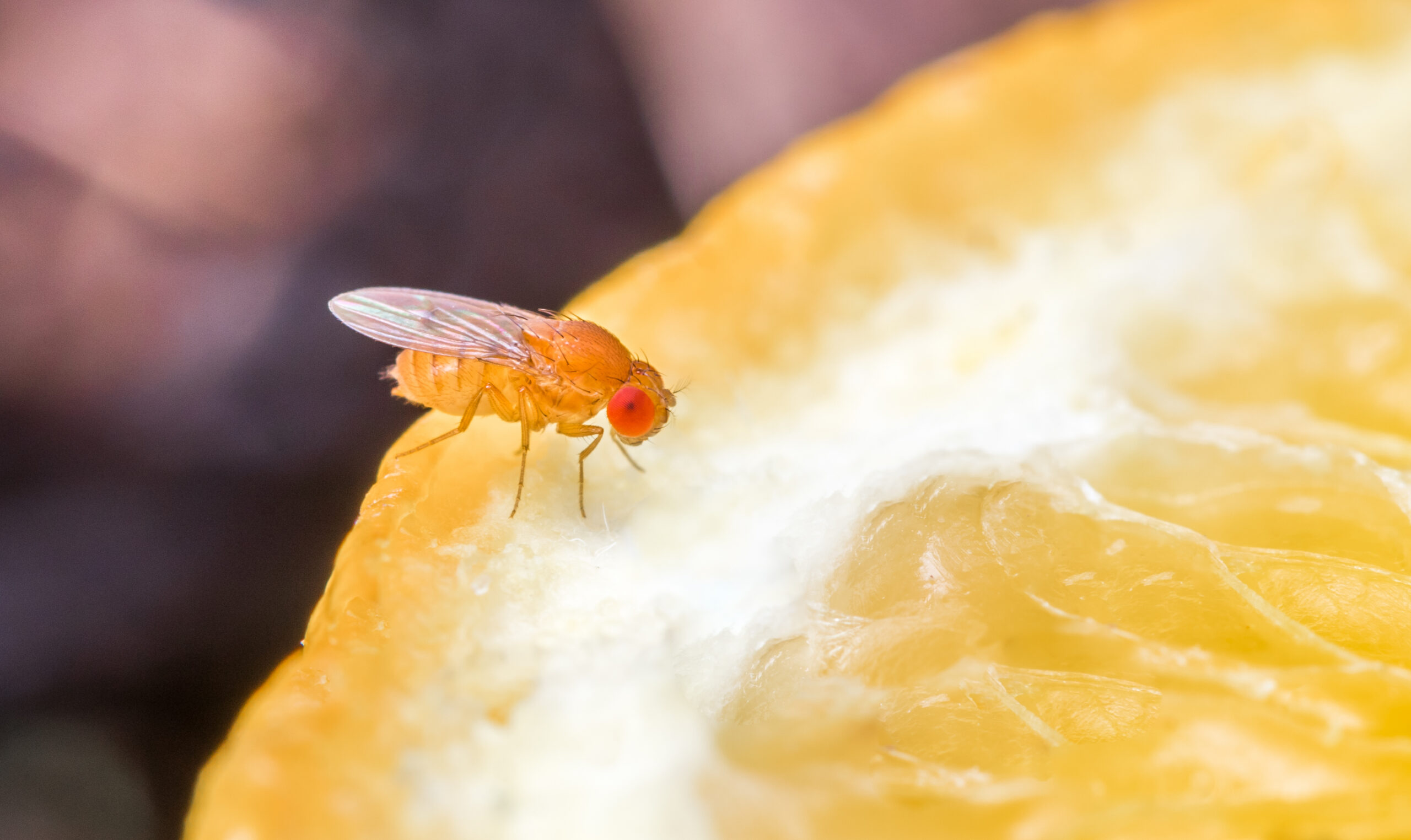
Fruit flies have a hairy body and sticky feet. These two attributes can make them a danger in your home. If they have access to dirty things, they can spread harmful bacteria to your family (like a bee pollinating flowers). There are many ways this can play out. The most common is when fruit flies walk around in your trash and then walk on your cooking surfaces, toothbrushes, plates, and glasses. If you have a trash can in your kitchen that doesn’t make a good seal when closed, this is a real hazard.
Can Fruit Flies Spread Disease?
Sometimes this spread of illness is started by something rare, like replacing a refrigerator and leaving the old refrigerator in your house with the door closed. Fruit flies breed in rotting organic material and you would be amazed how little material they need.
When fruit flies spread harmful bacteria you may not even know it. You might ask, “If I don’t know it, why should I care?” Oh, you’ll know something is wrong. You may just miss the fact that it was fruit flies that caused it. You may think those abdominal pains and frequent trips to the bathroom are just the symptoms of a cold. When your kids get a fever and have to vomit, you’ll probably think they have the flu. It is hard to make the connection between fruit flies and illness.
How to Get Rid of Fruit Flies?
If you find one fruit fly or a thousand fruit flies, here are the steps you can take to get rid of them.
Get a flip top garbage can that seals.
Clean all the surfaces in your kitchen and look under the fridge for the remains of an old juice spill. This happens more often than you might think.
If you have old fruit on the counter, throw it away or put it in the fridge. When that fridge is plugged in, it is the best place to store your fruit before you eat it.
Swap out old sponges with new ones.
Be sure you don’t have anything rotting in your potato storage area. Yes. Fruit flies like potatoes.
Clean dishes that are sitting on the counter.
Put down some fruit fly traps. The more traps you have, the faster you’ll stop the problem. Look online for instructions on how to build a fruit fly trap that uses vinegar and dish soap.
If you continue to get fruit flies, give us a call, and we’ll send a certified professional, who will be able to help you identify breeding areas in your home and take care of the problem. Fruit flies may be tiny, but they can be a big problem.
Call Viking at 800-618-2847 to learn more about pest control and extermination services, or get a fast, free quote online today!
Cluster Flies Seek Winter Refuge Indoors
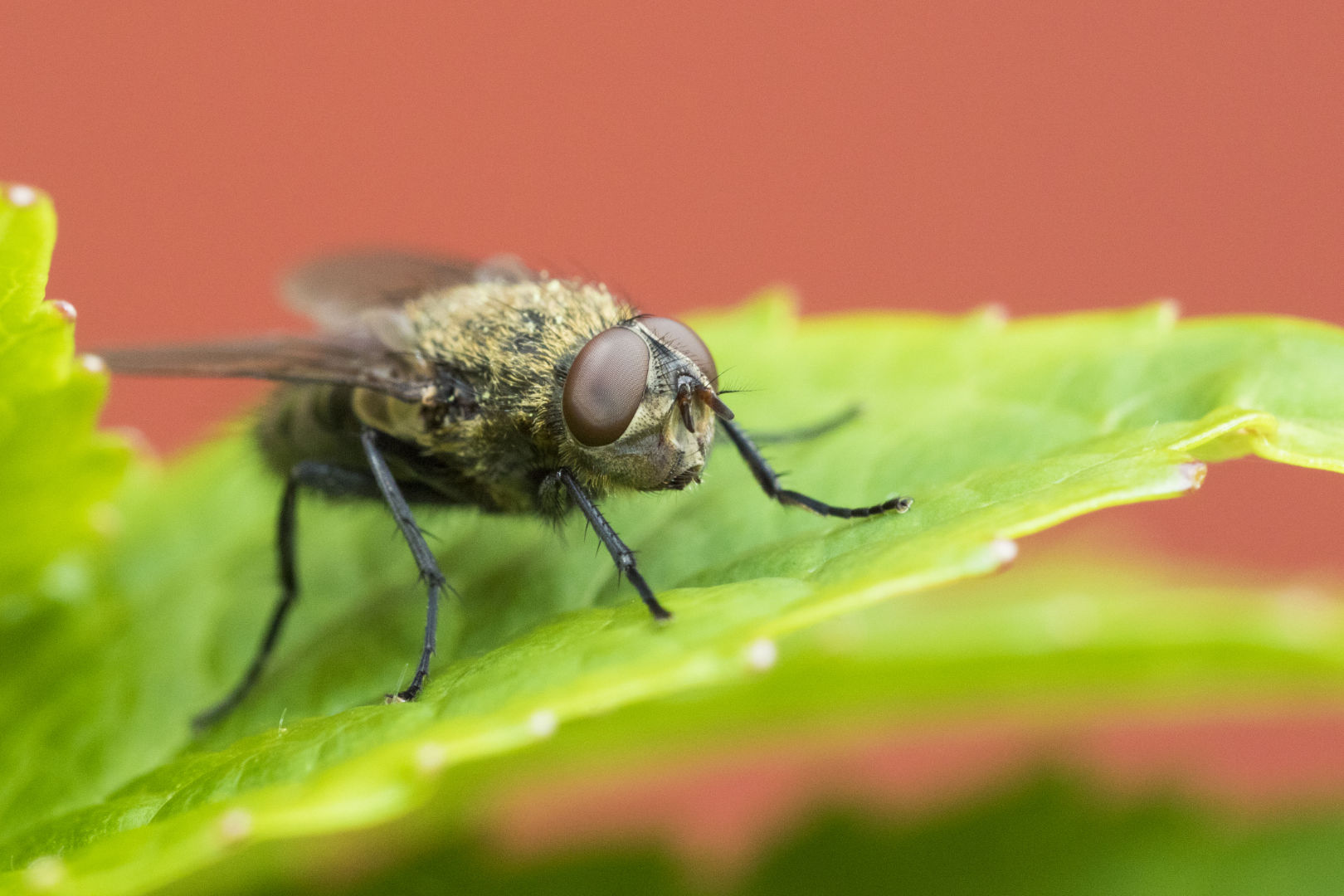
Looking like overgrown house flies, cluster flies are often mistaken for their slightly smaller cousins. Dull gray with black markings, cluster flies have golden hairs on their thorax which can give them a slightly golden sheen. As summer ends, adult cluster flies increase in number as the final brood of the summer reaches maturity. Toward the end of September, cluster flies begin to search for a warm place to spend the winter. Like stink bugs, box elder bugs, and Asian lady beetles, cluster flies can become a serious nuisance problem in the fall, your local pest control experts at Viking Pest Control warn. Like other overwintering insects, cluster flies begin to enter New Jersey, Pennsylvania, Delaware, and Eastern Shore of Maryland homes and businesses in early fall to overwinter in wall voids, storage rooms, basements, attics, etc.
What Happens to Flies in the Winter?
These flies spend the winter in a semi-dormant state, but may leave their winter hiding places to sun themselves on south and west facing walls and windows on warm winter days. In multi-storied apartment buildings, condominiums, and office buildings, cluster flies, which tend to migrate upwards, may congregate on upper floors where they can become a considerable nuisance problem during the winter.
Unlike common house flies, cluster flies do not breed in garbage, animal waste, or other types of filth. Cluster flies are earthworm parasites. Adult flies lay their eggs in the soil. Once hatched, the maggots seek out and feed on earthworms until they reach maturity. Three to four generations typically develop each season. Cluster flies do not feed or breed during the winter months. Like other overwintering NJ, PA, MD, or DE insects, cluster flies leave their winter resting places in the spring and return to the outdoors.
Controlling cluster flies is best done in late summer well before they begin to seek winter shelter. Your local pest control professionals at Viking Pest Control can treat the exterior of your home or business to discourage cluster flies and other overwintering insects from invading your property.
Call Viking at 800-618-2847 to learn more about cluster fly pest control and extermination services, or get a fast, free quote online today!