Mosquitoes and ticks are more than just annoying outdoor pests. These biting insects are known carriers of serious diseases that can affect both humans and pets throughout the Mid-Atlantic region and beyond.
From itchy mosquito bites to potentially dangerous tick-borne illnesses, understanding the risks and taking preventative action can help keep your family safer outdoors.
Why Mosquitoes and Ticks Are Dangerous
Mosquitoes and ticks are considered disease vectors, meaning they can carry and spread bacteria, viruses, and parasites through their bites.
While many bites only cause mild irritation, others may expose people to serious illnesses that can lead to long-term health complications or, in rare cases, death.
As mosquito and tick populations continue to increase in many areas, the risk of exposure to these diseases also grows.
Common Mosquito-Borne Diseases
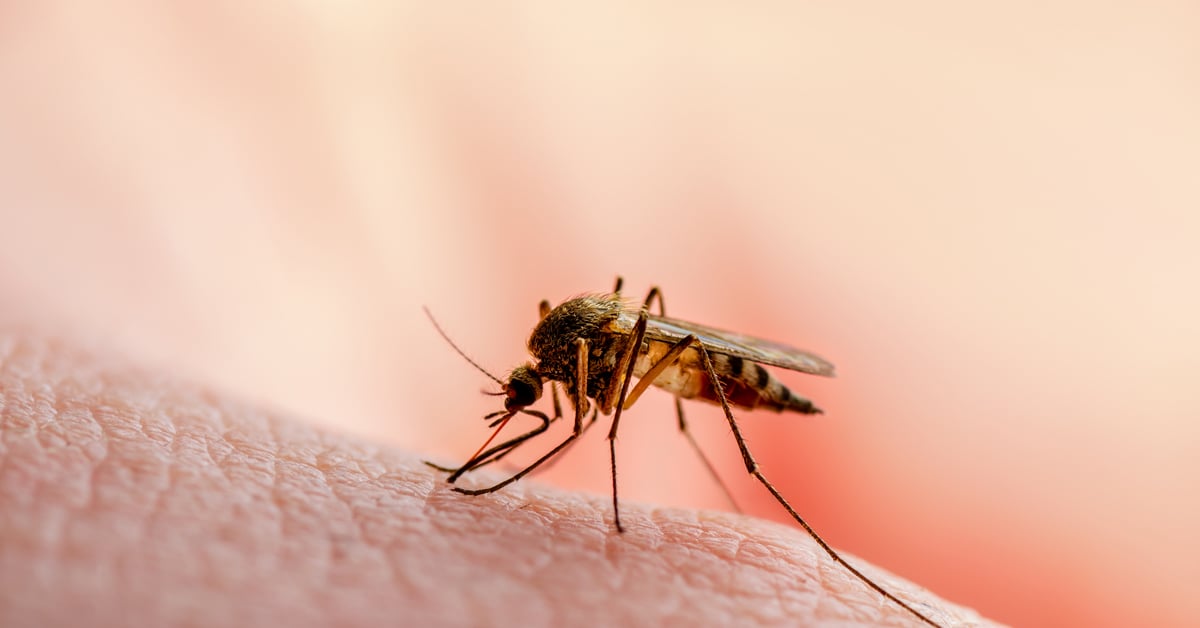
Mosquitoes are responsible for spreading several diseases worldwide. Some are more common in tropical regions, while others have been reported throughout the United States.
West Nile Virus
West Nile Virus is one of the most common mosquito-borne illnesses in the United States. It spreads between birds and mosquitoes before being transmitted to humans.
Many people experience mild or no symptoms, but severe cases can affect the nervous system and cause inflammation of the brain.
Common symptoms include:
Fever
Headaches
Fatigue
Rash
Body aches
Eastern Equine Encephalitis (EEE)
EEE is a rare but serious viral disease spread by mosquitoes. Though uncommon, cases have been reported in the Northeast, including New Jersey.
Symptoms may include:
Fever
Severe headache
Confusion
Seizures
Neurological complications
Young children and older adults are often at greater risk for severe illness.
Zika Virus
Zika Virus usually causes mild symptoms, but it can be especially dangerous during pregnancy due to the risk of birth defects.
Symptoms may include:
Fever
Rash
Joint pain
Red eyes
Dengue Fever
More common in tropical and subtropical regions, dengue fever causes flu-like symptoms and, in severe cases, can become life-threatening.
Symptoms include:
High fever
Severe headaches
Vomiting
Muscle and joint pain
Malaria
Although less common in the United States, malaria remains one of the world’s most serious mosquito-borne diseases.
Symptoms include:
Fever and chills
Sweating
Fatigue
Headaches
Nausea
Without treatment, malaria can become life-threatening.
Common Tick-Borne Diseases
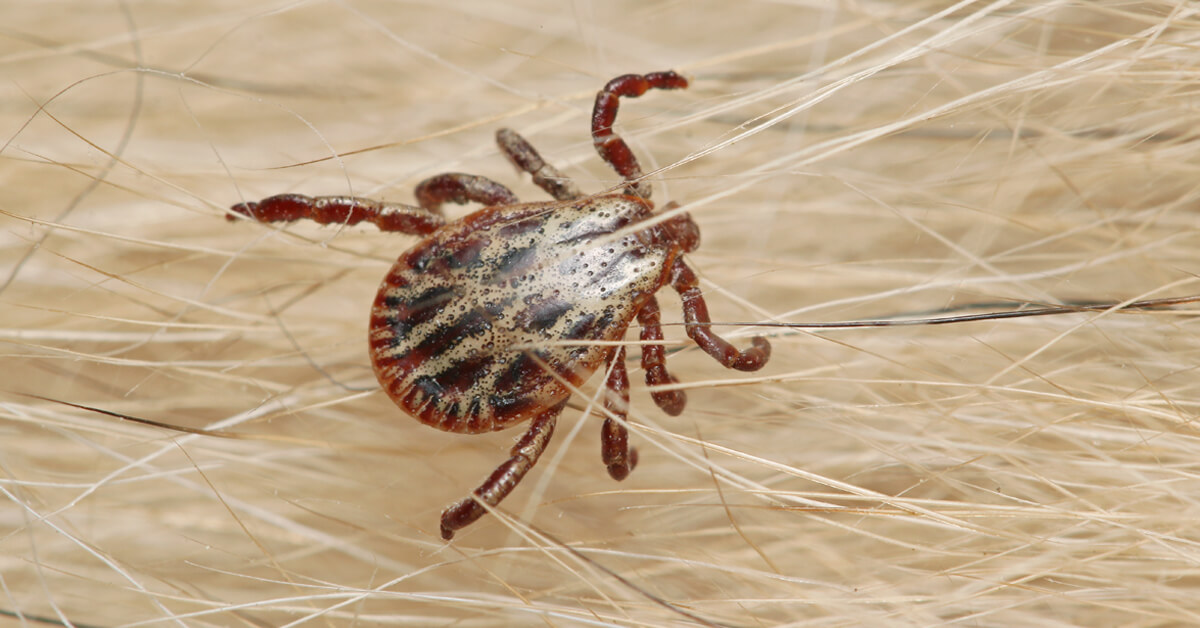
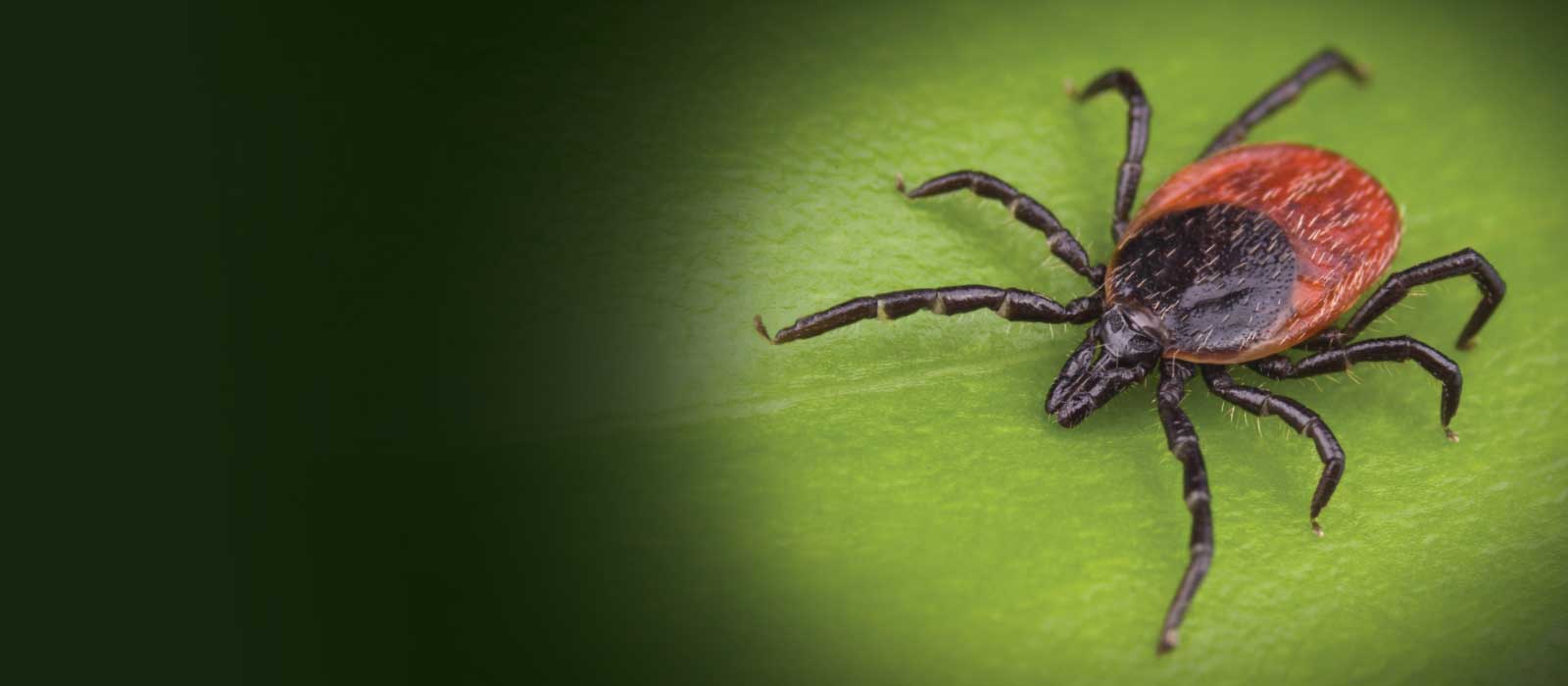
Ticks are another major concern throughout the Northeast and Mid-Atlantic region. These pests attach to humans and animals to feed on blood and may spread dangerous illnesses while feeding.
Lyme Disease
Lyme disease is one of the most common tick-borne illnesses in the United States, especially in Pennsylvania and New Jersey.
Common symptoms include:
Bullseye rash
Fever
Fatigue
Joint pain
Muscle aches
If left untreated, Lyme disease can lead to long-term neurological and joint complications.
Rocky Mountain Spotted Fever
This bacterial disease can become serious if not treated early.
Symptoms may include:
Fever
Headaches
Muscle pain
Rash
Ehrlichiosis
Ehrlichiosis is another bacterial illness spread through tick bites.
Symptoms often include:
Fever
Chills
Headaches
Muscle aches
Babesioisis
Babesiosis is caused by parasites that infect red blood cells and is becoming more common in parts of the Northeast.
Symptoms may include:
Fatigue
Fever
Sweats
Muscle aches
How to Reduce Mosquito and Tick Activity Around Your Home
Reducing exposure starts with limiting pest activity around your property.
Mosquito Prevention Tips
To help reduce mosquitoes around your home:
Eliminate standing water
Clean gutters regularly
Repair damaged screens
Wear insect repellent outdoors
Avoid outdoor activity during dawn and dusk
Keep grass and landscaping maintained
Mosquitoes breed in standing water, even in small amounts found in buckets, birdbaths, flowerpots, and clogged gutters.
Tick Prevention Tips
To reduce tick activity:
Keep grass trimmed short
Remove leaf litter and brush
Trim shrubs and overgrown vegetation
Wear long sleeves and pants outdoors
Check clothing, pets, and skin after spending time outside
Ticks commonly live in wooded areas, tall grass, and dense vegetation.
The Importance of Professional Mosquito and Tick Control
While preventative steps can help, professional mosquito and tick treatments can significantly reduce pest populations around your home.
Regular treatments can:
Target mosquito resting and breeding areas
Reduce active tick populations
Help lower the risk of bites
Improve outdoor comfort throughout the season
Professional pest control can also identify problem areas around your property that may be contributing to increased mosquito or tick activity.
Protect Your Yard and Family This Season with Viking Pest Control
Mosquitoes and ticks are more than seasonal nuisances — they can pose real health risks to your family and pets.
By staying proactive with prevention, reducing breeding areas, and addressing pest activity early, you can enjoy your outdoor spaces with greater peace of mind throughout the warmer months.
How to Get Rid of Ticks in Pennsylvania
Ticks aren't just annoying pests. These small insects can carry a variety of dangerous diseases that threaten animals and humans, and they are unfortunately prevalent in the Keystone State. In fact, Pennsylvania is the Lyme Disease capital of the United States.
If you're wondering how to get rid of ticks and keep them away, there are several things you can do to protect your pets and family.
Read on for some insightful tips that will teach you how to say goodbye to ticks once and for all.
Clean Everything Frequently
Ticks like to hitch a ride on pets, clothing, and soft surfaces. To prevent ticks from affecting your Pennsylvania home, clean all clutter so they don't have anywhere to hide.
Any time you come inside, wash all clothing in hot water. Check your shoes and socks to make sure that ticks have not attached themselves to your feet or ankles. Vacuum carpeting and furniture frequently to capture any ticks that might be hiding in those areas.
Learn How to Get Rid of Ticks on Your Pets
If you have pets, it's crucial to check and treat them for ticks as often as possible. Start by combing their fur using a special comb that "weeds" and pulls the ticks out off their coat.
Treat your dog or cat using a topical product that's specifically designed to kill ticks. If you're not sure what to use, ask your veterinarian for recommended products that work. Continue to check and treat your pet and consider a tick-repelling collar if your pet spends a lot of time outside.
Consider Professional Tick Treatment
Pennsylvania homeowners can contact Viking Pest Control to help them say goodbye to the threat of disease-carrying ticks. With the Last Bite service, you'll get effective protection that lasts.
Last Bite Mosquito and Tick Protection will reduce the population of these pests so you can enjoy spending time outside. The service features five scheduled treatments throughout the warm months so ticks stay away for good. A Viking Pest technician thoroughly inspects your property and then treats all the areas where ticks can hide.
Don't Take Chances With Ticks: We Have Tick Exterminators Ready for You
Ticks carry dangerous pathogens that can pose a serious threat to your health and well-being. Some ticks can transmit Lyme disease to humans, a serious and chronic illness that's very difficult to treat.
Besides Lyme disease, different species of ticks carry and transmit a wide range of other dangerous diseases. Don't be a victim of these biting pests that can threaten the health of the ones you love. By learning how to get rid of ticks, you can enjoy the great outdoors again.
You Don't Need to Deal With Ticks Alone: Call Viking for Professional Tick Control
Once you know how to get rid of ticks, it's important to continue the process every season. With a thorough cleaning and professional treatment, you won't need to worry about ticks in your Pennsylvania home.
Make sure your pets have the proper tick prevention regimen, too. Viking Pest is the expert in tick control in Pennsylvania.
To ensure your family is safe from ticks, contact Viking Pest Control and schedule our Last Bite service today!
How to Avoid Mosquito Bites
Mosquitoes are more than a summer nuisance in New Jersey, Pennsylvania, Delaware, and the Eastern Shore of Maryland—they’re persistent, aggressive biters that can quickly take over your outdoor spaces. And because they can carry diseases, avoiding bites isn’t just about comfort, it’s about protecting your home environment.
The reality is that most mosquito problems don’t start with “bad luck.” They start in backyards that accidentally give mosquitoes everything they need to thrive. The good news is that with the right prevention steps—and professional help—you can take that advantage away from them.
Why Mosquitoes Keep Showing Up Around Your Home
Mosquitoes are driven by three things: water, shelter, and people.
They breed in stagnant water, rest in shaded landscaping during the day, and feed on humans and pets at dawn and dusk. That means even a well-kept yard can become a hotspot if a few key conditions are ignored.
In the Northeast, frequent rain, humid summers, and dense suburban landscaping make mosquito control an ongoing challenge rather than a one-time fix.
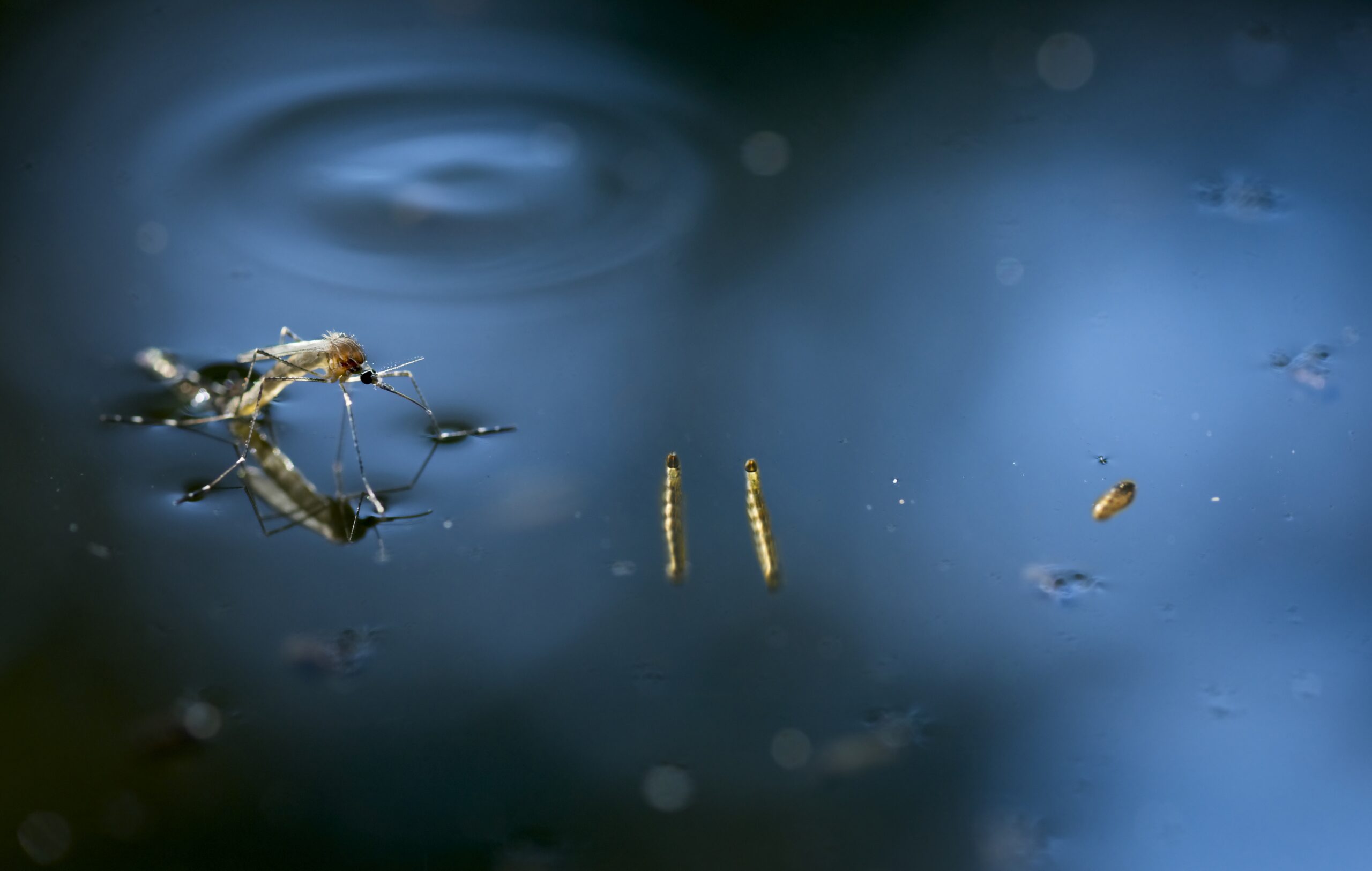
Adult Mosquito emerging from water in a stagnant pond with larvae and pupae.
Eliminate Standing Water Before It Becomes a Breeding Site
If there’s one step that makes the biggest impact, it’s this.
Mosquitoes can complete their life cycle in surprisingly small amounts of still water, so even “harmless” items around your yard can become breeding grounds.
Make sure you regularly check:
Buckets, toys, and unused containers
Clogged gutters and downspouts
Birdbaths and pet bowls
Plant saucers and planters
Tarps and pool covers that collect rainwater
If you have decorative water features, keep water circulating with a pump so it never becomes stagnant.
Make Your Yard Less Attractive to Mosquitoes
Mosquitoes don’t just fly in randomly—they rest and hide in vegetation during the day.
A few simple landscaping habits can make a big difference:
Trim shrubs and bushes regularly
Cut back overgrown tree branches near your home
Remove piles of leaves, mulch, or yard debris
Store firewood away from your house
Keep compost bins tightly sealed and maintained
The less shade and clutter available, the fewer places mosquitoes have to hide and reproduce.
Protect Yourself When You Go Outside
Even with prevention, mosquitoes are opportunists. Personal protection is still essential.
Clothing helps more than most people realize:
Wear light-colored clothing to reduce attraction
Cover arms and legs during peak biting times
Avoid dark, high-contrast outfits in mosquito-heavy areas
For repellents, stick with proven active ingredients:
DEET
Picaridin
Oil of lemon eucalyptus (CDC-supported synthetic versions available in sprays)
Natural oils like citronella or peppermint may help briefly, but they don’t offer the same level of protection in high mosquito areas.
Keep Mosquitoes From Getting Inside Your Home
It’s easy to focus on outdoor control, but mosquitoes will absolutely follow you indoors if they can.
Make sure to:
Repair or replace damaged window screens
Keep doors closed during peak mosquito hours
Seal gaps around vents, chimneys, and utility openings
Avoid leaving lights on near open doors at night
A few small fixes here can significantly reduce indoor bites.
Why Mosquito Pressure Is So High in This Region
In areas like New Jersey and surrounding states, mosquito populations tend to spike because:
Warm, humid summers accelerate breeding cycles
Frequent rainfall creates constant standing water sources
Dense suburban vegetation provides ideal resting areas
Backyard living spaces put people directly in mosquito territory
This combination is exactly why mosquitoes feel so persistent—they’re not just present, they’re well-supported by the environment.
The Most Effective Solution: Professional Mosquito Control
DIY steps absolutely help, but they often don’t fully solve the problem once mosquitoes are established in surrounding areas.
That’s where professional treatment becomes the difference-maker.
Viking Pest Control offers targeted mosquito and tick reduction through its Last Bite™ mosquito and tick protection program, designed to break the breeding cycle and reduce mosquito pressure at the source.
Instead of just treating symptoms (like bites), Viking focuses on:
Identifying breeding and resting zones around your property
Treating shrubs, vegetation, and high-risk areas
Reducing both mosquitoes and ticks throughout the season
Providing ongoing service during peak activity months
For homeowners in the region, this kind of structured, seasonal approach is often what turns an unusable yard into a space you can actually enjoy again.
Professional Mosquito Control with Viking Pest Control
If mosquitoes are affecting your ability to use your yard, it’s usually not something that will fix itself with time.
The most effective strategy combines:
Removing standing water
Maintaining landscaping
Using reliable repellents
Sealing entry points
And bringing in professional support when needed
For many households in New Jersey and surrounding areas, pairing those habits with a service like Viking’s Last Bite program is what finally makes outdoor living feel comfortable again instead of frustrating.
How to Get Rid of Mosquitos in New Jersey
Mosquitoes are one of the most frustrating pests homeowners deal with during the warmer months in New Jersey, Pennsylvania, Delaware, and Maryland. Their itchy bites can quickly ruin time spent outdoors, and more importantly, some mosquito species are capable of spreading serious diseases.
Fortunately, there are several effective ways to reduce mosquito activity around your home and create a safer, more comfortable outdoor environment for your family.
Why Mosquitoes Are a Problem
Not every mosquito carries disease, but mosquitoes are known vectors for several dangerous viruses and pathogens. Certain species, including Aedes aegypti and Aedes albopictus, are capable of spreading illnesses such as:
West Nile virus
Zika virus
Eastern Equine Encephalitis (EEE)
Other mosquito-borne diseases
Because mosquitoes acquire pathogens throughout their lifespan, reducing mosquito populations around your property is an important step toward lowering exposure risk.
How Mosquitoes Breed
Mosquitoes lay eggs in standing water, making even small amounts of stagnant water around your property potential breeding sites.
Common mosquito breeding areas include:
Clogged gutters
Birdbaths
Buckets and flowerpots
Old tires
Pet water bowls
Tarps
Kiddie pools
Poorly drained landscaping
Decorative water features without circulation
Because many mosquito species stay relatively close to where they hatch, mosquitoes biting you in your backyard are often breeding nearby.
How to Prevent Mosquitoes Around Your Home
Reducing mosquito populations starts with eliminating the conditions they need to survive.
Adult Mosquito emerging from water in a stagnant pond with larvae and pupae.
Eliminate Standing Water
One of the most effective mosquito prevention methods is removing stagnant water from your property regularly.
Empty or refresh water from:
Birdbaths
Planters
Toys and containers
Pet bowls
Gutters and downspouts
For ponds or decorative water features, installing pumps or fountains can help keep water moving and less attractive to mosquitoes.
Install and Maintain Screens
Mosquitoes can easily enter homes through damaged screens or open doors and windows.
Inspect and repair screens around:
Windows
Doors
Vents
Chimneys
Outdoor living spaces
Even small tears or openings can allow mosquitoes inside.
Use Mosquito-Repelling Plants
Some plants may help discourage mosquitoes around patios and outdoor seating areas.
Popular mosquito-repelling plants include:
Basil
Lavender
Lemon balm
Rosemary
Catnip
While these plants alone won’t eliminate mosquitoes, they can help complement other prevention efforts.
Use Outdoor Repellents
EPA-approved repellents containing ingredients like DEET can help reduce mosquito bites when spending time outdoors.
Essential oils such as peppermint or rosemary may also provide short-term mosquito deterrence for some individuals.
Why Professional Mosquito Control Works
Completely eliminating mosquitoes is nearly impossible, but professional mosquito control significantly reduces mosquito populations and helps create a protective barrier around your property.
Professional mosquito treatments typically focus on:
Reducing mosquito breeding areas
Treating vegetation where mosquitoes rest
Interrupting mosquito life cycles
Lowering populations of disease-carrying species
Because mosquitoes often remain close to their breeding sites, targeted yard treatments can dramatically reduce biting pressure around homes.
Benefits of Professional Mosquito Control
Professional mosquito management offers several advantages:
Fewer mosquito bites
Reduced outdoor nuisance activity
Lower exposure risk to mosquito-borne illnesses
Ongoing seasonal protection
Targeted treatments customized to your property
Routine mosquito services are especially valuable for properties near wooded areas, standing water, or dense landscaping.
Professional Mosquito Control From Viking Pest Control
At Viking Pest Control, our mosquito treatment programs help homeowners throughout New Jersey, Pennsylvania, Delaware, and Maryland enjoy their outdoor spaces with fewer mosquitoes and less worry.
Our mosquito control services include thorough property inspections, targeted treatments, and ongoing seasonal protection designed to reduce mosquito activity throughout peak mosquito season.
If mosquitoes are taking over your yard, professional mosquito control can help you reclaim your outdoor space and enjoy the warmer months more comfortably.
Stopping Mosquitoes Before They Start
Mosquito season can quickly turn a relaxing evening outside into a frustrating battle against itchy bites, buzzing swarms, and concerns about mosquito-borne illnesses. In New Jersey, Pennsylvania, Delaware, and the Eastern Shore of Maryland, warm temperatures and seasonal rain create the perfect conditions for mosquito activity throughout the spring and summer months.
While mosquitoes are certainly annoying, they can also pose serious health risks. Mosquitoes are capable of spreading diseases such as West Nile virus, malaria, dengue fever, and Zika virus. Fortunately, there are several proactive steps homeowners can take to reduce mosquito activity around their property and protect their families throughout the season.
Why Mosquitoes Are So Active During Summer
Mosquitoes thrive in warm, humid environments and reproduce in standing water. Even a small amount of water collected in a flowerpot, clogged gutter, or children’s toy can become a mosquito breeding site.
It’s important to note that only female mosquitoes bite humans. Female mosquitoes rely on blood meals to obtain the protein needed to produce eggs. Male mosquitoes feed primarily on nectar and plant sugars.
Mosquitoes are especially active during:
Dawn
Dusk
Early evening hours
Warm, humid days after rainfall
Are Mosquitoes Attracted to Certain People?
Some people seem to attract mosquitoes more than others, and there’s actually some truth behind that observation.
Research suggests mosquitoes may be more attracted to individuals with Type O blood than those with Type A or Type B blood. However, blood type is only one factor mosquitoes use when selecting a host.
Mosquitoes are also attracted to:
Carbon dioxide from breathing
Body heat
Sweat and skin odors
Dark-colored clothing
Increased physical activity
Even if you don’t have Type O blood, mosquitoes can still find you attractive based on these other factors.
Adult Mosquito emerging from water in a stagnant pond with larvae and pupae.
How to Prevent Mosquitoes Around Your Property
The most effective mosquito prevention strategy is reducing breeding and resting areas around your home.
Eliminate Standing Water
Because mosquitoes lay eggs in stagnant water, removing water sources is one of the best ways to reduce mosquito populations.
Check your property regularly for:
Clogged gutters
Birdbaths
Buckets
Plant saucers
Wheelbarrows
Pool covers
Children’s toys
Pet bowls
Low spots in the yard
Birdbath water should be changed frequently, and pools or hot tubs should remain covered when not in use.
Maintain Your Yard
Mosquitoes often rest in shaded, humid areas during the day.
To make your property less attractive to mosquitoes:
Keep grass trimmed short
Remove leaf litter and yard debris
Trim bushes and overgrown shrubs
Improve drainage in soggy areas
Reduce dense vegetation near gathering spaces
Protect Yourself from Mosquito Bites
Even with prevention efforts, mosquitoes may still be present during peak season. Protect yourself and your family by:
Applying EPA-approved insect repellents
Wearing long sleeves and pants outdoors
Avoiding outdoor activity during dawn and dusk when possible
Using screens on windows and doors
Installing screened porches or mosquito netting around outdoor spaces
Many homeowners also use fans on patios and decks because mosquitoes are weak fliers and struggle in moving air.
Do Mosquitoes Serve Any Purpose?
Although mosquitoes are widely considered pests, they do play a role in the ecosystem. Mosquitoes serve as a food source for:
Birds
Bats
Dragonflies
Fish
Some mosquito species also contribute to pollination. However, despite their ecological role, controlling mosquito populations around homes remains important due to the health risks they pose.
Why Professional Mosquito Control Matters
DIY mosquito prevention can help reduce activity, but it is often difficult to fully control mosquito populations without professional treatment. Mosquitoes can travel significant distances and reproduce rapidly during warm weather.
Professional mosquito control programs target:
Breeding areas
Resting sites
High-activity zones
Harborage areas around the property
Customized mosquito treatments help dramatically reduce mosquito populations while allowing homeowners to enjoy their outdoor spaces more comfortably.
For homeowners looking for long-term protection, Viking Pest Control’s Last Bite Mosquito & Tick program is designed to reduce mosquito and tick populations throughout the season using targeted applications tailored to your property.
You can also learn more about:
mosquito and tick prevention services
seasonal pest control programs
tick control for your yard
outdoor pest management solutions
Signs You May Have a Serious Mosquito Problem
You may benefit from professional mosquito treatments if:
Mosquitoes are consistently active during the day
You notice swarms near your home
Your yard has drainage or standing water issues
Family members are getting frequent bites
Outdoor activities have become uncomfortable
Large mosquito populations typically indicate nearby breeding sources that need to be identified and addressed.
Enjoy Your Yard Again this Mosquito Season
Mosquitoes don’t have to ruin your summer. By eliminating standing water, maintaining your yard, and partnering with a professional mosquito control provider, you can significantly reduce mosquito activity around your property.
Whether you’re hosting backyard gatherings, relaxing by the pool, or simply enjoying an evening outdoors, proactive mosquito prevention can help keep your outdoor spaces more comfortable all season long.
For more information about mosquito control services in New Jersey, Pennsylvania, Delaware, and the Eastern Shore of Maryland, contact Viking Pest Control today for a free quote.
Longhorned Tick Found in New Jersey
In the summer of 2017, a woman farmer from Hunterdon County paid a visit to the local health office with thousands of ticks on her body. She discovered the ticks after shearing a 12-year-old Icelandic sheep.
When the health office called in experts from Rutgers University’s Center for Vector Biology to identify the ticks, they were surprised. The ticks found were East Asian ticks, also referred to as longhorned ticks or bush ticks. The longhorned tick is a species of tick not yet established in New Jersey.
The longhorned tick is a swarming tick that takes deer, livestock, and other animals as a host. They produce asexually and a single tick is able to lay thousands of eggs. They’re also able to carry and spread diseases to humans and pets.
Local state and federal animal health and wildlife officials worked closely with the experts from Rutgers University to address the threat. A chemical wash was performed on all the sheep to eliminate these ticks. Tall grass was cut short to reduce the spread. And ongoing surveillance by the National Veterinary Services Laboratory was established.
They questioned the farm owners about the sheep on which the ticks were found and learned that it had not traveled internationally where these ticks are abundant and it had only rarely left the county, which left experts scratching their heads. As of this writing, it is still unclear how these ticks made their way into New Jersey.
Tests were performed to check the ticks for diseases such as spotted fever rickettsioses. Fortunately, the tests came back negative.
In April of 2018, the National Veterinary Services Laboratory confirmed that the longhorned tick successfully overwintered. That means this tick species is here to stay.
So, what should residents do?
Take precautions to prevent ticks such as purchasing veterinarian-prescribed tick products for your pets, avoid areas of tall grass, and wear insect repellent on your legs when walking in nature
Be on the lookout for these pea-sized, dark brown ticks that look a little bit like small spiders
If you see these ticks, contact the New Jersey state veterinarian at 609-671-6400
The appearance of the longhorned tick is just one more reason to get routine tick treatments for your yard. If you need assistance with this, contact Viking Pest Control today.
Call Viking at 800-618-2847 to learn more about our Last Bite mosquito and tick treatment, or get a fast, free quote online today!
Why No One Likes Mosquitoes
Mosquitoes are one of the most annoying pests you’ll ever have to deal with. No matter how many of them you squish, swat or smoosh, there are always hundreds more to take their place. With their buzzing and biting, it’s enough to drive even the most relaxed person buggy.
Not only can mosquitoes be really annoying, they can spread some pretty serious diseases. One of the most talked about illnesses spread by mosquitoes is West Nile Virus. According to the Centers for Disease Control & Prevention, almost 40,000 people have been diagnosed with West Nile Virus since 1999 resulting in 17,000 serious illnesses and 1,600 deaths. That does not include the numbers that go unreported to the CDC. Another common disease spread by mosquitoes is encephalitis. There are several different strands of this illness. Encephalitis can feel like the flu but causes inflammation of the brain. Other diseases transmitted by mosquitoes include malaria and yellow fever, as well as heartworm in pets.
What Do Mosquitoes Do?
Mosquitoes are always on the prowl for nutrients to sustain their eggs, and we as humans are the main course. While mosquitoes feed on many other things other than just humans, females need human blood to be able to produce and develop their eggs. So if you’re getting bitten by a mosquito, you know it’s a female! They can sniff out our breath from up to 100 feet away. They are also drawn to body heat, certain smells, such as perfume and dark colors.
How to Protect Yourself from Mosquito Bites
Thankfully, there are some ways to protect yourself from being bitten. First, apply insect repellent to any exposed skin. The most effective repellents contain DEET, picaridin or plant-based oil of lemon eucalyptus. You should also keep as much of your skin covered as possible. Avoid wearing perfumes, lotions or dark colors if you know you will be spending time outside.
When a mosquito bites, they stick their proboscis into your skin. The proboscis is a very sharp and thin mouthpart. It acts kind of like a needle when you go to the lab for a blood draw. The mosquito has a chemical in its saliva so your blood won’t clot. She will continue to suck out your blood until her abdomen is full or until she is swatted or squashed. It takes about 5 microliters to fill a mosquito. The saliva that stays in the wound is what causes the red, itchy bumps. Eventually your body will break down the saliva left behind, but until then, the bite will continue to itch.
Adult Mosquito emerging from water in a stagnant pond with larvae and pupae.
How to Prevent Mosquitoes
Below are some recommendations of things you can do around your property to try to minimize the number of mosquitoes bugging you from your local mosquito control experts at Viking Pest Control.
Eliminate any standing water you possibly can. Standing water is a breeding ground for mosquitoes and the last thing you want to do is make your property more appealing. Most mosquitoes stay fairly close to their breeding ground, so even more reason to try to avoid them on your property. Empty any buckets, flower pots, or tires that may collect water. Don’t forget your storm drains.
If you need to water your grass or your garden, try to do it in the morning. Mosquitoes are out in full force in the evening and overnight hours, and again, moisture provides great breeding ground. By watering in the morning, your lawn and garden get the water they need, but are dry at night so the mosquitoes aren’t attracted to it.
Store any trash or recyclables in covered bins as far from your home and usable yard area as possible. You should also try to make sure, if you are picnicking or grilling out that you dispose of any food or drinks asap.
Contact Viking for Comprehensive Mosquito Control You Can Trust!
If you have tried all of these things, and it just isn’t enough, you can contact a pest control professional, like Viking Pest Control, for help in getting the mosquitoes on your property under control. Your local extermination experts at Viking Pest Control know where to look, the problem areas to eliminate, and can offer Last Bite mosquito treatments as well. While you may never be 100% free of these flying insects at your New Jersey, Pennsylvania, Delaware and the Eastern Shore of Maryland home, you shouldn’t have to be overrun by them either.
Call Viking at 800-618-2847 to learn more about mosquito pest control and extermination services, or get a fast, free quote online today!