Mouse Infestation Basics: Is It One Mouse or a Full-Blown Invasion?
You hear a faint scratching in the walls at night. You find a small, dark pellet behind the toaster. Your mind immediately races to one conclusion: mice. But the next question is always the most pressing: is it just one little mouse that found its way inside, or is this the start of a much bigger problem?
At Viking Pest Control, we know that understanding the signs and behaviors of mice is the first step toward reclaiming your home. Here’s what you need to know about identifying and dealing with a potential mouse infestation.
The Earliest Clues: Telltale Signs of Mice Infestation
Before you ever see a mouse dart across your floor, they leave behind subtle evidence. For most homeowners, the first sign of a problem isn't a sighting, but what the mice leave behind.
Droppings: This is the most common initial sign. Mouse droppings are small, dark, and shaped like grains of rice. Discovering these in your pantry, under sinks, or along baseboards is a clear indicator of mouse activity.
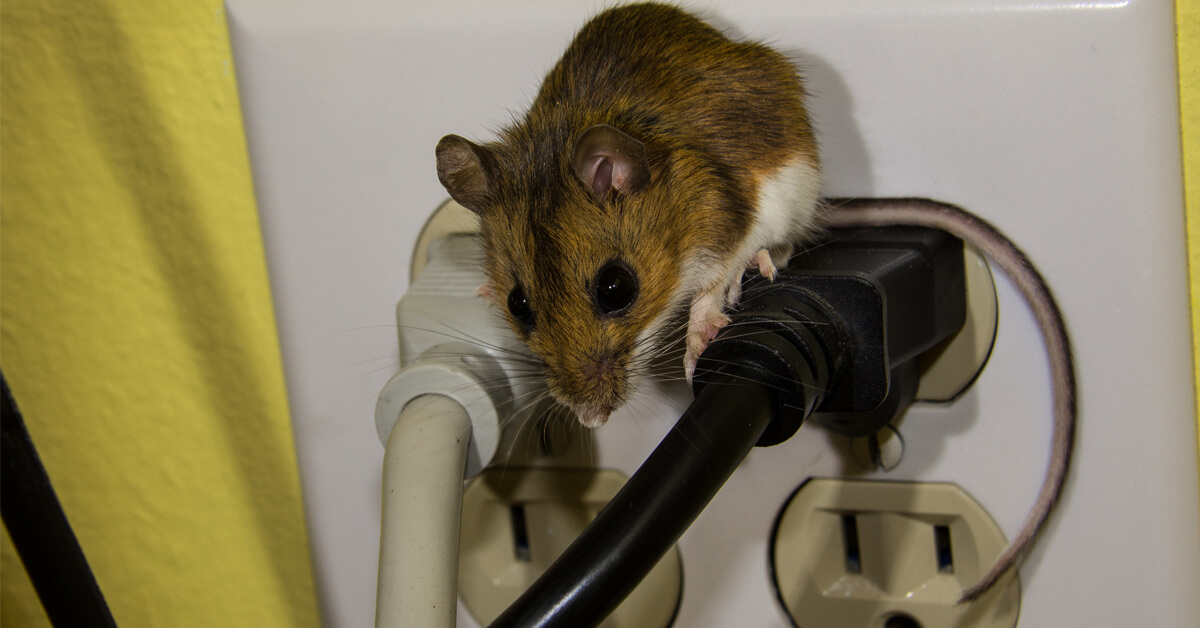
Gnaw Marks: Mice have teeth that grow constantly, which means they chew on things to keep them filed down. You might find small gnaw marks on food packaging, furniture, drywall, or even electrical wiring.
Estimating the Unseen: How Many Mice Are There?
So you've found droppings. How can you tell if it's from a single explorer or a whole family? The key is in the quantity.
A single house mouse can produce an astonishing 50-75 droppings every single day. A small, localized pile might point to one mouse, but if you're finding droppings in multiple locations, or the amount seems to be growing, you're almost certainly dealing with more than one.
Pro Tip: To gauge if you have an active, growing mice infestation, carefully clean up the droppings you find. Check the area again a day or two later. New droppings confirm that mice are still active in your home and can help you understand the scale of the problem.
While there isn't an exact formula professionals use to calculate the number of mice, our technicians rely on a combination of evidence—the amount and age of droppings, customer sightings, and signs of nesting—to make an educated assessment of the population level.
Mouse Behavior: They Aren't Social Guests
If you see one mouse, is it likely there are others? The short answer is yes.
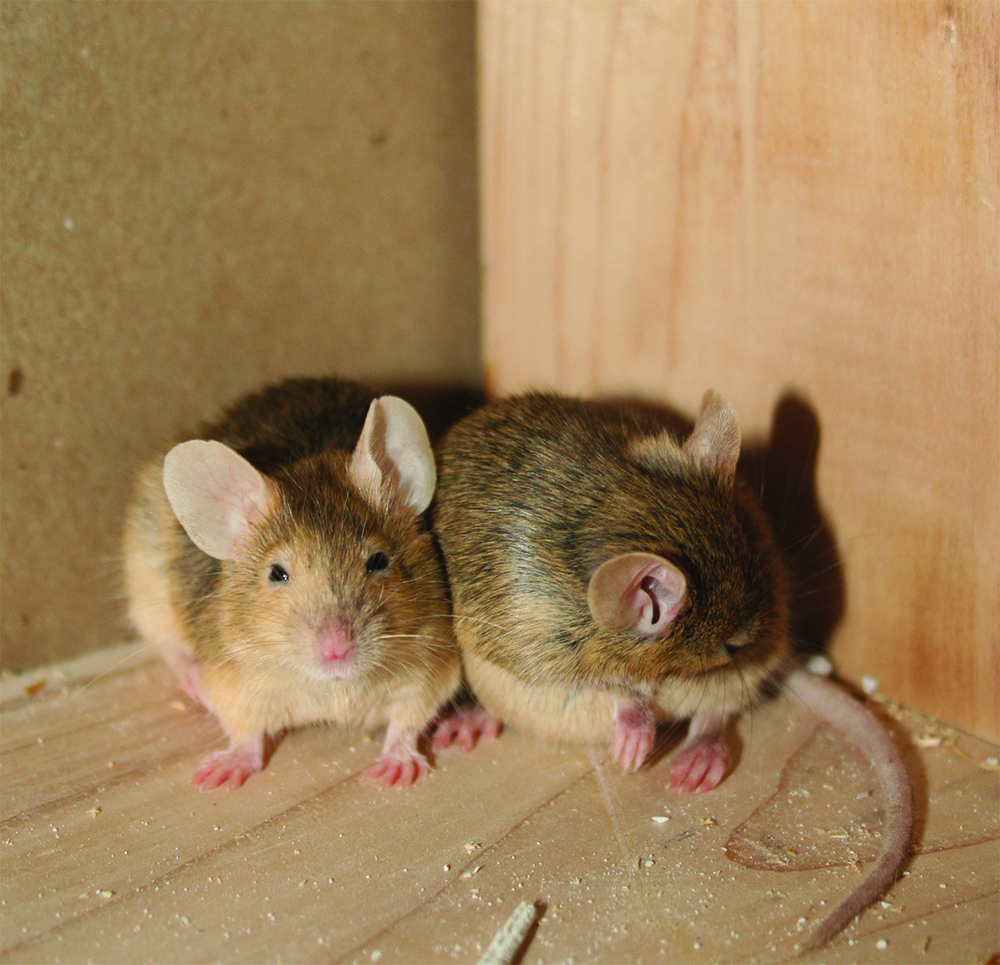
Mice are solitary creatures, and males can be extremely territorial. They don't live together in large, communal groups like you might imagine. Instead, a typical mouse population in a home consists of one dominant male and several separate nests of females. So, while they don't travel in a pack, the presence of one almost always signals that others are nearby.
These nests are often tucked away in sheltered locations close to a heat source—think wall voids, attics, crawlspaces, or behind large appliances. Disturbingly, these nests can be mere feet away from the areas your family uses every day.
From a Small Problem to a Major Infestation: The Alarming Speed of Reproduction
This is where the urgency comes in. A minor mouse problem can become a severe infestation with shocking speed due to their rapid breeding cycle.
Consider these facts:
Breeding Year-Round: Inside a climate-controlled home, mice breed all year long.
Rapid Reproduction: A single female can have up to 10 litters per year, with each litter containing 5-6 young.
Quick to Mature: Those young mice reach sexual maturity and can begin reproducing themselves in as little as six weeks.
If even a couple of females are present, a home’s mouse population can explode in just a few months. What started as a minor nuisance can quickly become an overwhelming infestation that poses risks to your property and health.
When to Be on High Alert: Seasonal Mouse Activity
While mice can be a year-round issue, infestations tend to become more noticeable and severe during the colder fall and winter months. As the weather turns, mice seek a warm, dry place with a steady food source to ride out the inclement weather. Unfortunately, your home provides the perfect five-star resort for them.
Don't Wait for an Invasion: Contact Viking Pest Control
Understanding the basics of a mouse infestation makes one thing clear: what looks like a small problem is often the tip of the iceberg. Given how quickly mice reproduce, a "wait and see" approach can lead to a much larger, more difficult, and more expensive problem down the road.
If you’ve discovered droppings, gnaw marks, or have seen a mouse in your home, don’t hesitate. Contact the experts at Viking Pest Control today for a thorough inspection and effective, professional mice infestation control to protect your home and family.
Pest Control During The Philadelphia Garbage Strike
On Tuesday, July 1, 2025, Philadelphia’s trash collectors went on strike. It is everything a pest could ever ask for. Uncollected garbage means free food, and lots of it, piling up across the city. Pests don’t see garbage the way people do; they see a city-sized buffet. Pests will come out of wherever they are hiding to take part in their unexpected bounty. Most pests breed rapidly, but the epic trash buildup could cause populations to grow exponentially. And with those increased populations come increases in pest-related ailments, ranging from diseases to asthma triggers to food contamination. The longer the strike lasts the worse the pest problems will get. This extreme situation will require an aggressive and proactive pest control response if you want to minimize pest-related risks to your Philadelphia home or business.
Rodent Risks Run Rampant
The pest population explosion will be most dire for businesses that produce substantial food waste. Restaurants and grocery stores need to be especially concerned, as there will be exponentially higher pest pressure on their exteriors. It is imperative for food waste to be disposed of carefully in sealed containers whenever possible. Rats can and will chew through thin plastic bags, so bagging will not be enough.
Though preventing pests will be substantially more difficult during and in the aftermath of the strike, customers will still react negatively to signs of pest infestation. Seeing a rat or cockroach in your place of business will still cause significant negative publicity, and, fair or unfair, it’s unlikely that customers will grade you on a curve.
But a substantial increase in pests will do more than reputational damage to businesses. More pests mean more risk of pest-related ailments for you, your family, and your pets. With increases in the number of mice, flies, roaches, ants, and rats in Philadelphia, come the associated health risks. Rats are known for spreading diseases like Salmonella, Leptospirosis, and Typhus. These diseases can spread through contact with urine, feces, or saliva, or by getting bitten. This contamination is especially hazardous on urban streets where the mere act of drinking from an afflicted puddle can make your dog dangerously, potentially fatally sick. Increases in cockroach populations mean more allergic and asthmatic reactions. Flies, among the least sanitary of all pests, are known for spreading Dysentery, gastroenteritis, E. Coli, typhoid, and conjunctivitis.
Anticimex SMART: Modern Rodent Control
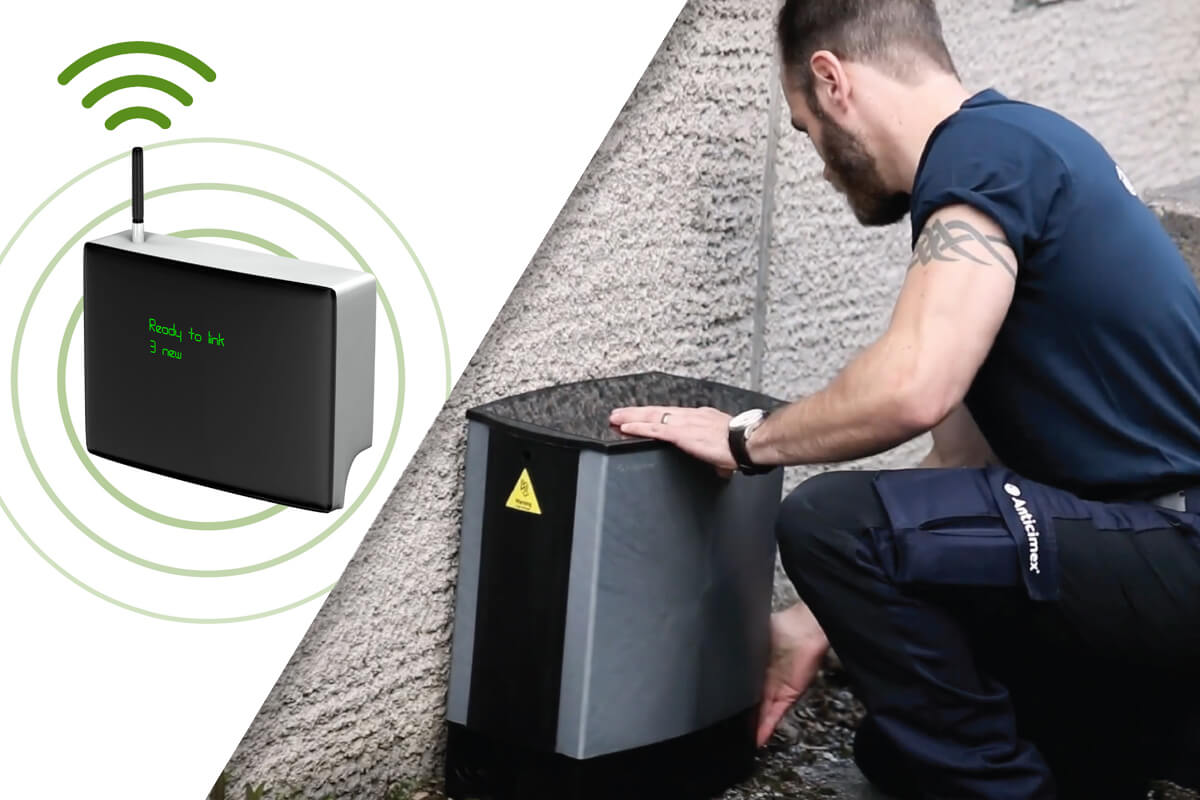
All pests are a threat to home and business sanitation, making it even more important that you keep your space clean and disinfected. The key to staying ahead of this surge in pest activity is quick intervention. Viking Pest Control is the exclusive provider of SMART rodent control in Philadelphia. This advanced pest monitoring system can track rodent activity 24/7, helping to catch infestations early before they can fully begin. If pest populations are allowed to explode, the cost, time, and effort to manage infestations will skyrocket. Waiting until pests have taken root inside your walls, kitchen, or storage areas is a costly mistake. The smartest move is to act now—before pests get the upper hand.
Don't Wait, Call Viking for Professional Mice Control Today!
Viking Pest Control offers expert pest management professionals and proven solutions tailored to this pest control crisis. Whether you’re a homeowner looking to protect your family from rats in Philadelphia or a business owner needing to safeguard your reputation and inventory, our Integrated Pest Management (IPM) approach delivers results that are fast, effective, and environmentally responsible.
We offer discreet, professional service for businesses and comprehensive home protection plans for residences in the Philadelphia area and beyond. With cutting-edge tools, local expertise, and a proactive mindset, we can help you endure this surge and recover quickly.
Don’t wait for the next trash pile to become a breeding ground. Contact Viking Pest Control today for a free estimate and start protecting what matters most.
Protecting Your Brand: Pest Control Solutions for High-End Retail and Grocery Stores
This post originally appeared on The Viking Voice, Viking Pest Control's LinkedIn Newsletter.
In the modern luxury retail industry, shopping is seen as not just a means to an end but an experience in and of itself. People going luxury shopping want an adventure to be savored. The experience should be opulent, exciting, and memorable. A pest infestation can make the shopping experience memorable for all the wrong reasons.
Erewhon, the high-end West Coast grocery store known for its imported $19 strawberries and its $20 celebrity smoothies, recently found itself getting the wrong kind of attention when it had to shut down the smoothie bar at its Santa Monica location due to a cockroach infestation. If the idea of paying $20 for a smoothie seems like a big ask at the best of times, imagine how much bigger an ask it is to pay $20 at a smoothie bar that used to be home to a cockroach or few.
When people are willing to pay a premium, they expect superior service, exceptional quality, and, significantly, unimpeachable cleanliness. It is difficult to imagine anything filthier than a pest infestation. Pests are grimy, unsightly, trigger allergies, and cause diseases. The mere thought of seeing a rat or a cockroach at a place of business will make customers choose to go elsewhere. It is human nature.
In the competitive world of high-end retail and grocery, brand equity is everything. Luxury shopping is seen not just as a means to an end but as an experience in and of itself. A single pest sighting can do more than just cost you a sale — it can devastate your reputation, erode customer trust, and even make waves in the news and social media like the Erewhon cockroach incident.
The True Cost of a Pest Infestation
Pest infestations can be absolutely ruinous to your business. Some of the risks include:
Public Health Hazards: Rodents, insects, and other pests can transmit diseases and contaminate food products, posing a very real threat to the health and welfare of customers and staff.
Lost Inventory: Infested goods must be discarded, leading to direct financial losses due to immediate lost sales and the cost of replacing contaminated tainted inventory.
Increased Labor and Costs: Additional cleaning, product rejection, shipment delays, and emergency treatments drive up operating expenses.
Employee Morale: Working in a pest-afflicted environment creates a negative experience for employees, impacting productivity and retention.
Brand Damage: Years of hard-earned customer trust can be burned away rapidly when a pest infestation reaches the news. It will take an investment of both time and capital to move past it.
In grocery settings, particularly where bulk foods and grains are sold, pests like rice weevils, Indian meal moths, and flour, drugstore, and cigarette beetles can cause major issues — not just for the store, but for customers who may unknowingly bring infestations home.
Tailored, Full-Spectrum Pest Management
Whether you operate a single boutique grocery or a chain of luxury retail stores, Viking Pest Control offers customized solutions for your specific needs, including:
Conventional, Organic, Low Impact, and Green Solutions: We are fully licensed and experienced to manage pest control across organic (USDA certified) and conventional operations. We also offer a Green Program that specifically uses natural, low-impact products and treatments.
Supply Chain Coverage: Viking Pest’s commercial team can cover your product at every stage of its journey to the customer. Viking protects your entire product journey from production to warehousing to distribution centers to the retail floor.
Advanced Monitoring with SMART Technology: Our SMART monitoring systems detect pest activity early, providing an intelligent, proactive approach before a minor issue becomes a major problem. SMART rodent control is especially helpful at high-end retail establishments because it does not require a technician to be in the store to do basic monitoring. This allows companies to have active, 24/7 pest monitoring without having any uniformed pest control technicians on the floor, potentially worrying customers.
Multiple Layers of Protection: We offer support from highly trained technicians, a dedicated SMART monitoring team, and access to leading entomologists and science-based expertise.
Why Viking?
At Viking Pest Control, we understand the stakes. Serving New Jersey, Pennsylvania, Delaware, and Maryland’s Eastern Shore, we specialize in protecting premium brands across the entire supply chain — from warehouses to retail shelves — with comprehensive, science-backed pest control services.
What sets Viking apart is our commitment to layered support and advanced science-based pest management solutions. We know which products are most at risk, how inspection protocols vary by location and inventory type, and how to design a pest prevention plan that works without disruption to your business operations.
Growing Beyond Borders
Need multi-state coverage? Viking Pest Control is part of a larger network, allowing us to connect you with trusted Anticimex sister companies outside our immediate service areas. No matter where you grow, we’re there to help protect your brand.
Protecting Your Home from Hantavirus: What You Need to Know About This Mouse Transmitted Disease
At Viking Pest Control, our mission is to keep your home and family safe—not just from pests, but from the diseases they may carry. One of the more serious illnesses associated with rodents in the United States is Hantavirus Pulmonary Syndrome (HPS), a potentially fatal respiratory disease.
What Is Hantavirus?
Hantavirus is a group of viruses within the Bunyaviridae family. The strains found in the U.S. are most commonly associated with Hantavirus Pulmonary Syndrome, which can become life-threatening if not treated promptly.
Who’s Carrying It?
The primary carriers of Hantavirus in our region are deer mice. It has also been found in white-footed mice, cotton rats, and occasionally Norway rats, although the latter are not typically considered significant disease vectors for Hantavirus.
How Does It Spread?
Hantavirus is mainly transmitted through contact with the urine, droppings, or saliva of infected rodents. The virus becomes airborne when these materials are disturbed—such as when sweeping or vacuuming without proper filtration. While rare, bites or scratches from infected rodents can also spread the virus.
Important reminder: Never attempt to handle wild rodents or their nests. Not only does this increase your risk of exposure to Hantavirus, but it also opens the door to other diseases spread by fleas, mites, and parasites.
Know the Symptoms
Hantavirus symptoms can take anywhere from 1 to 8 weeks to appear after exposure. Early signs often resemble the flu:
Fatigue
Fever
Muscle aches
Headaches
Dizziness
Nausea or vomiting
Abdominal pain
As the virus progresses, symptoms can become much more severe, including:
Shortness of breath
Tightness in the chest
A dry, hacking cough
These respiratory symptoms are serious and can be fatal without immediate medical attention.
How to Safely Clean Up After Rodents
If you discover signs of rodent activity in your home, proper cleanup is critical:
Never sweep or vacuum droppings, urine, or nests. This can send viral particles into the air.
Always wear rubber gloves when handling contaminated areas.
Use an EPA-registered disinfectant and let it sit for at least five minutes, or as directed on the label.
Use paper towels to wipe up the mess and dispose of them in a sealed garbage can.
Mop or sponge the area again with disinfectant to ensure thorough cleaning.
Wash gloves and hands with soap and warm water after cleanup.
For large infestations or when rodent nests are found, call Viking Pest Control. Rodent nests can harbor fleas, mites, and other ectoparasites that pose additional health risks.
Prevention is the Best Protection
Keeping rodents out of your home is the most effective way to prevent Hantavirus exposure. Mice can squeeze through openings as small as ¼ inch, so proper exclusion is key.
That’s where Viking’s SMART pest control and Viking Green Pest Solutions come in. Our trained technicians use intelligent pest control systems and eco-friendly exclusion methods to block rodents before they become a problem—without putting your family or pets at risk.
Call Viking Today
If you see signs of rodents or suspect a nest in your home, don’t take any chances. Leave the cleanup and prevention to the professionals.
Call Viking Pest Control today for an inspection and customized rodent prevention plan. Let us help you protect your home—and your health.
Are Mice Nocturnal?
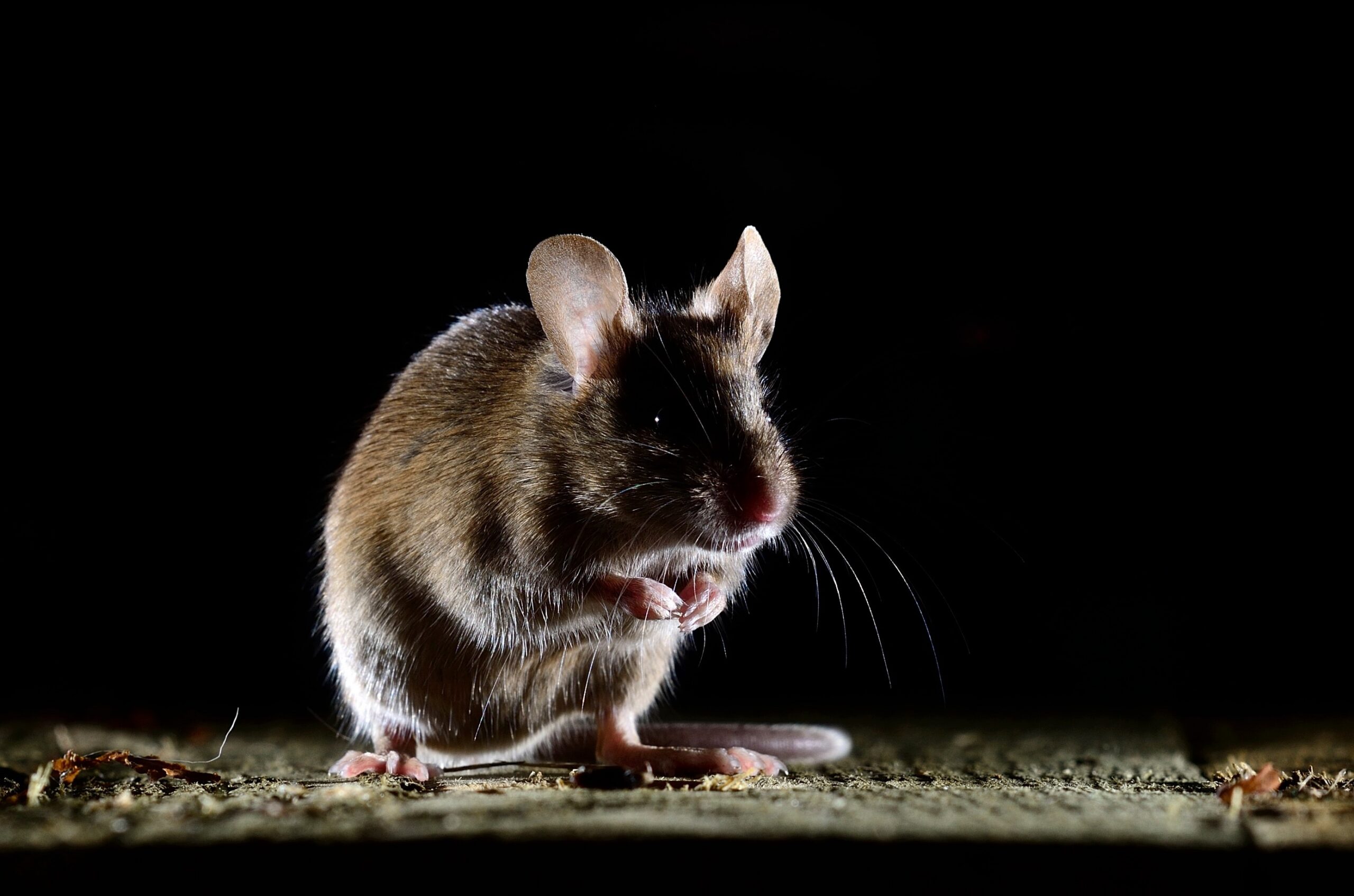
Mice are nocturnal creatures, meaning they are most active at night. Find out how this behavior affects mouse control and the best treatment options.
Mice are small, intelligent rodents known for their ability to squeeze through small gaps to make their way indoors. Once they’ve settled inside, they can quickly multiply, creating an infestation that’s difficult to combat alone.
Since live mice aren’t often seen by homeowners, even with an active infestation, many have wondered if mice are nocturnal. The answer is yes, and understanding the behaviors of mice and other nocturnal creatures is crucial to finding effective pest control and prevention solutions.
If you see a mouse or other rodent in your home or notice signs of activity such as dropping or gnawing marks, contact Viking Pest Control for safe and effective mice control in New Jersey, Pennsylvania, Maryland, and Delaware.
Nighttime Activities of Mice
Mice are at their peak active during the night, specifically at dusk and before dawn. They are social creatures living in communities of other mice, typically hidden away within the walls and other out-of-the-way places around your home. Once mice have established a nest near a known source of food, they rarely venture more than 30 feet away from it.
Mice utilize their intelligence to adapt to their environment, as well as their memory to establish trusted routes to food sources. Known for their scavenging nature, mice will consume nearly anything they can find and often eat during the night. Any food left out in the open will attract mice. They prefer to travel along well-defined routes and use their whiskers to feel their way and navigate through the dark. Common pathways traveled can include vertical pipes and wires that run within walls and between floors.
Understanding how mice behave and thrive is critical to getting rid of them. Placing traps and bait stations near food sources and along heavily traveled routes, especially along walls is important. Mice will investigate any changes made to their environment, so moving things around will force them to notice changes and establish new routes.
Benefits of SMART Mice Control
While knowing mice and their suspected routes can help, SMART Pest Control from Anticimex is the most effective way to combat mice in your home. Since mice are nocturnal, it can be difficult to discover their preferred pathways and nesting sites. Along with their abilities to quickly adapt to change and breed in large numbers, making headway towards eliminating an infestation can quickly be thwarted if they reestablish themselves in a new location.
Anticimex SMART Pest Control works 24/7 – 365 days a year – to digitally track mouse activity around your home, even when no one is awake or around to see or hear it. This consistent, round-the-clock monitoring ensures early detection of mice to stop infestations before they start and relays the location of mice to stop infestations before they start and relocate traps as needed. These traps are a humane solution that’s environmentally friendly and non-toxic for use around children and pets. One of the best parts of SMART technology is that it’s hands-off for the homeowner. The system sends alerts to the control center at Viking Pest Control, notifying our technicians when traps need to be emptied.
SMART mice and rodent control in New Jersey, Pennsylvania, Maryland, and Delaware is the ideal solution to eliminating current infestations and ongoing mice prevention. This innovative technology uses sensors and traps installed both indoors and out that communicate wirelessly, making it the perfect method to detect mice at any time and place they are active.
Preventing Fall Pests in Northern NJ
As the Northern New Jersey weather cools down in early fall, many pests and rodents start seeking warmth and food inside homes. It’s essential to know what you’re up against and how to prevent these unwanted guests from making themselves comfortable. Here’s what you need to know about keeping your home safe from mice, rats, insects, and even wildlife during this time of year. This phenomenon is particularly pronounced in Northern NJ counties like: Sussex County, Passaic County, Bergen County, and Morris County.
Getting Rid of Rodents in Northern NJ This Fall
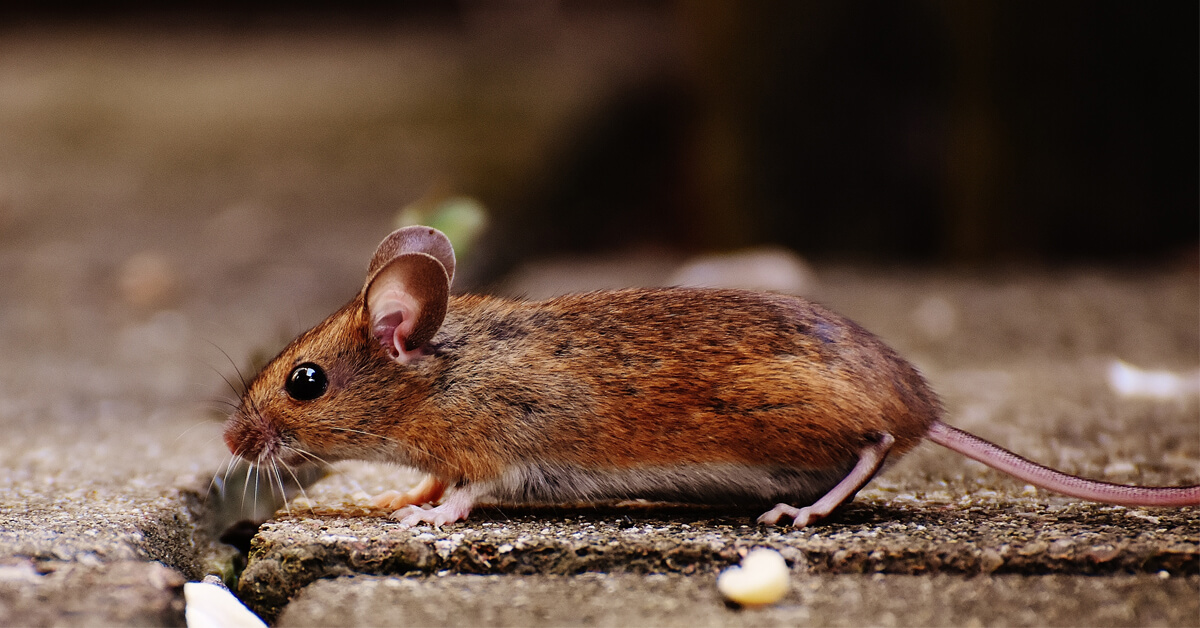
As temperatures drop and food becomes scarce, mice start looking for better shelter. The leaf piles so common in Northern NJ in the fall around home foundations can offer them protection and lead them to find entry points. Mice are surprisingly small and nimble, capable of squeezing through gaps as tiny as ¼-inch high and ½-inch wide. Once they’re inside, they can quickly become a problem.
Rats, the larger and hungrier cousins of mice, are also looking for shelter from the cold. They consume a broader range of food and, unlike mice, need daily access to water. To keep rats away, remove sources of water and ensure trash receptacles are tightly sealed and clean. Rats need slightly larger entry points than mice—just ½-inch high and ¾-inch wide. They often nest further from homes, so they may be traveling up to 300 feet between their nest and food source.
To reduce the risk of rodents, start by cleaning up leaf litter and removing weeds, which provide food and shelter. Seal any small gaps with durable materials like metal gauze, steel wool, or specially designed door sweeps—avoid expanding foam, as mice can chew through it. Keep storage areas tidy and trash cans secure to minimize hiding spots for rodents.
When inspecting your property, remember that rats travel much farther for food than mice, so broaden your search for rat burrows. SMART rodent control from Viking Pest can help to catch rodent activity that you may otherwise miss.
Overwintering Insects
As the temperature drops, certain insect species, like stink bugs, boxelder bugs, ladybugs, cluster flies, and western conifer seed bugs, seek shelter in Northern NJ homes. They usually enter through gaps on the sunny side of buildings. The best way to keep them out is by sealing those gaps. If sealing isn’t possible, well-timed applications of repellents around entry points can help.
Firewood Pests
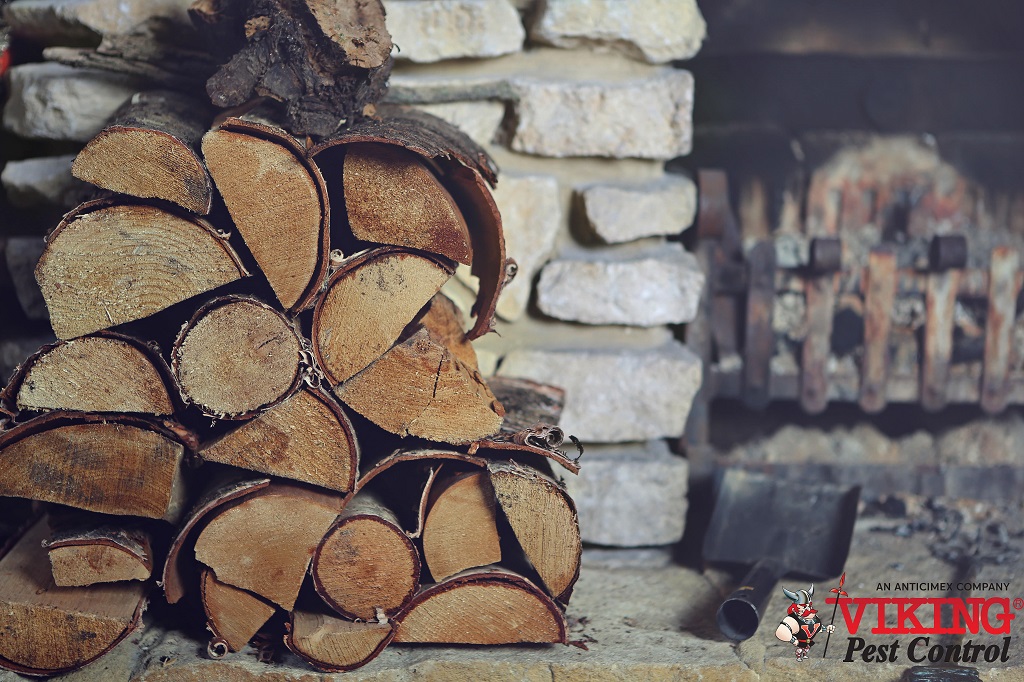
Firewood is another potential source of pests. Wood-destroying beetles, ants, and even rodents can hitch a ride inside on infested firewood. To minimize this risk, only bring in the wood you need and store the rest off the ground. Never apply pesticides to firewood you plan to burn.
Northern NJ Wildlife
As we continue to build closer to wildlife habitats, interactions with animals are becoming more frequent. To avoid attracting wildlife, refrain from feeding them or putting out birdseed. If trees or shrubs near your home aren’t trimmed, animals might use them to access your roof. Installing chimney caps is a good way to prevent animals from getting inside—aside from Santa, of course! If you hear noises in your attic or walls, it’s best to call a professional wildlife expert to handle the situation.
Contact Viking for Fall Pest Protection
By taking these precautions, you can protect your home from the pests and wildlife looking for refuge this fall. If these concerns seem too big for you, or you just want to make sure you're covering all of your bases to protect your home from pests, don't hesitate to give Viking Pest Control a call! Viking Pest has decades of experience working in Northern NJ towns like Wayne, Parsippany, Chatham, Morristown, and Madison, and can help prevent pest infestations whether they have four legs, six legs or more.
How to Rodent Proof Your House for Spring
By Lorne Hanewich
Rats, mice, and other rodents are warm-blooded mammals, just like humans. And like us humans, they also would prefer to live in a nice climate-controlled space safe from the elements. In the tumult of spring storms and showers, many rodents look to be safe from the storm in shelters we build for ourselves. And rats and mice are very, very good at sneaking in. Here are some tips for making sure that they can’t.
Seal Entry Points
When we said mice are very good at sneaking in, we weren’t kidding. Mice can sneak into openings half the diameter of a dime and rats can sneak into openings the size of a nickel. That’s alarmingly small. It's crucial to inspect your home for potential points of entry. Inspect your home for openings around doors, windows, pipes, and vents. Seal these gaps using caulk, steel wool, or metal mesh. By securing these entry points, you significantly reduce the likelihood of rodents moving in.
Store Food Properly
Rodents are always on the prowl for food, especially food they can get to easily. So, it's essential to store food in sealed containers made of durable materials like metal or heavy-duty plastic. Also, keep food packaging off the floor and away from the walls. Rodents are skilled at gnawing through cardboard and thin plastic and can get to food within.
Keep Your Yard Tidy
Trim your lawn and other vegetation around your home and sweep away fallen leaves. Overgrown bushes and piles of leftover leaves can provide rodents with easy cover and potential access to your home.
Declutter
Rodents find hiding places and nesting materials in clutter, making it essential to declutter your living space. Opt to store your belongings in plastic bins with secure lids, and maintain a well-organized attic, basement, and garage, free from unnecessary items. This proactive approach not only removes potential hiding spots for rodents but also enhances your ability to detect signs of an infestation.
Get SMART
SMART pest control technologies can help to detect rodent infestations and nip them in the bud. By tracking rodent activity as it occurs and reporting it to our pest control experts at the home office, SMART devices ensure that rodent infestations are caught early and won’t become a bigger problem.
If you are concerned that you have an infestation, or that you might be at risk of one. Call Viking Pest for a free rodent control estimate in New Jersey, Pennsylvania, Delaware, and the Eastern Shore of Maryland.
Carrie Underwood Ticket Winner: How Viking's Mice Control Helped Greg Fix "A Leaky Discovery"
Viking Pest Control recently asked our customers to send us their best Viking Pest Stories to share with our friends on social media. The winning entry received four VIP tickets to Carrie Underwood's performance at the Prudential Center on February 18, 2023. Greg D. of Collingswood, NJ provided us with the winning entry about how Viking Mice Control discovered a little something more, which you can read below. Congratulations, Greg! We hope you enjoy the concert!
A Leaky Discovery
I have been a Viking customer since 2018. Our relationship began after I discovered a mouse running along my kitchen counter (eek!). I immediately searched for reputable exterminators in the area and chose Viking for their strong reputation in reviews I’d read online. Since treating my original rodent infestation, Viking has made periodic trips to my home for preventative visits as part of my service contract and I am happy to report we have been mouse-free ever since! One of these visits by Viking even helped uncover a problem in my home that had nothing to do with rodents or insects!
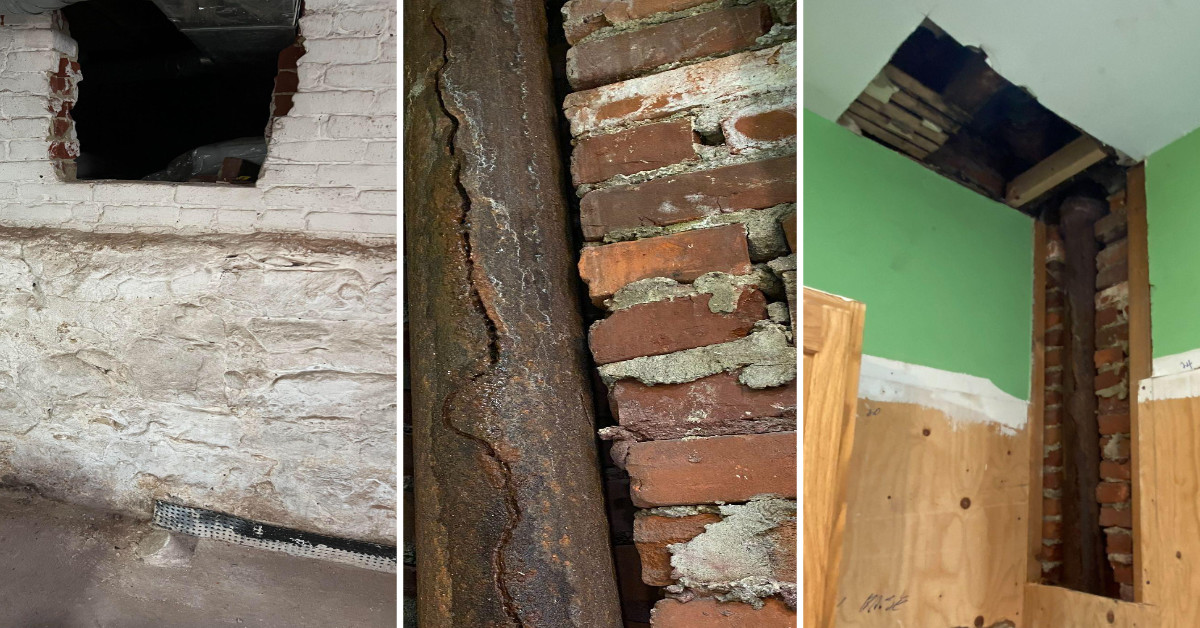
Soon afterwards, I contacted a local plumber who found that the cast iron pipe attached to the bathrooms in our home was leaking and that is what caused the water in the basement. Unbeknownst to me, every time my family and I used a bathroom sink, shower, or toilet, more water would pour into my basement from this leak. My home was built in 1908 and this may have been the original pipe (clearly the home builder got their money’s worth on the cost of the pipe since it lasted over 100 years!).
After extensive work, such as knocking down a wall in my kitchen to get to the leaky pipe, the cast iron pipe was replaced with a brand new Polyvinyl Chloride pipe, and my kitchen wall was repaired and painted. If you visited my home today, you would never even know this problem existed. My basement is now once again dry and I have Viking’s technician to thank for discovering a problem in my home that I was unaware of. As my story proves, there is definitely value to being a Viking customer and the regularly scheduled preventative visits by Viking’s knowledgeable technicians can help uncover issues beyond just the scope of pests and insects!
Below are photos of the crawl space area inspected by the Viking technician where they discovered water on the basement floor, as well as the cracked cast iron pipe that caused the issue that the Viking technician discovered.
As a proud partner of the Prudential Center, Viking is happy to offer our fans and customers chances to win tickets to concerts, sporting events, and more throughout the year. Keep an eye on our social media channels to see what's next!
The Complete Guide to Keeping Mice Out of Your Home
Mice may be small, but they can create major problems inside your home. From contaminating food and damaging insulation to chewing electrical wires and spreading bacteria, rodents are one pest you never want to ignore. Once mice find access to food, water, and shelter, they can quickly settle into walls, attics, basements, garages, and kitchens.
Homeowners throughout New Jersey, Pennsylvania, Delaware, and the Eastern Shore of Maryland commonly experience increased mouse activity during the fall and winter months as temperatures begin to drop. However, mice can invade homes year-round whenever weather conditions become extreme.
The good news is there are proactive steps you can take to help prevent a mouse infestation before it starts.
Why Mice Enter Homes
Mice invade homes looking for three things:
Food
Water
Shelter
Your home naturally provides all three. Kitchens, pantries, pet food, crumbs, cluttered storage areas, and even bird seed can attract rodents indoors.
As outdoor temperatures cool, mice begin searching for warm nesting areas to survive the winter. Because mice can squeeze through openings as small as a dime, even tiny gaps around your home can become entry points.
Common Signs of Mice
Mice are nocturnal and excellent at hiding, so homeowners often notice signs of activity before seeing an actual mouse.
Common signs of mice include:
Scratching or scurrying noises in walls or ceilings
Mouse droppings in kitchens, garages, or attics
Gnaw marks on food containers, wires, or wood
Torn paper or cardboard used for nesting
Damage to stored food
Unusual pet behavior
If you notice any of these warning signs, it’s important to act quickly before the infestation grows.
Why Mice Are Dangerous
Many homeowners underestimate how destructive mice can be. Rodents can contaminate food and surfaces with urine and droppings while also spreading bacteria and disease.
Mice also constantly gnaw to keep their teeth from overgrowing. Unfortunately, this behavior can damage:
Electrical wiring
Insulation
Furniture
Food packaging
Structural materials
In some cases, damaged electrical wiring from rodents can even create fire hazards.
What Do Mice Eat?
Mice are opportunistic scavengers and will eat almost anything available.
Common food sources include:
Grains
Fruit
Vegetables
Pet food
Bird seed
Pantry items
Garbage
Crumbs and spills
Because mice can chew through cardboard and thin plastic packaging, food storage is critical.
To reduce the risk of attracting mice:
Store pantry items in airtight glass or metal containers
Clean crumbs and spills immediately
Avoid leaving dirty dishes overnight
Store pet food in sealed containers
Empty trash regularly
Clean behind appliances routinely
How to Keep Mice Out of Your House
Seal Entry Points
Inspect your home for gaps and openings around:
Foundations
Windows and doors
Pipes and utility lines
Roof vents
Garage doors
Crawlspaces
Sealing cracks and crevices is one of the most effective ways to reduce rodent access.
Reduce Clutter
Mice prefer dark, quiet nesting areas. Keep storage areas organized and avoid storing items in cardboard boxes whenever possible.
Eliminate Food and Water Sources
Keeping your kitchen clean and limiting accessible food sources can make your home far less attractive to rodents.
Maintain Your Yard
Trim shrubs and tree branches away from the home and remove debris piles that may provide rodent hiding spots.
How to Get Rid of Mice in Walls
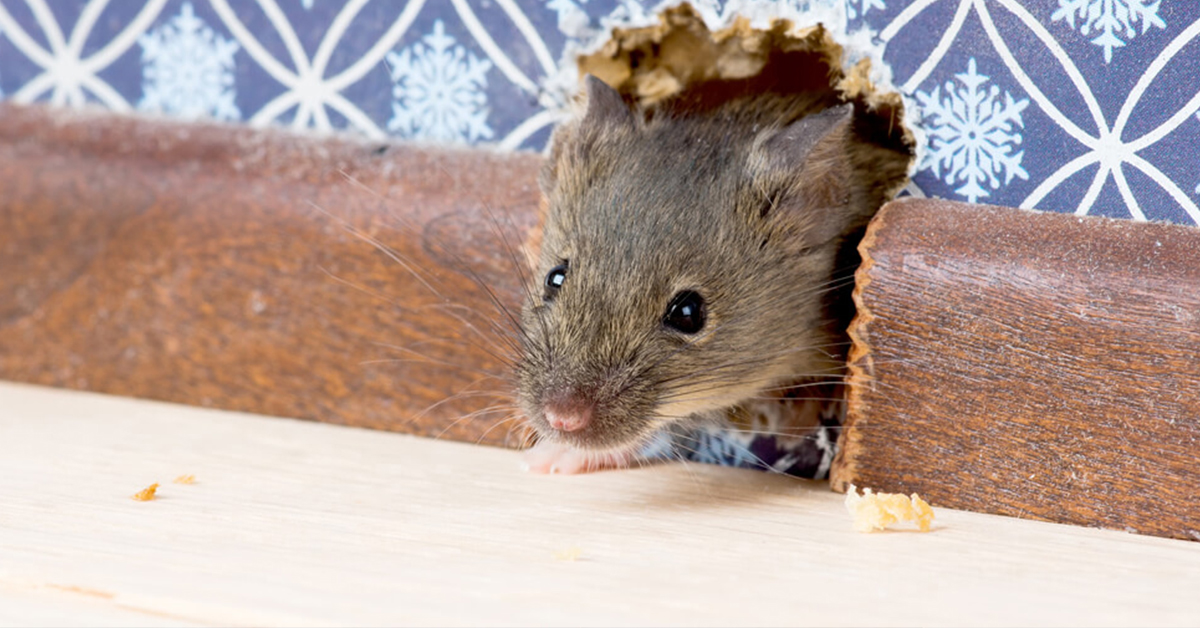
Mice frequently nest inside wall voids because they provide warmth and protection. If you hear scratching, squeaking, or scampering noises at night, rodents may already be living inside your walls.
Unfortunately, DIY traps and repellents often fail to solve the full problem because they don’t identify nesting areas or how mice entered the home.
Working with a professional pest control company can help ensure the infestation is properly eliminated and future activity is prevented.
At Viking Pest Control, our technicians inspect homes for rodent activity, identify entry points, and develop customized treatment plans designed to target the source of the infestation.
Learn more about our rodent control services and year-round home protection plans.
Prevent Mice with Professional Rodent Control from Viking Pest
The best long-term solution for mice is proactive prevention combined with professional pest management.
Ongoing rodent protection can help:
Detect activity early
Prevent infestations from growing
Identify structural vulnerabilities
Reduce future rodent pressure
Protect your home year-round
If you’ve noticed signs of mice in your home, don’t wait for the problem to worsen. Anticimex SMART Rodent Technology is here to help with your mice problem.
Contact Viking Pest Control today to learn more about our professional mouse control services, rodent exclusion solutions, and residential pest protection plans.
Jersey’s Premier Exterminator Discussing Pests
Viking Pest Control: Jersey’s Premier Exterminator Discussing Spotted Lanternflies, Mice and Fall Pests
by Brittany Ann Morrisey
The fall season brings cooler weather, shorter days, and changing leaves. But it can also be the start of a home infestation as insects and rodents start to look for shelter from the cold weather.
That’s why it's important to take precautions now, says Jay Walters, Branch Manager for Viking Pest Control.
“In the fall, pests are trying to overwinter in or under the siding of your home,” he says. “By having Viking treat your home we can control these infestations from occurring.”
Viking Pest Control is a leader in preventing and treating infestations including those of ants, spotted lanternflies, termites, bed bugs, mice and rats. The company is also the first call for homeowners, in communities throughout New Jersey, Pennsylvania, Delaware and Maryland, who need wildlife control for pests such as racoons, groundhogs, opossums and more.
One pest that has newly become a problem in the Pennsylvania and New Jersey area is the spotted lanternfly, an invasive species that entered North America several years ago. Spotted lanternflies are known to damage crops, plants and trees.
“It is best to call a professional to treat spotted lanternflies because some insect repellents and other materials are hazardous to the environment if not used properly,” Walters says. “Viking uses specialized materials to treat spotted lanternflies while remaining cautious to the environment.”
Rodent infestations are another headache for homeowners. Viking utilizes the latest in pest control technology to stop mice and rats from proliferating in the home. Known as the SMART system, this technology gives the company the ability to detect rodent activity digitally whenever movement occurs. Adding the SMART system to your home is like having a professional constantly inspecting your home 525,600 minutes per year. SMART alerts mean quick reaction times and treatment from the Viking Pest team to avoid costly rodent infestations.
Although birds are often viewed affectionately, they can also be a serious threat to your property and health, too. Luckily, Viking also has a Bird Doctor division that removes and prevents pest birds from taking up residence in or near your home or commercial property.
“Pest birds such as pigeons, starlings and sparrows are responsible for millions of dollars of property damage each year,” Walters says. “Birds roost on ledges, signs, cornices, rooftops, and other man-made structures, resulting in destroyed equipment, clogged vents and reduced property value.”
Although the COVID-19 pandemic has interrupted the normal course of business for many companies, as an essential service, Viking is operating and taking precautions to ensure the safety and health of its employees and customers.
And in response to the pandemic, the company is now offering a new disinfectant and sanitation treatment. The Pro-Clean Disinfectant and Sanitation treatment combines a variety of application methods to thoroughly disinfect the inside of your home or business, keeping you safe from bacteria and viruses including coronavirus, hepatitis B and more.
Recently, Viking gifted a Pro-Clean Disinfectant and Sanitation treatment to a New Jersey firehouse as a part of its 40 for 40 initiative, which celebrates the company’s 40 years of business with 40 acts of kindness completed in 2020.
Viking team members have raised money to combat brush fires in Australia, hosted a blood drive and collected pantry items for the Food Bank Network of Somerset County.
“We believe in giving back to the community,” Walters says.
Forty years is a long time, but Viking’s commitment to using cutting-edge technology and sustainable solutions to help customers keep their properties free of pests has given the company longevity.
So make sure your property is ready for this fall season by calling Viking Pest Control before unwanted insects and nuisance wildlife threaten your health and the safety of your home.
Viking Pest Control Serving communities throughout Pennsylvania, New Jersey and Maryland (856) 539-2411 VikingPest.com
Published (and copyrighted) as a Suburban Family Magazine (August 2020) web exclusive.