Anticimex SMART Mouse Control: Smarter Protection for Homes
Mice may be small, but they can create major problems inside your home. From contaminating food and damaging insulation to chewing electrical wiring and spreading disease, a mouse infestation can quickly become expensive and stressful. Unfortunately, many homeowners don’t realize how fast mice reproduce or how difficult they are to fully eliminate with DIY solutions alone.
Traditional mouse traps and repellents may catch a few rodents, but they rarely solve the root of the problem. Mice are nocturnal, secretive, and capable of squeezing through openings as small as a quarter inch. Even worse, a single female mouse can produce multiple litters each year, allowing infestations to grow rapidly behind walls, inside attics, basements, garages, and crawlspaces.
That’s why Viking Pest Control offers a smarter approach to rodent protection with Anticimex SMART technology — an intelligent, environmentally friendly mouse control system designed to detect, monitor, and stop infestations before they get out of hand.
Why DIY Mouse Control Often Falls Short
A quick online search for DIY mouse control reveals countless options including snap traps, glue boards, ultrasonic devices, bait stations, and sprays. While some of these products may temporarily reduce activity, most homeowners are only treating the symptoms of a much larger infestation.
DIY methods are limited by:
Where traps can safely be placed
Areas homeowners can actually access
Human schedules and visibility
Lack of ongoing monitoring
Difficulty identifying entry points and nesting areas
Catching one mouse at a time is rarely enough when mice breed year-round and often remain hidden inside walls, attics, or insulation. By the time visible signs appear, the infestation may already be well established.
Common Signs of a Mouse Infestation
Many mouse infestations begin quietly. Homeowners often notice signs before they ever see an actual mouse.
Some of the most common indicators include:
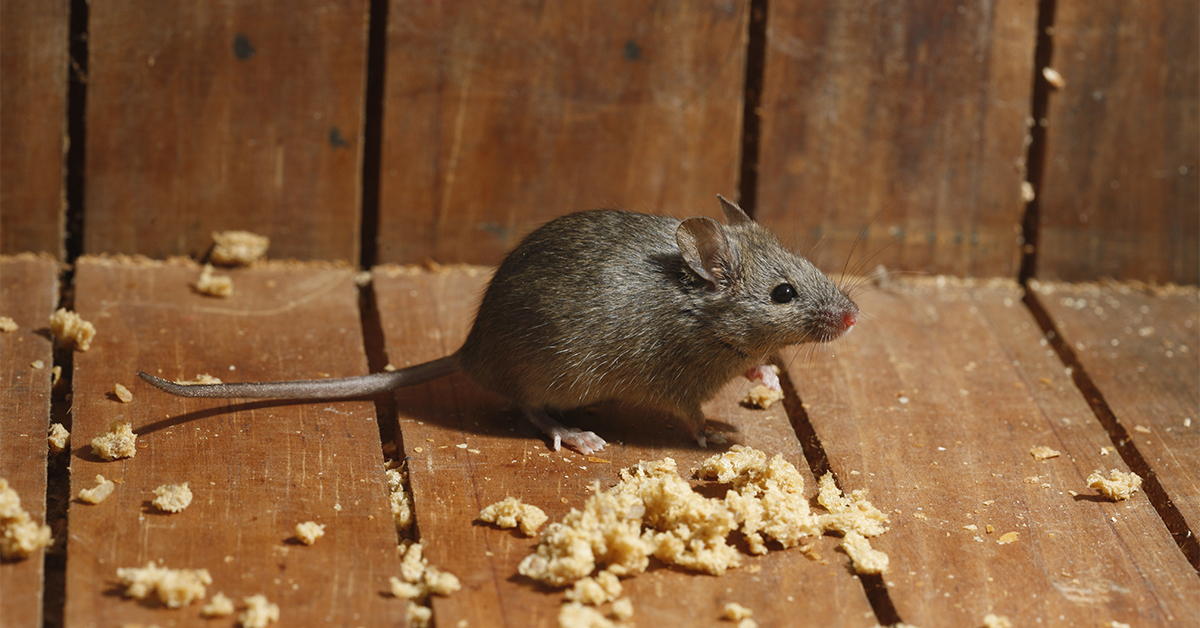
Small black droppings near food sources or baseboards
Scratching or scurrying noises inside walls or ceilings
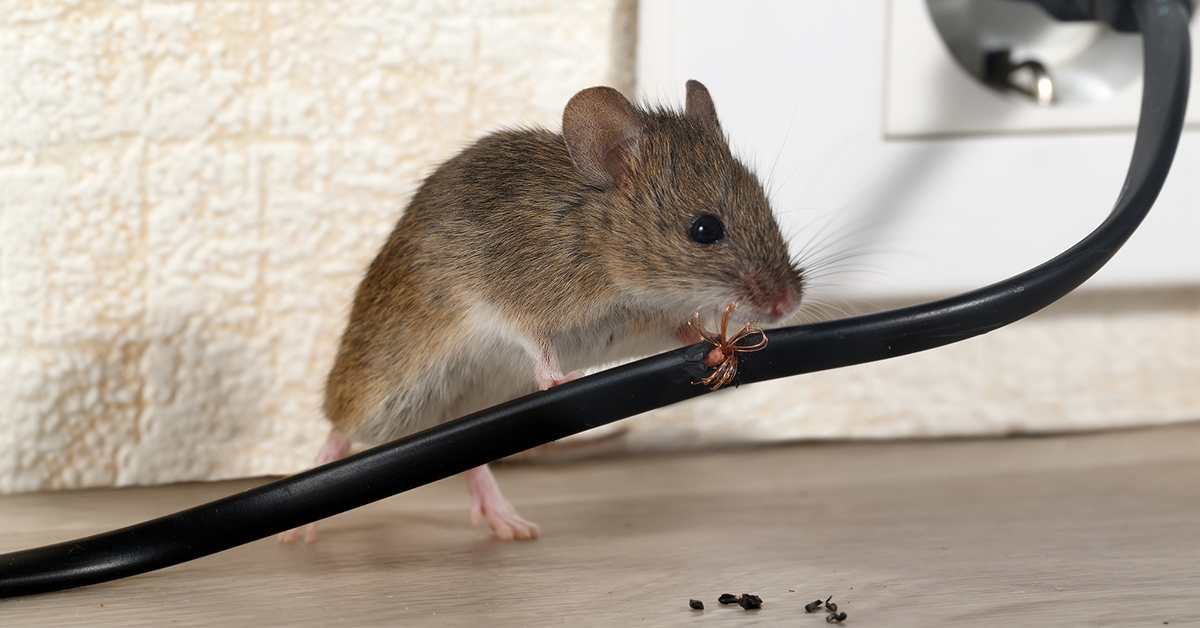
Chewed food packaging, wires, or furniture
Shredded paper or insulation used for nesting
Musky or ammonia-like odors from urine
Grease marks or tracks along walls
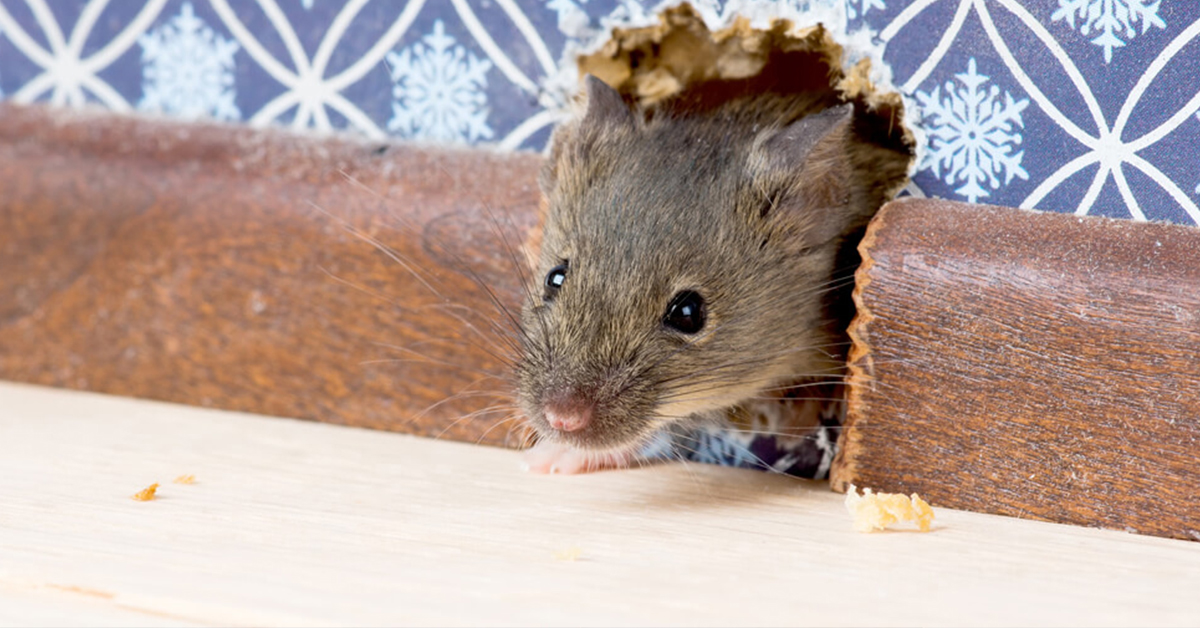
Holes or gaps where mice may be entering
Strong odors can also signal nesting activity or even deceased rodents hidden inside inaccessible areas. Because mice are nocturnal, activity often becomes more noticeable at night.
If you notice any of these warning signs, it’s important to act quickly before the population grows.
What is Anticimex SMART?
Anticimex SMART is an advanced digital rodent monitoring and control system available through Viking Pest Control. Unlike traditional mouse control methods, SMART technology continuously monitors your home 24 hours a day, 7 days a week, 365 days a year.
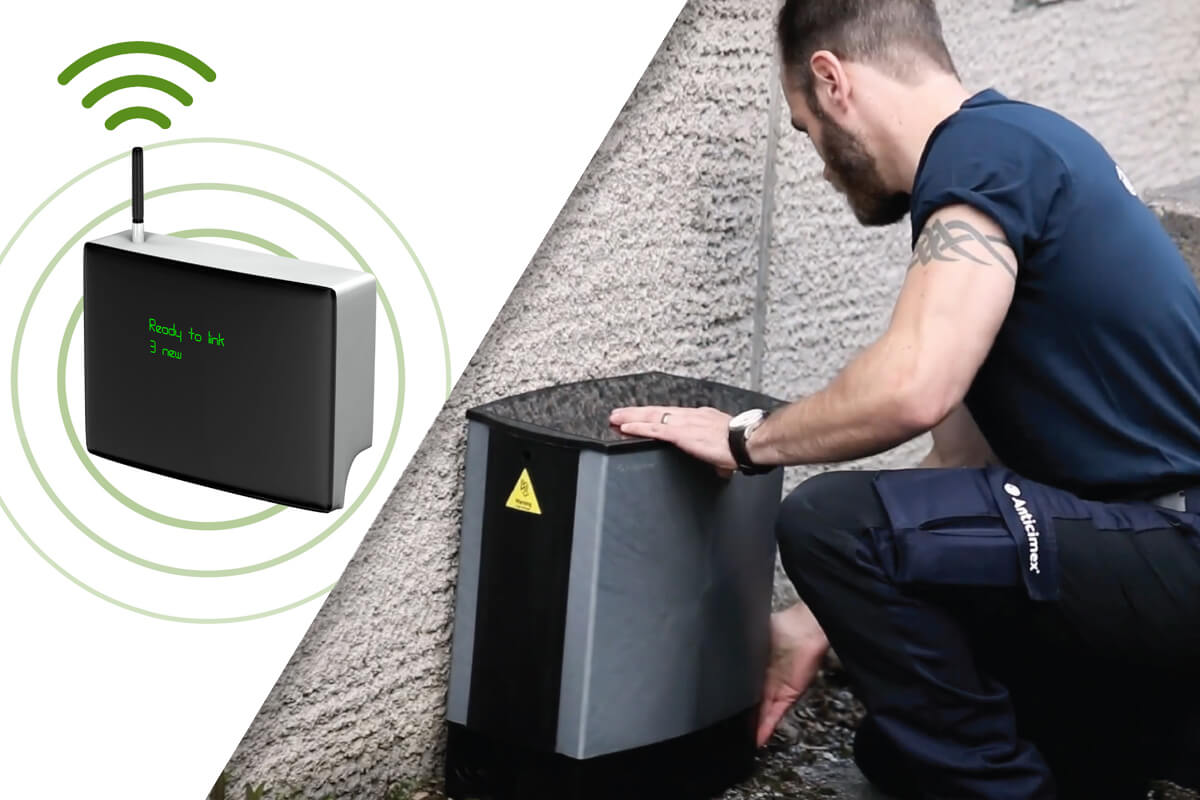
The system uses connected digital devices and infrared sensors to detect rodent activity in real time. These devices communicate with Viking Pest professionals, allowing technicians to identify areas of high mouse pressure and respond quickly before infestations worsen.
Anticimex SMART is:
Intelligent and data-driven
Non-invasive
Environmentally friendly
Designed without toxic rodenticides
Customized specifically for your home
Instead of relying on guesswork, Viking technicians use real-time data to strategically place traps and adjust treatment plans as mouse activity changes.
How Anticimex SMART Technology Works
The Anticimex SMART system uses several connected components that work together throughout the home.
SMART Connect Mini
The Smart Connect Mini acts as the communication hub for the system. It wirelessly connects SMART devices throughout the home using a secure mesh network that does not rely on your home Wi-Fi or cameras.
The system sends activity alerts directly to Viking Pest professionals for analysis and response.
SMART Eye Mini
Smart Eye Mini devices use infrared sensors to detect motion and rodent activity. These waterproof and dustproof sensors can be installed in:
Attics
Basements
Garages
Crawlspaces
Utility areas
Under sinks
Storage spaces
The sensors can detect movement up to 6.5 feet away and help technicians determine where mice are most active.
Ongoing Monitoring and Service
Once the system is installed, Viking Pest professionals continue to monitor activity, inspect devices, adjust placements, and remove rodents as needed. Homeowners can enjoy continuous protection without constantly checking traps themselves.
Benefits of Anticimex SMART Mouse Control
Anticimex SMART offers several advantages over traditional mouse control methods.
24/7 Monitoring
Unlike standard traps that only work when properly checked and maintained, SMART technology constantly monitors your home day and night.
Early Detection
SMART systems identify rodent activity early, helping prevent large infestations and costly damage before it occurs.
Family and Pet Friendly
Because the system minimizes or eliminates the use of toxic rodenticides, it provides a safer option for households with children and pets.
Customized for Your Home
Every home is different. Viking technicians analyze your property and create a personalized mouse control strategy based on activity levels, structural vulnerabilities, and layout.
Reduced Interior Service Visits
Since activity alerts are sent digitally, technicians know exactly where activity is occurring and which devices require attention.
Environmentally Responsible
Anticimex SMART focuses on monitoring, prevention, and targeted control rather than widespread chemical usage.
Why Mouse Prevention Matters
Mice are more than just a nuisance. They can cause serious property damage and introduce health concerns for homeowners and families.
Mice are known to:
Contaminate food with urine and droppings
Spread bacteria and disease
Trigger allergies and asthma
Damage insulation and stored belongings
Chew electrical wiring that may increase fire risks
Destroy furniture, fabrics, and valuables
Rodents have also been linked to diseases such as salmonella, hantavirus, leptospirosis, and lymphocytic choriomeningitis.
Because mice reproduce so quickly, early intervention is critical.
Additional Ways to Help Prevent Mice
While professional monitoring and treatment provide the strongest protection, homeowners can also reduce the risk of infestations by:
Sealing cracks and exterior gaps
Installing rodent-proof door sweeps
Storing food in sealed containers
Cleaning food debris promptly
Reducing clutter in storage areas
Removing outdoor nesting materials
Keeping firewood elevated and away from the home
Professional exclusion work combined with SMART monitoring creates long-term protection against rodents.
Professional Mouse Control from Viking Pest Control
If you suspect mice in your home, waiting can allow the infestation to grow rapidly. Viking Pest Control provides advanced rodent protection solutions throughout New Jersey, Pennsylvania, Delaware, and the Eastern Shore of Maryland.
Our trained professionals use Anticimex SMART technology to:
Detect hidden rodent activity
Identify entry points
Monitor infestations continuously
Customize treatment strategies
Prevent future infestations
With intelligent monitoring and proactive pest management, Viking Pest helps homeowners stay protected without relying solely on traditional traps or toxic baits.
If you’re ready for smarter mouse protection, contact Viking Pest Control today to learn more about Anticimex SMART technology and how it can help keep your home rodent-free year-round.
How to Keep Mice Out of Your Home This Fall
As temperatures begin to drop in the fall, mice start searching for warm, sheltered places to spend the colder months. Unfortunately, homes throughout New Jersey, Pennsylvania, Delaware, and Maryland often provide everything mice need to survive — warmth, food, water, and protection from the elements.
What starts as a single mouse entering your garage or basement can quickly turn into a full infestation if left untreated. Understanding why mice invade homes during the fall and learning how to prevent them can help you avoid serious problems throughout the winter.
Why Mice Invade Homes in the Fall
Mice remain active year-round and do not hibernate. As outdoor temperatures cool, they begin searching for more stable environments where food and shelter are easier to find.
Homes are especially attractive because they provide:
Warm indoor temperatures
Easy access to food
Safe nesting areas
Protection from predators and weather
Mice can squeeze through openings as small as ¼ inch wide, making it surprisingly easy for them to enter homes through tiny cracks and gaps.
Common Mouse Entry Points
Mice often enter homes through:
Gaps around utility lines
Foundation cracks
Openings beneath siding
Gaps under exterior doors
Damaged weather stripping
Dryer vents
Garage door gaps
Roofline openings
Once inside, mice typically nest in hidden areas such as wall voids, basements, attics, garages, kitchens, and storage areas.
Signs of a Mouse Infestation
Because mice are nocturnal and secretive, homeowners may not notice them immediately. Common warning signs include:
Mouse droppings
Gnawed food packaging
Scratching sounds in walls or ceilings
Chewed cardboard or paper
Shredded nesting materials
Grease marks along walls
Strong musky odors
If you notice any of these signs, it’s important to act quickly before populations grow larger.
Why Mice Are Dangerous
Although mice are small, they can create serious health and safety risks inside homes.
Disease Risks
Mice contaminate surfaces, food, and storage areas with urine and droppings. They are capable of spreading illnesses such as:
Hantavirus
Salmonella
Leptospirosis
Lymphocytic choriomeningitis (LCMV)
Improper cleanup of mouse droppings can also release harmful particles into the air.
Property Damage
Mice constantly gnaw to keep their teeth from overgrowing. This behavior can damage:
Electrical wiring
Insulation
Furniture
Food containers
Drywall
Stored belongings
Chewed electrical wires can even increase the risk of house fires.
How to Prevent Mice From Entering Your Home
Taking preventative measures during the fall can significantly reduce your chances of a mouse infestation.
Keep Your Kitchen Clean
Food is one of the biggest attractants for mice.
To reduce food sources:
Store food in sealed containers
Clean crumbs and spills immediately
Vacuum regularly
Avoid leaving pet food out overnight
Dispose of garbage frequently
Even small crumbs or accessible pantry items can attract rodents indoors.
Seal Cracks and Openings
Inspect the exterior of your home carefully and seal any possible entry points.
Pay close attention to:
Door thresholds
Utility penetrations
Foundation cracks
Window frames
Roof gaps
Weather stripping, caulk, steel wool, and proper repairs can help block access.
Clean Up Yard Debris
Overgrown landscaping and outdoor clutter create ideal hiding and nesting areas for mice.
To make your property less attractive:
Remove leaf piles
Trim shrubs and tree branches away from the house
Relocate firewood away from the home
Clean up brush piles and debris
Reduce thick mulch near the foundation
A cleaner yard often means fewer rodents near your home.
Secure Outdoor Trash and Compost
Mice are highly attracted to garbage, compost, and food waste.
Use tightly sealed trash cans and maintain compost piles carefully to avoid attracting rodents.
Store Pet Food Properly
Pet food left out overnight can easily attract mice.
Store pet food in tightly sealed metal or glass containers and avoid leaving bowls accessible for long periods.
Humane Mouse Removal Options
If mice have already entered your home, snap traps are often considered one of the quickest and most effective removal methods. However, large infestations usually require more comprehensive treatment strategies.
Because mice reproduce rapidly and hide well, professional intervention is often the most effective long-term solution.
When to Call a Professional
DIY methods may temporarily reduce activity, but they often fail to eliminate the source of the infestation or prevent future problems.
Professional mouse control services help by:
Identifying hidden nesting areas
Locating entry points
Monitoring rodent activity
Providing long-term prevention solutions
Eliminating active infestations safely and effectively
SMART Rodent Control From Viking Pest Control
Viking Pest Control offers advanced SMART Rodent Control technology that monitors mouse activity 24/7. These systems help detect infestations early and provide proactive rodent management before problems become severe.
Our pest professionals customize treatment and prevention plans for homes throughout New Jersey, Pennsylvania, Delaware, and Maryland to help homeowners stay protected year-round.
If you suspect mice are entering your home this fall, early action can help prevent costly damage, health risks, and large infestations later in the season.
How to Rodent-Proof Your Home This Fall
As temperatures begin to cool across New Jersey, Pennsylvania, Delaware, and Maryland’s Eastern Shore, rodents start searching for warm places to shelter for the winter. Mice, rats, and squirrels may spend most of the year outdoors, but once fall arrives, homes and businesses become attractive places to nest, feed, and hide from the cold.
Unfortunately, rodents can cause extensive damage once they get indoors. From chewing electrical wires and insulation to contaminating surfaces with droppings and urine, these pests are far more than a seasonal nuisance. The good news is that a few proactive prevention steps can help reduce your risk of a rodent infestation this fall.
Common Rodents Found Across Homes
Several types of rodents are especially active throughout NJ, PA, DE, and MD during the colder months.
Mice
House mice and deer mice are among the most common invaders. These small rodents can squeeze through openings as small as a dime and often enter homes through cracks, utility gaps, crawl spaces, and garage doors.
Rats
Norway rats and roof rats are larger than mice but just as destructive. Roof rats are excellent climbers and often enter through roofs, attics, and overhanging tree branches, while Norway rats tend to stay closer to the ground and foundations.
Squirrels
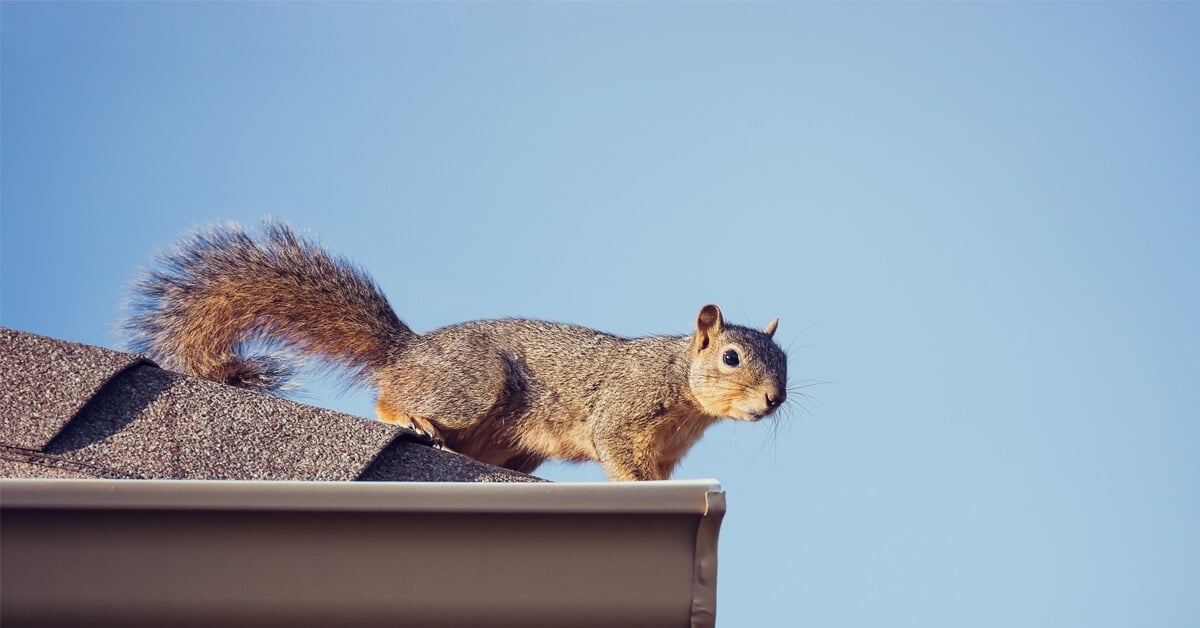
Eastern gray squirrels and flying squirrels may enter attics, soffits, or wall voids while searching for warmth and nesting areas during the fall and winter.
Why Rodents Are Dangerous
Rodents may seem harmless outdoors, but inside a structure they can quickly become a serious problem. Rodents constantly chew to keep their teeth filed down, which means they can damage:
Electrical wiring
Drywall and insulation
Pipes and ductwork
Stored belongings
Wood framing
Rodents can also spread bacteria and disease, contaminate food, introduce fleas and ticks indoors, and create potential fire hazards by chewing through wiring.
If you hear scratching, scurrying, squeaking, or thumping noises in your attic, walls, or ceilings, there’s a good chance rodents may already be active inside your home.
Where Rodents Commonly Enter Homes
Many infestations begin through surprisingly small openings around the exterior of the structure. Common rodent entry points include:
Gaps around HVAC and utility lines
Dryer vents
Garage door openings
Damaged soffits and roof shingles
Crawlspace vents
Foundation cracks
Gaps beneath doors and windows
Because mice and rats can fit through extremely small openings, even minor cracks should be sealed immediately.
Rodent-Proofing Tips for Fall
Preventative maintenance is one of the most effective ways to keep rodents out during the colder months.
Seal Exterior Openings
Inspect your home carefully and seal gaps using durable materials such as:
Steel wool
Copper mesh
Wire mesh screens
All-weather caulk
Door sweeps and weather stripping
Avoid relying solely on expanding foam, as rodents can often chew through it.
Eliminate Outdoor Harborage Areas
Rodents are more likely to stay near your property if they have shelter nearby. Reduce hiding spots by:
Moving firewood piles away from the home
Removing leaf and brush piles
Trimming back trees and shrubs touching the structure
Storing patio furniture and outdoor items neatly
Remove Food and Water Sources
Help make your home less attractive by:
Keeping trash bins tightly sealed
Storing food in airtight containers
Cleaning crumbs and spills promptly
Repairing leaks and moisture issues
Strange Noises Could Be a Warning Sign
During the fall and winter, homeowners often notice mysterious scratching or scuttling sounds at night. Rodents are nocturnal, so activity is often most noticeable after dark.
In some cases, pest activity may even contribute to electrical issues if wiring becomes damaged. Buzzing, humming, or unusual odors near walls should always be investigated promptly.
Smarter Rodent Protection with Anticimex SMART Technology
At Viking Pest Control, we use advanced rodent monitoring solutions to help detect activity early and prevent infestations before they become severe.
Viking’s Anticimex SMART technology provides around-the-clock monitoring that helps identify rodent pressure areas quickly and efficiently. This eco-friendly system allows our team to respond proactively while minimizing environmental impact.
Combined with professional exclusion work and targeted treatment plans, SMART technology helps homeowners and businesses stay ahead of rodent problems year-round.
Protect Your Home This Fall with Viking Pest Control
Rodent prevention is most effective before pests move indoors for the season. If you’re hearing noises in the walls, spotting droppings, or want help rodent-proofing your property, the team at Viking Pest Control is here to help.
We provide rodent control and exclusion services throughout New Jersey, Pennsylvania, Delaware, and Maryland’s Eastern Shore.
Call 800-618-2847 or visit Viking Pest Control Online for a fast, free estimate today.
Why Mice Are Entering Your Home During the Summer
While the majority of rodent infestations occur in the cold, winter months during their search for food, water, and shelter, plenty of rodent problems can occur during the summer months as well. Why do mice come in the house in the summer? Well, if a rodent establishes an entry point during either season, they can use that same entry point to gain access to your home all year long and, unfortunately, other rodents and pests can make use of that entry point as well, leading to even more pest-related problems.
The damage that rodents cause to a home can be fairly extensive and a lot of it can go unseen. Most rodents, especially mice and rats, continuously chew, gnawing holes in walls, insulation, siding, and furniture. They can even chew through water pipes! They are also known to chew through electrical wiring which creates a fire hazard. You definitely don’t want these damaging pests hiding out in your walls for too long.
Health Risks of Mice, Rats, and Rodents
Rodents won’t just cause physical damage to your home — they are a health risk for the people and pets living inside the home as well. Most homeowners are aware that rodents are dirty, but they aren’t quite sure of the extent of it and the dangers these dirty pests can cause. Rodents don’t care about the cleanliness; they will journey through trash and sewers looking for food, picking up numerous disease-causing bacteria such as salmonella, leptospirosis, hantavirus, and more as they travel. This bacteria can cause serious health risks to humans when brought inside a household. They also transmit parasites such as fleas, ticks, and mites. Rodents tend to leave trails of their urine and feces around which is a sanitary issue, especially in the kitchens and other food preparation areas.
How to Get Rid of and Prevent Mice, Rats, and Rodents
There are many reasons why it is important for homeowners to keep rodents out of their homes. Almost everything that rodents do can pose risks for the residents of the homes they invade. No matter the season, rodents can and will enter homes, especially if that initial entry point has been made already. That is why year-round pest control is so important. For help in eliminating rodent problems in your New Jersey home, contact Viking Pest Control. Our technicians will identify and block entry points, place baits and traps in appropriate places, and remove any trapped rodents we find. Our services are efficient, trustworthy, and capable of providing quick relief for homeowners. You can count on Viking Pest Control to protect your home from rodents and other invading pests all year long!
Keep rodents outside where they belong all year long. Call Viking at 800-618-2847 to learn more about our rodent exclusions and extermination treatments, or get a fast, free quote online today!
Why Rodent Problems Are Common in Morris County
If you are encountering rodents in or around your Chatham or Madison home, you may be wondering why they have chosen your home to focus on. There are many factors that make certain properties more attractive to rodents than others. In this article, we will talk about those factors and discuss steps you can take to make your home less attractive…to rodents.
What Are Rodents Looking For?
All animals need food, and rodents are no different. But rodent’s don’t just eat food they ARE food. Because of this, they need places to hide. If your property is offering food and places to hide, then your property is very attractive to rodents. Here are some things, outside, that rodents are attracted to:
Brush piles and overgrown grass. These are excellent hiding places for rodents and other pests.
Anything sitting in a yard. This may include toys, automobile parts (or whole automobiles), construction materials, yard decorations, or any other object a rodent can hide behind, inside, or underneath.
Ornamentals and other vegetation, especially if it is up against a structure. Rodents hide easily in these places.
Leftover barbecue. Any food left outside will be a huge attractant for rodents.
Open trash cans. Rodents and other pests love open trash cans!
Animal food. If you have pet dishes outside, or bird feeders, etc., rodents will love you for it.
Vegetables or fruit. Leftover veggies from your garden or fruit from trees are food sources for rodents and other pests.
Water sources. If you have pooled water, leaky spigots, or other water sources, this will mean those rodents can get a drink when they need it.
Warm spots underneath porches or other sheltered areas. If you have a dryer vent that comes out in a spot that is sheltered, rodents and other animals may make a nest in that area for the warmth.
Rodent Prevention Tips
Clean up your yard of any places where rodents can hide.
Make sure there are no food sources left out for rodents.
Fix leaky water fixtures and try to eliminate places that hold water in your yard.
Enclose areas underneath porches, decks or patios where rodents can get underneath and build nests.
Seal up the outside of your foundation and walls so, if rodents do come in close, there are no holes to squeeze through and get into your home.
Sign up for a year-round pest control program to deal with rodents and a whole host of other pest animals and insects, from in and around your home.
How Viking Pest Control Can Help
The most efficient way to deal with rodents that are plaguing your Morris County property is to get professional help. Call Viking Pest today for prompt, professional assistance, and we will help you make your property a rodent-free zone.
Call Viking at 800-618-2847 to learn more about our rodent control and extermination services, or get a fast, free quote online today!
Leptospirosis: What Pet Owners and Homeowners Need to Know
Leptospirosis (“lepto”) has become an increasing concern for pet owners in New Jersey and the surrounding Tri-State area. With recent cases affecting dogs in Northern New Jersey and New York, it’s important for homeowners to understand what this disease is, how it spreads, and how to reduce the risk of infection.
While leptospirosis is not new, the way it spreads and its potential impact on both animals and humans makes it a serious issue that should not be ignored.
What Is Leptospirosis?
Leptospirosis is a bacterial infection commonly spread through the urine of infected wildlife, especially rodents such as rats and squirrels.
Dogs are often exposed when they:
Drink from puddles or standing water contaminated with infected urine
Come into contact with contaminated soil or water through their mouth, eyes, or open wounds
Once infected, dogs can pass the bacteria through bodily fluids, creating additional risk for other animals and, in rare cases, humans.
Why Leptospirosis Matters (Zoonotic Risk)
Leptospirosis is a zoonotic disease, meaning it can spread from animals to humans.
While human infection is less common, it can occur through:
Direct contact with infected urine
Exposure to contaminated water or soil
Contact with infected animals
Because of this, leptospirosis is both a veterinary and public health concern, especially in areas with high rodent activity.
Symptoms of Leptospirosis
Symptoms can vary widely and may resemble other illnesses, which is why diagnosis is often delayed.
In Dogs and Animals:
Fever
Vomiting
Diarrhea
Increased thirst
Muscle tenderness
Fatigue or low energy
Shaking
Jaundice (yellowing of skin or gums)
Dehydration
In Humans:
High fever
Chills
Muscle aches
Headache
Vomiting
Diarrhea
Rash
Abdominal pain
Red eyes
Jaundice
If left untreated, leptospirosis can progress to severe kidney or liver damage and may become life-threatening.
Treatment and Prevention
Treatment Options
Leptospirosis is typically treated with antibiotics. Early detection is critical for both animals and humans, as treatment is most effective in the early stages.
Veterinarians may also recommend supportive care depending on severity.
Prevention for Pets
Vaccinate dogs annually against leptospirosis
Prevent drinking from puddles or standing water
Supervise pets outdoors, especially after rainfall
Provide clean, safe drinking water during walks or outdoor activity
Prevention for Homeowners
Address rodent activity quickly and thoroughly
Eliminate standing water around the property
Wear gloves when cleaning areas potentially contaminated by rodents
Wash hands after handling pets or cleaning outdoor areas
How Rodents Spread Leptospirosis
Rodents are one of the primary carriers of leptospirosis. The bacteria can survive in water and soil for weeks or even months after contamination.
Infected animals may show no symptoms, which makes the spread even harder to detect. This is why rodent control plays a major role in reducing leptospirosis risk around homes and businesses.
Rodent Control
The most effective long-term prevention method is reducing rodent populations around your property.
Professional rodent control programs, such as SMART monitoring systems, help detect activity early and prevent infestations before they grow. These systems can provide continuous monitoring and early warnings of rodent presence, helping reduce the risk of disease transmission.
Prevent Leptospirosis with Viking Pest Control
Leptospirosis is a serious but preventable disease. While the overall risk to humans remains relatively low, the impact on pets—especially dogs—can be severe.
Understanding how it spreads and taking proactive steps to control rodents, protect pets, and eliminate exposure to contaminated water sources can significantly reduce risk for both your household and your community. We at Viking are here to help. Contact us today!
When Will Mice Leave My Home?
In the fall, all pests have one goal in mind: find shelter. Winter is long and cold, and the average mouse doesn’t want to be caught outside in it any more than people do. So, they will quietly hunt for that one place where they know that they can get all their needs met without even having to go out in the cold... inside an unsuspecting family’s home. It offers everything a mouse could possibly need: a ready supply of food and water, and a warm place to nest.
Somewhere around mid-winter or even later the homeowner might discover that they have been harboring furry little fugitives all season. Whether they find evidence of chewed pantry items or little presents in the kitchen towel drawer, the signs are there that mice have invaded. The average homeowner might think to themselves that it is just a few mice and that they will go back outside once the weather gets a bit warmer in the spring or they may think that mice belong outside and they will just go on their own in a few weeks. These are comforting theories, but they have no basis in fact.
Why Mice Live Inside Your Home
Mice may not be at the top of the food chain, but they are still clever animals. They know that the human habitat has given them everything that they need for survival without pesky problems like owls or other birds of prey, stray cats, or any other creature who might do them harm. These house mice have at their disposal plenty of soft nesting materials right within the walls or even in the linen closet and a kitchen full of food and water that magically seems to replenish itself for them and all without having to search very hard at all. Now, it’s true that they will go outside in the spring because mice do like it outside, but it is also true that they will be back each evening before nightfall to relax with their growing family inside the walls.
How Quickly Do Mice Breed?
It is a bad idea to dismiss mice as a harmless addition to the home, or expect that the family cat and some store-bought mouse traps will take care of them. It is possible that the only evidence that has been seen is from one or two mice, or perhaps one has even been spotted darting across the floor, but what started out as just a few mice in November will quite likely become 15 or 20 mice by February, and the numbers will continue to grow. Mice breed phenomenally fast given the right conditions. It will not be long before that population doubles or triples and real problems begin for the human family that lives there.
What Damage Can Mice Cause on a Home?
Mice have been known to cause an extraordinary amount of damage in homes for creatures that are so small. They have razor sharp teeth that they keep honed on the woodwork, drywall, and even wiring in your home. More than one home has been lost due to fires caused by chewing mice. These creatures also carry several diseases and fleas that no one wants introduced to their homes. Salmonella, hantavirus, and typhus are some of the illnesses that mice transmit to people. Mice also leave behind a lot of waste which then gets in the air and can cause severe asthma symptoms, especially in children.
If there is evidence of a mouse in the house, it is time to give Viking Pest Control a call. Do not fall for the old wives’ tale that they will leave on their own accord. A call to us will have one of our experts at your doorstep before you know it to do a thorough inspection of your home and to discuss the safest and most effective means to rid your house of mice.
OutSMART Unwanted Guests
Anticimex SMART is an intelligent, environmentally-friendly pest control system that keeps an eye on mice activity, unlike anything currently on the market. Anticimex SMART operates 24 hours a day, 7 days a week, and all four seasons of the year. It predicts and prevents costly mouse infestations as it tracks rodent activity.
Don’t let mice become permanent house guests, give us a call today.
Call Viking at 800-618-2847 to learn more about SMART mice pest control and extermination services, or get a fast, free quote online today!
Why Do Mice Squeak?
Do you ever wonder why mice squeak? The sound is faint and high-pitched, almost cute when you hear it. Mouse chatter is adorable, right? No. When mice squeak, you need to be alert. When you hear mice squeak, it is time to call your local pest control professionals right away. You definitely have a mouse problem on your hands.
All About Mice Squeaks
Mice are rodents. They are small little pests that can sneak into small places, eat your food, and spread diseases in your home. When you hear the pattering and scratching of little feet in the middle of the night, take notice.
Mice are also good communicators. That is why you hear the squeak so often. Mice use their squeak to speak with other mice, to reveal emotion, and to reward. It is their own little language. What you can’t hear are all the different pitches and tones of mouse chatter. Mice can make both ultrasonic and audible sounds. That is why those big ears on the tops of their heads come in handy. The more vocal the mouse, the worse the problem.
Squeaks are more frequent and elaborate during and after reproduction. A male mouse uses an intricate squeak pattern when he is courting and reproducing with a female. Once the babies are born, the babies squeak for their mother when she leaves them and when she returns. Female mice squeak most often when they are near other female mice.
So, why is this a problem? When you hear mice squeak, that means they are communicating with other mice nearby. If you hear them at night, the mice in your walls, attic, and basement are talking to the other mice in your home. So, that single mouse you think you have is likely just one of many mice in your home.
Why You Don’t Have Only One Mouse
It is hard to convince people that they have more than one mouse in their home. You do. Mice reproduce rapidly and they are excellent hiders. If mice have a sustainable food source, which they get from your floors, counters, cupboards and pantry, and a warm place to nest and hide, they will reproduce and thrive. This is a problem.
Mice may be small and their chatter may be cute to some, but they spread disease and illness. Mice scurry across the floor, which means all the bacteria, E.coli and salmonella on the floor ends up slathered across your home and on your food. They also leave droppings wherever they are. Mice poop is dangerous. If you try to sweep or wipe up mice feces, it releases a contaminant in the air that can cause illness and breathing issues in people with breathing and chronic respiratory illnesses.
How to Get Rid of Mice
If you hear mice in your home, get them out and keep them out for good. Your health and the health of your family depends on it. You cannot control mice on your own because it is difficult to diagnose to what extent your mouse infestation is. If you do try to get rid of mice or clean up their feces on your own, you can make yourself and your family ill. Don’t take the chance. Call Viking Pest Control before your mice squeaks escalate and the mouse population gets out of control in your home.
Call Viking at 800-618-2847 to learn more about mice pest control and extermination services, or get a fast, free quote online today!
Why You Should Be Concerned with Common Fall Pests
We’ve been getting a lot of phone calls lately regarding the fall pests that are common in New Jersey, Pennsylvania, Delaware and the Eastern Shore of Maryland. People are seeing carpenter ants inside their homes, stinging insects on their property and rats and mice in their kitchens. Customers are regularly asking us what they can do to prevent these pests from arriving in the first place; our Home Protection Plans can help you with that! But now we’d like to discuss why these pests can be a problem for your NJ, PA, MD, or DE home and why you should be concerned when they choose your home to inhabit.
Carpenter Ants
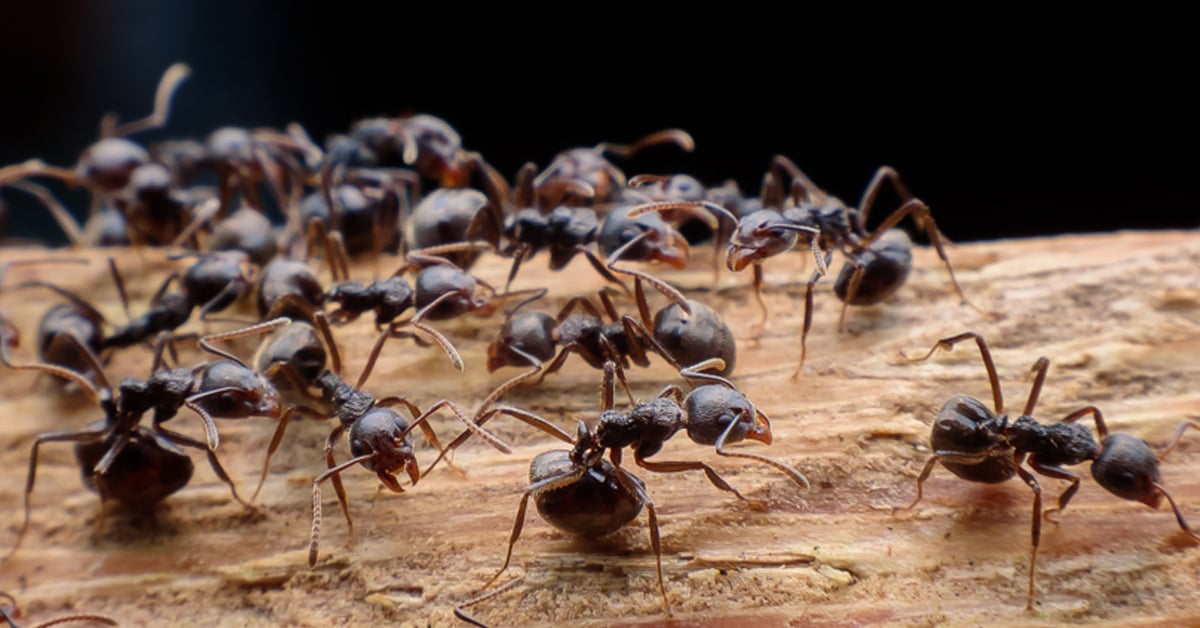
Carpenter ants are known for entering weather or water damaged wood and nesting in the structural timber. They bore little holes into wood surfaces, creating galleries and nests inside the wooden beam. From here they will venture into your home to forage for food; not only will they be crawling throughout your home, but they can cause the structure of your home to become weakened. Carpenter ants along with other wood-destroying pests like termites can result in expensive repairs, so they are houseguests that need to be evicted immediately! Contact us for more information on our carpenter ant control and termite extermination for your NJ, PA, MD, or DE home.
Mice
A mouse infestation is a potential problem for homeowners for many reasons. These pests are looking to find a protected place to spend the winter. They will find any hole in the exterior of your home to enter and once inside, they will search for a safe place to build a nest. They may look for cluttered and undisturbed areas, including basements, attics and even closets. If mice can get into the walls in your home, they will chew up insulation to help make their nest, sometimes chewing through electrical wires, which can be the cause of house fires. Rodents will contaminate your food supply, spread diseases with their feces and destroy your belongings to create nests if they choose your home to spend the winter.
Stinging Insects
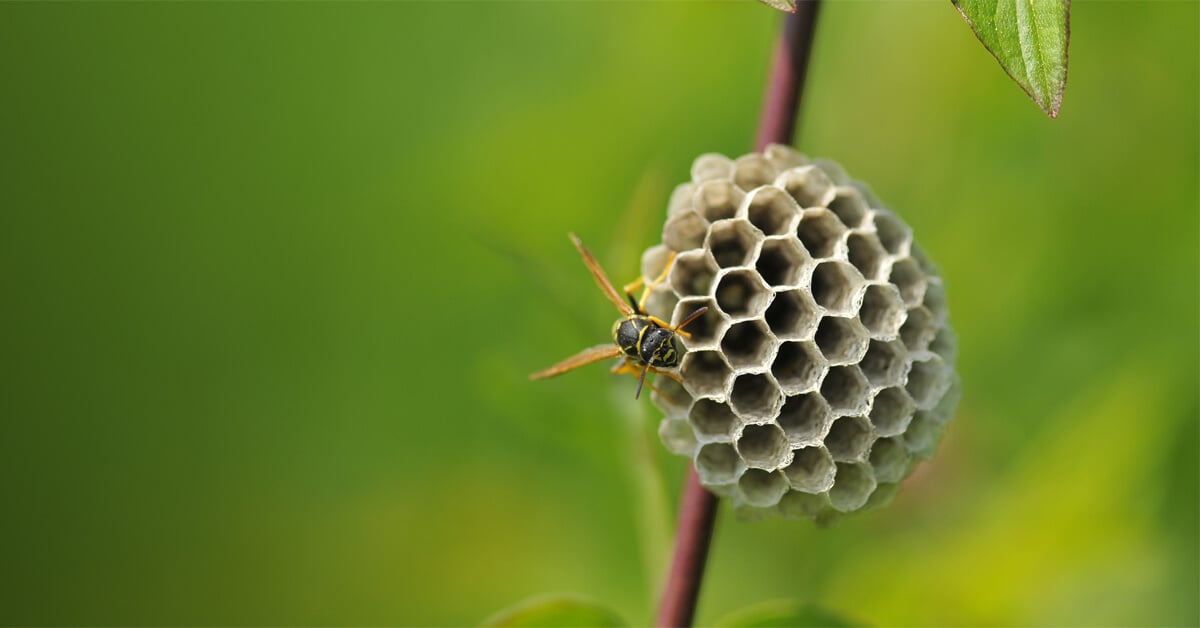
Stinging insects are especially active at this time of year because their populations are at their peak and you will see more of them out, foraging for food. When stinging insects like bees, yellow jackets and paper wasps build their nests on your property, along the exterior of your home, or even inside wall voids in your home, they can become a serious problem. Yellow jackets are known for being especially aggressive and have the ability to sting repeatedly. Any kind of stinging insect nest built inside your home can damage walls, insulation and can be an expensive problem to fix.
Contact Viking for Fall Pest Control Done By Professionals
As you can see, having these pests inside your home is less than ideal! If you are looking for effective home pest control, NJ, PA, MD, and DE residents recommend Viking Pest Control. Our local certified technicians offer exceptional service to help eliminate the pest problem that is present and prevent it from occurring in the future. For more information on our Home Protection Plans, please contact Viking Pest Control today!
Call Viking at 800-618-2847 to learn more about fall pest control and extermination services, or get a fast, free quote online today!
Rat Invasion Threatens Jersey City Residents
An invasion of rats is terrorizing residents of Halladay Street in Jersey City, New Jersey. Rat populations disturbed by ongoing cleanup of the nearby Garfield Avenue chromium site have moved into the small residential neighborhood in northern New Jersey. Rats are so numerous in the neighborhood that these usually nocturnal pests are regularly seen during the day scurrying along sidewalks and crossing driveways. One resident told NJ.com that he is catching as many as five rats per hour in a homemade rat trap baited with dog food that he has set up on his driveway.
Occasional rat sightings have occurred in the Halladay neighborhood due to its location near an area of industrial warehouses; but, until this summer, residents had never experienced a full-blown invasion of the disease-spreading rodents. When rodent habitats are destroyed or disturbed, as they have been during cleanup of the nearby chromium site, NJ pest control experts say rats will relocate to more protected areas nearby. Warehouse lots overgrown with tall grass and weeds and strewn with garbage from passing motorists and pedestrians have provided an ideal habitat and food source for displaced rodents in the Halladay Street area.
The same problem frequently occurs in areas of new residential or retail construction. When animal habitats and food sources are destroyed or disturbed by construction, rats, mice, raccoons, opossums and other local wildlife seek shelter and new food sources in nearby areas. Quiet suburban neighborhoods in northern New Jersey are frequent targets of such rodent and wildlife invasions.
When wildlife is forced to relocate, the New Jersey, Pennsylvania, Delaware, and Eastern Shore of Maryland pest control professionals at Viking Pest Control warn that rats and mice are the most frequent home invaders. If you see evidence of rodents in or near your home, contact the licensed NJ, PA, MD, and DE pest control experts at Viking Pest Control immediately for expert rodent control service.
Call Viking at 800-618-2847 to learn more about rodent pest control and extermination services, or get a fast, free quote online today!