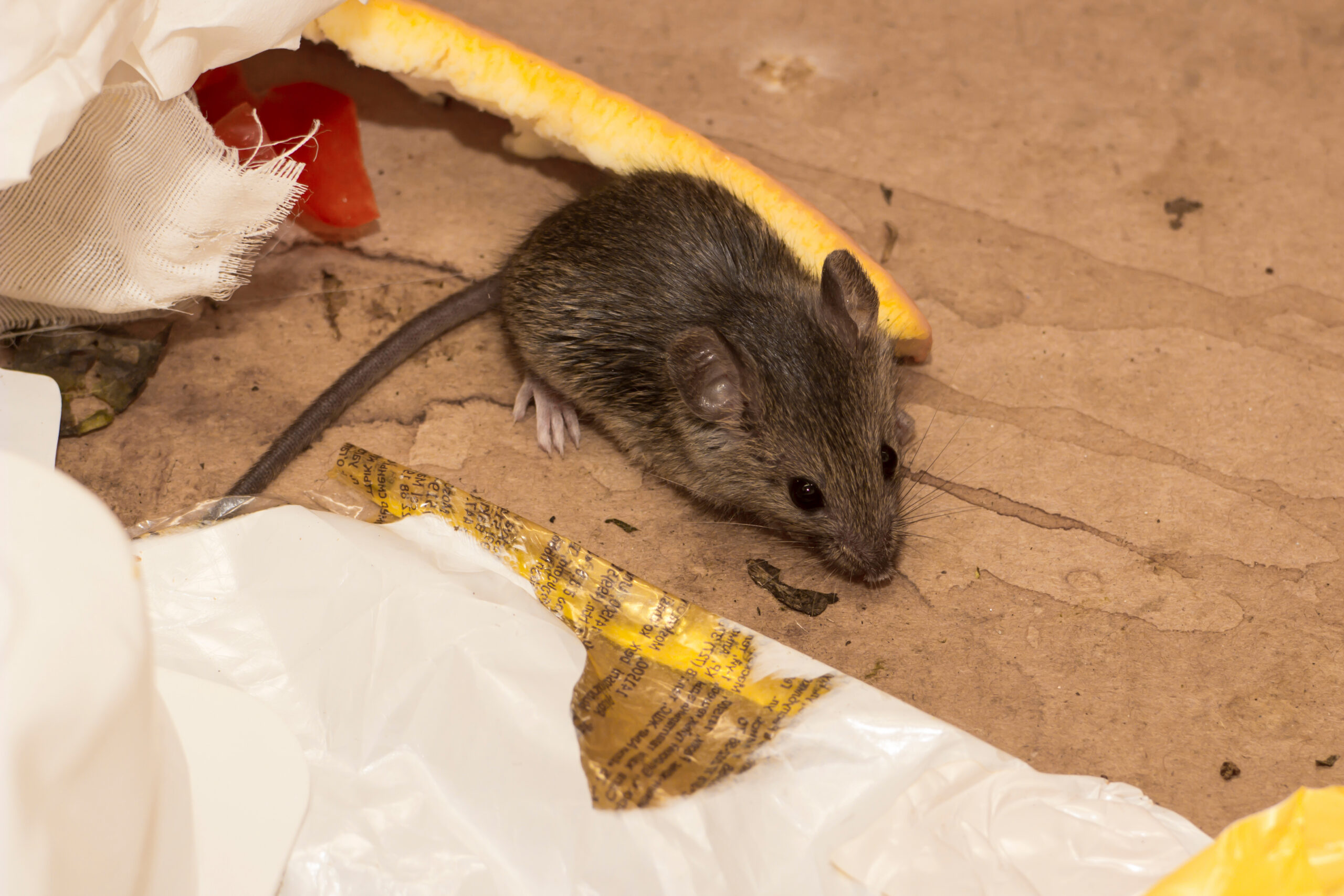
Many homeowners immediately worry when they see a rat around their property, but mice are often underestimated. Because mice are smaller and more familiar to people, some homeowners assume they are harmless nuisances. In reality, mice can pose serious health and property risks when they invade homes.
A single mouse sighting may seem minor at first, but mice reproduce quickly and can rapidly turn into a large infestation. Understanding why mice enter homes, the dangers they create, and how modern pest control solutions work can help homeowners protect their families and property.
Why Mice Enter Homes
As temperatures begin cooling in the fall and winter, mice actively search for warmth, shelter, food, and water. Homes provide ideal conditions for survival, especially when easy entry points are available.
Mice commonly enter homes through:
Gaps around doors and windows
Dryer vents
Utility openings
Foundation cracks
Damaged weather stripping
Holes as small as the width of a pencil
Once inside, mice often nest in hidden areas such as:
Garages
Attics
Basements
Wall voids
Kitchens
Storage areas
Because mice are nocturnal and skilled at hiding, infestations may go unnoticed until populations begin growing rapidly.
Why Mice Are Dangerous
Mice are more than just an annoyance. They are capable of spreading disease, contaminating food, and damaging property.
Diseases Spread by Mice
Mice can carry bacteria, viruses, and parasites that threaten human health. Exposure may occur through direct contact with rodents, droppings, urine, saliva, or contaminated food and surfaces.
Diseases associated with mice include:
Salmonella
Hantavirus
Leptospirosis
Lymphocytic choriomeningitis (LCMV)
Murine typhus
Dysentery
Toxoplasmosis
Mice may also introduce fleas, ticks, mites, and other parasites into the home.
How Quickly Mouse Infestations Grow
One of the biggest dangers associated with mice is how quickly populations expand.
Female mice can:
Begin reproducing at just a few weeks old
Produce multiple litters per year
Become pregnant again almost immediately after giving birth
A small mouse problem in the garage or basement can rapidly spread throughout the home if left untreated.
Signs of a Mouse Infestation
Homeowners may notice several warning signs of mouse activity, including:
Droppings near food or storage areas
Gnaw marks on packaging or wires
Scratching sounds inside walls
Nesting materials such as shredded paper or insulation
Grease marks along walls
Strong musky odors
Visible mice, especially at night
Because mice are highly active breeders, early intervention is critical.
Why DIY Mouse Control Often Fails
Many homeowners attempt to handle mice using store-bought traps or bait products. While these methods may catch a few rodents, they often fail to address the root of the infestation.
DIY rodent control may miss:
Hidden nesting sites
Multiple entry points
Ongoing reproduction cycles
Rodent travel routes
Long-term prevention strategies
Some rodent control products may also pose risks to children, pets, and non-target wildlife if improperly used.
Eco-Friendly SMART Mouse Control Technology
Modern pest control technology has changed the way rodent infestations are managed. Anticimex SMART technology provides an advanced, environmentally friendly solution for mouse control without relying heavily on traditional toxic rodenticides.
How SMART Technology Works
Anticimex SMART systems use connected devices and heat-detection sensors to monitor rodent activity continuously.
The system:
Detects mouse activity automatically
Sends digital alerts to pest professionals
Operates 24/7 year-round
Helps identify high-activity areas
Provides fast response to infestations
Because the system constantly monitors activity, pest professionals can respond quickly before infestations become severe.
Benefits of SMART Pest Control
SMART pest control offers several advantages, including:
Continuous monitoring
Early infestation detection
Reduced pesticide use
Environmentally conscious rodent control
Long-term prevention strategies
Reduced need for homeowner involvement
This technology allows homeowners to maintain protection against mice while minimizing disruption to their daily lives.
Professional Mouse Control From Viking Pest Control
At Viking Pest Control, our professionals thoroughly inspect homes to identify entry points, nesting areas, and rodent activity patterns. We create customized treatment plans designed to eliminate active infestations and help prevent future problems.
Using advanced solutions like Anticimex SMART technology, Viking Pest Control provides homeowners throughout New Jersey, Pennsylvania, Delaware, and Maryland with effective, eco-friendly rodent management solutions.
If you’ve noticed signs of mice in your home, addressing the problem early can help prevent serious health risks, property damage, and rapidly growing infestations.
Back-to-School Pest Threats: How to Protect Schools and Families
As students head back to the classroom each year, parents are usually focused on school supplies, homework, and busy schedules—not pests. But schools can create the perfect environment for rodents, bed bugs, and even lice to spread. With crowded classrooms, shared spaces, cafeterias full of food, and constant foot traffic, pests can quickly become a serious problem for both schools and families throughout New Jersey, Pennsylvania, Delaware, and the Eastern Shore of Maryland.
From mice contaminating cafeterias to bed bugs hitchhiking home in backpacks, these pest problems can impact health, safety, and peace of mind. Knowing what to watch for and how to prevent infestations can help protect your child, your home, and your school community.
Why Schools Are Vulnerable to Pest Problems
Schools naturally attract pests because they provide easy access to food, shelter, warmth, and people. Large buildings with cafeterias, lockers, storage areas, and heavy daily traffic give pests plenty of places to hide and thrive.
Rodents are especially drawn to cafeterias and kitchens where crumbs, spills, and improperly stored food create reliable food sources. Bed bugs, on the other hand, spread easily in schools because students store coats and backpacks close together and spend long hours in shared spaces.
Without proper prevention and monitoring, pests can spread quickly throughout classrooms, cafeterias, offices, and even into students’ homes.
Mouse Infestations in Schools
Mice are a common issue in schools across the Northeast. Cafeterias and food storage areas are especially attractive because they provide a constant supply of food and water.
Beyond being unpleasant, mice create serious health concerns. Rodents can contaminate food preparation areas with droppings and urine and may spread bacteria and diseases. They can also damage walls, wiring, insulation, and storage materials inside school buildings.
Signs of a mouse infestation in a school may include:
Mouse droppings in cafeterias, storage rooms, or classrooms
Scratching noises inside walls or ceilings
Gnaw marks on food packaging or wiring
A strong musky odor
Sightings of live or dead mice
Because mice reproduce quickly, even a small rodent problem can rapidly become a major infestation if left untreated.
Bed Bugs in Schools
Bed bugs are not just a hotel problem anymore. These hitchhiking pests are commonly found in schools, public transportation, libraries, theaters, and other places where large numbers of people gather.
Unlike lice, bed bugs do not live on people. Instead, they hide in backpacks, coats, lunch bags, and personal belongings before traveling into homes.
Bed bugs cannot fly or jump, but they are excellent crawlers. A single bed bug can easily move from one student’s belongings to another’s during the school day.
Signs of Bed Bugs
Parents should watch for:
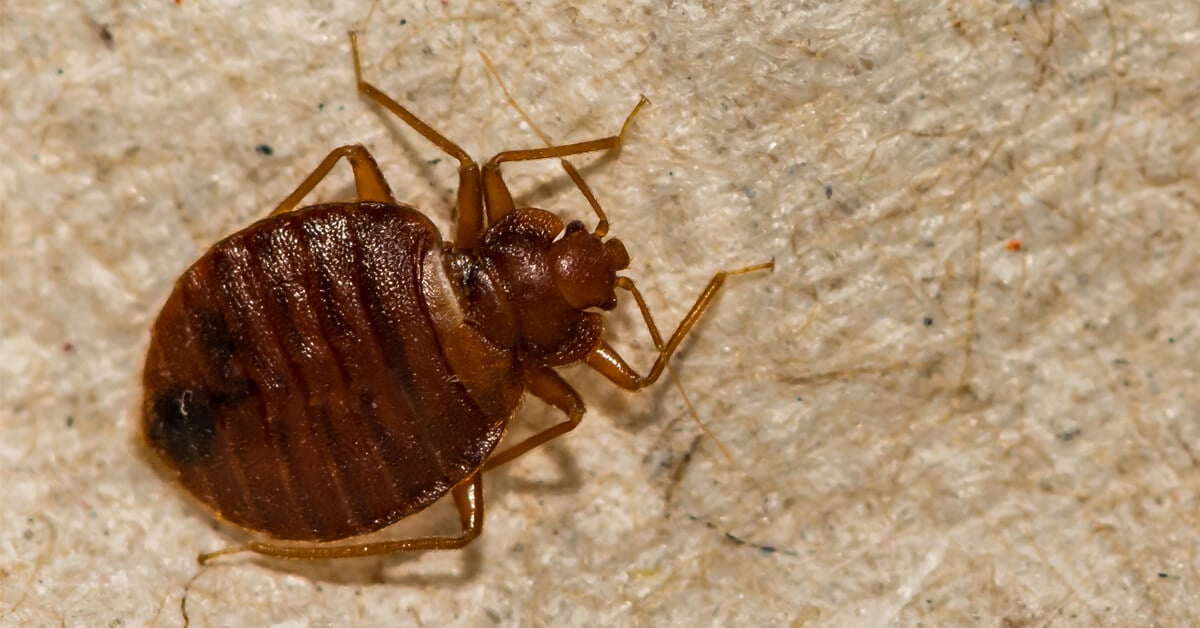
Small reddish-brown bugs
Tiny dark stains or spotting on fabrics
Shed skins or eggs
Unexplained itchy bites, often appearing in rows or clusters
Early detection is extremely important because bed bugs spread quickly and are much easier to eliminate before an infestation grows.
How Parents Can Help Prevent School Pest Problems
There are several simple steps families can take to reduce the risk of bringing pests home from school.
Bed Bug Prevention Tips for Families
Regularly inspect backpacks, lunch bags, and jackets
Wash outerwear and backpacks when possible using hot water and high heat drying cycles
Encourage children to keep coats and backpacks off classroom floors
Teach children not to share hats, scarves, brushes, or clothing
Have children change clothes after school if bed bug exposure is suspected
Rodent Prevention Tips at Home
Store snacks and pantry foods in sealed containers
Clean crumbs and spills quickly
Empty trash regularly
Seal gaps or cracks around doors, windows, and utility lines
Reduce clutter where rodents may hide
Why Professional Pest Control Matters
School pest issues can be difficult to control without professional help. Rodents hide inside walls and ceilings, while bed bugs are notoriously difficult to eliminate with DIY treatments.
At Viking Pest Control, our trained professionals provide effective pest management solutions for homes, schools, and businesses throughout New Jersey, Pennsylvania, Delaware, and the Eastern Shore of Maryland.
Our team can help identify pest entry points, eliminate infestations, and create preventative treatment plans designed to keep rodents, bed bugs, and other pests from returning.
Protect Your Family and School From Pests
Back-to-school season should be about learning—not dealing with mice or bed bugs. Staying proactive with inspections, cleanliness, and professional pest control can help reduce the risk of infestations both at school and at home.
If you suspect a rodent or bed bug problem, contact Viking Pest Control today for professional inspection and treatment services.