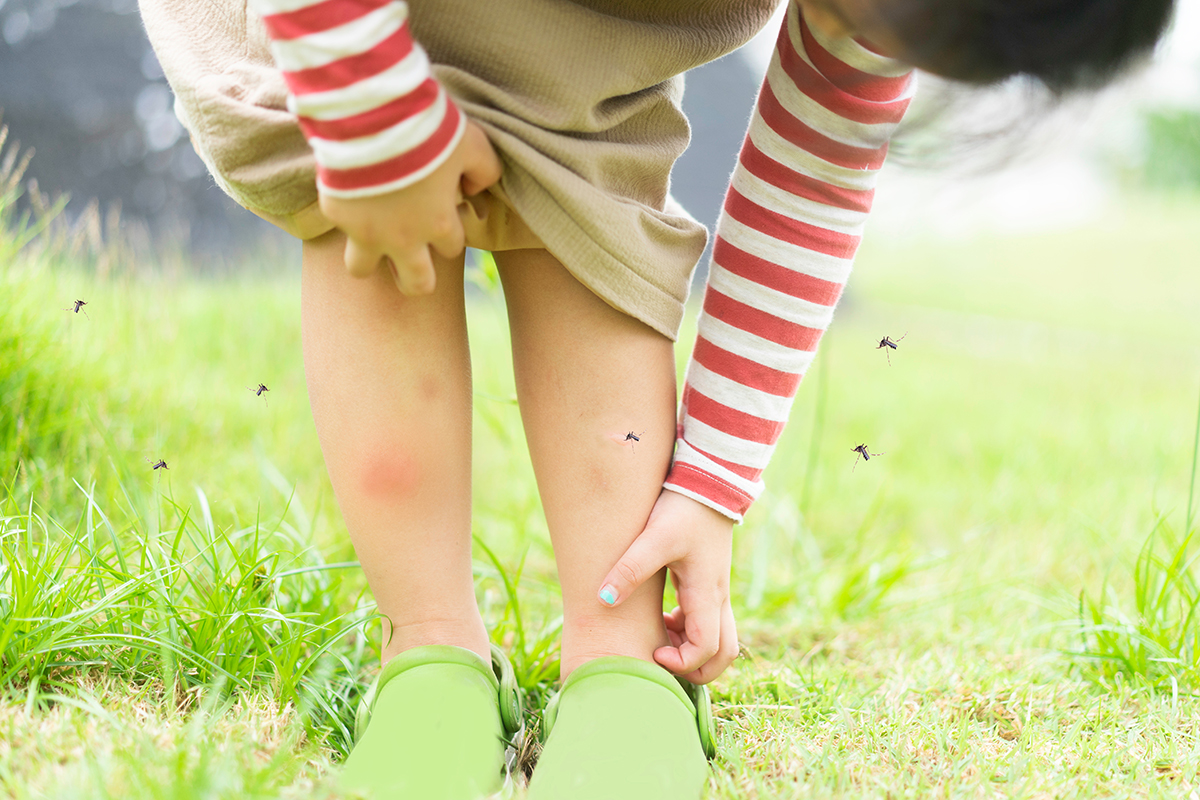
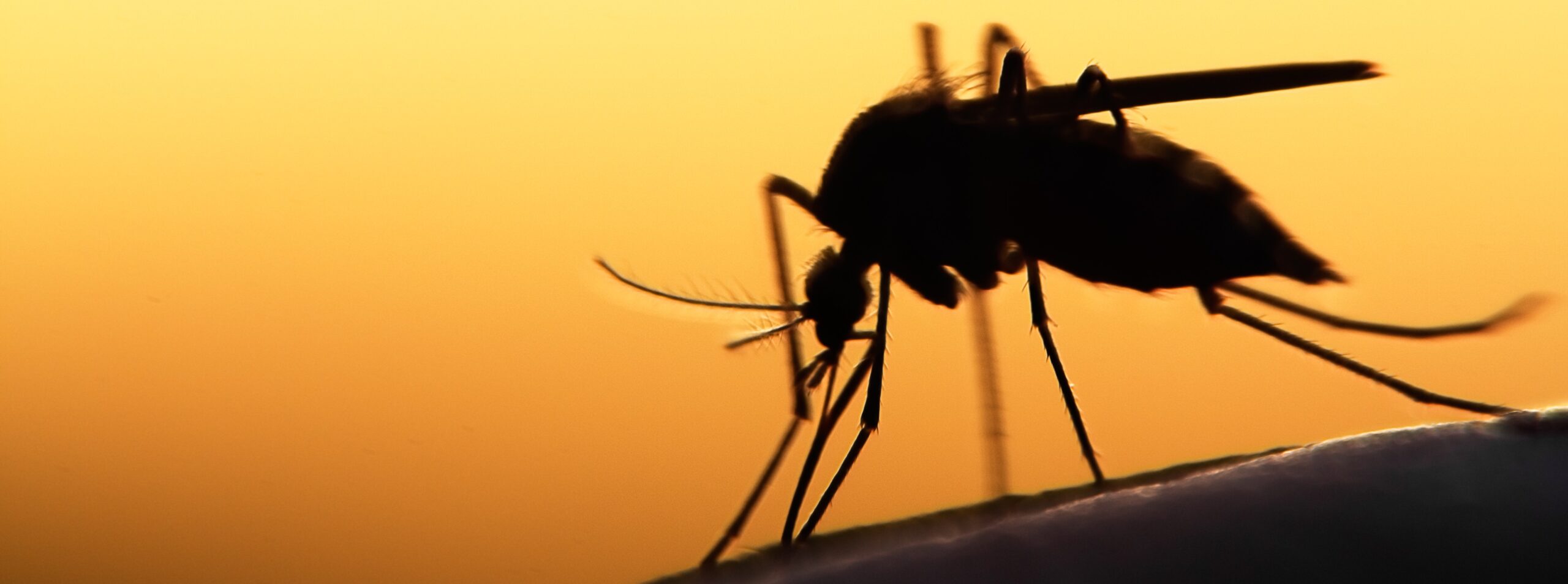
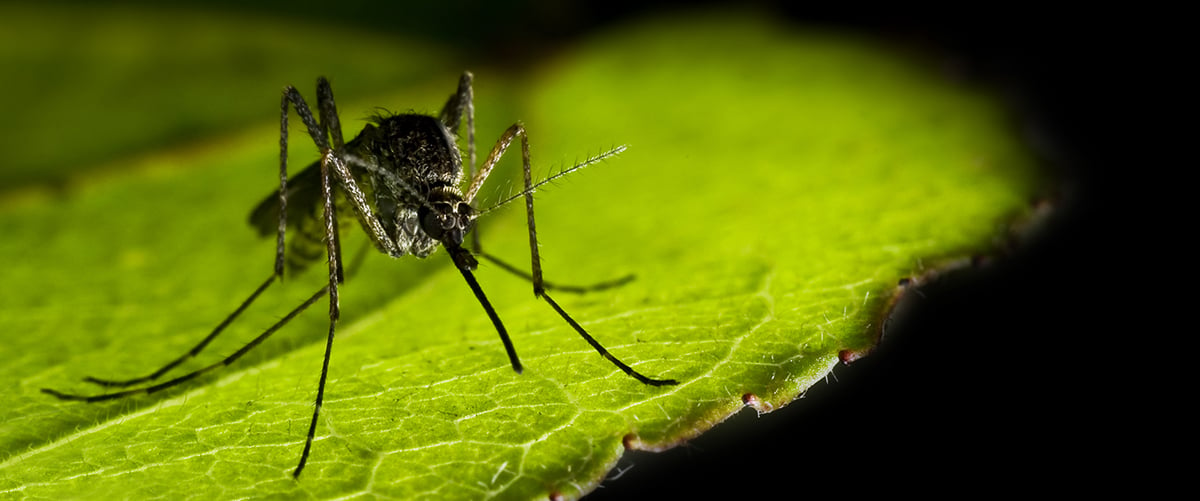
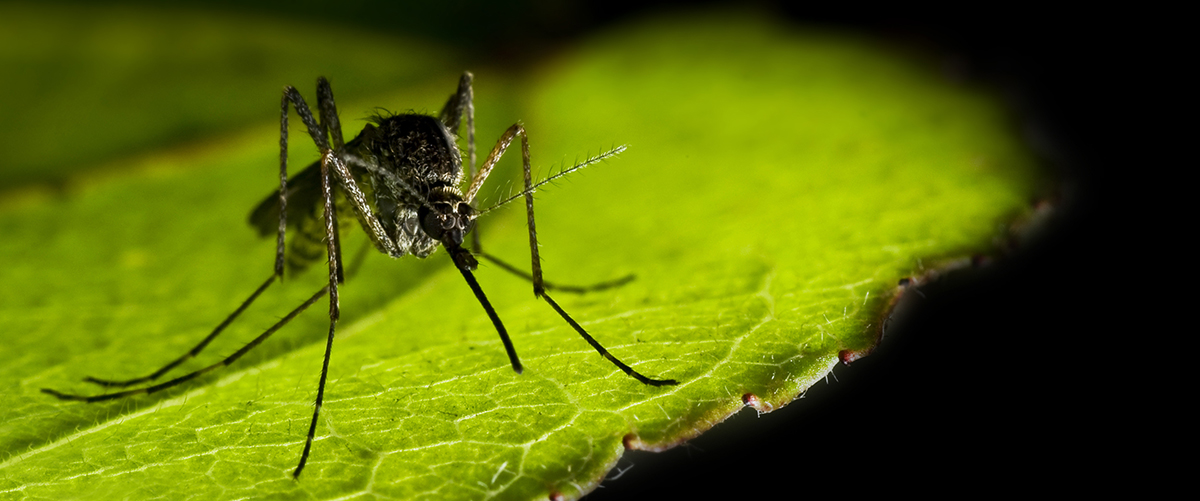
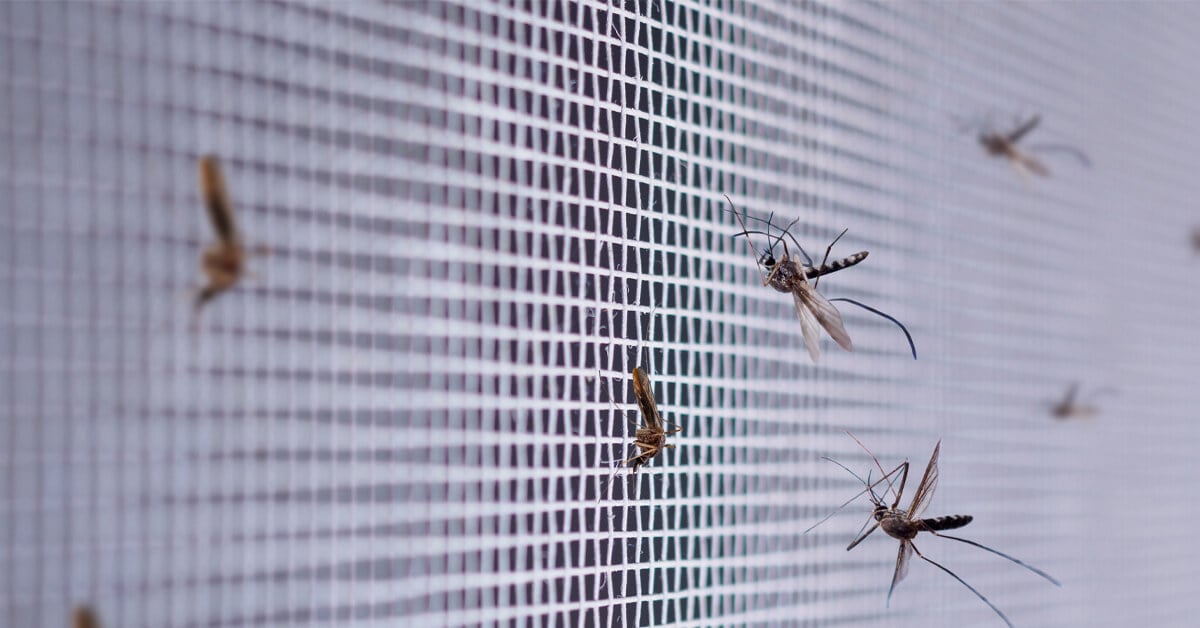
Mosquito bites are one of the more irritating summer afflictions, but, more than that, they can also be one of the most dangerous. In the summer of 2025, mosquitoes carrying West Nile Virus have been found in more than half of Pennsylvania’s 67 counties. While there have been no confirmed cases in humans so far, it’s still a good idea to take precautions against infection. Children five and under and adults 65 and over are most at risk of getting the disease.
What is West Nile Virus?
West Nile virus is a common mosquito-borne disease that can strike with varying degrees of intensity. 80% of people who contract the virus will not have any symptoms, but for the 20% who do get symptoms, West Nile Virus can be pure misery.
The most common symptoms for the 20% who get them include:
Fever
Muscle Aches
Headaches
Nausea
Vomiting
Diarrhea
Rash, usually around the chest and back
Sore Throat
Pain behind the eyes
More severe cases of West Nile can cause encephalitis and meningitis.
These more severe symptoms can include:
Intense, agonizing headaches
Fever in excess of 103 degrees Fahrenheit
Neck Stiffness
Confusion
Muscular weakness
Seizures
Paralysis
Coma
There are currently no vaccines for West Nile virus, which means that the best way to prevent infection is to prevent mosquito bites to begin with.
Preventing Mosquito Bites
The best way to prevent mosquito bites is to keep mosquitoes away from you. Mosquitoes generally prefer to remain outdoors, but you should avoid giving them points of entry. Don’t keep doors open any longer than necessary. Putting screens over your windows or adding screen doors to your exterior couldn’t hurt. When you are outside, you can use EPA-approved mosquito repellants. Long sleeves and pants help to limit mosquito access to your skin.
You can also take proactive methods to keep mosquitoes out of your yard. Many mosquito species breed in water, so eliminating sources of standing water is vital. Regularly empty bird baths and gutters, and be sure to drain any other areas where water can collect. Preventive treatments for your yard like Viking’s Last Bite service can create a protective barrier around your home that can help keep mosquitoes and ticks, another infamous disease-causing pest, away.
The presence of West Nile Virus in so many Pennsylvania counties this year serves as a timely reminder that mosquito prevention isn’t just about avoiding itchy bites; it’s about protecting your health and the health of your loved ones. While the risk of serious illness remains relatively low, the consequences can be severe for those who are more vulnerable. Taking a few simple steps now can make a significant difference later. Whether it’s eliminating standing water, using repellents, wearing protective clothing, or investing in a professional mosquito management program like Viking’s Last Bite, these actions can help you enjoy the outdoors with greater peace of mind. Staying vigilant this summer isn’t just smart, it’s essential.
Products and Techniques That Keep Mosquitos Away
The mosquito is the most deadly animal in the world—more dangerous than sharks, bears, and snakes combined! Mosquitos infamously spread Malaria, one of the most dangerous diseases in the world. While Malaria outbreaks in the United States are exceedingly rare, mosquitos can still spread a wide variety of dangerous ailments including West Nile Virus, Zika virus, and Eastern Equine Encephalitis.
In addition to threats to people, mosquitos are also dangerous for pets. Mosquitos are an infamous cause of heartworm in dogs.
How To Keep Mosquitos Away
Mosquito repellent helps keep mosquitoes and ticks from biting you by blocking your scent. Some people like using natural sprays, but the CDC says not all of them are safe for children or nursing mothers. For example, Oil of Lemon Eucalyptus shouldn’t be used on kids under 3. But repellents with DEET or Picaridin are safe when used as directed—even for kids.
Always choose a repellent that’s registered with the EPA. These have been tested to make sure they are safe and effective. If you’re going somewhere with a lot of mosquitos stick with products like DEET or Picaridin—especially ones that are over 25% strength. Natural repellents usually don’t last as long and need to be used more often. If you have sensitive skin, you can spray repellent on your clothes instead of your skin. Another option that avoids skin contact is also clip-on devices that can help keep mosquitoes away. Some claim that noise machines can scare off mosquitoes. This is a myth. Don’t waste your money.
Traps that use carbon dioxide (CO2) can help, but they have to be placed in the right spot. If you put them too close to people, they might attract more mosquitoes than they repel! Bug zappers that use lights don’t work very well for mosquitoes and might hurt beneficial insects instead. Some plant-based sprays made from oils can work, but they don’t last as long and can smell strong. Don’t spray them on flowers, because that can hurt bees.
How You Can Prevent Mosquitos In the First Place
The most crucial step is to get rid of standing water. That’s where mosquitoes lay eggs. Even a small puddle or a bucket of water can become a mosquito nursery!
Check inside clogged gutters, birdbaths, toys, planters, and old tires. If you can’t dump out the water, you can treat it with special products that kill baby mosquitoes—just make sure it’s allowed in your state. Always read the label and wear protective gear like long sleeves, pants, gloves, and maybe even goggles or a mask, depending on the product.
Another trick? Use fans! Mosquitoes aren’t great flyers, so air from a fan can help blow them away from where people are sitting. This works just like the air curtains you feel when you walk into a store.
Some smells that keep mosquitoes away are citronella, thyme, clove, catnip, cinnamon, and geraniol.
How Professionals Get Rid of Mosquitos
If you’re unsure about doing it yourself, it’s a good idea to call a professional. They have the training and tools to do it safely and effectively. Professionals treat places where mosquitoes hide during the day, like under decks, in bushes, or in shady spots. They may use sprays that are either natural or synthetic, depending on what’s needed.
Viking Pest Control offers Last Bite Tick & Mosquito Control Service which creates a protective barrier around your yard during the spring that prevents both mosquitos and ticks. These treatments are repeated monthly from spring through fall to ensure that you get as much comfortable, worry-free outdoor time as possible. Viking also offers Last Bite Green if you are looking for a more natural, low-impact solution to your mosquito problems.
Call to schedule your first Last Bite treatment today!
Mosquito Season is Coming: Mosquito Control Tips for Your Yard
After a long and wet winter, mosquito season begins in New Jersey, Pennsylvania, Delaware, and Maryland. Mosquitoes are more than just a nuisance; they pose a serious risk to public health. These tiny pests can transmit numerous diseases to both people and pets, including Zika virus, West Nile virus, dog heartworm, and multiple forms of encephalitis. Alarmingly, in recent years, locally acquired cases of malaria have been detected in Maryland.
The Key to Mosquito Control: Eliminating Breeding Sites
The most effective way to prevent a spring mosquito invasion is to remove their breeding grounds. Mosquitoes lay their eggs in standing water, making it essential for homeowners to eliminate these sources around their property. Common culprits include:
Old tires
Buckets
Flowerpot drip trays
Unused children’s toys (such as sandboxes)
Clogged rain gutters
Birdbaths and ponds
For water-containing areas that cannot be drained like koi ponds and fountains, consider installing a circulation or agitation system. Mosquitoes will not breed in moving water, and solar-powered fountains available online are an easy and eco-friendly solution.
Targeting Mosquito Larvae
If standing water cannot be removed, using larvicides is an effective control method. Mosquito dunks containing Bacillus thuringiensis israelensis (BTI) are an eco-friendly and natural solution. BTI targets only mosquito larvae, blackflies, and fungus gnats while being harmless to people and animals. These products are readily available online and at local retailers.
Additional Prevention Strategies
In addition to removing breeding sites, there are other effective ways to reduce mosquito populations in your yard:
Mosquito-Repelling Plants: Citronella grass, basil, and lavender are known to deter mosquitoes.
Lawn Maintenance: Mosquitoes rest on the undersides of leaves during the day, so trimming overgrown areas can help reduce their presence.
Encourage Natural Predators: Installing bat houses on your property can attract little brown bats, which can consume hundreds of mosquitoes in a single night.
The Limitations of DIY Sprays
Many commercially available sprays claim to repel mosquitoes but often provide only short-lived results. No single method alone is a foolproof solution, so a combination of control strategies is the most effective approach.
Professional Mosquito Control Solutions
For the best results, professional pest control services use an integrated approach that includes:
Habitat modification to eliminate breeding grounds
Larvicide applications to target mosquito larvae
Adult mosquito treatments using traditional pesticides or eco-friendly alternatives
At Viking Pest Control, we offer comprehensive mosquito control solutions to keep your home and yard safe. Our Award-Winning Last Bite mosquito and tick yard treatments have a proven track record of driving mosquitos away. Starting in 2025, we have added a Last Bite Green mosquito control option. Last Bite is also included in several of our more comprehensive home pest control plans. Contact us today to learn more about our professional treatment options and enjoy a mosquito-free environment all season long.
Eastern Equine Encephalitis in the Mid-Atlantic: What You Need to Know About This Mosquito-Transmitted Disease
Eastern Equine Encephalitis (EEE) has been all over the news lately. It is a mosquito-transmitted disease that has a surprisingly high mortality rate when it infects humans. However, EEE cases in humans are extremely rare and, with proper preparation, can be avoided. Here is what you need to know.
EEE is most commonly transmitted by Black-Tailed Mosquitoes, but they are not the source of the disease. A large variety of birds carries the disease. The mosquitos suck the blood of the birds, pick up the disease and then transfer it to humans, horses, and other susceptible mammals with subsequent bites.
What Are Black-Tailed Mosquitoes?
The Black-Tailed Mosquito favors lowland swamp regions and, within the mid-Atlantic, is most commonly found in the Southern Coastal Plains of New Jersey, particularly in Atlantic White Cedar swamps. According to the New Jersey Department of Health, EEE-infected mosquito pools have been found most frequently in Sussex, Atlantic, Morris, Burlington, Camden, and Monmouth Counties. Despite their seemingly wide dispersal, cases of human infection with EEE are exceedingly high. According to national figures from the Centers for Disease Control, just seven cases of human infection were found in 2022 and only one in 2023. That doesn’t mean that the number will always be that low; there were 38 human cases in 2019. Recent weather changes have led to mosquito season lasting longer than before, so it’s possible that the rate of human infection may increase as well with the increased mosquito activity.
Is There a Treatment for EEE?
Type and severity of symptoms vary depending on the infected person's age. People over the age of 50 and younger than the age of 15 are at greater risk of developing more severe symptoms. Those severe cases begin with rapid onset of headaches, high fevers, chills, and vomiting and may eventually progress to disorientation, seizures, inflammation of the brain, and comes. It is estimated that one in three humans who develop EEE will die, and many of those who survive may suffer mild to severe brain damage.
There is currently no human vaccine for EEE, so the best way to prevent infection is to prevent mosquito bites. Mosquitos are most active at dusk and at dawn, so wearing long sleeves and pants at those times is a good idea. Responsible use of EPA-approved bug repellants can also help. Mosquitos lay their eggs in standing water, so make sure that you empty all sources of standing water around your home or business regularly. You should also regularly remove gutter and leaf debris. Finally, you can sign up for Last Bite Mosquito and Tick Protection from Viking Pest to help ensure that your home or business is mosquito-free.
While there is currently no EEE vaccine for humans, there is one for horses. So, if you raise horses on your property or take care of them as part of your business, we recommend vaccinating your horses. While the mortality rate for infected humans is about one in three, the mortality rate for horses is substantially higher, in excess of 90 percent, according to the US Department of Agriculture.
Contact Last Bite for Mosquito Control Today
Last Bite Treatments are available March through November, so if you want to protect you home or business from disease carrying mosquitos, call for an estimate today.
Protect Yourself with Award-Winning Mosquito Control from Viking
Mosquito populations are increasing rapidly across the United States, making mosquito control more and more of a priority for home and business owners. Luckily, Viking Pest offers award-winning mosquito protection to New Jersey, Pennsylvania, Delaware, and the Eastern Shore of Maryland residents.
Did you know that as many as 1 million people die from a mosquito-borne disease each year?
Fortunately, most of the most dangerous mosquito-borne diseases are found on the other side of the Atlantic. However, hundreds of US Citizens still contract serious diseases like West Nile Virus from mosquito bites yearly. Learn the how’s and why’s of keeping your family safe from Mosquitos in this blog.
200494427
Why Worry About Mosquitos?
The main reason mosquitoes are so dangerous is how easily they spread diseases. Over 50% of the global population is currently at risk of contracting mosquito-transmitted ailments including
Zika
West Nile Virus
Dengue
Yellow fever
Malaria
Lymphatic filariasis
Chikungunya
Canine Heartworm
Even more concerning is that some of these diseases, such as West Nile Virus, are spreading faster than ever. And while most people infected by these diseases will survive, they can still suffer long-lasting adverse effects on their quality of life.
Mosquito Populations Are Growing
Another reason mosquitoes are a significant problem is that they reproduce rapidly. Human changes to land and natural ecosystems have led to a marked increase in mosquito numbers over the last decade. In some areas of the US, mosquito populations have increased as much as four-fold.
Moreover, mosquitoes reproduce quickly. A female mosquito lays around 100 eggs at a time. These eggs are relatively sturdy, face little threat, and can mature in as little as 8-10 days.
Mosquitoes Are Resilient
While there are many effective forms of DIY mosquito control, studies show that some are losing their effectiveness. Certain mosquitoes have developed resistance to DEET, which is a critical component in many bug sprays. Those mosquitos that no longer smell DEET have passed this trait on to their offspring, which then pass it on to the next generation.
If you have a population of mosquitoes around your home, you may want to investigate more comprehensive and effective mosquito control methods.
How to Prevent Mosquito-Borne Diseases
While there are a variety of preventative measures you can take to avoid mosquito bites, the only way to completely prevent mosquito-borne diseases is to avoid being bitten altogether. Here are some preventive techniques you can use to prevent mosquito bites and, by extension, mosquito-borne diseases:
Clothing: When going outside in an area with mosquitoes, wear long clothes that cover your skin.
Last Bite: Last Bite from Viking Pest Control is an excellent form of tick and mosquito protection for your property. It is an efficient outdoor treatment that prevents these insects from breeding. Forbes Home recently rated Viking as one of the best mosquito control companies in the country.
Time Your Activities: If you plan outdoor events, try to schedule them after dawn and before dusk, as these are the peak hours of mosquito activity.
Mosquito-Proof Your Home: Ensure all your windows have intact screens to prevent mosquitoes from entering. Don't leave doors or unscreened windows open!
Repellents: While some repellents are losing their efficacy against certain mosquitoes, you can generally still use repellents when spending time in mosquito-populated spaces to attract fewer mosquitoes and reduce your chances of contracting a disease.
Stay Safe From Mosquitoes with Viking Pest Control
Though small in size, mosquitos are the deadliest animals in the world. Applying these prevention strategies can protect yourself and your family from mosquito-borne diseases.
Viking is proud to offer award-winning treatment designed to control and prevent mosquitoes from invading your home or business effectively and efficiently. A top-five Forbes Home Best Mosquito Control Company, Viking is ready to protect your property against these invaders. Our use of Integrated Pest Management (IPM) techniques focuses on finding the core of the pest concern and controlling Mosquitos from the source. Get in touch with us today for your FREE and NO OBLIGATION estimate at 1-800-618-2847 or Schedule Online today!
Mosquito and Tick-Borne Diseases
Mosquitoes and ticks are more than just annoying outdoor pests. These biting insects are known carriers of serious diseases that can affect both humans and pets throughout the Mid-Atlantic region and beyond.
From itchy mosquito bites to potentially dangerous tick-borne illnesses, understanding the risks and taking preventative action can help keep your family safer outdoors.
Why Mosquitoes and Ticks Are Dangerous
Mosquitoes and ticks are considered disease vectors, meaning they can carry and spread bacteria, viruses, and parasites through their bites.
While many bites only cause mild irritation, others may expose people to serious illnesses that can lead to long-term health complications or, in rare cases, death.
As mosquito and tick populations continue to increase in many areas, the risk of exposure to these diseases also grows.
Common Mosquito-Borne Diseases
Mosquitoes are responsible for spreading several diseases worldwide. Some are more common in tropical regions, while others have been reported throughout the United States.
West Nile Virus
West Nile Virus is one of the most common mosquito-borne illnesses in the United States. It spreads between birds and mosquitoes before being transmitted to humans.
Many people experience mild or no symptoms, but severe cases can affect the nervous system and cause inflammation of the brain.
Common symptoms include:
Fever
Headaches
Fatigue
Rash
Body aches
Eastern Equine Encephalitis (EEE)
EEE is a rare but serious viral disease spread by mosquitoes. Though uncommon, cases have been reported in the Northeast, including New Jersey.
Symptoms may include:
Fever
Severe headache
Confusion
Seizures
Neurological complications
Young children and older adults are often at greater risk for severe illness.
Zika Virus
Zika Virus usually causes mild symptoms, but it can be especially dangerous during pregnancy due to the risk of birth defects.
Symptoms may include:
Fever
Rash
Joint pain
Red eyes
Dengue Fever
More common in tropical and subtropical regions, dengue fever causes flu-like symptoms and, in severe cases, can become life-threatening.
Symptoms include:
High fever
Severe headaches
Vomiting
Muscle and joint pain
Malaria
Although less common in the United States, malaria remains one of the world’s most serious mosquito-borne diseases.
Symptoms include:
Fever and chills
Sweating
Fatigue
Headaches
Nausea
Without treatment, malaria can become life-threatening.
Common Tick-Borne Diseases
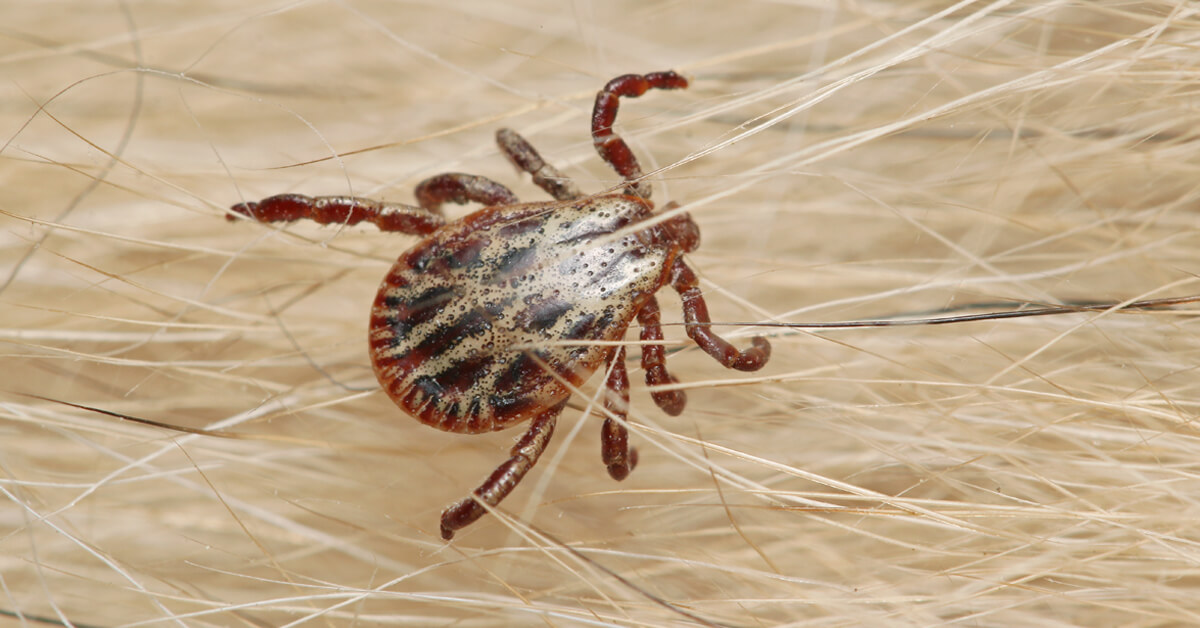
Ticks are another major concern throughout the Northeast and Mid-Atlantic region. These pests attach to humans and animals to feed on blood and may spread dangerous illnesses while feeding.
Lyme Disease
Lyme disease is one of the most common tick-borne illnesses in the United States, especially in Pennsylvania and New Jersey.
Common symptoms include:
Bullseye rash
Fever
Fatigue
Joint pain
Muscle aches
If left untreated, Lyme disease can lead to long-term neurological and joint complications.
Rocky Mountain Spotted Fever
This bacterial disease can become serious if not treated early.
Symptoms may include:
Fever
Headaches
Muscle pain
Rash
Ehrlichiosis
Ehrlichiosis is another bacterial illness spread through tick bites.
Symptoms often include:
Fever
Chills
Headaches
Muscle aches
Babesioisis
Babesiosis is caused by parasites that infect red blood cells and is becoming more common in parts of the Northeast.
Symptoms may include:
Fatigue
Fever
Sweats
Muscle aches
How to Reduce Mosquito and Tick Activity Around Your Home
Reducing exposure starts with limiting pest activity around your property.
Mosquito Prevention Tips
To help reduce mosquitoes around your home:
Eliminate standing water
Clean gutters regularly
Repair damaged screens
Wear insect repellent outdoors
Avoid outdoor activity during dawn and dusk
Keep grass and landscaping maintained
Mosquitoes breed in standing water, even in small amounts found in buckets, birdbaths, flowerpots, and clogged gutters.
Tick Prevention Tips
To reduce tick activity:
Keep grass trimmed short
Remove leaf litter and brush
Trim shrubs and overgrown vegetation
Wear long sleeves and pants outdoors
Check clothing, pets, and skin after spending time outside
Ticks commonly live in wooded areas, tall grass, and dense vegetation.
The Importance of Professional Mosquito and Tick Control
While preventative steps can help, professional mosquito and tick treatments can significantly reduce pest populations around your home.
Regular treatments can:
Target mosquito resting and breeding areas
Reduce active tick populations
Help lower the risk of bites
Improve outdoor comfort throughout the season
Professional pest control can also identify problem areas around your property that may be contributing to increased mosquito or tick activity.
Protect Your Yard and Family This Season with Viking Pest Control
Mosquitoes and ticks are more than seasonal nuisances — they can pose real health risks to your family and pets.
By staying proactive with prevention, reducing breeding areas, and addressing pest activity early, you can enjoy your outdoor spaces with greater peace of mind throughout the warmer months.
How to Avoid Mosquito Bites
Mosquitoes are more than a summer nuisance in New Jersey, Pennsylvania, Delaware, and the Eastern Shore of Maryland—they’re persistent, aggressive biters that can quickly take over your outdoor spaces. And because they can carry diseases, avoiding bites isn’t just about comfort, it’s about protecting your home environment.
The reality is that most mosquito problems don’t start with “bad luck.” They start in backyards that accidentally give mosquitoes everything they need to thrive. The good news is that with the right prevention steps—and professional help—you can take that advantage away from them.
Why Mosquitoes Keep Showing Up Around Your Home
Mosquitoes are driven by three things: water, shelter, and people.
They breed in stagnant water, rest in shaded landscaping during the day, and feed on humans and pets at dawn and dusk. That means even a well-kept yard can become a hotspot if a few key conditions are ignored.
In the Northeast, frequent rain, humid summers, and dense suburban landscaping make mosquito control an ongoing challenge rather than a one-time fix.
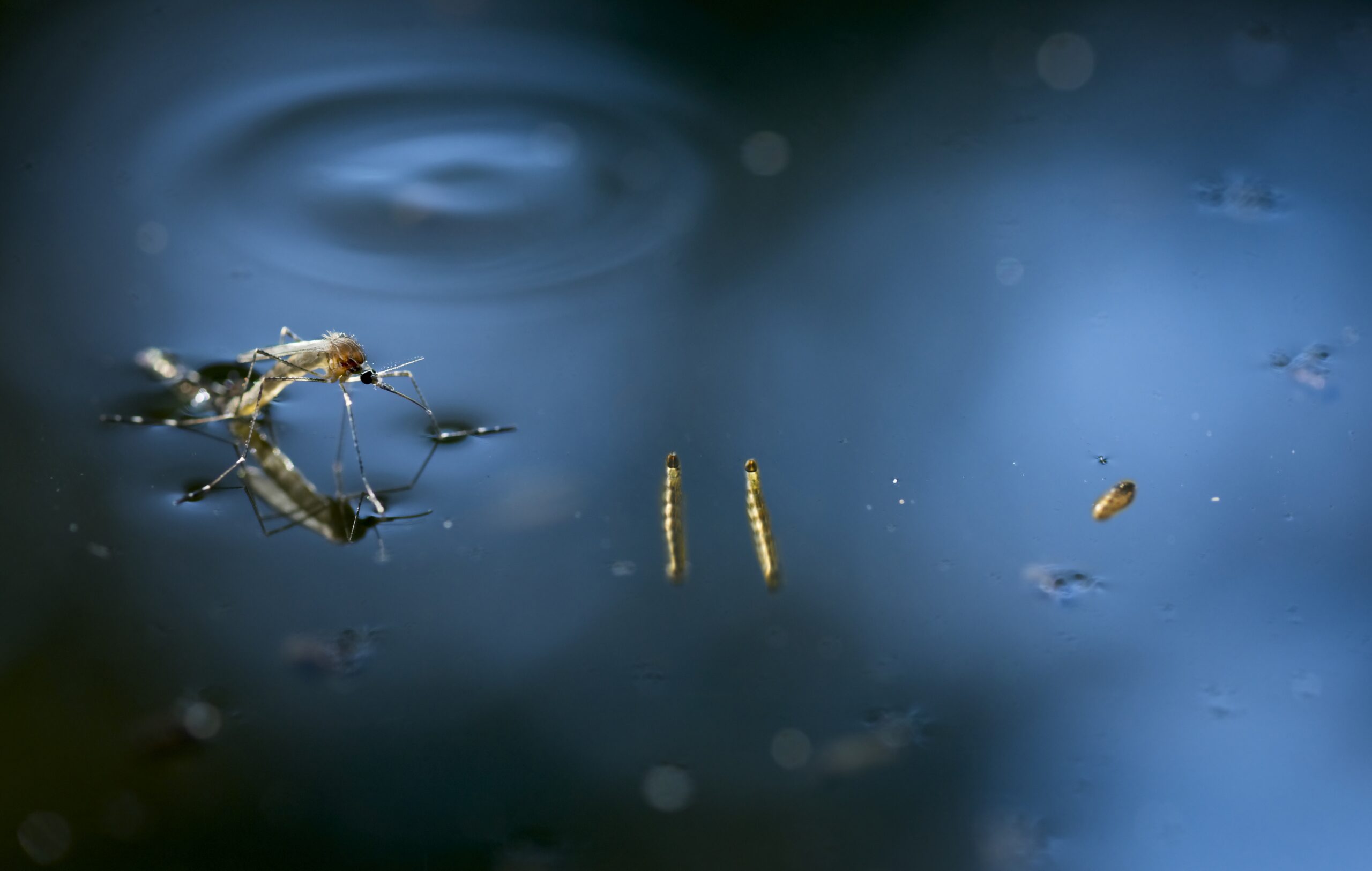
Adult Mosquito emerging from water in a stagnant pond with larvae and pupae.
Eliminate Standing Water Before It Becomes a Breeding Site
If there’s one step that makes the biggest impact, it’s this.
Mosquitoes can complete their life cycle in surprisingly small amounts of still water, so even “harmless” items around your yard can become breeding grounds.
Make sure you regularly check:
Buckets, toys, and unused containers
Clogged gutters and downspouts
Birdbaths and pet bowls
Plant saucers and planters
Tarps and pool covers that collect rainwater
If you have decorative water features, keep water circulating with a pump so it never becomes stagnant.
Make Your Yard Less Attractive to Mosquitoes
Mosquitoes don’t just fly in randomly—they rest and hide in vegetation during the day.
A few simple landscaping habits can make a big difference:
Trim shrubs and bushes regularly
Cut back overgrown tree branches near your home
Remove piles of leaves, mulch, or yard debris
Store firewood away from your house
Keep compost bins tightly sealed and maintained
The less shade and clutter available, the fewer places mosquitoes have to hide and reproduce.
Protect Yourself When You Go Outside
Even with prevention, mosquitoes are opportunists. Personal protection is still essential.
Clothing helps more than most people realize:
Wear light-colored clothing to reduce attraction
Cover arms and legs during peak biting times
Avoid dark, high-contrast outfits in mosquito-heavy areas
For repellents, stick with proven active ingredients:
DEET
Picaridin
Oil of lemon eucalyptus (CDC-supported synthetic versions available in sprays)
Natural oils like citronella or peppermint may help briefly, but they don’t offer the same level of protection in high mosquito areas.
Keep Mosquitoes From Getting Inside Your Home
It’s easy to focus on outdoor control, but mosquitoes will absolutely follow you indoors if they can.
Make sure to:
Repair or replace damaged window screens
Keep doors closed during peak mosquito hours
Seal gaps around vents, chimneys, and utility openings
Avoid leaving lights on near open doors at night
A few small fixes here can significantly reduce indoor bites.
Why Mosquito Pressure Is So High in This Region
In areas like New Jersey and surrounding states, mosquito populations tend to spike because:
Warm, humid summers accelerate breeding cycles
Frequent rainfall creates constant standing water sources
Dense suburban vegetation provides ideal resting areas
Backyard living spaces put people directly in mosquito territory
This combination is exactly why mosquitoes feel so persistent—they’re not just present, they’re well-supported by the environment.
The Most Effective Solution: Professional Mosquito Control
DIY steps absolutely help, but they often don’t fully solve the problem once mosquitoes are established in surrounding areas.
That’s where professional treatment becomes the difference-maker.
Viking Pest Control offers targeted mosquito and tick reduction through its Last Bite™ mosquito and tick protection program, designed to break the breeding cycle and reduce mosquito pressure at the source.
Instead of just treating symptoms (like bites), Viking focuses on:
Identifying breeding and resting zones around your property
Treating shrubs, vegetation, and high-risk areas
Reducing both mosquitoes and ticks throughout the season
Providing ongoing service during peak activity months
For homeowners in the region, this kind of structured, seasonal approach is often what turns an unusable yard into a space you can actually enjoy again.
Professional Mosquito Control with Viking Pest Control
If mosquitoes are affecting your ability to use your yard, it’s usually not something that will fix itself with time.
The most effective strategy combines:
Removing standing water
Maintaining landscaping
Using reliable repellents
Sealing entry points
And bringing in professional support when needed
For many households in New Jersey and surrounding areas, pairing those habits with a service like Viking’s Last Bite program is what finally makes outdoor living feel comfortable again instead of frustrating.
How to Get Rid of Mosquitos in New Jersey
Mosquitoes are one of the most frustrating pests homeowners deal with during the warmer months in New Jersey, Pennsylvania, Delaware, and Maryland. Their itchy bites can quickly ruin time spent outdoors, and more importantly, some mosquito species are capable of spreading serious diseases.
Fortunately, there are several effective ways to reduce mosquito activity around your home and create a safer, more comfortable outdoor environment for your family.
Why Mosquitoes Are a Problem
Not every mosquito carries disease, but mosquitoes are known vectors for several dangerous viruses and pathogens. Certain species, including Aedes aegypti and Aedes albopictus, are capable of spreading illnesses such as:
West Nile virus
Zika virus
Eastern Equine Encephalitis (EEE)
Other mosquito-borne diseases
Because mosquitoes acquire pathogens throughout their lifespan, reducing mosquito populations around your property is an important step toward lowering exposure risk.
How Mosquitoes Breed
Mosquitoes lay eggs in standing water, making even small amounts of stagnant water around your property potential breeding sites.
Common mosquito breeding areas include:
Clogged gutters
Birdbaths
Buckets and flowerpots
Old tires
Pet water bowls
Tarps
Kiddie pools
Poorly drained landscaping
Decorative water features without circulation
Because many mosquito species stay relatively close to where they hatch, mosquitoes biting you in your backyard are often breeding nearby.
How to Prevent Mosquitoes Around Your Home
Reducing mosquito populations starts with eliminating the conditions they need to survive.
Adult Mosquito emerging from water in a stagnant pond with larvae and pupae.
Eliminate Standing Water
One of the most effective mosquito prevention methods is removing stagnant water from your property regularly.
Empty or refresh water from:
Birdbaths
Planters
Toys and containers
Pet bowls
Gutters and downspouts
For ponds or decorative water features, installing pumps or fountains can help keep water moving and less attractive to mosquitoes.
Install and Maintain Screens
Mosquitoes can easily enter homes through damaged screens or open doors and windows.
Inspect and repair screens around:
Windows
Doors
Vents
Chimneys
Outdoor living spaces
Even small tears or openings can allow mosquitoes inside.
Use Mosquito-Repelling Plants
Some plants may help discourage mosquitoes around patios and outdoor seating areas.
Popular mosquito-repelling plants include:
Basil
Lavender
Lemon balm
Rosemary
Catnip
While these plants alone won’t eliminate mosquitoes, they can help complement other prevention efforts.
Use Outdoor Repellents
EPA-approved repellents containing ingredients like DEET can help reduce mosquito bites when spending time outdoors.
Essential oils such as peppermint or rosemary may also provide short-term mosquito deterrence for some individuals.
Why Professional Mosquito Control Works
Completely eliminating mosquitoes is nearly impossible, but professional mosquito control significantly reduces mosquito populations and helps create a protective barrier around your property.
Professional mosquito treatments typically focus on:
Reducing mosquito breeding areas
Treating vegetation where mosquitoes rest
Interrupting mosquito life cycles
Lowering populations of disease-carrying species
Because mosquitoes often remain close to their breeding sites, targeted yard treatments can dramatically reduce biting pressure around homes.
Benefits of Professional Mosquito Control
Professional mosquito management offers several advantages:
Fewer mosquito bites
Reduced outdoor nuisance activity
Lower exposure risk to mosquito-borne illnesses
Ongoing seasonal protection
Targeted treatments customized to your property
Routine mosquito services are especially valuable for properties near wooded areas, standing water, or dense landscaping.
Professional Mosquito Control From Viking Pest Control
At Viking Pest Control, our mosquito treatment programs help homeowners throughout New Jersey, Pennsylvania, Delaware, and Maryland enjoy their outdoor spaces with fewer mosquitoes and less worry.
Our mosquito control services include thorough property inspections, targeted treatments, and ongoing seasonal protection designed to reduce mosquito activity throughout peak mosquito season.
If mosquitoes are taking over your yard, professional mosquito control can help you reclaim your outdoor space and enjoy the warmer months more comfortably.
Stopping Mosquitoes Before They Start
Mosquito season can quickly turn a relaxing evening outside into a frustrating battle against itchy bites, buzzing swarms, and concerns about mosquito-borne illnesses. In New Jersey, Pennsylvania, Delaware, and the Eastern Shore of Maryland, warm temperatures and seasonal rain create the perfect conditions for mosquito activity throughout the spring and summer months.
While mosquitoes are certainly annoying, they can also pose serious health risks. Mosquitoes are capable of spreading diseases such as West Nile virus, malaria, dengue fever, and Zika virus. Fortunately, there are several proactive steps homeowners can take to reduce mosquito activity around their property and protect their families throughout the season.
Why Mosquitoes Are So Active During Summer
Mosquitoes thrive in warm, humid environments and reproduce in standing water. Even a small amount of water collected in a flowerpot, clogged gutter, or children’s toy can become a mosquito breeding site.
It’s important to note that only female mosquitoes bite humans. Female mosquitoes rely on blood meals to obtain the protein needed to produce eggs. Male mosquitoes feed primarily on nectar and plant sugars.
Mosquitoes are especially active during:
Dawn
Dusk
Early evening hours
Warm, humid days after rainfall
Are Mosquitoes Attracted to Certain People?
Some people seem to attract mosquitoes more than others, and there’s actually some truth behind that observation.
Research suggests mosquitoes may be more attracted to individuals with Type O blood than those with Type A or Type B blood. However, blood type is only one factor mosquitoes use when selecting a host.
Mosquitoes are also attracted to:
Carbon dioxide from breathing
Body heat
Sweat and skin odors
Dark-colored clothing
Increased physical activity
Even if you don’t have Type O blood, mosquitoes can still find you attractive based on these other factors.
Adult Mosquito emerging from water in a stagnant pond with larvae and pupae.
How to Prevent Mosquitoes Around Your Property
The most effective mosquito prevention strategy is reducing breeding and resting areas around your home.
Eliminate Standing Water
Because mosquitoes lay eggs in stagnant water, removing water sources is one of the best ways to reduce mosquito populations.
Check your property regularly for:
Clogged gutters
Birdbaths
Buckets
Plant saucers
Wheelbarrows
Pool covers
Children’s toys
Pet bowls
Low spots in the yard
Birdbath water should be changed frequently, and pools or hot tubs should remain covered when not in use.
Maintain Your Yard
Mosquitoes often rest in shaded, humid areas during the day.
To make your property less attractive to mosquitoes:
Keep grass trimmed short
Remove leaf litter and yard debris
Trim bushes and overgrown shrubs
Improve drainage in soggy areas
Reduce dense vegetation near gathering spaces
Protect Yourself from Mosquito Bites
Even with prevention efforts, mosquitoes may still be present during peak season. Protect yourself and your family by:
Applying EPA-approved insect repellents
Wearing long sleeves and pants outdoors
Avoiding outdoor activity during dawn and dusk when possible
Using screens on windows and doors
Installing screened porches or mosquito netting around outdoor spaces
Many homeowners also use fans on patios and decks because mosquitoes are weak fliers and struggle in moving air.
Do Mosquitoes Serve Any Purpose?
Although mosquitoes are widely considered pests, they do play a role in the ecosystem. Mosquitoes serve as a food source for:
Birds
Bats
Dragonflies
Fish
Some mosquito species also contribute to pollination. However, despite their ecological role, controlling mosquito populations around homes remains important due to the health risks they pose.
Why Professional Mosquito Control Matters
DIY mosquito prevention can help reduce activity, but it is often difficult to fully control mosquito populations without professional treatment. Mosquitoes can travel significant distances and reproduce rapidly during warm weather.
Professional mosquito control programs target:
Breeding areas
Resting sites
High-activity zones
Harborage areas around the property
Customized mosquito treatments help dramatically reduce mosquito populations while allowing homeowners to enjoy their outdoor spaces more comfortably.
For homeowners looking for long-term protection, Viking Pest Control’s Last Bite Mosquito & Tick program is designed to reduce mosquito and tick populations throughout the season using targeted applications tailored to your property.
You can also learn more about:
mosquito and tick prevention services
seasonal pest control programs
tick control for your yard
outdoor pest management solutions
Signs You May Have a Serious Mosquito Problem
You may benefit from professional mosquito treatments if:
Mosquitoes are consistently active during the day
You notice swarms near your home
Your yard has drainage or standing water issues
Family members are getting frequent bites
Outdoor activities have become uncomfortable
Large mosquito populations typically indicate nearby breeding sources that need to be identified and addressed.
Enjoy Your Yard Again this Mosquito Season
Mosquitoes don’t have to ruin your summer. By eliminating standing water, maintaining your yard, and partnering with a professional mosquito control provider, you can significantly reduce mosquito activity around your property.
Whether you’re hosting backyard gatherings, relaxing by the pool, or simply enjoying an evening outdoors, proactive mosquito prevention can help keep your outdoor spaces more comfortable all season long.
For more information about mosquito control services in New Jersey, Pennsylvania, Delaware, and the Eastern Shore of Maryland, contact Viking Pest Control today for a free quote.
Why No One Likes Mosquitoes
Mosquitoes are one of the most annoying pests you’ll ever have to deal with. No matter how many of them you squish, swat or smoosh, there are always hundreds more to take their place. With their buzzing and biting, it’s enough to drive even the most relaxed person buggy.
Not only can mosquitoes be really annoying, they can spread some pretty serious diseases. One of the most talked about illnesses spread by mosquitoes is West Nile Virus. According to the Centers for Disease Control & Prevention, almost 40,000 people have been diagnosed with West Nile Virus since 1999 resulting in 17,000 serious illnesses and 1,600 deaths. That does not include the numbers that go unreported to the CDC. Another common disease spread by mosquitoes is encephalitis. There are several different strands of this illness. Encephalitis can feel like the flu but causes inflammation of the brain. Other diseases transmitted by mosquitoes include malaria and yellow fever, as well as heartworm in pets.
What Do Mosquitoes Do?
Mosquitoes are always on the prowl for nutrients to sustain their eggs, and we as humans are the main course. While mosquitoes feed on many other things other than just humans, females need human blood to be able to produce and develop their eggs. So if you’re getting bitten by a mosquito, you know it’s a female! They can sniff out our breath from up to 100 feet away. They are also drawn to body heat, certain smells, such as perfume and dark colors.
How to Protect Yourself from Mosquito Bites
Thankfully, there are some ways to protect yourself from being bitten. First, apply insect repellent to any exposed skin. The most effective repellents contain DEET, picaridin or plant-based oil of lemon eucalyptus. You should also keep as much of your skin covered as possible. Avoid wearing perfumes, lotions or dark colors if you know you will be spending time outside.
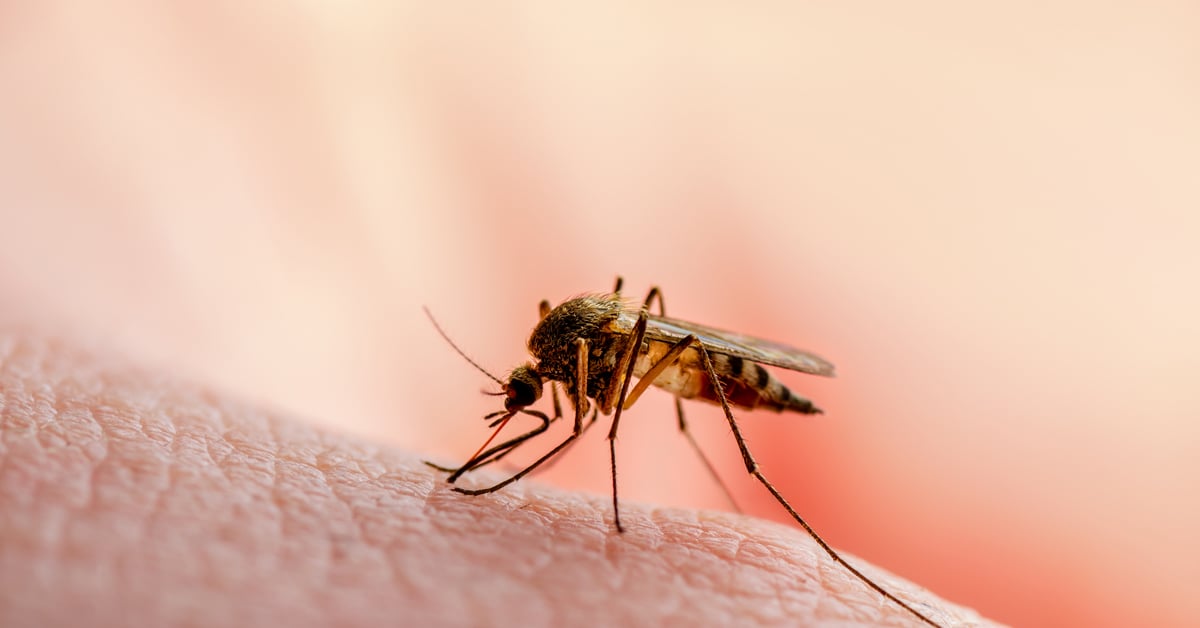
When a mosquito bites, they stick their proboscis into your skin. The proboscis is a very sharp and thin mouthpart. It acts kind of like a needle when you go to the lab for a blood draw. The mosquito has a chemical in its saliva so your blood won’t clot. She will continue to suck out your blood until her abdomen is full or until she is swatted or squashed. It takes about 5 microliters to fill a mosquito. The saliva that stays in the wound is what causes the red, itchy bumps. Eventually your body will break down the saliva left behind, but until then, the bite will continue to itch.
Adult Mosquito emerging from water in a stagnant pond with larvae and pupae.
How to Prevent Mosquitoes
Below are some recommendations of things you can do around your property to try to minimize the number of mosquitoes bugging you from your local mosquito control experts at Viking Pest Control.
Eliminate any standing water you possibly can. Standing water is a breeding ground for mosquitoes and the last thing you want to do is make your property more appealing. Most mosquitoes stay fairly close to their breeding ground, so even more reason to try to avoid them on your property. Empty any buckets, flower pots, or tires that may collect water. Don’t forget your storm drains.
If you need to water your grass or your garden, try to do it in the morning. Mosquitoes are out in full force in the evening and overnight hours, and again, moisture provides great breeding ground. By watering in the morning, your lawn and garden get the water they need, but are dry at night so the mosquitoes aren’t attracted to it.
Store any trash or recyclables in covered bins as far from your home and usable yard area as possible. You should also try to make sure, if you are picnicking or grilling out that you dispose of any food or drinks asap.
Contact Viking for Comprehensive Mosquito Control You Can Trust!
If you have tried all of these things, and it just isn’t enough, you can contact a pest control professional, like Viking Pest Control, for help in getting the mosquitoes on your property under control. Your local extermination experts at Viking Pest Control know where to look, the problem areas to eliminate, and can offer Last Bite mosquito treatments as well. While you may never be 100% free of these flying insects at your New Jersey, Pennsylvania, Delaware and the Eastern Shore of Maryland home, you shouldn’t have to be overrun by them either.
Call Viking at 800-618-2847 to learn more about mosquito pest control and extermination services, or get a fast, free quote online today!