What You Need to Know About Spotted Lanternflies in New Jersey
Spotted lanternflies have become one of the most destructive invasive pests in the Northeast and Mid-Atlantic regions. Since first appearing in Pennsylvania in 2014, these insects have rapidly spread throughout New Jersey and neighboring states, threatening agriculture, landscaping, vineyards, orchards, and residential properties.
Although spotted lanternflies are not dangerous to humans or pets, their growing populations can severely damage trees, plants, and crops. Understanding how to identify spotted lanternflies, where they lay eggs, and how to stop infestations is essential for homeowners and businesses throughout New Jersey.
What Are Spotted Lanternflies?
Spotted lanternflies are invasive planthoppers native to parts of Asia, including China, India, and Vietnam. Despite their name, they are not true flies.
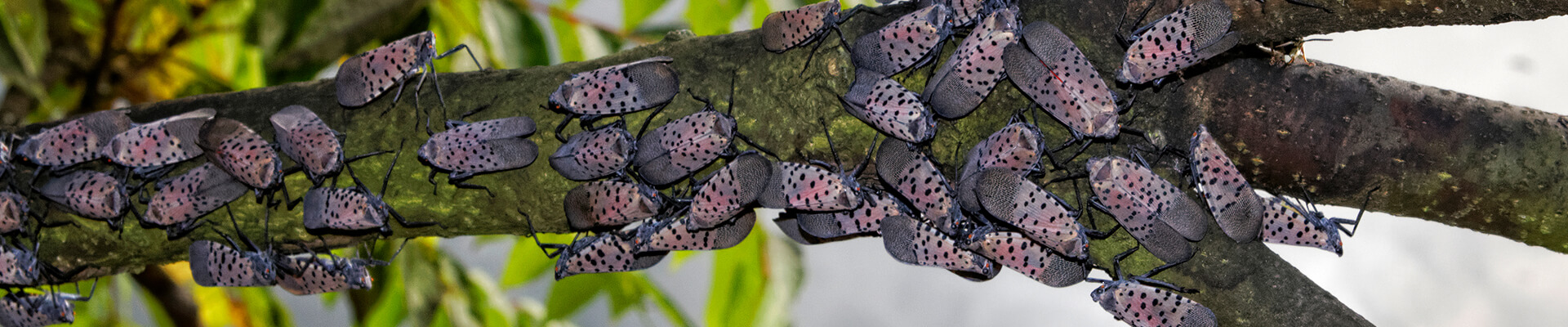
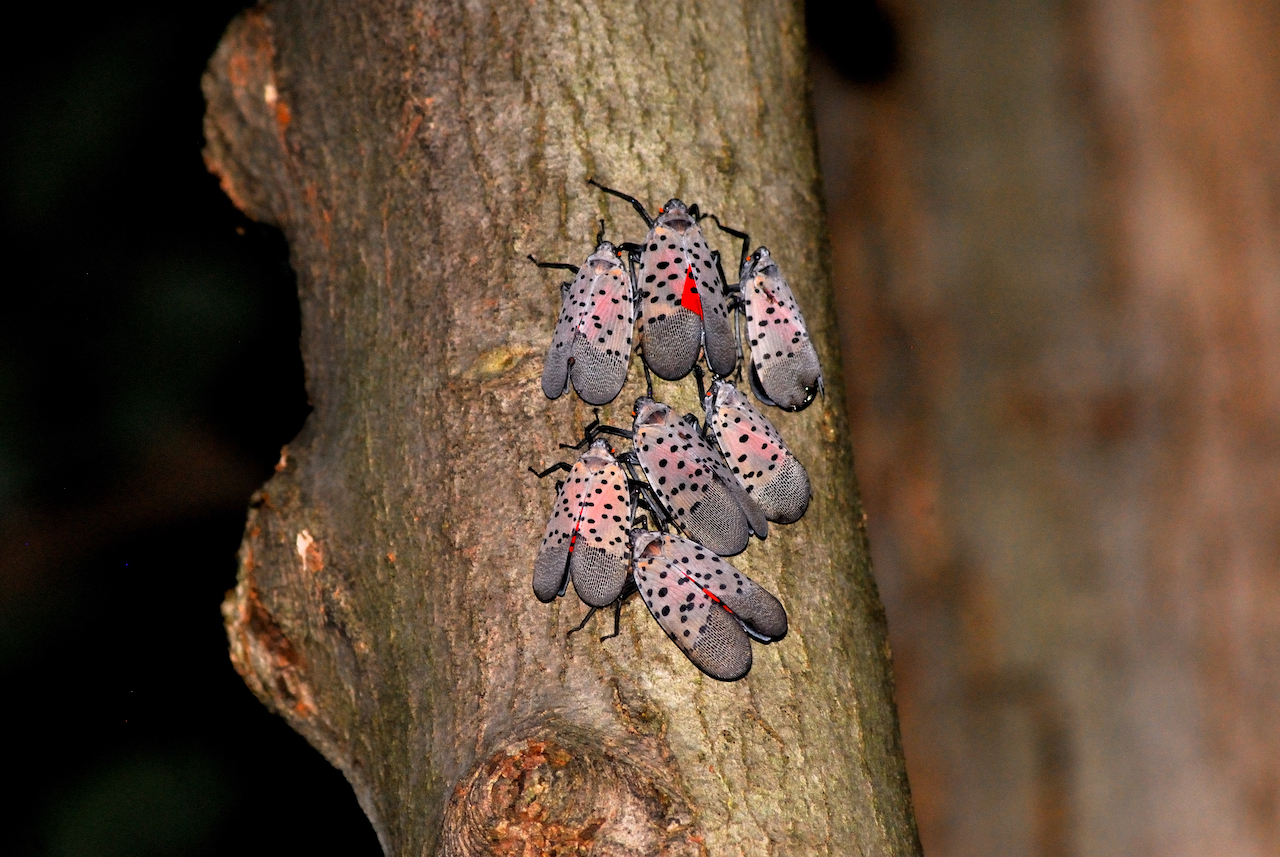
Adult spotted lanternflies are approximately one inch long and half an inch wide. Their appearance changes depending on whether their wings are open or closed.
Key identifying features include:
Gray forewings with black spots
Bright red and black hind wings visible during flight
Black legs and head
Yellow abdomen with black bands
Strong jumping ability
Because of their striking appearance, spotted lanternflies are often mistaken for moths or butterflies.
Spotted Lanternfly Life Cycle
Understanding the spotted lanternfly life cycle is important for effective control and prevention.
Egg Stage
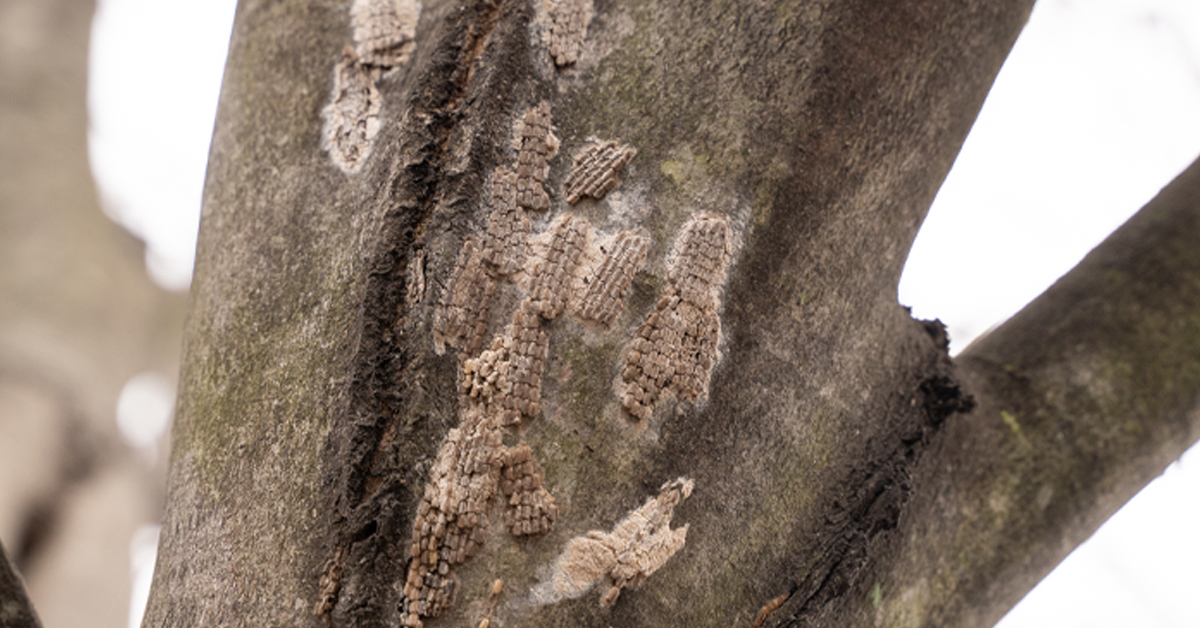
Female spotted lanternflies lay egg masses from late September through early winter. Egg masses typically contain 30–50 eggs and are often covered with a gray, mud-like protective coating.
Eggs may be found on:
Tree bark
Outdoor furniture
Decks
Fences
Rocks
Firewood
Vehicles and trailers
Nymph Stage
Eggs hatch between late spring and early summer. Young lanternflies, called nymphs, cannot fly but are excellent jumpers and crawlers.
As they mature, nymphs pass through several growth stages before becoming adults in mid-to-late summer.
Adult Stage
Adult spotted lanternflies are most active from late summer through fall. During this stage, they feed heavily, mate, and continue spreading to new areas.
Most spotted lanternflies live for about one year.
What Do Spotted Lanternflies Eat?
Spotted lanternflies feed by piercing plants with a straw-like mouthpart called a proboscis and sucking out sap from trunks, stems, and leaves.
Their preferred host is the invasive Tree of Heaven (Ailanthus altissima), but they also feed on many other plants and trees, including:
Maple trees
Grapevines
Apple trees
Fruit trees
Ornamental plants
Hardwood trees
This feeding weakens plants and places stress on already vulnerable vegetation.
Why Are Spotted Lanternflies Dangerous?
Spotted lanternflies pose a major threat to agriculture, landscaping, and native ecosystems. Large infestations can weaken or kill plants over time, especially vineyards and orchards.
One of the biggest problems caused by spotted lanternflies is the sticky waste they produce, known as honeydew.
How Honeydew Damages Trees and Property
As lanternflies feed, they excrete excess sap in the form of honeydew. This substance can:
Promote black sooty mold growth
Attract ants, wasps, and other insects
Damage outdoor surfaces and landscaping
Create sticky residue on decks, patios, and vehicles
Heavy infestations may stunt plant growth, weaken trees, and contribute to crop loss.
Are Spotted Lanternflies Harmful to Humans or Pets?
Fortunately, spotted lanternflies are not considered dangerous to humans or animals.
They do not:
Bite or sting
Spread diseases
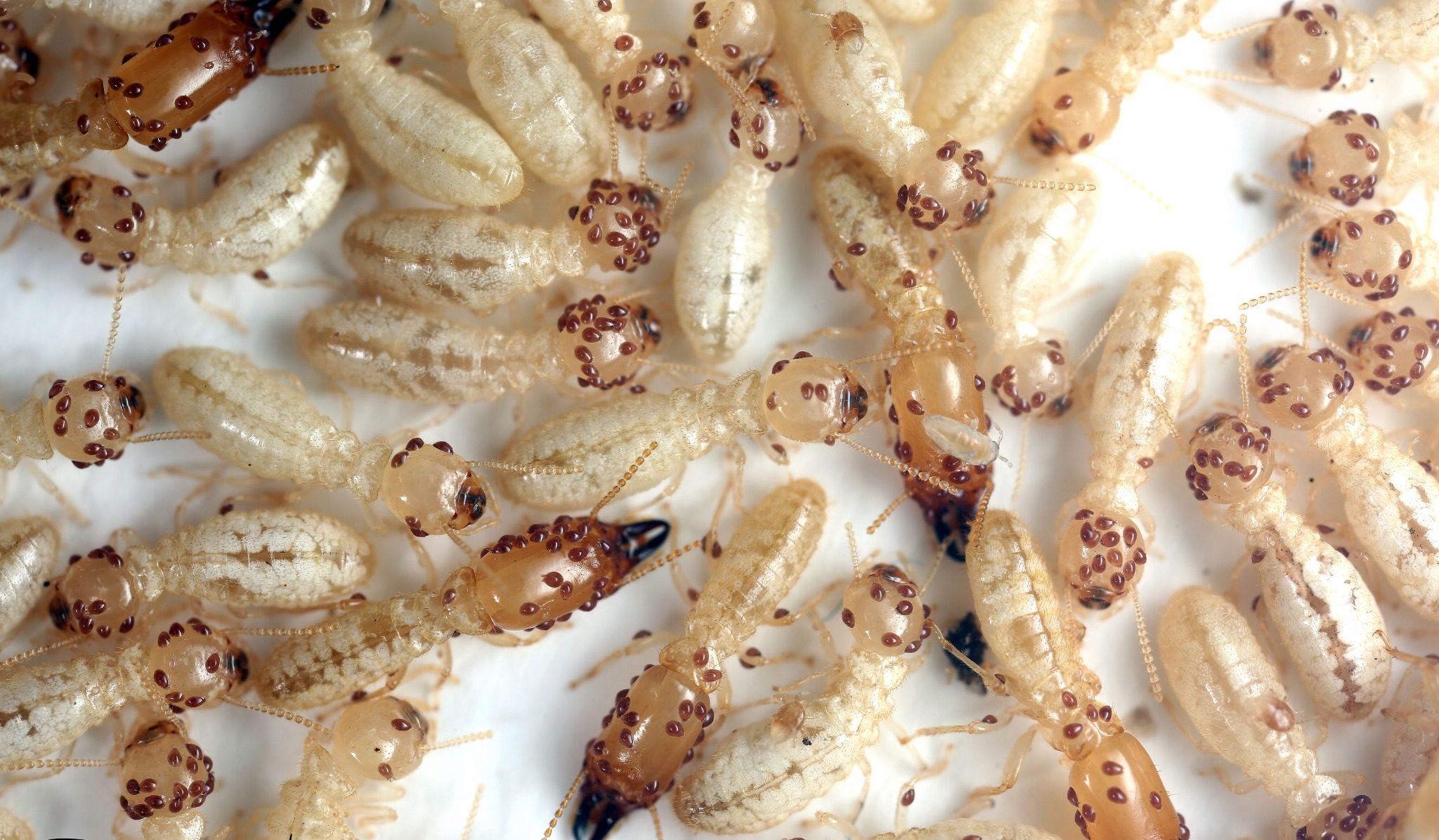
Damage structures like termites
Harm pets directly
However, their presence can become overwhelming during peak season, especially when large populations gather around homes, trees, and outdoor spaces.
How to Get Rid of Spotted Lanternflies
The most effective way to reduce spotted lanternfly populations is to target egg masses before they hatch.
Remove and Destroy Egg Masses
If you find egg masses on your property:
Scrape the eggs into a plastic bag or container
Fill the bag with rubbing alcohol or hand sanitizer
Seal and dispose of the bag properly
Removing egg masses during fall, winter, and early spring can significantly reduce future infestations.
Inspect Vehicles and Outdoor Items
Because spotted lanternflies often lay eggs on vehicles and movable objects, homeowners should regularly inspect:
Cars and trucks
Campers and trailers
Outdoor furniture
Firewood
Equipment and tools
This helps prevent accidental spread to new areas.
If You See It, Stomp It
Adult spotted lanternflies are quick jumpers, but many residents follow the simple rule: “If you see it, stomp it.”
Approaching from the front often improves your chances of successfully killing them before they jump away.
Professional Spotted Lanternfly Control in New Jersey
Large infestations often require professional treatment to effectively manage populations and protect trees and landscaping.
Professional pest control services can help:
Identify active infestations
Locate hidden egg masses
Apply targeted lanternfly treatments
Reduce future population growth
Protect valuable trees and plants
Homeowners can learn more about Viking Pest Control’s spotted lanternfly services for residential and commercial properties throughout New Jersey and the surrounding region.
What To Do If You Spot a Spotted Lanternfly in New Jersey
New Jersey residents are encouraged to report spotted lanternfly sightings, especially in newly affected areas.
Residents should also remain cautious when traveling between counties to avoid unintentionally transporting egg masses or live insects.
Protect Your Property From Spotted Lanternflies with Viking Pest Control
Spotted lanternflies continue to spread across New Jersey and the Mid-Atlantic, making early prevention and professional treatment more important than ever.
If you’re noticing spotted lanternflies around your home or business, Viking Pest Control can help identify problem areas and develop a customized treatment plan to protect your property.
Learn more about Viking Pest Control or schedule a free estimate today.
Proud Sponsor of Ray Fantel's 5th Annual Kickball Tournament
Viking Pest Control is a Proud Sponsor of Ray Fantel's 5th Annual Kickball Tournament.
An inspirational 10-year-old boy from Kendall Park living with an incurable and terminal genetic disease will be the beneficiary of a charity kickball tournament from which all proceeds will be donated to the training of his service dog.
Ray Fantel’s new best friend, Bacchus, a black and white Bernese Mountain Dog and Poodle mix, known as a Bernedoodle, was recently gifted to the boy and his family from Highfalutin Furry Babies, a Florida boutique breeder.
The fifth annual kickball tournament to benefit Ray and Bacchus will be held Sept. 22 at Rowland Park in Cranbury at 9 a.m.
A tax-deductible entry fee for each team, which may consist of 10 to 13 players, is $250. For more information or to register, please visit Ray’s website at www.rayfantel.com, email rayamj@yahoo.com or call 732-501-3564. Registration closes Sept. 18.
Money previously raised from the annual kickball tournament, which South Brunswick residents Lynn and Ray Maiorano founded, has helped defray some of Ray’s medical expenses including repairs to his handicap accessible van, an overhead lift system, a wheelchair lift for access to the house and specialized therapies the family’s health insurance provider does not cover.
“It was a success and they offered to hold it annually,” Ray’s mother, Marcy, said of the kickball tournament, at which participants will receive lunch and commemorative T-shirts.
“We are hoping more people will want to be part of this fundraiser and have some fun playing kickball while helping Ray.”
Diagnosed at five months of age with Spinal Muscular Atrophy (SMA) Type 1, a rare degenerative neuromuscular disease that results in severe muscle weakness and limited mobility, Ray’s boundless optimism and indomitable spirit has helped him defy insurmountable odds.
Infants diagnosed with SMA Type I usually have a life expectancy of two years. Ray will celebrate his 11th birthday in October. August is SMA Awareness Month.
Ray has never crawled, walked or stood. He cannot sit without support. Ray speaks softly. He works hard to hold his head up. He requires round-the-clock care from nurses and his family. He receives home instruction, as well as physical, occupational and speech therapies. Medical conditions such as a severe cold, which may appear innocuous to healthy individuals, can leave Ray in intensive care. Ray has endured multiple hospitalizations and surgeries.
“Ray is an amazing young man who doesn’t let SMA get in the way of living life to the fullest,” Marcy Fantel said. “SMA has not affected his spirit nor his happiness. He loves to spend time with family, play with his friends, and play Miracle League baseball. He likes to cook, bake, paint and go on all kinds of trips. We are always amazed at how Ray continues to fight SMA, live with a huge passion for life and touch so many people. He has an amazing attitude, smile and twinkle in his eyes.”
Marcy Fantel said her son, who uses a power drive wheelchair, wants to become more independent, a goal she hoped Ray could strive toward through the administration of SPINRAZA, the only FDA-approved drug available to treat SMA, but one from which Ray has yet to gain substantial strength.
“Therefore,” Marcy said, “we chose to go down another road and found a Bernedoodle breeder in Florida. The breeder, who has a hearing-impaired daughter, graciously donated a puppy, Bacchus, to Ray to be trained as a service dog.”
Alicia Marshall, the Florida breeder, founded Highfalutin Furry Babies at the request of her precocious daughter, Lexie, who is profoundly deaf. At just 8 years old, having witnessed firsthand the struggles families endure to secure a puppy that is health tested and trained to become an assistance dog with lengthy wait lists and astronomical financial stakes, Lexie asked her mother to breed happy, healthy, beautiful puppies and give them to children and families in need. Marshall now donates one puppy from each litter to families such as the Fantels.
“There have been some incredibly amazing families including Ray’s that we donate to throughout the year because of Lexie and her own desire to give back through something she holds so dearly to her heart,” Marshall said.
Marshall said she knew Ray needed a Bernedoodle that was going to be big enough but mobile enough to maneuver in a crowd because the dog could not sit in Ray’s lap for an extended time period. She also wanted to ensure the dog’s temperament and health were flawless. Marshall said Bacchus “scored amazing” on his puppy aptitude test.
“It’s been an amazing journey meeting the family and being able to give back to the community in regard to Ray,” Marshall said. “It’s a very big deal to give to somebody who may not have a best friend outside of his own family, and now he does for the longevity of Bacchus’ life. It’s a huge gift. It makes him happy every day because Ray can’t do all the things other kids do. We are really so humbled.”
Highfalutin Furry Babies has donated more than 40 puppies to children with disabilities, injured veterans, 9-11 survivors and many other people who were in need of service or therapy dogs. Interestingly, Marcy Fantel, Marshall and Bacchus share the same birthday.
“Ray faces a lot of challenges, but his attitude is amazing,” Marcy Fantel said. “He goes to a lot of medical appointments and therapies, but he does not complain. Our home is filled with medical equipment, but it does not faze him.”
After birth, Ray received a clean bill of health. However, during a well checkup at the pediatrician five months later, Marcy said Ray seemed “floppy, especially compared to our older son, Ethan (13).
“Everyone assumed he would catch up,” she said. “At that visit, our pediatrician expressed concern with Ray’s low muscle tone and recommended we see a neurologist.”
Marcy said the family consulted with Dr. Richard Finkel, a neurologist and longtime SMA researcher, at Children’s Hospital of Philadelphia, who soon afterward diagnosed Ray with SMA Type 1.
“We love our boys more than anything,” Marcy said. “As we digested Ray’s diagnosis over the next few months, we vowed to do everything possible for him, to give him the best chance and to make sure he enjoyed life no matter what length of time he has.”
Affecting one in every 6,000 to 10,000 babies worldwide, according to the Cleveland Clinic, SMA causes weakness and wasting in the voluntary muscles. As a result, spinal cord motor neurons begin to shrink and die, preventing a child’s brain from controlling the body’s voluntary muscles, especially those in the arms, legs, head and neck. Consequently, the muscles begin to weaken and waste away, adversely impacting movements such as walking, crawling, swallowing and breathing.
“Ray never says that he cannot stand or walk,” Marcy said. “In fact, he says he will stand and walk someday. We love his attitude and do not tell him he will not be able to walk.
"No one knows what the future holds.”
Viking Pest is a proud to give back to communities in which we service. Viking Pest is a proud sponsor of Ray’s 5th annual kickball tournament.
Tufaro, Greg. “Fundraiser Will Help South Brunswick Boy Provide Training for Service Dog.”
The U.S. is big. Really big! In the continental United States, we have large deserts, a frozen North, moist tropical swamps, tall mountains, and rolling fields of grain. As you can probably imagine, each region has its own pest pressures. While some states battle tarantulas, others do not. While some states have to worry about super termites, others do not. It all depends on the climate. But the most common pests we deal with here in Morris County New Jersey are actually common pests in most of the country. As it turns out, common pests are most common because they are the most plentiful. Let’s take a look.
No matter where you live, you can expect to deal with flies, German cockroaches, rodents, ants, Indian meal moths, fleas, ticks, mites, and more. These are the usual suspects that get into homes and cause problems. You can expect to have trouble with these if you live in Denville, Chatham, Madison and throughout Morris County. But some of the common pests we have are worse than others.
Eastern Subterranean Termites
If we have a pest that is somewhat unique to New Jersey, it would be the Eastern subterranean termite. They have a large distribution, spreading as far west as Utah, which makes them one of the most economically significant wood-destroying organisms in the United States. They’re also not limited to being in southern states. These termites are a problem all the way up to New Hampshire. So, it is not surprising that we battle this insect here in Morris County.
What you need to know most: While these termites can destroy a home, the damage they do can be prevented. At Viking Pest, we use the Sentricon Bait System to monitor for termites and protect property 365 days a year. This system gives a pop-up alert warning when worker termites come to feed. For safeguarding a structure from these silent devourers, there is no better solution.
Carpenter Ants
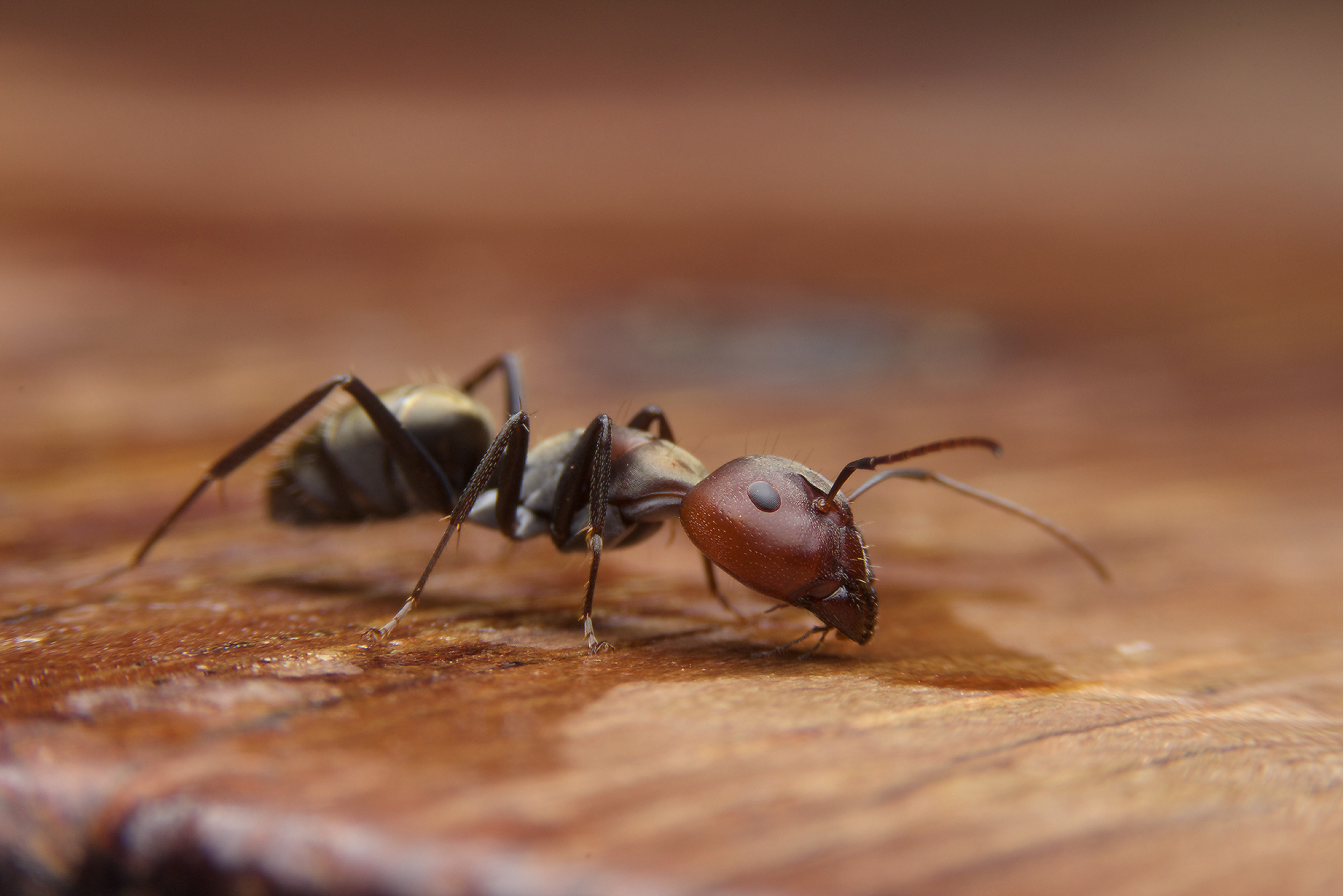
While certainly not unique to the east coast, carpenter ants are plentiful here. And, for those who heat their homes with wood, they can be even more of a threat. These insects chew galleries and tunnels in wood, causing structural damage over time. We could go into the details of what species of carpenter ants we find in Morris County, but all species pose similar threats.
What you need to know most: If you’re seeing one carpenter ant crawling around your home every once in a while, it should not be shrugged off. It is easy to think that you never see carpenter ants raiding your pantry, so you’re probably fine. The truth is, carpenter ants can do massive amounts of damage to a home without ever feeding on food in the kitchen or pantry. These insects can get all the food they need from outside. It is best to call a professional as soon as you see signs of carpenter ants.
Bed Bugs
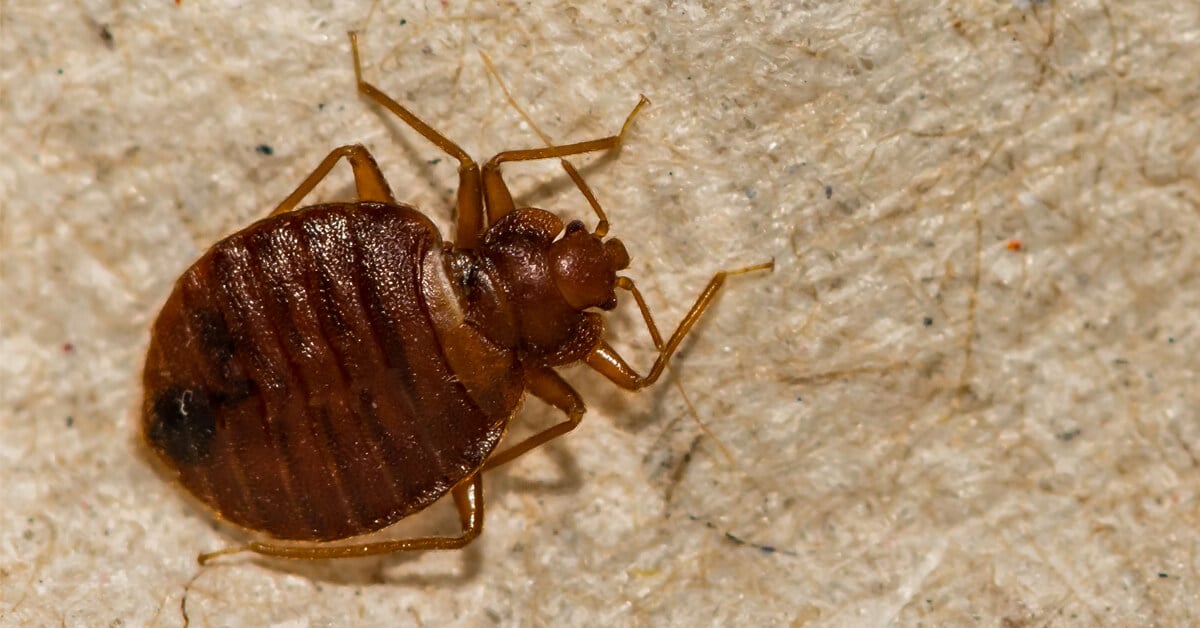
Bed bugs are quickly becoming the most common pest in all 50 states. New Jersey is not exempt, and these blood-eating pests are not limited to infesting hotels and motels. They can be found in daycares, libraries, movies theaters, senior homes, retail stores… The list goes on and on.
What you need to know most: These bugs are not easy to get rid of. DIY bed bug treatments are usually ineffective, lead to continued infestation, and can be harmful. If you see these bugs in your Morris County home, contact Viking Pest for effective bed bug control.
For more information about common pests, or to establish pest service for your New Jersey home, reach out to Viking Pest Control. We have over 40 years of experience protecting families and businesses in New Jersey. We look forward to helping you protect yours.
Call Viking at 800-618-2847 to learn more about our bed bug control and extermination services, or get a fast, free quote online today!