Keep Unwanted Fuzzy Intruders Out With SMART Wildlife Exclusion
Furry critters like squirrels, raccoons, skunks, and groundhogs may look cute from afar, but these pests can cause significant trouble if they find their way inside your home. Many types of wildlife will use open vents, holes in the wall, or cracks in the foundation to seek shelter inside your home. If you suspect that you may be playing host to unwelcome animal guests, it's important to take swift action to resolve the issue. Viking Pest's SMART Wildlife Exclusion provides a humane approach to wildlife control that focuses on trapping and removing pests while implementing prevention strategies to keep them from returning.
Why Do I Need Wildlife Management Solutions?
Every homeowner should address the potential dangers of a wildlife infestation through preventative maintenance and pest control services. Wildlife may cause significant property damage, from chewing through walls and electrical wires to structural damage from their burrowing and nesting habits. Some species may even clog your vents in attempts to build their nests.
Wildlife species may carry various diseases, bacteria, and parasites that can transmit to humans and cause illness. Their fur, dander, and droppings can also trigger allergies in some people. If you happen to encounter a live animal in your home, there is the risk of getting bitten or scratched, especially if the animal feels threatened and becomes aggressive.
The threat of an infestion may worsen depending on the season. For example, squirrels typically have litters in early spring and summer. If you don't take action with professional squirrel control, populations can quickly grow and cause more trouble.
What Are the Benefits of Wildlife Exclusion?
Squirrels, raccoons, skunks, and other critters will take advantage of any entry points to get inside your home to access food, water, warmth, and safe shelter to nest. Wildlife exclusion is a safe and humane approach to pest control and begins with an inspection of your property to identify and seal entry points in your basement, attic, and around your home. This wildlife managment strategy includes suggestions to make the environment surrounding your home less appealing to wildlife. Simple measures like keeping pet food indoors or taking it away after feeding time, picking up fallen fruit, harvesting produce from your garden, and securing trash in sealed containers can all help deter unwanted creatures. Physical barriers like mesh fences, screens, and chimney caps are other important aspects of protecting your property.
How Does the SMART System Work?
If you want even greater protection against wildlife, Anticimex SMART is a valuable upgrade to traditional wildlife exclusion services. The SMART system provides 24/7 monitoring of pest activity using innovative, intelligent, and eco-friendly technology.
SMART wildlife exclusion employs a network of strategically placed infrared sensors to track wildlife activity and send alerts to the office so the Viking team knows when to take action. Ongoing service includes periodic inspections, trap relocation if animal activity shifts, and trap emptying.
Get Proactive About Wildlife Management With Safe, Sustainable, and Humane SMART Solutions From Viking Pest
You can ONLY get SMART Wildlife Exclusion from Viking Pest Control in New Jersey, Delaware and Pennsylvania. Our team uses the latest technology and expertise from decades of experience with the area's wildlife to create a customized solution for your home. Contact us today to get started by requesting your free estimate.
How to Tell If a Raccoon Has Rabies: What Homeowners in NJ, PA, DE, and MD Should Know
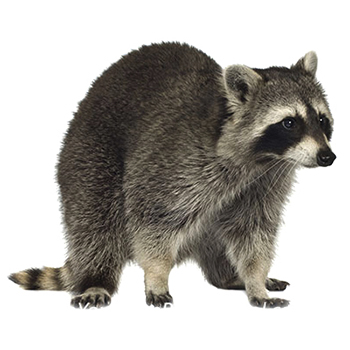
Raccoons may look harmless at a glance, but they can quickly become a serious problem when they enter homes. Once inside attics, crawl spaces, or wall voids, raccoons are difficult to remove on your own. They often settle in, raise young, and aggressively defend the area they’ve claimed.
In some cases, homeowners have unknowingly sealed raccoons inside structures, leading to significant damage as the animals attempt to escape. These situations can result in chewed wiring, damaged ceilings, and contaminated insulation—making professional removal essential.
While property damage alone is a concern, raccoons also pose a public health risk, particularly when rabies is involved.
Raccoons and Rabies Risk in the Mid-Atlantic Region
Raccoons are among the most common wildlife carriers of rabies in the United States, including in New Jersey, Pennsylvania, Delaware, and Maryland. Wildlife monitoring programs in the region have confirmed rabies cases in raccoon populations over time, reinforcing the importance of avoiding contact with these animals.
Rabies is a fatal viral disease that affects the nervous system. Once symptoms appear, there is no effective treatment, which is why prevention and early intervention are critical.
Signs a Raccoon May Have Rabies
A raccoon infected with rabies may behave abnormally. Warning signs include:
Aggressive or unusually bold behavior toward people or pets
Disorientation, stumbling, or difficulty walking
Excessive drooling or foaming at the mouth
Activity during the daytime (when raccoons are normally nocturnal)
Lack of fear of humans or unusual tameness
It is important to note that not all rabid raccoons display obvious symptoms, so any direct contact should always be avoided.
Other Health and Property Risks from Raccoons
Even without rabies, raccoons can carry and spread several diseases and parasites that pose risks to humans and pets, including:
Raccoon roundworm
Leptospirosis
Canine distemper
Feline parvovirus
Beyond health concerns, raccoons can cause extensive property damage by:
Tearing insulation and nesting inside attics
Damaging roof vents, soffits, and siding
Contaminating spaces with feces and urine
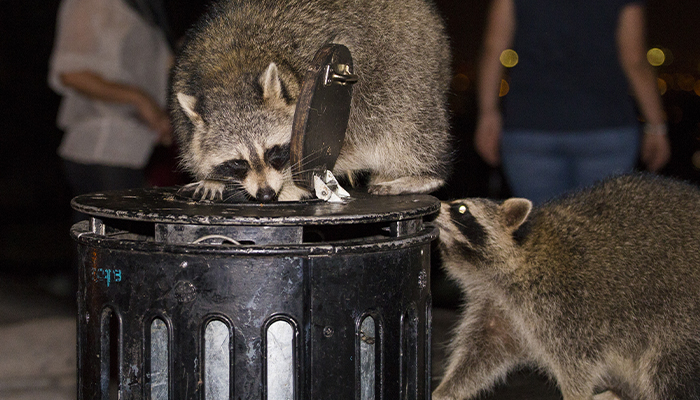
Raiding trash cans and outdoor pet food
Why Raccoons Become a Problem Around Homes
Raccoons are highly adaptable and are attracted to easily accessible food and shelter. Common attractants include:
Unsecured trash bins
Pet food left outdoors
Bird feeders
Open attic vents or roof gaps
Wooded areas close to homes
Once raccoons find a reliable food source or entry point, they often return repeatedly or establish nesting sites.
Professional Raccoon Removal and Prevention with Viking Pest Control
Because raccoons are strong, persistent, and potentially dangerous, removal should always be handled by trained professionals. Viking Pest Control provides safe and effective wildlife and pest management solutions throughout NJ, PA, DE, and MD.
Our approach typically includes:
Thorough inspection of your home or property
Identification of raccoon entry points
Safe removal strategies based on the situation
Exclusion work to help prevent re-entry
Recommendations to reduce future attractants
Viking Pest Control focuses not only on removing the current problem, but also helping prevent it from happening again.
When to Call Viking Pest Control
If you hear noises in your attic, notice raccoon activity around your home, or suspect an animal may be living inside your structure, it’s important to act quickly. Delaying removal can increase both property damage and health risks.
Viking Pest Control can assess the situation and recommend a safe, effective solution tailored to your home.