Stink Bugs Are Looking for Shelter This Fall: Don’t Let Your Home Become Theirs!
Fall may still be a few weeks away, but as temperatures begin to cool across the Mid-Atlantic, some unwanted houseguests are already looking for a warm place to spend the winter. Your home could be their next stop.
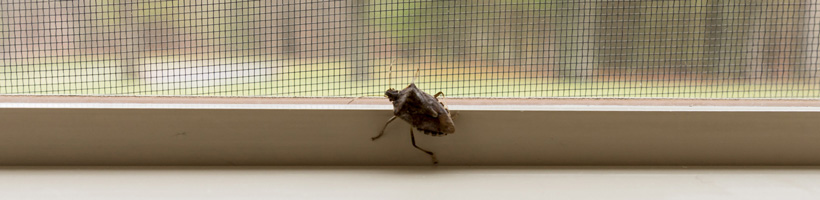
Stink bugs are one of several pests that begin seeking shelter as summer comes to an end. As temperatures decline in early fall, adult stink bugs look for protected areas where they can survive the colder months. Unfortunately, cracks, gaps, windows, doors, and other openings can make your home the perfect winter hideout.
Understanding why stink bugs come inside, as well as taking preventive action early, can help you avoid dealing with large numbers of these pests later in the season.
Why Do Stink Bugs Come Inside in the Fall?
The brown marmorated stink bug is an invasive pest that is one of the most common stink bug species in New Jersey, Pennsylvania, Maryland, and Delaware. During the warmer months, stink bugs spend most of their time outdoors feeding on plants. Adult females lay clusters of approximately 20 to 30 light green or yellow oval-shaped eggs on the undersides of leaves.
Depending on the climate, stink bugs may produce one or two generations each year in cooler regions and several generations in warmer areas.
Once temperatures begin to drop, however, their behavior shifts. Adult stink bugs begin searching for overwintering sites. Homes and other buildings provide the shelter they need, which is why homeowners often notice stink bugs gathering on building exteriors or appearing around windows and other potential entry points in early fall.
Where Do Stink Bugs Hide Inside Your Home?
Once stink bugs make their way indoors, they aren’t limited to one particular area. They may congregate or hide in a variety of protected spaces throughout the home, including:
Around windows and door trim
Behind baseboards
Under beds and sofas
Around bookcases
Inside wall voids
In other quiet, undisturbed areas
You may not immediately notice all the stink bugs that enter your home. Some can remain hidden throughout the winter before becoming active again when temperatures rise.
Are Stink Bugs Dangerous?
The good news is that stink bugs are primarily a nuisance pest. They do not bite people, transmit diseases, or typically cause physical harm to humans.
Their presence can still be unpleasant, especially when large numbers find their way indoors. Stink bugs are best known for the strong odor they can release when disturbed or crushed, hence the name. Some individuals may also be sensitive to allergens associated with stink bugs.
That makes prevention particularly important. Instead of waiting until stink bugs are already hiding throughout your home, you can take steps to make it harder for them to get inside in the first place.
How to Keep Stink Bugs Out of Your House
Brown marmorated stink bugs can squeeze through cracks and crevices around a home’s exterior. Before cooler fall weather arrives, inspect your home for potential entry points and address them as soon as possible.
Steps you can take to prevent stink bugs include:
Caulk gaps around the inside and outside of windows
Add weather stripping around entry doors
Install door sweeps if you can see daylight around the perimeter of a door
Inspect your foundation and seal cracks or gaps
Secure entrances to crawlspaces
Keep debris and edible vegetation away from your home’s foundation
Caulk small openings around exposed plumbing pipes and use appropriate materials to seal larger gaps
Cap or screen chimneys and fireplace openings when appropriate
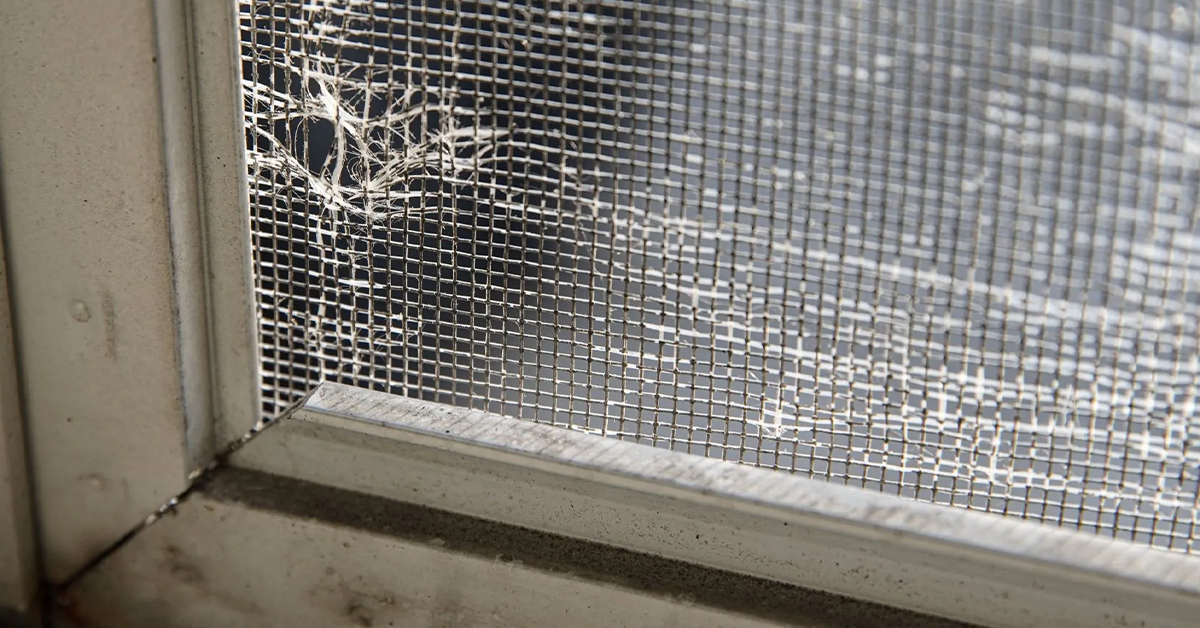
Check window and door screens for damage
Reducing access points can help prevent stink bugs and other overwintering pests from turning your home into their seasonal shelter.
What Should You Do if Stink Bugs Are Already Inside?
If you find only a few stink bugs indoors, both live and dead insects can typically be removed with a vacuum cleaner. Keep in mind that the vacuum may develop an unpleasant stink bug odor over time.
Some homeowners also try DIY stink bug traps, such as a pan containing soapy water positioned near a light source. While these methods may help capture individual insects, they don’t address how stink bugs are entering the home.
Aerosol sprays and fogger-type pesticides may kill stink bugs already present in living areas, but killing the insects you can see does not prevent additional stink bugs from entering through untreated cracks and gaps.
If you’re seeing stink bugs repeatedly or dealing with a larger infestation, additional stink bug pest control measures may be necessary.
When Should You Call a Stink Bug Exterminator?
Seeing an occasional stink bug doesn’t necessarily mean you have a major infestation. However, frequent sightings can indicate that multiple pests have found access to your home or are already hiding inside protected areas.
A professional stink bug exterminator can evaluate the property, identify areas where stink bugs may be gaining access, and recommend an appropriate treatment and prevention strategy. Professional pest control can also address areas around the home’s exterior and surrounding vegetation when appropriate, using products registered for residential use.
The earlier you address potential entry points, the better your chances of preventing stink bugs from settling in your home for the winter.
Viking Pest Control: Your Best Option for Professional Stink Bug Control
Don’t wait until stink bugs have already made themselves comfortable inside your home. Viking Pest Control can help identify pest activity and address professional stink bug pest control solutions designed to protect your property.
If stink bugs are gathering around your home or appearing indoors, contact Viking Pest Control today to schedule service with an experienced stink bug exterminator and help keep unwanted pests where they belong: outside.
Help! I Can't Keep Overwintering Pests Out Of My Bergen County Home
During the winter your Bergen County, NJ home becomes the perfect warm refuge for pests seeking shelter from the changing seasons. Proactive prevention and an understanding of overwintering pests are essential in keeping them out of your property.
Understanding Overwintering Pests
Overwintering pests instinctively seek warm shelter to survive the harsh winter months. Unfortunately, this often means they invade your home, where warmth, food, and moisture are abundant. You may commonly see the following pests in your house as temperatures drop, as they are persistent invaders during this time:
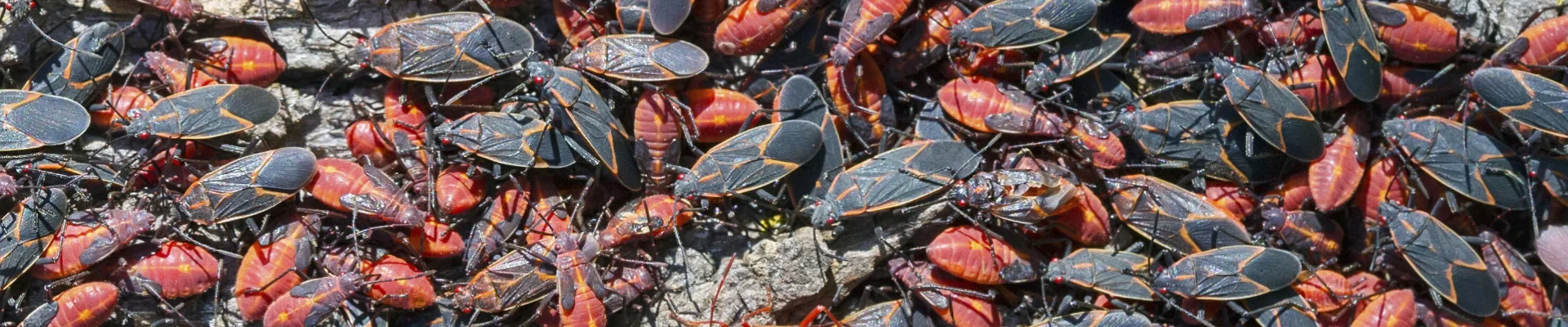
Boxelder Bugs: These black insects with red or orange markings love clinging to curtains or climbing walls, favoring homes with ample sun exposure.
Stinkbugs: Brown, shield-shaped bugs that emit an unpleasant odor. They are often found in cabinets, on walls, or in basements and crawl spaces.
Ladybugs: These red or orange beetles gather in large numbers on ceilings and can leave stains and unpleasant odors around your house.
Cluster Flies: Cluster Flies resemble common house flies but are noticeably larger. Their bodies have a dull gray hue with black markings, and they can be identified by the distinctive golden hairs covering their backs.
Rodents: Mice and rats vary in size and color but are among the most troublesome pests. They hide in attics, basements, walls, and food storage areas, causing damage and potential health hazards.
Beyond being an eyesore, these pests can cause significant damage. Insects can stain furniture, emit foul odors, and leave droppings. Rodents may contaminate food storage areas, while insects and rodents alike can chew on furniture or structural elements of your home. Additionally, rodents can introduce diseases, and their urine and feces may spread illnesses.
Overwintering Pest Prevention
The best way to keep overwintering pests from invading your home is through proactive prevention in the fall and ongoing professional care with Viking Pest Control. Additionally, here are several preventive measures you can take to reduce pest infestations:
Seal Entry Points: Inspect your home for cracks, gaps, or openings around windows, doors, and the foundation. Ensure window and door screens are intact, and consider investing in a chimney cap to keep rodents out of your attic.
Maintain Cleanliness: Regular vacuuming, dusting, and decluttering help remove any insects that have already entered and minimize potential hiding spots.
Secure Trash and Food Waste: Keep garbage and food waste in tightly sealed containers and dispose of them promptly to prevent attracting pests in the first place.
Effective Expert Pest Control
Winter pest invasions can be a nightmare, as insects and rodents seek warmth inside your home. The most effective way to eliminate and prevent pest infestations is by contacting the professionals at Viking Pest Control. Our expert team offers safe, efficient pest control solutions to protect your home from unwelcome winter guests. Call us today to schedule an inspection and keep your home pest-free all season long!
Preventing Fall Pests in Northern NJ
As the Northern New Jersey weather cools down in early fall, many pests and rodents start seeking warmth and food inside homes. It’s essential to know what you’re up against and how to prevent these unwanted guests from making themselves comfortable. Here’s what you need to know about keeping your home safe from mice, rats, insects, and even wildlife during this time of year. This phenomenon is particularly pronounced in Northern NJ counties like: Sussex County, Passaic County, Bergen County, and Morris County.
Getting Rid of Rodents in Northern NJ This Fall
As temperatures drop and food becomes scarce, mice start looking for better shelter. The leaf piles so common in Northern NJ in the fall around home foundations can offer them protection and lead them to find entry points. Mice are surprisingly small and nimble, capable of squeezing through gaps as tiny as ¼-inch high and ½-inch wide. Once they’re inside, they can quickly become a problem.
Rats, the larger and hungrier cousins of mice, are also looking for shelter from the cold. They consume a broader range of food and, unlike mice, need daily access to water. To keep rats away, remove sources of water and ensure trash receptacles are tightly sealed and clean. Rats need slightly larger entry points than mice—just ½-inch high and ¾-inch wide. They often nest further from homes, so they may be traveling up to 300 feet between their nest and food source.
To reduce the risk of rodents, start by cleaning up leaf litter and removing weeds, which provide food and shelter. Seal any small gaps with durable materials like metal gauze, steel wool, or specially designed door sweeps—avoid expanding foam, as mice can chew through it. Keep storage areas tidy and trash cans secure to minimize hiding spots for rodents.
When inspecting your property, remember that rats travel much farther for food than mice, so broaden your search for rat burrows. SMART rodent control from Viking Pest can help to catch rodent activity that you may otherwise miss.
Overwintering Insects
As the temperature drops, certain insect species, like stink bugs, boxelder bugs, ladybugs, cluster flies, and western conifer seed bugs, seek shelter in Northern NJ homes. They usually enter through gaps on the sunny side of buildings. The best way to keep them out is by sealing those gaps. If sealing isn’t possible, well-timed applications of repellents around entry points can help.
Firewood Pests
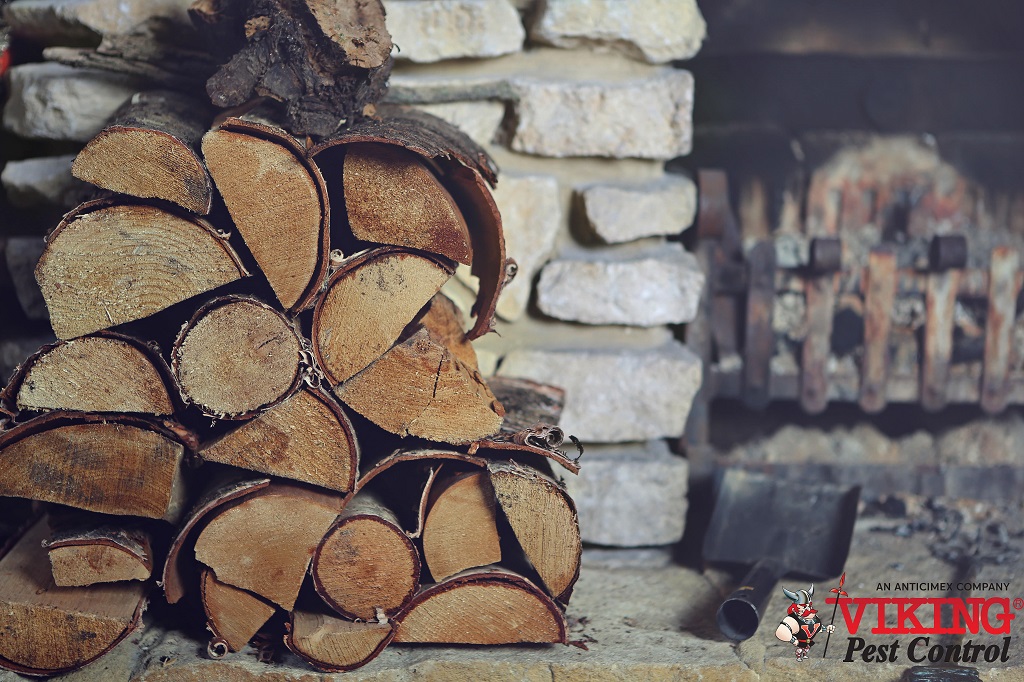
Firewood is another potential source of pests. Wood-destroying beetles, ants, and even rodents can hitch a ride inside on infested firewood. To minimize this risk, only bring in the wood you need and store the rest off the ground. Never apply pesticides to firewood you plan to burn.
Northern NJ Wildlife
As we continue to build closer to wildlife habitats, interactions with animals are becoming more frequent. To avoid attracting wildlife, refrain from feeding them or putting out birdseed. If trees or shrubs near your home aren’t trimmed, animals might use them to access your roof. Installing chimney caps is a good way to prevent animals from getting inside—aside from Santa, of course! If you hear noises in your attic or walls, it’s best to call a professional wildlife expert to handle the situation.
Contact Viking for Fall Pest Protection
By taking these precautions, you can protect your home from the pests and wildlife looking for refuge this fall. If these concerns seem too big for you, or you just want to make sure you're covering all of your bases to protect your home from pests, don't hesitate to give Viking Pest Control a call! Viking Pest has decades of experience working in Northern NJ towns like Wayne, Parsippany, Chatham, Morristown, and Madison, and can help prevent pest infestations whether they have four legs, six legs or more.
Stink Bugs Will Be Here Soon!
In New Jersey, Pennsylvania, Delaware and the Eastern Shore of Maryland summer bugs can be a problem. Ticks, mosquitoes, ants, and stinging insects can all be nuisances both inside and outside your home. But as summer comes to a close, there’s another insect that is going to become a problem for folks in NJ, PA, MD, and DE, and this is the stink bug. In fact, some researchers believe that this year will bring an explosion in the stink bug population, with farms and homeowners along the East Coast seeing a significant portion of the population increase. This invasive insect was introduced into PA in the late ‘90s and it has been spreading throughout New England, the mid-Atlantic coast, and other parts of the US ever since. During the summer, they feed on a variety of fruit and ornamental trees, often causing problems for farmers. In the autumn, they huddle around the south-facing walls of structures, looking for a place to spend the winter. If they can find entry points, they will begin entering homes, office buildings, and warehouses, looking for shelter during the colder months. Are you ready for the stink bug invasion? Here are a few tips to prevent stink bugs from entering your home or business from the local extermination experts at Viking Pest Control.
Essential Tips for Stink Bug Prevention
Make your property an impenetrable fortress. If these insects can’t find a way in, there is no way they will become a problem for you indoors. You can do this by very carefully examining the exterior of your home or business to look for any holes or gaps that can let insects through. Check window and door screens, areas around windows and doors, areas around pipes and utility wires that come inside, as well as gaps and cracks in your foundation. Mend these holes or have them filled to reduce possible entry areas for stink bugs and other insects.
Remove outdoor lighting that may attract stink bugs and other insects. If you don’t want to remove the lights altogether, just remember to avoid turning them on at night, especially not for long periods of time. Keep your windows covered with blinds or shades at night too, as the indoor light can attract stink bugs indoors as well.
Reduce vegetation around your home or business. If you have trees or bushes touching the sides of your structure, you’re essentially creating a ‘bridge’ that these insects can use to climb onto. This makes it that much easier for them to find a way to get inside.
Contact a pest control professional, like Viking Pest, to apply the appropriate pest control treatment to the exterior of your home or business before these insects become a problem. Knowledgeable exterminators like the professionals at Viking Pest Control know the appropriate time and place to apply these treatments to prevent these pests from entering your structure in the fall.
Viking Pest Control: Stink Bug Control Done Right!
If you have already started to see stink bugs inside, contact the NJ, PA, MD, and DE pest control professionals at Viking Pest Control to apply a preventative treatment to the exterior of your structure to limit any further infestation. Otherwise, you may be spending your winter and early spring vacuuming up stink bugs that are overwintering inside.
For more information on stink bug identification and our stink bug services for homes and businesses in New Jersey, Pennsylvania, Delaware, and the Eastern Shore of Maryland, please fill out the free estimate form on this page or give us a call at 800-618-2847 today.
How to Get Rid of Stink Bugs
If you’ve ever noticed a strange odor after spotting a shield-shaped bug crawling across your wall, chances are you’ve encountered a stink bug. While these pests are mostly harmless to people, they can quickly become a major nuisance once they invade your home — especially throughout New Jersey, Pennsylvania, Delaware, and Maryland.
Stink bugs are known for their unpleasant odor, noisy flying, and ability to gather in large numbers indoors during cooler months. Even worse, they can damage gardens, ornamental plants, and crops outdoors before eventually making their way inside to overwinter.
The good news? There are several ways to reduce stink bug activity around your home and prevent a full-blown infestation.
Why Stink Bugs Invade Homes
Stink bugs are most active during the late summer and fall. As temperatures begin to cool, they start searching for warm, protected places to spend the winter. Homes and businesses provide the perfect shelter.
These pests commonly gather on sunny exterior walls before squeezing through tiny gaps around:
Windows and doors
Utility lines and pipes
Rooflines and vents
Cracks in siding or foundations
Torn window screens
Once inside, stink bugs hide in attics, wall voids, garages, and crawl spaces throughout the winter months. When temperatures warm up in late winter or spring, they become active again and start appearing indoors.
What Attracts Stink Bugs
Several things can attract stink bugs to your property:
Outdoor Lighting
Stink bugs are highly attracted to light, especially white exterior lighting at night. Bright entryway lights and uncovered windows can draw them closer to your home.
Landscaping and Vegetation
Trees, shrubs, gardens, and ornamental plants provide food and shelter for stink bugs. Branches touching your home can even act as bridges that help them gain access indoors.
Warmth and Shelter
Like many overwintering pests, stink bugs seek warmth once temperatures begin dropping in the fall.
How to Prevent Stink Bugs
Preventing stink bugs starts with making your home less inviting and more difficult to enter.
Seal Entry Points
Carefully inspect your home’s exterior for cracks, gaps, and openings. Pay special attention to:
Door and window frames
Utility penetrations
Foundation cracks
Damaged screens
Roof vents and attic openings
Use caulk, weather stripping, or sealant to close these gaps before stink bug season arrives.
Reduce Outdoor Lighting
Switch white bulbs to yellow insect-resistant lighting or reduce unnecessary nighttime lighting around your home. Closing blinds and curtains at night can also help reduce attraction.
Trim Vegetation
Keep shrubs, bushes, and tree branches trimmed away from your home’s siding and roofline to reduce access points.
Monitor Seasonal Activity
Stink bug problems typically worsen in late summer and fall, so preventative measures are most effective before colder weather begins.
Should You Try DIY Stink Bug Removal?
Many homeowners try sprays or store-bought pesticides when stink bugs appear indoors, but DIY treatments are often frustrating and ineffective.
Crushing stink bugs can release their unpleasant odor, and many over-the-counter products fail to address the source of the infestation. Since stink bugs often hide deep inside wall voids and attic spaces, eliminating visible bugs rarely solves the full problem.
Professional treatment is usually the most effective way to control stink bugs and prevent recurring infestations.
Professional Stink Bug Control from Viking Pest Control
At Viking Pest Control, our team provides professional stink bug control services throughout New Jersey, Pennsylvania, Delaware, and the Eastern Shore of Maryland.
Using Integrated Pest Management (IPM) techniques, we help homeowners:
Identify stink bug entry points
Reduce outdoor pest activity
Apply targeted exterior treatments
Prevent future infestations
Whether you’re already seeing stink bugs indoors or want to stop them before they become a problem, our experienced technicians can help protect your home year-round.
If stink bugs are taking over your home, contact Viking Pest Control today for a fast, free quote and professional stink bug solutions.
How to Prevent Stink Bugs From Invading Your Home This Fall
As temperatures begin to cool, stink bugs start searching for a warm place to spend the winter — and unfortunately, your home may be exactly what they’re looking for. These foul-smelling pests become especially active during the fall months, sneaking into homes and businesses through tiny cracks and openings to overwinter indoors.
While stink bugs are not dangerous to humans, large infestations can quickly become frustrating. Once inside, they gather in walls, attics, basements, crawl spaces, and other secluded areas, often emerging in large numbers throughout the winter and spring.
The good news? A few proactive pest prevention steps can dramatically reduce your chances of dealing with a stink bug infestation this season.
What Are Stink Bugs?
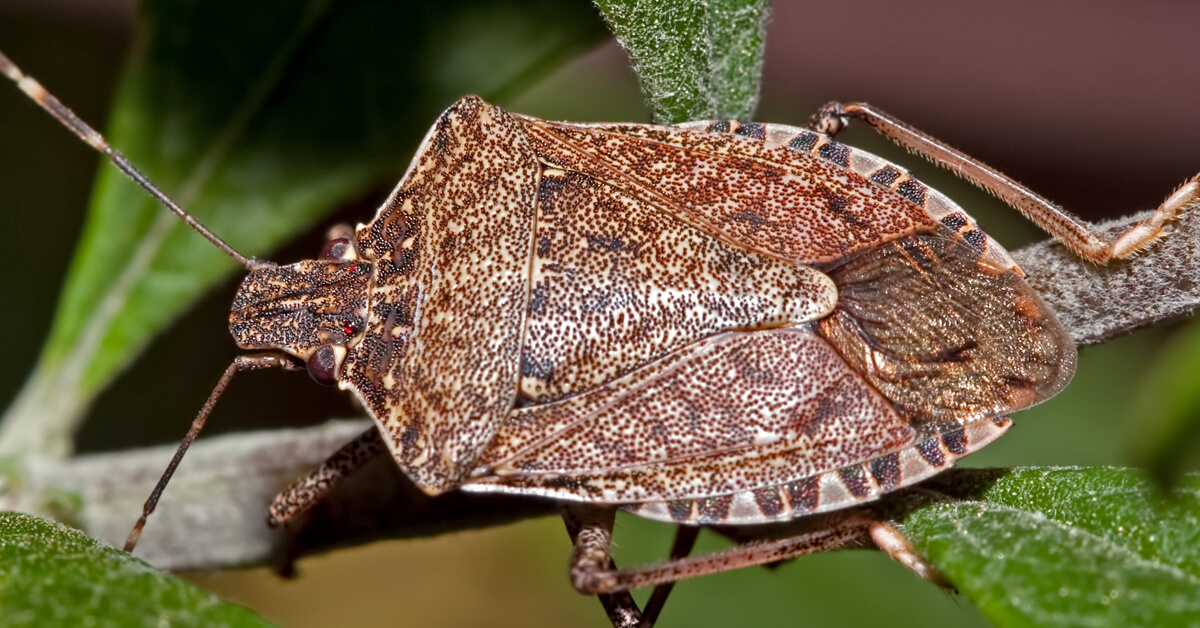
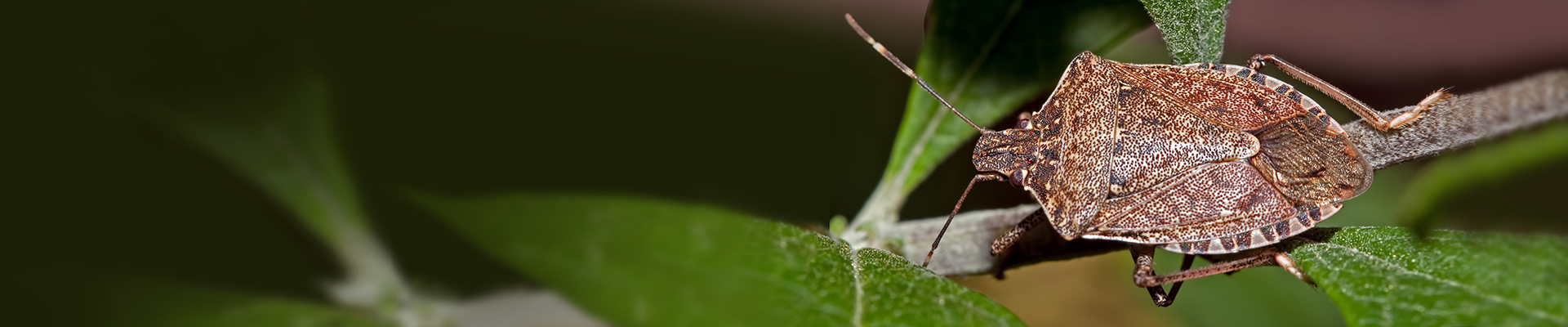
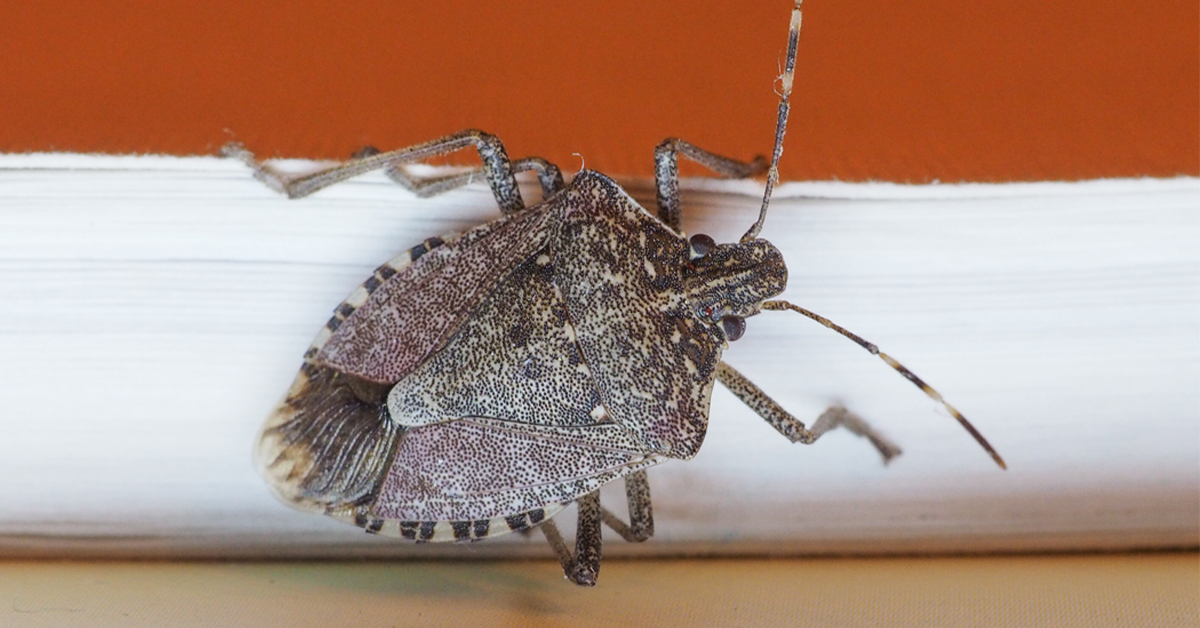
Stink bugs are shield-shaped insects best known for the unpleasant odor they release when disturbed or crushed. The most common species found throughout New Jersey, Pennsylvania, Delaware, and Maryland is the brown marmorated stink bug, an invasive pest that has spread rapidly across the United States since the 1990s.
Adult stink bugs are typically:
Mottled gray or brown
About 3/4 inch long
Nearly as wide as they are long
Equipped with long antennae featuring light-colored bands
Young stink bugs, called nymphs, appear red and yellow before maturing into adults.
These pests reproduce quickly, with females laying dozens of eggs at a time and producing multiple generations each year. Because they have few natural predators in the United States, their populations can grow rapidly.
Why Stink Bugs Invade Homes in the Fall
Stink bugs are considered overwintering pests, meaning they seek shelter indoors as temperatures begin to drop. Once inside, they hide in protected spaces until warmer weather returns in spring.
Homes become attractive to stink bugs because they provide:
Warmth
Shelter from cold weather
Easy entry points
Light sources that attract insects at night
If they find gaps around your home’s exterior, they can easily move indoors and create a large nuisance infestation.
Signs You May Have a Stink Bug Problem
You may notice:
Stink bugs gathering around windows or doors
Bugs clustering on sunny exterior walls
An unpleasant odor when bugs are disturbed
Stink bugs appearing in attics, basements, garages, or crawl spaces
Increased bug activity during warm winter days
Unlike termites or rodents, stink bugs do not damage structures or spread diseases, but their sheer numbers can become overwhelming.
How to Prevent Stink Bugs This Fall
The best way to deal with stink bugs is to stop them before they get inside. Here are the most effective prevention strategies homeowners can use.
Inspect Your Home’s Exterior
Carefully inspect your home or business for possible entry points. Pay close attention to:
Areas around utility pipes
Window and door frames
Sliding doors
Chimneys
Rooflines
Siding gaps
Foundation cracks
Areas beneath wood trim
Even tiny openings can allow stink bugs to enter.
Seal Cracks and Openings
Because stink bugs can squeeze through very small spaces, sealing entry points is one of the most important prevention steps.
Use:
Silicone or silicone-latex caulk
Weatherstripping
Door sweeps
Fine mesh screens over vents and chimneys
Repair damaged:
Window screens
Door seals
Exterior trim
Cracked siding
Keep Landscaping Maintained
Overgrown vegetation gives stink bugs easy access to your home.
To reduce activity:
Trim shrubs and tree branches away from exterior walls
Remove leaf piles and yard debris
Store firewood at least 20 feet from the structure and elevated off the ground
Keep mulch and organic debris away from the foundation
Reducing harborage areas makes your property less attractive to overwintering pests.
Reduce Outdoor Lighting
Stink bugs are strongly attracted to light at night.
To minimize attraction:
Turn off unnecessary exterior lights
Close blinds and curtains at night
Use fewer bright outdoor lights near doors and windows
This simple step can significantly reduce nighttime bug activity around your home.
Eliminate Moisture Problems
Like many pests, stink bugs are drawn to moisture-rich environments.
Inspect your home for:
Leaking pipes
Standing water
Clogged drains
Damp crawl spaces
Poor ventilation
Using dehumidifiers and improving airflow in basements, attics, garages, and crawl spaces can help make these areas less inviting.
Keep Food Properly Stored
Although stink bugs primarily seek shelter indoors, accessible food can still attract pests.
To help prevent activity:
Store food in airtight containers
Clean crumbs and spills promptly
Take out garbage regularly
Keep trash receptacles sealed
Wipe down counters and floors frequently
You should also inspect boxes, bags, and outdoor items before bringing them indoors, as stink bugs can hitchhike inside unnoticed.
Never Squish a Stink Bug
If you find a stink bug indoors, avoid crushing it. When disturbed or squashed, stink bugs release the foul odor that gives them their name.
Instead:
Vacuum them using a vacuum with disposable bags
Immediately remove and discard the vacuum bag outdoors
Avoid handling them directly
Even dead stink bugs can leave behind lingering odors.
Other Overwintering Pests to Watch For
Stink bugs are not the only pests that invade homes during the fall. Other common overwintering pests include:
Boxelder bugs
Ladybugs
Assassin bugs
Cluster flies
Many of the same exclusion and prevention techniques used for stink bugs can help reduce other seasonal pest invasions as well.
When to Call a Professional for Stink Bug Control
Once stink bugs establish themselves inside walls, attics, or other hidden spaces, DIY methods often provide only temporary relief. Professional pest control treatments can help eliminate existing infestations while preventing future invasions.
Professional stink bug treatments may include:
Exterior barrier treatments
Entry point sealing recommendations
Targeted treatments around problem areas
Preventative fall applications
The most effective time for treatment is typically late summer or early fall before stink bugs fully move indoors.
Professional Stink Bug Prevention and Control with Viking Pest
If stink bugs are becoming a recurring problem around your home or business, professional help can make all the difference. Viking Pest Control has been helping homeowners throughout New Jersey, Pennsylvania, Delaware, and Maryland protect their properties from stink bugs and other seasonal pests since 1980.
Our experienced technicians create customized treatment plans designed to eliminate infestations and help prevent future pest activity year-round.
Don’t wait until stink bugs take over your home this fall. Contact Viking Pest Control today for a free estimate and learn more about our effective stink bug prevention and pest control solutions.
Stink Bugs Are On the Move... Again
You may have heard us talking a lot about stink bugs last fall when they started to become active in New Jersey, Pennsylvania, Delaware, and the Eastern Shore of Maryland. At that time, stink bugs were trying to move out of the cold and into warmer locations to spend the winter, including our homes. But now that the spring has arrived and the weather outside is beginning to get warm, stink bugs are becoming active and this means that once again you could start seeing these pests around the home.
Why Do Stink Bugs Come Into My Home in the Spring?
If you are wondering why stink bugs are inside your home this spring, well the truth is they have probably been there the entire winter. They start to move towards windows and doors in order to get back outside, which is why you will start to see them now in the early spring. During the winter, stink bugs tend to find cracks and crevices to slip into and since they are not moving about at this time, many people have no idea that they are even around.
The good news is that stink bugs are not active inside homes during the winter nor are they capable of biting or causing harm to us. But the bad news is that as their name suggests, if stink bugs feel threatened or are squished, they will leave a foul smelling odor. In some cases, they may even gather in large numbers, making them even more of a nuisance. Either way, stink bugs are hard pests to control.
How to Get Rid of Stink Bugs
If you begin to see stink bugs in your home this spring, the best thing to do is give your local stink bug extermination experts at Viking Pest Control a call. Although it may seem easier to reach for a bottle of spray, many store bought chemicals are not very effective in getting rid of stink bugs. Also, if used in the wrong way, these chemicals can be dangerous to your family, pets and plants.
No matter what time of the year, if you are finding stink bugs in your NJ, PA, MD, or DE home, please give the extermination experts at Viking Pest Control a call and leave the stress of stink bug control to our certified team!
Call Viking at 800-618-2847 to learn more about stink bug control and extermination services, or get a fast, free quote online today!
Warm Winter Days Wake Up Stink Bugs
Stink bugs are beginning to wake up in New Jersey, Pennsylvania, Delaware, and the Eastern Shore of Maryland, call your local stink bug control experts at Viking Pest Control if they happen to wake up in your home.
The groundhog has left us with hope that spring should arrive early and though that remains to be seen we have already experienced some warmer winter days in NJ, PA, MD, and DE. But along with the mild temps and the tease of spring comes the potential for stink bugs. Or more specifically warmer days could bring stink bugs out of hibernation and out from behind your walls and other areas where this pest likes to hang out.
What are Stink Bugs and How Did Stink Bugs Get Into my Home?
Stink bugs could be overwintering in your home right now without you even being aware. Did you know that stink bugs are classified as a fall pest? If there was an opening, even a small crack in the door or window, stink bugs could have moved in last fall and found a place to hibernate through the cold winter months. And unfortunately for you, stink bugs do not travel alone. They are most always found congregating in large numbers. Are you getting a visual? Say lots of bugs pouring out from a recessed area in your home?
It may be a relief to know that stink bugs pose no serious threat to you or your family. It is the sheer volume of stink bugs in one place that makes this pest… well a pest. Homeowners are often overwhelmed at the number of stink bugs invading but before going into panic mode and reaching for a store bought spray to kill bugs, contact the NJ, PA, MD, and DE pest control experts at Viking Pest Control. Do-it-yourself pest control treatments are often more dangerous to you than they are effective in getting rid of stink bugs or other insects and rodents including bed bugs and mice.
If you’ve noticed a mass exodus of insects from the walls or gaps in your home, have spotted a shield shaped pest or two lingering around or have detected a foul smell when crushing this insect on further examination, it would appear you’ve fallen victim to the stink bug.
The good news is that we can help! Contact your local stink bug extermination experts at Viking Pest Control. Our team of NJ, PA, MD, and DE pest control professionals will design a stink bug control program that is specific to your home, property, and family’s needs.
Call Viking at 800-618-2847 to learn more about stink bug control and extermination services, or get a fast, free quote online today!
Pest Control Pros on Fall Pest Problems
Stink bugs are just one of many pests that invade New Jersey, Pennsylvania, Delaware and Eastern Shore of Maryland homes in the fall.
Soon enough the temperatures will really begin to fall in throughout NJ, PA, DE, and MD and you know what that means? It is time for the fall invaders to make their appearance and potentially infest your home. Among the many insects who will be seeking a warm place to spend the winter, the most commonly encountered fall pests are stink bugs, lady bugs and boxelder bugs. Read on to discover what to expect from these pests as well as how to keep bugs out of your home this fall!
The good news is that stink bugs, lady bugs and boxelder bugs are not capable of harming you or your home. But don’t get too excited because they are still considered a nuisance pest. Stink bugs leave a foul odor if they are crushed and lady bugs and boxelder bugs tend to congregate in large numbers, which means a whole lot of them inside your home at once. So while they are not particularly posing a danger, they still need to be removed as soon as possible.
How Should I Properly Protect My Home From Fall Pests?
Now if your home has not seen any pest activity yet this fall, then make sure that you keep it that way and learn how to properly pest proof your home. This way you will avoid the smell of stink bugs and the threat of a congregating lady bugs and boxelder bugs. The NJ, PA, MD and DE pest control experts at Viking Pest Control would like to share some fall pest proofing tips below.
Inspect the exterior of the home including the foundation, windows and doors for any small cracks, holes or crevices. Be sure to seal off any points of entry that bugs could use to gain access to your warm home.
While the days may still be warm and sunny, if you are planning to have open windows they need to be checked for screens that fit securely and contain no holes or tears.
Trim back bushes and shrubs from the side of the home that pests could use a bridge to get closer to the inside.
Remove clutter in your home including in storage rooms, attics, and basements. With less places to hide, pests won’t stand a chance.
In addition to these pest proofing tips above, it is always advised to continue with your regular scheduled pest control services such as Viking's year-round Home Pest Protection plans. This plan includes regular inspections, monitoring for pest activity, and treatments when necessary to ensure that you and your family are protected from any lurking pests.
For residents in New Jersey, Pennsylvania, Delaware, and the Eastern Shore of Delaware, please contact us today for more information on how you can steer clear from the fall invaders!
Call Viking at 800-618-2847 to learn more about fall pest control and extermination services, or get a fast, free quote online today!
Box Elder Bugs Require Immediate Pest Control
Box elder bugs often gather in large groups on sunny walls of buildings.
Often noticed in summer gardens because of their exotic black and red or orange coloration and the distinctive “X” formed by their overlapping wings, box elder bugs can become a serious nuisance for home and business owners when fall arrives. New Jersey, Pennsylvania, Delaware, and Eastern Shore of Maryland pest control professionals at Viking Pest Control warn residents to be on the lookout for these colorful insects. Like stink bugs and Asian lady beetles (lady bugs), box elder bugs are starting to gather on sunny building walls looking for a way to sneak inside buildings to spend the winter. The only way to prevent box elder bugs from infiltrating your building is to arrange for an exterior perimeter pest control treatment before insects attempt to move indoors.
When Should I Start to Worry About Box Elder Bugs?
These insect pests typically invade buildings from early fall to frost. Hundreds of box elder bugs may invade buildings to overwinter in wall voids, attics, under siding or in soffits. Seeking moisture, these insects can become a serious nuisance around houseplants and in greenhouse and nursery settings. Once they have gained entry to a building, box elder bugs usually remain hidden, although they may occasionally come out of hiding to sun themselves on south-facing interior walls. While harmless to humans, in large numbers these insects can stain walls, curtains and other surfaces with their excrement.
Box elder bugs and other insects that gain entry into homes and buildings in the fall will again become a problem in the spring, your local pest control experts at Viking Pest Control warn. As spring days lengthen and grow warmer, overwintering insects emerge from their hiding places, once again creating a nuisance as they struggle to return outdoors where they spend the summer feeding and breeding. If box elder bugs are causing you problems, contact Viking Pest Control today!
Call Viking at 800-618-2847 to learn more about box elder pest control and extermination services, or get a fast, free quote online today!