Nothing can make a homeowner lose sleep quite like a termite infestation. Termites are a silent threat, devouring your home from the inside out. The signs of a serious infestation can be hard to identify, and the cost of damage can be enormous both to your wallet and to your peace of mind.
Understanding how infestations happen, what signs to look for, and how to prevent them can make all the difference.
Just How Serious Is a Termite Infestation?
Termite infestations can be catastrophic to a structure if left untreated. Over time, termites feed on the structural wood of a home, weakening supports and, in extreme cases, making buildings unsafe to occupy. In the U.S. alone, termites are responsible for more than $5 billion in property damage each year—and unfortunately, most homeowners' insurance policies don’t cover termite-related repairs.
Common Signs of Termite Infestation
Termites rarely make their presence obvious before damage becomes severe, but there are several key indicators to watch for:
1. Swarms in the Spring
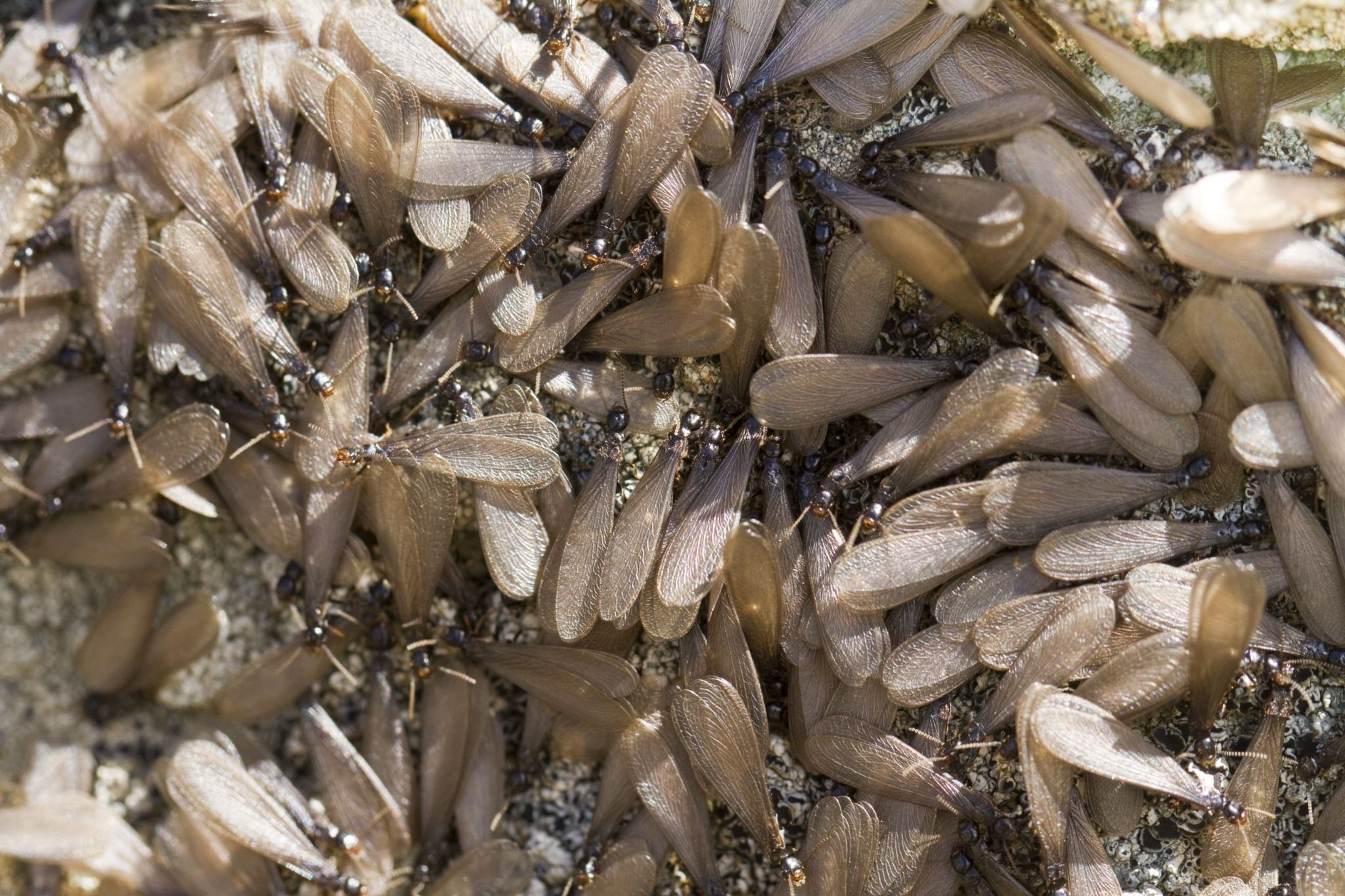
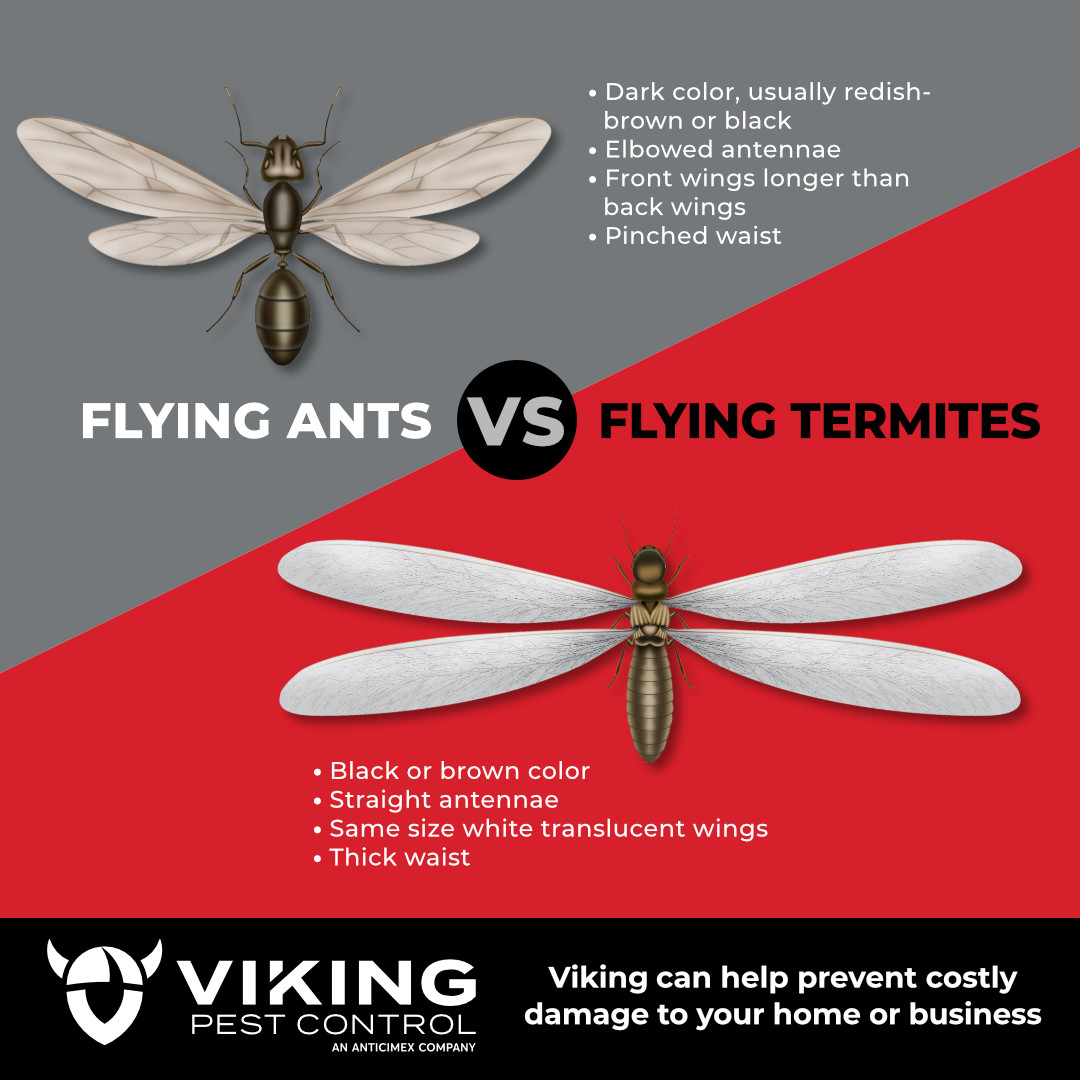
One of the most noticeable signs is a termite swarm, typically occurring in spring. These winged termites—often mistaken for flying ants—are reproductive members of a mature colony. After swarming, they shed their wings, so you may find small piles of discarded wings near windows, doors, or light sources.
2. Mud Tubes (Shelter Tubes)
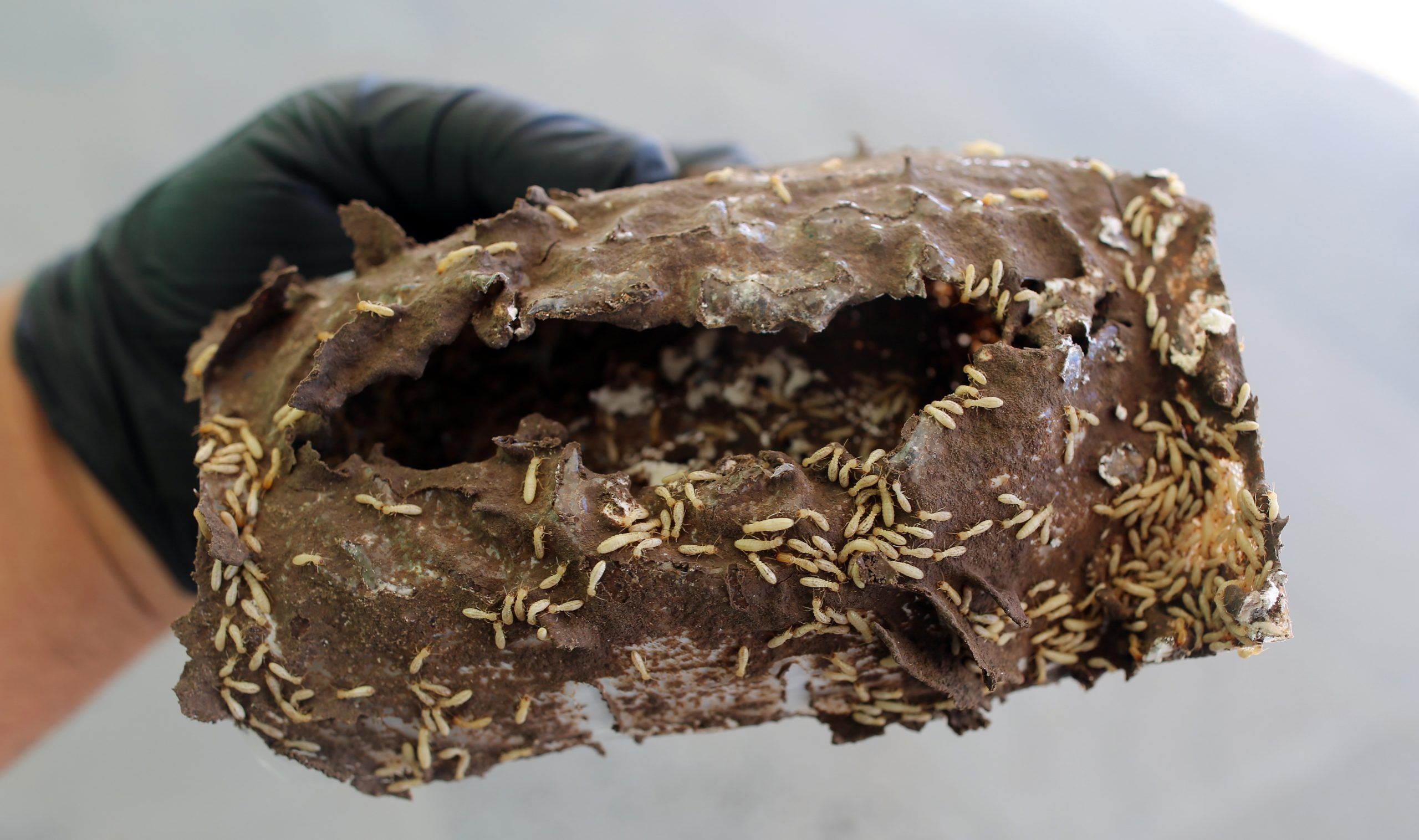
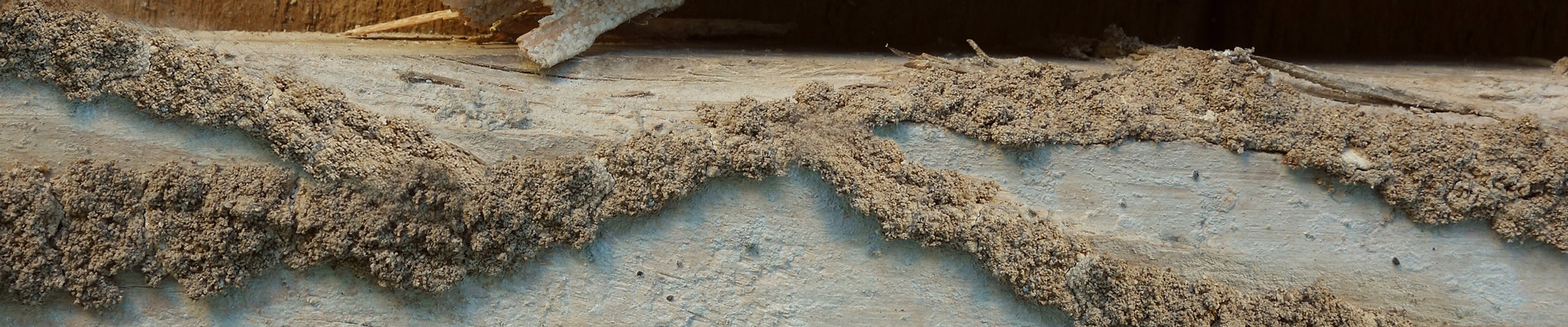
Termites build mud tubes along walls, foundations, and other surfaces to stay moist while traveling. These thin, dirt-like lines are a strong indicator of activity. If you break one open and see live termites inside, the infestation is active.
3. Visible Structural Damage
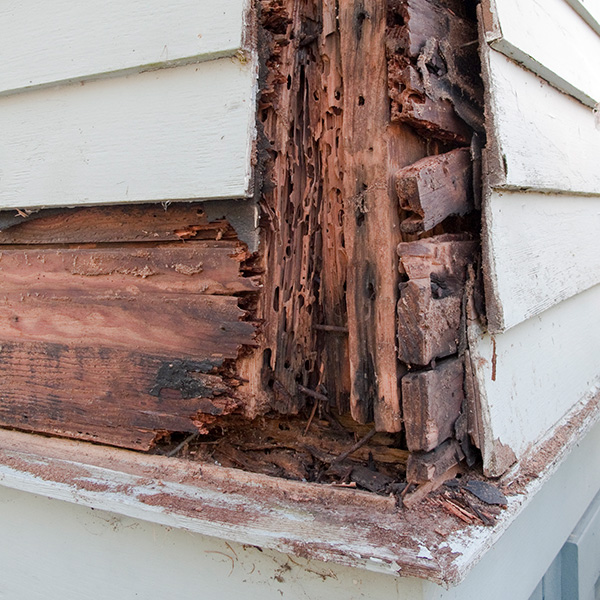
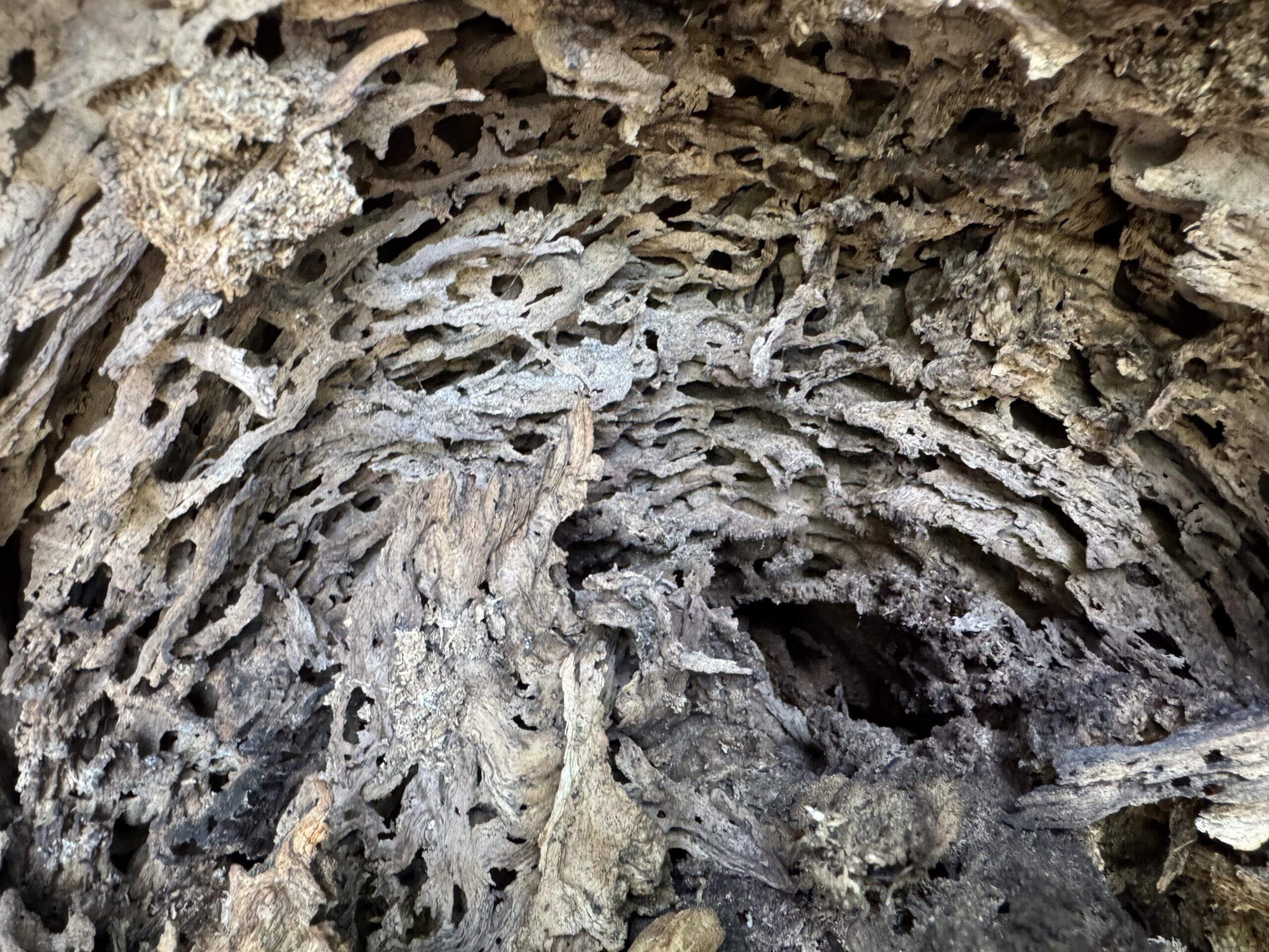
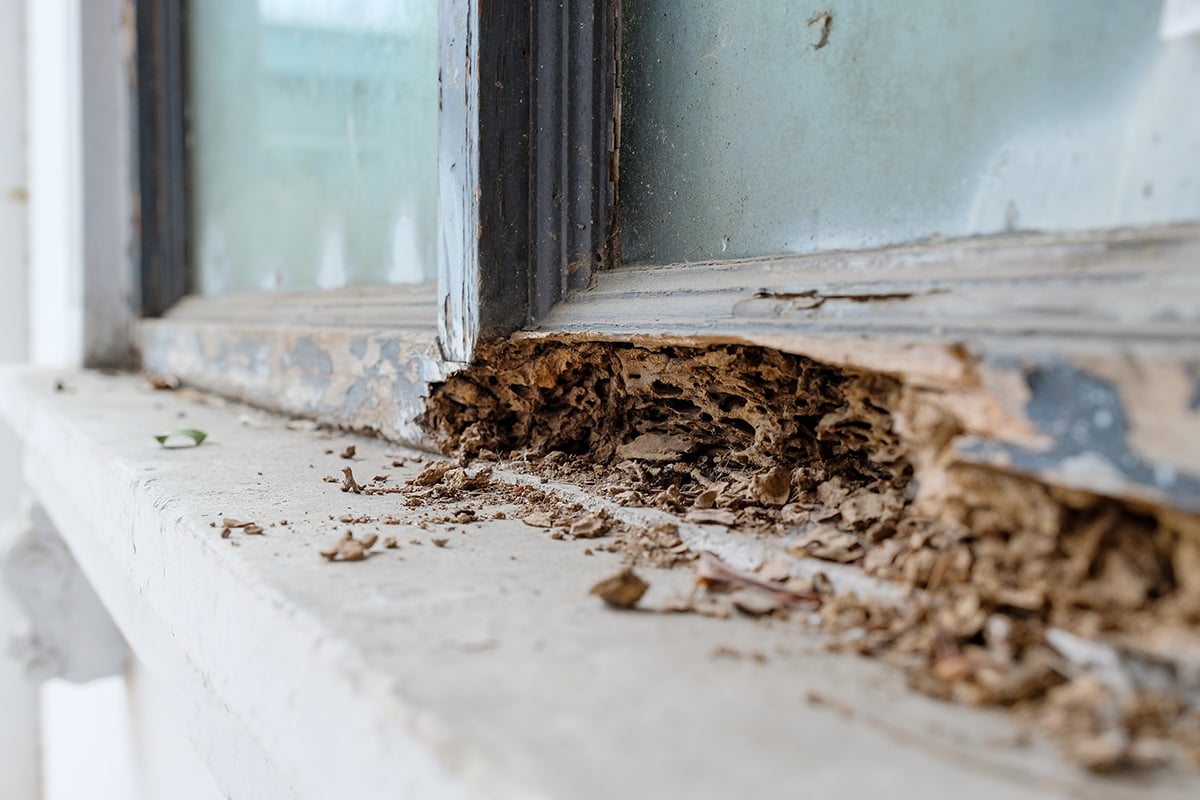
Damage caused by termites can appear as bubbling or blistering paint, especially on wooden surfaces like baseboards. Over time, wood may become hollow, weakened, or visibly deteriorated.
How Do Termite Infestations Start?
Termite infestations begin underground. Worker termites forage through soil in search of food sources—primarily wood. Once they find a suitable structure, they leave behind a pheromone trail that guides other termites to the site. As more workers follow the trail, feeding intensifies, and the colony establishes a steady presence within the structure.
How to Prevent Termite Infestations
Preventing termites is far easier—and more affordable—than repairing the damage they cause. Here are several effective strategies:
Reduce Moisture Around Your Home
Termites thrive in moist environments. Installing vapor barriers in crawl spaces can help limit humidity from the soil, while dehumidifiers are useful in basements or other damp areas.
Avoid Wood-to-Soil Contact
Direct contact between wood and soil creates an easy entry point for termites. Whenever possible, keep wooden structures elevated and separated from the ground. If contact is unavoidable, use pressure-treated lumber, which is more resistant to termite feeding.
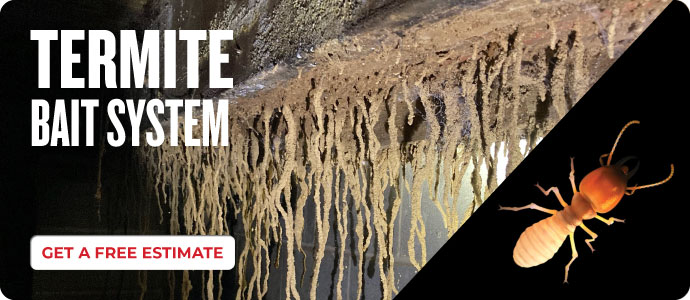
Install a Termite Baiting System
Baiting systems are a proactive way to protect your home. These systems work by eliminating termite colonies before they can invade your structure, providing long-term peace of mind.
Protect Your Home with Viking Pest Control
Termites don’t take a break—and neither should your home termite protection. If you suspect termite activity or want to safeguard your property, reach out to Viking Pest Control. Our experienced professionals can perform a termite inspection, identify risks, and implement effective solutions to keep termites where they belong: out of your home.
Termite Activity is Up this Spring - Why You Need A Termite Inspection
Viking Pest Control Receiving a Sudden Spike in Calls for the Infamous Wood-Destroying Insects This June
As of mid-June, Viking Pest Control is seeing a dramatic increase in termite activity compared to last year. In the first two weeks of June, the call volume is nearing what was recorded for the entire month of June in 2024. That means the rate of calls for termites has effectively doubled since last year across the region. While the 2025 termite season got off to a relatively quiet start, this sharp increase in termite activity should be cause for concern for home and business owners in Viking’s footprint, including New Jersey, Eastern Pennsylvania, Delaware, and the Eastern Shore of Maryland. Termites are among the most destructive of pests and regularly cause billions of dollars of damage every year. The cost of termite repairs can run into the tens of thousands, far less than the cost of termite treatment from a skilled professional.
“Termites are generally considered a Spring pest, but due to mild temperatures and heavy precipitation, termites have been slower to act in 2025 than they have in recent years,” said Eric Gunner, pest control expert at Viking Pest Control. “Some people may be under the mistaken impression that termites are done for the year, but our numbers are telling us that they’re just getting started.”
What to Look For
Among the most visible indicators of a termite infestation are mud tubes, thin, tunnel-like structures made of soil and saliva that termites use to travel between their underground nests and wood structures. These tubes often appear along foundation walls, beams, and even ceilings.
Another telltale sign is the presence of winged termites, or "swarmers," especially around windows or light fixtures. Frequently mistaken for flying ants, these reproductive termites shed their wings after swarming—a behavior that leaves behind piles of delicate, discarded wings, often found indoors.
“These aren’t just seasonal annoyances,” added Gunner. “Swarmers and mud tubes signal that a colony could already be active inside your home.”
What to Expect from a Free Termite Inspection from Viking Pest
Viking’s licensed inspectors conduct detailed evaluations of vulnerable areas, including floor joists, subflooring, window and door frames, and basement foundations. Technicians use both visual cues and specialized sounding techniques to detect hidden damage—like hollowed-out wood concealed behind walls or under floors.
If termite activity is found, Viking creates custom treatment and monitoring plans, using environmentally responsible methods to eliminate existing colonies and prevent re-infestation.
National publications, including Forbes and Real Simple, have rated Viking Pest Control among the best termite control companies in the country. Viking’s termite treatments always begin with a free inspection to ascertain the nature of a termite problem before taking a thorough yet targeted approach to termite control that maximizes effectiveness while minimizing environmental impact. With more than 40 years of professional experience, Viking Pest Control is the most trusted termite control company in the region.
The cost of termite treatment is far less than the cost of repairs from termite damage. To schedule a free termite inspection or learn more about Viking Pest Control’s comprehensive termite protection plans including bait stations, visit www.vikingpest.com or call 1-800-618-2847.
Why Flying Termites Are a Red Alert For Your Home
Why Flying Termites Around Your Home Shouldn’t Be Ignored
You’re enjoying a warm evening when you notice a few winged insects fluttering near your porch light. At first glance, they might look like flying ants—but if they’re flying termites, your home could be at risk. These seemingly harmless insects may be the first visible warning of a much larger problem lurking out of sight.
Let’s break down what flying termites really mean for your property—and why quick action matters.
Flying Termites: What Are They, Really?
Flying termites, or “swarmers,” are not your average nuisance pest. They’re the reproductive members of a mature termite colony, taking flight to find new places to establish nests. Their presence often means one thing: a nearby colony is thriving—and it’s big enough to send out scouts.
Unlike workers or soldiers, swarmers aren’t here to chew through your walls (yet), but they signal that a colony may already be doing that underground or inside your structure.
When (And Why) Flying Termites Show Up
Swarmers typically appear during the spring and summer months, especially after a good rain and when the humidity is high. They’re most active at dusk or in the evening when conditions are perfect for travel.
But here's the catch: even if the swarmers don’t manage to start a new colony immediately, their flight means termites are active in the area—including inside your home. Termites don’t move far from their original nests, so if you’re seeing flyers, the source isn’t far away.
Seeing Flying Termites Doesn’t Always Mean Infestation—But It’s a Big Red Flag
Spotting flying termites doesn’t necessarily mean your home is already infested—but it’s definitely a red flag.
Swarmers often shed their wings soon after landing. If you notice piles of discarded wings around windowsills, doorways, or on the ground, that’s a sign they’ve arrived—and may have already found a place to settle.
Keep an eye out for these other termite warning signs:
Mud tubes along walls or foundations
Bubbling or uneven paint
Wood that sounds hollow when tapped
Dark, blistered, or sagging wood surfaces
Discarded wings indoors or near entry points
Even one of these symptoms should prompt a professional inspection.
Why You Shouldn’t Wait to Act
Termites are notorious for staying hidden while causing thousands of dollars in damage. In fact, most homeowners don’t realize they have a termite problem until significant structural issues arise.
A new colony might take years to grow, but once established, it can cause severe and expensive damage behind walls, under floors, and around your home’s foundation. By the time signs are obvious, the repair costs can be massive.
Professional Termite Protection: Your Best Defense
At Viking Pest Control, we understand how termites operate—and more importantly, how to stop them. Our licensed technicians use advanced technology and proven treatment methods to detect and eliminate termite colonies before they cause costly damage.
Here’s what you can expect:
A thorough inspection of your home and surrounding property
Identification of termite species and high-risk areas
A customized treatment plan using industry-leading baiting and prevention systems
Whether you're seeing flying termites now or just want peace of mind, professional protection is the smart choice. Don’t leave your biggest investment vulnerable.
Think You’ve Seen Flying Termites? Let’s Take a Look.
If you're noticing flying termites or signs of potential activity, don't wait for the problem to grow. Our team at Viking Pest Control is ready to help protect your property with fast, effective, and affordable termite solutions.
Termite protection is available by itself or as part of our more comprehensive SMART Premier, Green Plus and Green Premier Plans. Schedule your termite inspection today and let us help you stay one step ahead of the silent destroyers.
Flying Ants or Flying Termites? How to Tell The Difference
Are those winged insects around your home termites or ants? It can be hard to tell the difference, but trust us when we say you don't want either of them invading your space.
As a leading termite and ant control company in the NJ/PA/DE/MD area, we know a thing or two about flying termites and ants, also known as "swarmers." In this blog, we'll dive into the key differences between these pesky insects and why you should be on high alert when you spot them.
Let's get this show on the road:
Termite Swarmers vs. Ant Swarmers: The Differences
Termite and ant swarmers, the winged reproductive members of their respective colonies, can look quite similar, but some key differences can help you identify which pest you're dealing with. As a pest control company serving NJ, PA, DE, and MD, we want to ensure our clients are informed and can take the necessary action to protect their homes from these destructive pests.
Here are some of the most common differences:
1. Appearance Differences
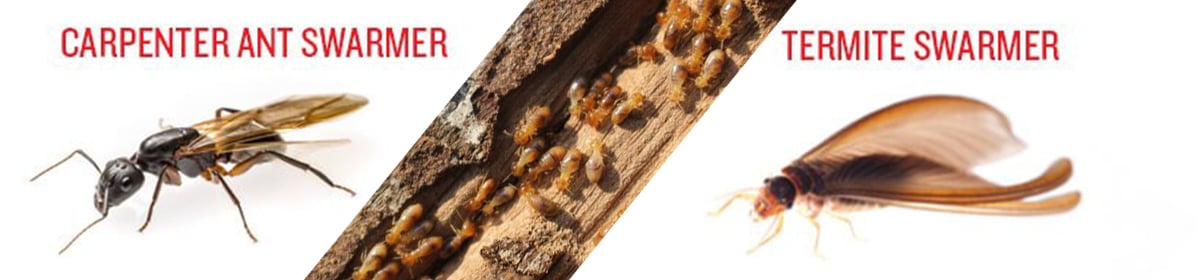
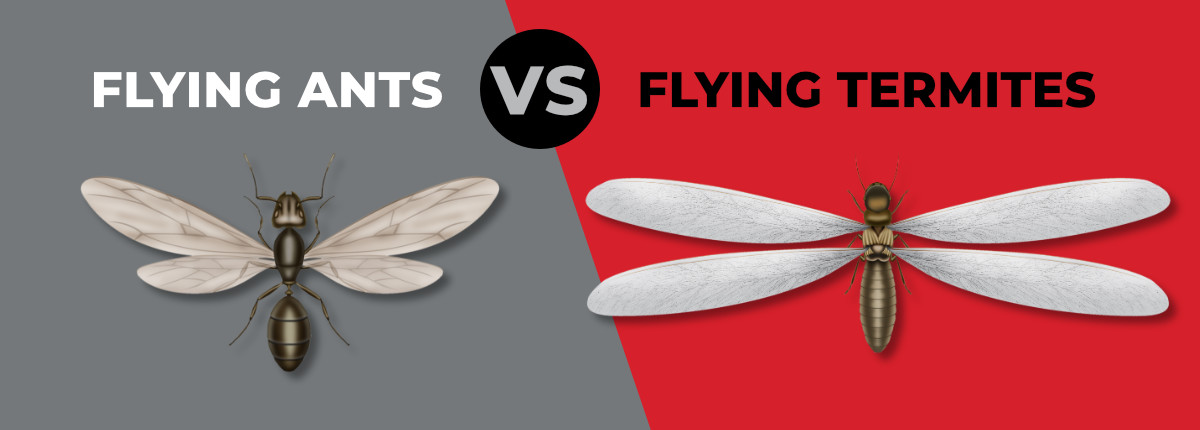
Termites have straight antennae and wide bodies without pinched waists, whereas ants' antennae are elbowed at the ends, and their abdomens narrow to a point.
Many species of both insects share similar physical characteristics: they're small (usually less than 3/8 inch long), soft-bodied, get around by walking on six legs with two other appendages used as feelers—and can be either black or brown in color.
2. Behavior Differences
Another way to tell the difference between flying ants and termite swarmers is by their behavior. Flying ants are typically more active during the day and are attracted to sweet or sugary substances.
On the other hand, termite swarmers are more active at night and are drawn to light sources. They also tend to shed their wings once they've found a place to start a colony.
3. Diet Differences
Diet also sets these two pests apart. Ants are omnivores and primarily feed on anything edible apart from wood.
Termites, on the other hand, feed on cellulose which is a nutrient-rich material found in plants. They consume mainly wood, paper, and other cellulose-based products.
4. Damage Differences
One of the biggest differences between flying ants and termite swarmers is the damage they can cause. While both insects can damage your home, termites are infamous for their ability to eat through wood and cause costly damage to the structure of your home. If you spot any signs of wood damage or hollowed-out wood, termites are likely the culprits.
Pro Tip: Keeping Your Home Safe
Acting fast is important if you suspect you have an ant or termite infestation. Both insects can quickly multiply and cause significant damage to your home. The best way to deal with the problem is by contacting a pest control professional.
They can assess the situation and recommend the best course of action, including baiting, trapping, or insecticide treatments.
Termites vs. Ants: Which is Worse?
When it comes to termites vs. ants, there's no contest. Termites are the bigger threat; you don't want them in your home. Keep an eye out for these pesky intruders, and take action if you suspect an infestation.
Here's the thing, termites are not picky eaters. They will happily munch on any cellulose-based material, including the wooden structure of your home. And the worst part? They can do it for years without you even realizing it.
In fact, termites cause more property damage than fires, floods, and storms combined.
That's why it's crucial to know the signs of a termite infestation and act fast. Look out for hollow-sounding wood, discarded wings, and mud tubes. If you suspect you have termites, don't wait to call in a professional. The longer you wait, the more damage they can do.
Hassle-Free And and Termite Control Solutions for Your Home
Regardless of which insect species is bugging you, know that winged termites and ants usually mean that there is a mature colony nearby that is ready to expand. It's important to stay vigilant regarding pest control. Don't let termites and ant swarmers take over your home. These pesky insects can cause serious damage and cost you thousands of dollars in repairs. You can protect your home and wallet by learning how to identify and deal with these pests.
At Viking Pest, we use the latest technology and techniques to control and prevent termite and ant infestations effectively. Our termite baiting system is safe, eco-friendly, and highly effective for controlling termite populations.
We serve NJ, PA, DE, and MD, so call today at 800-618-2847 or request a free quote on our website and protect your property from these destructive pests.
What Does Termite Damage Look Like? Signs of Termites and How to Protect Your Home
Termites may be small, but the damage they cause can be enormous. Every year, termites are responsible for billions of dollars in property damage across the United States, silently feeding on the wooden structures that support homes and businesses. Unfortunately, many homeowners don’t realize they have a termite problem until significant damage has already occurred.
Subterranean termites — the most destructive termite species in New Jersey, Pennsylvania, Delaware, and Maryland — work quietly behind walls, beneath floors, and inside structural wood. Knowing the warning signs of termite activity can help you catch an infestation early and prevent costly repairs.
Common Signs of Termite Damage
Because termites usually remain hidden inside wood or underground, they can be difficult to detect. However, there are several warning signs homeowners should watch for.
Sagging or Warped Floors and Ceilings
As termites feed on wooden support structures, they weaken the integrity of your home. Over time, this can cause floors to sag, ceilings to warp, or doors and windows to become difficult to open and close properly.
Hollow-Sounding Wood
Termites eat wood from the inside out. If you tap on walls, flooring, or wooden furniture and hear a hollow sound, termite damage may already be present beneath the surface.
Mud Tubes Around the Home
Subterranean termites build mud tubes to travel safely between their colony and food sources while protecting themselves from predators and dry air. These pencil-sized tunnels are commonly found:
Along foundations
Near pipes
In crawl spaces
Around framing
Inside basements or attics
Mud tubes are one of the clearest signs of active termite activity.
Discarded Wings
During termite swarm season, reproductive termites leave their colony to establish new nests. After swarming, they shed their wings. Small piles of discarded wings near windowsills, doors, or light fixtures can indicate a nearby infestation.
Frass or Termite Droppings
Some termite species leave behind droppings that resemble tiny wood-colored pellets or sawdust. If you notice these materials accumulating near wood structures, termites may be feeding nearby.
Where to Look for Termite Damage
Termite infestations often go unnoticed because the damage happens behind walls or beneath surfaces. Regular inspections of vulnerable areas can help uncover problems earlier.
Areas to Inspect for Termites
Be sure to examine:
Interior walls and wooden trim
Basements and crawl spaces
Attics
Wooden decks and porches
Fence posts
Wood piles
Areas where wood touches soil
Moist or water-damaged areas
Subterranean termites are especially attracted to moisture and wood-to-soil contact.
Why Subterranean Termites Are So Destructive
Subterranean termites are the most common and destructive termites in the Mid-Atlantic region. Unlike some pests that remain visible, subterranean termites live underground and tunnel into homes from below.
Once inside, they can feed continuously for years without detection.
How Subterranean Termites Spread
These termites build underground colonies and travel through mud tubes to access food sources. When they find wood, worker termites begin feeding and recruiting other termites to the area.
One reason subterranean termites are so dangerous is because they share food through a process called trophallaxis. During this process, termites transfer food — and termite treatment materials — throughout the colony, including to the queen.
Without professional intervention, a colony can continue growing and expanding its damage over time.
Can You Hear Termites?
Most homeowners never hear termites at all.
Unlike rodents or larger pests, termites work almost silently inside walls, floors, and support beams. By the time visible damage appears, the infestation may already be extensive.
This is why preventative termite monitoring and early detection systems are so important.
How to Prevent Termite Damage
Preventing termites starts with reducing conditions that attract them and investing in proactive termite protection.
Reduce Moisture Around Your Home
Termites thrive in damp environments. To make your property less attractive:
Repair leaking pipes and faucets
Improve drainage around the foundation
Use dehumidifiers in damp crawl spaces or basements
Clean gutters regularly
Eliminate Wood-to-Soil Contact
Avoid direct contact between soil and wood whenever possible. Wooden siding, deck posts, and supports should remain elevated above soil level.
Remove Wood Debris
Clear away:
Firewood piles
Tree stumps
Mulch buildup
Scrap lumber
Dead branches
These materials can attract termites to your property.
Schedule Regular Termite Inspections
Professional termite inspections are one of the best ways to identify activity before major structural damage occurs. Trained technicians know where termites hide and can detect subtle warning signs homeowners often miss.
Professional Termite Treatment Options
If termites are discovered, professional treatment is critical for eliminating the colony and preventing future infestations.
Termite Bait Stations
Bait stations are placed in the ground around your property where subterranean termites forage. Workers carry the bait back to the colony, spreading the treatment to other termites and eventually eliminating the colony at its source.
Liquid Termite Barrier Treatments
Liquid perimeter treatments create a protective barrier around your home. As termites pass through treated soil, they transfer the product throughout the colony.
These treatments help stop termite activity before it reaches your home’s structure.
What to Do if You Suspect Termites
If you notice signs of termite damage, don’t wait. Early treatment can significantly reduce repair costs and prevent further structural damage.
Steps to Take Immediately
Schedule a professional termite inspection
Avoid disturbing visible termite activity
Address moisture issues around the home
Remove wood debris and vegetation near the foundation
Discuss preventative treatment options with a licensed pest professional
Protect Your Home with Viking Pest Control
Termites are stealthy pests capable of causing severe structural damage before homeowners even realize they’re there. The good news is that early detection and professional termite protection can help safeguard your property.
Viking Pest Control provides termite inspections, termite bait stations, and advanced termite treatment solutions for homeowners throughout New Jersey, Pennsylvania, Delaware, and Maryland. Our experienced team can identify termite activity, eliminate active infestations, and help protect your home from future damage.
If you suspect termite activity or want proactive termite protection, contact Viking Pest Control today for a free termite inspection and estimate.
What is the Difference Between Termites and Carpenter Ants?
Protecting your home or business from invasive species is a must, as even national franchises can suffer significant losses due to a lack of adequate pest control and prevention. Carpenter ants and termites are prevalent species that cause quite a lot of damage to homes and businesses over time if not caught early. But catching it early requires knowing the signs of an infestation and which pest is damaging your property.
Given that termites and carpenter ants are detrimental in similar ways, how do you know which one is which? How do you identify carpenter ant damage to termite damage?
That's what we're here to look at today. Read on to find out how you can differentiate between these two when calling a home or commercial pest control company.
What is Causing Wood Damage?
If you aren't sure about whether your property has a termite or carpenter ant problem, there are a few different factors to help you narrow everything down. Let's start with what they look like.
Termites have shorter, two-segment bodies consisting of a head and thorax, while carpenter ants have three segments: a head, abdomen, and thorax.
Another difference is that termites eat wood while carpenter ants, as the name suggests, deliver the wood they chip at to build nests. Both, however, rely on moisture to survive.
Termite and Carpenter Ant Swarmers
Both ant and termite colonies include reproductives that grow wings and become swarmers. This happens when colonies become too large. While this phenomenon usually occurs during the Spring, it has been known to happen during other times of the year.
The difference between termite and ant swarmers is when they come out to look for new colonies. Termites often come out during the day, while carpenter ant swarmers come out after the sun comes down. Ant swarmers also have much shorter wingspans than termite swarmers.
Having a trained residential or commercial insect exterminator around can help you identify them.
Signs of Termite Infestation
The rare case where you see termites come out from the ground is when they're looking for a place to start a new colony. Sometimes the reproductive termites leave their wings or their dead bodies on windowsills.
If you can’t see these termites or their wings, you can look for mud tubes. These are made up of saliva, wood, waste, and soil to provide moisture to a colony.
While you won't see much external damage on your wood, it's essential to know that termites consume wood from the inside out. If you suspect a termite infestation, knock on the wood to find out. If you hear a hollow sound, it's a good sign that termites are in there. These signs can be hard to pinpoint, so calling a pest control professional can help you narrow it down.
Signs of Carpenter Ant Infestation
A frequent sign of a carpenter ant infestation is small holes in your wooden structures with sawdust right outside of them. If the sawdust contains wood, dust, and insect parts, it's likely carpenter ants.
You probably won't hear much rustling or other sounds since carpenter ants work in relative silence.
Calling a Pest Control Company
Preventive pest protection is crucial if you want your property to remain healthy and avoid unwanted health risks and complications in your daily life. Use this guide to help you identify and eventually eliminate both termites and carpenter ants. Viking recommends annual termite inspections during the late Spring.
Are you looking for reliable carpenter ant control or termite extermination? Contact Viking Pest Control for a free estimate!
Termite Swarmers vs Carpenter Ant Swarmers
Seeing flying insects around your home in spring can be alarming, especially when they resemble termites. Because termite swarmers and carpenter ant swarmers look similar at first glance, many homeowners struggle to tell them apart.
Knowing the difference is important. While both pests can signal a larger infestation nearby, termites can cause serious structural damage if left untreated.
This guide explains how to identify termite swarmers, how they differ from carpenter ant swarmers, and what signs of infestation homeowners should watch for.
What Are Termite Swarmers?
Termite swarmers are reproductive termites that leave an established colony to mate and start new colonies.
Unlike worker termites that remain hidden underground or inside wood, swarmers emerge in large numbers during spring and early summer. Because they leave the colony, they are the termites homeowners are most likely to notice.
If you suddenly see flying termites indoors or around your property, it may indicate an active termite colony nearby.
What Do Termites Look Like?
There are several types of termites within a colony, each with different appearances and responsibilities.
Worker Termites
Worker termites are small, pale insects responsible for feeding and maintaining the colony.
Characteristics include:
Cream or off-white coloring
Soft bodies
No wings
No visible eyes
Approximately 1/8 to 3/8 inch long
Soldier Termites
Soldier termites protect the colony from threats.
They typically have:
Cream-colored bodies
Large brown heads
Strong jaws
No wings
No visible eyes
Termite Swarmers
Swarmers are the reproductive termites homeowners most commonly see.
They feature:
Dark brown or black bodies
Straight antennae
Two pairs of long wings
Wings longer than the body
Visible eyes
Swarmers are usually about one inch long including their wings.
Carpenter Ant Swarmers vs. Termite Swarmers
Because both insects swarm during warmer months, they are commonly confused with one another.
However, there are several important differences.
Wing Size
Termite swarmers have long wings that extend well beyond their body length.
Carpenter ant swarmers have smaller wings that are only slightly longer than their bodies.
Antennae Shape
Termites have straight antennae
Carpenter ants have bent or elbowed antennae
Body Shape
Termites have broad bodies that appear mostly straight.
Carpenter ants have narrow “pinched” waists that clearly separate body segments.
Color
Termite swarmers are usually dark brown or black with lighter wings.
Carpenter ant swarmers are often darker overall and may appear shinier.
Signs of a Termite Infestation
Because termites spend most of their lives hidden, homeowners often notice the damage before they see the insects themselves.
Mud Tubes
Subterranean termites build mud tubes to travel between the soil and wood structures while protecting themselves from exposure.
These tubes may appear along:
Foundation walls
Basement surfaces
Crawl spaces
Support beams
Discarded Wings
After swarming, termites shed their wings.
Small piles of discarded wings near windows, doors, or light sources may indicate nearby termite activity.
Wood Damage and Frass
You may notice damaged wood, hollow-sounding surfaces, or small piles of debris and termite waste near infested areas.
Seasonal Swarming Activity
Swarming activity is most common during spring and early summer when reproductive termites leave colonies to establish new nests.
What to Do If You See Termite Swarmers
If you discover termite swarmers inside or around your home, avoid disturbing the area too much before an inspection.
Helpful steps include:
Vacuuming visible swarmers and discarded wings
Marking where swarmers appear to be emerging
Avoiding tearing into walls or wood structures
Contacting a professional termite exterminator promptly
Marking the activity area can help technicians locate the source of the infestation more efficiently.
Why Professional Termite Control Is Important
Although swarmers themselves do not damage structures directly, they indicate an established colony may already be present.
Professional termite treatment helps:
Identify active colonies
Prevent structural damage
Eliminate existing infestations
Protect against future termite activity
Because termites often remain hidden for long periods, early detection and treatment are critical.
Professional Termite Control From Viking Pest Control
Viking Pest Control provides professional termite control services throughout New Jersey, Pennsylvania, Delaware, and Maryland.
Our termite specialists can:
Inspect your property for termite activity
Identify swarmers and nesting areas
Create customized treatment plans
Help prevent future infestations
Schedule a Termite Inspection Today
If you’ve spotted flying termites, discarded wings, mud tubes, or signs of wood damage, it’s important to act quickly before the infestation worsens.
Learn more about Viking Pest Control and request a free termite inspection today.
Carpenter Ants vs Termites: Which is Worse?
Every year insects like termites and carpenter ants cause an estimated $5 billion dollars in property damage in the United States. And once you realized you've been the victim of an infestation, it's time to take action.
But that's not so easy when you're unsure of what type of pest is damaging your home. In some cases, you won't see the insect themselves, but rather the destruction they leave behind.
How can you tell if the infestation is caused by carpenter ants vs termites? We want to help educate you on the difference between carpenter ants and termites and to recognize the types of damage they cause.
Keep reading to learn how to determine if termites vs ants are the problem.
Carpenter Ants Vs Termites
Termites and carpenter ants do share some similarities but they're also quite different from each other.
Antennae
Termites have straight antennae, though some may be curved slightly. Ants have elbowed antennae that have a sharp-elbowed bend that's easy to spot.
Body
You'll see that ants have three distinct body segments thanks to their narrow waists. Termites instead have a broad waste that makes then look like they have a long body and head.
Wings
Termites and carpenter ants both send out winged swarmers. But ants have front wings that are longer than their back wings.
Termites, however, have wings of equal length.
Wood and Termites
Termites like materials containing cellulose. Because cellulose is an organic compound, termites can digest wood and paper products thanks to the types of bacteria growing in their abdomens.
Protozoa in their guts help them break down wood in their digestive systems. But termites do prefer digesting wood with decent levels of moisture. Doing so helps hydrate them.
Wood Termites Prefer
As a result, the types of wood most likely to attract termites are:
Yellow pine
Birch
Red Oak
Spruce
Teak
Peruvian walnut
New lumber is less attractive to termites. They prefer wood that is rotting.
Wood Termites Dislike
There are also some types of wood that are more resistant to termites.
Pressure Treated
Pressure-treated wood is resistant to rot and fungi.
Most places in the U.S. require construction sites to use pressure-treated wood.
Naturally Resistant
Heartwood is the non-living, central wood of trees. It's denser, less permeable, and darker than the surrounding timber.
Certain species like redwoods and cypress are naturally-resistant
Composite Materials
Manmade composite lumber products are made with materials that insects and other pests can't digest like plastic.
Composites don't warp like natural lumber and are therefore more durable as a building material.
Wood and Carpenter Ants
It's a myth that carpenter ants eat wood. They actually prefer to eat sweets, meat, and pet food.
Eating wood provides them with no nutritional value. Instead, they cause damage to wood by creating tunnels for nesting.
Signs Of An Infestation
Unfortunately, termite infestations often go unnoticed until they cause damage. The colonies nest underground with the workers hidden inside the wood.
Termite Infestations
Here are a few signs you have a termite infestation:
Flying termites which are called swarmers
Termite droppings (Frass)
Hollow sounding timber
Tunnels in wood
Headbanging is another sign and it's not as cool as you'd think. Soldier termites are known to bang their heads against the wood and/or shake their bodies when they sense the colony is in danger.
It sounds like a quiet clicking coming from behind your walls.
Carpenter Ant Infestations
Carpenter ants love moist, damp areas. Especially if there's rotting wood involved so they can chew through to make their nests.
Anywhere there's dampness, food and/or piles of debris, carpenter ants could be lurking. They like to establish a path between their nest and their food source.
Carpenter Ant Infestation Signs
Signs you have a carpenter ant infestation are:
Sawdust-like frass
Piles of wood shavings (similar to sawdust) beneath wooden areas
Winged ants coming out from walls, ceilings or other crevices
You may also hear rustling noises between walls or hollow doors.
What Termite Vs Carpenter Ants Damage Looks Like
Since the reasons why termites damage wood differs vastly from why carpenter ants destroy wood, it makes it a little easier for you to determine who the culprit is.
Carpenter Ant Damage
Remember that carpenter ants can't eat wood. Instead, they're excavating the softened wood as if it were a construction site. Their purpose is to build a nest and create traveling tunnels.
You may also notice entrance and exit holes as well as other tiny holes they use to push out unwanted debris so they can keep their home clean and tidy. Carpenter ant tunnels in the wood are smooth and polished.
Termite Damage
Meanwhile, termites love to eat wood. And they're not that concerned with cleanliness or tidiness.
Termite tunnels contain mud and soil. They also plug up any holes with mud.
Why You Need A Professional Exterminator
When a termite infestation goes undetected, widespread damage can result. They can consume a pound of wood every day from the inside out.
It's costly to repair structural essentials such as subflooring joists and wood supports.
Ants come inside to find food such as sweets to eat. Carpenter ants can contaminate your food, build nests in decaying wood, and are unsightly.
When you hire a pest control professional they do a thorough inspection of both the inside and outside of your home looking for infestations. They'll also look to see what the damage is caused by.
Once the inspection is completed and the culprit(s) are identified, a pest control professional will create a customized pest removal plan for you. This will ensure that you get and stay free from unwanted pests in your home for a long time.
Call Viking Pest for Pest Control
Whether your infestation is carpenter ants vs termites, it's best not to wait too long.
That's why you should rely on the number one choice for termite control and carpenter ant exterminators in New Jersey, Maryland, Delaware, and Pennsylvania for pest control. Contact Viking Pest today for a free and no-obligation estimate at 1-800-618-2847.
Keeping Your Home Termite-Free This Spring
Although it would be nice if there was, there is no such thing as termite season. Termites are a year-round problem and, because of that, it’s important to be on the lookout for the signs of them no matter what season we find ourselves in. Considering the extensive damage termites can cause, keeping your New Jersey, Pennsylvania, Delaware, or Eastern Shore of Maryland home termite-free this spring is definitely in your best interest.
Termite Swarmers
Termites are hard to detect no matter what time of year it is, but the spring typically offers one sign that you might not see at any other time of year: termite swarmers. Termite swarmers are the reproductive members of a termite colony. Each year, usually in the spring, these winged insects come out in the open to mate. Once they mate, they shed their wings and establish a new colony.
If you see winged termites or a pile of discarded wings near your home, it is a sure sign that there is a termite colony nearby and that more are about to be established. If you find them in your house, it means you already have a termite infestation in your house and it’s about to get worse. If you find termite swarmers or their discarded wings, it is vital to get a professional pest control expert to your house as soon as possible.
Ways to Prevent Termites
It is important to note that the absence of termite swarmers around your property does not automatically mean your home is free of termites. Whether you are truly concerned that termites have invaded your home or you just want to protect your property, it is best to take the following preventative measures.
Reduce moisture on your property. Termites prefer water-damaged wood. If your property has low-moisture levels, the chances of water-damaged wood decrease.
Repair or replace all water-damaged wood. If you find wood beams or planks that have rot or other signs of moisture, fix or replace them immediately.
Take care of wood on your property. Keep wood piles away from your house and in an area where they won’t get wet. Remove dead trees and fallen branches.
Keep soil and mulch to a minimum. Any place that wood comes in contact with soil or mulch is an area that will succumb to moisture faster. By limiting these organic materials on your property, you’ll lessen the chances of a termite invasion.
Most importantly, install a system that protects against termites 24 hours a day, 365 days a year. The best way to deal with termites is to make sure they never get into your home in the first place. The most effective way to do this is with the Sentricon® System with Always Active. Viking Pest Control is an authorized operator of Sentricon® with Always Active™, which is an eco-friendly, termite baiting system that will eliminate all active termite colonies and prevent future ones from forming.
Don’t leave a termite infestation to chance this spring. Protect your NJ, PA, MD, or DE home by taking the proper precautions. Give Viking Pest Control a call for more information about our termite control options.
Call Viking at 800-618-2847 to learn more about termite pest control and extermination services, or get a fast, free quote online today!
Why Termite Season Isn't Over in Morris County
For most people, buying a home is the biggest investment you’ll ever make. Just as you wouldn’t purchase a new phone then leave it out in the middle of your driveway exposed to the elements and passing vehicle tires, you also wouldn’t leave your home, a much bigger investment, vulnerable to all the potential dangers that nature can bring!
One of those dangers that Morris County residents face is the danger of a termite infestation.
Perhaps you’ve never seen any termites in or around your home so you think you’re in the clear. Unfortunately, this is not necessarily the case. While many other pests leave clear signs of their presence, termites are one of the sneakiest insects around, rarely showing any signs that they have invaded your home until it’s too late and the damage to your home has become extensive.
Why You Might Not See Termites
As their name indicates, subterranean termites live primarily underground. The vast majority of these termites will never show themselves above ground. Termites employ a three-tiered caste system made up of workers, soldiers, and reproductives which are also referred to as swarmers.
Worker termites are in charge of building and fixing nests, creating tunnels, and gathering food for the colony.
The soldiers are in charge of defending the colony.
Reproductives are the only termites in the colony with wings and are also the only termites you’re likely to see as they’re the only ones who will typically come to the surface. However, they only emerge from their underground colonies during certain times of the year. Since these are the termites you are most likely to see, we want to provide you with a quick description: these swarmers are often confused with flying ants due to their similar appearance. They are the largest termites in the colony and at about ½ an inch in length, range in color from dark brown to black, and have two pairs of wings that are equal in length. These termites will shed their wings once they find a mate and find a location to establish their new colony.
What Damage Do Termites Cause?
While you are blissfully unaware of their presence, termites can cause major damages to your home. They love to feed on wood that has previously been damaged by water and can lead to devastating and expensive structural damage to your home. It is estimated that termites cause over 5 billion dollars in damages to homes in the United States each year. Clearly, termites are not a pest you want invading your home!
Signs You May Have Termites
As we previously stated, oftentimes the only sign of termites appear after they have already caused extensive damages to your home. The reproductive termites typically emerge from the ground in the spring after it rains to find a mate and create their own colonies. If you see hundreds of these winged termites on the ground around your property, that is a sure sign that you have a problem!
While swarms usually occur in the spring, they can also happen anytime the weather is warm and the temperatures reach above 70 degrees, so you may see these swarms throughout the summer as well. Termites can also survive the cold winter months, so just because the temperatures drop doesn’t mean your termite problem will go away!
How to Prevent Termites
Obviously, preventing termites from gaining access to your home before they have a chance to invade is the best line of defense against these wood-destroying pests.
Since termites are drawn to water-damaged wood, it’s important to keep your home and property as moisture-free as possible.
Ensure that your home and lawn have proper drainage.
Fix water leaks inside and outside your home immediately.
Clean gutters regularly.
Keep wood piles dry and at least 20 feet from your home.
Maintain your yard and clean up fallen trees and debris, including leaves.
Check for cracks and holes in your foundation and exterior walls frequently and seal any that you find.
To ensure your peace of mind, call the professionals at Viking Pest Control! We are trained to spot the signs of a termite infestation that most people miss!
Termites are extremely destructive pests and should not be messed around with. If you suspect that you already have a termite problem, call Viking Pest Control right away! The experts at Viking offer the best termite elimination services available and have the knowledge and experience needed to take care of the problem both quickly and effectively! Contact us at 800-618-2847 in New Jersey for more information about our termite control options!
New Jersey residents can reach out to Viking Pest Control for a free estimate by going here. Our pest control professionals are ready to answer all of your pest and termite control needs, just give us a call at 800-618-2847 today!