Summer Termite Prevention for Essex County Residents
During the summer months in Livingston and throughout Essex County, termites are a serious threat for property owners because summer is the season when subterranean termites are most active. Let’s take a look at the environmental factors that boost termite activity as well as explore some exclusion and prevention methods to help you protect your home from costly termite damage.
When Are Termites Active in New Jersey?
There are two environmental factors that impact subterranean termite populations: warmth and moisture. Summer provides both of these factors which allows termites to thrive. In warm weather, termite workers operate like well-oiled machines, feeding 24 hours a day, 7 days a week in order to bring food to their colonies and inspire the queen termites to produce more offspring. As termite colonies mature, they begin producing winged male and female reproductives termites whose prime purpose is to leave their colonies and establish new colonies. When these reproductive termites, also known as swarmers, leave their colonies to start new ones, they will be looking for the second environmental factor that impacts subterranean termites listed above: moisture. To keep these swarmers from choosing your home to establish their colonies in, it is important to make sure they don’t find any excess moisture in your yard and, especially near your foundation walls.
Termite Prevention
Trim tree branches to allow sunlight to reach the moist areas around your home and dry them.
Trim back bushes and shrubs on your property to allow the ground to dry in between them.
Space plants out in your landscaping to allow rainwater and hose water dry faster.
Fix any broken gutters and downspouts to make sure rainwater is channeled down and away from your foundation walls.
Fix any leaky exterior spigots or hoses.
Keep any leaves, twigs, or other organic debris on your property raked up.
Moisture isn’t the only thing that could attract termites to your yard, however. Check out this article for more insight into what termites look for when choosing a property to invade.
Termite Detection
When termites invade your yard, there are a few ways you may be able to detect them. The signs of termite activity are subtle, however, so you will have to look very closely in order to see them.
Termites may establish themselves under a food source; if you have mulch in your landscaping, dig into the ground underneath it and inspect for termites.
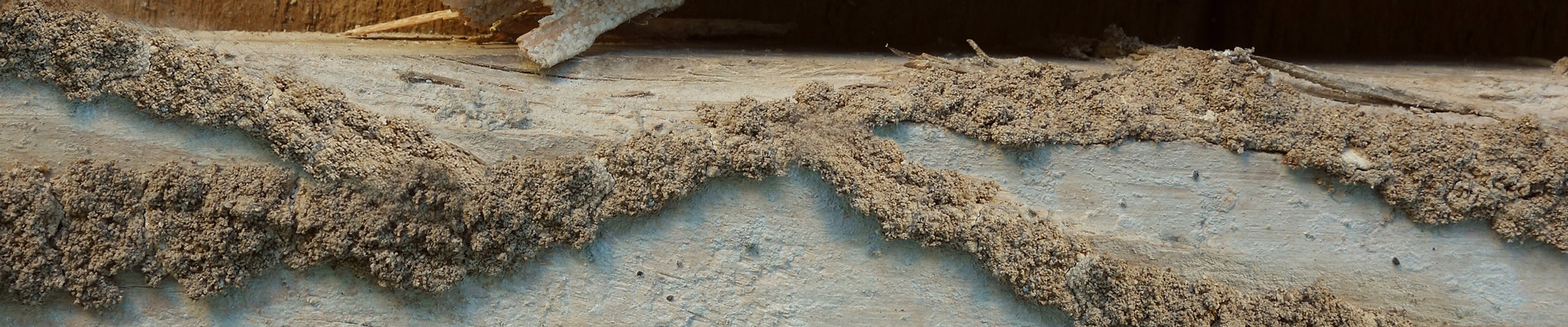
Termites come up from the ground in dark places. If you have a crawl space under your home, deck, porch, or patio, make sure to check those areas with a flashlight for signs of termite activity, like shelter tubes on foundation walls and piers.
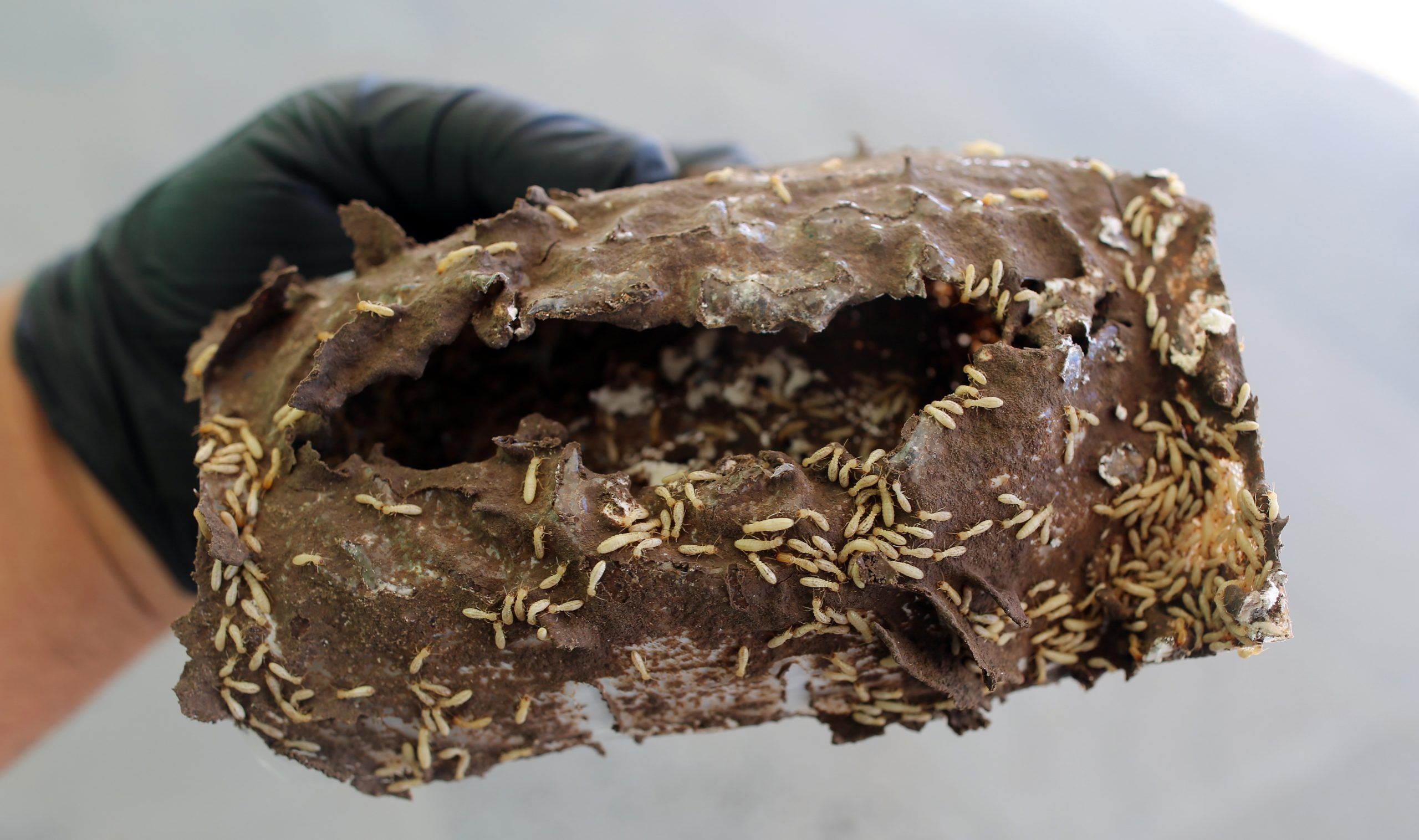
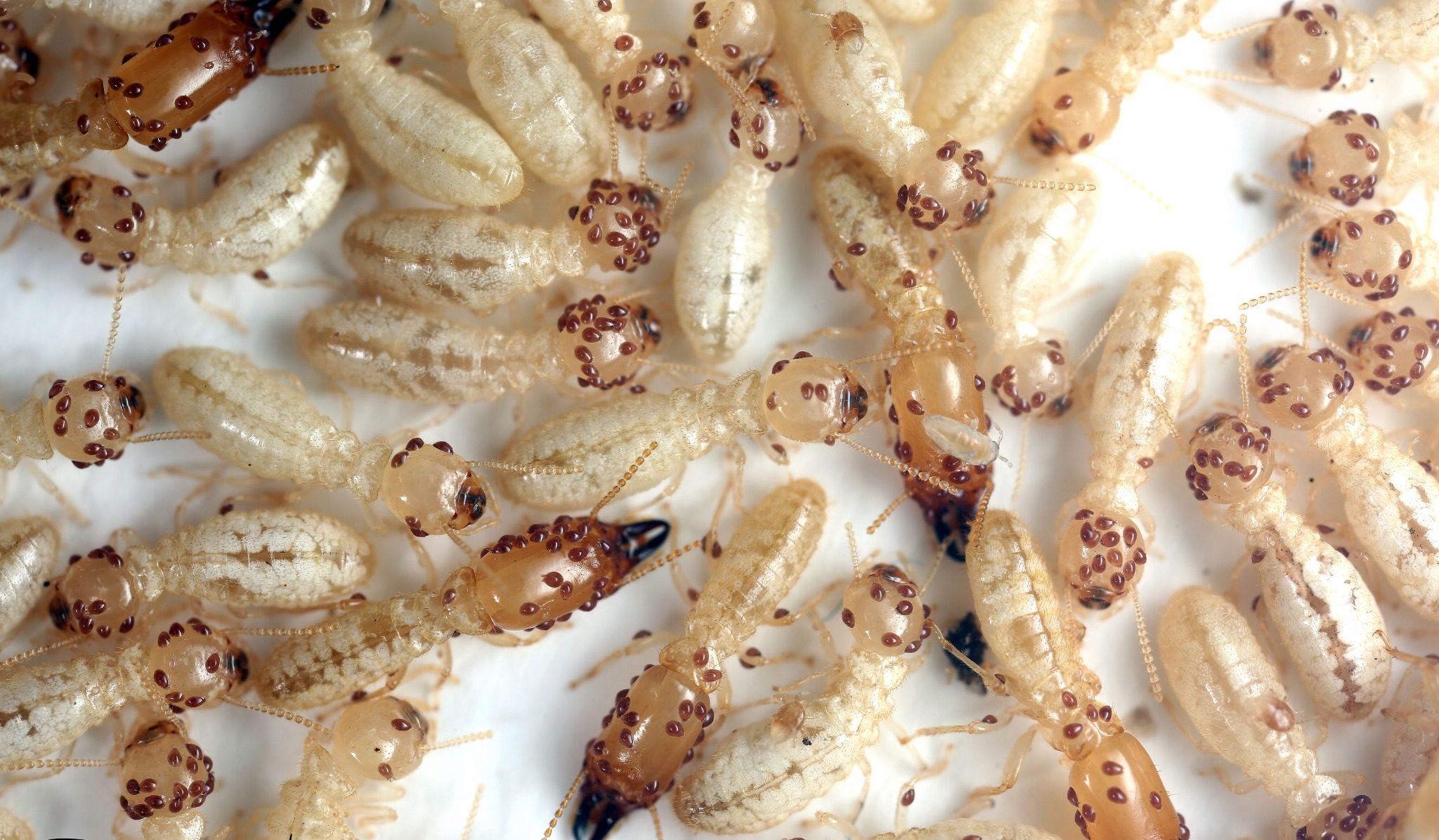
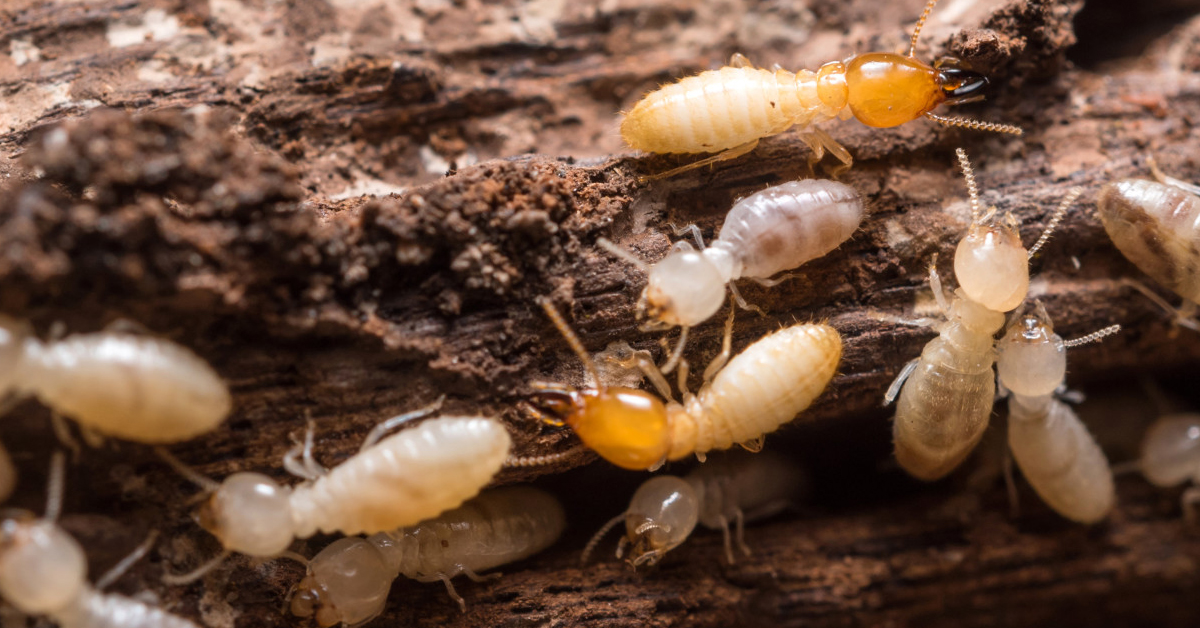
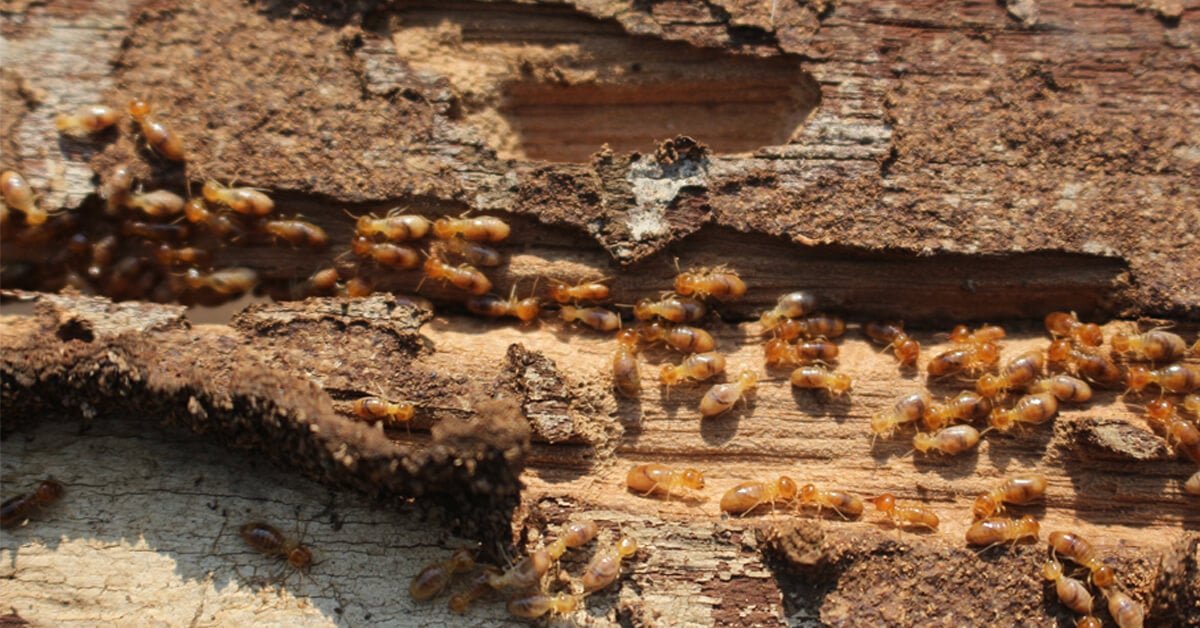
If you have areas of wood-to-soil contact around your home, dig some earth up and examine it for termite workers; termite workers are tiny, pale-colored insects with six legs, two antennae, and three body parts.
Since termites are so hard to detect, it is best to invest in a professional termite inspection, and if termites are spotted, a termite treatment.
The professionals at Viking Pest Control can help eliminate infestations and prevent problems with termites in the future as well. For dependable, ongoing termite protection in Livingston, Glen Ridge, Montclair, Caldwell, Essex Fells, Roseland, and throughout Essex County, start here!
Protecting Union County Homes From Termites
There are lots of pests in Union County that can damage homes and businesses. Mice and rats chew through wood and other building materials, on the outside of man-made structures, and then chew on sheetrock, insulation, wood, and even wires, when they get inside. Carpenter ants chew tunnels and galleries in wood to create their nests. Carpenter bees bore tunnels in eaves, soffits, fascia, and other areas to make a home for their offspring. Wood borers create tiny holes and deep tunnels in hardwood and furniture. The list goes on and on. But, of all the pests that can damage homes and businesses in Summit, New Providence, Westfield, Cranford and throughout Union County, of these, termites are the worst.
4 Reasons Subterranean Termites Are The Worst
The only pests that come close to doing as much property damage as termites are carpenter ants. But, while annual property damage caused by carpenter ants in the United States is in the hundreds of millions, subterranean termite damage is in the billions. There is simply no comparison.
Subterranean termites are, as their name suggests, subterranean. They live under the ground and feed on a man-made structure from the ground. While you’ll see carpenter bees buzzing around your roofline and rodent droppings littered around, you’re not going to see many obvious signs of a subterranean termite infestation. This is one of the reasons they can infest a building for years, undetected.
Subterranean termites don’t just chew wood; they consume it. This is a problem in two ways. First, they don’t create sawdust for you to see. Second, they don’t come into your property looking for food. Your property IS the food. That means you’re not going to be able to deter these destructive insects by hiding food sources.
The damage done by termites has a cascading effect. When they feed on support beams and the studs in load-bearing walls, it can cause other beams and timbers to warp and bend.
Subterranean Termite Damage Prevention
You don’t have to let your Union County property be damaged by subterranean termites. With the installation of products like the Termiscope System, you can have 24/7 protection for your property. These products use the behaviors of worker termites against their own colony, resulting in complete elimination.
Before termites strike, invest in termite control. Reach out to Viking Pest Control today to schedule a no-cost, no-obligation inspection. We provide certified termite control in Summit, New Providence, Westfield, Cranford and throughout Union County.
Call Viking at 800-618-2847 to learn more about our Termite control and prevention services, or get a fast, free quote online today!
Common Pest Problems in Morris County New Jersey
The U.S. is big. Really big! In the continental United States, we have large deserts, a frozen North, moist tropical swamps, tall mountains, and rolling fields of grain. As you can probably imagine, each region has its own pest pressures. While some states battle tarantulas, others do not. While some states have to worry about super termites, others do not. It all depends on the climate. But the most common pests we deal with here in Morris County New Jersey are actually common pests in most of the country. As it turns out, common pests are most common because they are the most plentiful. Let’s take a look.
No matter where you live, you can expect to deal with flies, German cockroaches, rodents, ants, Indian meal moths, fleas, ticks, mites, and more. These are the usual suspects that get into homes and cause problems. You can expect to have trouble with these if you live in Denville, Chatham, Madison and throughout Morris County. But some of the common pests we have are worse than others.
Eastern Subterranean Termites
If we have a pest that is somewhat unique to New Jersey, it would be the Eastern subterranean termite. They have a large distribution, spreading as far west as Utah, which makes them one of the most economically significant wood-destroying organisms in the United States. They’re also not limited to being in southern states. These termites are a problem all the way up to New Hampshire. So, it is not surprising that we battle this insect here in Morris County.
What you need to know most: While these termites can destroy a home, the damage they do can be prevented. At Viking Pest, we use the Sentricon Bait System to monitor for termites and protect property 365 days a year. This system gives a pop-up alert warning when worker termites come to feed. For safeguarding a structure from these silent devourers, there is no better solution.
Carpenter Ants
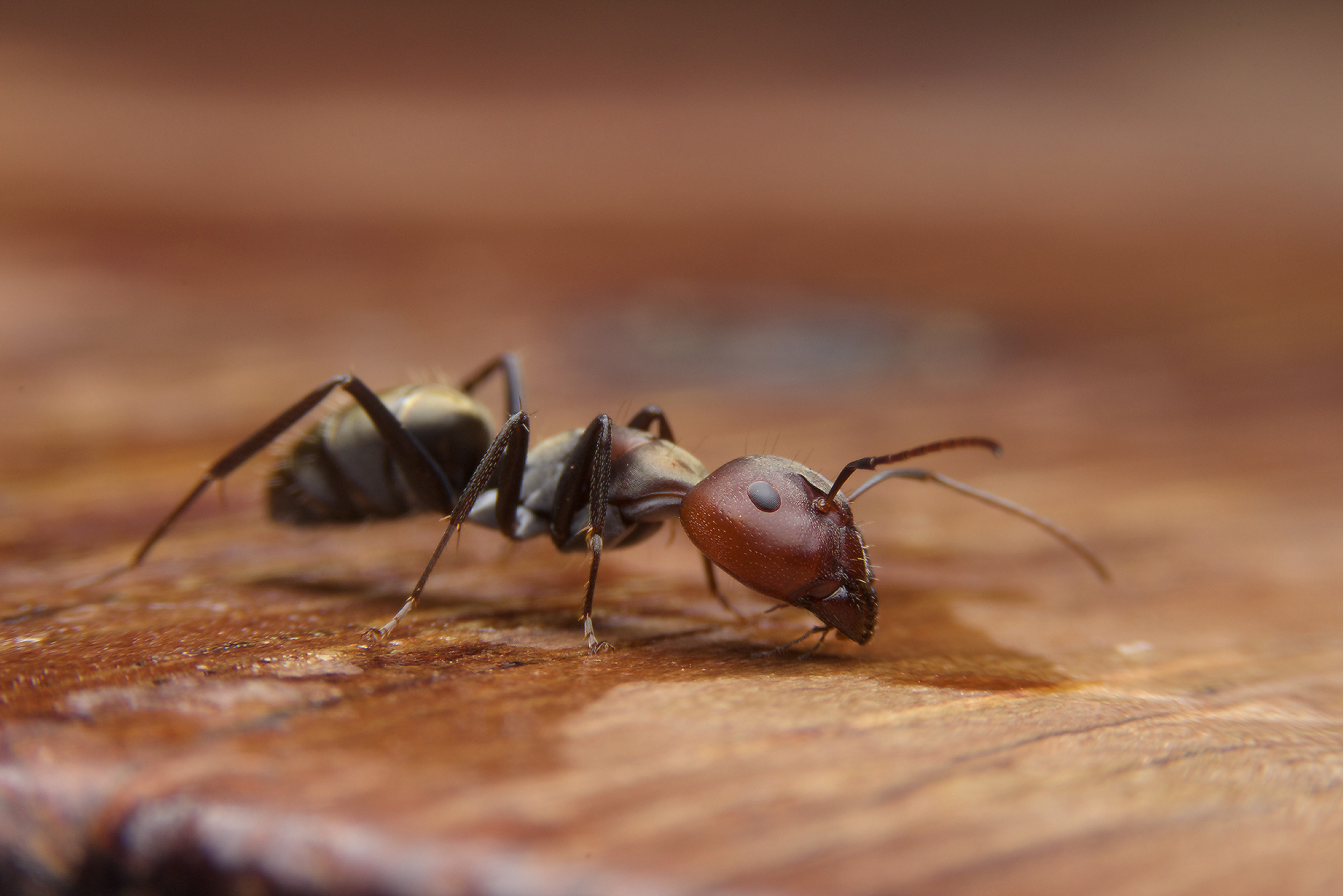
While certainly not unique to the east coast, carpenter ants are plentiful here. And, for those who heat their homes with wood, they can be even more of a threat. These insects chew galleries and tunnels in wood, causing structural damage over time. We could go into the details of what species of carpenter ants we find in Morris County, but all species pose similar threats.
What you need to know most: If you’re seeing one carpenter ant crawling around your home every once in a while, it should not be shrugged off. It is easy to think that you never see carpenter ants raiding your pantry, so you’re probably fine. The truth is, carpenter ants can do massive amounts of damage to a home without ever feeding on food in the kitchen or pantry. These insects can get all the food they need from outside. It is best to call a professional as soon as you see signs of carpenter ants.
Bed Bugs
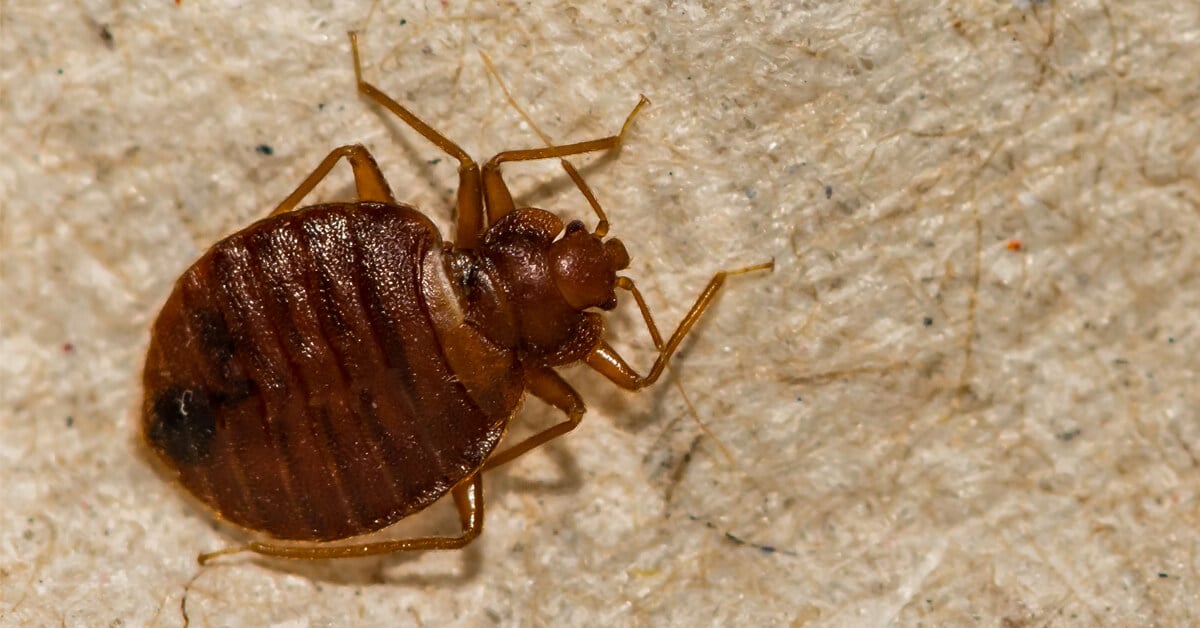
Bed bugs are quickly becoming the most common pest in all 50 states. New Jersey is not exempt, and these blood-eating pests are not limited to infesting hotels and motels. They can be found in daycares, libraries, movies theaters, senior homes, retail stores… The list goes on and on.
What you need to know most: These bugs are not easy to get rid of. DIY bed bug treatments are usually ineffective, lead to continued infestation, and can be harmful. If you see these bugs in your Morris County home, contact Viking Pest for effective bed bug control.
For more information about common pests, or to establish pest service for your New Jersey home, reach out to Viking Pest Control. We have over 40 years of experience protecting families and businesses in New Jersey. We look forward to helping you protect yours.
Call Viking at 800-618-2847 to learn more about our bed bug control and extermination services, or get a fast, free quote online today!
Ultimate Guide to Identifying, Preventing, and Getting Rid of Termites
Termites are one of the most destructive pests homeowners can encounter. Every year, termites cause billions of dollars in structural damage across the United States, often silently eating away at homes long before the infestation is discovered. In New Jersey, Pennsylvania, Delaware, and the Eastern Shore of Maryland, the most common threat comes from Eastern subterranean termites, which live underground and feed on structural wood from the inside out.
Because termites are difficult to detect and even harder to eliminate without professional help, understanding the warning signs, risk factors, and treatment options is essential for protecting your home.
What Do Termites Look Like?
There are thousands of termite species worldwide, but homeowners in the Mid-Atlantic region most commonly encounter subterranean termites.
Termites are typically divided into three groups:
Worker termites — small, pale cream-colored termites responsible for feeding and colony maintenance
Soldier termites — termites with darker heads and strong jaws that defend the colony
Swarmers (reproductive termites) — winged termites that leave mature colonies to start new infestations
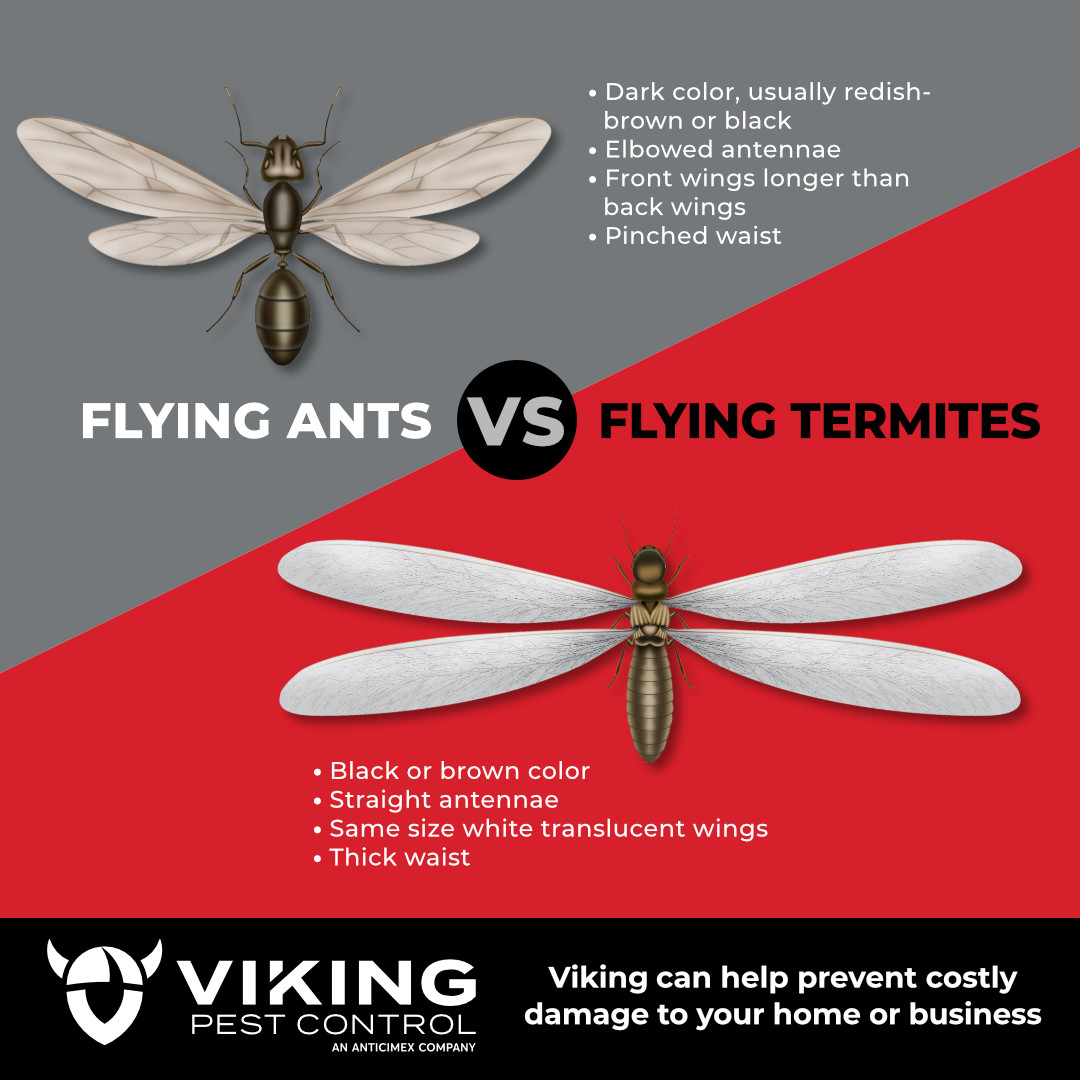
Swarming termites are often mistaken for flying ants, but termites have:
Straight antennae
Thick waists
Two pairs of equal-length wings
You may notice swarmers around windows, doors, or light sources during the spring months.
Signs of a Termite Infestation
One of the biggest challenges with termites is that infestations often go unnoticed until significant damage has already occurred. Termites work behind walls, beneath floors, and inside wooden structures 24 hours a day.
Here are the most common signs homeowners should watch for:
Mud Tubes
Subterranean termites build pencil-width mud tubes along foundations, crawl spaces, walls, and support beams. These tubes protect termites from drying out while they travel between their colony and food source.
Swarming Termites and Discarded Wings
A termite swarm usually occurs during warm spring days following rain. After swarmers find a place to establish a new colony, they shed their wings. Finding piles of discarded wings near windowsills, doors, or light fixtures is often one of the clearest signs of termite activity.
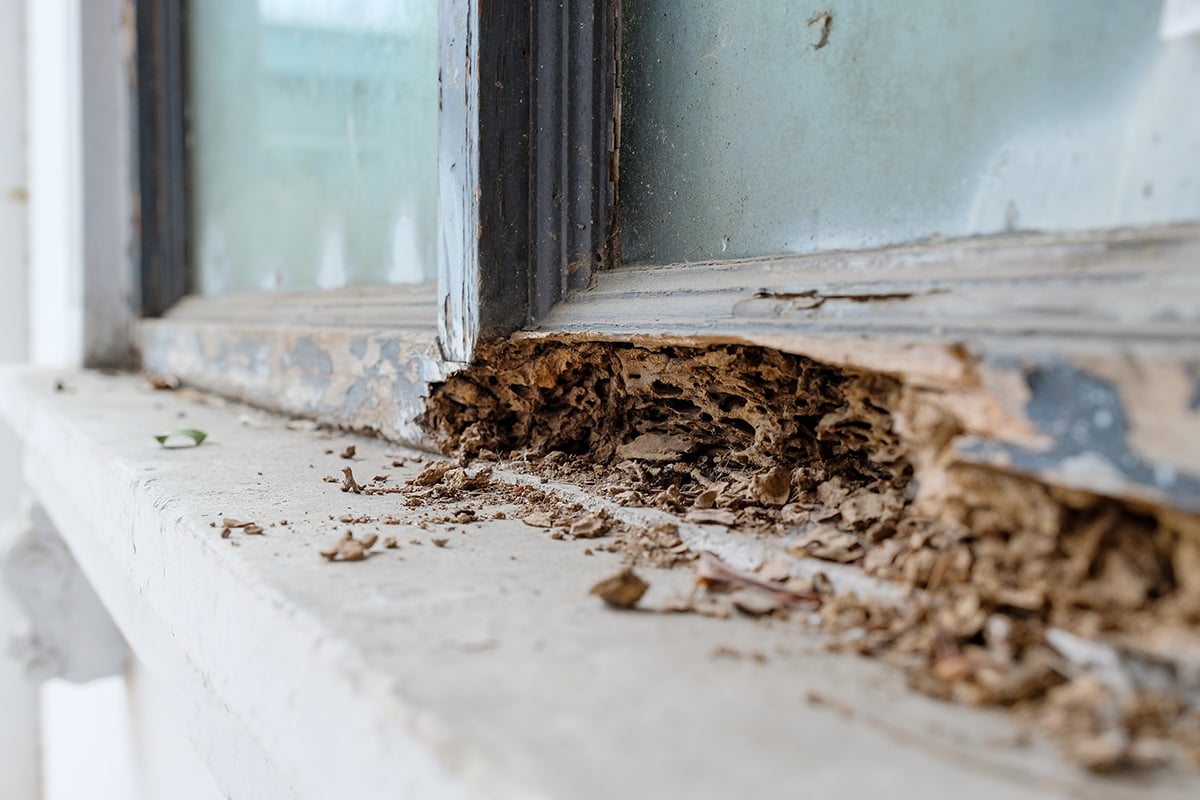
Hollow or Damaged Wood
Termites consume wood from the inside outward, often leaving only a thin outer layer intact. Damaged wood may:
Sound hollow when tapped
Appear blistered or warped
Crack or splinter easily
Show maze-like patterns beneath the surface
Warped Doors and Windows
As termites tunnel through wood, moisture can build up and cause doors and windows to stick or become difficult to open.
Frass (Termite Droppings)
Certain termite species leave behind tiny pellet-like droppings near infested wood or entry points.
Why Termites Are So Dangerous
Unlike many household pests, termites threaten the structural integrity of your home itself. Left untreated, termite infestations can:
Weaken support beams and floor joists
Damage walls, ceilings, and flooring
Reduce property value
Lead to expensive repairs not typically covered by homeowners insurance
In severe cases, termite damage can create major safety concerns within the structure of the home.
What Attracts Termites to Your Home?
Many termite infestations begin because properties unknowingly create ideal conditions for termites to thrive.
Common termite attractants include:
Moisture Problems
Leaky pipes, clogged gutters, poor drainage, and excess humidity create the damp conditions termites prefer.
Wood-to-Soil Contact
When wooden siding, decks, fences, or supports directly contact soil, termites gain easy access into the structure.
Firewood and Woodpiles
Stored firewood, rotting stumps, fallen branches, and wood debris near the home can attract termites to your property.
Mulch and Landscaping
Excessive mulch and overgrown landscaping retain moisture and provide hidden shelter for termites near the foundation.
Cracks and Foundation Gaps
Small cracks in foundations and exterior walls can serve as entry points for termites searching for food sources.
Do DIY Termite Treatments Work?
Termites are not a pest that homeowners should attempt to eliminate on their own. Most over-the-counter termite products only address visible activity and fail to eliminate the underground colony.
DIY termite control often fails because:
Colonies can contain hundreds of thousands of termites
Termites remain hidden inside walls and underground
The queen must be eliminated to stop the infestation
Incorrect treatment methods may allow the infestation to spread further
Professional termite treatment is the safest and most effective way to fully eliminate termite activity and protect your home long-term.
Why Professional Termite Inspections Matter
Routine termite inspections are one of the best ways to catch infestations early before serious structural damage occurs.
During a professional termite inspection, technicians look for:
Mud tubes
Wood damage
Moisture issues
Swarm activity
Structural vulnerabilities
Signs of previous infestations
Professional inspectors may also use specialized tools like moisture meters and sounding devices to identify hidden termite activity.
Annual termite inspections are strongly recommended for homeowners throughout NJ, PA, DE, and MD due to the high regional termite activity.
Learn more about Viking’s termite protection and monitoring solutions through our residential pest management services and preventative pest control programs.
How Professional Termite Treatments Work
At Viking Pest Control, termite treatment plans are customized based on the severity of the infestation, property layout, and termite species involved.
Professional termite control solutions may include:
Sentricon® System with Always Active™
This eco-friendly termite baiting system places strategically positioned bait stations around the property. Worker termites carry the bait back to the colony, eventually eliminating the queen and the entire colony.
Termidor® Treatments
Liquid termite treatments create protective barriers around the structure and help eliminate active infestations.
Ongoing Monitoring Systems
Proactive termite monitoring helps detect new termite activity before major infestations can develop.
What to Do if Your Neighbor Has Termites
If a nearby property has termites, your risk of infestation increases significantly. Subterranean termites can travel long distances underground while searching for food sources.
Even if you have not noticed visible signs of termites, scheduling a professional inspection can help determine whether termites have already reached your property.
How to Prevent Future Termite Problems
While no home is completely immune to termites, homeowners can reduce their risk by following a few preventative measures:
Repair moisture leaks promptly
Keep gutters clean and direct water away from the foundation
Store firewood away from the home
Remove dead trees and stumps
Seal cracks and foundation openings
Reduce wood-to-soil contact
Trim vegetation away from the structure
Schedule regular professional termite inspections
Protect Your Home from Termites
Termites are silent, destructive pests that can cause extensive damage before homeowners even realize there is a problem. Knowing the warning signs and acting quickly can help prevent costly repairs and long-term structural issues.
If you suspect termite activity or want to proactively protect your home, Viking Pest Control can help. Explore our termite control services, preventative pest management solutions, and professional termite inspections to keep your property protected year-round.
Why You Should Be Concerned with Common Fall Pests
We’ve been getting a lot of phone calls lately regarding the fall pests that are common in New Jersey, Pennsylvania, Delaware and the Eastern Shore of Maryland. People are seeing carpenter ants inside their homes, stinging insects on their property and rats and mice in their kitchens. Customers are regularly asking us what they can do to prevent these pests from arriving in the first place; our Home Protection Plans can help you with that! But now we’d like to discuss why these pests can be a problem for your NJ, PA, MD, or DE home and why you should be concerned when they choose your home to inhabit.
Carpenter Ants
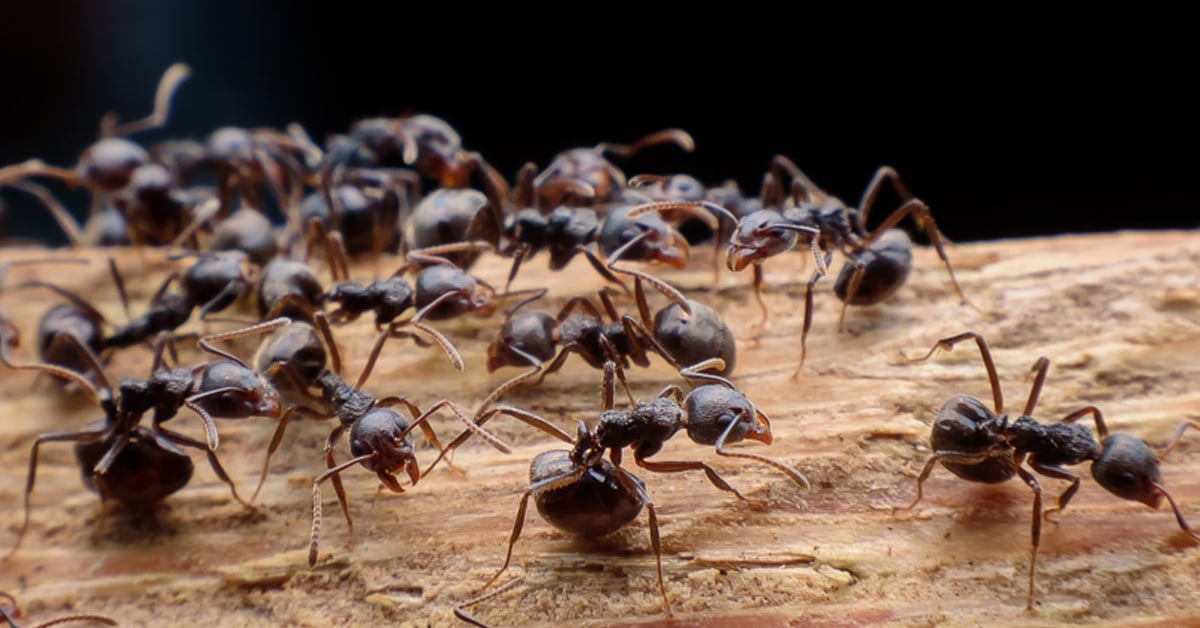
Carpenter ants are known for entering weather or water damaged wood and nesting in the structural timber. They bore little holes into wood surfaces, creating galleries and nests inside the wooden beam. From here they will venture into your home to forage for food; not only will they be crawling throughout your home, but they can cause the structure of your home to become weakened. Carpenter ants along with other wood-destroying pests like termites can result in expensive repairs, so they are houseguests that need to be evicted immediately! Contact us for more information on our carpenter ant control and termite extermination for your NJ, PA, MD, or DE home.
Mice
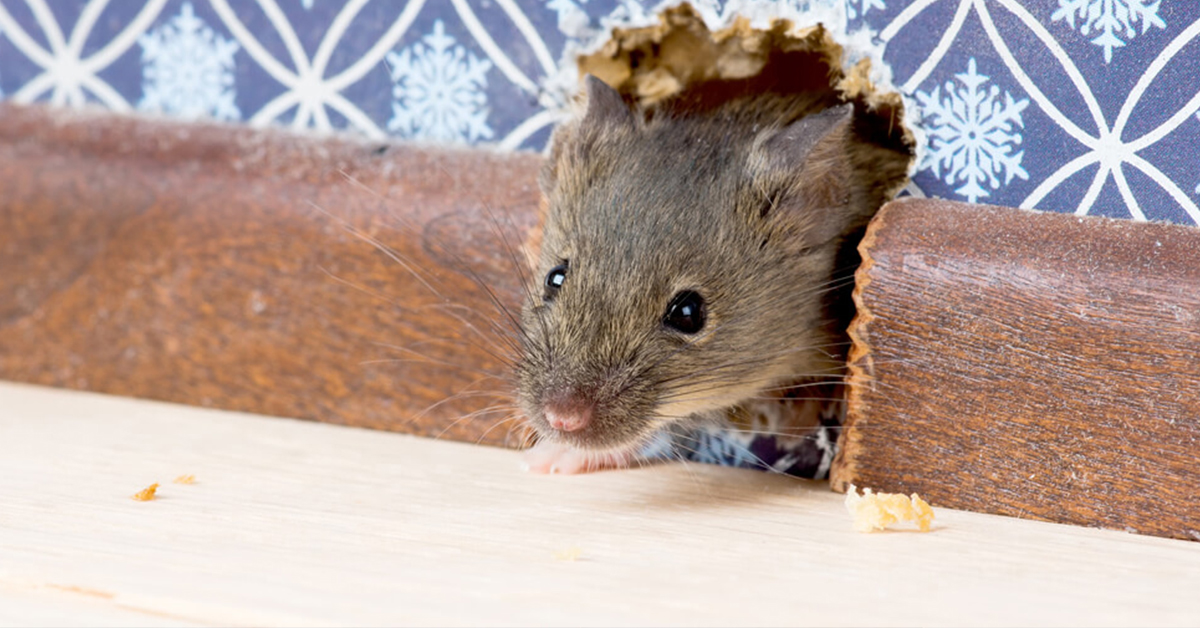
A mouse infestation is a potential problem for homeowners for many reasons. These pests are looking to find a protected place to spend the winter. They will find any hole in the exterior of your home to enter and once inside, they will search for a safe place to build a nest. They may look for cluttered and undisturbed areas, including basements, attics and even closets. If mice can get into the walls in your home, they will chew up insulation to help make their nest, sometimes chewing through electrical wires, which can be the cause of house fires. Rodents will contaminate your food supply, spread diseases with their feces and destroy your belongings to create nests if they choose your home to spend the winter.
Stinging Insects
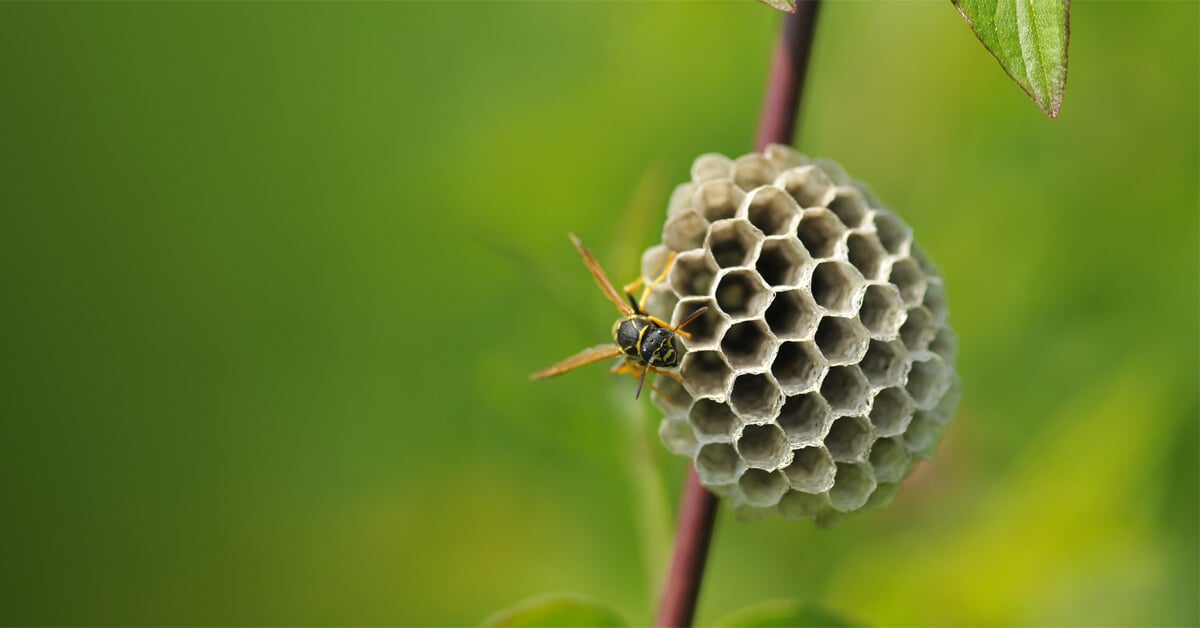
Stinging insects are especially active at this time of year because their populations are at their peak and you will see more of them out, foraging for food. When stinging insects like bees, yellow jackets and paper wasps build their nests on your property, along the exterior of your home, or even inside wall voids in your home, they can become a serious problem. Yellow jackets are known for being especially aggressive and have the ability to sting repeatedly. Any kind of stinging insect nest built inside your home can damage walls, insulation and can be an expensive problem to fix.
Contact Viking for Fall Pest Control Done By Professionals
As you can see, having these pests inside your home is less than ideal! If you are looking for effective home pest control, NJ, PA, MD, and DE residents recommend Viking Pest Control. Our local certified technicians offer exceptional service to help eliminate the pest problem that is present and prevent it from occurring in the future. For more information on our Home Protection Plans, please contact Viking Pest Control today!
Call Viking at 800-618-2847 to learn more about fall pest control and extermination services, or get a fast, free quote online today!
Why Are Wood Destroying Pests Hard to Distinguish?
Of all the pests out there, perhaps some of the worst are the ones who destroy the wood structures including homes in New Jersey, Pennsylvania, Delaware, and the Eastern Shore of Maryland. And with the spring season now underway, wood destroying pests will become more active soon. Pests like carpenter ants and termites can cause similar damages which make it hard to distinguish between the two. Your local pest extermination experts at Viking Pest Control are here to help you learn about carpenter ants and terminates in NJ, PA, MD, and DE so that you can prevent wood destroying pests from causing extensive and costly structural damages to your home.
Carpenter Ants
Carpenter ants are just like other ant species in that they are often found foraging for food in the kitchen. They prefer sweets but will eat just about anything that is left in the open for them (crumbs, spills, and unsealed baked goods). The thing that is different about carpenter ants is that they carve galleries into wood in order to create their nests. Their galleries are kept very clean so you are likely to find piles of frass (sawdust from their carving) as a sign that you have active carpenter ants. Another sign is damage to wood on the property like the decks, window and door frames.
Termites
Termites on the other hand are not going to be found foraging through the kitchen. They do their work behind the scenes because their colonies are formed under the ground. In fact, termites will die if they become exposed to the air and light for too long. And instead of simply carving wood, termites actually eat the wood to get the cellulose they crave. Signs of termites include mud tubes traveling around the property and over the exterior of the house, termite swarms in the spring, and of course damage to the wood structures in the home.
Differences Between Carpenter Ants and Termites
Carpenter ants are large black ants that vary in size from 1/4 to 3/4 of an inch in length. Termites on the other hand are much smaller; the workers are only about 1/8 to 1/4 of an inch in length. They are a creamy color, almost translucent but again, they are not likely to be seen out in the open.
If you are concerned that your New Jersey, Pennsylvania, Delaware, or Eastern Shore of Maryland home is being infested by wood destroying insects, please contact your local experts at Viking Pest Control today. In addition to providing termite control in our team of pest control professionals offer carpenter ant control as well as Home Protection Plans for other insects and rodents. Let us help you get rid of wood destroying pests!
Call Viking at 800-618-2847 to learn more about wood destroying insect pest control and extermination services, or get a fast, free quote online today!
Are Termites a Problem in NJ?
Termites are found in every state except Alaska with the Eastern subterranean termite being the most common and widely disbursed termite variety in the U.S. Ranging from southern Canada through the eastern half of the U.S. to southern Texas, the Eastern subterranean termite is active throughout New Jersey, Pennsylvania, Delaware, and Eastern Shore of Maryland. In high activity areas, the New Jersey Pest Management Association estimates that one in five homes will be invaded by termites.
What Damage Can Termites Really Cause?
Now that you know termites are a common pest here in New Jersey, you are probably wondering how serious a problem they can be. Termite wood damage can be costly to your home. The single greatest economic pest in the U.S., subterranean termites cause significant damage to more than 600,000 homes every year, costing homeowners more than $1.5 billion annually. Highly efficient social insects, termites live in large family groups called colonies that can number in the millions. A large colony of termites may forage for food over an area the size of a football field.
Termites feed on the structural wood of homes and buildings, porches, decks, wooden sheds, free-standing utility or fence poles, and other timber structures. Termites can cause irreparable structural damage and even structural collapse. While they feed primarily on wood, termites will consume any cellulose-based product, including paper, books, documents, and photographs. They may infest living trees or shrubs, but are usually secondary invaders of plants already in decline. In their search for sustenance, termites have been known can cause serious damage to insulation, swimming pool liners, filtration systems, and many other materials.
Termite Damage is Not Covered By Insurance
Unfortunately home insurance policies do not usually cover damages caused by termites. During construction, many new homes are treated with a perimeter chemical soil barrier to protect against termite invasion. However, these soil barrier treatments begin to break down after about five years, exposing the home to termite risk.
To learn more about termites in NJ, PA, MD, and DE and how you can protect your home from these destructive pests, contact your local termite control experts at Viking Pest Control.
Call Viking at 800-618-2847 to learn more about termite pest control and extermination services, or get a fast, free quote online today!