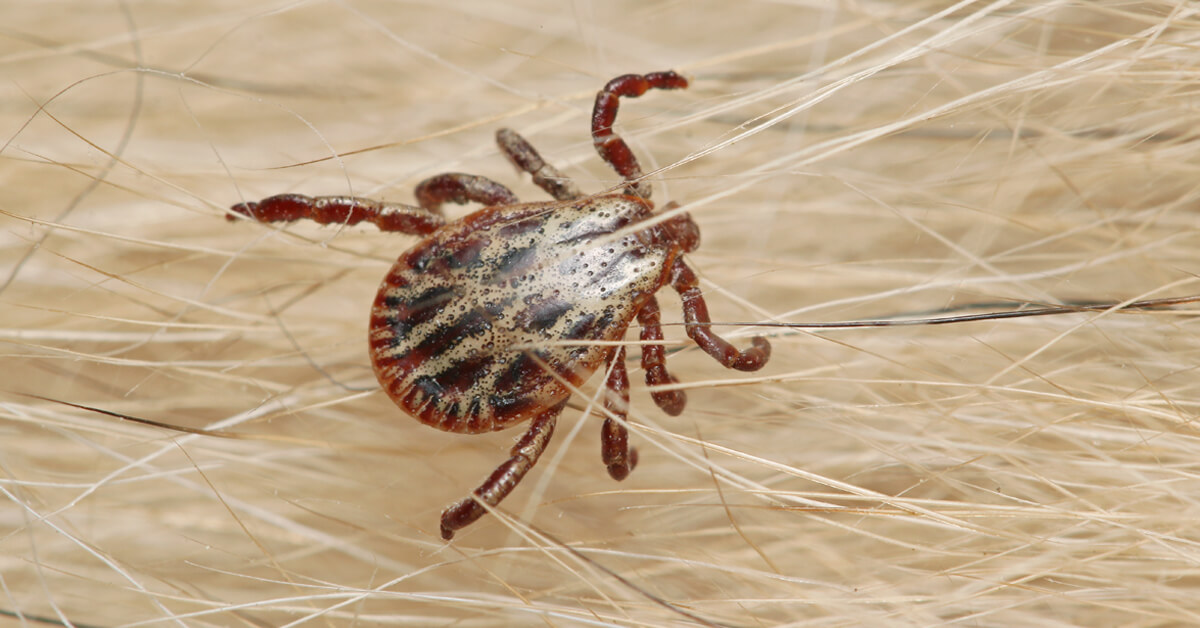
Ticks are among the most important disease-vector species in the US. They can spread diseases to both people and pets, so the alarm about ticks is very appropriate.
While 100% tick-proofing is not possible, it is possible to greatly reduce the likelihood of infestation.
Keep Grass Cut Short
Ticks seek vegetation taller than shin height. By keeping your grass consistently cut, you reduce the likelihood of ticks in your lawn, as it provides unfavorable harborage conditions for them.
Eliminate Clutter From Your Yard
Clutter is an excellent harborage for mice, chipmunks, and other small animals, all of which are preferred hosts for the juvenile stages of many tick species that transmit arthropod-borne illnesses (ARBO). When your lawn is clutter-free, there is a significant reduction in food sources for ticks and in the conditions that favor tick proliferation.
Choose Plants Less Attractive to Deer
When landscaping, it is important to make sure that plants in your lawn are not attractive to deer. Transient deer may shed ticks as they pass through your property. Another good strategy to reduce deer on your property is fencing. If your yard is inaccessible to deer, it will significantly reduce the number of ticks introduced to your property.
Yard Cleanup Matters
Overgrown weeds produce seeds that support rodents and provide shelter for ticks. This one is twofold: the ticks can hide in the weeds, and they can latch onto rodents that use the seeds as a food source. Maintaining a tidy lawn can be a chore, but it is extremely important for keeping ticks out of your lawn.
Remove Leaf Litter
This is one of the most important tick prevention strategies, and it is especially important to do in the spring or fall. Leaf litter is where ticks go to spend the winter, so eliminating their harborage when the temperature begins to drop significantly reduces the risk of ticks staying on your property.
Pesticides
While we do not recommend pesticide use for homeowners, if you choose to use pesticides for tick control, treat only your shrubs and bushes, not your whole yard. There are a few more things to keep in mind regarding pesticide use:
Follow Pesticide Directions Carefully
The labels on pesticides are legally enforceable sets of instructions carefully designed to ensure maximum treatment effectiveness and minimize the risks associated with the product. It is very important to wear the recommended personal protective equipment when applying pesticides for your health and that of your loved ones.
Do Not Treat Your Entire Lawn with Fan Sprays
Fan sprays can be an easy way to apply materials over a large area, but when it comes to ticks, they only prefer to live in specific parts of your yard. It’s important to avoid spraying flowering plants with fan sprays, as this harms beneficial insects like honeybees. Realistically, plants over 8 feet tall as well as the whole yard are not conducive to tick needs. Instead, a 10-foot buffer into lawns from heavily vegetated areas can be treated for extra protection, but nothing more than that is needed.
Contact Viking Pest Control for Professional Tick Control
The easiest way to tick-proof your lawn is to call a tick management professional, like Viking Pest Control. If you are looking for tick management services during the warmer months, our tick control experts are aware of the local conditions relevant to our New Jersey, Pennsylvania, Delaware and Maryland and will create a tick treatment plan that is customized to your property’s needs, and have the knowledge on how to do so safely around you and your loved ones. Ticks are a very dangerous pest that should not be allowed to run rampant on your property. Viking Pest is here to keep you and your loved ones safe. Contact us today!
Ticks in Pennsylvania: What Homeowners Need to Know This Year
As temperatures rise and Pennsylvania residents spend more time outdoors, ticks are becoming a growing concern across the state. The CDC has reported that emergency room visits for tick bites are at some of the highest levels seen in recent years, highlighting the importance of staying vigilant when enjoying your yard, local parks, and wooded areas.
While many people associate ticks with spring and summer, tick activity can occur year-round in Pennsylvania. Understanding the risks, recognizing the signs of tickborne illness, and taking proactive prevention measures can help protect your family and pets from unwanted encounters.
Why Pennsylvania Has a High Tick Risk
Pennsylvania consistently ranks among the states with the highest incidence of tickborne diseases. The state's climate, abundant wildlife populations, and extensive wooded habitats create ideal conditions for ticks to thrive. Activity often declines during the hottest portions of summer but can quickly rebound as temperatures moderate.
One of the biggest surprises for many homeowners is where exposure occurs. While hiking trails and forests often get the blame, many tick encounters actually happen much closer to home. Routine activities such as gardening, mowing the lawn, landscaping, and other backyard chores can put residents at risk.
Common Tickborne Diseases in Pennsylvania
Ticks can transmit several illnesses to humans. The most commonly reported tickborne disease in Pennsylvania is Lyme disease, which is typically spread through the bite of a deer tick.
Other tickborne diseases found within the state include:
Anaplasmosis
Babesiosis
Hard tick relapsing fever
Powassan virus disease
Because many of these illnesses share similar symptoms, it's important to monitor your health after a tick bite and seek medical attention if symptoms develop.
Understanding Alpha-Gal Syndrome
In addition to transmitting infectious diseases, ticks have been linked to a condition known as alpha-gal syndrome.
Alpha-gal is a sugar molecule naturally found in most mammalian meat products and can also be present in dairy products, broths, and certain medications that use gel capsules. Some individuals who develop alpha-gal syndrome experience allergic reactions after consuming products containing this molecule.
While the condition is most commonly associated with lone star ticks, researchers have identified alpha-gal in the saliva of multiple tick species. Although reported cases remain relatively uncommon, Pennsylvania has documented cases in recent years, making awareness increasingly important.
Unlike humans, pets are not affected by alpha-gal syndrome because the molecule already exists naturally within their bodies.
How to Protect Yourself and Your Pets from Ticks
Reducing tick exposure starts with developing good habits whenever you spend time outdoors.
The Pennsylvania Department of Health recommends:
Use Tick Repellents
Apply an EPA-registered insect repellent according to label directions when spending time outdoors.
Treat Clothing and Gear
Permethrin-based products can be applied to clothing, shoes, socks, tents, sleeping bags, and other fabric materials to help repel ticks before they reach your skin.
Perform Thorough Tick Checks
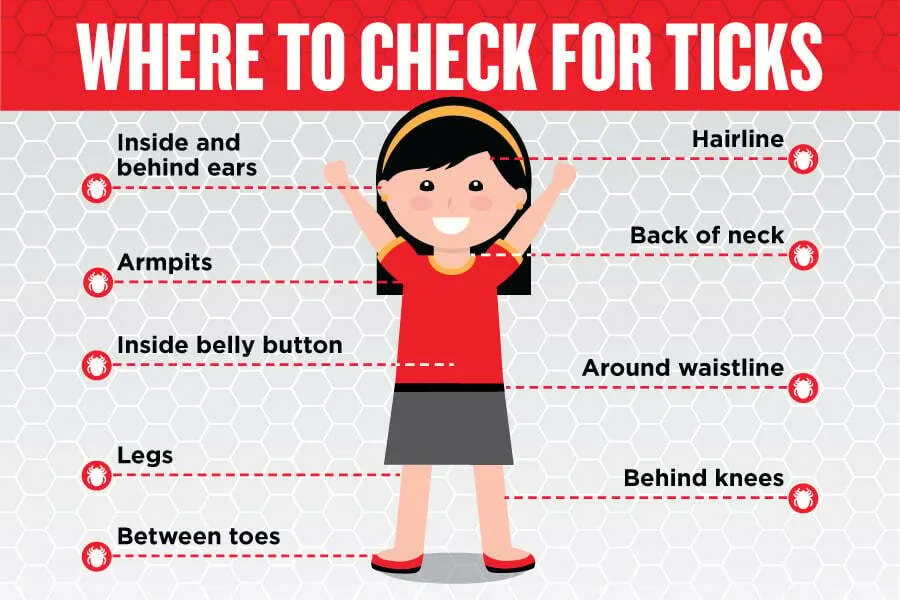
After spending time outside, carefully inspect yourself, children, and pets for ticks. Pay close attention to areas where ticks commonly hide, including:
Along the hairline
Behind the ears
Around the belly button
Behind the knees
Under arms and other hard-to-see areas
Pet owners should also perform regular tick checks and discuss preventive treatments with their veterinarian.
What to Do If You Find a Tick
Prompt removal is one of the most important steps you can take after discovering a tick.
Research shows that the likelihood of disease transmission increases the longer a tick remains attached to the body. Removing it as quickly as possible may help reduce your risk.
To remove a tick properly:
Use a fine-point pair of tweezers.
Grasp the tick as close to the skin's surface as possible, near the mouthparts.
Pull upward steadily without twisting or jerking.
Place the tick in a sealed plastic bag or container.
Pennsylvania residents may also have removed ticks tested for certain tickborne pathogens, providing additional information about potential exposure risks.
Recognizing Symptoms of Tickborne Illness
Symptoms can vary depending on the disease, but common warning signs often include:
Fever
Chills
Rash
Fatigue
General flu-like symptoms
If you develop symptoms after a tick bite or outdoor exposure, contact your healthcare provider promptly. Early diagnosis and treatment can significantly improve outcomes for many tickborne illnesses.
Protect Your Pennsylvania Property from Ticks
While personal prevention measures are important, managing tick populations around your home is one of the most effective ways to reduce exposure risks. Professional tick control services can help target tick habitats around your property and create a safer outdoor environment for your family and pets.
If you're concerned about ticks in your yard, Viking Pest Control can help. Our experienced team provides comprehensive tick control solutions designed to reduce tick activity around Pennsylvania homes. Contact Viking Pest Control today to schedule an inspection and learn how we can help protect your property from ticks and the diseases they may carry.
Celebrate Safely: Tick Prevention Strategies for Graduation Parties and Other Summer Events
June is a month packed with graduations from high school, college, and graduate school. Celebrations of these milestones range from the simple to the elaborate. But, regardless of size, many of these parties occur outdoors, with family and friends, on a great big lawn. And where there are big lawns, there are also blood-sucking, disease-transmitting ticks. Without proper preparation, a once-in-a-lifetime celebration can turn into a super spreader event.
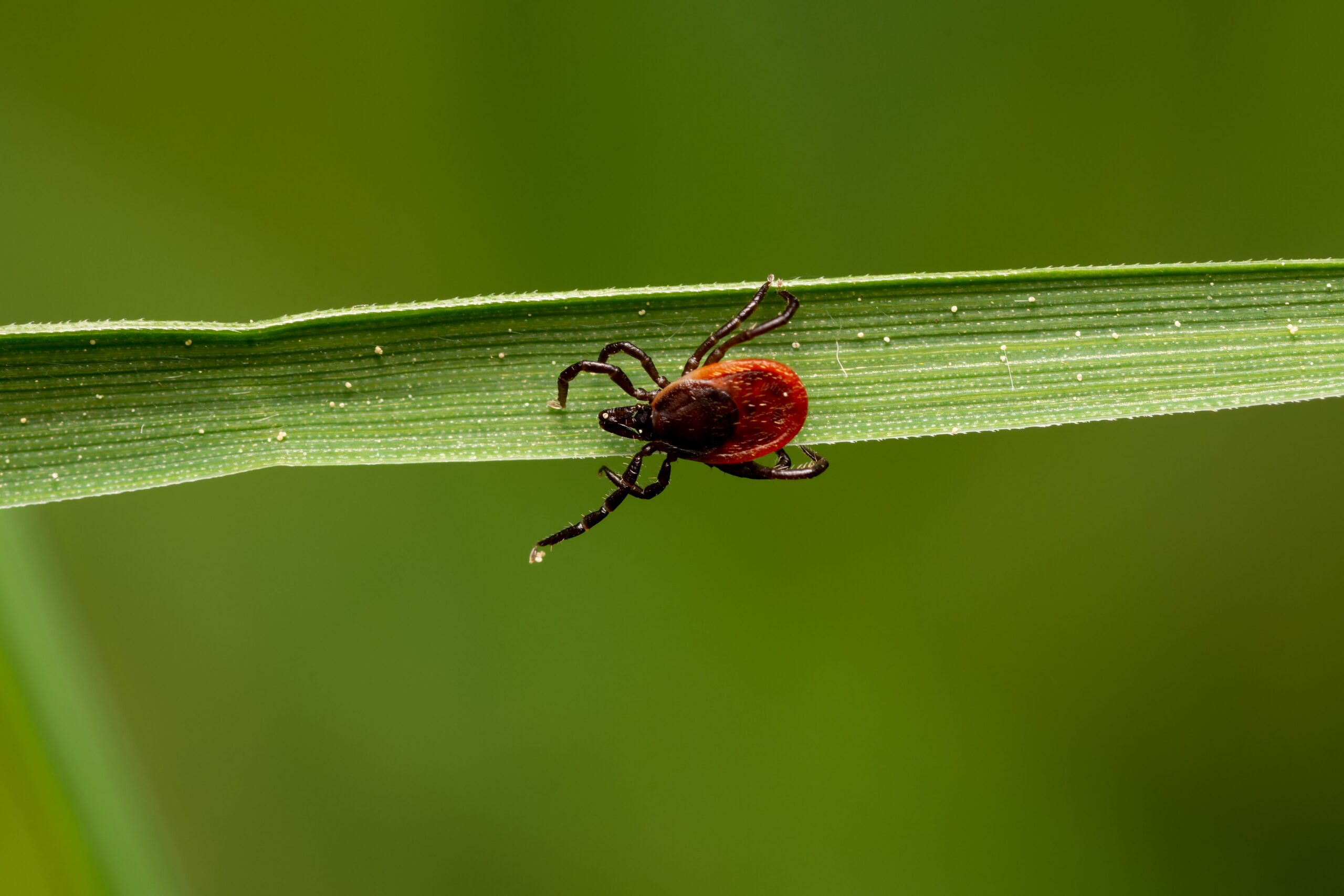
For a tick, lots of bare ankles wandering across the green grass is like a gourmet buffet. Ticks lurk on blades of grass with their front legs outstretched, trying to find a fresh human, cat, or dog leg to grab onto. Once perched on their host, the tick looks for the right place to latch onto and begin their feeding. This behavior is known as “questing.”
Ticks don’t want to be interrupted while they feed. They tend to savor their blood meals and can latch on to their hosts for three or more days. So, to prevent interruption, they often find the most obnoxious and hard-to-see hiding places. It’s important to find them quickly after they start feeding because the longer they are attached to their host, the more likely they are to transmit a disease. And ticks can carry some serious, nasty diseases that can cause long-term negative effects and, in the most severe cases, can even be life-threatening.
Tick Diseases and Their Effects
Lyme Disease: Possibly the best-known tick-transmitted disease, Lyme disease is carried by the Black-Legged Tick, also known as the Deer Tick. These ticks are incredibly common in the Mid-Atlantic. Pennsylvania is the state with the most incidences of Lyme disease every year, and New Jersey is not too far behind. Lyme disease is progressive, with three stages of worsening symptoms, and can become very serious if not treated quickly. Common symptoms include fever, headache, exhaustion, stiff joints, muscle pain, and swollen lymph nodes. Later symptoms can include pain and numbness in the hands or feet, irregular heartbeat, and even vision loss.
Rocky Mountain Spotted Fever: While less common in the Mid-Atlantic than Lyme disease, Rocky Mountain Spotted Fever has been found in the region and is to be avoided. It is usually carried in the region by the American Dog Tick. Named for the severe rashes it causes, Rocky Mountain Spotted fever carries many symptoms including fever, headaches, nausea, stomach and muscle pain, and loss of appetite. In some cases, the disease can lead to amputations due to blood vessel damage, hearing loss, and even mental disability.
Alpha-Gal Syndrome: One of the more recently discovered and stranger tick-borne ailments, Alpha-Gal Syndrome isn’t a progressive disease but an allergy to red meat and other mammalian food products. Alpha-Gal Syndrome is caused by the Lone Star tick. Like other severe allergies, Alpha-Gal can be life-threatening. There is no known cure at the moment, and the condition seems to last a lifetime, though symptoms can improve over time.
Babesiosis: Though not common in the region, Babesiosis has been found in Delaware and Maryland. Carried by Black-Legged ticks, Babesiosis causes damage to red blood cells and can lead to head and body aches, fever, chills, nausea, appetite loss and fatigue. If untreated it can lead to life-threatening organ failure.
Tick Prevention Techniques
The best way to deal with tick-transmitted diseases is to prevent them completely, and the best way to prevent those diseases is to prevent tick bites to begin with.
Some of the best methods of tick control for yards include:
Keeping Out Unwanted Wildlife – Ticks are often brought to your yard by hitching a ride on animals that don’t belong in your yard. Proper fencing is one way to keep them out. It’s also important to get rid of your food waste in sealed garbage bins to prevent attracting unwanted visitors that could be carrying ticks.
Lawn Trimming – As mentioned earlier, ticks like to look for their lunches by climbing to the top of long grasses. If your grass is trimmed, it makes this activity far more difficult.
Eliminating Leaf Litter – Ticks are minuscule, generally the size of a sesame seed or smaller. That makes it easy for them to hide in piles of leaf litter. You should get rid of leaf piles before they pile up so ticks have nowhere to hide.
Last Bite Treatments—Viking Pest Control offers Last Bite, a tick and mosquito service that creates a protective barrier around your yard to help keep ticks and their diseases at bay.
We all want to celebrate graduations, the summer, and life in general. It’s much easier to do that when you are properly prepared with a tick prevention strategy. Call Viking Pest Control to schedule a Last Bite treatment today!
Tiny Terrors, Big Problems: Tick Prevention for Pets
As the weather warms and we spend more time outdoors with our beloved furry companions, there's a silent, tiny threat lurking in the grass and shrubs: ticks. This month, Viking has received nearly double the calls for ticks compared to May 2024. These minuscule arachnids might seem insignificant, but they pose a serious danger to your pets and family, transmitting a host of diseases that can range from uncomfortable to life-threatening.
Here at Viking Pest Control, we believe that an informed pet owner is a protected pet owner. Let's delve into why ticks are such a concern for your pets and what you can do to keep them safe.
Why is Tick Prevention for Pets Necessary?
Ticks aren't just gross; they're vectors for a variety of debilitating illnesses. When a tick bites your pet, it can transmit bacteria, viruses, or other pathogens directly into their bloodstream. Some of the most common and concerning tick-borne diseases in pets include:
Lyme Disease: Caused by the bacterium Borrelia burgdorferi, Lyme disease can lead to lameness, joint pain, fever, and loss of appetite in dogs. While less common, cats can also be affected.
Anaplasmosis: This bacterial disease can cause fever, lethargy, joint pain, and a decrease in blood platelet count, potentially leading to bleeding disorders.
Ehrlichiosis: Another bacterial infection, ehrlichiosis can manifest with symptoms like fever, lethargy, weight loss, nosebleeds, and neurological issues.
Rocky Mountain Spotted Fever: While more prevalent in certain regions, this serious bacterial infection can cause fever, joint pain, swelling, and neurological signs.
Babesiosis: A parasitic disease that affects red blood cells, leading to anemia, lethargy, and pale gums.
The scary part? Symptoms of these diseases can sometimes take weeks or even months to appear, making diagnosis and treatment more challenging.
Your Best Defense: Prevention and Vigilance
Protecting your pets from ticks requires a multi-pronged approach:
Regular Tick Checks: Make it a habit to thoroughly check your pet for ticks after every outdoor excursion, especially if you've been in wooded or grassy areas. Pay close attention to warm, hidden spots like behind the ears, in the armpits, between the toes, and around the tail.
Proper Tick Removal: If you find a tick, remove it promptly and correctly. Use fine-tipped tweezers to grasp the tick as close to the skin as possible and pull upward with steady, even pressure. Avoid twisting or jerking.
Veterinarian-Recommended Preventatives: Consult your veterinarian about the best tick prevention products for your pet. Options include topical treatments, oral medications, and tick collars. Your vet can recommend a solution tailored to your pet's lifestyle and risk factors.
Maintain Your Yard: Ticks thrive in tall grass, leaf litter, and overgrown vegetation. Keeping your lawn mowed, raking leaves, and clearing brush can significantly reduce tick habitats around your home.
Professional Pest Control: For comprehensive tick control for pets, especially if you live in a high-risk area, consider Viking Pest Control's professional tick treatments. Our experts can identify tick hotspots on your property and implement targeted solutions to reduce their population, creating a safer environment for your pets and family.
Don't let these tiny terrors compromise your pet's health and happiness. By being proactive with your tick prevention for pets and partnering with professionals like Viking Pest Control, you can ensure your beloved companions can enjoy the outdoors safely and tick-free. Contact us today for a free estimate, and let's keep your pets protected!
Viking Pest Control Urges New Jersey Residents To Prepare For Summer Pest Surge As Tick Populations Rise
In 2024, New Jersey faced a significant increase in tick activity. The state reported 7,200 tick-borne illnesses in 2024, up from 3,110 in 2020. The trend seems poised to continue in 2025, with 1,517 cases reported through May 8. This uptick is linked to warmer weather, which boosts tick populations. As peak summer season begins once again, Viking Pest Control is urging homeowners to take action against growing pest populations, especially ticks, which are trending to be more active this year than ever.
"Ticks thrive in warm, humid environments, and this summer is no exception," says Eric Gunner, a pest control expert at Viking Pest Control. "We’re seeing a significant uptick in tick activity, especially in suburban and rural areas. It's crucial for homeowners to take preventive measures now to protect their families and pets."
Viking Pest Control recommends the following tips for keeping ticks at bay:
Maintain Your Yard: Keep grass short and clear away any leaf litter where ticks can hide.
Quality Fencing: While ticks are small and have tiny legs, wild animals like raccoons or deer allow them to travel much farther than they can on their own. A properly constructed and maintained fence can help to keep wildlife and the ticks they carry away.
Prevent Littering: Related to fencing, loose garbage can attract tick-carrying pests to your home and yard. If you properly seal your garbage receptacles, you will reduce the risk of ticks coming to your yard.
Use Tick Repellents: Apply EPA-approved tick-repellent sprays judiciously as directed by the label.
Check for Ticks: After outdoor activities, thoroughly check yourself, your children, and pets for ticks. The earlier you can remove a tick after it latches on to a host, the less likely they are to transmit a disease.
Last Bite Preventive Yard Treatments: Viking Pest offers Last Bite treatments that can form a protective barrier for your yard that can keep both ticks and mosquitoes away. Last Bite Green is available for those who want to take a more eco-friendly approach.
In addition to ticks, homeowners should be on the lookout for common summer pests such as mosquitoes, ants, and wasps, which thrive during the hot and humid summer months. Viking Pest Control offers pest prevention packages to help proactively address pest issues before they can ruin your summer.
“It's always easier to prevent an infestation than to deal with it once it’s out of control,” said Gunner. “Our team is ready to help homeowners protect their homes with our comprehensive pest control services.”
For more information or to schedule a consultation, visit Viking Pest Control’s website at vikingpest.com or call 800-618-2847.
Dangerous Tick-Borne Disease Babesiosis Spreads to Delaware and Maryland
Ticks are infamous disease spreaders. While best known for spreading Lyme Disease, ticks are responsible for spreading a variety of other ailments, including Rocky Mountain Spotted Fever, Alpha-Gal syndrome, Powassan Virus, and Anaplasmosis, among others. One particularly noteworthy tick-borne disease is Babesiosis. While historically the parasitic disease was limited in its range to the Northeast and the Upper Midwest, ticks carrying the disease have been found further south, including in the Mid-Atlantic states of Delaware and Maryland.
How Ticks Spread Disease
Ticks pick up the disease by feeding on the blood of rodents like mice, shrews and chipmunks. Hiding inside the rodent blood is Babesia microti, the parasite that causes Babesiosis. When the tick bites a new host and begins feeding, there’s a good chance that the disease will be passed on and infect the tick’s latest victim. Babesiosis parasites harm people by destroying their red blood cells. While some people may experience no symptoms, Babesiosis is known to cause headaches, body aches, fever, chills, nausea, fatigue, and loss of appetite. In extreme cases, if left untreated, the disease can cause organ failure and death.
Due to changes in the climate, ticks are active for more of the year and have expanded their territory. Entomologists have found Blacklegged Ticks, also known as Deer Ticks, carrying the disease farther south than usual, including the peninsula formed by Delaware and the Eastern Shore of Maryland. Rare human cases of Babesiosis have also been found in the region.
Preventing Tick Bites
Ticks tend to live on tall grasses and can be difficult to see due to their small size. Most ticks are the size of a seed. When going outdoors, it’s essential to protect yourself properly. Skin coverage is critical. Ticks are most likely to latch onto humans by their feet and lower legs, so it is wise to cover them with shoes and socks when wandering into the grass. You should wear full-length pants and long sleeves if you walk into heavily wooded areas, where black-legged ticks are more common. While unfashionable, you should also tuck your pants into your socks to prevent ticks from climbing up your legs beneath your pants. EPA-approved tick sprays can also help to keep these vampiric pests away.
Whenever you come in from outdoors, it’s important to check yourself and any kids or pets for ticks. If you find ticks shortly after they first latch on, it reduces the risk of disease transmission. Ticks aren’t going to let go of their host without a fight, so follow this guide to learn how to remove a tick.
Professional Tick Treatment from Viking Pest and Last Bite
The best way to deal with ticks is not to encounter them in the first place. That’s why Viking Pest offers, Last Bite, our Tick and Mosquito treatment service. Last Bite can help you get rid of ticks on your yard before they can get to you or your family, preventing the risk of tick-borne diseases to begin with. Call Viking today to schedule a Last Bite treatment.
Tick Talk: Effective Tick Prevention and Control for Your New Jersey Property
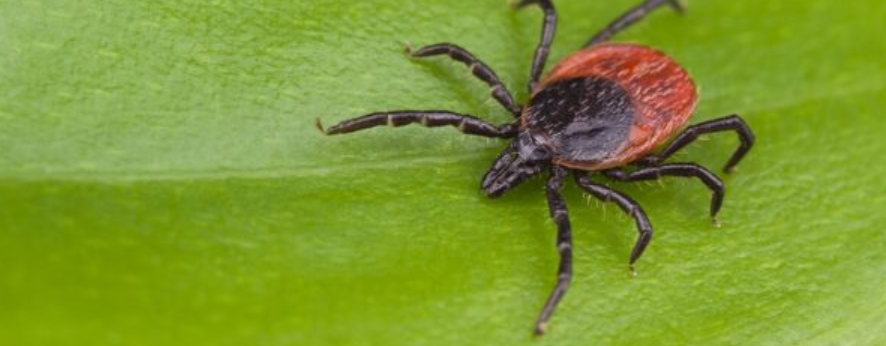
Ticks are small, blood-feeding arachnids that pose a significant risk to both people and pets. These wingless pests have oval-shaped bodies, eight legs, and typically range from 1/16 to 1/4 inch long. After feeding, their bodies expand considerably. In New Jersey, the most common tick species include the blacklegged tick (also known as the deer tick), the lone star tick, and the American dog tick.
Concerned about ticks in your yard? Your best move is to call in a local expert. Viking Pest Control offers professional tick inspections and customized treatment plans to help eliminate existing tick populations and prevent them from coming back.
The Life Cycle of Ticks in New Jersey
Ticks in New Jersey typically lay eggs during the spring. After hatching, they progress through larval and nymph stages before reaching adulthood. This development process often takes two to three years, and ticks require a host at each stage to survive and mature.
While many ticks die off in freezing weather, others survive the winter by burrowing into leaf litter, hiding in thick brush, or latching onto a warm-blooded host.
Tick-Borne Diseases: A Growing Concern
Ticks are most active during the warmer months—spring, summer, and early fall. They wait in tall grass, overgrown vegetation, or wooded areas for a potential host to pass by. Tick bites are often painless, but the diseases they carry can be serious. Some of the tick-borne illnesses found in New Jersey include:
Lyme disease
Anaplasmosis
Rocky Mountain spotted fever
Tularemia
If you find a tick on your skin, use fine-tipped tweezers to grasp it as close to the skin as possible and pull upward firmly. Dispose of the tick by flushing it down the toilet or placing it in alcohol before discarding. Clean the bite area thoroughly with soap and water or rubbing alcohol.
When should you worry about a tick bite? Watch for signs such as fever, chills, fatigue, headache, muscle aches, or a rash. If you experience any symptoms, especially after a recent tick bite, consult a healthcare professional right away.
How to Make Your Yard Less Attractive to Ticks
New Jersey homeowners can take a few proactive steps to reduce tick activity around their property:
Keep lawns trimmed and eliminate overgrown brush or tall weeds.
Create a barrier between wooded areas and your lawn using gravel, stone, or mulch.
Make sure pets are on a veterinarian-recommended flea and tick prevention plan.
While DIY tick sprays and yard treatments are widely available, they often fall short. Professional intervention is usually the most effective route.
Why Choose Viking Pest Control for Tick Prevention
Looking for the best way to get rid of ticks in your New Jersey home or yard? Once they find their way inside, ticks can be extremely difficult to eliminate. Viking Pest Control's Last Bite Mosquito & Tick service offers expert tick control solutions tailored to your property. Last Bite Green is also available for those looking for a more eco-friendly solution.
Our tick treatments include the use of a backpack misting system that targets tick hotspots in lawn, garden, and wooded areas with a powerful yet family- and pet-safe formula.
Don't let ticks take over your yard—contact Viking Pest Control today for professional tick control services in New Jersey.
Ticks Vs. Bed Bugs: How to Tell the Difference
Ticks and bed bugs might be tiny, but they can cause big problems in our homes and lives. These unwanted guests can turn up out of the blue, and more worryingly, go unnoticed for some time. If you're worried about these pests entering your home, it's important that you can tell the difference between a tick and a bed bug.
In this article, we'll discuss the behavior and physical characteristics of bugs and ticks, the health problems they can cause, and where you might find them. Most importantly, we'll explore how you can eliminate these creatures and create a pest-free environment.
Ticks: Tiny Bloodsuckers, Big Health Risks
Did you know that ticks are part of the arachnid family—the same family as spiders and mites? While you might not mind sharing your home with one or two spiders, living with ticks is another story. These eight-legged, oval-shaped parasites are relentless in their quest to feast on blood and will try to hitch a ride on humans and animals. Once latched on, they will continue to suck the blood of their unwilling and often unsuspecting host until they are removed.
Checking for ticks is important if you live in an area where they are known to be common. Unliked Bed Bugs, you are most likely to find ticks outside. They usually get onto you by your feet and ankles, usually from the tops of tall blades of grass or leaf piles. If you like to spend time in the yard or go on long hikes in green or wooded areas, the likelihood of ticks finding their way onto you increases substantially.
Ticks are more than just a nuisance; they can present some serious health risks, too. From Lyme disease and Rocky Mountain spotted fever to tick-borne encephalitis, tick diseases and the dangers they represent should never be ignored.
Bed Bugs: The Sneaky Intruders and Expert Hiders
Now that you know how to identify a tick, let's take a closer look at bed bugs. These stealthy pests can turn a restful night's sleep into a nightmare practically overnight. Unlike ticks, bed bugs are classified as insects. These tiny, brown bugs have evolved over millions of years to become experts at hiding and invading our homes without us realizing it.
In the summer, bed bugs are most likely to find their way into your home via travel. Bed bugs often find their ways into your home through suitcases or other travel bags. They are most likely to bite you, as their name suggests, in your bed while you sleep. Evidence of bed bugs include small agitated welts appearing on your back of tiny spots of blood appear in your mattress. Bed bugs can also be found in places near your bed beyond your mattress including in headboards and nightstands.
Bed bugs just love a cozy space. After all, it's how they got their name. You'll often find them in mattresses, box springs, and crevices in furnishings. And once you have them, you'll want to get rid of them very quickly. They have adapted well to the modern world, hiding in beds, sofas, clothing and even luggage. They can turn up when you least expect, too. If your kid is in college, for example, make sure they aren't bringing bed bugs home when they come back to visit.
Bed bugs feast on human blood overnight, taking advantage of us as we sleep. If you've been waking up with itchy, red welts on your skin, there's a good chance you have a case of these nocturnal biters. While bed bugs don't transmit diseases, an infestation can cause significant stress, anxiety, and sleep deprivation.
Viking Pest: Your Trusted Partner in Pest Control
At Viking Pest, we know our ticks from our bed bugs and know all the effective ways to prevent and treat an infestation. We tackle pest problems head-on, offering comprehensive solutions and products tailored to your individual needs.
When it comes to tick control, we offer a range of highly effective measures designed to eliminate ticks from your property. From targeted treatments to yard inspections, our services will ensure you can enjoy your outdoor spaces without the fear of becoming a passenger for these disease-ridden pests.
For bed bugs, we use a state-of-the-art bed bug treatment to stay one step ahead of these stealthy and persistent pests. Our skilled technicians will conduct a thorough inspection of the affected areas of your home and put together a customized treatment plan. We'll also give you guidance on preventing a future infestation.
We're proud of the service we offer our customers and the reputation we've built. Viking was rated one of the three best bed bug control companies in the country by Better Homes & Gardens magazine.
Contact us today for a free pest control estimate. Say goodbye to ticks and bed bugs and reclaim your space both indoors and outdoors.
Mosquito and Tick-Borne Diseases
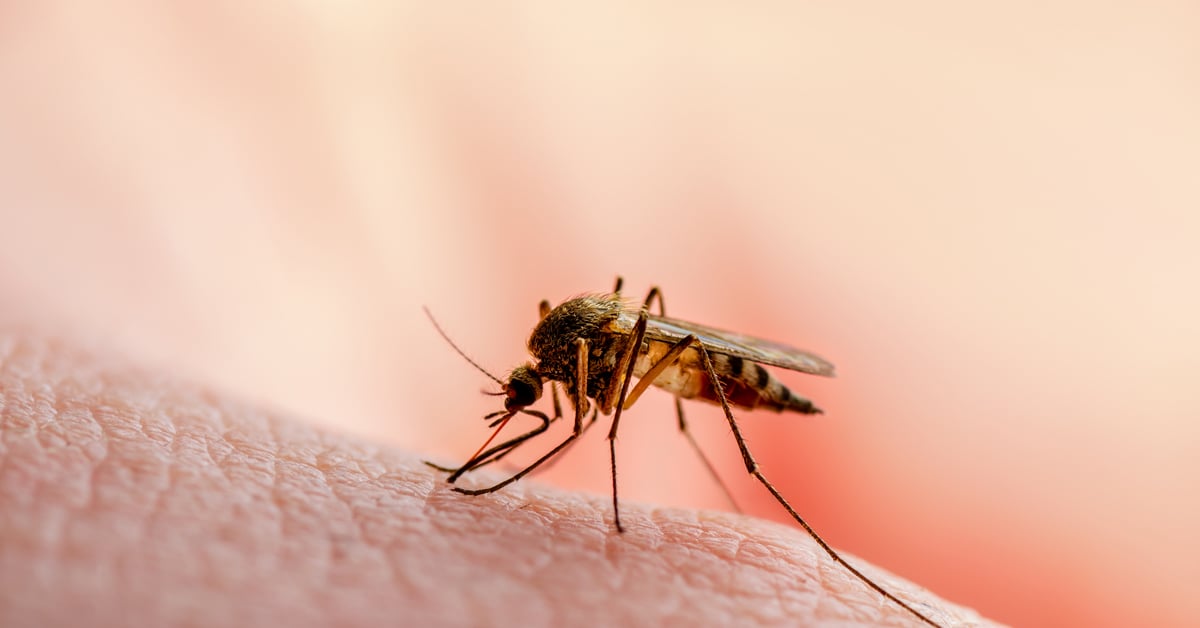
Mosquitoes and ticks are more than just annoying outdoor pests. These biting insects are known carriers of serious diseases that can affect both humans and pets throughout the Mid-Atlantic region and beyond.
From itchy mosquito bites to potentially dangerous tick-borne illnesses, understanding the risks and taking preventative action can help keep your family safer outdoors.
Why Mosquitoes and Ticks Are Dangerous
Mosquitoes and ticks are considered disease vectors, meaning they can carry and spread bacteria, viruses, and parasites through their bites.
While many bites only cause mild irritation, others may expose people to serious illnesses that can lead to long-term health complications or, in rare cases, death.
As mosquito and tick populations continue to increase in many areas, the risk of exposure to these diseases also grows.
Common Mosquito-Borne Diseases
Mosquitoes are responsible for spreading several diseases worldwide. Some are more common in tropical regions, while others have been reported throughout the United States.
West Nile Virus
West Nile Virus is one of the most common mosquito-borne illnesses in the United States. It spreads between birds and mosquitoes before being transmitted to humans.
Many people experience mild or no symptoms, but severe cases can affect the nervous system and cause inflammation of the brain.
Common symptoms include:
Fever
Headaches
Fatigue
Rash
Body aches
Eastern Equine Encephalitis (EEE)
EEE is a rare but serious viral disease spread by mosquitoes. Though uncommon, cases have been reported in the Northeast, including New Jersey.
Symptoms may include:
Fever
Severe headache
Confusion
Seizures
Neurological complications
Young children and older adults are often at greater risk for severe illness.
Zika Virus
Zika Virus usually causes mild symptoms, but it can be especially dangerous during pregnancy due to the risk of birth defects.
Symptoms may include:
Fever
Rash
Joint pain
Red eyes
Dengue Fever
More common in tropical and subtropical regions, dengue fever causes flu-like symptoms and, in severe cases, can become life-threatening.
Symptoms include:
High fever
Severe headaches
Vomiting
Muscle and joint pain
Malaria
Although less common in the United States, malaria remains one of the world’s most serious mosquito-borne diseases.
Symptoms include:
Fever and chills
Sweating
Fatigue
Headaches
Nausea
Without treatment, malaria can become life-threatening.
Common Tick-Borne Diseases
Ticks are another major concern throughout the Northeast and Mid-Atlantic region. These pests attach to humans and animals to feed on blood and may spread dangerous illnesses while feeding.
Lyme Disease
Lyme disease is one of the most common tick-borne illnesses in the United States, especially in Pennsylvania and New Jersey.
Common symptoms include:
Bullseye rash
Fever
Fatigue
Joint pain
Muscle aches
If left untreated, Lyme disease can lead to long-term neurological and joint complications.
Rocky Mountain Spotted Fever
This bacterial disease can become serious if not treated early.
Symptoms may include:
Fever
Headaches
Muscle pain
Rash
Ehrlichiosis
Ehrlichiosis is another bacterial illness spread through tick bites.
Symptoms often include:
Fever
Chills
Headaches
Muscle aches
Babesioisis
Babesiosis is caused by parasites that infect red blood cells and is becoming more common in parts of the Northeast.
Symptoms may include:
Fatigue
Fever
Sweats
Muscle aches
How to Reduce Mosquito and Tick Activity Around Your Home
Reducing exposure starts with limiting pest activity around your property.
Mosquito Prevention Tips
To help reduce mosquitoes around your home:
Eliminate standing water
Clean gutters regularly
Repair damaged screens
Wear insect repellent outdoors
Avoid outdoor activity during dawn and dusk
Keep grass and landscaping maintained
Mosquitoes breed in standing water, even in small amounts found in buckets, birdbaths, flowerpots, and clogged gutters.
Tick Prevention Tips
To reduce tick activity:
Keep grass trimmed short
Remove leaf litter and brush
Trim shrubs and overgrown vegetation
Wear long sleeves and pants outdoors
Check clothing, pets, and skin after spending time outside
Ticks commonly live in wooded areas, tall grass, and dense vegetation.
The Importance of Professional Mosquito and Tick Control
While preventative steps can help, professional mosquito and tick treatments can significantly reduce pest populations around your home.
Regular treatments can:
Target mosquito resting and breeding areas
Reduce active tick populations
Help lower the risk of bites
Improve outdoor comfort throughout the season
Professional pest control can also identify problem areas around your property that may be contributing to increased mosquito or tick activity.
Protect Your Yard and Family This Season with Viking Pest Control
Mosquitoes and ticks are more than seasonal nuisances — they can pose real health risks to your family and pets.
By staying proactive with prevention, reducing breeding areas, and addressing pest activity early, you can enjoy your outdoor spaces with greater peace of mind throughout the warmer months.
How to Get Rid of Ticks in Pennsylvania
Ticks aren't just annoying pests. These small insects can carry a variety of dangerous diseases that threaten animals and humans, and they are unfortunately prevalent in the Keystone State. In fact, Pennsylvania is the Lyme Disease capital of the United States.
If you're wondering how to get rid of ticks and keep them away, there are several things you can do to protect your pets and family.
Read on for some insightful tips that will teach you how to say goodbye to ticks once and for all.
Clean Everything Frequently
Ticks like to hitch a ride on pets, clothing, and soft surfaces. To prevent ticks from affecting your Pennsylvania home, clean all clutter so they don't have anywhere to hide.
Any time you come inside, wash all clothing in hot water. Check your shoes and socks to make sure that ticks have not attached themselves to your feet or ankles. Vacuum carpeting and furniture frequently to capture any ticks that might be hiding in those areas.
Learn How to Get Rid of Ticks on Your Pets
If you have pets, it's crucial to check and treat them for ticks as often as possible. Start by combing their fur using a special comb that "weeds" and pulls the ticks out off their coat.
Treat your dog or cat using a topical product that's specifically designed to kill ticks. If you're not sure what to use, ask your veterinarian for recommended products that work. Continue to check and treat your pet and consider a tick-repelling collar if your pet spends a lot of time outside.
Consider Professional Tick Treatment
Pennsylvania homeowners can contact Viking Pest Control to help them say goodbye to the threat of disease-carrying ticks. With the Last Bite service, you'll get effective protection that lasts.
Last Bite Mosquito and Tick Protection will reduce the population of these pests so you can enjoy spending time outside. The service features five scheduled treatments throughout the warm months so ticks stay away for good. A Viking Pest technician thoroughly inspects your property and then treats all the areas where ticks can hide.
Don't Take Chances With Ticks: We Have Tick Exterminators Ready for You
Ticks carry dangerous pathogens that can pose a serious threat to your health and well-being. Some ticks can transmit Lyme disease to humans, a serious and chronic illness that's very difficult to treat.
Besides Lyme disease, different species of ticks carry and transmit a wide range of other dangerous diseases. Don't be a victim of these biting pests that can threaten the health of the ones you love. By learning how to get rid of ticks, you can enjoy the great outdoors again.
You Don't Need to Deal With Ticks Alone: Call Viking for Professional Tick Control
Once you know how to get rid of ticks, it's important to continue the process every season. With a thorough cleaning and professional treatment, you won't need to worry about ticks in your Pennsylvania home.
Make sure your pets have the proper tick prevention regimen, too. Viking Pest is the expert in tick control in Pennsylvania.
To ensure your family is safe from ticks, contact Viking Pest Control and schedule our Last Bite service today!