Tick Prevention Tips for Families, Pets, and Yards
Ticks are a growing concern throughout New Jersey, Pennsylvania, Delaware, and Maryland, especially during the spring and summer months when outdoor activity increases. These tiny pests are more than just a nuisance — they can spread illnesses like Lyme disease, Rocky Mountain spotted fever, and other tick-borne diseases to both humans and pets.
Because ticks are often as small as a poppy seed, preventing bites starts with knowing where ticks live, how to check for them, and how to reduce tick activity around your property.
Click to Enlarge
Where Ticks Hide
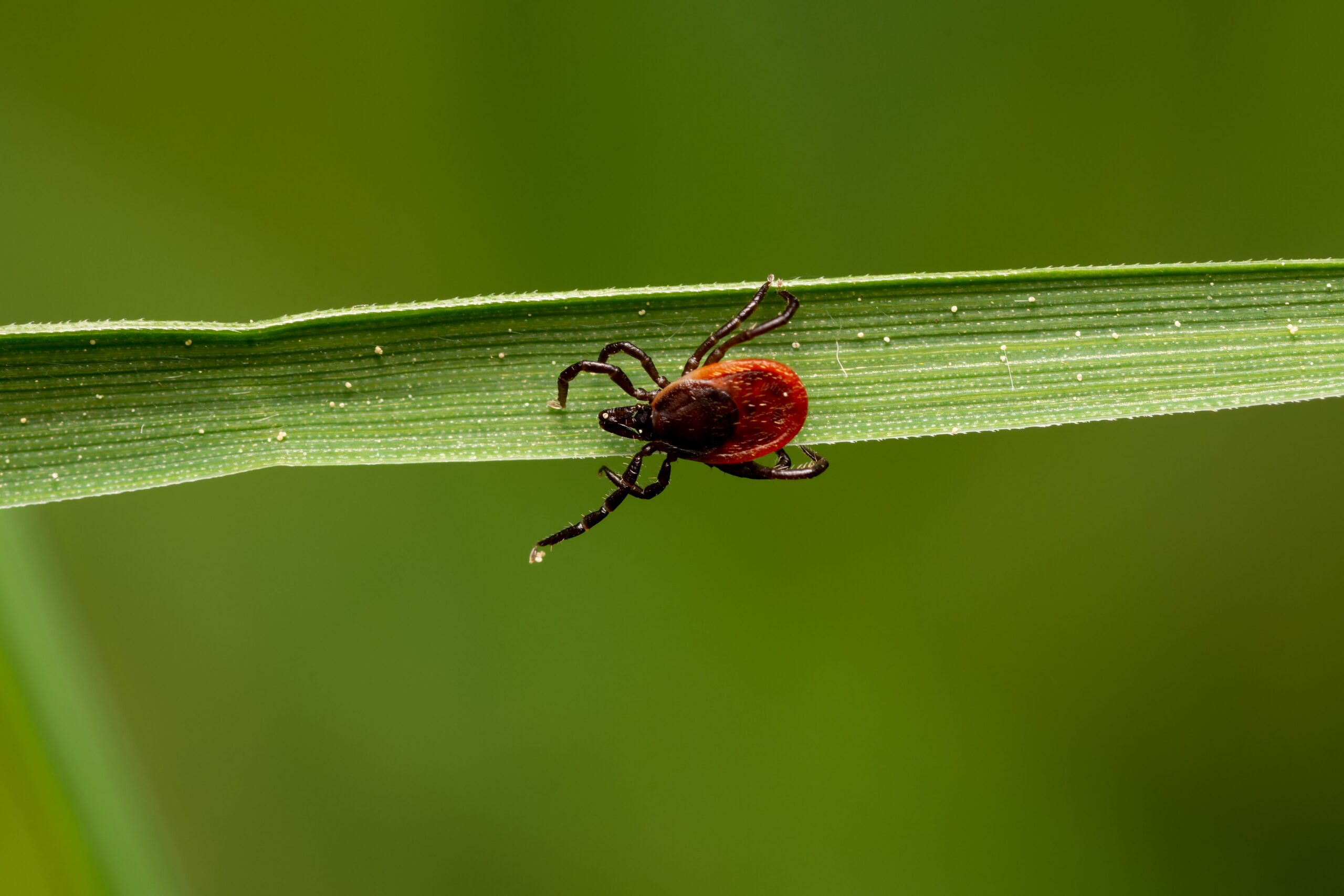
Ticks are commonly found in wooded areas, tall grass, brush piles, leaf litter, and overgrown vegetation. They often enter residential yards by attaching to wildlife such as deer, mice, raccoons, and other animals. Once on your property, ticks can easily attach themselves to people and pets spending time outdoors.
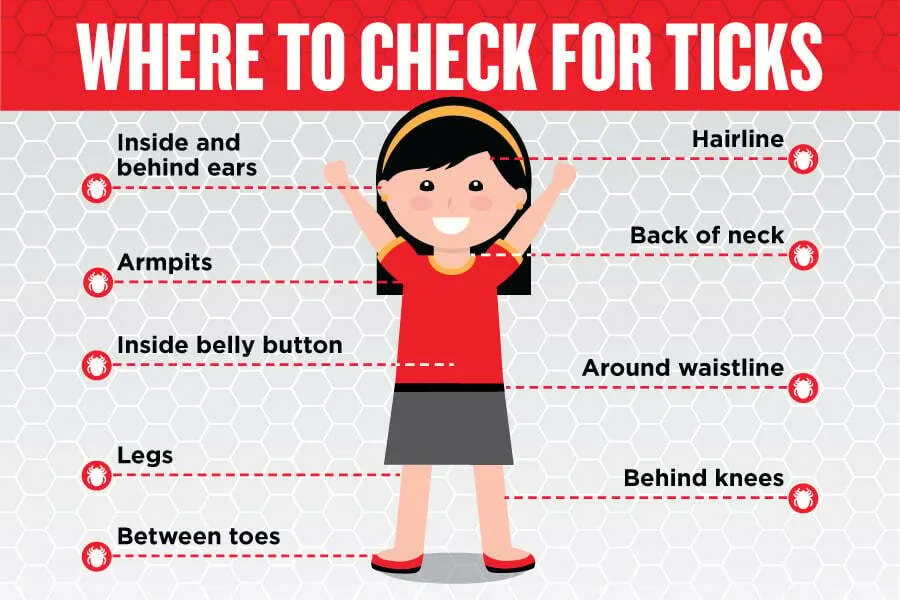
After being outside, it’s important to thoroughly check yourself, your children, and your pets for ticks. Common hiding spots include:
Behind the knees
Around the waist
Under the arms
Around the ears and scalp
Back of the neck
Between toes and around pet paws
Under collars and around pets’ ears
Showering shortly after spending time outdoors can also help wash away unattached ticks and make inspections easier.
Sign of Tick-Borne Illness
Not every tick carries disease, but blacklegged ticks, also known as deer ticks, are known for spreading Lyme disease throughout the Northeast and Mid-Atlantic region.
Common symptoms of tick-borne illnesses may include:
Fever and chills
Fatigue
Headaches
Muscle or joint pain
Swollen lymph nodes
Rash or bull’s-eye rash near the bite
Symptoms may not appear immediately after a bite, so monitoring for changes and contacting a medical professional if symptoms develop is important.
How to Safely Remove a Tick
If you find an attached tick, remove it carefully using fine-tipped tweezers. Grasp the tick as close to the skin as possible and pull upward slowly with steady pressure. Avoid twisting or crushing the tick during removal.
After removal:
Clean the bite area thoroughly with soap and water or rubbing alcohol
Dispose of the tick in a sealed bag or container
Monitor the bite area and overall health for symptoms
Quick removal can help reduce the risk of disease transmission.
How to Reduce Ticks Around Your Yard
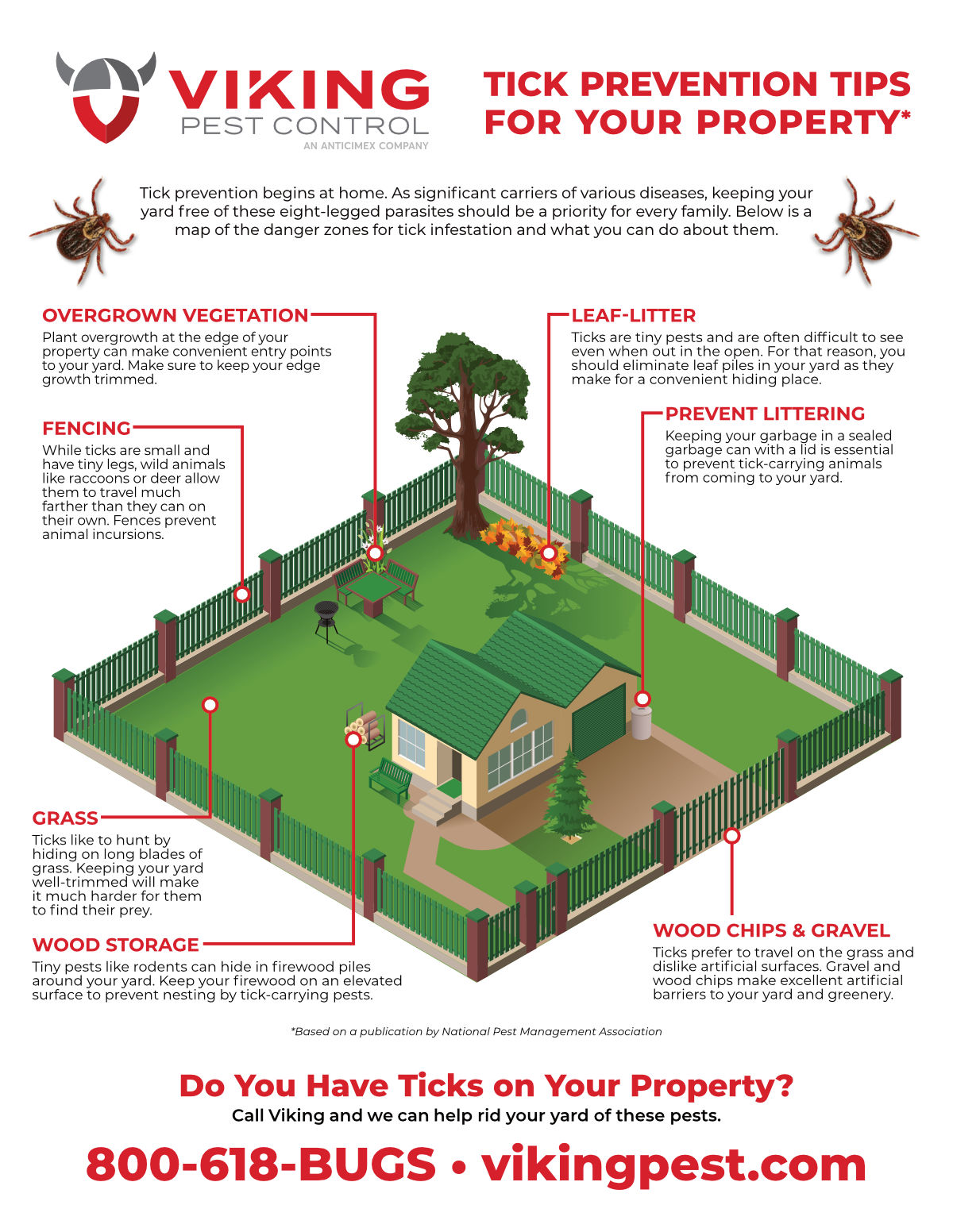
Reducing tick populations around your home starts with proper yard maintenance and prevention. Helpful tick prevention strategies include:
Keeping grass trimmed short
Removing leaf litter and brush
Trimming overgrown vegetation
Creating barriers between wooded areas and lawns
Discouraging wildlife activity around the property
Using veterinarian-approved tick prevention for pets
Professional tick control treatments can also significantly reduce tick populations around your property. Preventative yard treatments target areas where ticks live and breed, helping families and pets enjoy outdoor spaces more comfortably throughout the season.
Professional Tick Control for Your Property
For homeowners looking for added protection, Viking Pest Control provides professional tick and mosquito control services throughout the Mid-Atlantic region. Viking’s preventative treatments help reduce tick activity in yards and outdoor living spaces while helping families enjoy the outdoors with greater peace of mind.
With local expertise and years of experience treating tick-prone properties throughout NJ, PA, DE, and MD, Viking can help you create a safer outdoor environment for your family and pets.
Longhorned Tick Found in New Jersey
In the summer of 2017, a woman farmer from Hunterdon County paid a visit to the local health office with thousands of ticks on her body. She discovered the ticks after shearing a 12-year-old Icelandic sheep.
When the health office called in experts from Rutgers University’s Center for Vector Biology to identify the ticks, they were surprised. The ticks found were East Asian ticks, also referred to as longhorned ticks or bush ticks. The longhorned tick is a species of tick not yet established in New Jersey.
The longhorned tick is a swarming tick that takes deer, livestock, and other animals as a host. They produce asexually and a single tick is able to lay thousands of eggs. They’re also able to carry and spread diseases to humans and pets.
Local state and federal animal health and wildlife officials worked closely with the experts from Rutgers University to address the threat. A chemical wash was performed on all the sheep to eliminate these ticks. Tall grass was cut short to reduce the spread. And ongoing surveillance by the National Veterinary Services Laboratory was established.
They questioned the farm owners about the sheep on which the ticks were found and learned that it had not traveled internationally where these ticks are abundant and it had only rarely left the county, which left experts scratching their heads. As of this writing, it is still unclear how these ticks made their way into New Jersey.
Tests were performed to check the ticks for diseases such as spotted fever rickettsioses. Fortunately, the tests came back negative.
In April of 2018, the National Veterinary Services Laboratory confirmed that the longhorned tick successfully overwintered. That means this tick species is here to stay.
So, what should residents do?
Take precautions to prevent ticks such as purchasing veterinarian-prescribed tick products for your pets, avoid areas of tall grass, and wear insect repellent on your legs when walking in nature
Be on the lookout for these pea-sized, dark brown ticks that look a little bit like small spiders
If you see these ticks, contact the New Jersey state veterinarian at 609-671-6400
The appearance of the longhorned tick is just one more reason to get routine tick treatments for your yard. If you need assistance with this, contact Viking Pest Control today.
Call Viking at 800-618-2847 to learn more about our Last Bite mosquito and tick treatment, or get a fast, free quote online today!
Lyme Disease Awareness Month: How to Protect Your Family From Ticks
As temperatures rise throughout New Jersey, Pennsylvania, Delaware, and the Eastern Shore of Maryland, tick activity increases right alongside outdoor activities. May is recognized as Lyme Disease Awareness Month, making it the perfect time to focus on protecting your family, pets, and property from ticks.
Blacklegged ticks, also known as deer ticks, are responsible for spreading Lyme disease — one of the most common tick-borne illnesses in the United States. Because ticks are small, difficult to detect, and commonly found in wooded or grassy areas, many people don’t realize they’ve been bitten until symptoms begin to appear.
Understanding how to avoid ticks and perform proper tick checks can significantly reduce your risk of Lyme disease.
What Is Lyme Disease?
Lyme disease is a bacterial illness transmitted through the bite of an infected blacklegged tick. If left untreated, Lyme disease can lead to serious health complications affecting the joints, nervous system, heart, and overall well-being.
Common symptoms of Lyme disease may include:
Fever
Fatigue
Chills
Headaches
Muscle and joint aches
Rash or “bullseye” skin irritation
Neurological symptoms
Because symptoms can vary from person to person, early detection and prevention are extremely important.
Where Are Ticks Found?
Ticks thrive in areas with high humidity, tall grass, and dense vegetation. Common tick habitats include:
Wooded trails
Leaf litter
Overgrown landscaping
Brush piles
Tall grass
Shrubbery
Property edges bordering wooded areas
Ticks do not jump or fly. Instead, they climb onto grass or vegetation and wait for humans or animals to brush past them.
How to Protect Yourself From Tick Bites
Reducing tick exposure starts with simple outdoor precautions.
Wear Light-Colored Clothing
Light-colored clothing makes it easier to spot dark-colored ticks before they reach your skin.
Cover Exposed Skin
Wear long sleeves, long pants, socks, and closed-toe shoes when walking through grassy or wooded areas.
Keep Hair Tied Back
Long hair can easily brush against vegetation where ticks are waiting.
Use Tick Repellents
Apply EPA-approved repellents containing DEET or other recommended ingredients before spending time outdoors.
Stay in the Center of Trails
Avoid brushing against tall grass, bushes, and overgrown vegetation whenever possible.
Protect Your Pets
Dogs and outdoor cats can easily carry ticks into your home. Use veterinarian-approved tick prevention products consistently throughout tick season.
How to Perform a Tick Check
Performing a thorough tick check after outdoor activities is one of the best ways to prevent Lyme disease transmission.
Inspect Yourself Immediately
As soon as you return indoors, carefully examine your entire body for ticks.
Check Hidden Areas Carefully
Ticks commonly attach in hard-to-see areas, including:
Scalp and hairline
Behind the ears
Underarms
Behind knees
Groin area
Waistband area
Using a full-length mirror or handheld mirror can help you inspect difficult areas.
Inspect Clothing
Remove outdoor clothing immediately and check it carefully for ticks.
Use the Dryer
Placing clothing in a dryer on high heat for at least an hour can help kill hidden ticks.
Shower After Outdoor Activity
Showering shortly after coming indoors may help remove unattached ticks before they bite.
Check Pets Thoroughly
Inspect dogs and cats carefully after they’ve spent time outdoors, especially around the ears, neck, paws, and underbelly.
Why Tick Prevention Matters
Ticks can be active for much of the year, especially during warmer months. Because Lyme disease cases remain common throughout the Northeast and Mid-Atlantic regions, prevention is essential for protecting both people and pets.
Regular tick checks, proper outdoor precautions, and professional tick control services can greatly reduce your risk of exposure.
Professional Tick Control for Your Property
Even with good prevention habits, ticks can still thrive in residential yards and surrounding wooded areas. Professional tick treatments help reduce tick populations in high-risk areas around your property.
At Viking Pest Control, our tick control services help homeowners throughout New Jersey, Pennsylvania, Delaware, and Maryland reduce tick activity and protect their families from tick-borne illnesses like Lyme disease.
If you’re concerned about ticks on your property, professional pest control can help create a safer outdoor environment all season long.
Summer Pest Proofing Tips
With the change in seasons comes a change in pests that may be found inside and outside of your home. Each summer brings a whole new array of pests for New Jersey, Pennsylvania, Delaware and Eastern Shore of Maryland homeowners for which they need to be on the lookout. A few of the common summer invaders are fleas, ticks, and stinging insects among many others. To help prevent your home and property from unnecessary pest problems this summer, it is important to learn these summer pest proofing tips for the inside and outside of your home.
Inside pest proofing:
Check all windows to make sure they have screens intact that fit securely with no holes or tears.
Wipe up spills and crumbs in the kitchen as soon as they happen.
Keep all open food stored in containers with tight fitting lids.
Take out the trash regularly and keep it stored in bins with lids that secure closed.
Vacuum regularly to avoid the spread of fleas. This goes for pet and non-pet owners.
Check yourself for ticks as soon as you get back inside after being in an area with tall grass or deep woods. Click here for steps on how to check yourself for ticks.
Outside pest proofing:
Cut back bushes and shrubs so they do not touch the side of your home.
Remove all debris from your yard, especially any wood that is present so that carpenter ants and termites stay away.
Redirect water to flow away from your property to avoid moist conditions which may attract many pests.
Remove any stagnant water which is the breeding grounds for mosquitoes.
Mow your lawn regularly to avoid ticks from hiding in the grass and waiting to hop onto humans or pets.
By following these summer pest proofing tips you should be well on your way to a pest-free summer season in NJ, PA, MD, and DE. But if the summer pests have found their way onto your property or inside of your home, then it is time to contact Viking Pest Control. The NJ, PA, MD, and DE experts in pest control will be able to put a stop to summer pest invaders with guaranteed effective home pest solutions.
Call Viking at 800-618-2847 to learn more about summer pest control and extermination services, or get a fast, free quote online today!