Seeing flying insects around your home in spring can be alarming, especially when they resemble termites. Because termite swarmers and carpenter ant swarmers look similar at first glance, many homeowners struggle to tell them apart.
Knowing the difference is important. While both pests can signal a larger infestation nearby, termites can cause serious structural damage if left untreated.
This guide explains how to identify termite swarmers, how they differ from carpenter ant swarmers, and what signs of infestation homeowners should watch for.
What Are Termite Swarmers?
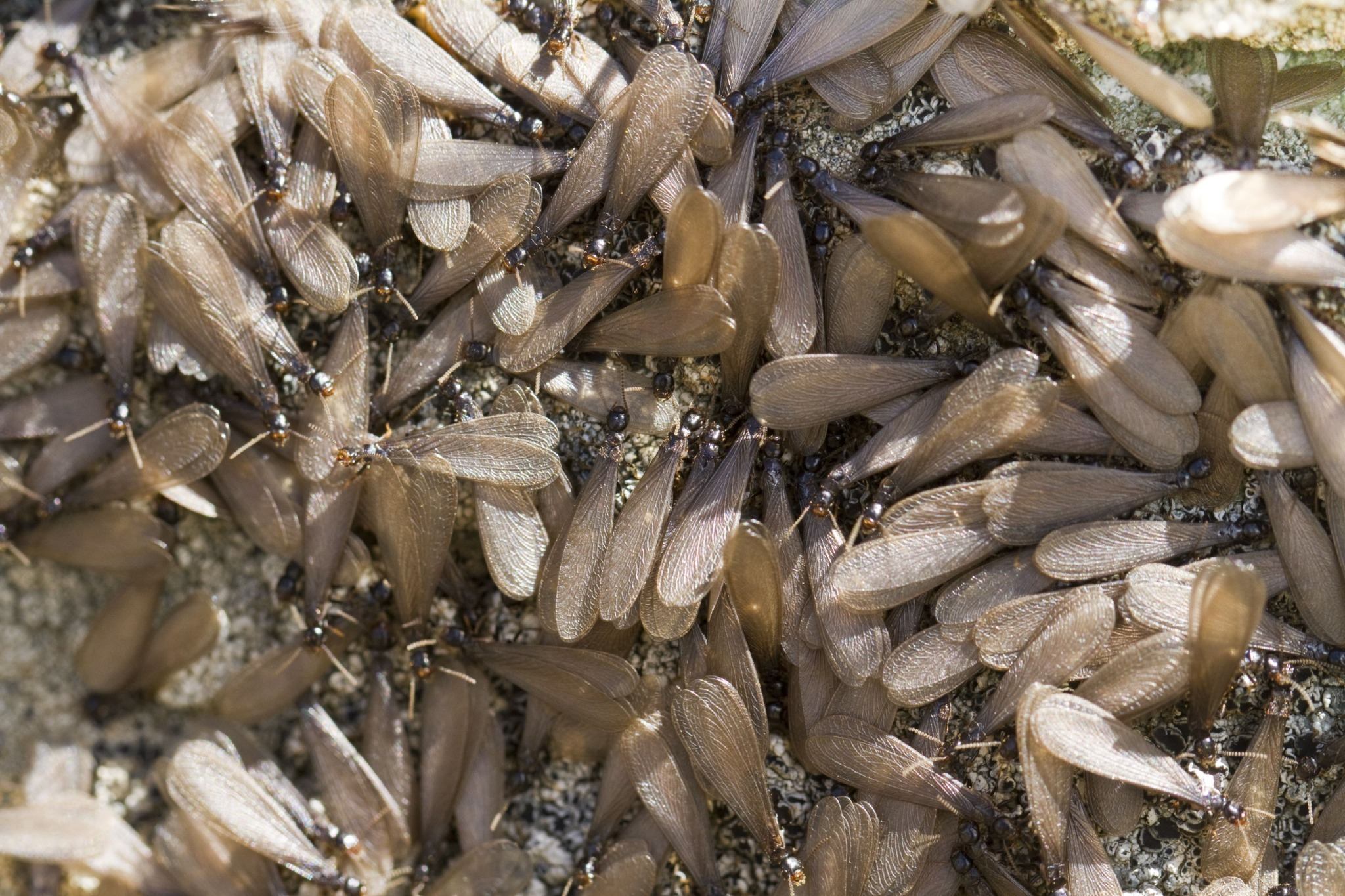
Termite swarmers are reproductive termites that leave an established colony to mate and start new colonies.
Unlike worker termites that remain hidden underground or inside wood, swarmers emerge in large numbers during spring and early summer. Because they leave the colony, they are the termites homeowners are most likely to notice.
If you suddenly see flying termites indoors or around your property, it may indicate an active termite colony nearby.
What Do Termites Look Like?
There are several types of termites within a colony, each with different appearances and responsibilities.
Worker Termites
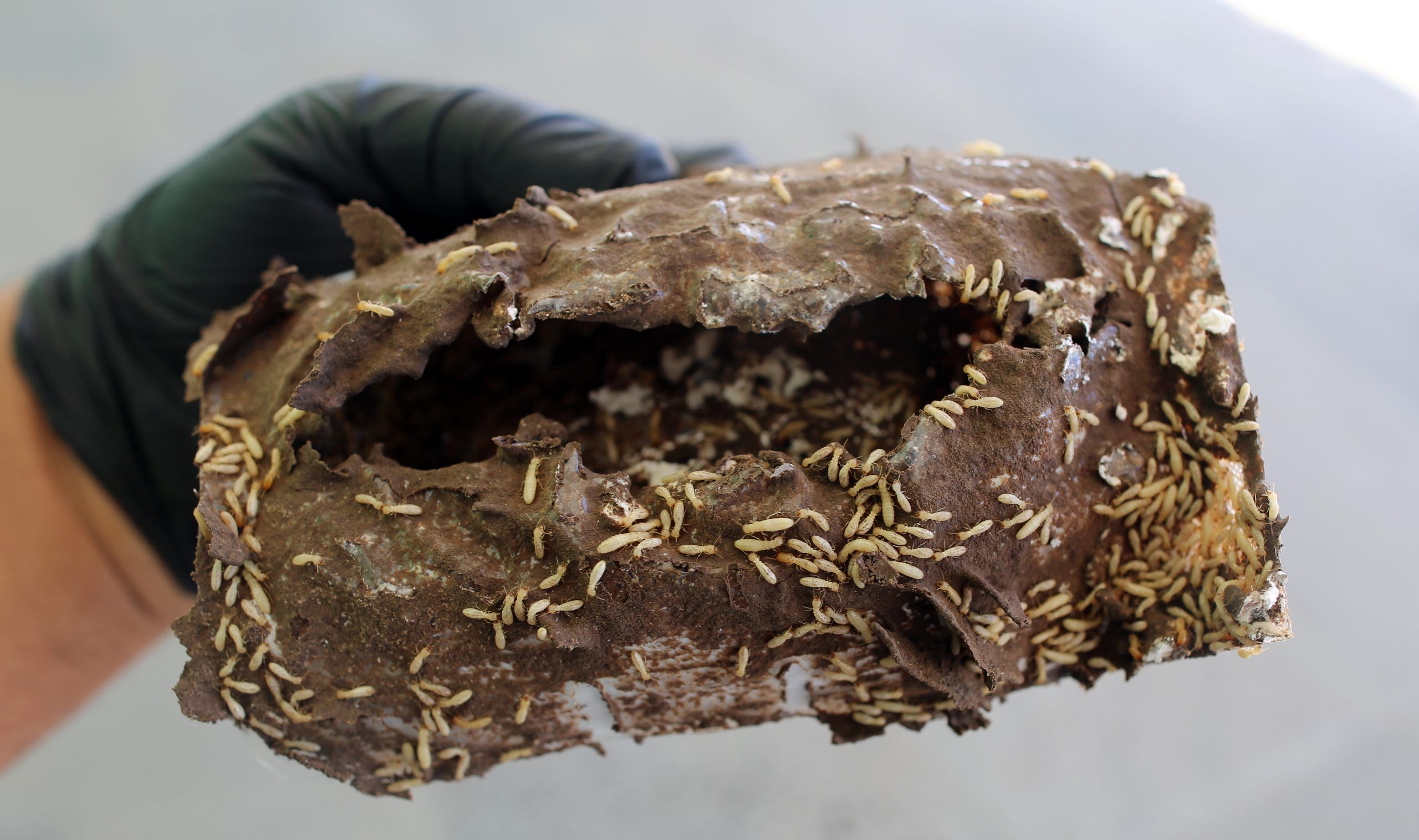
Worker termites are small, pale insects responsible for feeding and maintaining the colony.
Characteristics include:
Cream or off-white coloring
Soft bodies
No wings
No visible eyes
Approximately 1/8 to 3/8 inch long
Soldier Termites
Soldier termites protect the colony from threats.
They typically have:
Cream-colored bodies
Large brown heads
Strong jaws
No wings
No visible eyes
Termite Swarmers
Swarmers are the reproductive termites homeowners most commonly see.
They feature:
Dark brown or black bodies
Straight antennae
Two pairs of long wings
Wings longer than the body
Visible eyes
Swarmers are usually about one inch long including their wings.
Carpenter Ant Swarmers vs. Termite Swarmers
Because both insects swarm during warmer months, they are commonly confused with one another.
However, there are several important differences.
Wing Size
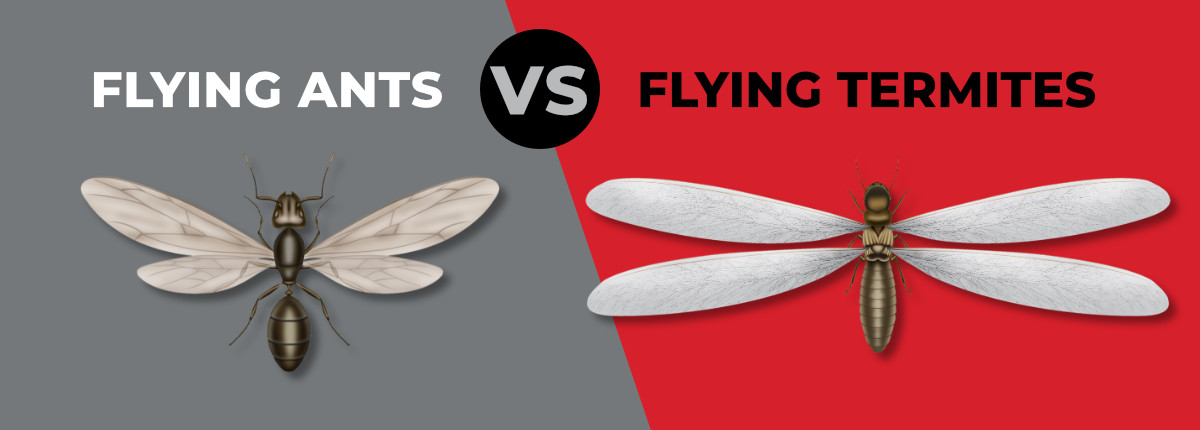
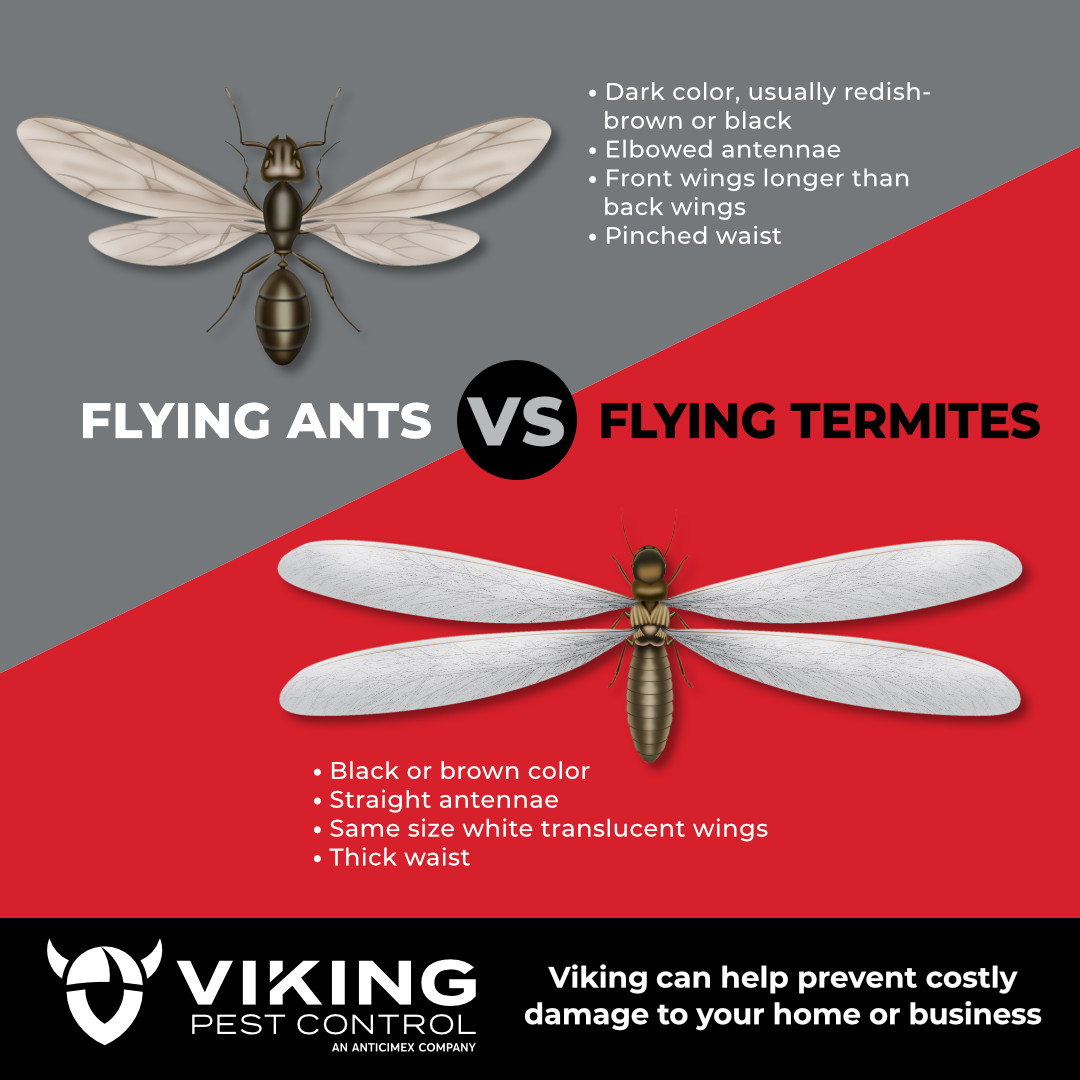
Termite swarmers have long wings that extend well beyond their body length.
Carpenter ant swarmers have smaller wings that are only slightly longer than their bodies.
Antennae Shape
Termites have straight antennae
Carpenter ants have bent or elbowed antennae
Body Shape
Termites have broad bodies that appear mostly straight.
Carpenter ants have narrow “pinched” waists that clearly separate body segments.
Color
Termite swarmers are usually dark brown or black with lighter wings.
Carpenter ant swarmers are often darker overall and may appear shinier.
Signs of a Termite Infestation
Because termites spend most of their lives hidden, homeowners often notice the damage before they see the insects themselves.
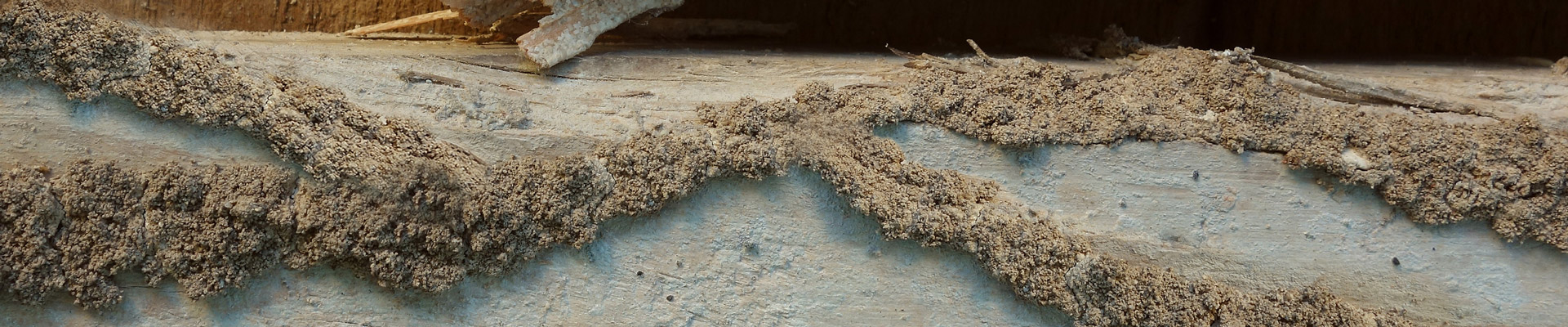
Mud Tubes
Subterranean termites build mud tubes to travel between the soil and wood structures while protecting themselves from exposure.
These tubes may appear along:
Foundation walls
Basement surfaces
Crawl spaces
Support beams
Discarded Wings
After swarming, termites shed their wings.
Small piles of discarded wings near windows, doors, or light sources may indicate nearby termite activity.
Wood Damage and Frass
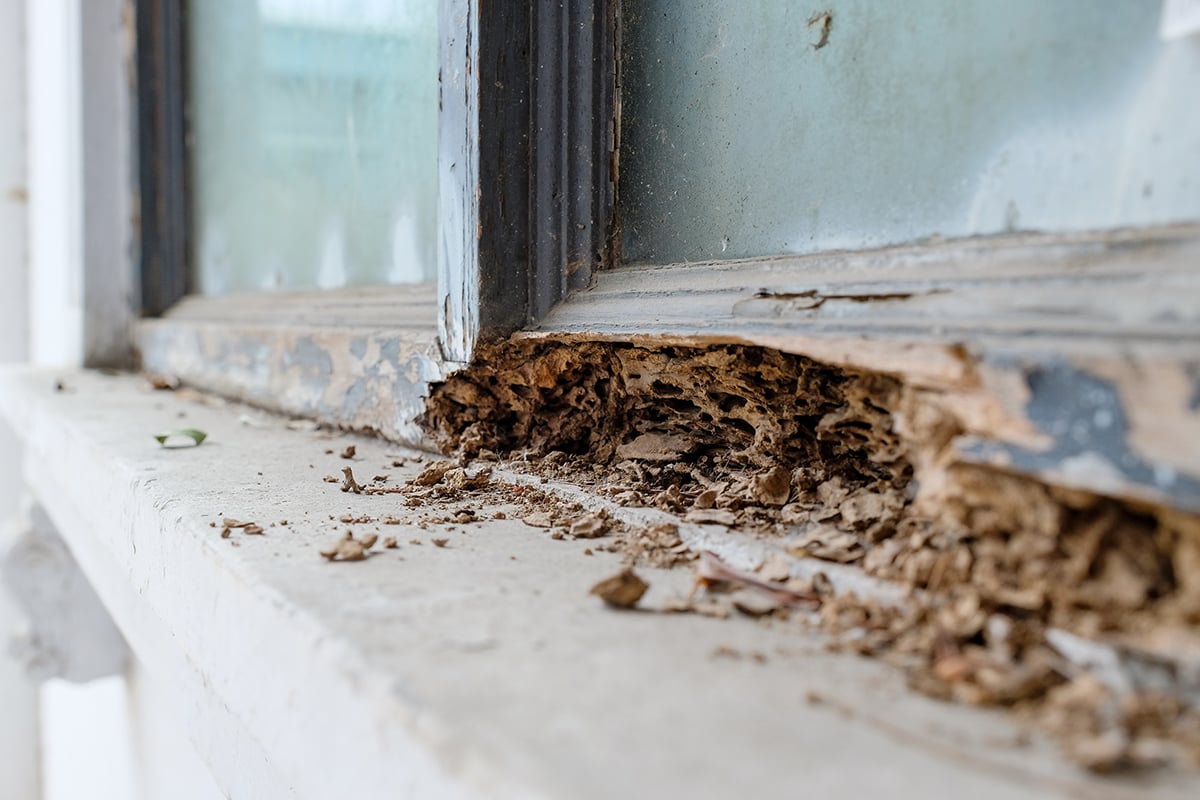
You may notice damaged wood, hollow-sounding surfaces, or small piles of debris and termite waste near infested areas.
Seasonal Swarming Activity
Swarming activity is most common during spring and early summer when reproductive termites leave colonies to establish new nests.
What to Do If You See Termite Swarmers
If you discover termite swarmers inside or around your home, avoid disturbing the area too much before an inspection.
Helpful steps include:
Vacuuming visible swarmers and discarded wings
Marking where swarmers appear to be emerging
Avoiding tearing into walls or wood structures
Contacting a professional termite exterminator promptly
Marking the activity area can help technicians locate the source of the infestation more efficiently.
Why Professional Termite Control Is Important
Although swarmers themselves do not damage structures directly, they indicate an established colony may already be present.
Professional termite treatment helps:
Identify active colonies
Prevent structural damage
Eliminate existing infestations
Protect against future termite activity
Because termites often remain hidden for long periods, early detection and treatment are critical.
Professional Termite Control From Viking Pest Control
Viking Pest Control provides professional termite control services throughout New Jersey, Pennsylvania, Delaware, and Maryland.
Our termite specialists can:
Inspect your property for termite activity
Identify swarmers and nesting areas
Create customized treatment plans
Help prevent future infestations
Schedule a Termite Inspection Today
If you’ve spotted flying termites, discarded wings, mud tubes, or signs of wood damage, it’s important to act quickly before the infestation worsens.
Learn more about Viking Pest Control and request a free termite inspection today.
Carpenter Ants vs Termites: Which is Worse?
Every year insects like termites and carpenter ants cause an estimated $5 billion dollars in property damage in the United States. And once you realized you've been the victim of an infestation, it's time to take action.
But that's not so easy when you're unsure of what type of pest is damaging your home. In some cases, you won't see the insect themselves, but rather the destruction they leave behind.
How can you tell if the infestation is caused by carpenter ants vs termites? We want to help educate you on the difference between carpenter ants and termites and to recognize the types of damage they cause.
Keep reading to learn how to determine if termites vs ants are the problem.
Carpenter Ants Vs Termites
Termites and carpenter ants do share some similarities but they're also quite different from each other.
Antennae
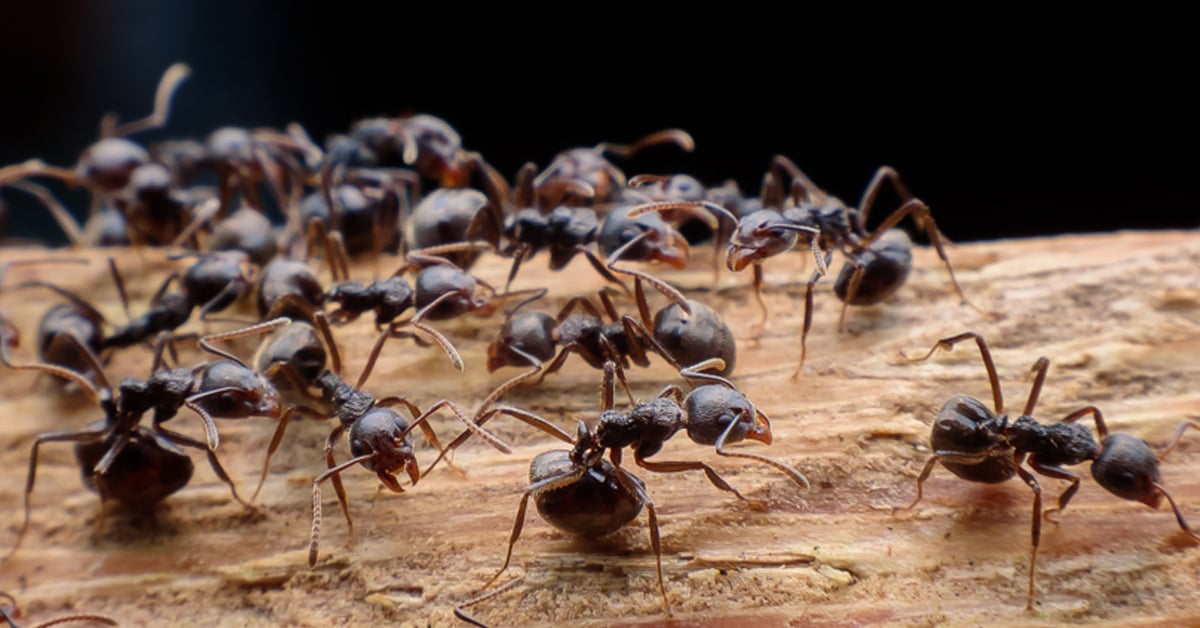
Termites have straight antennae, though some may be curved slightly. Ants have elbowed antennae that have a sharp-elbowed bend that's easy to spot.
Body
You'll see that ants have three distinct body segments thanks to their narrow waists. Termites instead have a broad waste that makes then look like they have a long body and head.
Wings
Termites and carpenter ants both send out winged swarmers. But ants have front wings that are longer than their back wings.
Termites, however, have wings of equal length.
Wood and Termites
Termites like materials containing cellulose. Because cellulose is an organic compound, termites can digest wood and paper products thanks to the types of bacteria growing in their abdomens.
Protozoa in their guts help them break down wood in their digestive systems. But termites do prefer digesting wood with decent levels of moisture. Doing so helps hydrate them.
Wood Termites Prefer
As a result, the types of wood most likely to attract termites are:
Yellow pine
Birch
Red Oak
Spruce
Teak
Peruvian walnut
New lumber is less attractive to termites. They prefer wood that is rotting.
Wood Termites Dislike
There are also some types of wood that are more resistant to termites.
Pressure Treated
Pressure-treated wood is resistant to rot and fungi.
Most places in the U.S. require construction sites to use pressure-treated wood.
Naturally Resistant
Heartwood is the non-living, central wood of trees. It's denser, less permeable, and darker than the surrounding timber.
Certain species like redwoods and cypress are naturally-resistant
Composite Materials
Manmade composite lumber products are made with materials that insects and other pests can't digest like plastic.
Composites don't warp like natural lumber and are therefore more durable as a building material.
Wood and Carpenter Ants
It's a myth that carpenter ants eat wood. They actually prefer to eat sweets, meat, and pet food.
Eating wood provides them with no nutritional value. Instead, they cause damage to wood by creating tunnels for nesting.
Signs Of An Infestation
Unfortunately, termite infestations often go unnoticed until they cause damage. The colonies nest underground with the workers hidden inside the wood.
Termite Infestations
Here are a few signs you have a termite infestation:
Flying termites which are called swarmers
Termite droppings (Frass)
Hollow sounding timber
Tunnels in wood
Headbanging is another sign and it's not as cool as you'd think. Soldier termites are known to bang their heads against the wood and/or shake their bodies when they sense the colony is in danger.
It sounds like a quiet clicking coming from behind your walls.
Carpenter Ant Infestations
Carpenter ants love moist, damp areas. Especially if there's rotting wood involved so they can chew through to make their nests.
Anywhere there's dampness, food and/or piles of debris, carpenter ants could be lurking. They like to establish a path between their nest and their food source.
Carpenter Ant Infestation Signs
Signs you have a carpenter ant infestation are:
Sawdust-like frass
Piles of wood shavings (similar to sawdust) beneath wooden areas
Winged ants coming out from walls, ceilings or other crevices
You may also hear rustling noises between walls or hollow doors.
What Termite Vs Carpenter Ants Damage Looks Like
Since the reasons why termites damage wood differs vastly from why carpenter ants destroy wood, it makes it a little easier for you to determine who the culprit is.
Carpenter Ant Damage
Remember that carpenter ants can't eat wood. Instead, they're excavating the softened wood as if it were a construction site. Their purpose is to build a nest and create traveling tunnels.
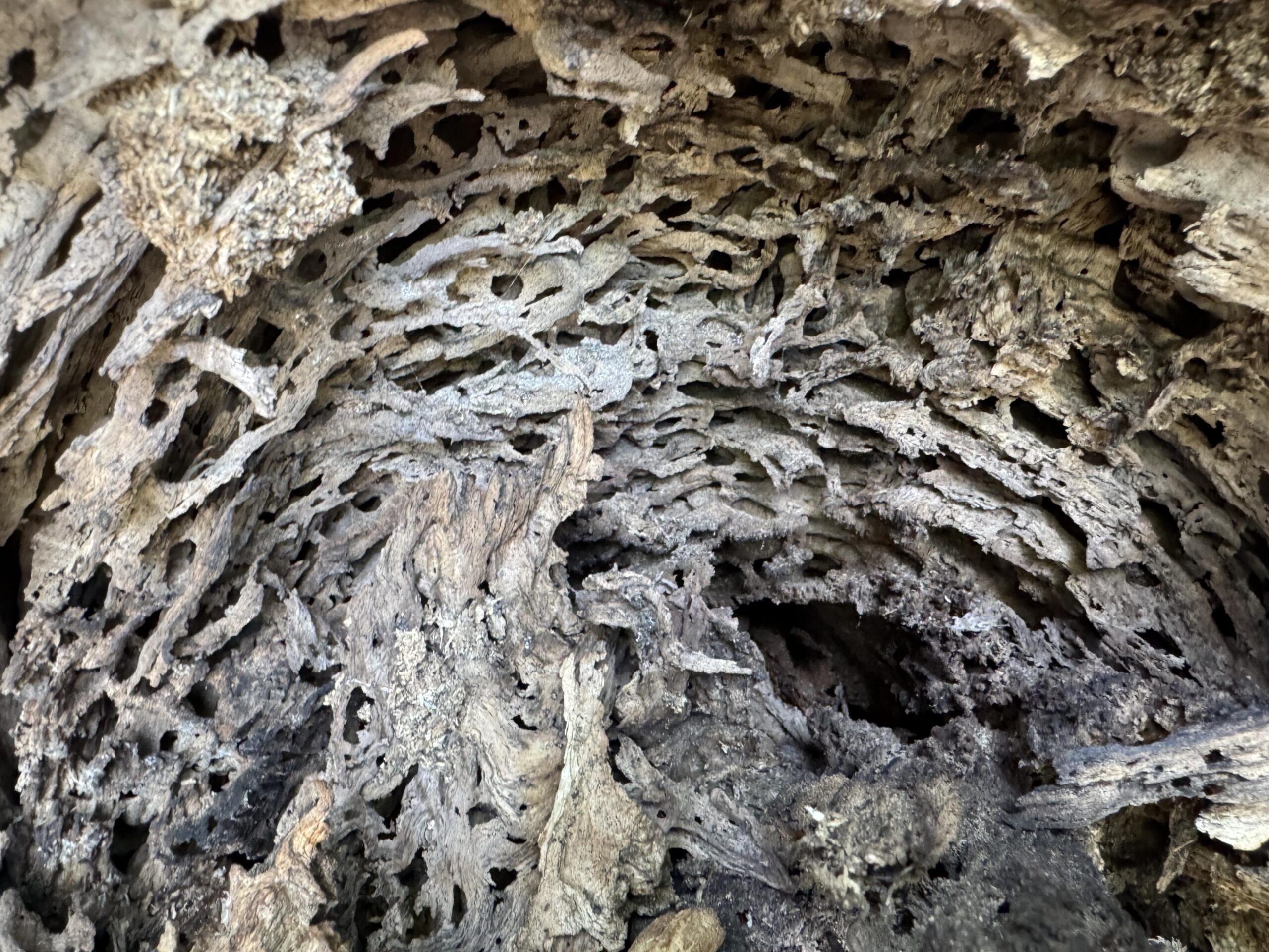
You may also notice entrance and exit holes as well as other tiny holes they use to push out unwanted debris so they can keep their home clean and tidy. Carpenter ant tunnels in the wood are smooth and polished.
Termite Damage
Meanwhile, termites love to eat wood. And they're not that concerned with cleanliness or tidiness.
Termite tunnels contain mud and soil. They also plug up any holes with mud.
Why You Need A Professional Exterminator
When a termite infestation goes undetected, widespread damage can result. They can consume a pound of wood every day from the inside out.
It's costly to repair structural essentials such as subflooring joists and wood supports.
Ants come inside to find food such as sweets to eat. Carpenter ants can contaminate your food, build nests in decaying wood, and are unsightly.
When you hire a pest control professional they do a thorough inspection of both the inside and outside of your home looking for infestations. They'll also look to see what the damage is caused by.
Once the inspection is completed and the culprit(s) are identified, a pest control professional will create a customized pest removal plan for you. This will ensure that you get and stay free from unwanted pests in your home for a long time.
Call Viking Pest for Pest Control
Whether your infestation is carpenter ants vs termites, it's best not to wait too long.
That's why you should rely on the number one choice for termite control and carpenter ant exterminators in New Jersey, Maryland, Delaware, and Pennsylvania for pest control. Contact Viking Pest today for a free and no-obligation estimate at 1-800-618-2847.
Why Are Wood Destroying Pests Hard to Distinguish?
Of all the pests out there, perhaps some of the worst are the ones who destroy the wood structures including homes in New Jersey, Pennsylvania, Delaware, and the Eastern Shore of Maryland. And with the spring season now underway, wood destroying pests will become more active soon. Pests like carpenter ants and termites can cause similar damages which make it hard to distinguish between the two. Your local pest extermination experts at Viking Pest Control are here to help you learn about carpenter ants and terminates in NJ, PA, MD, and DE so that you can prevent wood destroying pests from causing extensive and costly structural damages to your home.
Carpenter Ants
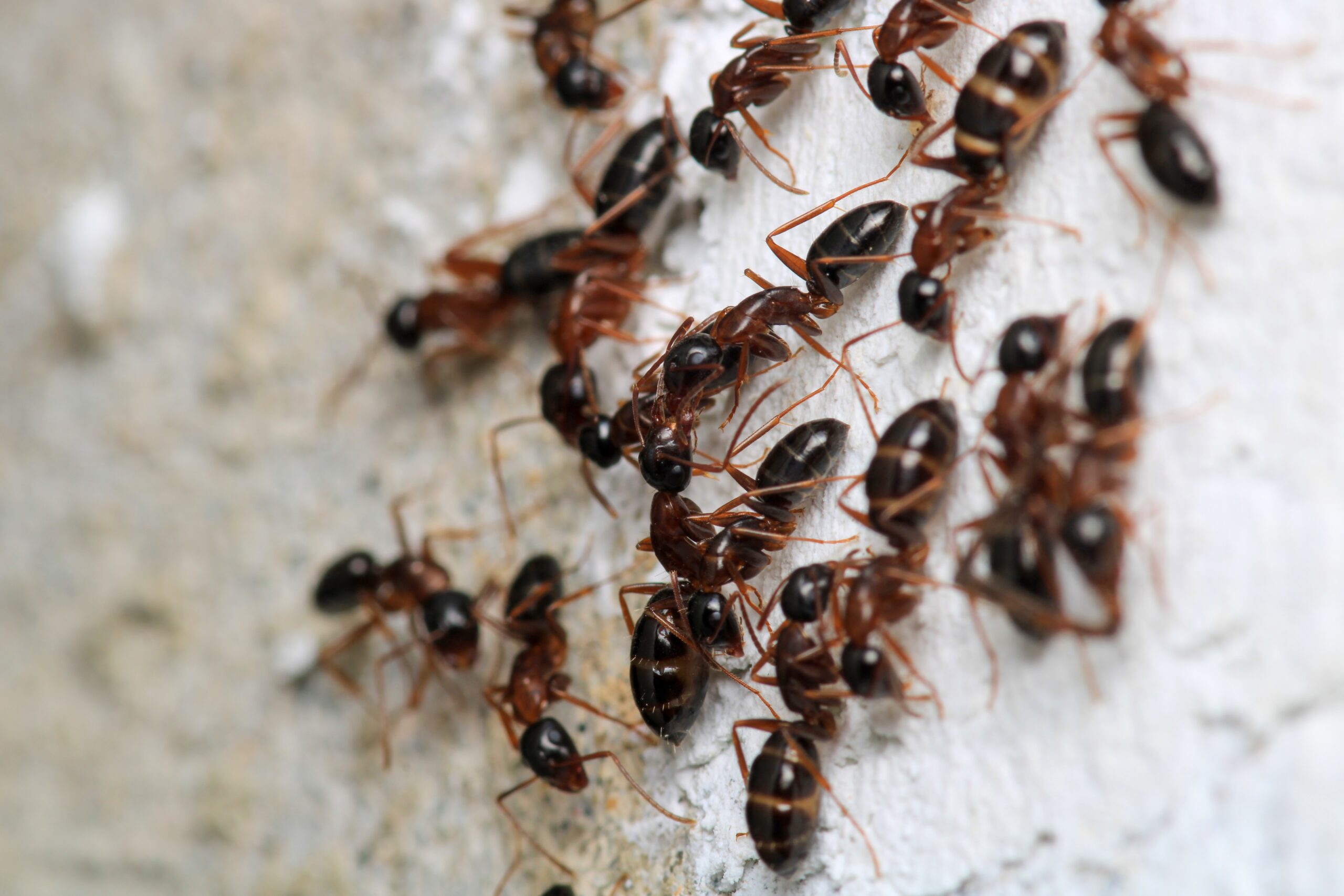
Carpenter ants are just like other ant species in that they are often found foraging for food in the kitchen. They prefer sweets but will eat just about anything that is left in the open for them (crumbs, spills, and unsealed baked goods). The thing that is different about carpenter ants is that they carve galleries into wood in order to create their nests. Their galleries are kept very clean so you are likely to find piles of frass (sawdust from their carving) as a sign that you have active carpenter ants. Another sign is damage to wood on the property like the decks, window and door frames.
Termites
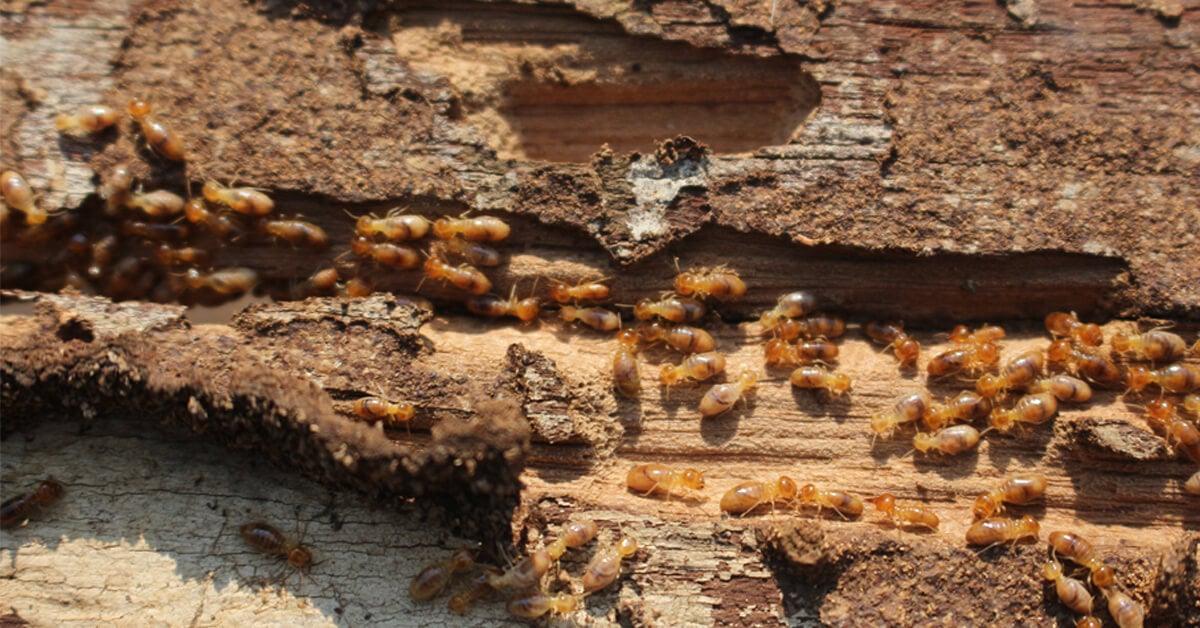
Termites on the other hand are not going to be found foraging through the kitchen. They do their work behind the scenes because their colonies are formed under the ground. In fact, termites will die if they become exposed to the air and light for too long. And instead of simply carving wood, termites actually eat the wood to get the cellulose they crave. Signs of termites include mud tubes traveling around the property and over the exterior of the house, termite swarms in the spring, and of course damage to the wood structures in the home.
Differences Between Carpenter Ants and Termites
Carpenter ants are large black ants that vary in size from 1/4 to 3/4 of an inch in length. Termites on the other hand are much smaller; the workers are only about 1/8 to 1/4 of an inch in length. They are a creamy color, almost translucent but again, they are not likely to be seen out in the open.
If you are concerned that your New Jersey, Pennsylvania, Delaware, or Eastern Shore of Maryland home is being infested by wood destroying insects, please contact your local experts at Viking Pest Control today. In addition to providing termite control in our team of pest control professionals offer carpenter ant control as well as Home Protection Plans for other insects and rodents. Let us help you get rid of wood destroying pests!
Call Viking at 800-618-2847 to learn more about wood destroying insect pest control and extermination services, or get a fast, free quote online today!