
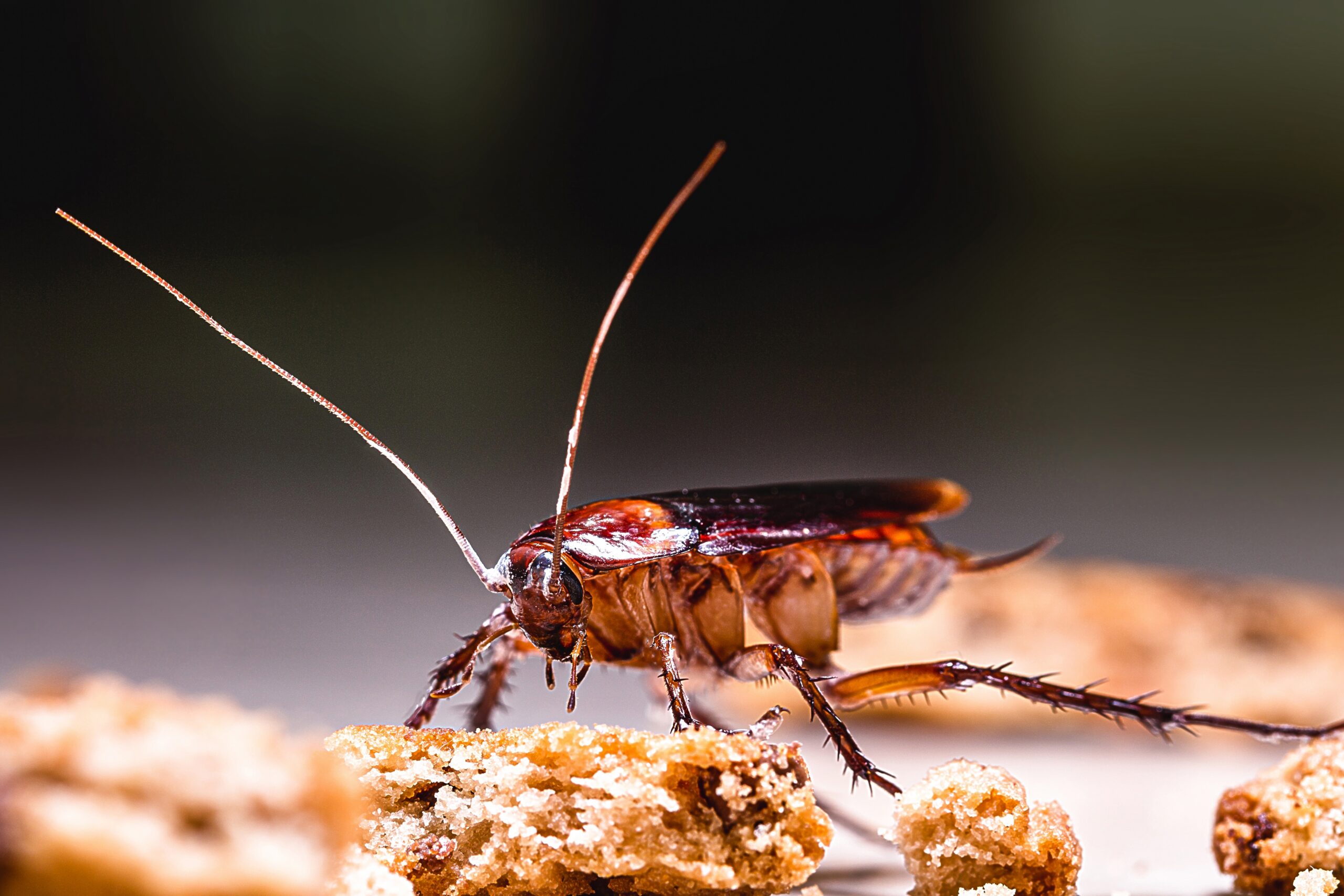
While a roach or two may not seem like a big deal, cockroaches can spread several different diseases to humans and can trigger allergy concerns for those with asthma. Salmonella is just one of the illnesses cockroaches can spread, and these pests are prevalent year-round.
Since the fall is often associated with high cockroach populations in homes, it is important to remain vigilant to keep you and your loved ones safe from these pests through consistent cockroach control and smart prevention.
Can a Cockroach Bite You?
Cockroaches do not typically bite humans. Unlike biting pests such as mosquitoes and ticks, cockroaches do not feed on human blood and usually avoid people. It is not impossible to be bitten by a cockroach, especially in cases of severe infestations.
There are more concerning health risks associated with cockroaches than bites, including skin shedding, waste (droppings), eggs, and saliva, all of which can trigger allergies and asthma. They also carry and spread bacteria that contaminate surfaces and food.
Can Cockroaches Make You Sick?
Cockroaches can make you sick with germs that they often spread to humans by moving across surfaces where food is prepared. Cockroach-related illnesses are often food-borne, such as:
- Salmonella, which is caused by eating or drinking contaminated food or drink. This causes diarrhea, stomach cramps, nausea, or vomiting.
- Shigella, which is caused by eating or drinking contaminated food or drink, as well as close contact with an infected person. This causes diarrhea, stomach cramps, or fever.
- Staphylococcus aureus, which is found on your skin, produces toxins that can cause food poisoning in people who consume contaminated foods. This causes nausea, diarrhea, vomiting, or stomach cramps.
- Escherichia coli (E. coli) has many strains, not all of which are harmful. This causes severe diarrhea, vomiting, fever, or stomach cramps.
Cockroach Allergies
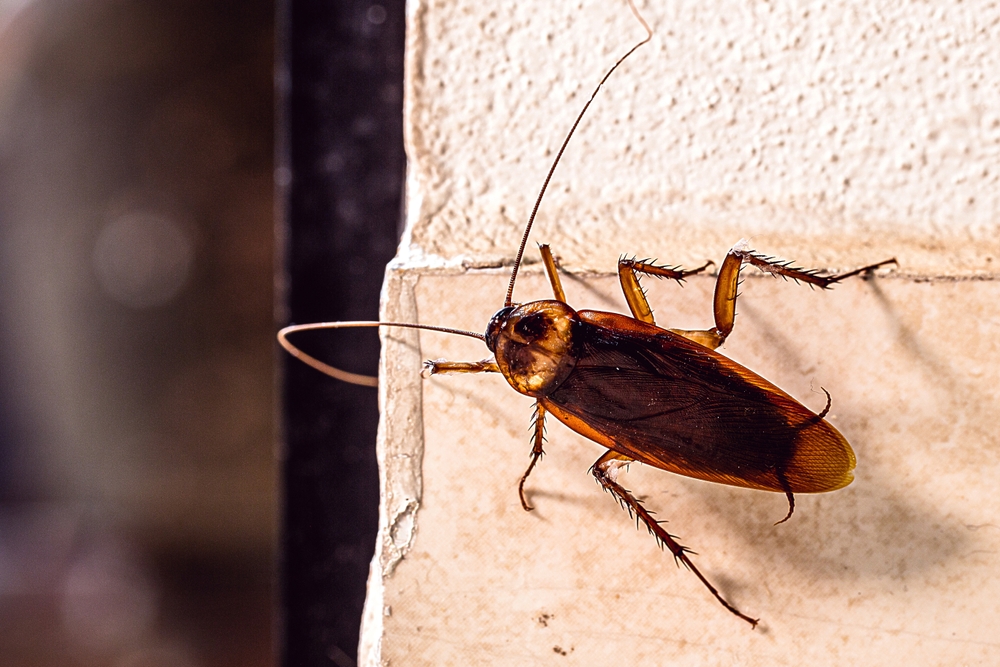
People with cockroach allergies have an immune system reaction to the protein found in and on the bodies of cockroaches, living and dead. Reactions can occur after contact with any part of a cockroach’s body, waste, or saliva, including inhaling invisible particles in the air or touching a contaminated surface.
Symptoms include:
- Skin rash
- Itch
- Congestion
- Watery or itchy eyes
- Runny nose
- Postnasal drip
- Sneezing
- Coughing
These allergic reactions can be serious for people with asthma, as breathing difficulties can lead to wheezing, shortness of breath, and chest tightness.
How to Reduce Cockroach Allergies
The easiest and best way to reduce the risk of cockroach allergies is to keep them out of your environment with effective cockroach control. If that is not possible for any reason, there are strategies to limit their effects on your health:
- Run a humidifier to keep humidity at 30-50%
- Place anti-allergen covers on mattresses and pillows
- Wash bedding once a week in hot water
- Get rid of carpeting and other fabrics (like curtains and rugs) that collect cockroach proteins
How to Keep Cockroaches Away From Your Home
Cockroaches need three things to survive: food, water, and shelter. As long as they have warm, damp areas with access to food and places to hide, they will stick around. Understanding what attracts cockroaches to houses and apartments, such as crumbs, grease, leaks, clutter, and gaps around doors, windows, and pipes, helps you plan more effective cockroach control.
There are several ways to prevent cockroaches in your home, school, or workplace:
- Keep human and pet food only in the kitchen, and keep all food and garbage in tightly sealed containers
- Wipe down counters, cooking surfaces, and tables often to remove crumbs and spills
- Clean gaps and crevices in your kitchen regularly to remove grime, grease, and food scraps
- Avoid leaving dirty dishes in the sink or on other surfaces
- Fix leaks to avoid dripping or standing water
- Run a dehumidifier in bathrooms as well as basements to eliminate moisture
- Reduce clutter piles to eliminate places for cockroaches to hide (including cardboard boxes and newspapers, which they may eat)
- Seal potential entry points, such as gaps around doors, windows, and pipes
What Do You Do If You Already Have Cockroaches?
If cockroaches have already invaded your home, the key is to get rid of them as quickly as possible:
- Place boric acid for roaches, bait stations, and sticky traps where you’ve seen cockroaches
- Make sure to keep any traps or chemical treatments out of reach from children and pets
- Follow the prevention tips above
- Call an exterminator for professional help, especially if other strategies don’t work or if you have a large infestation. Professional cockroach control can identify sources, treat hidden areas, and offer follow-up to ensure long-term cockroach control.
If you’re asking how to get rid of cockroaches quickly and safely, the answer is an integrated approach: clean thoroughly, seal entry points, deploy baits and dust correctly, and maintain follow-up. This is also the most effective way to remove cockroaches without risking reinfestation.
Contact Viking Pest Control for Comprehensive, Professional Cockroach Treatment
Are cockroaches plaguing your home life? Look no further than Viking Pest Control, a premier cockroach control service in New Jersey, Pennsylvania, Delaware, and Maryland. Our cockroach exterminator teams are well-equipped with local knowledge of our service areas, enabling them to create a customized treatment plan tailored to your specific location. Contact us today!