

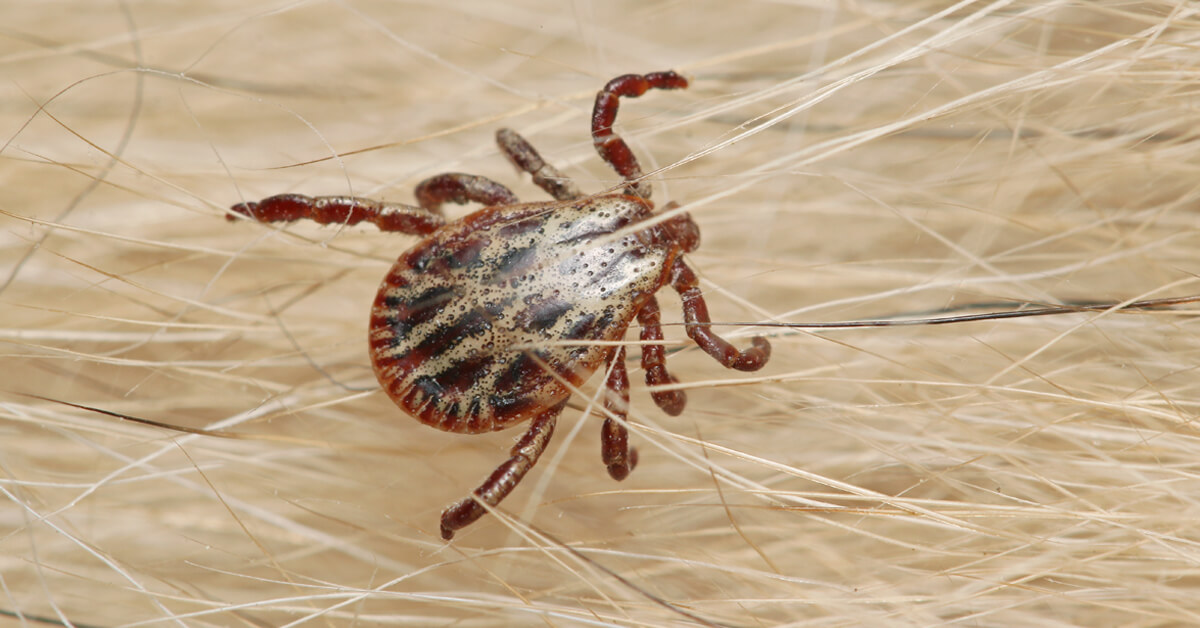
Ticks are among the most important disease-vector species in the US. They can spread diseases to both people and pets, so the alarm about ticks is very appropriate.
Diseases that ticks are known to spread include:
- Alpha-gal syndrome (red meat allergy)
- Rocky Mountain Spotted Fever
- Ehrlichiosis
- Powassan
- Anaplasmosis
- Babesiosis
- Tularemia
- Lyme Disease
Tick Prevention Strategies
While 100% tick-proofing is not possible, it is possible to greatly reduce the likelihood of infestation.
Keep Grass Cut Short
Ticks seek vegetation taller than shin height. By keeping your grass consistently cut, you reduce the likelihood of ticks in your lawn, as it provides unfavorable harborage conditions for them.
Eliminate Clutter From Your Yard
Clutter is an excellent harborage for mice, chipmunks, and other small animals, all of which are preferred hosts for the juvenile stages of many tick species that transmit arthropod-borne illnesses (ARBO). When your lawn is clutter-free, there is a significant reduction in food sources for ticks and in the conditions that favor tick proliferation.
Choose Plants Less Attractive to Deer
When landscaping, it is important to make sure that plants in your lawn are not attractive to deer. Transient deer may shed ticks as they pass through your property. Another good strategy to reduce deer on your property is fencing. If your yard is inaccessible to deer, it will significantly reduce the number of ticks introduced to your property.
Yard Cleanup Matters
Overgrown weeds produce seeds that support rodents and provide shelter for ticks. This one is twofold: the ticks can hide in the weeds, and they can latch onto rodents that use the seeds as a food source. Maintaining a tidy lawn can be a chore, but it is extremely important for keeping ticks out of your lawn.
Remove Leaf Litter
This is one of the most important tick prevention strategies, and it is especially important to do in the spring or fall. Leaf litter is where ticks go to spend the winter, so eliminating their harborage when the temperature begins to drop significantly reduces the risk of ticks staying on your property.
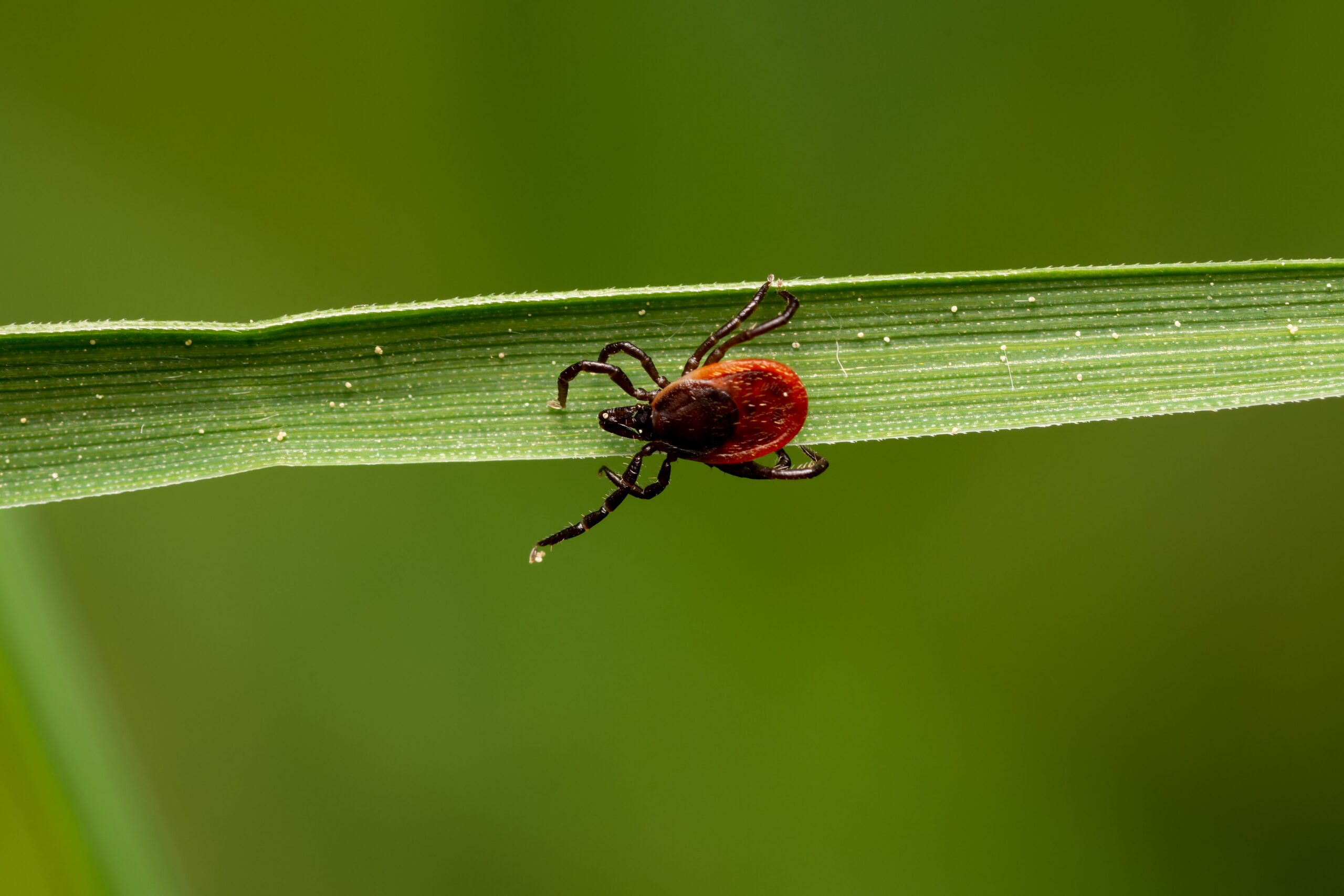
Pesticides
While we do not recommend pesticide use for homeowners, if you choose to use pesticides for tick control, treat only your shrubs and bushes, not your whole yard. There are a few more things to keep in mind regarding pesticide use:
Follow Pesticide Directions Carefully
The labels on pesticides are legally enforceable sets of instructions carefully designed to ensure maximum treatment effectiveness and minimize the risks associated with the product. It is very important to wear the recommended personal protective equipment when applying pesticides for your health and that of your loved ones.
Do Not Treat Your Entire Lawn with Fan Sprays
Fan sprays can be an easy way to apply materials over a large area, but when it comes to ticks, they only prefer to live in specific parts of your yard. It’s important to avoid spraying flowering plants with fan sprays, as this harms beneficial insects like honeybees. Realistically, plants over 8 feet tall as well as the whole yard are not conducive to tick needs. Instead, a 10-foot buffer into lawns from heavily vegetated areas can be treated for extra protection, but nothing more than that is needed.
Contact Viking Pest Control for Professional Tick Control
The easiest way to tick-proof your lawn is to call a tick management professional, like Viking Pest Control. If you are looking for tick management services during the warmer months, our tick control experts are aware of the local conditions relevant to our New Jersey, Pennsylvania, Delaware and Maryland and will create a tick treatment plan that is customized to your property’s needs, and have the knowledge on how to do so safely around you and your loved ones. Ticks are a very dangerous pest that should not be allowed to run rampant on your property. Viking Pest is here to keep you and your loved ones safe. Contact us today!