


Spotting a mouse scurrying across your kitchen floor or disappearing behind an appliance can be an unsettling experience. While your first instinct may be to assume there’s an entire family of mice hiding somewhere in your home, that isn’t always the case. So, if you see one mouse, does that mean there are more?
Does One Mouse Mean an Infestation?
The short answer is it’s not that simple. Although seeing a single mouse can be an early warning sign of a larger rodent infestation, several factors determine whether additional mice may be hiding nearby. From species-specific behaviors to nesting habits and travel patterns, understanding mouse behavior can help homeowners identify potential infestations before they get out of hand.
Since mouse species behave differently, identifying the type of mouse in your home can help determine the extent of the problem and the most effective approach to mouse control. The most common mouse species found in the home include:

House Mice
House mice are typically gray with cream-colored bellies. They tend to stay close to their nests when food, water, and shelter are readily available. Under favorable conditions, house mice may travel only a few feet from their nesting sites, with their typical range extending up to approximately 30 feet. If you discover mouse droppings in areas more than 20 to 30 feet apart, it could indicate that multiple mice are present.

White-Footed/Deer Mice
Deer mice, also known as white-footed mice, are often brown with white bellies and feet. Unlike house mice, these species have much larger territories that can span an acre or more. They may establish nests indoors while traveling outdoors to forage for food. These mice are also known for collecting and storing seeds, nuts, and acorns. Discovering piles of these materials in your attic, basement, or other sheltered areas may be a sign of mouse activity.
Where Do Mice Hide in Your Home?
Mice are skilled at finding quiet, sheltered spaces that provide easy access to food and warmth. When investigating a potential mouse infestation, it’s important to inspect multiple areas of your home rather than focusing solely on where you may have spotted the mouse.
Mice can squeeze through surprisingly small openings, including gaps approximately ¼ inch wide, allowing them to access spaces that homeowners might overlook. They frequently travel along water lines, electrical wiring, and gas lines hidden within walls, using these pathways to move throughout the home.
Warm appliances are particularly attractive nesting locations. Mice may seek shelter in or around:
- Stoves and dishwashers: Especially within insulation surrounding these appliances.
- Refrigerators and freezers: Near warm compressor motors and other sheltered components.
- Furnaces and water heaters: Areas that provide consistent warmth and protection.
- Attics and suspended ceilings: Elevated spaces where heat rises, and mice can travel without being easily detected.
- Wall voids and utility openings: Hidden pathways surrounding plumbing, wiring, and ventilation systems.
Homeowners should also inspect areas around plumbing vent lines, light fixtures, and openings where ductwork passes between floors. These locations can serve as common mouse travel routes, where droppings may accumulate over time. Small holes or disturbed insulation may also indicate that mice have established pathways through your home.

Signs You May Have More Than One Mouse
Although a single mouse sighting doesn’t necessarily confirm a larger infestation, certain warning signs can suggest that multiple rodents are living inside your home.
Some of the most common signs of a mice infestation include:
- Mouse droppings in multiple rooms: Finding droppings throughout different areas of your home may indicate widespread mouse activity.
- Large quantities of droppings: An accumulation of droppings, especially in frequently used travel routes, can suggest ongoing rodent activity.
- Grease or rub marks: Mice produce natural oils, known as sebum, that can leave gray or brown smudges along walls, baseboards, and other surfaces they frequently travel against.
- Stored food materials: Discovering piles of seeds, nuts, or acorns in your attic or basement may indicate nesting or food-caching behavior.
- Evidence of nesting: Small holes in insulation, disturbed materials, or shredded paper and fabric may indicate mice are establishing nests.
It’s important to remember that even one mouse can leave behind numerous droppings and other signs of activity. However, discovering these indicators across multiple locations may warrant a more thorough inspection by a professional mouse exterminator.
If You Catch One Mouse, Will There Be More?
Catching a mouse in a trap may feel like the end of your rodent problem, but removing one mouse doesn’t necessarily mean your house is mouse-free.
Mice are territorial animals, and dominant mice often occupy the most desirable nesting and feeding locations. When one mouse is removed, a less-dominant mouse may move into the newly available space.
For this reason, homeowners should consider reusing mouse traps and placing them in the same locations where mice have previously been caught. Mice are sensitive to scent, and the lingering odors of other mice may make a previously successful trapping location more attractive to additional rodents.
While trapping can help reduce mouse activity, it doesn’t address how rodents are entering your home in the first place. Without proper mouse exclusion and rodent control measures, additional mice may continue to find their way indoors.
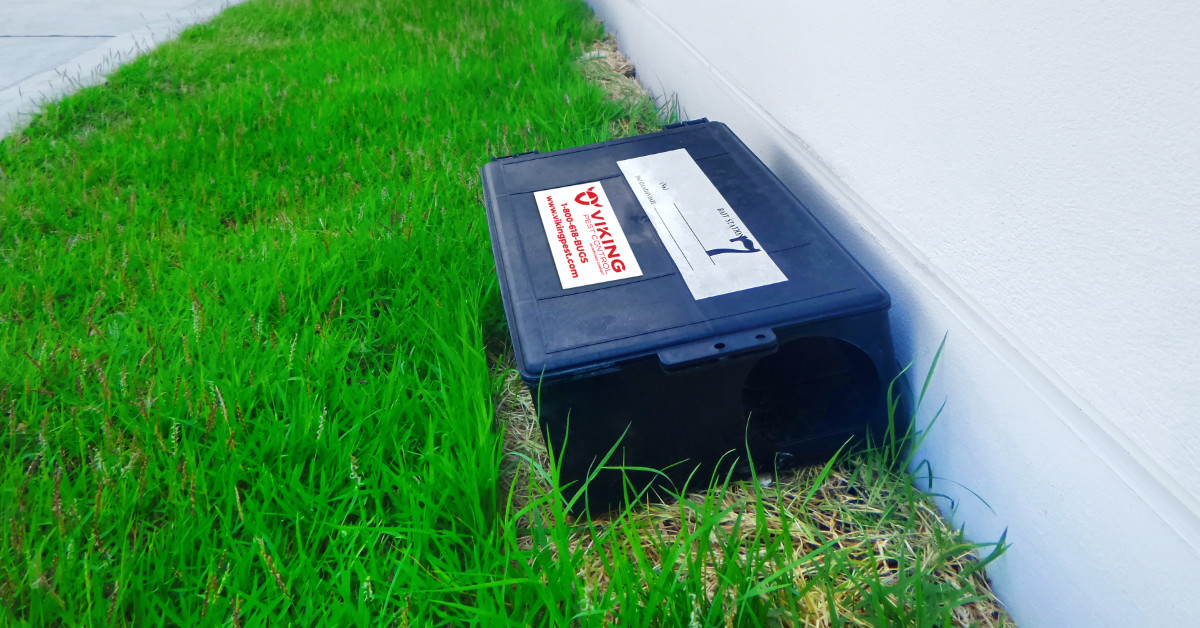
How to Prevent Mice From Entering Your Home
One of the most effective ways to reduce the risk of a mouse infestation is to prevent rodents from gaining access to your home. Because mice can fit through extremely small openings, even seemingly insignificant gaps around your home’s exterior can provide an entry point.
To help keep mice out, homeowners should carefully inspect the exterior of their property and seal gaps larger than ¼ inch using durable rodent-resistant materials.
Effective exclusion materials include steel wool, concrete, and hardware cloth, depending on the location and size of the opening. These materials can help block common entry points and discourage mice from chewing their way inside.
Avoid relying on expanding foam alone to seal potential entry points. Although it may temporarily fill a gap, mice can easily chew through expanding foam, reopening the space.
In addition to sealing entry points, homeowners can reduce the likelihood of rodent activity by keeping food in sealed containers, cleaning up crumbs and spills, eliminating clutter, and inspecting areas where mice may find shelter.
Contact Viking Pest Control for Mice Control Done Right
If you’ve spotted a mouse in your home, it’s important to act before a potential rodent problem becomes a larger infestation. Even if you’ve only seen one mouse, there may be additional rodents hiding in walls, attics, basements, or other areas that are difficult to inspect.
Professional mouse control services can help identify signs of rodent activity, locate potential entry points, and determine the appropriate treatment strategy for your property.
At Viking Pest Control, our experienced pest control professionals understand the behaviors and nesting habits of common mouse species. We offer comprehensive rodent control solutions, including Anticimex SMART Rodent Control 24/7 monitoring systems, designed to address existing mouse activity and help monitor for potential activity to prevent future infestations.
Don’t wait until one mouse turns into a bigger problem. Reach out to Viking Pest Control today to learn more about our professional mice control and rodent prevention services.