

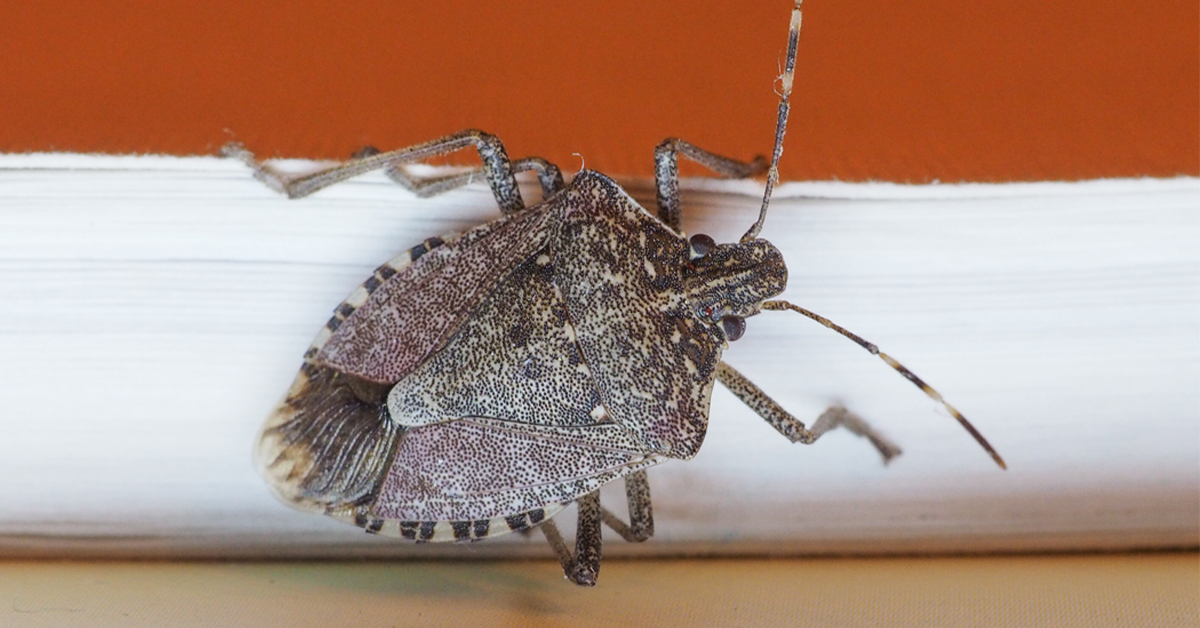
Fall may still be a few weeks away, but as temperatures begin to cool across the Mid-Atlantic, some unwanted houseguests are already looking for a warm place to spend the winter. Your home could be their next stop.
Stink bugs are one of several pests that begin seeking shelter as summer comes to an end. As temperatures decline in early fall, adult stink bugs look for protected areas where they can survive the colder months. Unfortunately, cracks, gaps, windows, doors, and other openings can make your home the perfect winter hideout.
Understanding why stink bugs come inside, as well as taking preventive action early, can help you avoid dealing with large numbers of these pests later in the season.
Why Do Stink Bugs Come Inside in the Fall?
The brown marmorated stink bug is an invasive pest that is one of the most common stink bug species in New Jersey, Pennsylvania, Maryland, and Delaware. During the warmer months, stink bugs spend most of their time outdoors feeding on plants. Adult females lay clusters of approximately 20 to 30 light green or yellow oval-shaped eggs on the undersides of leaves.
Depending on the climate, stink bugs may produce one or two generations each year in cooler regions and several generations in warmer areas.
Once temperatures begin to drop, however, their behavior shifts. Adult stink bugs begin searching for overwintering sites. Homes and other buildings provide the shelter they need, which is why homeowners often notice stink bugs gathering on building exteriors or appearing around windows and other potential entry points in early fall.
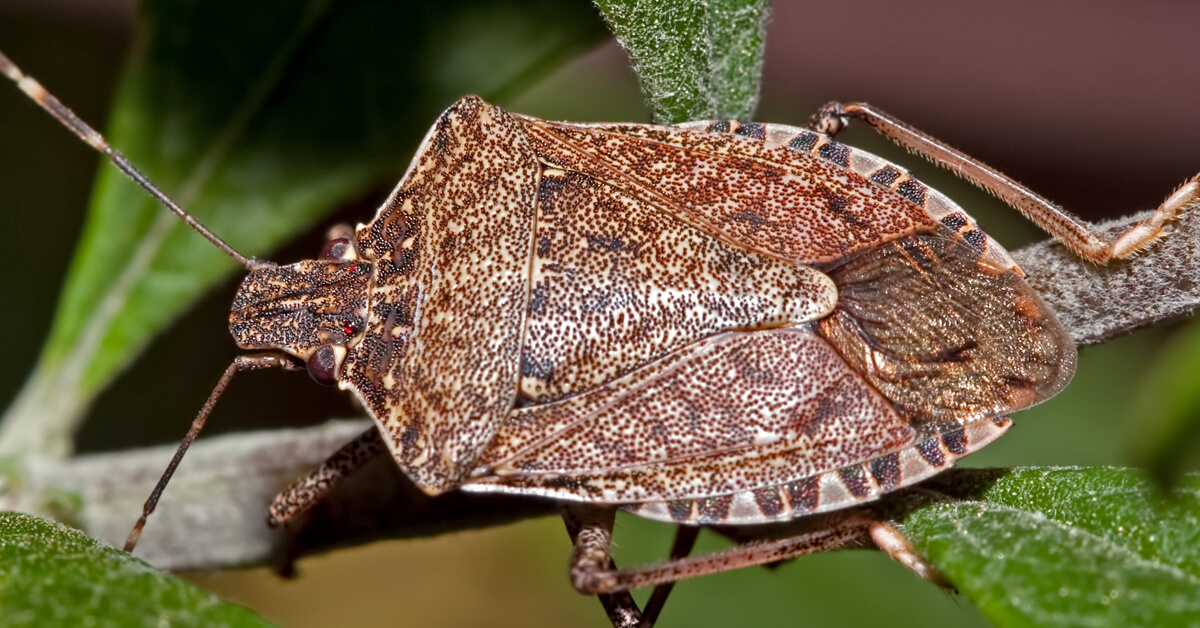
Where Do Stink Bugs Hide Inside Your Home?
Once stink bugs make their way indoors, they aren’t limited to one particular area. They may congregate or hide in a variety of protected spaces throughout the home, including:
- Around windows and door trim
- Behind baseboards
- Under beds and sofas
- Around bookcases
- Inside wall voids
- In other quiet, undisturbed areas
You may not immediately notice all the stink bugs that enter your home. Some can remain hidden throughout the winter before becoming active again when temperatures rise.
Are Stink Bugs Dangerous?
The good news is that stink bugs are primarily a nuisance pest. They do not bite people, transmit diseases, or typically cause physical harm to humans.
Their presence can still be unpleasant, especially when large numbers find their way indoors. Stink bugs are best known for the strong odor they can release when disturbed or crushed, hence the name. Some individuals may also be sensitive to allergens associated with stink bugs.
That makes prevention particularly important. Instead of waiting until stink bugs are already hiding throughout your home, you can take steps to make it harder for them to get inside in the first place.
How to Keep Stink Bugs Out of Your House
Brown marmorated stink bugs can squeeze through cracks and crevices around a home’s exterior. Before cooler fall weather arrives, inspect your home for potential entry points and address them as soon as possible.
Steps you can take to prevent stink bugs include:
- Caulk gaps around the inside and outside of windows
- Add weather stripping around entry doors
- Install door sweeps if you can see daylight around the perimeter of a door
- Inspect your foundation and seal cracks or gaps
- Secure entrances to crawlspaces
- Keep debris and edible vegetation away from your home’s foundation
- Caulk small openings around exposed plumbing pipes and use appropriate materials to seal larger gaps
- Cap or screen chimneys and fireplace openings when appropriate
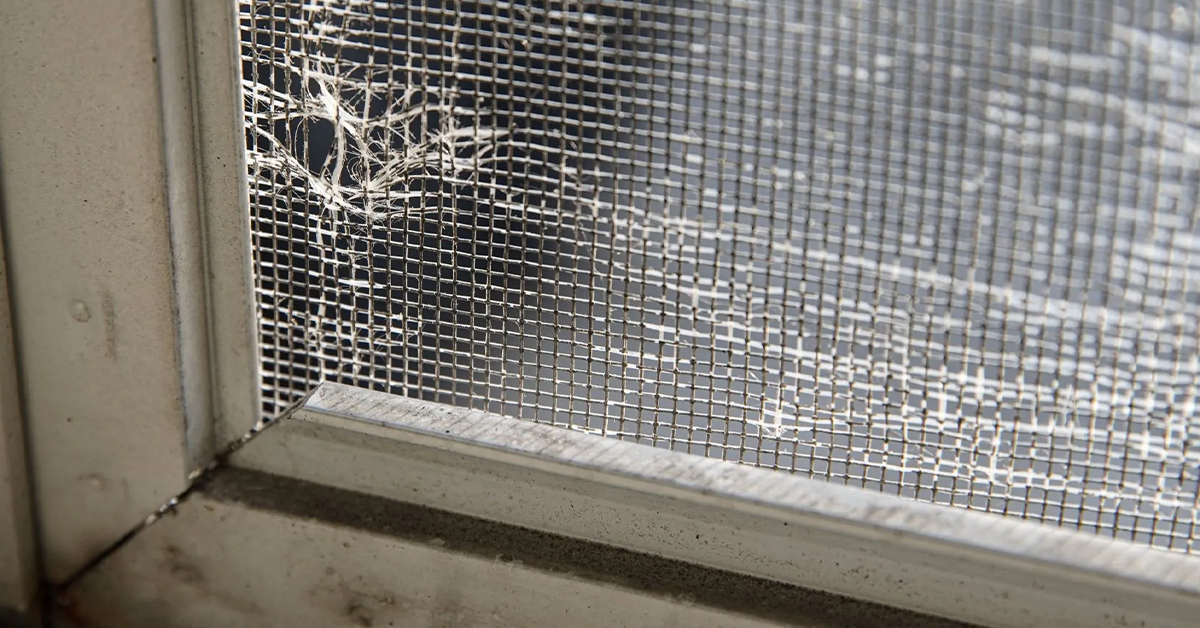
- Check window and door screens for damage
Reducing access points can help prevent stink bugs and other overwintering pests from turning your home into their seasonal shelter.
What Should You Do if Stink Bugs Are Already Inside?
If you find only a few stink bugs indoors, both live and dead insects can typically be removed with a vacuum cleaner. Keep in mind that the vacuum may develop an unpleasant stink bug odor over time.
Some homeowners also try DIY stink bug traps, such as a pan containing soapy water positioned near a light source. While these methods may help capture individual insects, they don’t address how stink bugs are entering the home.
Aerosol sprays and fogger-type pesticides may kill stink bugs already present in living areas, but killing the insects you can see does not prevent additional stink bugs from entering through untreated cracks and gaps.
If you’re seeing stink bugs repeatedly or dealing with a larger infestation, additional stink bug pest control measures may be necessary.
When Should You Call a Stink Bug Exterminator?
Seeing an occasional stink bug doesn’t necessarily mean you have a major infestation. However, frequent sightings can indicate that multiple pests have found access to your home or are already hiding inside protected areas.
A professional stink bug exterminator can evaluate the property, identify areas where stink bugs may be gaining access, and recommend an appropriate treatment and prevention strategy. Professional pest control can also address areas around the home’s exterior and surrounding vegetation when appropriate, using products registered for residential use.
The earlier you address potential entry points, the better your chances of preventing stink bugs from settling in your home for the winter.
Viking Pest Control: Your Best Option for Professional Stink Bug Control
Don’t wait until stink bugs have already made themselves comfortable inside your home. Viking Pest Control can help identify pest activity and address professional stink bug pest control solutions designed to protect your property.
If stink bugs are gathering around your home or appearing indoors, contact Viking Pest Control today to schedule service with an experienced stink bug exterminator and help keep unwanted pests where they belong: outside.