Rat Problems Are Growing in Northeast Philadelphia: What Residents Should Know
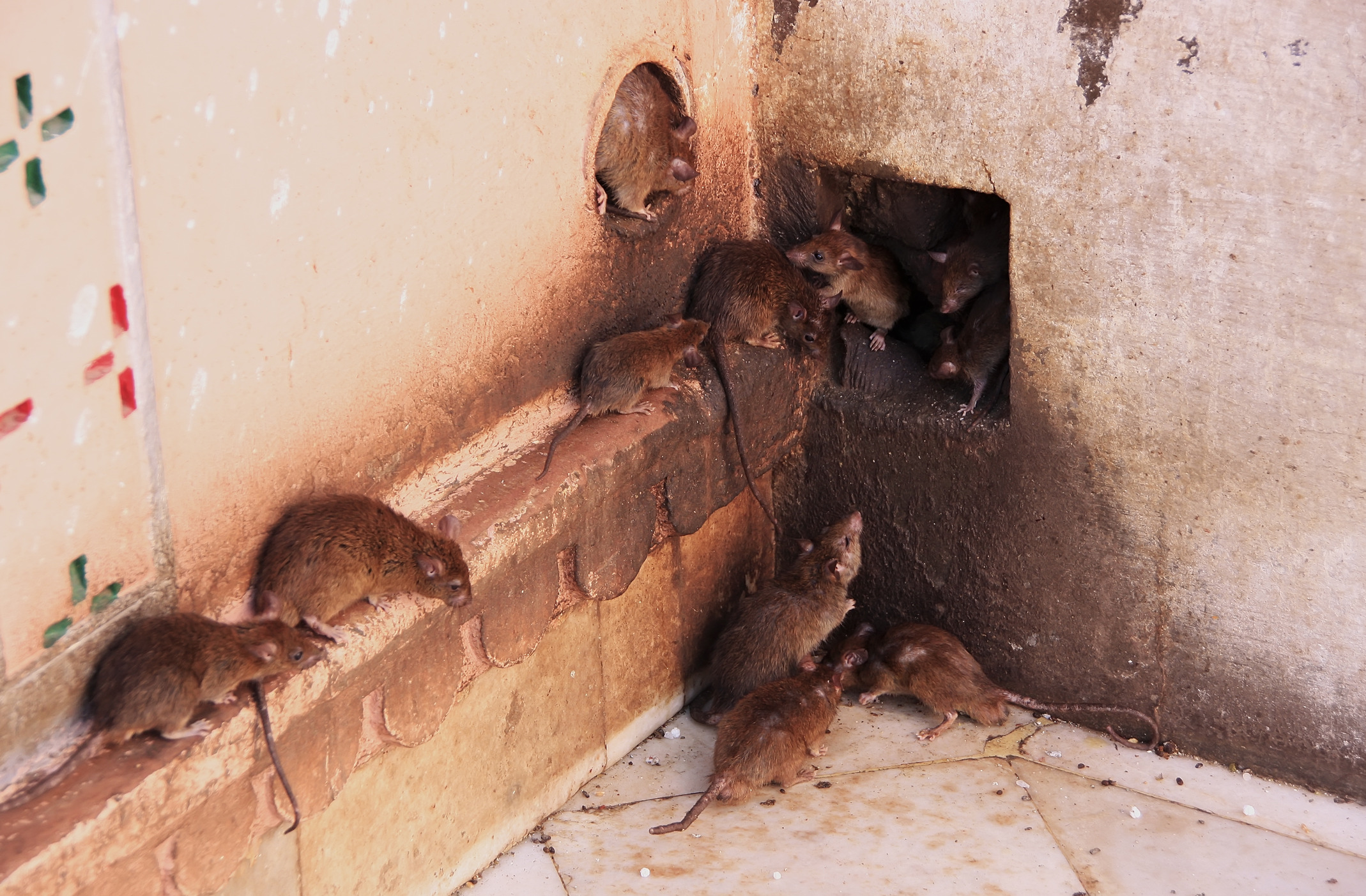
For some Northeast Philadelphia residents, rats have become more than an occasional nuisance. Reports of rodents overrunning yards, moving through alleys, and even damaging vehicles have raised concerns about a growing rat problem across several residential neighborhoods.
The reported surge began around Mayfair and has affected areas including Tyson Avenue, Friendship Street, Unruh Avenue, and surrounding blocks. Residents have described rats becoming a regular part of daily life, creating frustration over property damage, sanitation concerns, and the ability to comfortably use their own outdoor spaces.
As residents and local officials work to address the problem, the situation is also an important reminder of how quickly a rat infestation can grow, and why proactive rat prevention and rat control in Philadelphia are so important.
Northeast Philadelphia Residents Seeking Rat Control
Rats have reportedly been spotted traveling through backyards and alleys and gathering around vehicles parked behind Philadelphia rowhomes. For some residents, the problem has become costly.
Rodents are notorious chewers, and vehicles can provide both shelter and materials to gnaw. Rats may damage wiring and other components, potentially leaving vehicle owners with expensive repairs. One Northeast Philadelphia resident reportedly incurred approximately $1,800 in vehicle damage, while others have avoided parking behind their homes due to concerns about rodents.
The problem extends beyond cars. Rats getting into garbage, traveling across lawns, and settling near building foundations can make yards and other outdoor areas unpleasant for residents. Families may understandably become concerned when rodents are regularly appearing near areas where children play, pets spend time, or people gather outdoors.
What is Causing Philadelphia’s Rat Problem?
Rat infestations rarely have one single cause. Instead, several environmental conditions can make a neighborhood more attractive to rodents.
Improperly stored or disposed of garbage provides rats with a readily available food source. Neglected properties, abandoned vehicles, overgrown areas, and structural openings around buildings can also provide places for rats to hide, nest, and reproduce.
Philadelphia’s dense residential neighborhoods can make rat control particularly challenging. Rowhomes, alleys, shared outdoor spaces, and closely situated properties can mean a rodent problem on one property can quickly affect surrounding homes.
Local leaders have been working to educate residents, distribute trash cans, address problem properties, and encourage homeowners to seal gaps around foundations. Mitigation efforts have reportedly covered approximately 20 blocks, but some residents say the response has struggled to keep pace with the problem's scale.
Why are Rats a Health Concern?
Property damage isn’t the only reason to take a rat infestation seriously. Rodents can contaminate areas with urine, droppings, and other waste and may carry pathogens that can cause disease.
One potential concern associated with rats is leptospirosis, a bacterial disease that can spread through the urine of infected animals. People can become infected when contaminated water or soil comes into contact with broken skin or mucous membranes.
The presence of rats around garbage, yards, sidewalks, alleys, and residential structures can therefore create sanitation concerns in addition to the physical damage they may cause.
Signs of a Rat Infestation
Seeing a live rat is an obvious warning sign, but rodents are often most active when people aren’t around. Philadelphia homeowners should also watch for other evidence of rat activity, including:
Rat droppings around garbage areas, garages, basements, or other sheltered spaces
Gnaw marks on wood, plastic, wiring, garbage cans, or other materials
Burrows around foundations, sheds, vegetation, or outdoor structures
Greasy rub marks along walls and frequently traveled pathways
Scratching or scurrying noises, particularly at night
Damaged trash bags or signs that garbage has been disturbed
Unusual damage to vehicle wiring or components
Nesting material such as shredded paper, fabric, or insulation
Finding signs of rodents early can make it easier to address the conditions attracting them before the infestation becomes more established.
How to Help Prevent Rats Around Your Philadelphia Home
Effective rat prevention starts with limiting access to the three things rodents seek: food, water, and shelter.
Keep garbage in durable containers with tightly fitting lids and avoid leaving trash bags exposed outdoors whenever possible. Clean up spilled food, pet food, birdseed, and other potential food sources around the property. Removing clutter, debris, and excessive vegetation can also reduce potential hiding and nesting areas.
Homeowners should inspect the exterior of their property for gaps and openings, particularly around the foundation, doors, utility penetrations, vents, and other potential entry points. Rats can exploit surprisingly small openings, so proper exclusion is an important part of long-term rat control.
Addressing moisture problems and eliminating standing water can also make the property less attractive to rodents. Because rats can move between neighboring properties, prevention efforts are especially valuable in densely populated Philadelphia neighborhoods.
Professional Rat Control in Philadelphia
When rats have already established themselves around a home, simply removing accessible garbage or sealing one opening may not be enough. Effective rat control in Philadelphia requires identifying where rodents are traveling, what is attracting them, and where they may be entering or nesting.
Viking Pest Control provides professional rat control and rodent management designed to address current activity while helping reduce the conditions that can contribute to future infestations.
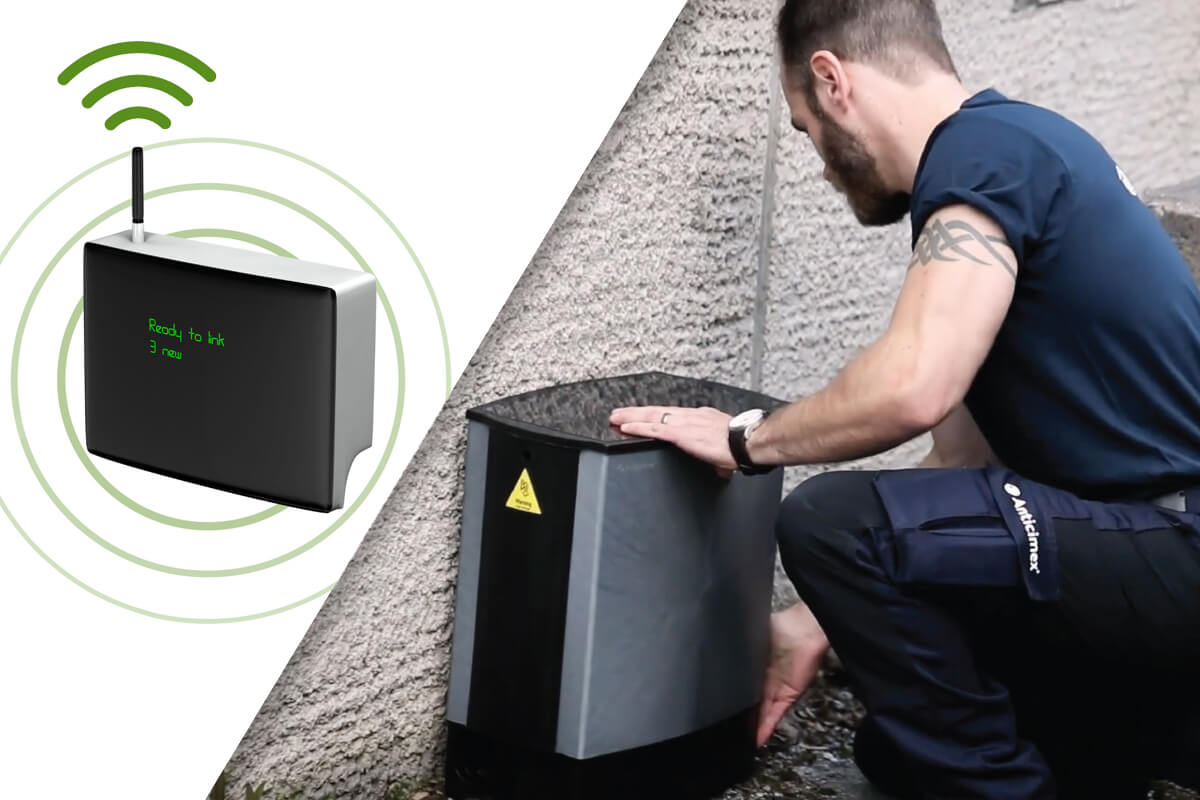
Viking also offers Anticimex SMART, an intelligent rodent control system that uses advanced technology to continuously monitor rodent activity. SMART devices can help identify activity and provide valuable information about rodent movement, allowing pest control professionals to take a more targeted approach to rodent management.
Unlike relying solely on visible sightings, continuous monitoring can help detect activity that may otherwise go unnoticed, an important advantage when dealing with nocturnal and elusive pests such as rats.
Don’t Let Rats Take Over Your Philadelphia Property
The rat problems being reported across Northeast Philadelphia demonstrate how disruptive a rodent infestation can become. From damaged vehicles and contaminated outdoor spaces to concerns about sanitation and disease, rats can have a significant impact on homeowners and entire neighborhoods.
Proactive rat prevention, proper sanitation, structural exclusion, and professional monitoring can all help keep rodents under control.
If you’re noticing rats, droppings, gnaw marks, burrows, or other signs of rodent activity around your property, contact Viking Pest Control for professional rat control in Philadelphia. Viking can inspect your property, identify signs of activity, and recommend a rodent-control solution tailored to your home’s specific needs.
Protecting Your Home from Hantavirus: What You Need to Know About This Mouse Transmitted Disease
At Viking Pest Control, our mission is to keep your home and family safe—not just from pests, but from the diseases they may carry. One of the more serious illnesses associated with rodents in the United States is Hantavirus Pulmonary Syndrome (HPS), a potentially fatal respiratory disease.
What Is Hantavirus?
Hantavirus is a group of viruses within the Bunyaviridae family. The strains found in the U.S. are most commonly associated with Hantavirus Pulmonary Syndrome, which can become life-threatening if not treated promptly.
Who’s Carrying It?
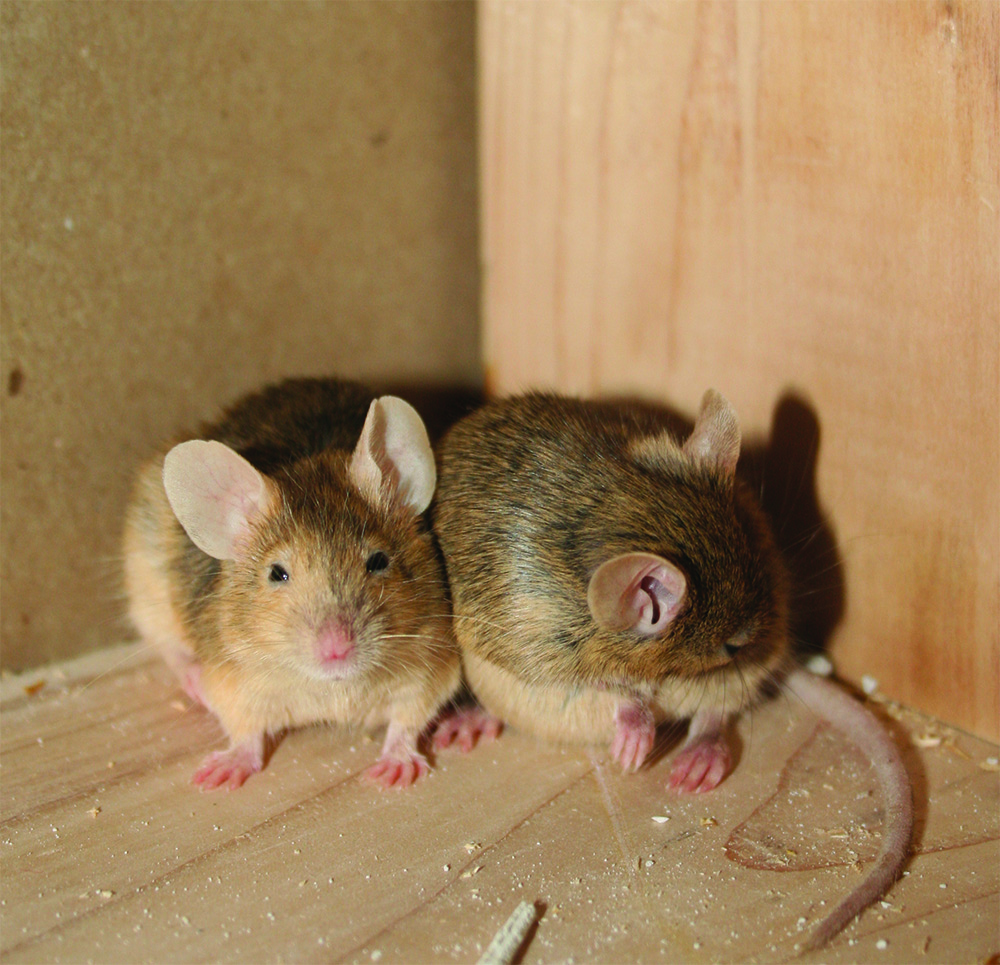
The primary carriers of Hantavirus in our region are deer mice. It has also been found in white-footed mice, cotton rats, and occasionally Norway rats, although the latter are not typically considered significant disease vectors for Hantavirus.
How Does It Spread?
Hantavirus is mainly transmitted through contact with the urine, droppings, or saliva of infected rodents. The virus becomes airborne when these materials are disturbed—such as when sweeping or vacuuming without proper filtration. While rare, bites or scratches from infected rodents can also spread the virus.
Important reminder: Never attempt to handle wild rodents or their nests. Not only does this increase your risk of exposure to Hantavirus, but it also opens the door to other diseases spread by fleas, mites, and parasites.
Know the Symptoms
Hantavirus symptoms can take anywhere from 1 to 8 weeks to appear after exposure. Early signs often resemble the flu:
Fatigue
Fever
Muscle aches
Headaches
Dizziness
Nausea or vomiting
Abdominal pain
As the virus progresses, symptoms can become much more severe, including:
Shortness of breath
Tightness in the chest
A dry, hacking cough
These respiratory symptoms are serious and can be fatal without immediate medical attention.
How to Safely Clean Up After Rodents
If you discover signs of rodent activity in your home, proper cleanup is critical:
Never sweep or vacuum droppings, urine, or nests. This can send viral particles into the air.
Always wear rubber gloves when handling contaminated areas.
Use an EPA-registered disinfectant and let it sit for at least five minutes, or as directed on the label.
Use paper towels to wipe up the mess and dispose of them in a sealed garbage can.
Mop or sponge the area again with disinfectant to ensure thorough cleaning.
Wash gloves and hands with soap and warm water after cleanup.
For large infestations or when rodent nests are found, call Viking Pest Control. Rodent nests can harbor fleas, mites, and other ectoparasites that pose additional health risks.
Prevention is the Best Protection
Keeping rodents out of your home is the most effective way to prevent Hantavirus exposure. Mice can squeeze through openings as small as ¼ inch, so proper exclusion is key.
That’s where Viking’s SMART pest control and Viking Green Pest Solutions come in. Our trained technicians use intelligent pest control systems and eco-friendly exclusion methods to block rodents before they become a problem—without putting your family or pets at risk.
Call Viking Today
If you see signs of rodents or suspect a nest in your home, don’t take any chances. Leave the cleanup and prevention to the professionals.
Call Viking Pest Control today for an inspection and customized rodent prevention plan. Let us help you protect your home—and your health.
Rodent Control in the Philadelphia Metropolitan Area: A Growing Urban Challenge
This article originally appeared in The Viking Voice, Viking Pest Control's LinkedIn Newsletter.
According to the latest U.S. Census Bureau data, Camden County, NJ, and Philadelphia and Delaware County, PA, are three of the ten most rodent-infested counties in the United States, with Philadelphia County being the most infested county in the country. Notably, these three counties are located right next to each other. This isn’t a coincidence. There are clear and verifiable reasons why these areas need extra attention from pest control professionals.
Philadelphia County and the City of Philadelphia are essentially synonymous. The city has long struggled with rodent infestations, ranking among the most rat-infested cities in the country. A combination of aging infrastructure, improper waste management, and a high density of food establishments has created ideal conditions for rats and mice to thrive. Understanding the factors contributing to the problem and implementing effective control measures is essential for keeping Philadelphia’s rodent population in check. Conditions are similar in Camden and Delaware counties which also have numerous highly urbanized areas.
The Impact of Housing and Construction
Older construction is a frequent culprit for rodent infestations. Philadelphia, in particular, has a sizable number of buildings constructed in the 1940s and earlier that are still in regular use today. While often charming and nostalgic, these buildings were not built with rodent control in mind and provide numerous architectural weaknesses that allow them access. Older buildings are also more likely to have multi-tiered interiors, including multiple layers of ceilings and flooring between which rodents can hide.
However, older buildings aren’t the only problem. Another major contributor to rodent infestations in Philadelphia, Delaware and Camden Counties is poor construction quality in housing complexes. Many buildings and houses, particularly those built between the 1980s and early 2000s, feature porous construction, making them more susceptible to rodent entry. These structures were often built with size and cost efficiency in mind, neglecting to seal the exteriors as thoroughly as construction from the preceding and subsequent eras.
Additionally, abandoned buildings serve as long-term reservoirs for rodent populations. These neglected structures often go unchecked for years, allowing rats and mice to multiply and eventually spread to neighboring areas.
Food Sources and Urban Environments
Despite the lack of natural food sources in urban settings, Philadelphia provides an abundance of food through improperly managed waste. Trash disposal remains a significant issue, with overflowing dumpsters and littered streets offering a continuous food supply for rodents. This problem is exacerbated by the city’s numerous restaurants, which produce substantial amounts of waste close to residential areas.
Behavioral Patterns of Rodents
Different species of rodents exhibit unique nesting habits. White-footed field mice prefer elevated locations, often nesting in soffits and attics. In contrast, house mice prefer to nest close to the ground. Due to their small size and high metabolism, these animals struggle to maintain body heat and are drawn to indoor environments during colder months.
Rats, on the other hand, remain hidden until populations reach critical levels. In suburban areas, residents often don’t notice rat activity until infestations become severe. In urban areas, where sightings occur more frequently, residents tend to act on the problem sooner.
Rodents' high metabolism requires them to consume enormous amounts of calories relative to their body size. They seek warm resting spots such as compressor housings and behind ovens and dishwashers. Pregnant female rodents prioritize nesting materials over food, often pulling on furniture to create warm nests that can be up to 25 degrees warmer than the outdoor environment.
Moving Toward a City-Wide Solution
The urban infrastructure in these counties presents another obstacle to effective rodent control. A single city block may contain a public park, subway system, apartment complex, and commercial buildings, all interwoven in a way that allows rodents to move freely between different structures. This creates a cycle of reinfestation, as eliminating rodents in one building does not address the problem in adjacent buildings. City parks also serve as harborage locations for rodents, yet pest control efforts in these areas are often insufficient.
Currently, rodent control efforts are largely focused on individual properties rather than comprehensive city-wide solutions. To effectively reduce rodent populations, Philadelphia must prioritize improved trash management, stricter building maintenance regulations, and coordinated pest control efforts across public and private spaces. Addressing these issues will require collaboration between city officials, business owners, landlords, and residents to create a cleaner, healthier urban environment for all.
Viking Pest offers a community-focused rodent control option with SMART Cities. This program is designed to work on city streets and in sewers to monitor rodent activity and eliminate the pests where they are most active.
By taking proactive measures, Philadelphia, Delaware, and Camden counties can better manage their rodent populations and mitigate the long-term risks associated with urban infestations.
Help! I Can't Keep Overwintering Pests Out Of My Bergen County Home
During the winter your Bergen County, NJ home becomes the perfect warm refuge for pests seeking shelter from the changing seasons. Proactive prevention and an understanding of overwintering pests are essential in keeping them out of your property.
Understanding Overwintering Pests
Overwintering pests instinctively seek warm shelter to survive the harsh winter months. Unfortunately, this often means they invade your home, where warmth, food, and moisture are abundant. You may commonly see the following pests in your house as temperatures drop, as they are persistent invaders during this time:
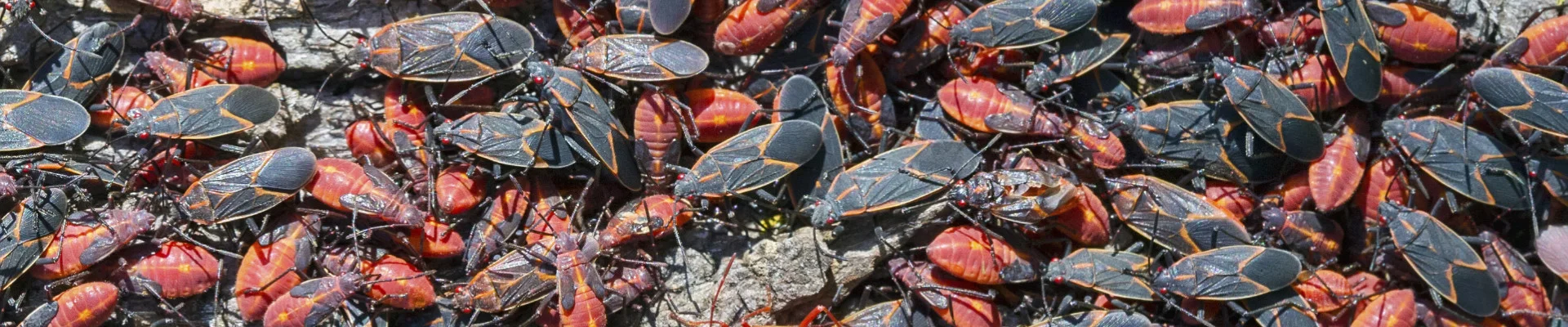
Boxelder Bugs: These black insects with red or orange markings love clinging to curtains or climbing walls, favoring homes with ample sun exposure.
Stinkbugs: Brown, shield-shaped bugs that emit an unpleasant odor. They are often found in cabinets, on walls, or in basements and crawl spaces.
Ladybugs: These red or orange beetles gather in large numbers on ceilings and can leave stains and unpleasant odors around your house.
Cluster Flies: Cluster Flies resemble common house flies but are noticeably larger. Their bodies have a dull gray hue with black markings, and they can be identified by the distinctive golden hairs covering their backs.
Rodents: Mice and rats vary in size and color but are among the most troublesome pests. They hide in attics, basements, walls, and food storage areas, causing damage and potential health hazards.
Beyond being an eyesore, these pests can cause significant damage. Insects can stain furniture, emit foul odors, and leave droppings. Rodents may contaminate food storage areas, while insects and rodents alike can chew on furniture or structural elements of your home. Additionally, rodents can introduce diseases, and their urine and feces may spread illnesses.
Overwintering Pest Prevention
The best way to keep overwintering pests from invading your home is through proactive prevention in the fall and ongoing professional care with Viking Pest Control. Additionally, here are several preventive measures you can take to reduce pest infestations:
Seal Entry Points: Inspect your home for cracks, gaps, or openings around windows, doors, and the foundation. Ensure window and door screens are intact, and consider investing in a chimney cap to keep rodents out of your attic.
Maintain Cleanliness: Regular vacuuming, dusting, and decluttering help remove any insects that have already entered and minimize potential hiding spots.
Secure Trash and Food Waste: Keep garbage and food waste in tightly sealed containers and dispose of them promptly to prevent attracting pests in the first place.
Effective Expert Pest Control
Winter pest invasions can be a nightmare, as insects and rodents seek warmth inside your home. The most effective way to eliminate and prevent pest infestations is by contacting the professionals at Viking Pest Control. Our expert team offers safe, efficient pest control solutions to protect your home from unwelcome winter guests. Call us today to schedule an inspection and keep your home pest-free all season long!
Are Mice Nocturnal?
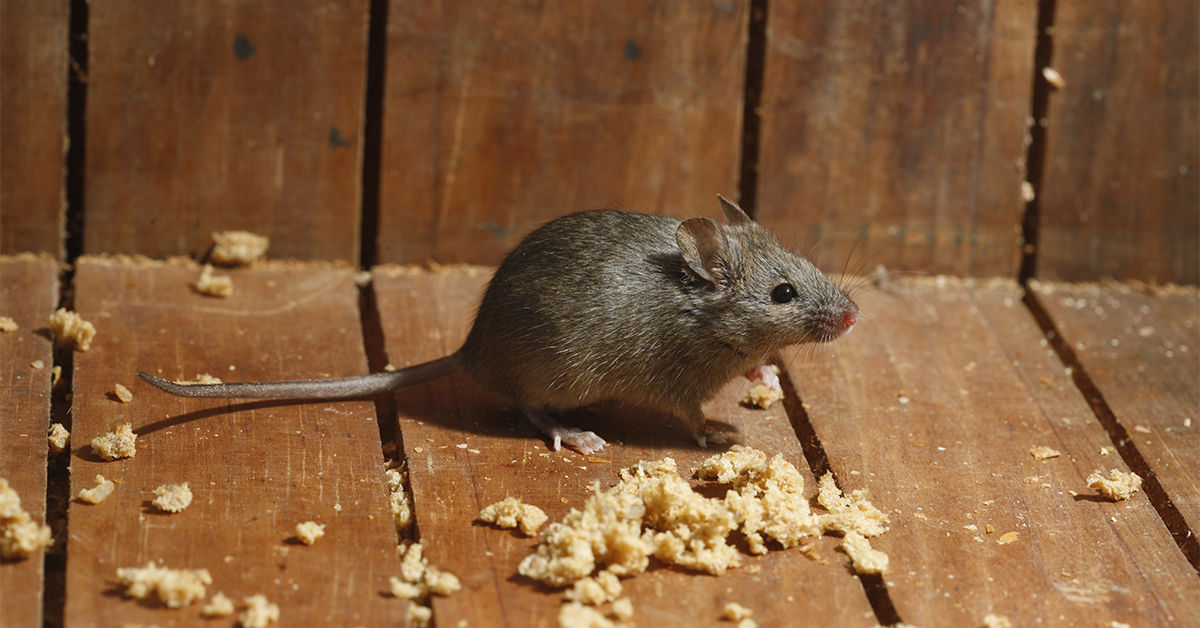
Mice are nocturnal creatures, meaning they are most active at night. Find out how this behavior affects mouse control and the best treatment options.
Mice are small, intelligent rodents known for their ability to squeeze through small gaps to make their way indoors. Once they’ve settled inside, they can quickly multiply, creating an infestation that’s difficult to combat alone.
Since live mice aren’t often seen by homeowners, even with an active infestation, many have wondered if mice are nocturnal. The answer is yes, and understanding the behaviors of mice and other nocturnal creatures is crucial to finding effective pest control and prevention solutions.
If you see a mouse or other rodent in your home or notice signs of activity such as dropping or gnawing marks, contact Viking Pest Control for safe and effective mice control in New Jersey, Pennsylvania, Maryland, and Delaware.
Nighttime Activities of Mice
Mice are at their peak active during the night, specifically at dusk and before dawn. They are social creatures living in communities of other mice, typically hidden away within the walls and other out-of-the-way places around your home. Once mice have established a nest near a known source of food, they rarely venture more than 30 feet away from it.
Mice utilize their intelligence to adapt to their environment, as well as their memory to establish trusted routes to food sources. Known for their scavenging nature, mice will consume nearly anything they can find and often eat during the night. Any food left out in the open will attract mice. They prefer to travel along well-defined routes and use their whiskers to feel their way and navigate through the dark. Common pathways traveled can include vertical pipes and wires that run within walls and between floors.
Understanding how mice behave and thrive is critical to getting rid of them. Placing traps and bait stations near food sources and along heavily traveled routes, especially along walls is important. Mice will investigate any changes made to their environment, so moving things around will force them to notice changes and establish new routes.
Benefits of SMART Mice Control
While knowing mice and their suspected routes can help, SMART Pest Control from Anticimex is the most effective way to combat mice in your home. Since mice are nocturnal, it can be difficult to discover their preferred pathways and nesting sites. Along with their abilities to quickly adapt to change and breed in large numbers, making headway towards eliminating an infestation can quickly be thwarted if they reestablish themselves in a new location.
Anticimex SMART Pest Control works 24/7 – 365 days a year – to digitally track mouse activity around your home, even when no one is awake or around to see or hear it. This consistent, round-the-clock monitoring ensures early detection of mice to stop infestations before they start and relays the location of mice to stop infestations before they start and relocate traps as needed. These traps are a humane solution that’s environmentally friendly and non-toxic for use around children and pets. One of the best parts of SMART technology is that it’s hands-off for the homeowner. The system sends alerts to the control center at Viking Pest Control, notifying our technicians when traps need to be emptied.
SMART mice and rodent control in New Jersey, Pennsylvania, Maryland, and Delaware is the ideal solution to eliminating current infestations and ongoing mice prevention. This innovative technology uses sensors and traps installed both indoors and out that communicate wirelessly, making it the perfect method to detect mice at any time and place they are active.
Preventing Fall Pests in Northern NJ
As the Northern New Jersey weather cools down in early fall, many pests and rodents start seeking warmth and food inside homes. It’s essential to know what you’re up against and how to prevent these unwanted guests from making themselves comfortable. Here’s what you need to know about keeping your home safe from mice, rats, insects, and even wildlife during this time of year. This phenomenon is particularly pronounced in Northern NJ counties like: Sussex County, Passaic County, Bergen County, and Morris County.
Getting Rid of Rodents in Northern NJ This Fall
As temperatures drop and food becomes scarce, mice start looking for better shelter. The leaf piles so common in Northern NJ in the fall around home foundations can offer them protection and lead them to find entry points. Mice are surprisingly small and nimble, capable of squeezing through gaps as tiny as ¼-inch high and ½-inch wide. Once they’re inside, they can quickly become a problem.
Rats, the larger and hungrier cousins of mice, are also looking for shelter from the cold. They consume a broader range of food and, unlike mice, need daily access to water. To keep rats away, remove sources of water and ensure trash receptacles are tightly sealed and clean. Rats need slightly larger entry points than mice—just ½-inch high and ¾-inch wide. They often nest further from homes, so they may be traveling up to 300 feet between their nest and food source.
To reduce the risk of rodents, start by cleaning up leaf litter and removing weeds, which provide food and shelter. Seal any small gaps with durable materials like metal gauze, steel wool, or specially designed door sweeps—avoid expanding foam, as mice can chew through it. Keep storage areas tidy and trash cans secure to minimize hiding spots for rodents.
When inspecting your property, remember that rats travel much farther for food than mice, so broaden your search for rat burrows. SMART rodent control from Viking Pest can help to catch rodent activity that you may otherwise miss.
Overwintering Insects
As the temperature drops, certain insect species, like stink bugs, boxelder bugs, ladybugs, cluster flies, and western conifer seed bugs, seek shelter in Northern NJ homes. They usually enter through gaps on the sunny side of buildings. The best way to keep them out is by sealing those gaps. If sealing isn’t possible, well-timed applications of repellents around entry points can help.
Firewood Pests
Firewood is another potential source of pests. Wood-destroying beetles, ants, and even rodents can hitch a ride inside on infested firewood. To minimize this risk, only bring in the wood you need and store the rest off the ground. Never apply pesticides to firewood you plan to burn.
Northern NJ Wildlife
As we continue to build closer to wildlife habitats, interactions with animals are becoming more frequent. To avoid attracting wildlife, refrain from feeding them or putting out birdseed. If trees or shrubs near your home aren’t trimmed, animals might use them to access your roof. Installing chimney caps is a good way to prevent animals from getting inside—aside from Santa, of course! If you hear noises in your attic or walls, it’s best to call a professional wildlife expert to handle the situation.
Contact Viking for Fall Pest Protection
By taking these precautions, you can protect your home from the pests and wildlife looking for refuge this fall. If these concerns seem too big for you, or you just want to make sure you're covering all of your bases to protect your home from pests, don't hesitate to give Viking Pest Control a call! Viking Pest has decades of experience working in Northern NJ towns like Wayne, Parsippany, Chatham, Morristown, and Madison, and can help prevent pest infestations whether they have four legs, six legs or more.
How to Rodent Proof Your House for Spring
By Lorne Hanewich
Rats, mice, and other rodents are warm-blooded mammals, just like humans. And like us humans, they also would prefer to live in a nice climate-controlled space safe from the elements. In the tumult of spring storms and showers, many rodents look to be safe from the storm in shelters we build for ourselves. And rats and mice are very, very good at sneaking in. Here are some tips for making sure that they can’t.
Seal Entry Points
When we said mice are very good at sneaking in, we weren’t kidding. Mice can sneak into openings half the diameter of a dime and rats can sneak into openings the size of a nickel. That’s alarmingly small. It's crucial to inspect your home for potential points of entry. Inspect your home for openings around doors, windows, pipes, and vents. Seal these gaps using caulk, steel wool, or metal mesh. By securing these entry points, you significantly reduce the likelihood of rodents moving in.
Store Food Properly
Rodents are always on the prowl for food, especially food they can get to easily. So, it's essential to store food in sealed containers made of durable materials like metal or heavy-duty plastic. Also, keep food packaging off the floor and away from the walls. Rodents are skilled at gnawing through cardboard and thin plastic and can get to food within.
Keep Your Yard Tidy
Trim your lawn and other vegetation around your home and sweep away fallen leaves. Overgrown bushes and piles of leftover leaves can provide rodents with easy cover and potential access to your home.
Declutter
Rodents find hiding places and nesting materials in clutter, making it essential to declutter your living space. Opt to store your belongings in plastic bins with secure lids, and maintain a well-organized attic, basement, and garage, free from unnecessary items. This proactive approach not only removes potential hiding spots for rodents but also enhances your ability to detect signs of an infestation.
Get SMART
SMART pest control technologies can help to detect rodent infestations and nip them in the bud. By tracking rodent activity as it occurs and reporting it to our pest control experts at the home office, SMART devices ensure that rodent infestations are caught early and won’t become a bigger problem.
If you are concerned that you have an infestation, or that you might be at risk of one. Call Viking Pest for a free rodent control estimate in New Jersey, Pennsylvania, Delaware, and the Eastern Shore of Maryland.
Carrie Underwood Ticket Winner: How Viking's Mice Control Helped Greg Fix "A Leaky Discovery"
Viking Pest Control recently asked our customers to send us their best Viking Pest Stories to share with our friends on social media. The winning entry received four VIP tickets to Carrie Underwood's performance at the Prudential Center on February 18, 2023. Greg D. of Collingswood, NJ provided us with the winning entry about how Viking Mice Control discovered a little something more, which you can read below. Congratulations, Greg! We hope you enjoy the concert!
A Leaky Discovery
I have been a Viking customer since 2018. Our relationship began after I discovered a mouse running along my kitchen counter (eek!). I immediately searched for reputable exterminators in the area and chose Viking for their strong reputation in reviews I’d read online. Since treating my original rodent infestation, Viking has made periodic trips to my home for preventative visits as part of my service contract and I am happy to report we have been mouse-free ever since! One of these visits by Viking even helped uncover a problem in my home that had nothing to do with rodents or insects!
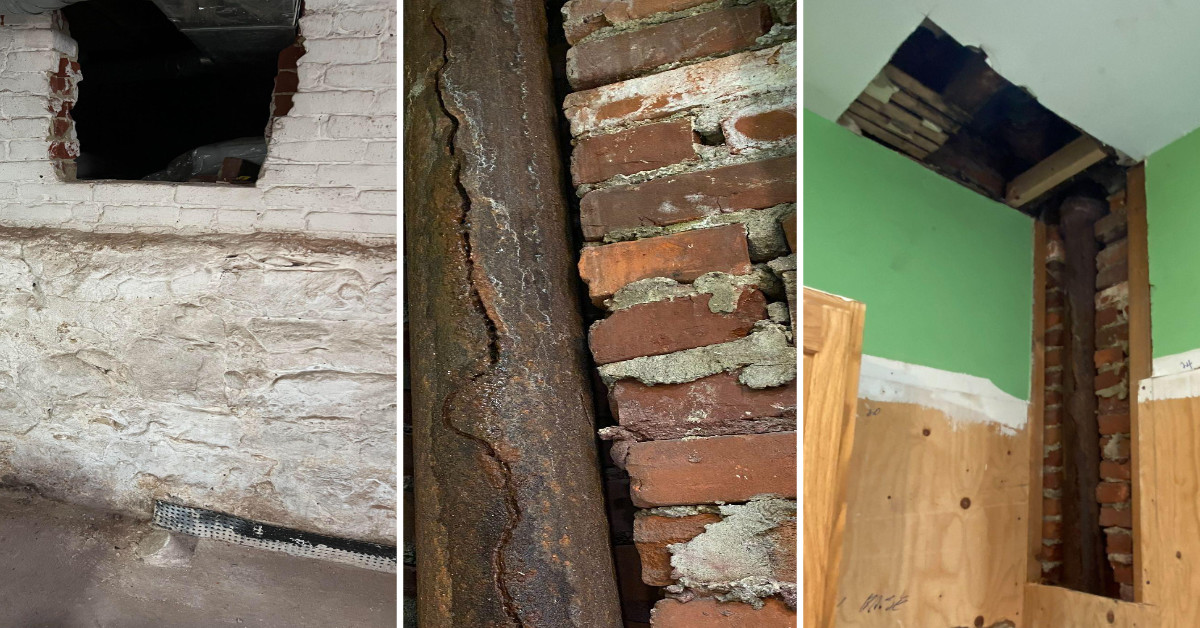
Soon afterwards, I contacted a local plumber who found that the cast iron pipe attached to the bathrooms in our home was leaking and that is what caused the water in the basement. Unbeknownst to me, every time my family and I used a bathroom sink, shower, or toilet, more water would pour into my basement from this leak. My home was built in 1908 and this may have been the original pipe (clearly the home builder got their money’s worth on the cost of the pipe since it lasted over 100 years!).
After extensive work, such as knocking down a wall in my kitchen to get to the leaky pipe, the cast iron pipe was replaced with a brand new Polyvinyl Chloride pipe, and my kitchen wall was repaired and painted. If you visited my home today, you would never even know this problem existed. My basement is now once again dry and I have Viking’s technician to thank for discovering a problem in my home that I was unaware of. As my story proves, there is definitely value to being a Viking customer and the regularly scheduled preventative visits by Viking’s knowledgeable technicians can help uncover issues beyond just the scope of pests and insects!
Below are photos of the crawl space area inspected by the Viking technician where they discovered water on the basement floor, as well as the cracked cast iron pipe that caused the issue that the Viking technician discovered.
As a proud partner of the Prudential Center, Viking is happy to offer our fans and customers chances to win tickets to concerts, sporting events, and more throughout the year. Keep an eye on our social media channels to see what's next!
How to Keep Mice Out of Your Home This Fall
As temperatures begin to drop in the fall, mice start searching for warm, sheltered places to spend the colder months. Unfortunately, homes throughout New Jersey, Pennsylvania, Delaware, and Maryland often provide everything mice need to survive — warmth, food, water, and protection from the elements.
What starts as a single mouse entering your garage or basement can quickly turn into a full infestation if left untreated. Understanding why mice invade homes during the fall and learning how to prevent them can help you avoid serious problems throughout the winter.
Why Mice Invade Homes in the Fall
Mice remain active year-round and do not hibernate. As outdoor temperatures cool, they begin searching for more stable environments where food and shelter are easier to find.
Homes are especially attractive because they provide:
Warm indoor temperatures
Easy access to food
Safe nesting areas
Protection from predators and weather
Mice can squeeze through openings as small as ¼ inch wide, making it surprisingly easy for them to enter homes through tiny cracks and gaps.
Common Mouse Entry Points
Mice often enter homes through:
Gaps around utility lines
Foundation cracks
Openings beneath siding
Gaps under exterior doors
Damaged weather stripping
Dryer vents
Garage door gaps
Roofline openings
Once inside, mice typically nest in hidden areas such as wall voids, basements, attics, garages, kitchens, and storage areas.
Signs of a Mouse Infestation
Because mice are nocturnal and secretive, homeowners may not notice them immediately. Common warning signs include:
Mouse droppings
Gnawed food packaging
Scratching sounds in walls or ceilings
Chewed cardboard or paper
Shredded nesting materials
Grease marks along walls
Strong musky odors
If you notice any of these signs, it’s important to act quickly before populations grow larger.
Why Mice Are Dangerous
Although mice are small, they can create serious health and safety risks inside homes.
Disease Risks
Mice contaminate surfaces, food, and storage areas with urine and droppings. They are capable of spreading illnesses such as:
Hantavirus
Salmonella
Leptospirosis
Lymphocytic choriomeningitis (LCMV)
Improper cleanup of mouse droppings can also release harmful particles into the air.
Property Damage
Mice constantly gnaw to keep their teeth from overgrowing. This behavior can damage:
Electrical wiring
Insulation
Furniture
Food containers
Drywall
Stored belongings
Chewed electrical wires can even increase the risk of house fires.
How to Prevent Mice From Entering Your Home
Taking preventative measures during the fall can significantly reduce your chances of a mouse infestation.
Keep Your Kitchen Clean
Food is one of the biggest attractants for mice.
To reduce food sources:
Store food in sealed containers
Clean crumbs and spills immediately
Vacuum regularly
Avoid leaving pet food out overnight
Dispose of garbage frequently
Even small crumbs or accessible pantry items can attract rodents indoors.
Seal Cracks and Openings
Inspect the exterior of your home carefully and seal any possible entry points.
Pay close attention to:
Door thresholds
Utility penetrations
Foundation cracks
Window frames
Roof gaps
Weather stripping, caulk, steel wool, and proper repairs can help block access.
Clean Up Yard Debris
Overgrown landscaping and outdoor clutter create ideal hiding and nesting areas for mice.
To make your property less attractive:
Remove leaf piles
Trim shrubs and tree branches away from the house
Relocate firewood away from the home
Clean up brush piles and debris
Reduce thick mulch near the foundation
A cleaner yard often means fewer rodents near your home.
Secure Outdoor Trash and Compost
Mice are highly attracted to garbage, compost, and food waste.
Use tightly sealed trash cans and maintain compost piles carefully to avoid attracting rodents.
Store Pet Food Properly
Pet food left out overnight can easily attract mice.
Store pet food in tightly sealed metal or glass containers and avoid leaving bowls accessible for long periods.
Humane Mouse Removal Options
If mice have already entered your home, snap traps are often considered one of the quickest and most effective removal methods. However, large infestations usually require more comprehensive treatment strategies.
Because mice reproduce rapidly and hide well, professional intervention is often the most effective long-term solution.
When to Call a Professional
DIY methods may temporarily reduce activity, but they often fail to eliminate the source of the infestation or prevent future problems.
Professional mouse control services help by:
Identifying hidden nesting areas
Locating entry points
Monitoring rodent activity
Providing long-term prevention solutions
Eliminating active infestations safely and effectively
SMART Rodent Control From Viking Pest Control
Viking Pest Control offers advanced SMART Rodent Control technology that monitors mouse activity 24/7. These systems help detect infestations early and provide proactive rodent management before problems become severe.
Our pest professionals customize treatment and prevention plans for homes throughout New Jersey, Pennsylvania, Delaware, and Maryland to help homeowners stay protected year-round.
If you suspect mice are entering your home this fall, early action can help prevent costly damage, health risks, and large infestations later in the season.
How SMART Rodent Control Helps Protect Commercial Properties
Rodents can create serious problems for commercial properties throughout New Jersey, Pennsylvania, Delaware, and Maryland. From contaminating products and damaging property to creating health and safety concerns, even a small rodent problem can quickly impact daily business operations.
Because rodents can squeeze through openings as small as half an inch and reproduce rapidly, proactive prevention is one of the most effective ways to protect your facility. That’s why many businesses are turning to SMART digital rodent control solutions for around-the-clock monitoring and protection.
Why Rodents Are a Serious Business Risk
Rodents are known for their ability to chew through wood, plastic, insulation, wiring, and other materials throughout commercial buildings. In warehouses, food facilities, livestock operations, restaurants, and office buildings, rodent activity can lead to contamination concerns, damaged inventory, costly repairs, and potential reputational damage.
Traditional rodent control methods often rely heavily on periodic inspections or reactive treatments after activity has already increased. Digital rodent monitoring helps businesses identify activity earlier before infestations become larger and more difficult to control.
How SMART Rodent Control Works
Viking Pest Control’s SMART pest control technology combines digital monitoring with professional pest management to help detect and respond to rodent activity 24/7.
Using infrared sensors, connected monitoring devices, and strategically placed traps, the SMART system continuously tracks rodent activity throughout a property. When activity is detected, information is transmitted directly to Viking technicians, allowing for faster response times and ongoing adjustments based on real-time data.
This proactive approach helps businesses:
Detect rodent activity early
Identify high-pressure areas
Monitor trends over time
Reduce the risk of major infestations
Minimize disruption to daily operations
Customized Protection for Commercial Facilities
Every commercial property has different pest pressures and operational needs. Facilities such as warehouses, livestock operations, healthcare facilities, restaurants, and manufacturing plants often require customized rodent prevention strategies.
Before installation, Viking technicians evaluate the property layout, identify potential entry points, and determine areas with elevated rodent pressure. SMART devices are then strategically placed throughout the facility and adjusted over time based on collected activity data.
For facilities where sanitation and compliance are critical, continuous monitoring can provide an added layer of protection and peace of mind.
Benefits of Digital Rodent Monitoring
Compared to traditional rodent control programs, SMART technology offers several advantages, including:
24/7 rodent monitoring
Real-time digital alerts
Reduced reliance on reactive treatments
Environmentally conscious solutions
Ongoing trap optimization
Data-driven pest management decisions
SMART technology can also monitor areas like sewer lines and utility access points where rodents commonly enter commercial properties.
Professional Commercial Rodent Control from Viking Pest Control
For businesses looking to strengthen their rodent prevention strategy, Viking Pest Control’s commercial pest control services provide customized solutions designed for a wide range of industries throughout the Mid-Atlantic region.
By combining local expertise with advanced monitoring technology, Viking helps businesses stay proactive against rodents while reducing the risk of costly infestations and operational disruptions.