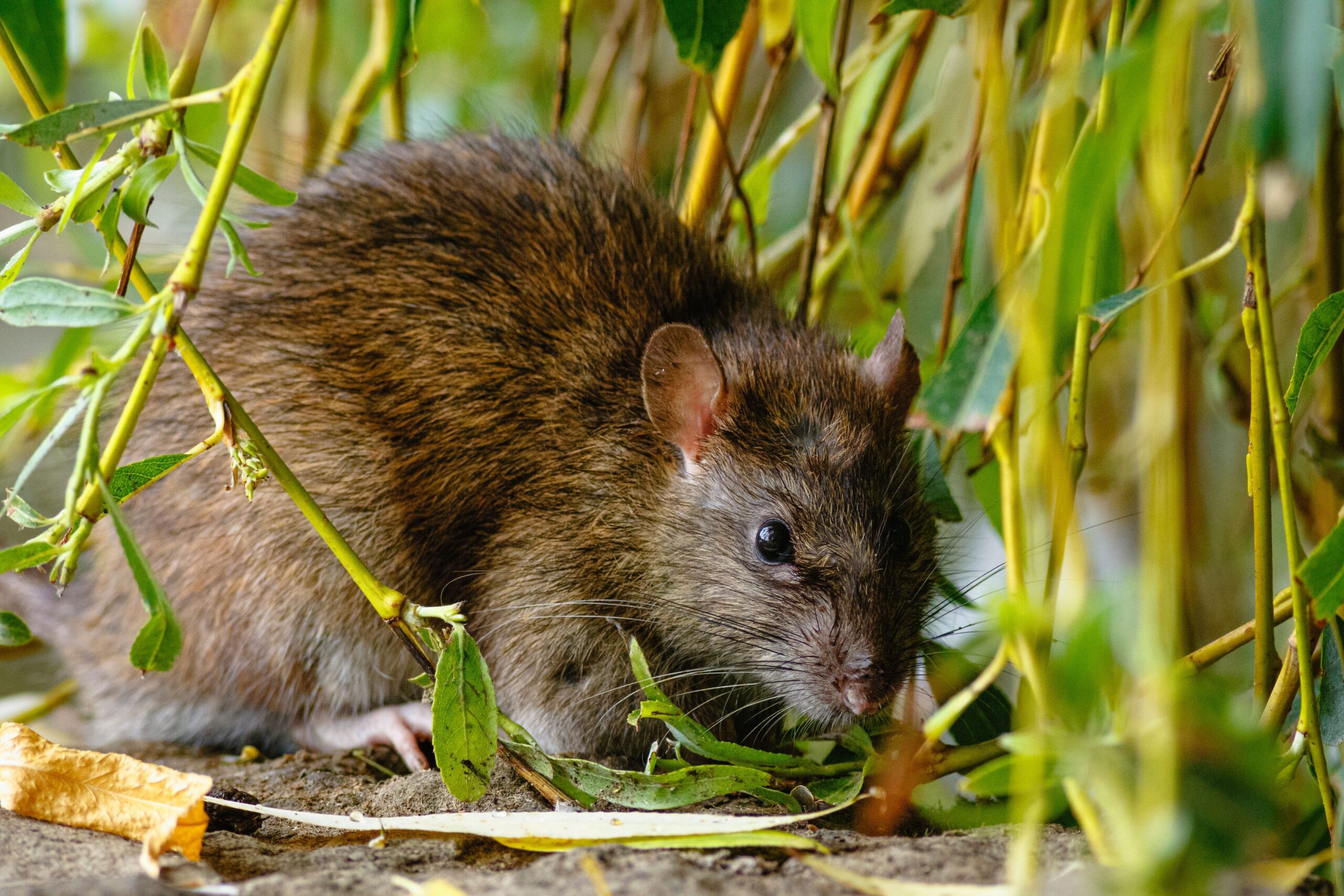
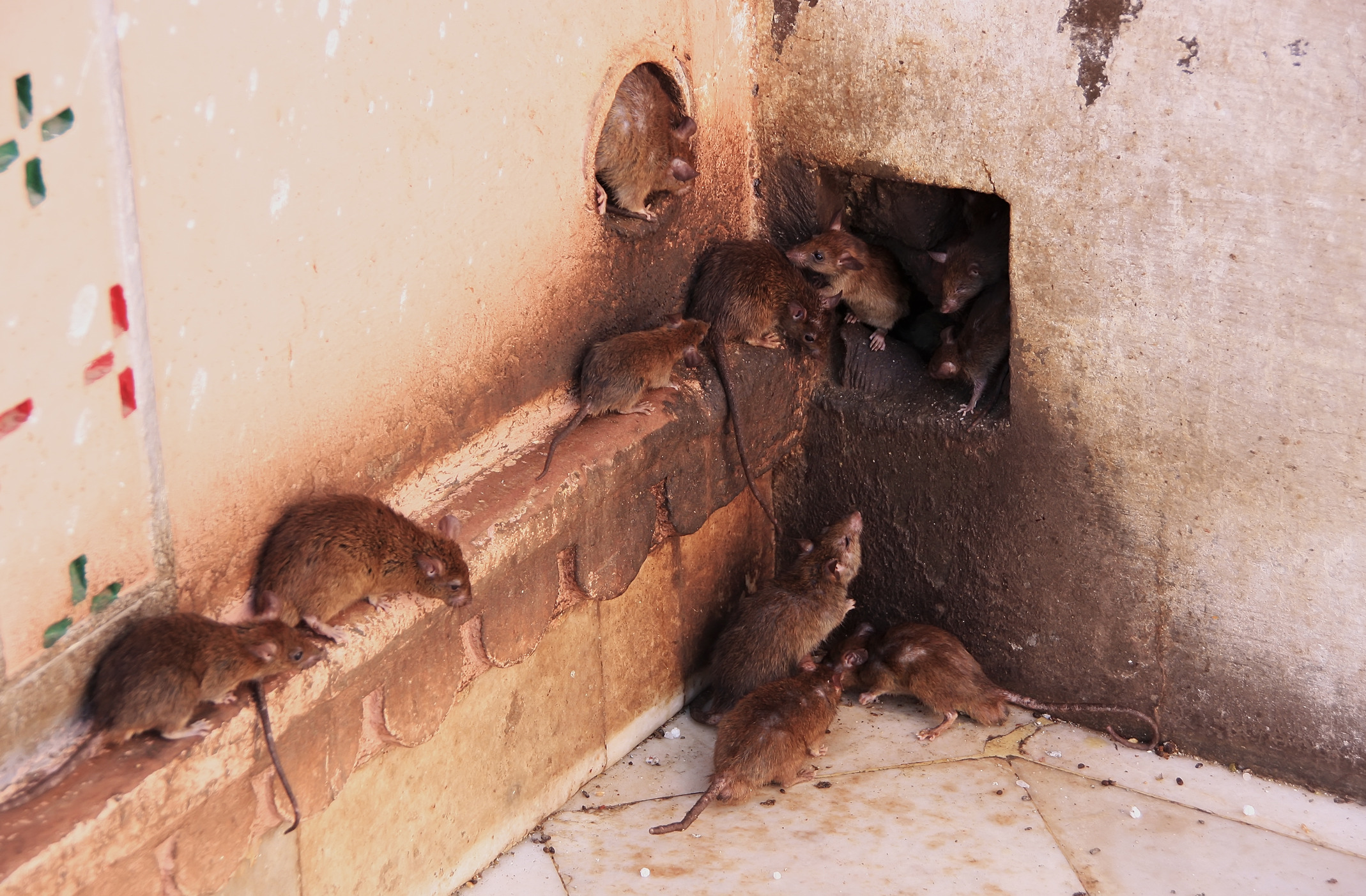
For some Northeast Philadelphia residents, rats have become more than an occasional nuisance. Reports of rodents overrunning yards, moving through alleys, and even damaging vehicles have raised concerns about a growing rat problem across several residential neighborhoods.
The reported surge began around Mayfair and has affected areas including Tyson Avenue, Friendship Street, Unruh Avenue, and surrounding blocks. Residents have described rats becoming a regular part of daily life, creating frustration over property damage, sanitation concerns, and the ability to comfortably use their own outdoor spaces.
As residents and local officials work to address the problem, the situation is also an important reminder of how quickly a rat infestation can grow, and why proactive rat prevention and rat control in Philadelphia are so important.
Northeast Philadelphia Residents Seeking Rat Control
Rats have reportedly been spotted traveling through backyards and alleys and gathering around vehicles parked behind Philadelphia rowhomes. For some residents, the problem has become costly.
Rodents are notorious chewers, and vehicles can provide both shelter and materials to gnaw. Rats may damage wiring and other components, potentially leaving vehicle owners with expensive repairs. One Northeast Philadelphia resident reportedly incurred approximately $1,800 in vehicle damage, while others have avoided parking behind their homes due to concerns about rodents.
The problem extends beyond cars. Rats getting into garbage, traveling across lawns, and settling near building foundations can make yards and other outdoor areas unpleasant for residents. Families may understandably become concerned when rodents are regularly appearing near areas where children play, pets spend time, or people gather outdoors.
What is Causing Philadelphia’s Rat Problem?
Rat infestations rarely have one single cause. Instead, several environmental conditions can make a neighborhood more attractive to rodents.
Improperly stored or disposed of garbage provides rats with a readily available food source. Neglected properties, abandoned vehicles, overgrown areas, and structural openings around buildings can also provide places for rats to hide, nest, and reproduce.
Philadelphia’s dense residential neighborhoods can make rat control particularly challenging. Rowhomes, alleys, shared outdoor spaces, and closely situated properties can mean a rodent problem on one property can quickly affect surrounding homes.
Local leaders have been working to educate residents, distribute trash cans, address problem properties, and encourage homeowners to seal gaps around foundations. Mitigation efforts have reportedly covered approximately 20 blocks, but some residents say the response has struggled to keep pace with the problem’s scale.
Why are Rats a Health Concern?
Property damage isn’t the only reason to take a rat infestation seriously. Rodents can contaminate areas with urine, droppings, and other waste and may carry pathogens that can cause disease.
One potential concern associated with rats is leptospirosis, a bacterial disease that can spread through the urine of infected animals. People can become infected when contaminated water or soil comes into contact with broken skin or mucous membranes.
The presence of rats around garbage, yards, sidewalks, alleys, and residential structures can therefore create sanitation concerns in addition to the physical damage they may cause.
Signs of a Rat Infestation
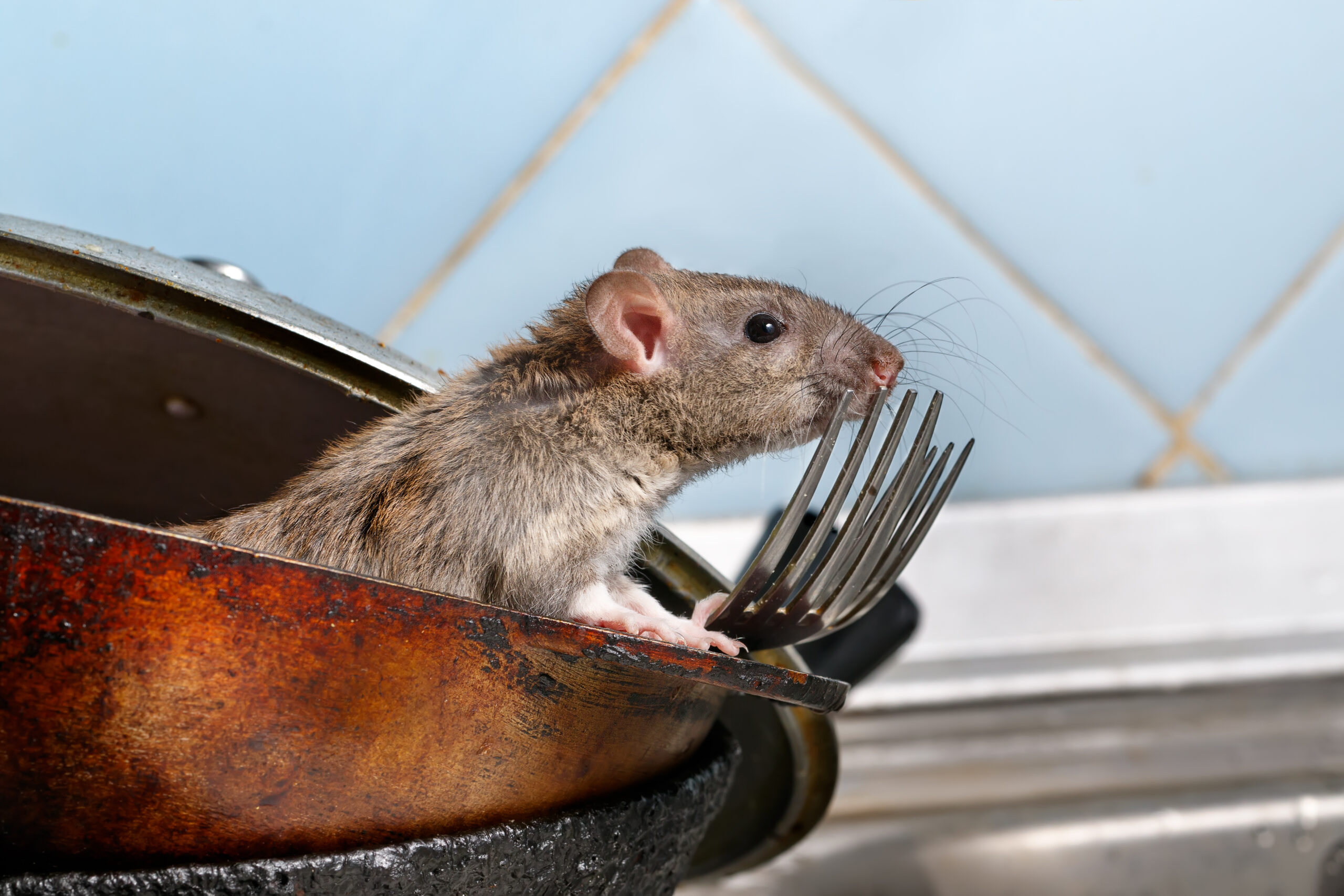
Seeing a live rat is an obvious warning sign, but rodents are often most active when people aren’t around. Philadelphia homeowners should also watch for other evidence of rat activity, including:
- Rat droppings around garbage areas, garages, basements, or other sheltered spaces
- Gnaw marks on wood, plastic, wiring, garbage cans, or other materials
- Burrows around foundations, sheds, vegetation, or outdoor structures
- Greasy rub marks along walls and frequently traveled pathways
- Scratching or scurrying noises, particularly at night
- Damaged trash bags or signs that garbage has been disturbed
- Unusual damage to vehicle wiring or components
- Nesting material such as shredded paper, fabric, or insulation
Finding signs of rodents early can make it easier to address the conditions attracting them before the infestation becomes more established.
How to Help Prevent Rats Around Your Philadelphia Home
Effective rat prevention starts with limiting access to the three things rodents seek: food, water, and shelter.
Keep garbage in durable containers with tightly fitting lids and avoid leaving trash bags exposed outdoors whenever possible. Clean up spilled food, pet food, birdseed, and other potential food sources around the property. Removing clutter, debris, and excessive vegetation can also reduce potential hiding and nesting areas.
Homeowners should inspect the exterior of their property for gaps and openings, particularly around the foundation, doors, utility penetrations, vents, and other potential entry points. Rats can exploit surprisingly small openings, so proper exclusion is an important part of long-term rat control.
Addressing moisture problems and eliminating standing water can also make the property less attractive to rodents. Because rats can move between neighboring properties, prevention efforts are especially valuable in densely populated Philadelphia neighborhoods.
Professional Rat Control in Philadelphia
When rats have already established themselves around a home, simply removing accessible garbage or sealing one opening may not be enough. Effective rat control in Philadelphia requires identifying where rodents are traveling, what is attracting them, and where they may be entering or nesting.
Viking Pest Control provides professional rat control and rodent management designed to address current activity while helping reduce the conditions that can contribute to future infestations.
Viking also offers Anticimex SMART, an intelligent rodent control system that uses advanced technology to continuously monitor rodent activity. SMART devices can help identify activity and provide valuable information about rodent movement, allowing pest control professionals to take a more targeted approach to rodent management.
Unlike relying solely on visible sightings, continuous monitoring can help detect activity that may otherwise go unnoticed, an important advantage when dealing with nocturnal and elusive pests such as rats.
Don’t Let Rats Take Over Your Philadelphia Property
The rat problems being reported across Northeast Philadelphia demonstrate how disruptive a rodent infestation can become. From damaged vehicles and contaminated outdoor spaces to concerns about sanitation and disease, rats can have a significant impact on homeowners and entire neighborhoods.
Proactive rat prevention, proper sanitation, structural exclusion, and professional monitoring can all help keep rodents under control.
If you’re noticing rats, droppings, gnaw marks, burrows, or other signs of rodent activity around your property, contact Viking Pest Control for professional rat control in Philadelphia. Viking can inspect your property, identify signs of activity, and recommend a rodent-control solution tailored to your home’s specific needs.